

Replace Legacy Middleware with Policy-Driven Architecture
The episode argues that legacy middleware creates a “silent tax” on enterprises by adding unnecessary complexity, cost, and dependency between systems. Instead of enabling integration, middleware often becomes a bottleneck that slows down decision-making and increases maintenance overhead.
The core message is that modern platforms like Microsoft 365 shift the focus from connecting systems to controlling behavior through governance and integrated architectures. Organizations should move away from fragmented, best-of-breed stacks and toward unified ecosystems with strong control planes.
Ultimately, the episode highlights a transition from integration-heavy architectures to simplified, policy-driven systems where automation and governance replace layers of middleware—reducing cost, improving speed, and enabling better business outcomes.


You pay the Middleware Tax every day through hidden costs and inefficiencies in your operations. Legacy middleware drains your budget, slows response times, and damages cx. The impact on customer satisfaction and business agility is clear. Look at these average hidden costs in enterprise IT:
| Cost Type | Description | Estimated Cost/Impact |
|---|---|---|
| High Maintenance Costs | Continuous patching and manual fixes require significant budget allocation. | Up to 80% of IT budget, $30 million/year |
| Security-Related Costs | Financial impact of breaches due to vulnerabilities in legacy systems. | Average breach cost: $4.88 million |
| Cost of Downtime | Financial losses from system disruptions. | Over $5,000 per minute for large enterprises |
| Opportunity Costs | Resources diverted from innovation due to maintenance of legacy systems. | Significant impact on growth and competitiveness |
| Reduced Productivity | Inefficient technology leads to lost employee productivity. | Significant hours lost weekly or annually |
- Legacy systems lead to high operational costs and slow response times, hurting cx and digital experience.
- Modernizing your operations enhances customer experience and lets you respond quickly to market changes.
- Improved efficiency fosters innovation and increases agility.
Microsoft Azure Event Grid and Service Bus enable real-time, event-driven architectures that reduce coordination tax. You can transform your operations, boost cx, and deliver a better customer experience. Reflect on your current tech stack and consider how modernization can change your operations.
Key Takeaways
- The Middleware Tax includes hidden costs from outdated systems, impacting your budget and efficiency.
- Modernizing your tech stack enhances customer experience and allows for quicker responses to market changes.
- Real-time data systems reduce coordination tax, enabling faster decision-making and improved operational efficiency.
- Using Microsoft Azure Event Grid and Service Bus can help eliminate the Middleware Tax and improve system integration.
- Assess your current technology to identify pain points and create a clear action plan for modernization.
- Focus on high-impact use cases during migration to demonstrate quick wins and build trust in new systems.
- Real-time data allows for personalized customer interactions, increasing satisfaction and loyalty.
- Continuous innovation and adaptation are key to staying competitive in a fast-paced market.
The Middleware Tax: Hidden Costs and Inefficiencies
Defining Middleware Tax
You face the middleware tax every day when you rely on traditional middleware platforms. This tax includes hidden costs and inefficiencies that drain your resources. Middleware tax covers expenses like maintenance, troubleshooting, and integration. You pay for tools and services that keep your systems connected, but these costs rarely add value. Many organizations use extra platforms like Zapier or MuleSoft. These tools increase software expenses and introduce more points of failure. Data silos form when e-commerce platforms operate separately from CRMs. You lose real-time insights, which leads to poor customer experiences. Limited automation capabilities force you to depend on third-party tools. This raises labor costs and reduces productivity. Scalability challenges also appear. Non-native platforms cannot grow with your business, so costs and complexity rise.
Why Middleware Tax Persists
You might wonder why the middleware tax continues to exist. Several reasons explain its persistence:
- Budget constraints make modernization difficult. Upfront investments are high, while benefits come later. Many organizations prefer incremental maintenance costs over large capital expenditures.
- Legacy investment lock-in keeps you tied to old systems. You have spent heavily on bespoke solutions, so abandoning them feels wasteful.
- Bureaucratic inertia and risk aversion slow change. Many organizations fear modernization failures and stick with what they know.
- Procurement and vendor lock-in complicate transitions. Large, monolithic procurements create vendor monopolies. You find it hard to move to modern solutions.
These factors keep the middleware tax alive, even as technology advances.
Impact on Coordination Tax
Middleware tax directly increases coordination tax. You spend more time and money making systems work together. Coordination becomes a daily challenge. You must manage multiple platforms, troubleshoot issues, and keep data flowing. The average issue resolution time for multi-system problems is 4.2 hours. Single-system issues take only 0.7 hours. Extended troubleshooting costs you $35,000 each year. The total annual integration tax reaches $189,000. You see these numbers in your budget and daily operations.
The CFO said, “we’re spending almost $200,000 annually just keeping our systems talking to each other, not adding any new capabilities or improving functionality. That’s pure overhead that delivers zero competitive advantage.”
Coordination tax affects every department. You coordinate between IT, operations, and customer service. Each team faces delays and confusion. Coordination becomes a barrier to innovation. You spend time fixing problems instead of improving your business. Middleware tax and coordination tax work together to slow progress and reduce efficiency. You lose valuable hours and resources. Real-time data systems can help you break free from these taxes and unlock new opportunities.
Effects on Customer Experience (CX)
You see the impact of middleware tax every time your customers interact with your business. Legacy middleware creates delays and errors that frustrate users and damage cx. When your systems rely on outdated technology, you risk order failures, slow responses, and missed opportunities. These problems often lead to negative reviews and lower satisfaction scores.
Customers expect seamless experiences. They want quick answers, accurate information, and reliable service. If your eCommerce platform cannot connect smoothly with your CRM, you lose valuable data. This disconnect causes operational inefficiencies. You spend more time fixing issues instead of serving your customers. As a result, cx suffers.
Many businesses notice a drop in Net Promoter Score when technology integrations fail. Order failures and slow updates make customers less likely to recommend your brand. You also see higher churn rates. Customers leave when they feel ignored or frustrated. Poor cx leads to lost revenue and damaged reputation.
“Every minute of delay or error in our order system costs us not just money, but trust. Customers expect real-time updates and flawless service. When we fall short, they remember.”
You can measure the effects of middleware tax on cx using several metrics:
- Net Promoter Score (NPS): Lower scores signal unhappy customers.
- Customer retention rates: High churn means your cx needs improvement.
- Average response time: Slow responses frustrate users.
- Order accuracy: Mistakes reduce trust and satisfaction.
A table can help you visualize the connection between middleware tax and cx metrics:
| Middleware Issue | CX Metric Impact | Business Outcome |
|---|---|---|
| Order failures | Lower NPS | Lost referrals |
| Slow system updates | Higher churn | Reduced loyalty |
| Data silos | Poor personalization | Missed upsell opportunities |
| Manual troubleshooting | Longer response times | Decreased satisfaction |
You improve cx when you eliminate middleware tax. Real-time data systems let you respond instantly to customer needs. You gain accurate insights and deliver personalized experiences. Customers notice the difference. They stay longer, spend more, and recommend your business to others.
Modernizing your tech stack is not just about saving money. You build trust and loyalty by improving cx. You create a competitive advantage that drives growth and success.
Traditional Middleware vs. Real-Time Data Systems
Polling Model Limitations
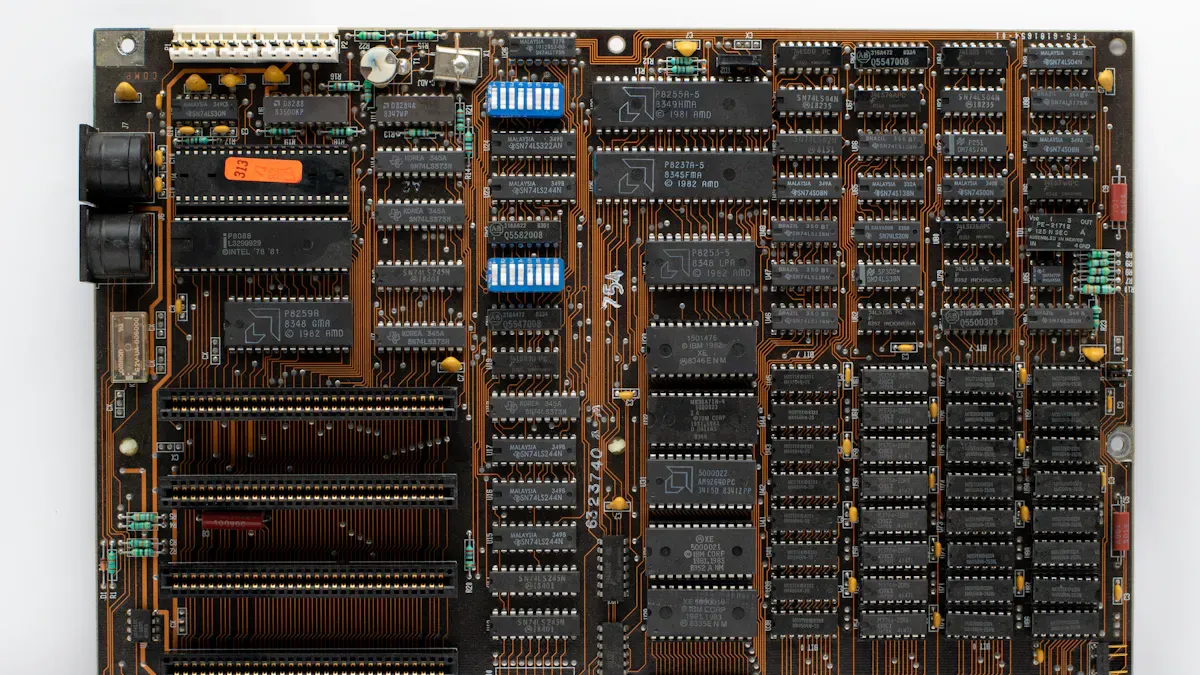
Traditional middleware often relies on a polling model. You set up systems to check for updates at regular intervals. This approach creates several challenges. First, repeated HTTP requests increase overhead. Your servers work harder, which raises costs and slows performance. Open connections consume resources, making your infrastructure less efficient. You must manage timeouts and failures, which adds complexity to your operations. Robust error handling becomes necessary, and dynamic resource allocation is required to keep everything running smoothly.
- Repeated HTTP overhead can be costly at scale.
- Open connections drain server resources.
- Managing timeouts and failures demands extra attention.
Polling also leads to stale data. Your users may not see the latest information until the next scheduled check. This delay impacts decision-making and customer experience. You spend more on maintenance and staffing to keep these systems running.
| Aspect | Traditional Middleware | iPaaS |
|---|---|---|
| Upfront Costs | Higher due to on-premises infrastructure | Lower with subscription-based model |
| Ongoing Costs | Significant due to maintenance and staffing | Reduced with managed services |
| Resource Allocation | Requires dedicated IT resources | Less IT involvement needed |
| Operational Efficiency | Lower due to resource drain | Higher due to rapid deployment and scalability |
Push Model Advantages
Real-time data systems use a push model. You receive updates instantly when events occur. This model improves data delivery speed and reduces system overhead. Your applications stay current, and you avoid the delays caused by polling.
| Feature | Traditional (Polling) | Real-Time (Push/Reactivity) |
|---|---|---|
| Update propagation | Periodic fetch via HTTP | Instant via WebSockets |
| Data freshness | Stale between fetches | Always current |
| Overhead & latency | High CPU/network cost | Efficient, low latency |
| Scaling demands | Load increases with polling freq | Scales on actual data change |
- Update propagation happens instantly in real-time systems.
- Data stays fresh, so your users always see the latest information.
- Scaling demands drop because traffic only occurs when data changes.
You gain efficiency and reduce costs. Your IT team spends less time managing infrastructure. Your business responds faster to changes, which improves customer satisfaction.
Reducing Latency-to-Value (LTV)
Real-time data systems help you reduce latency-to-value. You make decisions quickly because you have instant insights. Your organization gains a competitive advantage by reacting to market changes before others. Operational efficiency improves as you optimize resource utilization and cut waste.
| Benefit | Explanation |
|---|---|
| Improved decision-making | Instant insights empower rapid, informed decisions, crucial for reducing LTV. |
| Competitive advantage | Early market insights allow organizations to adjust strategies quickly, minimizing delays. |
| Greater operational efficiency | Real-time visibility optimizes resource utilization and reduces operational waste, enhancing LTV. |
| Time-sensitive value | Quick decisions based on real-time data significantly impact success, especially in fast-paced industries. |
| Low-latency processing | Efficient systems ensure rapid analysis and immediate response, crucial for minimizing delays. |
You see the benefits in every part of your business. Faster decisions lead to better outcomes. Your team works smarter, and your customers notice the improved experience. Real-time data systems transform your operations and help you stay ahead in a fast-moving world.
Enhancing Experience and CX
You want your customers to feel valued every time they interact with your business. Real-time data systems help you deliver a better experience by responding instantly to their needs. Traditional middleware often creates delays and limits your ability to personalize interactions. When you switch to real-time solutions, you unlock new ways to improve cx and build loyalty.
Today's consumers expect personalized experiences. They want recommendations that match their interests and quick answers to their questions. Real-time data lets you tailor content and offers as soon as a customer takes action. Streaming platforms use viewing behavior to suggest shows immediately. Retailers send instant discounts based on browsing history. You can do the same in your business.
You also improve cx by enabling real-time customer interactions. When a customer reaches out for support, your system can access up-to-date information and respond quickly. You avoid the frustration caused by batch processing delays. Customers notice the difference and appreciate your swift service.
Here is a comparison of how real-time data systems and traditional middleware affect cx:
| Benefit | Real-Time Data Systems | Traditional Middleware Solutions |
|---|---|---|
| Personalization | Offers immediate, tailored recommendations | Limited to batch processing |
| Interaction | Enables real-time customer interactions | Delayed responses due to batch updates |
| Customer Service Speed | Provides swift service responses | Slower due to processing delays |
You see the impact in every part of your business. Real-time data systems help you reduce response times and increase order accuracy. Customers receive timely updates and personalized offers. Your team spends less time fixing errors and more time creating positive experiences.
- Real-time data allows you to tailor offers instantly.
- You provide faster customer service, which improves satisfaction.
- Customers enjoy seamless interactions and stay loyal to your brand.
You build trust by delivering consistent, high-quality cx. Your business stands out because you meet customer expectations every time. Real-time systems give you the tools to create memorable experiences and drive growth.
Microsoft Azure Event Grid and Service Bus: Eliminating the Middleware Tax
Event-Driven Architecture Overview
You want your systems to work together without constant manual intervention. Event-driven architecture helps you achieve this goal. With Microsoft Azure Event Grid and Service Bus, you can build a foundation where each system operates independently but stays in sync with others in real time. This approach reduces your reliance on complex middleware solutions. You no longer need to pay the middleware tax that comes from maintaining and troubleshooting outdated connections.
Event-driven architecture lets your applications respond to events as they happen. You do not have to wait for scheduled updates or batch processes. This independence lowers your coordination tax. Your teams spend less time managing integrations and more time focusing on delivering value to your customers. You gain agility and can adapt quickly to changing business needs.
- Systems operate independently while staying synchronized in real time.
- You reduce the need for complex middleware, which lowers costs.
- Your applications respond instantly to events, eliminating delays.
You see improvements in customer experience because your services become more reliable and responsive. Customers notice when their requests get handled quickly and accurately. This architecture gives you the flexibility to scale and innovate without being held back by legacy systems.
Real-Time Data Integration
You need your data to move fast and reach the right places without delay. Azure Event Grid and Service Bus provide real-time data integration across your enterprise. Event Grid uses a publish-subscribe model. This model supports high throughput and low latency, making it ideal for distributing events to many subscribers at once. Your systems stay updated with the latest information, which is essential for delivering a seamless customer experience.
You can connect microservices and cloud applications with ease. Event Grid enhances scalability and maintainability by allowing loosely coupled systems to respond dynamically to events. You can orchestrate complex workflows and ensure high availability. This setup also supports disaster resilience, so your business stays running even during unexpected events.
For example, Service Bus works well in high-volume transactional messaging scenarios. Banking systems use it to ensure reliable communication between services. Event Grid excels when you need immediate updates, such as notifying customers about order status changes in e-commerce platforms. These solutions help you deliver accurate and timely information, which improves customer trust and satisfaction.
- Event Grid's publish-subscribe model delivers events quickly to multiple systems.
- You gain scalability and maintainability in your microservices architecture.
- Integration with Azure services allows you to build complex, resilient workflows.
You create a better experience for your customers by keeping them informed and engaged. Real-time data integration helps you respond to their needs without delay, which strengthens your relationship with them.
Supporting AI Initiatives
You want to unlock the full potential of ai in your business. Azure Event Grid and Service Bus give you the tools to support ai initiatives by providing real-time data streams. Event-driven architectures are crucial for processing data as it arrives. Your ai models need fresh, accurate information to make smart decisions. These solutions enable seamless integration with other Azure services, which enhances your ai capabilities.
You can connect Azure Stream Analytics with Event Hubs and other services to build end-to-end data pipelines. This integration supports both streaming data ingestion and real-time analytics workflows. Your ai systems can analyze data as soon as it enters your environment. You gain insights faster and can act on them immediately.
- Event-driven architecture supports real-time data processing for ai.
- Seamless integration with Azure services enhances your machine learning models.
- Azure Stream Analytics connects with Event Hubs to build complete data pipelines.
- You support both streaming data ingestion and real-time analytics for ai initiatives.
You improve customer experience by using ai to personalize interactions and predict customer needs. Your business becomes more agile and responsive. You can deliver smarter solutions that set you apart from competitors. With Azure Event Grid and Service Bus, you lay the groundwork for continuous innovation and growth.
Improving Customer Experience
You want your customers to feel valued every time they interact with your business. Microsoft Azure Event Grid and Service Bus help you deliver a seamless experience by enabling real-time communication and instant data updates. When you use these tools, you respond to customer actions as soon as they happen. Your systems notify customers about order status, service changes, or personalized offers without delay.
Customers expect fast and accurate information. You meet these expectations by using event-driven architecture. Azure Event Grid sends notifications the moment an event occurs. Service Bus ensures reliable delivery of messages, even during high traffic. You avoid delays and errors that frustrate users.
Personalization becomes easier with real-time data. You track customer preferences and behaviors as they happen. You send tailored recommendations or offers based on current activity. For example, when a customer adds an item to their cart, you can offer a discount instantly. This approach increases satisfaction and encourages repeat business.
Reliability matters for customer trust. Azure Event Grid and Service Bus provide high availability and disaster recovery. Your customers receive consistent service, even during unexpected events. You build loyalty by keeping your promises and delivering reliable experiences.
Here is a table showing how real-time systems improve customer experience:
| Feature | Benefit for Customers | Business Impact |
|---|---|---|
| Instant notifications | Fast updates on orders/services | Higher satisfaction |
| Personalized offers | Relevant deals and suggestions | Increased sales |
| Reliable messaging | Consistent service | Improved trust and loyalty |
| Real-time support | Quick answers to questions | Lower churn rates |
Tip: Use real-time data to anticipate customer needs. Respond before they ask. This proactive approach sets your business apart.
You see the results in your metrics. Net Promoter Scores rise. Customer retention improves. Positive reviews increase. Azure Event Grid and Service Bus give you the tools to create memorable experiences. You build a reputation for speed, reliability, and personalization.
Practical Steps for Transitioning to Real-Time Data Systems
Assessing Your Tech Stack
You start your journey by evaluating your current technology stack. This step helps you understand where you stand and what you need to improve. Use a data maturity model to guide your assessment. Gather information through surveys, interviews, and performance metrics. Analyze your strengths and weaknesses based on the collected data. Create an action plan with clear goals and deadlines. Overcome resistance to change by involving employees and communicating the benefits. Choose tools that work together to support your assessment. This process gives you a clear picture of your customer operations platform and prepares you for the next steps.
Tip: Involve cx teams early in the assessment. Their feedback highlights gaps in your platform and helps you prioritize improvements.
Assessment Steps:
- Select an assessment framework.
- Gather information and data.
- Analyze your current state.
- Create an action plan.
- Overcome common challenges.
- Choose the right tools and technologies.
Identifying Middleware Pain Points
You need to pinpoint the pain points in your middleware. Many organizations struggle with integrating legacy systems that hold valuable data. Migrating these systems to modern infrastructure is often complex and costly. Middleware and APIs help facilitate data exchange between old and new systems. Your cx teams face challenges when platforms do not communicate smoothly. These issues lead to delays, errors, and poor cx. Identify where your platform creates bottlenecks or increases coordination tax. Look for areas where cx teams spend extra time troubleshooting or managing manual processes.
Common Pain Points:
- Integration of legacy systems.
- Complex and costly migration.
- Data exchange between old and new platforms.
Note: Ask cx teams to document recurring issues. Their insights reveal hidden pain points in your platform.
Building a Migration Roadmap
You build a migration roadmap to guide your transition. Start with a comprehensive data audit. Assess your existing data assets and cleanse redundant or incorrect data. Define a clear migration strategy. Choose between Big Bang, Phased, or Hybrid approaches based on your risk tolerance and system dependencies. Ensure robust security and compliance by implementing end-to-end encryption, data anonymization, and audit logs.
Focus on high-impact use cases first to demonstrate ROI. Run pilot migrations to validate your processes before full-scale implementation. Align stakeholders early to ensure comprehensive planning. Set up monitoring from day one to track performance and catch issues. Your cx teams benefit from a well-structured roadmap because it reduces disruptions and improves cx.
Migration Roadmap Steps:
- Start with a comprehensive data audit.
- Define a clear migration strategy.
- Ensure robust security and compliance.
Best Practices:
- Focus on high-impact use cases.
- Run pilot migrations.
- Align stakeholders early.
- Set up monitoring from day one.
Callout: A strong migration roadmap empowers cx teams to deliver better experiences and maximize the value of your platform.
Selecting the Right Platform
Choosing the right real-time data platform shapes your success. You need a solution that fits your business needs and supports your growth. Start by looking at several key criteria. Each one helps you make a smart decision.
| Criteria | Description |
|---|---|
| Cost and Billing | Review pricing models and total cost of ownership. Make sure the platform fits your budget and data needs. |
| Data Management Capabilities | Check how the platform handles data ingestion, storage, transformation, and governance. Good data management keeps your information accurate and useful. |
| Scalability and Performance | Pick a platform that can grow with your business. It should handle more data and users without slowing down. |
| Integration Capabilities | Look for easy connections with your current tools. Flexible integration saves time and reduces headaches. |
| Deployment Options | Choose a deployment model that matches your security and infrastructure needs. |
| Machine Learning and AI | See if the platform supports machine learning or connects with AI tools. This helps you get more value from your data. |
| Vendor Reputation and Support | Consider the vendor’s track record. Reliable support and regular updates keep your system running smoothly. |
| Security and Compliance | Make sure the platform protects your data and follows privacy rules. |
You should compare platforms using these criteria. For example, Microsoft Azure Event Grid and Service Bus offer strong integration, scalability, and security. These features help you manage real-time data and support advanced analytics. When you choose a platform, you set the foundation for future growth and innovation.
Tip: Make a checklist with these criteria. Use it to compare your options and find the best fit for your business.
Change Management and Team Enablement
Moving to a real-time data system changes how your team works. You need a plan to help everyone adjust and succeed. Focus on these strategies to make the transition smooth:
- Start with High-Impact Use Cases: Pick workflows that benefit most from real-time updates. For example, use real-time alerts for fraud detection or customer journeys. Quick wins build trust and show value.
- Design for Scale and Resilience Early: Plan for growth from the start. Make sure your system can handle more data and users without breaking. This keeps your business running, even during busy times.
- Use a Unified Real-Time Data Platform: Bring your tools together on one platform. This reduces complexity and makes it easier for your team to learn and manage the system.
Training and support matter. Give your team the resources they need to learn new tools. Encourage questions and share best practices. Celebrate small wins to keep everyone motivated.
Note: Change takes time. Stay patient and support your team as they learn. A strong plan and clear communication help everyone succeed.
Real-World Success Stories

Retail Industry Transformation
You can see how real-time data systems change the retail industry. Many retailers have moved away from legacy middleware and now use modern solutions to connect their systems. This shift helps you track returns, manage inventory, and improve customer service. One organization integrated its return management system with NetSuite. This allowed them to track returns in one place and improve how they manage profits. They also built custom solutions for item allocation, bulk orders, and freight management. These changes made their operations more efficient.
The results speak for themselves. The company grew from 8 to over 40 locations in just 12 months. They improved customer service by offering Buy Online, Pick Up In Store (BOPIS) and better returns management. You can see the key improvements in the table below:
| Area | Transformation Description |
|---|---|
| Integration of Systems | Centralized return tracking with NetSuite, improving margin tracking |
| Custom Extensions | Solutions for item allocation, bulk orders, and freight management |
| Operational Growth | Expansion from 8 to 40+ locations, better BOPIS and returns management |
When you modernize your data systems, you unlock new ways to serve your customers and grow your business.
Financial Services Modernization
You can also find success stories in the financial services sector. Many organizations have adopted Microsoft Azure Event Grid and Service Bus to modernize their data systems. These tools help you deliver reliable messages and create a better user experience. You can connect different systems quickly and respond to business changes faster. Here are some benefits you might notice:
- Improved messaging reliability
- Enhanced real-time user experience
- Better integration capabilities
- Increased operational efficiency
- Greater responsiveness to business changes
With these improvements, you can serve your clients faster and with more accuracy. Your teams spend less time fixing problems and more time helping customers.
Lessons from Early Adopters
Early adopters of real-time data systems have learned valuable lessons. You can use their experience to guide your own migration. Here are some key takeaways:
- Embrace re-engineering and re-architecting. You may need to change your existing systems for a smooth migration.
- Take one task at a time. Focusing on one step helps you avoid feeling overwhelmed.
- Choose a cloud platform that secures reliable communication. This ensures your systems stay connected in real time.
- Customize your migration approach. Tailor your plan to fit each application’s needs.
- Conduct in-depth estimation. Careful planning can save you time and money.
- Optimize cloud assets and autoscaling. Use resources wisely to cut costs and boost performance.
- Leverage cloud-native tools. These tools help you reduce infrastructure overhead and operational expenses.
Tip: Start small and build on your success. Each step forward brings you closer to a more agile and efficient business.
Overcoming Migration Challenges
Common Pitfalls
You face several pitfalls when moving from traditional middleware to real-time data systems. Data may not sync correctly between legacy and new platforms. This creates disconnected information silos. You often resort to manual workarounds, which leads to data duplication and incomplete transfers. Point-to-point integrations seem simple at first. Over time, they become difficult to manage as your systems grow. Batch-oriented tools do not fit real-time requirements. One-way synchronization fails when you need bi-directional updates. Heavy enterprise platforms require specialized skills for maintenance. Lightweight tools may not scale for enterprise volumes.
| Common Pitfalls | Description |
|---|---|
| Point-to-point integrations | Become unmanageable as the number of systems increases |
| Batch-oriented tools | Inappropriate for real-time requirements |
| One-way synchronization | Fails when bi-directional updates are necessary |
| Heavy enterprise platforms | Require specialized skills for maintenance |
| Lightweight tools | May not scale to handle enterprise volumes |
"We built 30+ point-to-point integrations over three years. Each one seemed simple enough individually, but collectively they became a nightmare to maintain. When an API changed, we had to update multiple integration points. When we added a new system, we needed yet more point-to-point connections. It became unsustainable."
You see these issues in b2b customer operations. Disconnected systems slow down customer support and make it harder to deliver consistent customer service.
Risk Mitigation Strategies
You can reduce risks by following proven strategies. Start with thorough planning. Align your goals, timelines, and budgets before you begin. Assemble the right team to manage risks and keep your migration on track. Use safe data handling practices to protect quality and compliance. Establish communication best practices. Keep all stakeholders informed throughout the process. Drive adoption by motivating your team and maintaining clarity.
- Plan carefully and set clear goals.
- Build a skilled team for migration.
- Protect data quality and compliance.
- Communicate with stakeholders regularly.
- Motivate your team to embrace new systems.
You improve b2b customer operations when you follow these steps. Your customer support team benefits from reliable data and faster responses.
Measuring Post-Migration Success
You need to measure success after migration. Track key metrics to see how your new system performs. Monitor data accuracy and system reliability. Check response times for customer support. Review customer service feedback. Analyze operational efficiency in b2b customer operations. Use dashboards to visualize improvements. Compare results to your goals and adjust as needed.
- Data accuracy: Fewer errors and silos.
- System reliability: Less downtime and fewer disruptions.
- Customer support response time: Faster answers for users.
- Customer service satisfaction: Higher ratings and positive feedback.
- Operational efficiency: Streamlined workflows in b2b customer operations.
Tip: Set up regular reviews to track progress. Celebrate improvements and address any gaps quickly.
You build a stronger foundation for growth when you measure and optimize your migration outcomes.
The Future of Data Systems and Customer Experience
Emerging Trends
You see the world of data systems changing quickly. Companies now need architectures that support real-time data processing. This shift helps you react to market changes without delay. The demand for instant insights has surpassed traditional batch reporting. You notice that continuous streaming analytics are now essential for competing in fast-moving markets. Factors like IoT devices and 5G networks push you to adopt real-time data processing. These trends shape how you deliver value to every customer and improve coordination across your teams.
Here is a table showing the main trends:
| Trend | Description |
|---|---|
| Real-time data processing | Companies need architectures that support instant data processing to react quickly to market changes. |
| Unified data ecosystems | Seamless integration and end-to-end management reduce complexity and support advanced AI use cases. |
You also see a move toward unified data ecosystems. These systems let you manage data from start to finish. You reduce complexity and support advanced AI use cases. This approach improves coordination between departments and helps you deliver a better customer experience.
AI and Automation
You use AI and automation to drive innovation in your business. Development of robust connectors and APIs allows seamless data flow across systems. This maximizes data utility and helps you break down barriers between teams. A general-purpose AI layer integrates with your data and APIs. You can ask questions in natural language and get answers quickly. This feature makes data access easier for every customer-facing team.
Embedded analytics within your platform give you real-time insights and actionable intelligence. You make better decisions and improve operational efficiency. In the automotive industry, collaboration with telematics enables instant processing of IoT signals. You can predict maintenance needs and run real-time diagnostics. These advances help you serve each customer better and reduce coordination challenges.
| Evidence Description | Key Features | Impact |
|---|---|---|
| Robust connectors and APIs | Seamless data flow across systems | Maximizes data utility and transcends boundaries |
| General-purpose AI layer | Integrates with data and APIs for reasoning | Facilitates natural language queries for data access |
| Embedded analytics | Real-time insights and actionable intelligence | Enhances decision-making and operational efficiency |
| Automotive telematics collaboration | Instant processing of IoT signals | Enables predictive maintenance and real-time diagnostics |
Continuous Innovation
You must keep innovating to stay ahead. Real-time data systems give you the tools to adapt quickly. You can test new ideas and respond to customer feedback in real time. This approach helps you improve coordination and deliver a better customer experience. You see that continuous improvement is not just about technology. It also involves your people and processes. You encourage your teams to share ideas and work together. This culture of innovation leads to better solutions for every customer.
Tip: Foster a mindset of learning and adaptation. Encourage your teams to experiment and share their findings. This will help you stay ahead in a changing market.
You notice that the future belongs to businesses that use real-time data, AI, and automation to improve coordination and serve each customer with a seamless experience.
You can stop paying the middleware tax by moving to real-time data systems. Microsoft Azure Event Grid and Service Bus help you boost customer experience and make your operations more efficient. Take time to review your current technology. Look for ways to modernize and improve.
Now is the time to embrace real-time, event-driven architecture. Start your journey toward a faster, smarter business today.
FAQ
What is the middleware tax?
You pay the middleware tax when you spend extra money and time managing outdated integration tools. These hidden costs include maintenance, troubleshooting, and lost productivity. Modern platforms help you avoid this tax.
How does real-time data improve customer experience?
Real-time data lets you respond instantly to customer actions. You provide accurate updates, personalized offers, and faster support. Customers notice the difference and trust your brand more.
Why should you choose Microsoft Azure Event Grid and Service Bus?
You gain reliable, scalable, and secure real-time integration. These tools help you connect systems, reduce delays, and support advanced analytics. You build a foundation for future growth.
Can you migrate from legacy middleware without disrupting operations?
You can migrate smoothly by planning carefully. Start with a data audit, run pilot migrations, and align your team. Use monitoring tools to catch issues early and keep your business running.
How do real-time data systems support AI initiatives?
Real-time data feeds AI models with fresh information. You make smarter decisions and deliver personalized experiences. Azure Event Grid and Service Bus connect with AI tools for seamless integration.
What are the first steps to modernize your tech stack?
Begin by assessing your current systems. Identify pain points and set clear goals. Build a migration roadmap and choose a platform that fits your needs. Train your team for success.
Are real-time data systems secure?
You protect your data with encryption, access controls, and compliance features. Azure Event Grid and Service Bus offer built-in security. You keep customer information safe and meet privacy standards.
🎧 Listen to this episode
Want a practical explanation of Replace Legacy Middleware with Policy-Driven Architecture? This episode breaks down the topic in clear language and shows why it matters for Microsoft 365, Azure, Power Platform, security, AI, and modern work.
Listen to this episode if you want to:
- Understand the key concepts behind Replace Legacy Middleware with Policy-Driven Architecture
- See how it fits into the wider Microsoft technology ecosystem
- Learn where it can create practical value for your organization
You may also enjoy these related M365 FM episodes:
- Replace Legacy RPA with Copilot Studio Computer Use
- The Monorepo Myth: Why Your Architecture Is Fragmented
- Azure Policy - Simply Explained
- Canvas Apps vs Model-Driven Apps - Simply Explained
- Microsoft Graph Automation Architecture: Beyond Scripts
Discover more practical Microsoft conversations on M365 FM.
🚀 Want to be part of m365.fm?
Then stop just listening… and start showing up.
👉 Connect with me on LinkedIn and let’s make something happen:
- 🎙️ Be a podcast guest and share your story
- 🎧 Host your own episode (yes, seriously)
- 💡 Pitch topics the community actually wants to hear
- 🌍 Build your personal brand in the Microsoft 365 space
This isn’t just a podcast — it’s a platform for people who take action.
🔥 Most people wait. The best ones don’t.
👉 Connect with me on LinkedIn and send me a message:
"I want in"
Let’s build something awesome 👊
1
00:00:00,000 --> 00:00:03,040
Middleware didn't actually become obsolete, it just became invisible.
2
00:00:03,040 --> 00:00:05,320
And that's exactly why it has become so expensive.
3
00:00:05,320 --> 00:00:10,000
By 2026, most enterprises are still running on what I call eventually correct data.
4
00:00:10,000 --> 00:00:14,080
They are forcing their systems to check for updates every few minutes even when nothing is happening.
5
00:00:14,080 --> 00:00:16,320
This is a silent tax on your entire operation.
6
00:00:16,320 --> 00:00:19,360
You are paying for constant activity that produces zero outcome.
7
00:00:19,360 --> 00:00:23,960
Every single delay compounds, it leads to slower decisions, weaker AI, and much higher risk.
8
00:00:23,960 --> 00:00:27,520
The top 1% of organizations have stopped trying to move data faster.
9
00:00:27,520 --> 00:00:29,280
They have stopped waiting for it entirely.
10
00:00:29,280 --> 00:00:33,560
In the next 25 minutes, we are going to quantify the ROI of dissolving your middleware.
11
00:00:33,560 --> 00:00:36,160
We are moving to a real-time event-driven architecture.
12
00:00:36,160 --> 00:00:39,000
This is not a conversation about middleware modernization.
13
00:00:39,000 --> 00:00:42,920
It is about removing the systemic drag on your entire enterprise.
14
00:00:42,920 --> 00:00:44,920
The cost of being eventually correct.
15
00:00:44,920 --> 00:00:47,200
Let's look at the actual cost of being eventually correct.
16
00:00:47,200 --> 00:00:50,000
Think about the sync between your CRM and your ERP.
17
00:00:50,000 --> 00:00:53,440
In most large companies, these systems sync every 15 minutes.
18
00:00:53,440 --> 00:00:54,920
On paper, that sounds fast.
19
00:00:54,920 --> 00:00:58,880
In reality, that 15-minute lag acts as a massive revenue bottleneck.
20
00:00:58,880 --> 00:01:01,920
Your sales team is making decisions based on stale pricing.
21
00:01:01,920 --> 00:01:05,320
They are looking at ghost inventory while they talk to customers.
22
00:01:05,320 --> 00:01:08,880
When a customer calls, the rep sees a price that changed 10 minutes ago.
23
00:01:08,880 --> 00:01:12,200
But because the sync hasn't happened yet, they quote the wrong number.
24
00:01:12,200 --> 00:01:15,560
This is the silent tax of manual overrides and mispriced quotes.
25
00:01:15,560 --> 00:01:17,960
Your integration is actually a bottleneck dressed up as a feature.
26
00:01:17,960 --> 00:01:20,360
You are losing deals in the gaps between your systems.
27
00:01:20,360 --> 00:01:23,080
It gets much worse when we talk about identity and access.
28
00:01:23,080 --> 00:01:25,720
Think about how access propagation works in your environment.
29
00:01:25,720 --> 00:01:28,240
When a user joins, leaves, or changes roles,
30
00:01:28,240 --> 00:01:30,520
those updates move slowly through the pipes.
31
00:01:30,520 --> 00:01:34,240
Your systems are constantly polling identity sources to see if anything changed,
32
00:01:34,240 --> 00:01:36,880
which creates a dangerous security exposure window.
33
00:01:36,880 --> 00:01:38,760
Auditors will eventually find this gap,
34
00:01:38,760 --> 00:01:42,040
and it is a massive liability for any modern organization.
35
00:01:42,040 --> 00:01:43,600
Because these syncs are so slow,
36
00:01:43,600 --> 00:01:46,360
admins often fall into the over-permissioning trap.
37
00:01:46,360 --> 00:01:50,160
They give people permanent access because it is easier than waiting for the update to hit.
38
00:01:50,160 --> 00:01:53,640
It is a shortcut that creates a permanent hole in your security perimeter.
39
00:01:53,640 --> 00:01:56,480
We build middleware for a world of structure and hierarchies,
40
00:01:56,480 --> 00:01:59,520
and we assume that people would go looking for data in specific places.
41
00:01:59,520 --> 00:02:01,880
But modern work doesn't start with navigation or hierarchies.
42
00:02:01,880 --> 00:02:03,200
It starts with context.
43
00:02:03,200 --> 00:02:04,800
It starts with real-time signals.
44
00:02:04,800 --> 00:02:07,000
If your integration layer relies on a schedule,
45
00:02:07,000 --> 00:02:08,480
you are already behind the market.
46
00:02:08,480 --> 00:02:10,720
You are paying for the idle time between the checks
47
00:02:10,720 --> 00:02:12,800
and you are paying for the friction of waiting.
48
00:02:12,800 --> 00:02:16,640
In 2026, the cost of waiting is much higher than the cost of the tools.
49
00:02:16,640 --> 00:02:19,040
Research shows that technical debt and legacy polling
50
00:02:19,040 --> 00:02:21,560
consumes up to 40% of IT budgets.
51
00:02:21,560 --> 00:02:23,560
That is money spent just to keep the lights blinking.
52
00:02:23,560 --> 00:02:24,480
It is not innovation.
53
00:02:24,480 --> 00:02:26,480
It is maintenance on an obsolete model.
54
00:02:26,480 --> 00:02:28,480
Legacy systems like cobalt-based middleware
55
00:02:28,480 --> 00:02:31,080
still run over 200 billion lines of code.
56
00:02:31,080 --> 00:02:33,880
In banking and insurance, this debt is a structural constraint
57
00:02:33,880 --> 00:02:35,280
that stops you from being agile.
58
00:02:35,280 --> 00:02:37,280
It keeps you trapped in a poll economy
59
00:02:37,280 --> 00:02:40,080
where you are constantly asking the system if something changed.
60
00:02:40,080 --> 00:02:43,680
Most of the time, the answer is no, but you still pay for the question.
61
00:02:43,680 --> 00:02:45,680
That is the definition of inefficiency.
62
00:02:45,680 --> 00:02:46,680
You are not real-time.
63
00:02:46,680 --> 00:02:47,680
You are eventually correct.
64
00:02:47,680 --> 00:02:50,480
We need to move from a poll economy to a push economy.
65
00:02:50,480 --> 00:02:53,080
That is where the system tells you the moment something happens.
66
00:02:53,080 --> 00:02:56,080
No waiting, no stale data, no silent tax.
67
00:02:56,080 --> 00:02:58,080
This shift is the difference between a business that reacts
68
00:02:58,080 --> 00:02:59,480
and a business that anticipates.
69
00:02:59,480 --> 00:03:02,880
When you eliminate the delay, you eliminate the friction that slows down your growth.
70
00:03:02,880 --> 00:03:04,880
This is the new model for 2026
71
00:03:04,880 --> 00:03:07,680
and it is about building a system that wins by design.
72
00:03:07,680 --> 00:03:09,480
We are moving away from the assumption
73
00:03:09,480 --> 00:03:11,080
that people know what they are looking for
74
00:03:11,080 --> 00:03:14,680
and we are moving toward a world where the information finds the person who needs it.
75
00:03:14,680 --> 00:03:16,680
That is the power of a real-time platform.
76
00:03:16,680 --> 00:03:21,080
Why your AI is only as real-time as your integration layer.
77
00:03:21,080 --> 00:03:23,080
That is the hard truth of 2026.
78
00:03:23,080 --> 00:03:27,480
Every executive wants to deploy a genetic AI to automate complex workflows
79
00:03:27,480 --> 00:03:32,080
but nobody wants to talk about the data ingestion lag that makes those agents useless.
80
00:03:32,080 --> 00:03:35,280
For us to research recently confirmed a massive drag on AI ROI.
81
00:03:35,280 --> 00:03:38,280
When you layer advanced models on top of batch-processed data,
82
00:03:38,280 --> 00:03:40,880
the output quality drops by nearly 30%.
83
00:03:40,880 --> 00:03:42,880
That is a massive performance penalty.
84
00:03:42,880 --> 00:03:47,880
You are essentially asking a high-speed brain to make decisions based on a snapshot of the past.
85
00:03:47,880 --> 00:03:50,880
Your cope with the loss of the data is a massive loss.
86
00:03:50,880 --> 00:03:55,280
Your cope with it is hallucinating because it is looking at a data lag fed by a 4-hour-old ingestion.
87
00:03:55,280 --> 00:03:57,480
It isn't a failure of the large language model.
88
00:03:57,480 --> 00:03:58,680
It is a failure of the plumbing.
89
00:03:58,680 --> 00:04:02,680
If your AI agent suggests a discount based on inventory levels that were only accurate at noon,
90
00:04:02,680 --> 00:04:03,680
the agent is wrong.
91
00:04:03,680 --> 00:04:05,480
It doesn't matter how smart the model is.
92
00:04:05,480 --> 00:04:07,680
If the input is stale, the output is fiction.
93
00:04:07,680 --> 00:04:09,280
We call this the vibe coding risk.
94
00:04:09,280 --> 00:04:13,680
In 2026, we see AI agents making autonomous decisions based on data
95
00:04:13,680 --> 00:04:15,280
that no longer reflects reality.
96
00:04:15,280 --> 00:04:18,880
They are guessing because the integration layer hasn't caught up to the event yet.
97
00:04:18,880 --> 00:04:21,280
This creates a systemic drag on your intelligence.
98
00:04:21,280 --> 00:04:25,880
Legacy polling fails to provide the rich metadata that LLMs need to be actually useful.
99
00:04:25,880 --> 00:04:29,880
When a system polls for changes, it often misses the nuance of the event.
100
00:04:29,880 --> 00:04:31,480
It just sees that a record was updated.
101
00:04:31,480 --> 00:04:32,680
It doesn't see why.
102
00:04:32,680 --> 00:04:35,680
It doesn't see the sequence of behaviors that led to the change.
103
00:04:35,680 --> 00:04:39,080
This missing context is exactly what your AI needs to provide,
104
00:04:39,080 --> 00:04:43,280
a personalized customer experience, or a precise supply chain forecast.
105
00:04:43,280 --> 00:04:46,280
Without it, you are just automating mediocrity at scale.
106
00:04:46,280 --> 00:04:50,880
The shift we are seeing right now is a move from data at rest to data in motion.
107
00:04:50,880 --> 00:04:53,680
In the old model, the database was the source of truth.
108
00:04:53,680 --> 00:04:56,080
You queried the database to find out what happened.
109
00:04:56,080 --> 00:04:58,880
In the new model, the event is the source of truth.
110
00:04:58,880 --> 00:05:01,880
The moment a customer clicks a sensor trips or a payment clears,
111
00:05:01,880 --> 00:05:04,680
that signal needs to move instantly to the AI layer.
112
00:05:04,680 --> 00:05:07,480
This is the primary requirement for enterprise intelligence today.
113
00:05:07,480 --> 00:05:09,680
If you are waiting for a batch job to run at midnight,
114
00:05:09,680 --> 00:05:11,480
your AI is effectively a historian.
115
00:05:11,480 --> 00:05:12,680
It is not an operator.
116
00:05:12,680 --> 00:05:14,680
Enterprises that ignore this reality
117
00:05:14,680 --> 00:05:18,280
see an 18% decline in ROI on their AI initiatives.
118
00:05:18,280 --> 00:05:20,680
They are spending millions on tokens and compute
119
00:05:20,680 --> 00:05:23,280
while their data integration remains stuck in 2015.
120
00:05:23,280 --> 00:05:27,080
You cannot build a reactive autonomous business on top of a scheduled integration.
121
00:05:27,080 --> 00:05:28,280
The math simply doesn't work.
122
00:05:28,280 --> 00:05:32,280
The latency between the event and the action becomes a tax on every single prediction.
123
00:05:32,280 --> 00:05:35,280
To win in this environment, you have to dissolve the delay.
124
00:05:35,280 --> 00:05:38,880
You have to ensure that the moment a signal is created, it is processed.
125
00:05:38,880 --> 00:05:40,680
That is how you stop the hallucinations.
126
00:05:40,680 --> 00:05:43,880
That is how you turn your AI from a novelty into a competitive weapon.
127
00:05:43,880 --> 00:05:45,480
It starts with the integration layer.
128
00:05:45,480 --> 00:05:48,480
If that layer is polling, your AI is already losing.
129
00:05:48,480 --> 00:05:52,480
We must move to a world where intelligence is as fast as the business it supports.
130
00:05:52,480 --> 00:05:55,280
Defining the metric latency to value LTV.
131
00:05:55,280 --> 00:05:57,280
To fix a problem, you have to name it.
132
00:05:57,280 --> 00:06:00,280
In the integration world, we have been obsessed with uptime and throughput.
133
00:06:00,280 --> 00:06:03,080
We ask if the pipe is open and how much data it can carry.
134
00:06:03,080 --> 00:06:05,680
But those are the wrong questions for a real-time economy.
135
00:06:05,680 --> 00:06:10,480
The only metric that actually determines your competitive edge in 2026 is latency to value.
136
00:06:10,480 --> 00:06:11,480
Or LTV.
137
00:06:11,480 --> 00:06:16,080
I define LTV as the exact duration between the moment a business event occurs
138
00:06:16,080 --> 00:06:18,880
and the moment your organization successfully acts on it.
139
00:06:18,880 --> 00:06:21,880
This isn't just a technical lag, it is a financial leakage.
140
00:06:21,880 --> 00:06:25,880
Every second that passes while an event sits in a queue or waits for a polling cycle
141
00:06:25,880 --> 00:06:28,480
is a second where your market advantage is evaporating.
142
00:06:28,480 --> 00:06:30,080
Let's quantify the revenue delay.
143
00:06:30,080 --> 00:06:32,880
Imagine a supply chain interruption at a major port.
144
00:06:32,880 --> 00:06:36,080
If your systems are polling for logistics updates every hour,
145
00:06:36,080 --> 00:06:38,280
you are essentially blind for 60 minutes.
146
00:06:38,280 --> 00:06:42,880
During that hour, your competitors who use event-driven signals have already re-rooted their shipments.
147
00:06:42,880 --> 00:06:44,880
They have secured the remaining local inventory.
148
00:06:44,880 --> 00:06:47,080
They have notified their high-value customers.
149
00:06:47,080 --> 00:06:49,480
By the time your batch job finally triggers an alert,
150
00:06:49,480 --> 00:06:52,480
the opportunity to mitigate the crisis is gone.
151
00:06:52,480 --> 00:06:54,880
You aren't just late. You are out of the game.
152
00:06:54,880 --> 00:06:58,280
That gap between the event and your reaction is the LTV cost.
153
00:06:58,280 --> 00:07:03,080
For a global enterprise, that gap can represent millions in lost sales or penalty fees.
154
00:07:03,080 --> 00:07:04,880
Then there is the productivity drag.
155
00:07:04,880 --> 00:07:08,480
Think about the hidden hours your staff spends on manual reconciliation.
156
00:07:08,480 --> 00:07:09,680
Why does that work even exist?
157
00:07:09,680 --> 00:07:12,280
It exists because your systems didn't sink fast enough.
158
00:07:12,280 --> 00:07:14,480
So a human had to step into bridge the data gap.
159
00:07:14,480 --> 00:07:18,480
They are manually checking the ERP because they don't trust the CRM dashboard yet.
160
00:07:18,480 --> 00:07:21,680
This lack of trust is a direct result of high LTV.
161
00:07:21,680 --> 00:07:23,680
When people can't rely on the screen in front of them
162
00:07:23,680 --> 00:07:25,480
to reflect the current state of the world,
163
00:07:25,480 --> 00:07:28,880
they revert to manual, slow, and error-prone processes.
164
00:07:28,880 --> 00:07:32,280
You are paying for high-salaried professionals to act as human middleware.
165
00:07:32,280 --> 00:07:34,880
We also have to look at the total cost of ownership.
166
00:07:34,880 --> 00:07:37,080
Always on polling is a 24/7 expense.
167
00:07:37,080 --> 00:07:39,280
You are paying for compute resources to run a loop
168
00:07:39,280 --> 00:07:41,480
that finds nothing 99% of the time.
169
00:07:41,480 --> 00:07:43,880
It is like leaving your car engine running all night
170
00:07:43,880 --> 00:07:46,480
just in case you need to drive to the store at 3 in the morning.
171
00:07:46,480 --> 00:07:49,280
Event-driven architecture is a paper execution model.
172
00:07:49,280 --> 00:07:51,480
It scales to 0 when nothing is happening.
173
00:07:51,480 --> 00:07:54,080
You only pay when value is actually being created.
174
00:07:54,080 --> 00:07:55,880
The financial contrast is staggering.
175
00:07:55,880 --> 00:07:58,280
Godness 2026 Outlook is very clear on this.
176
00:07:58,280 --> 00:08:01,880
Enterprises that actively account for technical debt in their integration layer
177
00:08:01,880 --> 00:08:04,480
see 25% higher profitability.
178
00:08:04,480 --> 00:08:06,080
They aren't just saving on cloud bills.
179
00:08:06,080 --> 00:08:08,880
They are capturing value that their peers are leaving on the table.
180
00:08:08,880 --> 00:08:12,480
They have realized that the integration layer is not just a cost center.
181
00:08:12,480 --> 00:08:14,480
It is the nervous system of the company.
182
00:08:14,480 --> 00:08:16,680
If the nervous system has a 50-minute delay,
183
00:08:16,680 --> 00:08:19,080
the body cannot survive in a fast-moving environment.
184
00:08:19,080 --> 00:08:22,680
By optimizing for LTV, you turn your infrastructure into a profit driver.
185
00:08:22,680 --> 00:08:23,880
You stop the bleeding.
186
00:08:23,880 --> 00:08:26,280
You start acting at the speed of the market,
187
00:08:26,280 --> 00:08:28,880
which is the only speed that matters anymore.
188
00:08:28,880 --> 00:08:31,080
Disolving the middleware into the platform.
189
00:08:31,080 --> 00:08:33,080
Let's talk about how we actually fix this.
190
00:08:33,080 --> 00:08:35,680
Fixing the bottleneck requires a fundamental structural rethink
191
00:08:35,680 --> 00:08:37,680
because the biggest mistake you can make is
192
00:08:37,680 --> 00:08:39,680
trying to replace one middleware box with another.
193
00:08:39,680 --> 00:08:42,280
If you do that, you are just swapping the logo on the problem.
194
00:08:42,280 --> 00:08:45,280
In 2026, the strategy isn't about replacement.
195
00:08:45,280 --> 00:08:46,480
It is about dissolution.
196
00:08:46,480 --> 00:08:49,280
You want to dissolve the middleware layer directly into your platform
197
00:08:49,280 --> 00:08:51,480
so the plumbing actually becomes the foundation.
198
00:08:51,480 --> 00:08:54,480
This shift starts by moving from a pull economy to a push economy.
199
00:08:54,480 --> 00:08:56,680
We use Azure Event Grid and Service Bus
200
00:08:56,680 --> 00:08:59,080
as the reactive backbone of the system.
201
00:08:59,080 --> 00:09:02,280
Instead of your systems asking if a file is ready every single minute,
202
00:09:02,280 --> 00:09:05,280
the source just shouts, the moment it is done.
203
00:09:05,280 --> 00:09:08,080
Event Grid acts like a high-speed router for these signals.
204
00:09:08,080 --> 00:09:10,480
It does not care about hierarchies or complex maps.
205
00:09:10,480 --> 00:09:11,680
It only cares about the trigger.
206
00:09:11,680 --> 00:09:14,680
This is a massive efficiency gain that most people overlook
207
00:09:14,680 --> 00:09:17,280
and it removes the need for those heavy, always-on-service
208
00:09:17,280 --> 00:09:19,880
that sit there wasting money while waiting for a batch file.
209
00:09:19,880 --> 00:09:21,880
You are finally building a system that only wakes up
210
00:09:21,880 --> 00:09:23,280
when there is actual work to do.
211
00:09:23,280 --> 00:09:25,080
Then we have to look at the signal layer.
212
00:09:25,080 --> 00:09:28,080
This is where Microsoft Graph changes the game for everyone.
213
00:09:28,080 --> 00:09:30,880
Think about how much time your current integration spend
214
00:09:30,880 --> 00:09:34,680
checking if a file was uploaded or if a user's department changed in the directory.
215
00:09:34,680 --> 00:09:36,680
With Graph change notifications,
216
00:09:36,680 --> 00:09:40,080
the platform itself tells your logic exactly when an event happens
217
00:09:40,080 --> 00:09:42,680
across the entire Microsoft 365 stack.
218
00:09:42,680 --> 00:09:45,080
This is the difference between staring at a door for hours
219
00:09:45,080 --> 00:09:47,080
and simply being told when someone walks in.
220
00:09:47,080 --> 00:09:48,480
You aren't pulling a folder anymore.
221
00:09:48,480 --> 00:09:50,680
The platform is talking to you.
222
00:09:50,680 --> 00:09:52,880
Governance as a system, not a checklist.
223
00:09:52,880 --> 00:09:55,280
The shift toward event-driven architecture
224
00:09:55,280 --> 00:09:58,280
often triggers a specific type of executive anxiety.
225
00:09:58,280 --> 00:10:01,080
Leaders look at the decentralized nature of signals and triggers
226
00:10:01,080 --> 00:10:03,080
and they see a recipe for chaos.
227
00:10:03,080 --> 00:10:05,080
They worry that if they stop funneling everything
228
00:10:05,080 --> 00:10:07,080
through a central middleware bottleneck,
229
00:10:07,080 --> 00:10:09,480
they will lose the ability to see who is moving data.
230
00:10:09,480 --> 00:10:11,080
This fear is understandable,
231
00:10:11,080 --> 00:10:13,080
but it is based on a fundamental misunderstanding
232
00:10:13,080 --> 00:10:15,080
of how modern control actually works.
233
00:10:15,080 --> 00:10:18,080
In reality, the old model of manual approvals and periodic reviews
234
00:10:18,080 --> 00:10:19,080
is far more dangerous.
235
00:10:19,080 --> 00:10:21,480
It creates an illusion of safety while the real risks
236
00:10:21,480 --> 00:10:23,480
scale in the background where you can't see them.
237
00:10:23,480 --> 00:10:26,280
True governance in 2026 is not a checklist or a meeting.
238
00:10:26,280 --> 00:10:27,280
It is a system.
239
00:10:27,280 --> 00:10:29,280
When you move your logic into the platform layer,
240
00:10:29,280 --> 00:10:31,280
you gain a level of granular control
241
00:10:31,280 --> 00:10:33,680
that is impossible with fragmented middleware logs.
242
00:10:33,680 --> 00:10:36,280
We achieve this by turning governance into a constraint
243
00:10:36,280 --> 00:10:37,680
rather than a conversation.
244
00:10:37,680 --> 00:10:39,280
We use Microsoft purview to move
245
00:10:39,280 --> 00:10:41,680
from reactive auditing to proactive enforcement.
246
00:10:41,680 --> 00:10:43,680
Instead of hoping people follow the rules,
247
00:10:43,680 --> 00:10:46,280
we use AI to detect anomalous integrations
248
00:10:46,280 --> 00:10:47,480
the moment they are created.
249
00:10:47,480 --> 00:10:49,880
If a flow attempts to move sensitive customer data
250
00:10:49,880 --> 00:10:51,880
to an unsanctioned external endpoint,
251
00:10:51,880 --> 00:10:54,680
the system does not wait for a quarterly audit to catch it.
252
00:10:54,680 --> 00:10:56,080
It blocks the action in real time.
253
00:10:56,080 --> 00:10:57,880
This is the power of policy as code.
254
00:10:57,880 --> 00:11:00,480
You define your data movement rules at the platform level
255
00:11:00,480 --> 00:11:02,080
and those rules become the physical laws
256
00:11:02,080 --> 00:11:03,280
of your digital environment.
257
00:11:03,280 --> 00:11:05,280
Governance becomes invisible and inescapable.
258
00:11:05,280 --> 00:11:08,080
It stops being a hurdle that slows down development
259
00:11:08,080 --> 00:11:10,280
and starts being a guardrail that enables speed.
260
00:11:10,280 --> 00:11:12,480
This is how you address the executive fear of chaos.
261
00:11:12,480 --> 00:11:13,680
You aren't giving up control.
262
00:11:13,680 --> 00:11:14,680
You are finally gaining it.
263
00:11:14,680 --> 00:11:16,280
You are replacing the governance illusion
264
00:11:16,280 --> 00:11:17,680
with actual observability
265
00:11:17,680 --> 00:11:20,280
because we are operating within a unified ecosystem.
266
00:11:20,280 --> 00:11:22,680
We have end-to-end tracing across every single event.
267
00:11:22,680 --> 00:11:24,080
If an order fails to sink,
268
00:11:24,080 --> 00:11:25,680
you don't have to go hunting through three
269
00:11:25,680 --> 00:11:27,480
different middleware logs to find the break.
270
00:11:27,480 --> 00:11:29,480
You can trace the signal from the ERP trigger
271
00:11:29,480 --> 00:11:30,480
through the event grid
272
00:11:30,480 --> 00:11:32,880
and into the power automate flow in a single view.
273
00:11:32,880 --> 00:11:35,680
This unified visibility is what makes the system resilient.
274
00:11:35,680 --> 00:11:37,280
It allows your team to spend their time
275
00:11:37,280 --> 00:11:39,680
optimizing value rather than troubleshooting plumbing.
276
00:11:39,680 --> 00:11:42,080
Finally, we have to talk about the financial visibility
277
00:11:42,080 --> 00:11:43,080
that comes with this model.
278
00:11:43,080 --> 00:11:45,680
Legacy middleware is often a black box of spend.
279
00:11:45,680 --> 00:11:47,680
You pay for the licenses and the servers,
280
00:11:47,680 --> 00:11:50,680
but you rarely know the exact cost of a single transaction.
281
00:11:50,680 --> 00:11:52,280
In the serverless world that changes,
282
00:11:52,280 --> 00:11:53,880
you stop paying for idle integrations
283
00:11:53,880 --> 00:11:56,280
because you are using a paper execution model,
284
00:11:56,280 --> 00:11:58,880
you can see the exact cost of every business process.
285
00:11:58,880 --> 00:12:00,480
This level of financial transparency
286
00:12:00,480 --> 00:12:03,080
allows you to treat IT spend as a variable cost
287
00:12:03,080 --> 00:12:04,480
that scales with your revenue.
288
00:12:04,480 --> 00:12:06,280
You can finally answer the board's questions
289
00:12:06,280 --> 00:12:09,480
about the direct ROI of your digital transformation.
290
00:12:09,480 --> 00:12:11,080
You aren't just managing a budget.
291
00:12:11,080 --> 00:12:12,880
You are managing a performance engine.
292
00:12:12,880 --> 00:12:14,080
This is the ultimate proof
293
00:12:14,080 --> 00:12:16,880
that event-driven architecture is not just a technical upgrade.
294
00:12:16,880 --> 00:12:18,080
It is a governance milestone
295
00:12:18,080 --> 00:12:20,880
that aligns your infrastructure with your business goals.
296
00:12:20,880 --> 00:12:24,480
You win by building a system that enforces its own success.
297
00:12:24,480 --> 00:12:26,680
The roadmap to removing systemic drag.
298
00:12:26,680 --> 00:12:28,280
We have diagnosed the hidden costs
299
00:12:28,280 --> 00:12:30,080
and identified the high performance targets
300
00:12:30,080 --> 00:12:32,280
so now we need a concrete path to execution.
301
00:12:32,280 --> 00:12:35,080
You cannot flip a switch and move 40 years of legacy logic
302
00:12:35,080 --> 00:12:36,880
into a real-time stream overnight.
303
00:12:36,880 --> 00:12:39,280
That is a recipe for operational paralysis.
304
00:12:39,280 --> 00:12:42,480
Instead, you need a 90-day infrastructure readiness sprint.
305
00:12:42,480 --> 00:12:44,080
This isn't about writing code yet,
306
00:12:44,080 --> 00:12:47,080
but it is about an exhaustive audit of your current polling loops
307
00:12:47,080 --> 00:12:50,080
to map every integration that relies on a timer.
308
00:12:50,080 --> 00:12:52,080
You are looking for the high-friction bottlenecks
309
00:12:52,080 --> 00:12:54,080
where the latency to value gap is widest.
310
00:12:54,080 --> 00:12:55,680
Identify the three processes
311
00:12:55,680 --> 00:12:57,880
where a five-minute delay causes the most damage
312
00:12:57,880 --> 00:13:00,480
to your customer experience or your cash flow.
313
00:13:00,480 --> 00:13:02,080
Because that is your starting line.
314
00:13:02,080 --> 00:13:04,480
This roadmap is particularly urgent for those of you running
315
00:13:04,480 --> 00:13:05,280
on SAP.
316
00:13:05,280 --> 00:13:07,280
With the 2027 maintenance deadline
317
00:13:07,280 --> 00:13:09,480
for legacy PI and PO approaching,
318
00:13:09,480 --> 00:13:10,880
you are facing a forced move.
319
00:13:10,880 --> 00:13:12,880
You could migrate to another rigid middleware layer
320
00:13:12,880 --> 00:13:15,080
or you could use this window to shift to the power platform
321
00:13:15,080 --> 00:13:16,080
orchestration model.
322
00:13:16,080 --> 00:13:18,680
This is the moment to stop thinking about upgrading
323
00:13:18,680 --> 00:13:21,280
and start thinking about evaporating the middle layer.
324
00:13:21,280 --> 00:13:23,880
Implementation step one is about a surgical strike.
325
00:13:23,880 --> 00:13:26,080
Don't try to refactor your entire ERP
326
00:13:26,080 --> 00:13:28,480
but instead pick one high-volume batch sink,
327
00:13:28,480 --> 00:13:31,280
like your inventory updates or your shipping notifications.
328
00:13:31,280 --> 00:13:32,880
Replace it with a dataverse webhook
329
00:13:32,880 --> 00:13:34,880
or a Microsoft Graph change notification
330
00:13:34,880 --> 00:13:36,280
to prove that the push model works
331
00:13:36,280 --> 00:13:38,080
in your specific environment.
332
00:13:38,080 --> 00:13:40,280
You want to demonstrate to the stakeholders
333
00:13:40,280 --> 00:13:42,880
that the data moved the instant the event occurred.
334
00:13:42,880 --> 00:13:45,280
This single win provides the political capital you need
335
00:13:45,280 --> 00:13:46,880
for the broader transformation
336
00:13:46,880 --> 00:13:49,880
and it moves the conversation from theoretical architecture
337
00:13:49,880 --> 00:13:51,680
to measurable performance.
338
00:13:51,680 --> 00:13:53,680
Step two is about scaling that success
339
00:13:53,680 --> 00:13:55,080
through a center of enablement.
340
00:13:55,080 --> 00:13:57,280
You need to move beyond isolated citizen makers
341
00:13:57,280 --> 00:13:59,880
and toward governed enterprise scale event flows.
342
00:13:59,880 --> 00:14:02,280
This is where you establish your event catalog
343
00:14:02,280 --> 00:14:04,480
and define which signals are available for the business
344
00:14:04,480 --> 00:14:05,280
to consume.
345
00:14:05,280 --> 00:14:07,680
If the sales team wants to trigger a notification
346
00:14:07,680 --> 00:14:09,280
when a high-value contract is signed,
347
00:14:09,280 --> 00:14:11,280
they shouldn't have to build a polling engine.
348
00:14:11,280 --> 00:14:13,680
They should simply subscribe to the contract signed event
349
00:14:13,680 --> 00:14:16,080
that your core systems are already broadcasting.
350
00:14:16,080 --> 00:14:18,280
You are creating a library of business signals
351
00:14:18,280 --> 00:14:20,080
that anyone in the organization can use
352
00:14:20,080 --> 00:14:21,680
to build responsive apps
353
00:14:21,680 --> 00:14:23,480
which democratizes agility
354
00:14:23,480 --> 00:14:26,880
without compromising the integrity of your core data.
355
00:14:26,880 --> 00:14:30,480
Step three is where the long-term ROI becomes undeniable.
356
00:14:30,480 --> 00:14:33,480
You connect your real-time streams directly to Microsoft Fabric
357
00:14:33,480 --> 00:14:35,880
which allows you to move from reactive automation
358
00:14:35,880 --> 00:14:37,680
to predictive intelligence.
359
00:14:37,680 --> 00:14:39,480
When your data isn't sitting in a stale batch,
360
00:14:39,480 --> 00:14:42,080
your fabric models can analyze trends as they happen.
361
00:14:42,080 --> 00:14:45,280
You can see a spike in demand or a dip in quality in seconds.
362
00:14:45,280 --> 00:14:47,280
You can show the board that your AI initiatives
363
00:14:47,280 --> 00:14:49,080
are finally delivering on their promise
364
00:14:49,080 --> 00:14:51,480
because they are fueled by the pulse of the business,
365
00:14:51,480 --> 00:14:52,680
not its history.
366
00:14:52,680 --> 00:14:54,480
You can prove ROI in weeks
367
00:14:54,480 --> 00:14:57,280
because you have eliminated the primary source of AI failure
368
00:14:57,280 --> 00:14:58,480
which is the ingestion leg.
369
00:14:58,480 --> 00:15:01,480
Imagine your organization in late 2026.
370
00:15:01,480 --> 00:15:04,080
Your retention graph is flat because your systems react
371
00:15:04,080 --> 00:15:05,680
as fast as your customers do.
372
00:15:05,680 --> 00:15:08,080
When a client has a problem, your support agents know
373
00:15:08,080 --> 00:15:09,680
before the ticket is even filed.
374
00:15:09,680 --> 00:15:11,280
When a supply chain note fails,
375
00:15:11,280 --> 00:15:13,680
your logistics engine has already recalculated the route.
376
00:15:13,680 --> 00:15:15,480
This is the end of systemic drag.
377
00:15:15,480 --> 00:15:16,480
You have built a business
378
00:15:16,480 --> 00:15:18,480
that doesn't just survive change, it thrives on it.
379
00:15:18,480 --> 00:15:20,280
You have removed the friction that was holding
380
00:15:20,280 --> 00:15:21,680
your best ideas back.
381
00:15:21,680 --> 00:15:23,480
We have reached the modernization paradox
382
00:15:23,480 --> 00:15:25,280
to make your enterprise more powerful,
383
00:15:25,280 --> 00:15:27,280
you must make your middleware disappear.
384
00:15:27,280 --> 00:15:29,480
You now have a framework to stop overpaying
385
00:15:29,480 --> 00:15:31,280
for visible, clunky infrastructure
386
00:15:31,280 --> 00:15:34,280
and start investing in invisible frictionless efficiency.
387
00:15:34,280 --> 00:15:36,680
Your challenge today is simple but demanding.
388
00:15:36,680 --> 00:15:38,080
Ordered your top three integrations
389
00:15:38,080 --> 00:15:39,680
and find the polling intervals.
390
00:15:39,680 --> 00:15:42,680
Calculate the latency to value gap in actual dollars.
391
00:15:42,680 --> 00:15:44,280
Most organizations will see that number
392
00:15:44,280 --> 00:15:45,880
and choose to keep paying the silent tax
393
00:15:45,880 --> 00:15:47,680
because change feels risky.
394
00:15:47,680 --> 00:15:49,080
Be the leader who recognizes
395
00:15:49,080 --> 00:15:50,680
that the real risk is staying still
396
00:15:50,680 --> 00:15:52,280
while the world accelerates.
397
00:15:52,280 --> 00:15:53,680
If this shift in perspective
398
00:15:53,680 --> 00:15:55,280
changed how you think about integration,
399
00:15:55,280 --> 00:15:57,280
connect with me, Mirko Peters, on LinkedIn.
400
00:15:57,280 --> 00:15:58,680
Let's find your next topic.

Founder of m365.fm, m365.show and m365con.net
Mirko Peters is a Microsoft 365 expert, content creator, and founder of m365.fm, a platform dedicated to sharing practical insights on modern workplace technologies. His work focuses on Microsoft 365 governance, security, collaboration, and real-world implementation strategies.
Through his podcast and written content, Mirko provides hands-on guidance for IT professionals, architects, and business leaders navigating the complexities of Microsoft 365. He is known for translating complex topics into clear, actionable advice, often highlighting common mistakes and overlooked risks in real-world environments.
With a strong emphasis on community contribution and knowledge sharing, Mirko is actively building a platform that connects experts, shares experiences, and helps organizations get the most out of their Microsoft 365 investments.

