 EN
 Deutsch
 Español
 Français
 Italiano
 Português
 Nederlands
 Polski
 Bahasa Indonesia
 Русский
 Українська
 العربية
 עברית
 日本語
 한국어
Power Platform Modular Architecture: How to Escape the Whack-a-Mole Bug Trap
By Mirko Peters ·
Learn how to escape the low-code whack-a-mole bug trap by applying modular architecture principles to enterprise Power Platform and Power Automate solutions.
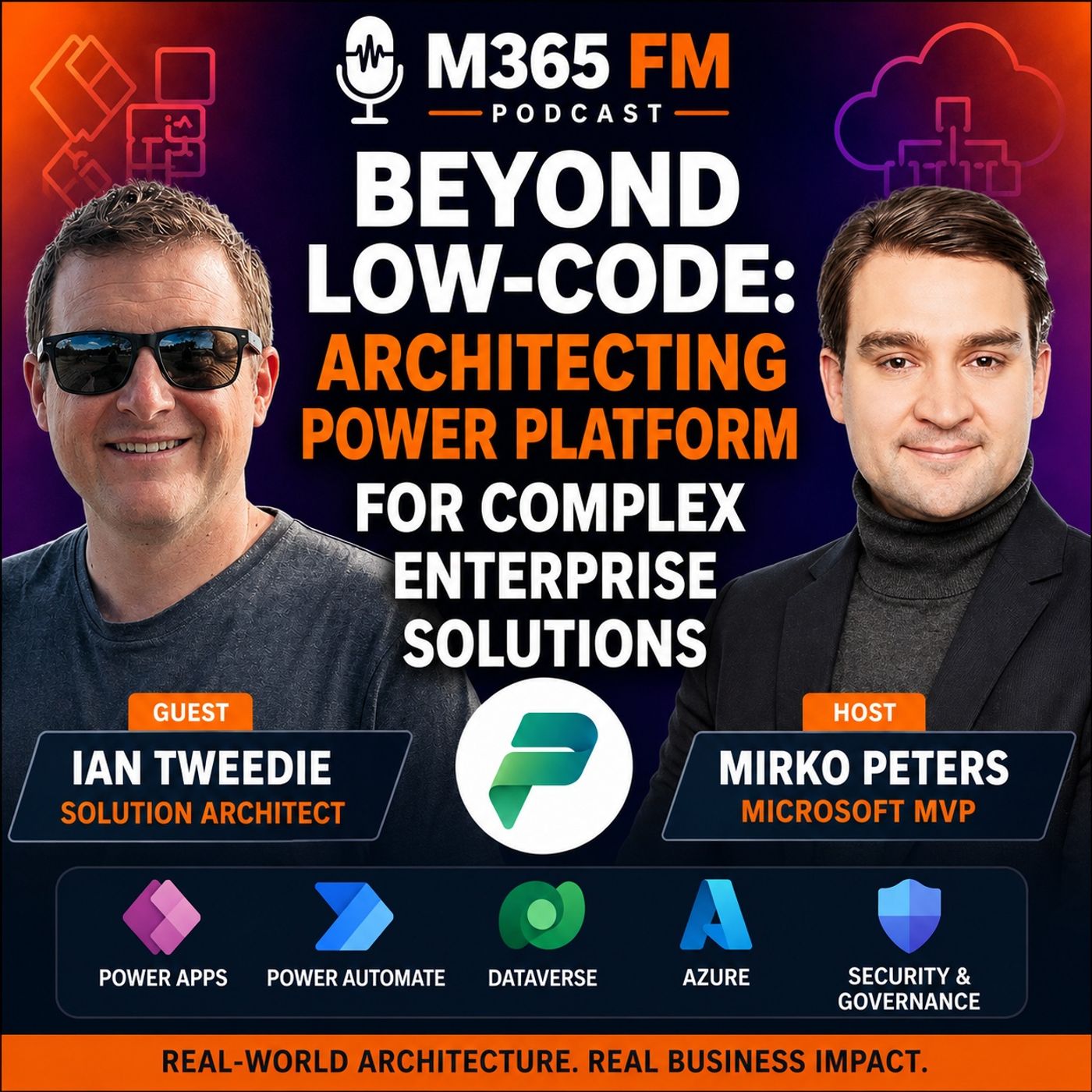
When enterprise low-code applications grow beyond a simple maker-first prototype, developers often fall into a frustrating cycle of bug fixes that break adjacent features. By adopting modular architecture principles inspired by clean code practices, enterprise teams can isolate functionality, eliminate unintended downstream dependencies, and effectively scale complex Microsoft 365 solutions without descending into chaotic maintenance loops.
Key Takeaways
- Tightly coupled low-code applications create the classic "whack-a-mole" development problem where fixing one bug introduces a new one elsewhere.
- Decomposing enterprise Power Platform solutions into cleanly separated modules ensures each feature performs a single, testable responsibility.
- Asynchronous processing patterns—such as writing to outbound staging tables instead of calling direct connectors—isolate critical failure points like email delivery.
- Modular design separates the low-code front end from complex pro-code backend logic, allowing business processes to iterate quickly without breaking integrations.
- Applying software engineering fundamentals to Power Apps and Power Automate protects application stability as user volume and data complexity scale.
The Root Cause of the Low-Code Whack-a-Mole Trap
Many citizen developers and power users start their journey with enthusiastic optimism. They spin up a Canvas App, connect it directly to Dataverse, wire up a dozen Power Automate flows, and layer on conditional business rules. Initially, everything works. But as business requirements expand, that same application starts accumulating technical debt.
Suddenly, the application enters the dreaded whack-a-mole phase. A developer modifies a data validation rule on a form, which inadvertently breaks a hidden patch function in a gallery, which subsequently causes an automated notification flow to fail. This happens because the architecture is tightly coupled. In a tightly coupled system, every component knows too much about every other component, creating an intricate web of invisible dependencies.
Treating low-code as "no architecture" ignores the fundamental rules of software engineering. While platforms like Power Apps reduce the amount of boilerplate code you have to write, they do not exempt you from designing clean, maintainable systems. When your business relies on these applications for daily operations, treating architecture as an afterthought guarantees recurring maintenance headaches.
Applying Modular Design to Power Apps and Flows
To escape this development trap, you must break large, monolithic applications into clearly defined features and modules. Drawing inspiration from clean architecture principles—popularized by software thought leaders like Robert "Uncle Bob" Martin—helps low-code developers structure their solutions so that each module has a singular, well-defined reason to exist.
Consider how standard enterprise processes are typically built in Power Automate. A common anti-pattern involves embedding a direct Outlook or Office 365 connector inside every single flow that needs to notify a user. If your organization decides to migrate from Microsoft Exchange to a third-party email delivery service like SendGrid, or if API rate limits suddenly restrict your sending capacity, you are forced to open dozens of individual flows and manually rewrite the email logic.
A modular alternative is to decouple the business process from the delivery mechanism. Instead of calling an email connector directly, your primary flow can write an outbound record into a dedicated Dataverse table acting as an email queue. A separate, specialized background process can then poll that table, respect your rate limits, handle retries gracefully, and dispatch the emails.
Benefits of Feature Isolation
Isolating features within your Power Platform solutions yields immediate operational advantages:
- Targeted Troubleshooting: Support teams can pinpoint exactly which module failed without inspecting a 500-step monolithic workflow.
- Independent Testing: Smaller modules allow for unit-style testing of individual business rules and data transformations.
- Safe Refactoring: Changing how a specific module executes its internal logic has zero ripple impact on unrelated user journeys.
- Easier Scaling: High-volume processes can be offloaded to dedicated Azure services while user-facing forms remain snappy and responsive.
Balancing Citizen Development with Enterprise Governance
Empowering business users to build solutions is one of the greatest strengths of the Microsoft ecosystem. Frontline workers possess deep, contextual knowledge of their day-to-day operations that central IT departments rarely match. However, business expertise does not automatically translate into sound application architecture.
Organizations often swing between two extremes: zero governance, which leads to chaotic shadow IT and unmaintainable data models, or over-governance, which creates heavy friction and drives employees toward unsupported workarounds like complex Excel spreadsheets and hidden VBA macros. Finding the right balance requires proportional oversight based on business criticality and organizational risk.
When an application transitions from a personal productivity tool to a business-critical enterprise solution, it demands architectural review. Normalizing your Dataverse data model—rather than cramming hundreds of custom fields and conflicting business rules onto a single table—protects long-term system performance and ensures your low-code investment scales smoothly alongside your organization.
Embracing Hybrid Architecture for Sustainable Growth
Successful enterprise development is no longer about choosing strictly between low-code and pro-code. By embracing a hybrid architectural mindset, teams can leverage Power Platform for rapid front-end iteration while relying on Azure, APIs, and custom services for heavy backend logic. Breaking solutions into clean, manageable modules stops the endless cycle of bug fixes and ensures your enterprise applications remain resilient for years to come.
To explore these enterprise architecture strategies in greater depth, Listen to the full episode featuring expert insights on building robust, scalable solutions in the Microsoft cloud.
Frequently Asked Questions
What causes the whack-a-mole bug trap in Power Platform?
The whack-a-mole bug trap is typically caused by tightly coupled architecture where forms, data tables, and automated flows are heavily dependent on each other without clear modular boundaries, making isolated changes ripple across the entire application.
How can modular architecture improve Power Automate maintenance?
By separating core business logic from execution mechanisms—such as using staging tables for outbound emails instead of hardcoding connectors into every flow—developers can update underlying services without modifying dozens of individual workflows.
Does low-code development require traditional software architecture?
Yes. While low-code platforms reduce the volume of written code, enterprise solutions require robust data modeling, clean interfaces, feature isolation, and structured source control to remain maintainable at scale.
How do you prevent shadow IT while enforcing Power Platform governance?
Organizations can prevent shadow IT by establishing proportional governance tied to business criticality and risk, avoiding overly restrictive approval processes that push employees toward unsupported spreadsheets and custom scripts.