 EN
 Deutsch
 Español
 Français
 Italiano
 Português
 Nederlands
 Polski
 Bahasa Indonesia
 Русский
 Українська
 العربية
 עברית
 हिन्दी
 日本語
 한국어
2026-10-16
What Are the Main Problems Microsoft Is Facing? Practical Checklist for Admins and IT Leaders
If you run Microsoft 365, Power Platform, or major cloud workloads, you're probably asking yourself: What problems is Microsoft really wrestling with—and do these headaches trickle down to my organization? You're not alone. Microsoft has always been a heavyweight, but these days it’s wrangling with sticky legal battles, fast-evolving security threats, and ethical situations that would make anyone sweat in a boardroom.
Think antitrust regulators knocking on the door, privacy watchdogs examining every piece of data, headlines about major hacks, and new questions on labor, tax, and environmental impact with every quarterly report. It’s not just news—it’s stuff that can land in your own lap when Microsoft shifts policies, pushes a rushed update, or stumbles on compliance.
This article breaks down the main challenges Microsoft faces right now in clear language you can use to assess your own risks. From legal showdowns to security blunders, from AI ethics to sustainability, you’ll get a practical, up-to-date guide on where Microsoft is under pressure and what it means for your daily admin grind. Consider this your frontline checklist—let’s get into the real issues shaping your Microsoft toolbox today.
Antitrust, Legal, and Regulatory Challenges Facing Microsoft
Microsoft’s legal and regulatory landscape isn’t just history—it’s still making headlines and, frankly, causing a few sleepless nights for anyone depending on their services. Antitrust scrutiny? Still a thing, both in the US and Europe. Regulatory agencies are poking at Microsoft's business practices, mergers, and licensing strategies, always wondering if they’re getting a bit too powerful or pushing the envelope on competition.
This pressure isn’t limited to society-wide debates. Lawsuits, compliance standards, and government investigations can force Microsoft to change the way it does business, tweak how products are delivered, and shift the rules for you as an admin. These aren’t just line items in a news feed—they can mean real work for IT leaders, who have to stay alert for sudden policy shifts or new regional restrictions.
On top of that, Microsoft’s ties to government surveillance and ongoing scrutiny around tax and labor practices are often in the spotlight. Every unresolved issue has the potential to impact licensing costs, ecosystem trust, and even your own compliance standing. To keep your organization safe and ahead of surprises, you’ll want to track these legal developments and know how they can affect the Microsoft stack you depend on. The following sections dig into the specifics to keep you sharp and prepared.
Ongoing Antitrust and Anticompetitive Allegations
- Historic US Antitrust Lawsuits (1990s-2000s): Microsoft famously faced landmark antitrust litigation from the US Department of Justice and several states over practices like bundling Internet Explorer with Windows. The resulting consent decrees and regulatory oversight shaped software competition for a generation—and set a template for ongoing scrutiny.
- European Union Investigations and Fines: The EU has repeatedly fined Microsoft for anticompetitive behavior—ranging from restricting browser choice (the infamous “browser ballot” controversy) to complaints about tied products and opaque licensing for competitors. Those fines stung, but the ongoing requirement for transparency still shapes Microsoft's global product rollouts.
- Recent Licensing and Cloud Competition Allegations: Today, regulators in both the US and Europe are raising concerns about Microsoft’s dominance in cloud productivity, including Office 365 and Azure. Competitors accuse Microsoft of using bundling and restrictive licensing to lock out rivals, with new probes launched just in the past few years.
- Impacts of Regulatory Probes: Every investigation can delay product launches, force contract renegotiations, or drive up costs for Microsoft—and, by extension, its customers. Sometimes new compliance requirements land on your doorstep with little warning.
- Lessons from the Past: Microsoft’s legacy antitrust fights have made the company more cautious, but critics say its market power is only growing. For admins, this means being ready for sudden licensing shifts, evolving compliance requirements, and potential ecosystem shakeups triggered by regulatory action.
Government Surveillance and National Security Ties
- Collaboration with US Intelligence Agencies: Microsoft, like other tech giants, is known to cooperate with the NSA and works closely with government departments for national security. This includes facilitating lawful requests for user data and providing technical assistance during federal investigations.
- Global Privacy Concerns: High-profile leaks have highlighted the extent of government access to Microsoft data. These revelations make foreign governments—and privacy-conscious users—wary about storing sensitive information in Microsoft’s cloud, especially where sovereignty laws differ.
- Transparency and Trust Issues: Critics argue Microsoft hasn’t been transparent enough about what data it shares and under what circumstances. Transparency reports exist, but skepticism remains over their completeness or clarity, especially given the confidentiality around national security requests.
- International Business Tensions: Microsoft’s ties to US intelligence complicate its global operations. Some governments hesitate to adopt Azure or Microsoft 365 for essential services, worried about backdoor access or surveillance loopholes.
- Practical Considerations for IT Leaders: If you rely on Microsoft for sensitive workloads, you need to address compliance with local laws, understand global data residency issues, and consider the reputational and operational risks that come with vendor-government entanglements.
Tax Avoidance and Labor Practices Under Scrutiny
- Offshore Tax Strategies: Microsoft’s global tax arrangements, including funneling revenue through Ireland and Puerto Rico, have drawn headlines and regulatory attention. While technically legal, these moves let Microsoft minimize its US tax liabilities to the tune of billions—with ongoing audits and challenges from the IRS and European tax bodies.
- Public Controversies Over Tax Bills: Major media outlets have detailed Microsoft’s efforts to avoid or defer taxes on global earnings. For example, a recent US IRS audit sought over $28 billion in back taxes related to intellectual property shifting.
- Labor Practices and Ethical Sourcing: Microsoft’s supply chain is massive—stretching across continents. Reports have surfaced about poor working conditions and use of forced Uyghur labor in supplier factories, putting pressure on Microsoft to clean up its procurement practices.
- Response to Labor Criticism: Microsoft publicly states it’s committed to responsible sourcing and has taken steps to audit and monitor its supply chain. Nonetheless, watchdog groups and human rights organizations remain critical, and fresh reports still surface.
- Why This Matters for IT Leaders: Tax and labor controversies directly affect vendor risk and, increasingly, ESG (environmental, social, and governance) compliance mandates. Admins and procurement teams need to weigh these factors when building business cases and reporting to oversight boards.
Security, Privacy, and Data Governance Risks
Security and privacy have never been easy to manage in Microsoft environments, and the scale of the challenge just keeps growing. Microsoft is under constant attack—by cybercriminals looking for any crack in the surface and by regulators and privacy advocates watching how your users’ data gets handled. That pressure ramps up as more organizations move workloads into Microsoft 365, Azure, and the Power Platform.
Modern Microsoft environments stretch across on-premises infrastructure, multiple clouds, personal devices, and third-party integrations. This complexity creates endless opportunities for misconfiguration, overlooked vulnerabilities, or sensitive data leaking where it shouldn’t. Even the most advanced enterprise sometimes faces governance issues as new features roll out faster than policy controls can keep up.
If you’re responsible for securing Microsoft’s platforms, you’ll need to pay special attention to recurring security flaws, how telemetry and data collection impact user privacy, and the ever-present challenge of maintaining compliance across scattered services. The following sections break down the main places where Microsoft’s security and governance struggles put you at risk—and where you should focus your efforts for the biggest payoff.
Security Vulnerabilities and Configuration Challenges
- Frequent Software Vulnerabilities: Microsoft products have historically been favorite targets for cybercriminals, mainly due to their widespread use. New vulnerabilities regularly show up in Windows, Office, and Azure services, making patch management a critical (and never-ending) job for administrators.
- Misconfiguration Risks in Microsoft 365 and Azure: Even with advanced controls, admin missteps can lead to exposed data or over-privileged accounts. From unsecured Microsoft 365 connectors to poorly scoped Entra roles, the biggest headaches often come from gaps in initial setup or inconsistent policy enforcement.
- Hybrid and On-Premises Weaknesses: Many organizations haven’t fully transitioned to the cloud, which means hybrid and legacy systems can introduce vulnerabilities if not managed with up-to-date security practices.
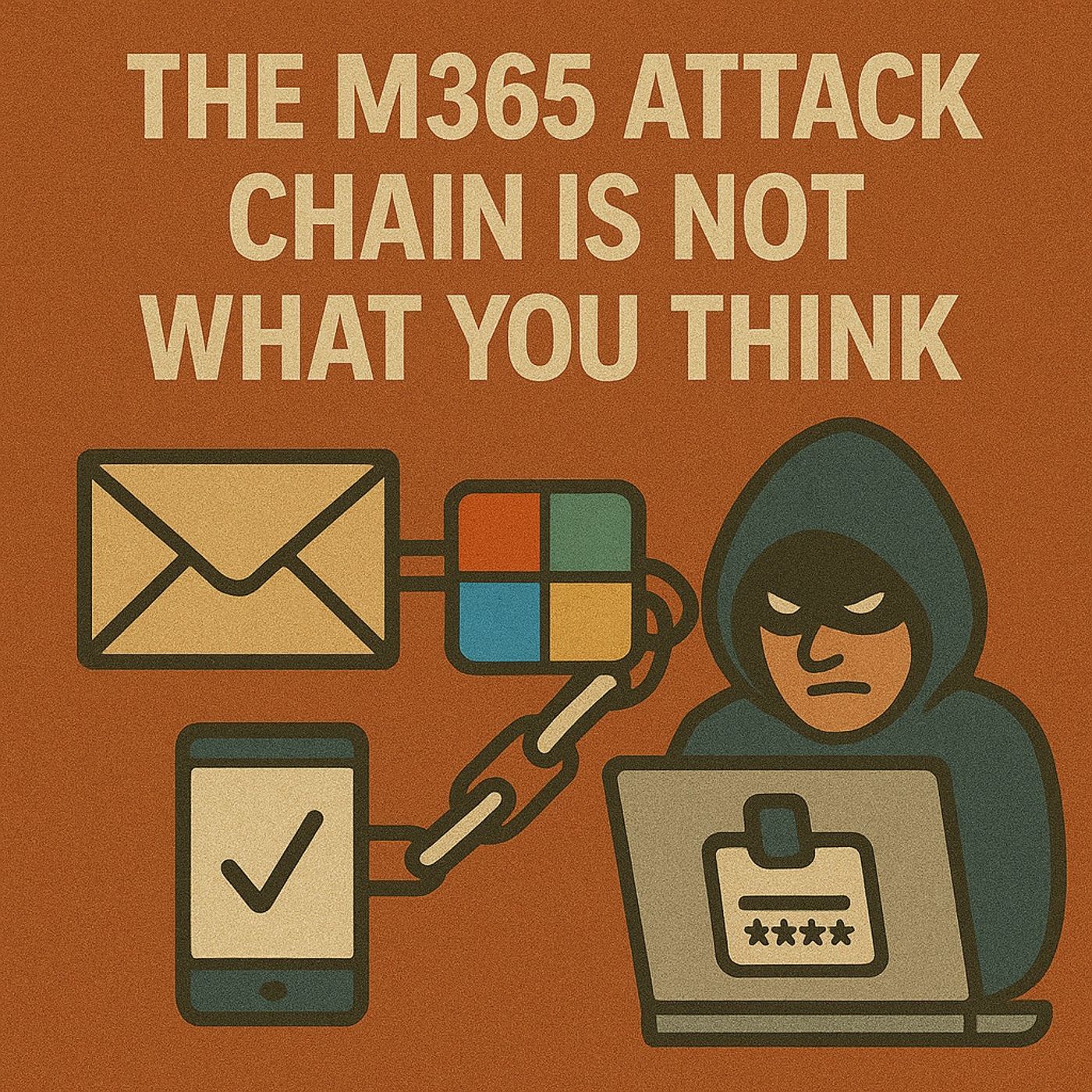
- Attack Surface and Real Threats: With so many services, devices, and integrations, the Microsoft stack offers attackers a “target-rich environment.” Breaches often exploit everything from consent-phishing to OAuth token theft, as described in this detailed attack chain breakdown.
- Governance Best Practices: Mitigating these risks isn’t just about technical controls—it’s about deploying strong governance. Strategies like strict Data Loss Prevention (DLP), connector control, and continuous monitoring are invaluable. For advanced advice, see these guides on governing Copilot agents and applying Power Platform security best practices.
Data Collection, Telemetry, and User Privacy Issues
- Extensive Telemetry and Data Tracking: Microsoft collects an enormous amount of diagnostic and usage data from Windows, Office, and cloud apps. These practices fuel both AI innovation and customer support but often raise alarm bells about privacy and user consent.
- Opt-Out and Transparency Headaches: While Microsoft has offered more controls to manage telemetry settings, many features can’t be fully disabled. Users and organizations sometimes struggle to understand what’s collected, where it’s stored, and who can access it.
- Privacy Backlash and Regulatory Risks: High-profile incidents and increasing GDPR enforcement have forced Microsoft to clarify data governance practices. Still, skepticism persists—especially in regions with stricter privacy requirements. Admins are expected to stay on top of changing policies to keep their environments complaint.
- Mitigating Organizational Privacy Risks: IT leaders can’t ignore user concerns about data tracking. Leveraging tools like Microsoft 365 access governance strategies and user activity auditing with Microsoft Purview helps maintain accountability, support investigations, and comply with privacy mandates.
- Balancing Innovation and Compliance: The push for AI and automation in Microsoft 365 only increases the complexity. Admins must align innovation with privacy safeguards to avoid running afoul of both regulators and end-users.
Identity and Cloud Security: Gaps in Microsoft Entra and Hybrid Workloads
- Identity as a Security Control Plane: In the cloud era, identity is the front line of defense. Gaps in Microsoft Entra (Azure AD) management, including “identity debt” from piling up legacy exceptions, can create unexpected security holes—forcing admins to revisit and tighten Conditional Access.
- Risks from Federated and Hybrid Setups: Federated identities and hybrid cloud deployments often have incomplete visibility across on-prem and cloud systems. Attackers target these blind spots, using techniques like token theft and privilege escalation. For actionable strategies, see this discussion of Entra Conditional Access security loops.
- Non-Human Identity (Workload) Blind Spots: Service accounts and workload identities are typically less governed but often highly privileged. Swapping those for managed, auditable identities reduces risk—and aligns with true Zero Trust approaches.
- Zero Trust by Design: Modern best practices demand continuous risk evaluation, adaptive policies, and unified governance. Listen to real-world implementation advice on Zero Trust in Microsoft 365 and Dynamics 365.
- Shadow IT Proliferation: Users spinning up unsanctioned apps or external connections add to admin headaches. Lack of control here means more vectors for attackers and more compliance cleanup later.
Compliance and Fragmented Governance in Microsoft 365 and Azure
- Compliance Drift and Gaps: As Microsoft 365 and Azure sprawl, organizations struggle to keep governance consistent. New features, evolving retention policies, and blended workloads lead to compliance “drift”—where documentation looks right, but user behavior quietly diverges. See compliance drift pitfalls in retention policy enforcement for specifics.
- Fragmented Visibility Across Services: Admins are tasked with monitoring a mix of Exchange, Teams, OneDrive, Azure, and Power Platform resources. Lack of unified dashboards makes true end-to-end governance tough to achieve.
- Data Loss Preventions (DLP) and Overlaps: Multiple layers of DLP, role-based access, and app controls can overlap, causing conflicts or gaps. For advanced recommendations, study this Copilot and Purview DLP governance approach.
- Automation Attempts—Some Progress, Many Hurdles: Many admins try to automate compliance using PowerShell or platform-native tools. While promising in theory, broken scripts or service changes can actually introduce new risks or fail silently.
- Governance Accountability and Next Steps: Ultimately, robust governance depends on monitoring, frequent reviews, and role clarity. Deploying continuous audit and behavior-based controls is the way forward. For deeper dives, look at Purview-powered solutions and emerging best practices.
Ethical, Political, and Public Relations Controversies
Microsoft’s massive reach brings with it a host of ethical and reputational minefields. Whether dealing with censorship demands from the Chinese government, questions about its military partnerships, or backlash from journalists and advocacy groups, every controversy risks turning technical choices into front-page news—sometimes overnight.
For IT leaders and admins, these aren’t just abstract scandals. Public scrutiny of Microsoft’s ethical stances can affect end-user trust, complicate vendor selection, and even prompt sudden shifts in service availability or product policy. You may find yourself answering to risk committees or explaining new restrictions to leadership, all thanks to an issue that started on another continent.
The sections ahead unpack headline examples of censorship, human rights tension, and problematic PR—so you can better appreciate how external controversies might reverberate through your organization or influence your governance strategies. Staying aware helps you prepare, not just react.
Censorship and Content Moderation Challenges in China
- Bing Censorship of Sensitive Topics: Microsoft’s Bing has faced repeated criticism for blocking or limiting searches on topics like “Tiananmen 1989” within China—and on occasion, even globally.
- Compliance with Chinese Law: Strict content controls are required by Beijing, forcing Microsoft to choose between local access and global free expression.
- Pushback from Digital Rights Groups: Human rights advocates and watchdogs highlight these moves as examples of big tech compromising on digital sovereignty and autonomy for market access.
- Global Public Relations Fallout: Such incidents have sparked negative headlines and contributed to mistrust of cloud platforms, especially in regions sensitive to content moderation policies.
Military Contracts and Human Rights Concerns
- Defense Deals with US and Israeli Militaries: Microsoft has signed major contracts to supply cloud services and HoloLens technology to the US military and, more controversially, the Israeli military, sparking protests from both employees and external critics.
- Forced Uyghur Labor Allegations: Media and watchdogs have linked some Microsoft supply chain partners to forced Uyghur labor, putting pressure on the company to audit and clean up its procurement practices.
- Backlash from Advocates: Human rights activists decry Microsoft’s perceived role in enabling military operations or overlooking adverse labor conditions.
- Vendor Ethics Under Scrutiny: These controversies prompt enterprise customers to re-evaluate supplier relationships, especially as ESG reporting becomes mandatory.
Public Relations and Journalist Relations Dilemmas
- Blacklisting and Media Pushback: Allegations that Microsoft has blacklisted or limited access for critical journalists have raised eyebrows in the press, creating further distrust among the media.
- Mishandled Crisis Communications: Occasional bungled responses to security incidents or controversial policy changes have amplified negative coverage, rather than calming the waters.
- Impact on Brand Perception: These PR stumbles can erode trust, fuel user skepticism, and make it harder for admins to defend long-term reliance on Microsoft.
- Lessons for IT Leaders: Staying proactive, transparent, and ready to communicate risk is essential for admins caught in the crossfire of vendor reputation shocks.
Product Quality, Innovation, and AI Ethics Challenges
Speed of innovation is one of Microsoft’s calling cards these days, but it’s not all sunshine and new features. The rollout of AI tools like Copilot, along with an aggressive push for more automation and natural language experiences, brings real concerns about stability, privacy, and product quality
Admins and IT leaders often find themselves torn between early adoption and damage control. Bugs and outages after updates—and especially unpredictable behavior from new AI-powered features—can disrupt business, drain support resources, and fuel end-user frustration. Meanwhile, patent spats and licensing blowups add more uncertainty to the picture.
This next section cuts through the marketing hype and dissects the most glaring risks: from data leaks in Copilot and failed “Windows Recall” moments, to persistent upgrade bugs and the legal thickets around patented technology. Understanding these patterns helps you balance enthusiasm for new tools with a rock-solid approach to reliability and compliance.
Microsoft Copilot and Artificial Intelligence Integration Issues
- AI-Powered Copilot Rollout Risks: Copilot’s deep integration with Microsoft 365, Teams, and Windows delivers impressive automation—but introduces serious risks if permissions and access boundaries aren’t clear. Over-permissive Graph API rights, for instance, can expose more data than users realize. For best practices, see this guide on Copilot security governance.
- Privacy and Data Handling Dilemmas: Copilot accesses company emails, sensitive documents, and personal data to generate content. Improper configuration or lack of DLP can put confidential data at risk. A practical Copilot governance checklist details how to tighten controls and maintain compliance.
- Windows Recall and Feature Accuracy Issues: Microsoft’s excitement to push new AI features caused backlash when early recalls and feature failures affected users’ content and system stability.
- User Skepticism and High-Profile Failures: Reports of Copilot hallucinations (inaccurate content generation), silent data leaks, and unpredictable outcomes make admins cautious—sometimes blocking rollouts or limiting features by default. Deeper dives on securing AI agents highlight these amplified risks.
- Balancing Velocity With Compliance: Pushing the latest AI while ensuring safety and compliance is a tightrope act. Smart IT leaders leverage contracts, DLP, role-based controls, and real-time monitoring to keep Copilot—and their users—on the right side of the risk equation.
Ongoing Software Quality and Reliability Issues
- Persistent Bugs and Update Failures: Windows 10 and 11 users routinely face disruptive bugs after updates—ranging from printer outages to failed logins.
- Office 365 Reliability Complaints: Service downtime, sync issues, and unpredictable UI changes remain a pain point for end users and admins alike.
- Legacy Device and Platform Support: Older Windows versions and lingering Nokia devices still struggle with inconsistent patching and waning support.
- Proactive Damage Control: Savvy admins now stagger updates and test new features in isolated environments before wide deployment, reducing outage risk.
Monopoly Positions, Patent Disputes, and Licensing Controversies
- Mono Patent and Open Source Concerns: Microsoft’s historical tangle with Mono (open-source .NET) raised alarms over software freedom and potential legal traps for developers.
- ANS Patent Controversy: The company has fielded accusations of patent trolling and enforcing broad claims against competitors, stirring debate within the developer community.
- Aggressive Licensing Enforcement: Complex agreements and periodic crackdowns on unauthorized copying have drawn criticism—and administrative headaches.
- Impact on Partners and Developers: Ongoing uncertainty around patent claims can discourage innovation and limit third-party integration opportunities in the Microsoft ecosystem.
Organizational and Strategic Challenges
Running a tech machine as big as Microsoft brings its own internal storm. The pressure to move fast, keep innovating, and stay ahead of competitors makes it an exciting but chaotic place—where sustaining talent and managing sprawling product lines takes center stage.
The complexity of the Microsoft ecosystem, especially across Microsoft 365, Azure, and hybrid solutions, creates headaches for everyone from product managers to customers trying to enforce policy and consistency. Add in the industry-wide war for top talent, and you’ve got major strategic risk factors any enterprise must watch for. The details below shine a light on these behind-the-scenes challenges and what they mean for hands-on admins and IT leaders.
Talent Attraction, Retention, and Growing Complexity in the Microsoft Ecosystem
- Growing Ecosystem Complexity: The portfolio—Microsoft 365, Azure, Power Platform—expands at breakneck speed. Admins often juggle hundreds of tools, updates, and interconnected policies, leading to fragmented visibility and increased risk of oversight.
- Policy and Governance Fatigue: With so many moving parts, keeping up with policy enforcement, governance boards, and new AI guardrails is exhausting. For enterprises, setting up a responsive governance board—like those discussed in AI risk governance best practices—can be the last line of defense.
- Talent Retention and High Turnover: Microsoft, like its customers, faces fierce competition for skilled talent. High turnover at Microsoft and partner firms can disrupt service, delay projects, and leave admin teams relying on dwindling expertise.
- Shadow IT and Unmanaged Growth: As users adopt shadow IT or sync new apps, admins must identify and remediate these risks—ideally with native tools as showcased in this Shadow IT governance guide.
- Adapting to Rapid Change: For admins, mastering automation and robust governance strategies is the only sustainable way to cope with constant shifts without losing control or overextending limited resources.
Sustainability and Environmental Accountability Challenges
Sustainability and environmental stewardship are no longer “nice to have”—they’re fast becoming business requirements for tech giants like Microsoft. As data center energy demands soar and ESG (environmental, social, governance) regulations expand worldwide, Microsoft’s carbon footprint, cloud resource consumption, and hardware e-waste need to be in sharp focus for both customers and investors.
Microsoft has staked big claims on achieving carbon neutrality and improving supply chain sustainability, but large-scale operations (think: global Azure data centers, millions of Surface devices and Xbox consoles) produce unavoidable emissions and material waste. The pressure is on to shift from simple reporting to real governance—transforming sustainability from buzzword to baseline business practice. Learn how initiatives like the Microsoft Carbon Control Plane and new auditable ESG stacks are setting new standards for environmental responsibility in tech.
FAQ: Answering Key Questions About Microsoft’s Problems for Admins and IT Leaders
- How do current antitrust or legal actions against Microsoft impact my organization’s licensing? Regulatory probes can lead to sudden contract changes or restrictions, potentially raising prices or limiting bundled services. Stay flexible and budget for possible changes in how Microsoft offers their products.
- What can I do to protect my users’ privacy given Microsoft’s expansive data collection? Use embedded controls to manage telemetry, enforce sensitivity labeling, and regularly audit user activity with Microsoft Purview Audit. Review and tighten access permissions, especially with Copilot and AI integrations.
- How should I prepare for risks from security vulnerabilities or hybrid infrastructure misconfigurations? Prioritize continuous patching, follow Power Platform security best practices, automate detection of misconfigurations, and don’t rely on default security settings.
- Are there recommended ways to handle AI and Copilot rollouts safely? Yes—implement DLP, set strong boundaries for AI-accessible data, and follow governance guides like this Copilot security walkthrough. Regularly review usage, design a clear rollout checklist, and engage your governance board early.
- Why should I care about Microsoft’s sustainability and ESG risks? Regulatory mandates, stakeholder demands, and brand value all hinge on strong environmental stewardship. Use new governance tools like the Carbon Control Plane to monitor and manage your own operational impact when sourcing from Microsoft.
Listen to the episode: Detect Microsoft 365 Attack Chains with Entra and Sentinel