


 Apple Podcasts
 Spotify
 Youtube Music
 Spreaker
 Podchaser
 Amazon Music
 How to Become a High-Value Microsoft 365 Consultant

Most Microsoft consultants never break out of commodity consulting.
They compete on hourly rates, implementation speed, and certifications—yet struggle to position themselves as strategic advisors.
In this episode of the M365 FM Podcast, we explore the blueprint for becoming a high-value Microsoft consultant by focusing on architecture, strategic impact, and business transformation rather than basic implementation work.
Instead of selling hours, elite consultants engineer architectural necessity—solutions that organizations depend on to operate securely, efficiently, and at scale.
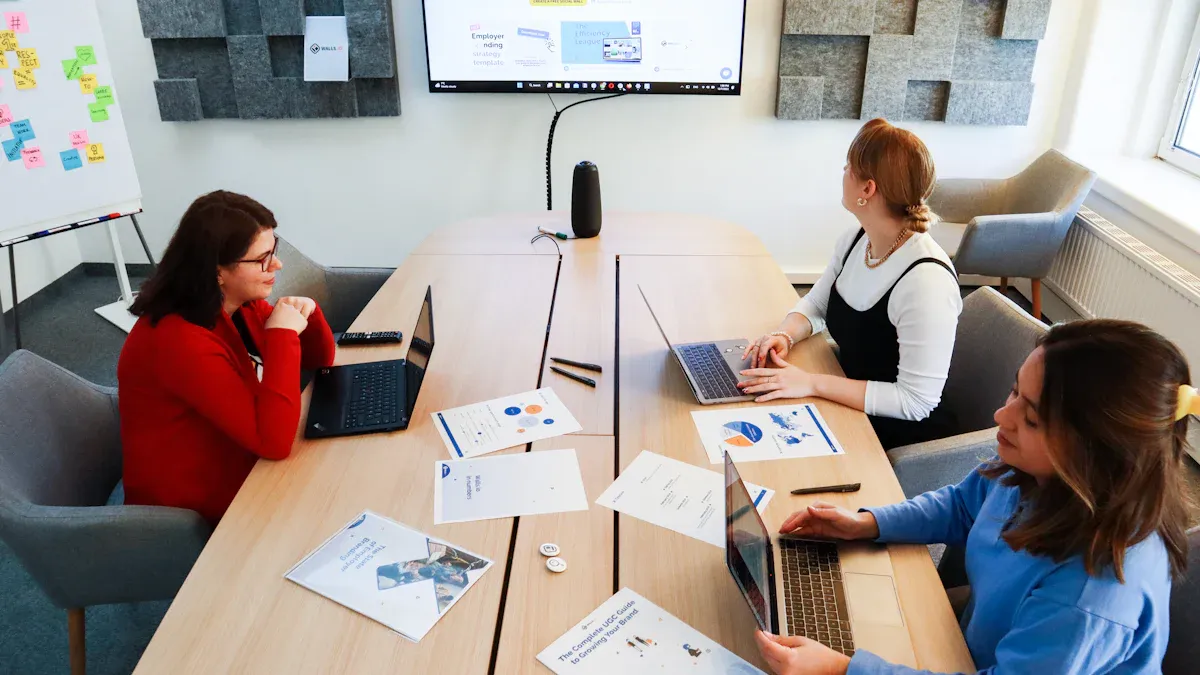
In today's fast-paced digital landscape, the Microsoft consulting industry has experienced significant growth. Over the past five years, the overall consulting sector has seen a compound annual growth rate (CAGR) of 8-10%. Notably, cloud-related services have surged even higher, with a CAGR of 12-15%. By 2028, the estimated market size for this sector could reach $220 billion. This growth highlights the urgent need for consultants to elevate their practices. The Microsoft Consultant Blueprint offers a transformative framework that empowers you to transition from basic implementation tasks to high-value strategic advisory roles.
Key Takeaways
- The Microsoft Consultant Blueprint transforms IT consultants from technical implementers to strategic architects, enhancing their value in the consulting industry.
- Architectural governance is crucial. It helps maintain compliance, security, and operational stability in client environments.
- Consultants should focus on designing integrated systems across Microsoft cloud platforms rather than just executing technical tasks.
- Effective governance frameworks are essential for managing risks and ensuring compliance with industry standards.
- Implementing the blueprint involves a structured approach: assess, plan, design, deploy, and optimize for successful outcomes.
- Training and change management are vital for successful deployment. Engaging stakeholders early ensures alignment and smooth transitions.
- Adopting the blueprint leads to measurable results, such as reduced costs and improved operational efficiency for clients.
- Positioning as a strategic advisor allows consultants to influence business outcomes and build deeper client relationships.
What is the Microsoft Consultant Blueprint?
Purpose and Scope
The Microsoft Consultant Blueprint serves as a transformative framework for IT consultants. It shifts your role from a technical implementer to a strategic architect. This blueprint emphasizes the importance of architectural governance and long-term value creation. Instead of merely executing technical tasks, you will focus on designing systems that integrate various Microsoft cloud platforms. Here are some key aspects of its purpose:
- Transforms IT consultants from technical implementers to strategic architects.
- Emphasizes architectural governance and long-term value creation.
- Focuses on designing systems rather than executing technical tasks.
- Encourages consultants to think in systems, integrating various Microsoft cloud platforms.
The scope of the Microsoft Consultant Blueprint is broad, covering various strategies essential for effective consulting. Below is a table summarizing its primary objectives and scope:
| Objectives | Scope |
|---|---|
| Ensure quality in the implementation process | Application strategy, Data strategy, Integration strategy, Business process strategy, etc. |
Target Audience
The Microsoft Consultant Blueprint is designed for a diverse audience. It primarily targets IT consultants who wish to elevate their consulting practices. However, it also benefits organizations seeking to enhance their digital transformation efforts. Here’s a closer look at who can gain from this blueprint:
- IT Consultants: Those looking to transition from basic implementation to strategic advisory roles.
- Organizations: Businesses aiming to improve their operational efficiency and security through better architectural strategies.
- Project Managers: Individuals responsible for overseeing digital transformation projects that require a comprehensive understanding of Microsoft technologies.
By adopting the Microsoft Consultant Blueprint, you position yourself as a trusted partner in your clients' journeys toward digital transformation. This framework not only enhances your value proposition but also equips you with the tools needed to address complex challenges in the Microsoft ecosystem.
Key Components of the Blueprint

Architectural Strategies
The Microsoft Consultant Blueprint emphasizes architectural strategies that focus on governance, risk mitigation, and preventing architectural decay. You should design systems that maintain predictability, compliance, and security at scale. This approach highlights the importance of engineering control systems and governance to reduce complexity and operational risks.
Common issues in Microsoft environments include identity sprawl, excessive privileged access, unmanaged applications, inconsistent governance, and uncontrolled data access. To address these challenges, you must architect control systems that mitigate risks. By engineering governance frameworks, you can reduce complexity and ensure security, compliance, and operational stability.
Governance and Compliance
Governance and compliance play a crucial role in the Microsoft Consultant Blueprint. They ensure that your consulting practices align with industry standards and regulations. Effective governance frameworks help you manage risks and maintain control over your clients' environments.
You should focus on the following key aspects of governance:
- Risk Management: Identify potential risks and implement strategies to mitigate them.
- Policy Enforcement: Establish clear policies that guide user behavior and system usage.
- Compliance Monitoring: Regularly assess compliance with industry regulations and internal policies.
By prioritizing governance and compliance, you position yourself as a trusted advisor who can help clients navigate complex regulatory landscapes.
Tools and Technologies
The Microsoft Consultant Blueprint incorporates various tools and technologies that enhance your consulting capabilities. Staying updated with the latest advancements is essential for delivering high-quality services. Here are some recent updates relevant to the blueprint:
| Update Description | Details |
|---|---|
| New Consulting Services | New blueprints available in the Microsoft Marketplace focusing on Microsoft 365, Azure, Dynamics 365, and AI-driven solutions like Microsoft 365 Copilot. |
| Zero Trust Security | Skysecure Realize Zero Trust Blueprint accelerates security implementation using Microsoft 365 and Azure. |
| Operational Efficiency | JBS provides support services for Microsoft 365 to enhance IT department efficiency. |
| Windows 365 Cloud PC | Deployment services for Windows 365 Cloud PCs to create a modern workplace. |
| AI Agent Development | Sysdoc's service creates custom assistants using Microsoft 365 and Azure AI. |
| Microsoft 365 Copilot | Adoption services to help organizations maximize the use of Microsoft 365 Copilot. |
By leveraging these tools and technologies, you can enhance your consulting practice and deliver exceptional value to your clients.
Implementing the Microsoft Consultant Blueprint
Assessment and Planning
You begin implementing the Microsoft Consultant Blueprint by carefully assessing your client’s current environment and planning the roadmap. This phase usually takes the first two weeks. During this time, you finalize the remediation roadmap, establish governance models, and define ownership and approval workflows. Setting up the technical environment also happens here. This preparation ensures that you have a clear path forward and that all stakeholders understand their roles.
Next, you move into the implementation phase, which can last from weeks three to twelve. You deploy controls for identity, productivity, and infrastructure. Migrating existing configurations and shifting role assignments to role-based access control are key tasks. Finally, you enter the optimization phase, focusing on refining and enhancing the systems you put in place. This phase typically lasts from weeks thirteen to sixteen.
Solution Design
Designing solutions with the Microsoft Consultant Blueprint requires a structured approach. You reduce risks by detecting problems early. Aligning your design with recommended practices helps you build reliable and scalable systems. Collaborating with implementation partners ensures success by design.
Follow these steps to design your solution:
- Discover: Gather and validate business requirements. Understand what your client needs and expects.
- Initiate: Define the workstreams that fall within the project scope. Update your project plans accordingly.
- Implement: Build the solution based on your design, ensuring it meets the requirements.
- Prepare: Conduct user acceptance testing. Finalize deployment plans to ensure a smooth rollout.
- Operate: Stabilize the solution after deployment. Focus on future enhancements and continuous improvement.
This process helps you deliver solutions that meet client needs while maintaining quality and governance.
Deployment and Training
Deploying the Microsoft Consultant Blueprint successfully depends on effective training and change management. Engaging stakeholders early aligns leadership and decision-makers with your vision. Comprehensive training prepares end-users to adopt new tools and practices confidently.
Ongoing support plays a vital role in overcoming resistance to change, which often arises during transitions. Keep communication clear and consistent throughout the deployment. This approach keeps everyone informed and engaged.
To measure your success, track key metrics such as go-live success rate and feature usage. For example, projects following this blueprint often achieve an 80% or higher go-live success rate and see feature usage increase by more than twice. Monitoring these metrics helps you adjust your approach and improve future deployments.
Tip: Focus on change management as much as on technology. People adapt better when they understand the benefits and receive proper support.
By following these steps, you can implement the Microsoft Consultant Blueprint effectively, delivering strategic value and long-term benefits to your clients.
Case Studies of Success
Digital Transformation Examples
Many organizations have successfully implemented the Microsoft Consultant Blueprint to drive digital transformation. For instance, PwC's migration to Microsoft 365 significantly enhanced collaboration across borders. This transformation improved security and data access, allowing faster client service. The case highlights the importance of human factors in digital transformation, emphasizing co-designing solutions with stakeholders.
Here are some notable outcomes from organizations that adopted this blueprint:
- Works councils and tenant trust review cycle times: Reduced from 133 days to 40 days, achieving a 70% improvement.
- External vendor audit duration: Cut down from 154 days to about 15 minutes, showcasing a significant reduction in time.
- Time and costs in IT asset management: Achieved a 50% reduction, leading to cost savings and increased efficiency.
- Key network performance metric: Experienced a 40% boost, enhancing overall performance.
Cloud Migration Success Stories
Cloud migration is another area where the Microsoft Consultant Blueprint has proven effective. Organizations have reported remarkable improvements in compliance and risk management. For example, compliance with policies reached 90%, with ongoing improvements noted. Additionally, organizations achieved 95% compliance within a week of major patching, demonstrating effective risk minimization in their device fleets.
Lessons learned from these success stories include:
- Define the outcome first: Identify the real business outcome before any technology rollout.
- Secure active sponsorship: Equip leaders to communicate the vision and business reasons for change.
- Establish measurement systems: Determine upfront how success will be measured, using feedback and telemetry data.
Microsoft's commitment to enhancing change management practices has led to a remarkable 450% increase in customer adoption rates. This shift in focus from merely deploying technology to ensuring actual usage and business outcomes illustrates a fundamental lesson for organizations adopting the Microsoft Consultant Blueprint. As one expert noted, "Change sticks through people, not through features. In the AI era, that truth matters more than ever."
By examining these case studies, you can see how the Microsoft Consultant Blueprint empowers organizations to achieve significant results in their digital transformation and cloud migration efforts.
Benefits of the Microsoft Consultant Blueprint
Enhanced Value Proposition
You gain several advantages by adopting the Microsoft Consultant Blueprint. It helps you reduce infrastructure costs and speeds up tenant onboarding. This means you can bring new clients on board faster and with less expense. The blueprint also centralizes updates, so all your clients receive the latest features and improvements at the same time. This uniformity saves you time and effort. Additionally, it optimizes resource use across your projects, allowing you to deliver more value without increasing your workload.
| Advantage | Description |
|---|---|
| Lower infrastructure cost | Reduces overall expenses for consultants. |
| Faster tenant onboarding | Accelerates the process of getting new clients set up. |
| Centralized updates | Ensures all clients receive the latest features and improvements uniformly. |
| Better resource utilization | Optimizes the use of available resources across engagements. |
For your clients, the Microsoft Consultant Blueprint offers a structured consulting approach that focuses on measurable outcomes. You can clearly explain your value, which builds stronger client relationships. The blueprint integrates technology smoothly into your consulting process, helping you adapt quickly to changing market conditions. This approach leads to higher client satisfaction and opens doors for expanded engagements.
Key benefits for your clients include:
- Clear, measurable results from consulting efforts.
- Stronger trust through transparent value communication.
- Better adaptation to evolving technology and business needs.
- Opportunities for ongoing collaboration and growth.
Long-term Strategic Impact
The Microsoft Consultant Blueprint positions you as a strategic advisor rather than just a technical implementer. It emphasizes governance, architecture, and risk reduction. This focus allows you to provide valuable insights that help organizations make informed decisions about technology and operations. As a result, you can command higher fees and build deeper client partnerships.
By shifting your role to advisory, you guide clients through complex areas like technology adoption and long-term planning. You help them avoid costly mistakes and design systems that scale securely and efficiently. This strategic involvement strengthens your reputation and ensures your consulting practice remains relevant as technology evolves.
Remember these points about your strategic role:
- You become a trusted partner in shaping your clients’ technology futures.
- Your advice helps clients reduce risks and improve compliance.
- You influence decisions that affect business outcomes, not just IT tasks.
- Your expertise drives long-term value beyond immediate project delivery.
By embracing the Microsoft Consultant Blueprint, you transform your consulting practice. You deliver more value, build stronger client relationships, and secure your place as a key player in your clients’ digital transformation journeys.
The Microsoft Consultant Blueprint empowers you to elevate your consulting practice. By focusing on architectural strategies and governance, you position yourself as a strategic advisor. As you look to the future, consider these trends shaping the industry:
- Technological innovation driving growth
- Need for industry-specific solutions
- Importance of sustainability initiatives
Embrace these changes to stay ahead. Your ability to integrate emerging technologies and develop proactive consulting models will define your success in this evolving landscape.
Remember, the journey to becoming a trusted partner starts with adopting the right framework.
FAQ
What is the Microsoft Consultant Blueprint?
The Microsoft Consultant Blueprint is a framework that helps IT consultants transition from technical tasks to strategic advisory roles. It emphasizes architectural governance and long-term value creation.
Who can benefit from the blueprint?
IT consultants, organizations undergoing digital transformation, and project managers can all benefit from the Microsoft Consultant Blueprint. It equips them with strategies to enhance operational efficiency and security.
How does the blueprint improve consulting practices?
The blueprint encourages consultants to focus on architectural strategies, governance, and risk management. This shift allows you to provide higher value and command premium rates for your services.
What are the key components of the blueprint?
Key components include architectural strategies, governance and compliance, and tools and technologies. These elements work together to create a comprehensive consulting approach.
How long does it take to implement the blueprint?
Implementation typically occurs in phases over 16 weeks. The process includes assessment, planning, solution design, deployment, and optimization.
What role does training play in the blueprint?
Training is crucial for successful deployment. It prepares end-users to adopt new tools and practices, ensuring a smooth transition and maximizing the benefits of the blueprint.
Can you provide examples of success using the blueprint?
Yes! Organizations have reported significant improvements in collaboration, compliance, and operational efficiency after implementing the Microsoft Consultant Blueprint. Case studies highlight measurable outcomes and enhanced client satisfaction.
How does the blueprint address governance and compliance?
The blueprint emphasizes establishing governance frameworks and compliance monitoring. This focus helps you manage risks and align consulting practices with industry standards and regulations.
🎧 Listen to this episode
Want a practical explanation of How to Become a High-Value Microsoft 365 Consultant? This episode breaks down the topic in clear language and shows why it matters for Microsoft 365, Azure, Power Platform, security, AI, and modern work.
Listen to this episode if you want to:
- Understand the key concepts behind How to Become a High-Value Microsoft 365 Consultant
- See how it fits into the wider Microsoft technology ecosystem
- Learn where it can create practical value for your organization
You may also enjoy these related M365 FM episodes:
- How to Become a High-Performing Microsoft Partner
- Build a High-Value Productized Microsoft 365 Service
- Microsoft 365 Copilot Agents: Real Business Value with Steve Corey [MVP]
- High-Stakes Hybrid Events with Microsoft Teams and Mesh
- From AI Hype to Business Value with Kayode Ajayi [MVP-MCT]
Discover more practical Microsoft conversations on M365 FM.
🚀 Want to be part of m365.fm?
Then stop just listening… and start showing up.
👉 Connect with me on LinkedIn and let’s make something happen:
- 🎙️ Be a podcast guest and share your story
- 🎧 Host your own episode (yes, seriously)
- 💡 Pitch topics the community actually wants to hear
- 🌍 Build your personal brand in the Microsoft 365 space
This isn’t just a podcast — it’s a platform for people who take action.
🔥 Most people wait. The best ones don’t.
👉 Connect with me on LinkedIn and send me a message:
"I want in"
Let’s build something awesome 👊
1
00:00:00,000 --> 00:00:02,080
Most Microsoft consultants are commoditized,
2
00:00:02,080 --> 00:00:03,400
not because they lack skill,
3
00:00:03,400 --> 00:00:05,640
because they sell the wrong thing, they sell execution,
4
00:00:05,640 --> 00:00:07,880
they sell hours, they sell apps and automations
5
00:00:07,880 --> 00:00:10,760
and migrations, they compete on delivery speed and cost,
6
00:00:10,760 --> 00:00:12,480
and they lose every single time
7
00:00:12,480 --> 00:00:15,200
to the consultant who understands what companies actually need.
8
00:00:15,200 --> 00:00:17,960
The highest paid Microsoft consultants in 2026
9
00:00:17,960 --> 00:00:20,600
don't build anything, they architect control systems,
10
00:00:20,600 --> 00:00:23,920
they engineer governance, they reduce architectural entropy,
11
00:00:23,920 --> 00:00:26,240
and they charge 250's an hour, not 60,
12
00:00:26,240 --> 00:00:28,200
because they're not competing on technical skill,
13
00:00:28,200 --> 00:00:29,840
they're competing on risk mitigation,
14
00:00:29,840 --> 00:00:32,640
and here's the gap, feature work pays $60 an hour,
15
00:00:32,640 --> 00:00:35,320
entropy mitigation pays $250 an hour,
16
00:00:35,320 --> 00:00:38,320
a power app costs 50K and takes three months,
17
00:00:38,320 --> 00:00:41,840
a governance remediation costs 150K and takes 12 weeks,
18
00:00:41,840 --> 00:00:43,520
and it prevents a $2 million breach,
19
00:00:43,520 --> 00:00:45,640
one is a project, the other is necessity.
20
00:00:45,640 --> 00:00:47,360
By the end of this, you'll have a framework
21
00:00:47,360 --> 00:00:50,440
for repositioning what you sell, how you price it,
22
00:00:50,440 --> 00:00:52,880
and how you acquire clients who will pay for governance
23
00:00:52,880 --> 00:00:53,800
instead of builds.
24
00:00:53,800 --> 00:00:55,200
This isn't about certifications,
25
00:00:55,200 --> 00:00:58,320
it's about understanding that companies don't have app problems,
26
00:00:58,320 --> 00:01:01,880
they have architectural decay, the architectural entropy problem.
27
00:01:01,880 --> 00:01:03,880
Most consultants miss the real problem
28
00:01:03,880 --> 00:01:05,800
because they're looking at the wrong layer.
29
00:01:05,800 --> 00:01:07,760
Architectural entropy is the proliferation
30
00:01:07,760 --> 00:01:09,840
of possible system states, configurations,
31
00:01:09,840 --> 00:01:12,200
and dependencies that make behavior unpredictable.
32
00:01:12,200 --> 00:01:14,400
It's not a feature problem, it's a structural problem,
33
00:01:14,400 --> 00:01:16,760
and it compounds silently until it costs millions,
34
00:01:16,760 --> 00:01:18,840
it manifests across four dimensions.
35
00:01:18,840 --> 00:01:23,320
State entropy, data inconsistencies, dual rights,
36
00:01:23,320 --> 00:01:27,320
permanent temporary copies that nobody can remove.
37
00:01:27,320 --> 00:01:30,520
Configuration entropy, feature flags, settings,
38
00:01:30,520 --> 00:01:32,000
policies that drift over time
39
00:01:32,000 --> 00:01:34,920
until nobody remembers why they exist.
40
00:01:34,920 --> 00:01:38,920
Interaction entropy, service cascades, retry storms,
41
00:01:38,920 --> 00:01:42,520
dependencies that multiply faster than anyone can track.
42
00:01:42,520 --> 00:01:45,280
Organizational entropy, unclear ownership,
43
00:01:45,280 --> 00:01:48,680
distributed decision making, teams operating in silos.
44
00:01:48,680 --> 00:01:50,600
Companies don't know they have an entropy problem
45
00:01:50,600 --> 00:01:53,160
until it costs them, a breach that takes six months
46
00:01:53,160 --> 00:01:55,840
to detect because identity governance never existed
47
00:01:55,840 --> 00:01:59,280
and audit failure because access reviews were never automated.
48
00:01:59,280 --> 00:02:02,200
A failed migration that takes 18 months instead of six
49
00:02:02,200 --> 00:02:04,560
because the architecture was never designed for cloud.
50
00:02:04,560 --> 00:02:07,480
A compliance incident because data loss prevention policies
51
00:02:07,480 --> 00:02:08,560
were never enforced.
52
00:02:08,560 --> 00:02:10,800
By then the debt is structural, it's not fixable
53
00:02:10,800 --> 00:02:12,520
with another app or another automation.
54
00:02:12,520 --> 00:02:13,520
This is where you come in,
55
00:02:13,520 --> 00:02:16,000
but only if you're positioned as the architect of control,
56
00:02:16,000 --> 00:02:17,640
not the builder of features.
57
00:02:17,640 --> 00:02:20,280
The consultant who sees entropy wins the contract.
58
00:02:20,280 --> 00:02:23,720
The one who sees we need a power app loses to the lowest bidder.
59
00:02:23,720 --> 00:02:25,120
That's the fundamental distinction.
60
00:02:25,120 --> 00:02:27,200
One consultant diagnoses the disease,
61
00:02:27,200 --> 00:02:28,600
the other treats the symptom.
62
00:02:28,600 --> 00:02:30,920
Most organizations are operating in reactive mode.
63
00:02:30,920 --> 00:02:32,200
They solve yesterday's problems
64
00:02:32,200 --> 00:02:34,000
while entropy accumulates in the background
65
00:02:34,000 --> 00:02:35,840
by the time leadership notices.
66
00:02:35,840 --> 00:02:38,440
Through an audit failure, a breach, a failed migration,
67
00:02:38,440 --> 00:02:39,920
the problem is no longer technical.
68
00:02:39,920 --> 00:02:42,920
It's architectural, the system has too many possible states,
69
00:02:42,920 --> 00:02:46,000
too many configuration parts, too many undocumented dependencies,
70
00:02:46,000 --> 00:02:47,800
too many teams making independent decisions
71
00:02:47,800 --> 00:02:49,080
without shared governance.
72
00:02:49,080 --> 00:02:50,680
And here's what matters, they know this,
73
00:02:50,680 --> 00:02:53,480
CISOs know it, CFOs know it, Chief Risk Officers know it,
74
00:02:53,480 --> 00:02:55,560
but most IT teams don't know how to articulate it.
75
00:02:55,560 --> 00:02:56,840
They don't have a language for it.
76
00:02:56,840 --> 00:02:58,640
They don't have a framework for measuring it.
77
00:02:58,640 --> 00:03:00,160
They don't have a path to fixing it.
78
00:03:00,160 --> 00:03:02,160
That's your opening, that's your positioning.
79
00:03:02,160 --> 00:03:04,800
You become the person who sees the entropy, quantifies it,
80
00:03:04,800 --> 00:03:07,280
and builds a remediation roadmap that actually works.
81
00:03:07,280 --> 00:03:08,720
The consultant who treats identities,
82
00:03:08,720 --> 00:03:10,400
sprawl, power platform chaos,
83
00:03:10,400 --> 00:03:13,640
and a Zua cost entropy as separate problems loses every time.
84
00:03:13,640 --> 00:03:16,280
The consultant who treats them as symptoms of one problem,
85
00:03:16,280 --> 00:03:19,480
architectural entropy across the entire Microsoft control plane
86
00:03:19,480 --> 00:03:20,480
becomes indispensable.
87
00:03:20,480 --> 00:03:24,920
This is the shift from I build apps to I architect control systems.
88
00:03:24,920 --> 00:03:28,040
It's the difference between 80K annually and 100K plus,
89
00:03:28,040 --> 00:03:30,400
why companies are drowning in architectural debt.
90
00:03:30,400 --> 00:03:33,200
Understanding why organizations end up in this position
91
00:03:33,200 --> 00:03:35,720
requires looking at how they actually adopted cloud
92
00:03:35,720 --> 00:03:37,040
and Microsoft technologies.
93
00:03:37,040 --> 00:03:39,640
It wasn't strategic, it was reactive.
94
00:03:39,640 --> 00:03:42,080
Organizations adopted cloud, Microsoft 365,
95
00:03:42,080 --> 00:03:45,200
Azure Power Platform, without establishing control planes first.
96
00:03:45,200 --> 00:03:46,560
They didn't build identity governance
97
00:03:46,560 --> 00:03:47,920
before rolling out EntraID.
98
00:03:47,920 --> 00:03:49,800
They didn't implement data loss prevention
99
00:03:49,800 --> 00:03:51,280
before enabling Power Platform.
100
00:03:51,280 --> 00:03:52,920
They didn't establish subscription governance
101
00:03:52,920 --> 00:03:54,800
before spinning up Azure resources.
102
00:03:54,800 --> 00:03:56,560
They just started using the tools.
103
00:03:56,560 --> 00:03:58,440
Each new tool added complexity,
104
00:03:58,440 --> 00:04:00,880
without simplifying the underlying architecture.
105
00:04:00,880 --> 00:04:04,240
Co-pilot arrived, and suddenly there is AI interacting
106
00:04:04,240 --> 00:04:06,400
with sensitive data without governance.
107
00:04:06,400 --> 00:04:08,800
Agents launched and nobody knows which autonomous systems
108
00:04:08,800 --> 00:04:10,360
have access to which resources.
109
00:04:10,360 --> 00:04:11,920
Fabric launched and the data estate
110
00:04:11,920 --> 00:04:13,360
became even more fragmented.
111
00:04:13,360 --> 00:04:16,200
Every innovation added another layer of possible states
112
00:04:16,200 --> 00:04:18,200
without reducing the layers below it.
113
00:04:18,200 --> 00:04:19,400
Teams operate in silos.
114
00:04:19,400 --> 00:04:21,120
IT doesn't know what Power Platform is building.
115
00:04:21,120 --> 00:04:23,600
Security doesn't see the EntraID drift accumulating
116
00:04:23,600 --> 00:04:24,520
in the background.
117
00:04:24,520 --> 00:04:26,640
Finance doesn't understand the Azure sprawl.
118
00:04:26,640 --> 00:04:28,960
Nobody owns the problem because everybody assumes
119
00:04:28,960 --> 00:04:30,480
someone else is managing it.
120
00:04:30,480 --> 00:04:31,960
The result is predictable.
121
00:04:31,960 --> 00:04:33,600
I've seen it hundreds of times.
122
00:04:33,600 --> 00:04:36,840
A financial services organization with fund 200 direct
123
00:04:36,840 --> 00:04:40,320
role assignments when best practice is 50 to 100.
124
00:04:40,320 --> 00:04:43,560
23 global administrators when the number should be three to five.
125
00:04:43,560 --> 00:04:45,080
No privileged identity management,
126
00:04:45,080 --> 00:04:47,960
no access reviews, no life cycle automation,
127
00:04:47,960 --> 00:04:49,960
service principles with permanent credentials
128
00:04:49,960 --> 00:04:51,560
and no rotation schedule.
129
00:04:51,560 --> 00:04:54,880
847 of them discovered in a single audit.
130
00:04:54,880 --> 00:04:57,560
A manufacturing company with 430 unmanaged power
131
00:04:57,560 --> 00:05:00,280
automate flows, 87 unmanaged canvas apps,
132
00:05:00,280 --> 00:05:03,320
zero data loss prevention policies, no environment tiering,
133
00:05:03,320 --> 00:05:06,280
citizen developers creating flows that export production data
134
00:05:06,280 --> 00:05:08,440
to personal one-drive accounts without approval.
135
00:05:08,440 --> 00:05:11,320
Nobody knows it's happening until the data is accidentally
136
00:05:11,320 --> 00:05:12,680
shared externally.
137
00:05:12,680 --> 00:05:16,000
An enterprise with Azure subscriptions organized by department
138
00:05:16,000 --> 00:05:19,000
instead of governance model, inconsistent tagging.
139
00:05:19,000 --> 00:05:21,840
Reserved instances that don't match actual usage.
140
00:05:21,840 --> 00:05:24,680
Multi-region deployments without clear failover strategy.
141
00:05:24,680 --> 00:05:27,960
Cost entropy building silently until the bill arrives
142
00:05:27,960 --> 00:05:29,800
and nobody can explain where the money went.
143
00:05:29,800 --> 00:05:30,880
These aren't edge cases.
144
00:05:30,880 --> 00:05:31,720
These are the norm.
145
00:05:31,720 --> 00:05:34,120
Most organizations have exceeded their entropy budget
146
00:05:34,120 --> 00:05:36,600
in at least one control plane, often all three.
147
00:05:36,600 --> 00:05:38,880
Most consultants treat these as separate problems,
148
00:05:38,880 --> 00:05:41,880
hire a security consultant to fix identity,
149
00:05:41,880 --> 00:05:44,400
hire an automation consultant to fix power platform,
150
00:05:44,400 --> 00:05:46,360
hire a cloud architect to fix Azure.
151
00:05:46,360 --> 00:05:48,120
Each consultant solves their piece.
152
00:05:48,120 --> 00:05:49,760
The organization still has entropy
153
00:05:49,760 --> 00:05:51,320
because the underlying problem,
154
00:05:51,320 --> 00:05:53,560
unclear ownership, no life cycle automation,
155
00:05:53,560 --> 00:05:56,800
no policy-driven access decisions, never gets addressed.
156
00:05:56,800 --> 00:05:58,760
The consultant who sees the pattern wins.
157
00:05:58,760 --> 00:06:00,360
The one who understands that enter ID
158
00:06:00,360 --> 00:06:02,200
isn't just an identity provider,
159
00:06:02,200 --> 00:06:04,880
but a distributed decision engine making thousands
160
00:06:04,880 --> 00:06:07,000
of real-time authorization decisions.
161
00:06:07,000 --> 00:06:09,200
The one who understands that every accept clause
162
00:06:09,200 --> 00:06:10,600
in a conditional access policy
163
00:06:10,600 --> 00:06:12,640
converts a deterministic security model
164
00:06:12,640 --> 00:06:14,000
into a probabilistic one.
165
00:06:14,000 --> 00:06:16,040
The one who understands that power platform
166
00:06:16,040 --> 00:06:18,480
without governance creates collaboration entropy
167
00:06:18,480 --> 00:06:21,520
that compounds faster than IT can remediate it,
168
00:06:21,520 --> 00:06:23,720
that consultant becomes the architect of necessity,
169
00:06:23,720 --> 00:06:24,960
not because they're smarter,
170
00:06:24,960 --> 00:06:26,600
because they're positioned differently.
171
00:06:26,600 --> 00:06:28,520
They're not competing on implementation speed.
172
00:06:28,520 --> 00:06:30,640
They're competing on the ability to reduce risk,
173
00:06:30,640 --> 00:06:33,480
enforce compliance and prevent the architectural decay
174
00:06:33,480 --> 00:06:34,520
that costs millions.
175
00:06:34,520 --> 00:06:36,480
This is the repositioning that separates
176
00:06:36,480 --> 00:06:39,560
80K consultants from 100K plus consultants.
177
00:06:39,560 --> 00:06:42,040
One builds features, the other architects control,
178
00:06:42,040 --> 00:06:44,400
one competes on hours, the other competes on outcomes,
179
00:06:44,400 --> 00:06:47,520
one loses to price, the other doesn't compete on price at all.
180
00:06:47,520 --> 00:06:49,840
The control plane model, to sell governance,
181
00:06:49,840 --> 00:06:52,600
you need to frame it in terms that executives understand.
182
00:06:52,600 --> 00:06:55,360
And that means understanding what a control plane actually is,
183
00:06:55,360 --> 00:06:57,720
and what it means when you exceed its entropy budget.
184
00:06:57,720 --> 00:07:00,280
A control plane is the set of systems, policies,
185
00:07:00,280 --> 00:07:02,360
and processes that enforce intent at scale.
186
00:07:02,360 --> 00:07:03,920
It's not a feature, it's the mechanism
187
00:07:03,920 --> 00:07:06,000
that makes behavior predictable and auditable.
188
00:07:06,000 --> 00:07:09,200
Microsoft has three primary control planes in 2026.
189
00:07:09,200 --> 00:07:15,360
Identity, EntryD, Productivity, Microsoft 365, Infrastructure, Azure.
190
00:07:15,360 --> 00:07:16,760
Each one has an entropy budget.
191
00:07:16,760 --> 00:07:19,880
The amount of complexity it can absorb before governance fails.
192
00:07:19,880 --> 00:07:22,520
Most organizations have exceeded their entropy budget
193
00:07:22,520 --> 00:07:23,840
in at least one plane.
194
00:07:23,840 --> 00:07:26,200
Often all three, start with identity.
195
00:07:26,200 --> 00:07:29,600
EntryD is not just an identity provider, that's the marketing term.
196
00:07:29,600 --> 00:07:31,920
Architecturally, it's a distributed decision engine
197
00:07:31,920 --> 00:07:35,320
making thousands of real-time authorization decisions every second.
198
00:07:35,320 --> 00:07:38,600
Every time a user signs in, every time a service requests access,
199
00:07:38,600 --> 00:07:40,880
every time an agent tries to use a resource,
200
00:07:40,880 --> 00:07:43,400
entry is making a decision, allow or deny.
201
00:07:43,400 --> 00:07:46,120
Based on what policy, here's where entropy enters.
202
00:07:46,120 --> 00:07:49,120
Every accept clause added to a conditional access policy
203
00:07:49,120 --> 00:07:52,680
converts a deterministic security model into a probabilistic one,
204
00:07:52,680 --> 00:07:55,440
your delegating decisions you never revisited.
205
00:07:55,440 --> 00:07:58,600
A policy says require MFA for all users except,
206
00:07:58,600 --> 00:08:01,800
and then six months later nobody remembers why that exception exists.
207
00:08:01,800 --> 00:08:03,880
It's still there, it's still creating risk,
208
00:08:03,880 --> 00:08:06,080
and it's still making the system less predictable.
209
00:08:06,080 --> 00:08:09,480
By the time you map the identity control plane in a typical enterprise,
210
00:08:09,480 --> 00:08:12,880
you find one 200 direct role assignments that should be 50.
211
00:08:12,880 --> 00:08:15,560
You find 23 global administrators that should be three.
212
00:08:15,560 --> 00:08:19,360
You find service principles with permanent credentials that should be time-bound.
213
00:08:19,360 --> 00:08:21,640
You find access reviews that were never automated.
214
00:08:21,640 --> 00:08:24,240
You find life cycle automation that was never implemented.
215
00:08:24,240 --> 00:08:26,240
The control plane has collapsed into chaos.
216
00:08:26,240 --> 00:08:27,480
Move to productivity.
217
00:08:27,480 --> 00:08:30,160
Microsoft 365 creates collaboration entropy.
218
00:08:30,160 --> 00:08:32,200
Unmanage teams with sensitive data.
219
00:08:32,200 --> 00:08:33,760
Shadow data stores in SharePoint.
220
00:08:33,760 --> 00:08:37,040
Uncontrolled co-pilot interactions with proprietary information.
221
00:08:37,040 --> 00:08:39,360
A citizen developer creates a flow in power automate
222
00:08:39,360 --> 00:08:42,360
that exports production data to a personal cloud storage account.
223
00:08:42,360 --> 00:08:44,320
Nobody approved it, nobody knows it exists,
224
00:08:44,320 --> 00:08:46,360
until it becomes a compliance incident.
225
00:08:46,360 --> 00:08:50,240
The productivity control plane is supposed to enforce what data can flow where,
226
00:08:50,240 --> 00:08:53,360
who can access what and what happens when policies are violated.
227
00:08:53,360 --> 00:08:55,840
But most organizations never built that control plane.
228
00:08:55,840 --> 00:08:57,240
They just enabled the tools,
229
00:08:57,240 --> 00:09:01,400
and now they have 430 unmanaged flows with no data loss prevention policies.
230
00:09:01,400 --> 00:09:03,680
87 unmanaged apps with no governance model.
231
00:09:03,680 --> 00:09:06,800
Citizen developers empowered to build without guardrails.
232
00:09:06,800 --> 00:09:09,720
Then infrastructure, Azure is a sprawl generator.
233
00:09:09,720 --> 00:09:11,120
Subscriptions multiply.
234
00:09:11,120 --> 00:09:13,000
Resources are created without governance.
235
00:09:13,000 --> 00:09:14,680
Cost entropy builds silently.
236
00:09:14,680 --> 00:09:17,840
A team spins up a development environment and forgets to delete it.
237
00:09:17,840 --> 00:09:19,360
Six months later it's still running.
238
00:09:19,360 --> 00:09:21,360
Nobody owns it, nobody monitors it.
239
00:09:21,360 --> 00:09:24,200
The bill arrives and nobody can explain where the money went.
240
00:09:24,200 --> 00:09:28,600
The infrastructure control plane is supposed to enforce consistent governance across all resources.
241
00:09:28,600 --> 00:09:32,920
Consistent tagging, consistent access controls, consistent cost management.
242
00:09:32,920 --> 00:09:35,880
But most organizations never established that baseline.
243
00:09:35,880 --> 00:09:37,520
They just started using Azure.
244
00:09:37,520 --> 00:09:41,520
And now they have subscriptions organized by department instead of governance model.
245
00:09:41,520 --> 00:09:44,480
Reserved instances that don't match actual usage.
246
00:09:44,480 --> 00:09:46,960
Multi-region deployments without clear failover strategy.
247
00:09:46,960 --> 00:09:47,800
Here's what matters.
248
00:09:47,800 --> 00:09:51,480
The consultant who understands these three planes as interconnected systems.
249
00:09:51,480 --> 00:09:54,040
Not separate tools becomes the architect of necessity.
250
00:09:54,040 --> 00:09:55,640
This is not about individual features.
251
00:09:55,640 --> 00:09:58,400
It's about how intent is enforced across the entire system.
252
00:09:58,400 --> 00:10:02,120
How decisions are made, how policies are applied, how behavior is audited.
253
00:10:02,120 --> 00:10:06,400
When you frame it this way, you're no longer competing on hourly rate or implementation speed.
254
00:10:06,400 --> 00:10:11,880
You're competing on the ability to reduce risk, enforce compliance and prevent the architectural decay that costs millions.
255
00:10:11,880 --> 00:10:17,080
You're competing on necessity, a breach costs two millions, an audit failure costs 500K in fines.
256
00:10:17,080 --> 00:10:19,440
A failed migration costs one million in rework.
257
00:10:19,440 --> 00:10:22,880
A governance remediation costs 150K and prevents all three.
258
00:10:22,880 --> 00:10:23,840
One is a project.
259
00:10:23,840 --> 00:10:24,920
The other is insurance.
260
00:10:24,920 --> 00:10:27,080
This is the positioning that commands premium pricing.
261
00:10:27,080 --> 00:10:30,120
Not because you're smarter, because you're solving a different problem.
262
00:10:30,120 --> 00:10:32,760
You're not building features, you're architecting control.
263
00:10:32,760 --> 00:10:37,480
And control is what keeps systems predictable, compliant and secure at scale.
264
00:10:37,480 --> 00:10:39,360
The three-plane assessment framework.
265
00:10:39,360 --> 00:10:43,480
To position yourself as an architect, you need a diagnostic lens that reveals entropy.
266
00:10:43,480 --> 00:10:44,920
Most consultants don't have one.
267
00:10:44,920 --> 00:10:47,920
They walk into an organization and ask, what do you need built?
268
00:10:47,920 --> 00:10:52,240
The right question is, how much entropy are you carrying and where is it creating the most risk?
269
00:10:52,240 --> 00:10:56,680
The three-plane assessment is how you uncover the hidden problems that executives don't yet see.
270
00:10:56,680 --> 00:10:57,880
It's your diagnostic tool.
271
00:10:57,880 --> 00:11:02,280
It's also your first engagement and it's paid work, not a free discovery call.
272
00:11:02,280 --> 00:11:03,520
Start with the identity plane.
273
00:11:03,520 --> 00:11:04,880
Map all identity types.
274
00:11:04,880 --> 00:11:05,960
Human identities.
275
00:11:05,960 --> 00:11:07,240
Service identities.
276
00:11:07,240 --> 00:11:08,360
Agent identities.
277
00:11:08,360 --> 00:11:09,480
Guest identities.
278
00:11:09,480 --> 00:11:10,880
Measure role assignment drift.
279
00:11:10,880 --> 00:11:16,720
Count how many direct role assignments exist versus how many should exist based on the organization's size and structure.
280
00:11:16,720 --> 00:11:18,440
Quantify privileged account creep.
281
00:11:18,440 --> 00:11:19,800
How many global administrators?
282
00:11:19,800 --> 00:11:22,200
How many service accounts with permanent credentials?
283
00:11:22,200 --> 00:11:27,600
Assess conditional access coverage. What percentage of sign-in events are evaluated by conditional access policies?
284
00:11:27,600 --> 00:11:29,600
What percentage bypass them entirely?
285
00:11:29,600 --> 00:11:31,720
When you run this assessment, you'll find patterns.
286
00:11:31,720 --> 00:11:36,480
Most organizations will have 40% or more of identities with excessive permissions.
287
00:11:36,480 --> 00:11:40,160
60% or more of privileged accounts with no just-in-time controls.
288
00:11:40,160 --> 00:11:44,680
80% or more of conditional access policies with accept clauses that undermine security.
289
00:11:44,680 --> 00:11:48,120
These numbers are directional, but they're consistent across industries.
290
00:11:48,120 --> 00:11:51,880
Move to the productivity plane, inventory, all collaboration tools.
291
00:11:51,880 --> 00:11:57,160
Teams, SharePoint, OneDrive, Power Platform, Measure Shadow IT, how many apps existed aren't governed?
292
00:11:57,160 --> 00:11:59,080
How many flows? How many canvas apps?
293
00:11:59,080 --> 00:12:00,760
Assess data loss prevention coverage.
294
00:12:00,760 --> 00:12:03,600
What percentage of data flows are protected by DLP policies?
295
00:12:03,600 --> 00:12:04,880
What percentage move freely?
296
00:12:04,880 --> 00:12:06,880
They evaluate co-pilot governance maturity.
297
00:12:06,880 --> 00:12:11,280
Other policies controlling which data co-pilot can access or is co-pilot accessing everything.
298
00:12:11,280 --> 00:12:13,800
Standard findings. 300 ungoverned flows.
299
00:12:13,800 --> 00:12:16,360
50 unmanaged teams with sensitive data.
300
00:12:16,360 --> 00:12:19,760
Zero visibility into co-pilot interactions with proprietary information.
301
00:12:19,760 --> 00:12:24,560
A citizen developer created a flow last month that exports customer data to a personal cloud storage account.
302
00:12:24,560 --> 00:12:27,040
Nobody approved it. Nobody knows it exists.
303
00:12:27,040 --> 00:12:30,240
Until it becomes a compliance incident, then the infrastructure plane.
304
00:12:30,240 --> 00:12:31,840
Map subscription structure.
305
00:12:31,840 --> 00:12:35,360
Our subscriptions organized by business unit or by governance model,
306
00:12:35,360 --> 00:12:36,680
measure governance consistency.
307
00:12:36,680 --> 00:12:40,040
Do all subscriptions have consistent tagging, consistent access controls,
308
00:12:40,040 --> 00:12:43,840
consistent cost management policies, evaluate cost optimization maturity?
309
00:12:43,840 --> 00:12:47,160
Our reserved instances being used are they matching actual consumption,
310
00:12:47,160 --> 00:12:51,440
assessed disaster recovery readiness can the organization actually recover from a regional failure,
311
00:12:51,440 --> 00:12:52,520
or is it theoretical?
312
00:12:52,520 --> 00:12:53,400
Standard findings.
313
00:12:53,400 --> 00:12:56,160
Subscriptions organized by department, not governance,
314
00:12:56,160 --> 00:12:58,520
inconsistent tagging across environments.
315
00:12:58,520 --> 00:13:01,280
Reserved instances that don't match actual usage.
316
00:13:01,280 --> 00:13:04,240
Multi-region deployments without clear failover strategy.
317
00:13:04,240 --> 00:13:07,680
A development environment was spun up six months ago and never deleted.
318
00:13:07,680 --> 00:13:11,600
It's still running. It's still costing money. Nobody owns it.
319
00:13:11,600 --> 00:13:13,120
Here's the critical part.
320
00:13:13,120 --> 00:13:15,440
The assessment itself becomes your first engagement.
321
00:13:15,440 --> 00:13:17,880
Not a free discovery call, not a two hour workshop.
322
00:13:17,880 --> 00:13:21,920
A paid diagnostic that costs 8K to 15K and takes two to three weeks.
323
00:13:21,920 --> 00:13:25,400
It delivers a 20 page risk report that shows exactly where the entropy is
324
00:13:25,400 --> 00:13:27,240
and what it's costing the organization.
325
00:13:27,240 --> 00:13:30,960
This report becomes your sales document for the remediation engagement.
326
00:13:30,960 --> 00:13:32,880
It becomes the justification for the investment.
327
00:13:32,880 --> 00:13:36,120
It becomes the baseline that makes your remediation work measurable.
328
00:13:36,120 --> 00:13:37,880
You can show before and after metrics.
329
00:13:37,880 --> 00:13:40,280
Roll assignments reduced by 85%.
330
00:13:40,280 --> 00:13:43,240
Privileged accounts brought under just in time control.
331
00:13:43,240 --> 00:13:44,680
Compliance gaps closed.
332
00:13:44,680 --> 00:13:46,240
Audit findings eliminated.
333
00:13:46,240 --> 00:13:49,680
The assessment positions you as the expert who sees what others miss.
334
00:13:49,680 --> 00:13:51,560
It establishes credibility.
335
00:13:51,560 --> 00:13:54,320
It demonstrates that you understand their specific situation,
336
00:13:54,320 --> 00:13:56,160
not generic best practices.
337
00:13:56,160 --> 00:13:59,040
And it creates a clear path to the remediation engagement,
338
00:13:59,040 --> 00:14:02,080
which is where the real value lives and where the real money is made.
339
00:14:02,080 --> 00:14:03,880
Most consultants give away discovery.
340
00:14:03,880 --> 00:14:05,320
They compete on the free call.
341
00:14:05,320 --> 00:14:07,560
They hope to convert it to a project.
342
00:14:07,560 --> 00:14:10,920
The 100K consultant charges for discovery because discovery is work.
343
00:14:10,920 --> 00:14:12,200
It's valuable work.
344
00:14:12,200 --> 00:14:16,400
It's the work that justifies everything that comes after the client scenario A,
345
00:14:16,400 --> 00:14:18,040
identity entropy collapse.
346
00:14:18,040 --> 00:14:21,360
Let's ground this in a real scenario that shows how entropy compounds
347
00:14:21,360 --> 00:14:23,200
and how it becomes your entry point.
348
00:14:23,200 --> 00:14:27,440
A global financial services firm with 8,000 employees across 15 regions
349
00:14:27,440 --> 00:14:29,040
had grown through acquisition.
350
00:14:29,040 --> 00:14:32,080
Each acquisition brought its own active directory forest.
351
00:14:32,080 --> 00:14:35,400
Its own intratenant configuration, its own identity governance model.
352
00:14:35,400 --> 00:14:39,240
By 2025, the organization had consolidated into a single tenant.
353
00:14:39,240 --> 00:14:41,320
But the entropy never got cleaned up.
354
00:14:41,320 --> 00:14:45,600
What they actually had, 1,200 direct role assignments when best practices 50 to 100.
355
00:14:45,600 --> 00:14:49,120
23 global administrators when the number should be 3 to 5.
356
00:14:49,120 --> 00:14:50,840
No privileged identity management.
357
00:14:50,840 --> 00:14:51,840
No access reviews.
358
00:14:51,840 --> 00:14:53,120
No life cycle automation.
359
00:14:53,120 --> 00:14:57,120
Security audit flagged 847 service principles with permanent credentials
360
00:14:57,120 --> 00:14:58,520
and no rotation schedule.
361
00:14:58,520 --> 00:15:00,440
Nobody knew those service principles existed.
362
00:15:00,440 --> 00:15:02,080
Nobody knew what they had access to.
363
00:15:02,080 --> 00:15:04,160
Nobody knew when they were created or why.
364
00:15:04,160 --> 00:15:05,040
Then the breach happened.
365
00:15:05,040 --> 00:15:08,960
A compromised service account from an acquired company had access to core financial systems.
366
00:15:08,960 --> 00:15:11,320
The attacker used it for 6 months before detection.
367
00:15:11,320 --> 00:15:14,800
By the time the organization realized what happened, the damage was substantial.
368
00:15:14,800 --> 00:15:18,480
2.3 million dollars in forensics, remediation and regulatory fines.
369
00:15:18,480 --> 00:15:19,960
The breach made the board meeting.
370
00:15:19,960 --> 00:15:21,680
The CEO had to notify regulators.
371
00:15:21,680 --> 00:15:25,480
The organization faced customer notification costs and reputational damage.
372
00:15:25,480 --> 00:15:26,400
But here's what matters.
373
00:15:26,400 --> 00:15:27,760
The breach wasn't the root cause.
374
00:15:27,760 --> 00:15:29,160
The breach was the symptom.
375
00:15:29,160 --> 00:15:31,120
The root cause was architectural entropy.
376
00:15:31,120 --> 00:15:34,720
The organization had 1,200 identities with excessive permissions.
377
00:15:34,720 --> 00:15:37,720
847 service principles with permanent credentials.
378
00:15:37,720 --> 00:15:41,800
No automation to detect when a service account was being used inappropriately.
379
00:15:41,800 --> 00:15:44,560
No policies to revoke access when it wasn't needed.
380
00:15:44,560 --> 00:15:48,280
No life cycle automation to retire service principles when projects ended.
381
00:15:48,280 --> 00:15:50,760
The organization realized the problem wasn't the breach.
382
00:15:50,760 --> 00:15:53,440
It was the architectural decay that made the breach possible.
383
00:15:53,440 --> 00:15:57,640
They engaged a consultant, not you yet, to implement EntraID governance.
384
00:15:57,640 --> 00:16:01,000
That consultant built the features, access reviews, entitlement management,
385
00:16:01,000 --> 00:16:02,520
privilege identity management.
386
00:16:02,520 --> 00:16:04,440
The consultant implemented the tools.
387
00:16:04,440 --> 00:16:08,560
The organization still had entropy because the consultant didn't address the underlying problem.
388
00:16:08,560 --> 00:16:09,600
Unclear ownership.
389
00:16:09,600 --> 00:16:10,760
No life cycle automation.
390
00:16:10,760 --> 00:16:12,800
No policy-driven access decisions.
391
00:16:12,800 --> 00:16:13,680
Enter you.
392
00:16:13,680 --> 00:16:17,280
You position this as an architectural entropy remediation engagement.
393
00:16:17,280 --> 00:16:18,640
You start with the assessment.
394
00:16:18,640 --> 00:16:20,320
Map all 1,200 roll assignments.
395
00:16:20,320 --> 00:16:22,400
Identify which are legitimate and which are drift.
396
00:16:22,400 --> 00:16:24,440
Establish a baseline risk score.
397
00:16:24,440 --> 00:16:28,560
Document the current state in the 20 page report that shows exactly where the entropy is.
398
00:16:28,560 --> 00:16:30,000
Then the remediation phase.
399
00:16:30,000 --> 00:16:31,640
Implement life cycle automation.
400
00:16:31,640 --> 00:16:35,040
So access is provisioned from HR systems, not ad hoc tickets.
401
00:16:35,040 --> 00:16:39,840
Establish roll-based access control with clear ownership so every roll has a business justification.
402
00:16:39,840 --> 00:16:42,440
Enable just in time access for privileged rolls.
403
00:16:42,440 --> 00:16:44,680
So standing admin access doesn't exist.
404
00:16:44,680 --> 00:16:47,640
Automate access reviews with AI-driven recommendations.
405
00:16:47,640 --> 00:16:50,160
So reviews complete in two weeks instead of eight.
406
00:16:50,160 --> 00:16:53,520
After 12 weeks, roll assignments reduced to 180.
407
00:16:53,520 --> 00:16:55,160
That's an 85% reduction.
408
00:16:55,160 --> 00:16:56,400
Global admins reduced to four.
409
00:16:56,400 --> 00:16:58,280
That's an 82% reduction.
410
00:16:58,280 --> 00:17:01,200
100% of privileged access now time bound.
411
00:17:01,200 --> 00:17:04,840
Access reviews automated and completing in two weeks instead of eight.
412
00:17:04,840 --> 00:17:08,800
Audit result zero findings related to identity governance.
413
00:17:08,800 --> 00:17:12,520
This engagement costs 120,000 to 180,000 dollars.
414
00:17:12,520 --> 00:17:13,960
It takes 12 weeks.
415
00:17:13,960 --> 00:17:18,320
But the value is measured in risk reduction, audit compliance and incident prevention,
416
00:17:18,320 --> 00:17:19,960
not in the number of apps built.
417
00:17:19,960 --> 00:17:21,880
The organization avoided another breach.
418
00:17:21,880 --> 00:17:23,200
They passed their audit.
419
00:17:23,200 --> 00:17:24,880
They reduced their regulatory risk.
420
00:17:24,880 --> 00:17:28,240
This is the engagement model that generates 100k plus annually.
421
00:17:28,240 --> 00:17:32,120
This is what separates the commodity consultant from the architect of necessity.
422
00:17:32,120 --> 00:17:35,520
One consultant sees we need to implement EntraID governance.
423
00:17:35,520 --> 00:17:39,200
The other consultant sees you have architectural entropy that's creating
424
00:17:39,200 --> 00:17:41,560
breach risk, audit risk and compliance risk.
425
00:17:41,560 --> 00:17:45,120
I can quantify it, remediate it and prevent the next incident.
426
00:17:45,120 --> 00:17:47,920
Same tools, different positioning, different pricing,
427
00:17:47,920 --> 00:17:51,440
different client acquisition strategy, client scenario B,
428
00:17:51,440 --> 00:17:53,960
power platform governance chaos.
429
00:17:53,960 --> 00:17:55,840
Identity is one plane.
430
00:17:55,840 --> 00:18:00,760
Productivity entropy is equally destructive and it's where most organizations are completely blind.
431
00:18:00,760 --> 00:18:07,560
A mid-market manufacturing company with 2,000 employees adopted power platform to empower citizen developers.
432
00:18:07,560 --> 00:18:08,800
The narrative was compelling.
433
00:18:08,800 --> 00:18:11,720
Business users could build apps without IT bottlenecks.
434
00:18:11,720 --> 00:18:15,000
Operations could create automations without waiting for custom development.
435
00:18:15,000 --> 00:18:17,960
Finance could build dashboards without hiring data analysts.
436
00:18:17,960 --> 00:18:20,640
The organization enabled the platform and stepped back.
437
00:18:20,640 --> 00:18:24,160
By 2025, they had 430 unmanaged flows.
438
00:18:24,160 --> 00:18:28,760
87 unmanaged canvas apps, zero data loss prevention policies, no environment tearing,
439
00:18:28,760 --> 00:18:30,880
no solution management, no governance model.
440
00:18:30,880 --> 00:18:36,400
Citizen developers were creating flows that accessed sensitive manufacturing data without approval.
441
00:18:36,400 --> 00:18:37,600
Nobody knew what they were building.
442
00:18:37,600 --> 00:18:39,640
Nobody knew what data they were accessing.
443
00:18:39,640 --> 00:18:41,720
Nobody knew what could go wrong until it did.
444
00:18:41,720 --> 00:18:47,080
A citizen developer in operations created a flow that exported production schedules to a personal one drive,
445
00:18:47,080 --> 00:18:48,440
the flow ran every day.
446
00:18:48,440 --> 00:18:51,800
It exported the complete manufacturing schedule for the next quarter.
447
00:18:51,800 --> 00:18:56,720
When the data was accidentally shared externally, a misconfigured sharing setting, a forwarded email,
448
00:18:56,720 --> 00:19:01,720
a compromised account, the company faced compliance violations and customer notification costs.
449
00:19:01,720 --> 00:19:04,880
The breach exposed proprietary manufacturing data to competitors.
450
00:19:04,880 --> 00:19:06,800
The organization had to notify customers.
451
00:19:06,800 --> 00:19:08,200
They faced regulatory fines.
452
00:19:08,200 --> 00:19:09,400
The damage was substantial.
453
00:19:09,400 --> 00:19:11,120
But again, the breach wasn't the root cause.
454
00:19:11,120 --> 00:19:13,280
The root cause was architectural entropy.
455
00:19:13,280 --> 00:19:17,240
The organization had empowered citizen development without establishing governance.
456
00:19:17,240 --> 00:19:19,520
430 flows with no approval process.
457
00:19:19,520 --> 00:19:21,440
87 apps with no data classification.
458
00:19:21,440 --> 00:19:24,120
No policies controlling what data could flow where.
459
00:19:24,120 --> 00:19:26,680
No visibility into what citizen developers were building.
460
00:19:26,680 --> 00:19:30,280
They hired a consultant to set up power platform governance.
461
00:19:30,280 --> 00:19:32,040
That consultant created environments.
462
00:19:32,040 --> 00:19:33,360
Set up DLP policies.
463
00:19:33,360 --> 00:19:36,000
Trained admins on the power platform admin center.
464
00:19:36,000 --> 00:19:40,480
The organization still had entropy because 200 flows were already built without governance.
465
00:19:40,480 --> 00:19:43,400
Citizen developers didn't understand why their flows were being blocked.
466
00:19:43,400 --> 00:19:46,280
There was no clear policy for what was allowed and what wasn't.
467
00:19:46,280 --> 00:19:48,360
No ownership model for existing apps.
468
00:19:48,360 --> 00:19:53,160
The governance was imposed from above, not integrated into the development process.
469
00:19:53,160 --> 00:19:53,920
Enter you.
470
00:19:53,920 --> 00:19:57,920
You position this as power platform entropy remediation and governance maturity.
471
00:19:57,920 --> 00:20:03,040
You start with the assessment, inventory all 430 flows, classify them by risk level, critical,
472
00:20:03,040 --> 00:20:07,720
high, medium, low, identify which ones violate data classification policies.
473
00:20:07,720 --> 00:20:09,040
Assess which ones should be retired.
474
00:20:09,040 --> 00:20:12,520
You discover 180 flows are duplicative or obsolete.
475
00:20:12,520 --> 00:20:16,080
120 flows access sensitive data without proper controls.
476
00:20:16,080 --> 00:20:17,440
80 flows are often.
477
00:20:17,440 --> 00:20:18,440
Nobody knows who owns them.
478
00:20:18,440 --> 00:20:19,440
They're still running.
479
00:20:19,440 --> 00:20:20,440
They're still accessing data.
480
00:20:20,440 --> 00:20:22,000
Nobody's responsible for them.
481
00:20:22,000 --> 00:20:23,520
Then the remediation phase.
482
00:20:23,520 --> 00:20:25,480
Retire the obsolete flows.
483
00:20:25,480 --> 00:20:26,800
Establish environment tiering.
484
00:20:26,800 --> 00:20:29,360
So sandbox is for experimentation.
485
00:20:29,360 --> 00:20:30,360
Development is for building.
486
00:20:30,360 --> 00:20:32,000
Test is for validation.
487
00:20:32,000 --> 00:20:34,360
Production is for live workloads.
488
00:20:34,360 --> 00:20:38,480
Implement data loss prevention policies that allow citizen developers to build but prevent
489
00:20:38,480 --> 00:20:40,000
data exfiltration.
490
00:20:40,000 --> 00:20:43,440
Establish a governance model with clear ownership and approval workflows.
491
00:20:43,440 --> 00:20:44,560
Automate compliance monitoring.
492
00:20:44,560 --> 00:20:47,000
So violations are detected in real time.
493
00:20:47,000 --> 00:20:50,720
For 8 weeks, flow inventory reduced from 430 to 210.
494
00:20:50,720 --> 00:20:52,200
That's a 51% reduction.
495
00:20:52,200 --> 00:20:54,800
All remaining flows classified and governed.
496
00:20:54,800 --> 00:20:58,200
Citizen developers trained and empowered to build safely.
497
00:20:58,200 --> 00:20:59,720
Compliance monitoring automated.
498
00:20:59,720 --> 00:21:00,720
Cost.
499
00:21:00,720 --> 00:21:03,640
60,000 to 90,000 dollars for the assessment and remediation.
500
00:21:03,640 --> 00:21:09,800
But this engagement often leads to a 6-12 month advisory retainer at 8,000 to 12,000 dollars
501
00:21:09,800 --> 00:21:13,880
per month to maintain governance as citizen development continues.
502
00:21:13,880 --> 00:21:15,840
That's recurring revenue, not project revenue.
503
00:21:15,840 --> 00:21:21,840
The three years, the retainer is worth $360,000 versus the projects one time 60 to 90,000.
504
00:21:21,840 --> 00:21:26,080
This is where the real business model lives, not in one time remediation projects, in ongoing
505
00:21:26,080 --> 00:21:29,080
advisory relationships that scale without proportional effort.
506
00:21:29,080 --> 00:21:32,800
This is how you transition from hourly billing to retainer based recurring revenue.
507
00:21:32,800 --> 00:21:37,520
This is how you build a predictable scalable consulting business that generates 100K+ annually
508
00:21:37,520 --> 00:21:38,840
without burning out.
509
00:21:38,840 --> 00:21:43,520
The consultant who sees power platform as a tool to build apps, loses to the lowest bidder.
510
00:21:43,520 --> 00:21:47,480
The consultant who sees power platform as a governance problem that requires ongoing management
511
00:21:47,480 --> 00:21:49,000
becomes indispensable.
512
00:21:49,000 --> 00:21:53,440
Same platform, different positioning, different pricing, different business model, the pricing
513
00:21:53,440 --> 00:21:55,840
shift from projects to retainers.
514
00:21:55,840 --> 00:22:00,440
Once you understand how to position governance, the pricing model changes fundamentally.
515
00:22:00,440 --> 00:22:05,800
Most consultants price by the hour or by the project, $150,000 to $250,000 per hour or
516
00:22:05,800 --> 00:22:08,880
$50,000 to $150,000 per project.
517
00:22:08,880 --> 00:22:12,560
This model commoditizes you because clients can compare your rate to others.
518
00:22:12,560 --> 00:22:15,400
They can shop, they can negotiate, they can find someone cheaper.
519
00:22:15,400 --> 00:22:18,720
You're competing on price because that's the only dimension that matters when the deliverable
520
00:22:18,720 --> 00:22:19,880
is generic.
521
00:22:19,880 --> 00:22:25,840
The 100K+ consultant prices by value and risk mitigation, not by hours or deliverables.
522
00:22:25,840 --> 00:22:30,000
The pricing model has three tiers and each tier builds on the previous one.
523
00:22:30,000 --> 00:22:35,200
Assessment tier 8,000 to 15,000 for a 2-3 week diagnostic that uncovers entropy across
524
00:22:35,200 --> 00:22:36,680
one or more control planes.
525
00:22:36,680 --> 00:22:38,160
This is not a free discovery call.
526
00:22:38,160 --> 00:22:41,640
This is paid work that delivers a risk report and a remediation roadmap.
527
00:22:41,640 --> 00:22:44,400
You're charging for your expertise, your analysis and your time.
528
00:22:44,400 --> 00:22:46,600
You're signalling that your knowledge is valuable.
529
00:22:46,600 --> 00:22:49,920
Clients understand this because the assessment is low risk and high value.
530
00:22:49,920 --> 00:22:51,240
They get a concrete deliverable.
531
00:22:51,240 --> 00:22:54,480
They understand exactly where their entropy is and what it's costing them.
532
00:22:54,480 --> 00:23:00,600
Remediation tier 80,000 to 200,000 depending on complexity and scope typically 8 to 16 weeks.
533
00:23:00,600 --> 00:23:04,360
This is where you implement the governance model, automate the controls and establish
534
00:23:04,360 --> 00:23:05,360
the baseline.
535
00:23:05,360 --> 00:23:07,040
This is where you deliver measurable outcomes.
536
00:23:07,040 --> 00:23:09,200
Roll assignments reduced by 85%.
537
00:23:09,200 --> 00:23:11,440
Privileged accounts brought under just in time control.
538
00:23:11,440 --> 00:23:12,920
Compliance gaps closed.
539
00:23:12,920 --> 00:23:14,440
Audit findings eliminated.
540
00:23:14,440 --> 00:23:18,240
The client sees before and after metrics that justify the investment.
541
00:23:18,240 --> 00:23:23,360
Advisory retainer tier 8,000 to 15,000 per month for ongoing governance maturity, policy updates
542
00:23:23,360 --> 00:23:24,360
and optimization.
543
00:23:24,360 --> 00:23:26,120
This is where the real money lives.
544
00:23:26,120 --> 00:23:28,480
Recurring revenue that scales without additional effort.
545
00:23:28,480 --> 00:23:33,160
A $10,000 per month retainer requires maybe 20 to 30 hours per month of your time.
546
00:23:33,160 --> 00:23:37,840
That's half an FTE, but it generates $120,000 annually in recurring revenue.
547
00:23:37,840 --> 00:23:42,840
With 3 to 4 retainers you have 360,000 to 480,000 in recurring revenue.
548
00:23:42,840 --> 00:23:48,080
That means you only need to close 1 to 2 new remediation engagements per year to hit 500 K+ annual
549
00:23:48,080 --> 00:23:49,080
revenue.
550
00:23:49,080 --> 00:23:50,520
This is the power of the retainer model.
551
00:23:50,520 --> 00:23:52,680
It creates a stable, predictable business.
552
00:23:52,680 --> 00:23:55,520
It aligns consultant incentives with client outcomes.
553
00:23:55,520 --> 00:23:59,240
If you're on a retainer, you want the governance to work well and stay stable.
554
00:23:59,240 --> 00:24:01,920
You don't want to create churn that requires constant rework.
555
00:24:01,920 --> 00:24:05,560
You're invested in the client's success, not in selling them the next project.
556
00:24:05,560 --> 00:24:09,040
You can understand this model because it aligns with their business reality.
557
00:24:09,040 --> 00:24:10,560
Governance isn't a one-time project.
558
00:24:10,560 --> 00:24:11,920
It's an ongoing practice.
559
00:24:11,920 --> 00:24:17,040
As the organization grows, as new tools are adopted, as policies drift, as threats evolve.
560
00:24:17,040 --> 00:24:18,600
Governance requires continuous attention.
561
00:24:18,600 --> 00:24:22,320
The advisory retainer gives them access to expertise without having to hire full-time
562
00:24:22,320 --> 00:24:23,320
staff.
563
00:24:23,320 --> 00:24:26,520
They get a trusted advisor who understands their environment and their risk profile.
564
00:24:26,520 --> 00:24:28,680
The retainer also creates customer lock-in.
565
00:24:28,680 --> 00:24:32,600
Once a client has been on a retainer for 6 months or more, they're unlikely to switch.
566
00:24:32,600 --> 00:24:33,600
Switching costs are high.
567
00:24:33,600 --> 00:24:37,440
They'd have to find a new consultant, get them up to speed on the governance model,
568
00:24:37,440 --> 00:24:38,720
rebuild the relationship.
569
00:24:38,720 --> 00:24:41,840
This is why retainer clients are your most valuable customers.
570
00:24:41,840 --> 00:24:43,160
They're not one-time revenue.
571
00:24:43,160 --> 00:24:46,040
They're multi-year relationships that scale your business.
572
00:24:46,040 --> 00:24:48,400
The retainer also creates opportunities for upselling.
573
00:24:48,400 --> 00:24:52,560
As you work with the client, you will identify new problems that require remediation work.
574
00:24:52,560 --> 00:24:57,440
A client on a $10,000 per month identity governance retainer might also need productivity,
575
00:24:57,440 --> 00:24:59,360
governance or infrastructure optimization.
576
00:24:59,360 --> 00:25:03,000
You can propose follow-on remediation engagements that expand the scope and increase
577
00:25:03,000 --> 00:25:04,760
the overall relationship value.
578
00:25:04,760 --> 00:25:09,880
This is the pricing shift that separates 80k consultants from 100k+ consultants.
579
00:25:09,880 --> 00:25:11,400
One sells hours or deliverables.
580
00:25:11,400 --> 00:25:15,640
The other sells risk reduction and compliance assurance on an ongoing basis.
581
00:25:15,640 --> 00:25:16,640
One competes on cost.
582
00:25:16,640 --> 00:25:18,480
The other doesn't compete on cost at all.
583
00:25:18,480 --> 00:25:22,520
The pricing conversation never happens because the client understands that governance is
584
00:25:22,520 --> 00:25:24,240
a necessity, not a luxury.
585
00:25:24,240 --> 00:25:26,200
They're not asking, "Can we afford this?"
586
00:25:26,200 --> 00:25:28,640
They're asking, "Can we afford not to do this fair?"
587
00:25:28,640 --> 00:25:32,960
The positioning shift, from builder to architect, pricing is one dimension.
588
00:25:32,960 --> 00:25:33,960
The positioning is the other.
589
00:25:33,960 --> 00:25:38,840
And positioning determines whether clients see you as a commodity or as a necessity.
590
00:25:38,840 --> 00:25:42,680
You're linked in profile, your website and your pitch all need to reflect the shift from
591
00:25:42,680 --> 00:25:44,360
builder to architect.
592
00:25:44,360 --> 00:25:49,640
Most consultant profiles say something like, "I implement power apps, Azure solutions,
593
00:25:49,640 --> 00:25:51,040
Android ID governance."
594
00:25:51,040 --> 00:25:55,000
This positions you as a builder competing on technical skill and delivery speed.
595
00:25:55,000 --> 00:25:58,680
You're in a race to the bottom with every other consultant who can code or configure.
596
00:25:58,680 --> 00:26:02,920
The 100k+ positioning says, "I architect control systems that reduce architect
597
00:26:02,920 --> 00:26:05,920
control entropy and enforce governance at scale."
598
00:26:05,920 --> 00:26:09,880
This positions you as a strategist competing on risk reduction and business impact.
599
00:26:09,880 --> 00:26:11,400
You're not competing on technical skill.
600
00:26:11,400 --> 00:26:15,520
You're competing on whether the client's systems are predictable, compliant and secure.
601
00:26:15,520 --> 00:26:18,160
Your case studies need to reflect this shift too.
602
00:26:18,160 --> 00:26:22,360
Most consultant case studies say, "We build 12 power apps in three months."
603
00:26:22,360 --> 00:26:24,680
Or, "We migrated 50 servers to Azure."
604
00:26:24,680 --> 00:26:25,680
This is a delivery story.
605
00:26:25,680 --> 00:26:27,360
It's about speed and volume.
606
00:26:27,360 --> 00:26:32,880
The 100k+ case study says, "We reduce identity risk by 85%, automated compliance,
607
00:26:32,880 --> 00:26:35,280
and prevented a $2 million breach."
608
00:26:35,280 --> 00:26:36,280
This is an outcome story.
609
00:26:36,280 --> 00:26:38,960
It's about risk mitigation and business value.
610
00:26:38,960 --> 00:26:40,880
Your speaking engagements need to shift as well.
611
00:26:40,880 --> 00:26:45,120
The commodity consultant speaks about power apps best practices or, as your governance
612
00:26:45,120 --> 00:26:46,320
frameworks.
613
00:26:46,320 --> 00:26:52,040
The 100k+ consultant speaks about why architectural entropy is the real cost of cloud adoption,
614
00:26:52,040 --> 00:26:55,040
or how to measure and mitigate control plane drift.
615
00:26:55,040 --> 00:26:57,200
You're not teaching people how to use tools.
616
00:26:57,200 --> 00:27:00,320
You're teaching them how to think about governance as a strategic problem.
617
00:27:00,320 --> 00:27:01,720
Your content needs to shift too.
618
00:27:01,720 --> 00:27:04,960
The commodity consultant publishes tutorials on how to use tools.
619
00:27:04,960 --> 00:27:09,920
The 100k+ consultant publishes frameworks for thinking about governance, risk and architectural
620
00:27:09,920 --> 00:27:10,920
necessity.
621
00:27:10,920 --> 00:27:12,520
You're not competing on technical knowledge.
622
00:27:12,520 --> 00:27:14,240
You're competing on strategic insight.
623
00:27:14,240 --> 00:27:17,160
This positioning shift is what allows you to command premium pricing.
624
00:27:17,160 --> 00:27:20,520
When you're positioned as a builder, you're competing against other builders on speed and
625
00:27:20,520 --> 00:27:21,520
cost.
626
00:27:21,520 --> 00:27:25,040
When you're positioned as an architect of necessity, you're competing against the cost
627
00:27:25,040 --> 00:27:28,080
of not having governance, and that cost is always higher than your feet.
628
00:27:28,080 --> 00:27:30,440
The positioning shift also changes who you sell to.
629
00:27:30,440 --> 00:27:35,680
Instead of selling to IT operations managers, you're selling to CSOs, CFOs and chief risk
630
00:27:35,680 --> 00:27:36,680
officers.
631
00:27:36,680 --> 00:27:38,160
These buyers have bigger budgets.
632
00:27:38,160 --> 00:27:39,800
They have longer decision cycles.
633
00:27:39,800 --> 00:27:41,960
They have higher tolerance for consulting fees.
634
00:27:41,960 --> 00:27:43,280
They're not buying implementation.
635
00:27:43,280 --> 00:27:45,880
They're buying risk mitigation and compliance assurance.
636
00:27:45,880 --> 00:27:46,880
This is critical.
637
00:27:46,880 --> 00:27:50,840
The IT operations manager is asking, "Can we afford to hire this consultant?"
638
00:27:50,840 --> 00:27:54,000
The CSO is asking, "Can we afford not to hire this consultant?"
639
00:27:54,000 --> 00:27:55,000
One is a cost center.
640
00:27:55,000 --> 00:27:57,200
The other is a risk management investment.
641
00:27:57,200 --> 00:27:58,640
The conversation is completely different.
642
00:27:58,640 --> 00:28:01,720
Your positioning also determines how you talk about competitors.
643
00:28:01,720 --> 00:28:04,640
The commodity consultant compares themselves to other consultants.
644
00:28:04,640 --> 00:28:08,240
The 100K+ consultant compares themselves to the cost of inaction.
645
00:28:08,240 --> 00:28:09,720
You're not cheaper than the other guy.
646
00:28:09,720 --> 00:28:11,160
You're cheaper than a breach.
647
00:28:11,160 --> 00:28:12,720
You're cheaper than an audit failure.
648
00:28:12,720 --> 00:28:14,600
You're cheaper than a failed migration.
649
00:28:14,600 --> 00:28:19,320
This is the mindset shift that separates commodity consultants from architects of necessity.
650
00:28:19,320 --> 00:28:20,520
You're not selling hours.
651
00:28:20,520 --> 00:28:21,840
You're not selling deliverables.
652
00:28:21,840 --> 00:28:24,440
You're selling the prevention of architectural decay.
653
00:28:24,440 --> 00:28:28,960
You're selling the ability to keep systems predictable, compliant and secure at scale.
654
00:28:28,960 --> 00:28:33,880
That's worth whatever you charge because the alternative is exponentially more expensive.
655
00:28:33,880 --> 00:28:36,080
The client acquisition strategy inbound.
656
00:28:36,080 --> 00:28:39,640
Once your position as an architect inbound leads start to come naturally.
657
00:28:39,640 --> 00:28:40,720
You don't have to chase them.
658
00:28:40,720 --> 00:28:44,320
They come to you because you've articulated their problem better than they could articulated
659
00:28:44,320 --> 00:28:45,320
themselves.
660
00:28:45,320 --> 00:28:49,960
Inbound client acquisition happens through thought, leadership, content and community presence.
661
00:28:49,960 --> 00:28:51,320
The mechanism is straightforward.
662
00:28:51,320 --> 00:28:56,400
You publish content about architectural entropy, governance frameworks and control plane maturity.
663
00:28:56,400 --> 00:29:00,720
This content attracts IT architects and security leaders who are struggling with the same problems.
664
00:29:00,720 --> 00:29:03,520
They reach out to you because you've named the disease.
665
00:29:03,520 --> 00:29:05,960
You've given them language for what they're experiencing.
666
00:29:05,960 --> 00:29:07,200
You've shown them a path forward.
667
00:29:07,200 --> 00:29:09,400
The content types that work are specific.
668
00:29:09,400 --> 00:29:13,960
Long form articles on architectural entropy and how it compounds over time.
669
00:29:13,960 --> 00:29:19,160
Frameworks for assessing control plane maturity across identity, productivity and infrastructure.
670
00:29:19,160 --> 00:29:23,360
Case studies showing before and after metrics that prove the value of remediation.
671
00:29:23,360 --> 00:29:27,320
Videos explaining why feature work is commoditized but governance is premium.
672
00:29:27,320 --> 00:29:31,880
LinkedIn posts that challenge conventional thinking about cloud adoption and governance.
673
00:29:31,880 --> 00:29:33,120
Distribution channels matter.
674
00:29:33,120 --> 00:29:34,400
But you don't need to be everywhere.
675
00:29:34,400 --> 00:29:38,560
You need to be authoritative in the niche of Microsoft architectural governance.
676
00:29:38,560 --> 00:29:42,640
LinkedIn is your primary channel because your target buyers, CISOs, IT directors, chief
677
00:29:42,640 --> 00:29:44,320
risk officers are active there.
678
00:29:44,320 --> 00:29:45,880
Your strategy is straightforward.
679
00:29:45,880 --> 00:29:50,880
Two to three times per week about architectural governance, identity, entropy, control plane maturity
680
00:29:50,880 --> 00:29:52,760
and the business case for governance.
681
00:29:52,760 --> 00:29:55,160
Engage with other architects and security leaders.
682
00:29:55,160 --> 00:29:56,680
Comment thoughtfully on their posts.
683
00:29:56,680 --> 00:29:57,920
Build relationships.
684
00:29:57,920 --> 00:29:59,840
Share your case studies and frameworks.
685
00:29:59,840 --> 00:30:04,920
Make them specific enough to be useful but abstract enough to be applicable across industries.
686
00:30:04,920 --> 00:30:09,000
The inbound mechanism takes three to six months to build momentum, but once it's working,
687
00:30:09,000 --> 00:30:11,200
it generates 30 to 50% of your pipeline.
688
00:30:11,200 --> 00:30:15,440
This is high quality pipeline because the leads are already educated about the problem.
689
00:30:15,440 --> 00:30:17,120
They're actively seeking a solution.
690
00:30:17,120 --> 00:30:19,640
They've self-qualified by engaging with your content.
691
00:30:19,640 --> 00:30:24,600
Conversion rates on inbound leads are typically 20 to 30% because they're not cold prospects.
692
00:30:24,600 --> 00:30:27,600
They're warm prospects who already understand the value of governance.
693
00:30:27,600 --> 00:30:29,640
They've already decided they need to do something.
694
00:30:29,640 --> 00:30:31,080
They're just deciding who to hire.
695
00:30:31,080 --> 00:30:32,800
The sales process is shorter too.
696
00:30:32,800 --> 00:30:37,680
Cold outreach might take 12 weeks or more to move from first contact to signed engagement.
697
00:30:37,680 --> 00:30:42,360
Inbound leads often move from first conversation to assessment engagement in 4 to 6 weeks.
698
00:30:42,360 --> 00:30:44,160
They're already convinced of the problem.
699
00:30:44,160 --> 00:30:46,880
They just need to understand your specific approach and your pricing.
700
00:30:46,880 --> 00:30:47,880
Here's what matters.
701
00:30:47,880 --> 00:30:50,440
Inbound leads don't require you to be a salesperson.
702
00:30:50,440 --> 00:30:52,160
They require you to be a thought leader.
703
00:30:52,160 --> 00:30:53,160
You're not selling.
704
00:30:53,160 --> 00:30:54,160
You're educating.
705
00:30:54,160 --> 00:30:55,160
You're sharing frameworks.
706
00:30:55,160 --> 00:30:56,440
You're publishing case studies.
707
00:30:56,440 --> 00:30:58,000
You're building authority in a niche.
708
00:30:58,000 --> 00:31:00,840
The sales happen naturally because people reach out to you.
709
00:31:00,840 --> 00:31:02,720
This is also how you build defensibility.
710
00:31:02,720 --> 00:31:06,520
If you're the person who publishes the framework for measuring architectural entropy, you're
711
00:31:06,520 --> 00:31:09,120
the person everyone calls when they need to measure it.
712
00:31:09,120 --> 00:31:12,880
If you're the person who articulates why control plane governance matters, you're the
713
00:31:12,880 --> 00:31:15,040
person everyone calls when they need governance.
714
00:31:15,040 --> 00:31:16,480
You've made yourself the obvious choice.
715
00:31:16,480 --> 00:31:17,800
The content also compounds.
716
00:31:17,800 --> 00:31:21,880
A linked in post you published today might generate a lead 6 months from now.
717
00:31:21,880 --> 00:31:25,880
A framework you share might be referenced in an article someone writes next year.
718
00:31:25,880 --> 00:31:29,760
Your thought leadership becomes an asset that generates leads long after you've created it.
719
00:31:29,760 --> 00:31:31,720
This is why inbound is so valuable.
720
00:31:31,720 --> 00:31:34,840
The effort you put in upfront generates returns for years.
721
00:31:34,840 --> 00:31:36,480
But inbound takes time to build.
722
00:31:36,480 --> 00:31:38,320
You need to establish credibility.
723
00:31:38,320 --> 00:31:39,800
You need to publish consistently.
724
00:31:39,800 --> 00:31:41,360
You need to engage authentically.
725
00:31:41,360 --> 00:31:44,400
You need to build relationships with other architects and security leaders.
726
00:31:44,400 --> 00:31:48,960
This is a 3 to 6 month play before you see meaningful pipeline generation.
727
00:31:48,960 --> 00:31:50,720
Most consultants don't have the patience for it.
728
00:31:50,720 --> 00:31:52,240
They want leads immediately.
729
00:31:52,240 --> 00:31:53,960
So they do outbound instead.
730
00:31:53,960 --> 00:31:55,240
Outbound works faster.
731
00:31:55,240 --> 00:31:56,560
But it's also more exhausting.
732
00:31:56,560 --> 00:32:00,520
It requires constant prospecting, constant rejection, constant follow-up.
733
00:32:00,520 --> 00:32:02,600
The optimal strategy is to run both.
734
00:32:02,600 --> 00:32:06,000
Do outbound to generate immediate pipeline while you're building inbound.
735
00:32:06,000 --> 00:32:09,120
As inbound builds momentum, it gradually replaces outbound.
736
00:32:09,120 --> 00:32:11,080
By month 12, you might be 50/50.
737
00:32:11,080 --> 00:32:14,640
By month 18, inbound is generating more pipeline than outbound.
738
00:32:14,640 --> 00:32:18,480
By month 24, you're mostly inbound with selective outbound to fill gaps.
739
00:32:18,480 --> 00:32:19,800
This is the long term play.
740
00:32:19,800 --> 00:32:23,200
You're building a business that generates leads without constant prospecting.
741
00:32:23,200 --> 00:32:26,520
You're building authority that makes you the obvious choice when someone needs governance
742
00:32:26,520 --> 00:32:27,520
remediation.
743
00:32:27,520 --> 00:32:32,520
You're building a moat around your consulting practice that competitors can't easily replicate.
744
00:32:32,520 --> 00:32:36,600
The client acquisition strategy outbound inbound takes time to build.
745
00:32:36,600 --> 00:32:39,800
Outbound fills the pipeline while you're establishing thought leadership.
746
00:32:39,800 --> 00:32:44,040
The acquisition is targeted, direct outreach to companies that have entropy signals.
747
00:32:44,040 --> 00:32:48,400
Entropy signals are indicators that a company is struggling with architectural decay.
748
00:32:48,400 --> 00:32:53,960
Recent breaches, failed audits, migration delays, high-cloud spend without corresponding value.
749
00:32:53,960 --> 00:32:56,040
Rapid adoption of new tools without governance.
750
00:32:56,040 --> 00:33:00,040
These are all signals that the organization has exceeded its entropy budget somewhere.
751
00:33:00,040 --> 00:33:02,480
You find these signals through multiple channels.
752
00:33:02,480 --> 00:33:05,480
News monitoring for breach announcements and regulatory fines.
753
00:33:05,480 --> 00:33:09,160
Linked in research for company announcements about new cloud initiatives, industry reports
754
00:33:09,160 --> 00:33:11,920
from analyst firms tracking cloud adoption.
755
00:33:11,920 --> 00:33:15,160
Direct research on company websites, earnings calls and job postings.
756
00:33:15,160 --> 00:33:19,120
A company that's hiring five security engineers is dealing with a security problem.
757
00:33:19,120 --> 00:33:23,080
A company that's announcing a co-pilot rollout is about to discover governance gaps.
758
00:33:23,080 --> 00:33:27,120
A company that's migrating to Azure is going to face cost and compliance challenges.
759
00:33:27,120 --> 00:33:29,040
The outbound approach is specific.
760
00:33:29,040 --> 00:33:31,280
Identify a target company with entropy signals.
761
00:33:31,280 --> 00:33:33,320
Research the CISO or IT director.
762
00:33:33,320 --> 00:33:36,400
Craft a personalized email that references their specific situation.
763
00:33:36,400 --> 00:33:37,880
The email doesn't pitch a solution.
764
00:33:37,880 --> 00:33:42,440
It asks a question that forces them to think about their control plane maturity.
765
00:33:42,440 --> 00:33:43,440
Example.
766
00:33:43,440 --> 00:33:48,080
I noticed your company announced a Microsoft 365 co-pilot rollout last month.
767
00:33:48,080 --> 00:33:52,280
Most organizations deploying co-pilot without first establishing data, loss prevention governance
768
00:33:52,280 --> 00:33:54,560
end up with significant compliance risk.
769
00:33:54,560 --> 00:34:00,240
Have you established DLP policies for co-pilot interactions with proprietary information?
770
00:34:00,240 --> 00:34:02,000
This email works because it's specific.
771
00:34:02,000 --> 00:34:03,600
It references their situation.
772
00:34:03,600 --> 00:34:05,720
It raises the concern they might not have considered.
773
00:34:05,720 --> 00:34:06,720
It's not salesy.
774
00:34:06,720 --> 00:34:07,720
It's consultative.
775
00:34:07,720 --> 00:34:10,080
It's asking a question that makes them think.
776
00:34:10,080 --> 00:34:14,000
Response rates on personalized outbound are typically 5 to 10%.
777
00:34:14,000 --> 00:34:18,320
From those responses, 20 to 30% convert to a discovery conversation.
778
00:34:18,320 --> 00:34:19,480
The math is straightforward.
779
00:34:19,480 --> 00:34:21,240
Send 100 personalized emails.
780
00:34:21,240 --> 00:34:23,160
Get 5 to 10 responses.
781
00:34:23,160 --> 00:34:25,760
Convert one to three of those to discovery conversations.
782
00:34:25,760 --> 00:34:28,120
The discovery conversation is where you pitch the assessment.
783
00:34:28,120 --> 00:34:32,560
I can spend two weeks understanding your identity, productivity and infrastructure control
784
00:34:32,560 --> 00:34:36,760
planes and deliver a risk report that shows you exactly where your entropy is and
785
00:34:36,760 --> 00:34:38,200
what it's costing you.
786
00:34:38,200 --> 00:34:41,040
The assessment is $10,000 and takes two weeks.
787
00:34:41,040 --> 00:34:44,200
Most companies will say yes to this because it's low risk.
788
00:34:44,200 --> 00:34:48,320
Small investment, short timeline, high value, they get a risk report and a remediation road
789
00:34:48,320 --> 00:34:49,320
map.
790
00:34:49,320 --> 00:34:52,880
The assessment almost always leads to a remediation engagement because the report shows
791
00:34:52,880 --> 00:34:54,760
them problems they didn't know they had.
792
00:34:54,760 --> 00:34:56,320
You've quantified the entropy.
793
00:34:56,320 --> 00:34:57,320
You've shown them the risk.
794
00:34:57,320 --> 00:34:58,520
You've given them a road map.
795
00:34:58,520 --> 00:35:02,600
The decision to remediate is almost inevitable because the alternative is to leave the entropy
796
00:35:02,600 --> 00:35:04,840
in place and hope nothing bad happens.
797
00:35:04,840 --> 00:35:08,000
That's not a business decision that's gambling.
798
00:35:08,000 --> 00:35:12,280
Outbound works best when you're targeting 20 to 30 companies per month, personalizing
799
00:35:12,280 --> 00:35:14,880
each email and following up systematically.
800
00:35:14,880 --> 00:35:18,280
This approach generates two to four discovery conversations per month.
801
00:35:18,280 --> 00:35:23,440
That converts to one assessment engagement and 0.3 to 0.5 remediation engagements.
802
00:35:23,440 --> 00:35:28,760
At 120,000 average remediation value that's 40 to 60,000 per month in closed business from
803
00:35:28,760 --> 00:35:29,760
outbound.
804
00:35:29,760 --> 00:35:32,960
This is the foundation of a predictable pipeline while inbound is building.
805
00:35:32,960 --> 00:35:34,720
You're not dependent on inbound leads.
806
00:35:34,720 --> 00:35:37,680
You're generating your own pipeline through systematic outreach.
807
00:35:37,680 --> 00:35:41,440
You're not competing on price because you're reaching out to companies with specific problems.
808
00:35:41,440 --> 00:35:44,680
You're competing on your ability to diagnose and remediate those problems.
809
00:35:44,680 --> 00:35:47,680
The key to outbound is consistency and personalization.
810
00:35:47,680 --> 00:35:49,480
Generic emails get deleted.
811
00:35:49,480 --> 00:35:50,800
Personalized emails get responses.
812
00:35:50,800 --> 00:35:54,640
You need to research each company, find the specific entropy signal, reference it in
813
00:35:54,640 --> 00:35:56,640
your email, ask a specific question.
814
00:35:56,640 --> 00:35:59,240
Make it about their situation, not about your services.
815
00:35:59,240 --> 00:36:00,560
You also need to follow up.
816
00:36:00,560 --> 00:36:02,640
Most people won't respond to the first email.
817
00:36:02,640 --> 00:36:06,760
Follow up after one week, follow up again after two weeks, after three touches, move on.
818
00:36:06,760 --> 00:36:08,240
But don't give up on the company.
819
00:36:08,240 --> 00:36:09,520
Revisit them in three months.
820
00:36:09,520 --> 00:36:10,600
Something will have changed.
821
00:36:10,600 --> 00:36:13,640
A new announcement, a new hire, a new entropy signal.
822
00:36:13,640 --> 00:36:15,440
Your persistence will eventually connect.
823
00:36:15,440 --> 00:36:19,040
The combination of inbound and outbound creates a diversified pipeline.
824
00:36:19,040 --> 00:36:22,760
Inbound generates high quality warm leads that convert quickly.
825
00:36:22,760 --> 00:36:26,080
Outbound generates volume and fills gaps while inbound is building.
826
00:36:26,080 --> 00:36:30,280
Together they create a predictable scalable client acquisition engine that generates consistent
827
00:36:30,280 --> 00:36:31,920
pipeline month after month.
828
00:36:31,920 --> 00:36:33,920
The assessment, a sales tool.
829
00:36:33,920 --> 00:36:37,360
The assessment is not just a diagnostic, it's your most powerful sales tool.
830
00:36:37,360 --> 00:36:39,480
And most consultants completely misunderstand this.
831
00:36:39,480 --> 00:36:41,120
Most consultants give away discovery.
832
00:36:41,120 --> 00:36:43,720
They offer a free assessment or a two hour discovery call.
833
00:36:43,720 --> 00:36:45,000
They think this builds trust.
834
00:36:45,000 --> 00:36:46,000
It doesn't.
835
00:36:46,000 --> 00:36:49,160
It signals that your expertise isn't valuable enough to charge for.
836
00:36:49,160 --> 00:36:52,760
Free discovery attracts tire kickers and budget constrained prospects.
837
00:36:52,760 --> 00:36:57,000
Pay discovery attracts serious buyers who understand that diagnosis costs money.
838
00:36:57,000 --> 00:36:59,280
Pay assessments, signal three things.
839
00:36:59,280 --> 00:37:00,600
First that you're serious.
840
00:37:00,600 --> 00:37:02,000
You're not desperate for work.
841
00:37:02,000 --> 00:37:03,800
You're selective about who you work with.
842
00:37:03,800 --> 00:37:05,360
Second that your time is valuable.
843
00:37:05,360 --> 00:37:08,040
You're not giving away analysis that took years to develop.
844
00:37:08,040 --> 00:37:10,720
Third that the output will be worth the investment.
845
00:37:10,720 --> 00:37:12,320
You're not doing a generic assessment.
846
00:37:12,320 --> 00:37:15,320
You're doing a specific diagnostic tailored to their environment.
847
00:37:15,320 --> 00:37:19,040
The assessment costs $8 to $15,000 and takes two to three weeks.
848
00:37:19,040 --> 00:37:21,040
It's scoped to one or more control planes.
849
00:37:21,040 --> 00:37:24,200
Identity governance, productivity governance, infrastructure governance.
850
00:37:24,200 --> 00:37:30,080
The output is a 20 to 30 page risk report with current state analysis, entropy quantification,
851
00:37:30,080 --> 00:37:33,840
risk scoring, compliance gaps and a remediation roadmap.
852
00:37:33,840 --> 00:37:34,840
Here's what makes it work.
853
00:37:34,840 --> 00:37:37,920
The assessment is designed to uncover problems the client didn't know they had.
854
00:37:37,920 --> 00:37:42,680
If the assessment only confirms what they already know, it won't drive a remediation engagement.
855
00:37:42,680 --> 00:37:46,040
You need to find the hidden entropy, the drift that's accumulated over years.
856
00:37:46,040 --> 00:37:47,840
The policies that are no longer enforced.
857
00:37:47,840 --> 00:37:49,520
The often resources creating risk.
858
00:37:49,520 --> 00:37:52,200
The service accounts with permanent credentials.
859
00:37:52,200 --> 00:37:54,240
The unmanaged flows accessing sensitive data.
860
00:37:54,240 --> 00:37:55,920
The Azure subscriptions nobody owns.
861
00:37:55,920 --> 00:38:00,160
The assessment establishes you as the expert who understands their specific situation.
862
00:38:00,160 --> 00:38:03,640
By the time you present the report, the client has already decided you're the right person
863
00:38:03,640 --> 00:38:04,880
to fix the problem.
864
00:38:04,880 --> 00:38:07,480
The remediation engagement is almost a foregone conclusion.
865
00:38:07,480 --> 00:38:08,760
You've diagnosed the disease.
866
00:38:08,760 --> 00:38:09,880
You've shown them the cost.
867
00:38:09,880 --> 00:38:11,040
You've given them a roadmap.
868
00:38:11,040 --> 00:38:14,760
The decision to remediate is inevitable because the alternative is to leave the entropy in
869
00:38:14,760 --> 00:38:15,840
place.
870
00:38:15,840 --> 00:38:19,480
The assessment also creates a baseline that makes the remediation work measurable.
871
00:38:19,480 --> 00:38:21,280
You can show before and after metrics.
872
00:38:21,280 --> 00:38:26,400
All assignments reduced by 85% privileged accounts brought under just in time control.
873
00:38:26,400 --> 00:38:27,400
Compliance gaps closed.
874
00:38:27,400 --> 00:38:30,080
Flow inventory reduced by 50%.
875
00:38:30,080 --> 00:38:33,960
These metrics are what justify the remediation investment to the CFO and the board.
876
00:38:33,960 --> 00:38:35,520
You're not asking them to trust you.
877
00:38:35,520 --> 00:38:37,400
You're showing them measurable outcomes.
878
00:38:37,400 --> 00:38:40,840
The assessment should be structured to take two to three weeks of work, not eight weeks.
879
00:38:40,840 --> 00:38:43,240
You're not doing the full remediation in the assessment.
880
00:38:43,240 --> 00:38:46,720
You're doing enough work to understand the problem and recommend a solution.
881
00:38:46,720 --> 00:38:50,880
The remediation is where the real work happens and where the real value is captured.
882
00:38:50,880 --> 00:38:53,920
Think about the assessment as the sales conversation that happens on paper.
883
00:38:53,920 --> 00:38:55,240
You're asking questions.
884
00:38:55,240 --> 00:38:56,680
You're analyzing responses.
885
00:38:56,680 --> 00:38:57,880
You're quantifying risk.
886
00:38:57,880 --> 00:38:59,200
You're presenting findings.
887
00:38:59,200 --> 00:39:00,560
You're recommending next steps.
888
00:39:00,560 --> 00:39:04,120
By the time the client finishes reading the report, they understand exactly what's wrong,
889
00:39:04,120 --> 00:39:06,160
why it matters and what needs to happen next.
890
00:39:06,160 --> 00:39:08,200
The pricing of the assessment is also strategic.
891
00:39:08,200 --> 00:39:12,920
Eight to 15,000 is enough to signal seriousness, but not so much that it's a barrier to entry.
892
00:39:12,920 --> 00:39:17,200
Most companies with entropy problems can justify eight to 15,000 for a diagnostic.
893
00:39:17,200 --> 00:39:21,800
They can't justify 120,000 for remediation without first understanding the problem.
894
00:39:21,800 --> 00:39:23,360
The assessment gets you in the door.
895
00:39:23,360 --> 00:39:25,800
The remediation is where you capture the real value.
896
00:39:25,800 --> 00:39:28,520
The assessment also creates a natural upsell path.
897
00:39:28,520 --> 00:39:31,920
Once you've completed the identity plane assessment, the client often wants to address
898
00:39:31,920 --> 00:39:34,320
the productivity plane or the infrastructure plane.
899
00:39:34,320 --> 00:39:37,080
One assessment often leads to two or three follow-on assessments.
900
00:39:37,080 --> 00:39:38,760
Each one expands the relationship.
901
00:39:38,760 --> 00:39:41,960
Each one identifies new remediation opportunities.
902
00:39:41,960 --> 00:39:46,160
By the time you're done with assessments, you've got a clear roadmap for multiple remediation
903
00:39:46,160 --> 00:39:48,640
engagements that will occupy you for the next year.
904
00:39:48,640 --> 00:39:51,920
This is how you build a predictable, scalable consulting business.
905
00:39:51,920 --> 00:39:53,560
Assessments lead to remediation.
906
00:39:53,560 --> 00:39:55,720
Remediation leads to advisory retainers.
907
00:39:55,720 --> 00:39:58,480
Advisory retainers lead to follow-on remediation.
908
00:39:58,480 --> 00:40:00,360
Each engagement expands the relationship.
909
00:40:00,360 --> 00:40:02,760
Each one increases the lifetime value of the client.
910
00:40:02,760 --> 00:40:07,320
Each one makes you more indispensable because you understand their environment better than anyone else.
911
00:40:07,320 --> 00:40:10,360
The assessment is the bridge between positioning and pricing.
912
00:40:10,360 --> 00:40:13,960
It's how you move from being a commodity consultant to being an architect of necessity.
913
00:40:13,960 --> 00:40:17,080
It's how you demonstrate value before asking for the big investment.
914
00:40:17,080 --> 00:40:20,280
It's how you make the case that governance isn't a cost.
915
00:40:20,280 --> 00:40:23,880
It's insurance against catastrophic failure.
916
00:40:23,880 --> 00:40:26,440
The remediation engagement scope and delivery.
917
00:40:26,440 --> 00:40:30,880
Once the assessment is sold, the remediation engagement is where you deliver measurable value.
918
00:40:30,880 --> 00:40:33,440
This is where you move from diagnosis to treatment.
919
00:40:33,440 --> 00:40:35,880
And it's where you prove that governance isn't theoretical.
920
00:40:35,880 --> 00:40:36,960
It's operational.
921
00:40:36,960 --> 00:40:41,800
The remediation engagement is typically 8 to 16 weeks and costs $80,000 to $200,000,
922
00:40:41,800 --> 00:40:43,320
depending on scope and complexity.
923
00:40:43,320 --> 00:40:44,720
It's structured in phases.
924
00:40:44,720 --> 00:40:46,280
Planning takes weeks one and two.
925
00:40:46,280 --> 00:40:48,880
Implementation takes weeks three through 12.
926
00:40:48,880 --> 00:40:51,280
Optimization takes weeks 13 through 16.
927
00:40:51,280 --> 00:40:52,720
Planning phase is critical.
928
00:40:52,720 --> 00:40:54,720
You finalize the remediation roadmap.
929
00:40:54,720 --> 00:40:56,240
You establish governance models.
930
00:40:56,240 --> 00:40:58,400
You define ownership and approval workflows.
931
00:40:58,400 --> 00:40:59,880
You set up the technical environment.
932
00:40:59,880 --> 00:41:00,960
You're not building yet.
933
00:41:00,960 --> 00:41:01,760
You're planning.
934
00:41:01,760 --> 00:41:02,760
You're getting alignment.
935
00:41:02,760 --> 00:41:06,120
You're making sure everyone understands what's happening and why it matters.
936
00:41:06,120 --> 00:41:07,720
This is where you prevent scope creep.
937
00:41:07,720 --> 00:41:10,280
This is where you establish clear success criteria.
938
00:41:10,280 --> 00:41:12,440
Implementation phase is where the real work happens.
939
00:41:12,440 --> 00:41:16,160
You deploy the controls for identity that means conditional access policies,
940
00:41:16,160 --> 00:41:20,400
data loss prevention rules, life cycle, automation, access reviews.
941
00:41:20,400 --> 00:41:22,680
For productivity that means environment tearing,
942
00:41:22,680 --> 00:41:27,680
DLP policies, governance models, for infrastructure that means subscription organization,
943
00:41:27,680 --> 00:41:30,000
tagging standards, cost management policies.
944
00:41:30,000 --> 00:41:31,440
You're not just configuring tools,
945
00:41:31,440 --> 00:41:34,600
you're building systems that enforce policy at scale.
946
00:41:34,600 --> 00:41:36,320
Migration is part of implementation.
947
00:41:36,320 --> 00:41:39,280
You migrate existing configurations to the new model.
948
00:41:39,280 --> 00:41:41,840
You move role assignments from direct to role-based.
949
00:41:41,840 --> 00:41:44,680
You migrate flows from unmanage to governed environments.
950
00:41:44,680 --> 00:41:48,600
You move subscriptions from ad hoc organization to governance-based structure.
951
00:41:48,600 --> 00:41:49,920
Migration is the risky part.
952
00:41:49,920 --> 00:41:51,240
It's where things can break.
953
00:41:51,240 --> 00:41:53,960
It's where you need careful planning and extensive testing.
954
00:41:53,960 --> 00:41:55,840
Training happens during implementation too.
955
00:41:55,840 --> 00:41:57,920
Admins need to understand the new governance model.
956
00:41:57,920 --> 00:42:00,000
Users need to understand why policies exist.
957
00:42:00,000 --> 00:42:03,360
Citizen developers need to understand how to build within guardrails.
958
00:42:03,360 --> 00:42:06,640
Training is how you prevent the new governance from being circumvented.
959
00:42:06,640 --> 00:42:10,160
If people don't understand why a policy exists, they'll find ways around it.
960
00:42:10,160 --> 00:42:12,840
If they understand the business case, they'll work within it.
961
00:42:12,840 --> 00:42:15,280
Optimization phase is weeks 13 through 16.
962
00:42:15,280 --> 00:42:17,120
You monitor and refine the controls.
963
00:42:17,120 --> 00:42:18,440
You address edge cases.
964
00:42:18,440 --> 00:42:20,280
You establish ongoing governance processes.
965
00:42:20,280 --> 00:42:22,600
You're not done when implementation is complete.
966
00:42:22,600 --> 00:42:25,320
You're done when the governance is stable and sustainable.
967
00:42:25,320 --> 00:42:27,440
When admins can operate it without your help.
968
00:42:27,440 --> 00:42:29,880
When the organization has the skills to maintain it.
969
00:42:29,880 --> 00:42:34,640
The key to a successful remediation is clear ownership and decision-making authority.
970
00:42:34,640 --> 00:42:37,640
You need a sponsor, usually the CSO or IT director,
971
00:42:37,640 --> 00:42:40,560
who has budget authority and can make decisions quickly.
972
00:42:40,560 --> 00:42:45,240
You need a working group with identity architect, security engineer and compliance officer
973
00:42:45,240 --> 00:42:48,200
who can provide input and execute the technical work.
974
00:42:48,200 --> 00:42:51,240
You need executive alignment on what success looks like.
975
00:42:51,240 --> 00:42:55,240
The remediation should be delivered by you with heavy involvement from the client's team.
976
00:42:55,240 --> 00:42:57,840
This is not a "we'll do it and hand it off" engagement.
977
00:42:57,840 --> 00:42:59,600
It's a "we'll do it together" engagement.
978
00:42:59,600 --> 00:43:01,040
The client's team does half the work.
979
00:43:01,040 --> 00:43:02,160
You guide and oversee.
980
00:43:02,160 --> 00:43:06,480
This approach builds client capability so they can maintain the governance after your gone.
981
00:43:06,480 --> 00:43:07,960
It also creates accountability.
982
00:43:07,960 --> 00:43:10,760
The client's team is invested in the success of the remediation.
983
00:43:10,760 --> 00:43:14,680
The remediation should produce measurable outcomes, role assignments reduced,
984
00:43:14,680 --> 00:43:17,560
privileged accounts brought under control, compliance gaps closed,
985
00:43:17,560 --> 00:43:18,800
audit readiness improved.
986
00:43:18,800 --> 00:43:21,880
These outcomes should be documented and presented to the CSO and board.
987
00:43:21,880 --> 00:43:23,560
This is what justifies the investment.
988
00:43:23,560 --> 00:43:26,800
This is what creates the foundation for the advisory retainer.
989
00:43:26,800 --> 00:43:29,400
The remediation also creates opportunities for upselling.
990
00:43:29,400 --> 00:43:33,920
Once you've fixed identity governance, you can remediate productivity or infrastructure governance.
991
00:43:33,920 --> 00:43:36,880
Most organizations need work across all three planes.
992
00:43:36,880 --> 00:43:41,000
So the initial remediation often leads to two or three follow-on engagements.
993
00:43:41,000 --> 00:43:42,640
Each one expands the relationship.
994
00:43:42,640 --> 00:43:45,040
Each one increases the lifetime value of the client.
995
00:43:45,040 --> 00:43:48,280
This is the engagement model that generates consistent revenue.
996
00:43:48,280 --> 00:43:50,080
Assessments at 8 to 15,000,
997
00:43:50,080 --> 00:43:52,320
remediation at 80 to 200,000,
998
00:43:52,320 --> 00:43:54,960
advisory retainers at 8 to 15,000 monthly.
999
00:43:54,960 --> 00:43:59,960
Each client generates 50 to 300,000 annually in revenue across all three tiers.
1000
00:43:59,960 --> 00:44:05,160
With three to five clients, you're at 150,000 to 1.5 million in annual revenue.
1001
00:44:05,160 --> 00:44:08,080
The remediation engagement is where you prove your value.
1002
00:44:08,080 --> 00:44:10,640
It's where you show that governance isn't a cost.
1003
00:44:10,640 --> 00:44:14,200
It's a risk management investment that prevents catastrophic failure.
1004
00:44:14,200 --> 00:44:16,720
It's where you demonstrate that you're not just an implementer.
1005
00:44:16,720 --> 00:44:20,360
You're an architect who understands how systems work at scale.
1006
00:44:20,360 --> 00:44:23,040
The advisory retainer building recurring revenue.
1007
00:44:23,040 --> 00:44:25,320
The remediation is one-time revenue.
1008
00:44:25,320 --> 00:44:29,680
The advisory retainer is recurring revenue that scales your business without proportional effort.
1009
00:44:29,680 --> 00:44:33,640
The advisory retainer is typically 8,000 to 15,000 per month
1010
00:44:33,640 --> 00:44:35,880
and is structured as an ongoing engagement.
1011
00:44:35,880 --> 00:44:37,920
It includes quarterly governance reviews
1012
00:44:37,920 --> 00:44:41,480
where you assess the current state of the control planes and identify drift.
1013
00:44:41,480 --> 00:44:45,160
Policy updates as the organization adopts new tools or faces new threats.
1014
00:44:45,160 --> 00:44:48,680
Optimization recommendations to improve efficiency and reduce cost.
1015
00:44:48,680 --> 00:44:51,880
Emerging threat monitoring to stay ahead of new attack vectors
1016
00:44:51,880 --> 00:44:55,840
and access to you for questions and escalations when governance issues arise.
1017
00:44:55,840 --> 00:44:58,600
The retainer is sold at the end of the remediation engagement.
1018
00:44:58,600 --> 00:44:59,840
The pitch is straightforward.
1019
00:44:59,840 --> 00:45:02,480
We've built this governance model and established the baseline.
1020
00:45:02,480 --> 00:45:06,480
To keep it working and evolving, we recommend an ongoing advisory engagement.
1021
00:45:06,480 --> 00:45:10,160
Most clients will say yes because they understand that governance isn't a one-time project.
1022
00:45:10,160 --> 00:45:11,600
It's an ongoing practice.
1023
00:45:11,600 --> 00:45:14,600
As the organization grows as new tools are adopted,
1024
00:45:14,600 --> 00:45:17,000
as policies drift, as threats evolve,
1025
00:45:17,000 --> 00:45:19,200
governance requires continuous attention.
1026
00:45:19,200 --> 00:45:24,000
The retainer is attractive to clients because it gives them predictable access to expertise
1027
00:45:24,000 --> 00:45:25,880
without having to hire full-time staff.
1028
00:45:25,880 --> 00:45:30,080
When they get a trusted advisor who understands their environment and their risk profile,
1029
00:45:30,080 --> 00:45:34,080
they get someone who knows where the entropy is and how to prevent it from accumulating,
1030
00:45:34,080 --> 00:45:37,480
they get peace of mind knowing that governance is being actively managed,
1031
00:45:37,480 --> 00:45:39,080
not just implemented and forgotten.
1032
00:45:39,080 --> 00:45:44,080
For you, the retainer is valuable because it's recurring revenue that scales without proportional effort.
1033
00:45:44,080 --> 00:45:48,880
A $10,000 per month retainer requires maybe 20 to 30 hours per month of your time.
1034
00:45:48,880 --> 00:45:53,680
That's half an FTE, but it generates $120,000 annually in recurring revenue.
1035
00:45:53,680 --> 00:45:58,480
With three to four retainers, you have 360,000 to 480,000 in recurring revenue.
1036
00:45:58,480 --> 00:46:02,680
That means you only need to close one to two new remediation engagements per year
1037
00:46:02,680 --> 00:46:05,080
to hit 500 K+ annual revenue.
1038
00:46:05,080 --> 00:46:06,680
This is the power of the retainer model.
1039
00:46:06,680 --> 00:46:08,680
It creates a stable, predictable business.
1040
00:46:08,680 --> 00:46:10,080
The revenue is predictable.
1041
00:46:10,080 --> 00:46:11,280
The workload is predictable.
1042
00:46:11,280 --> 00:46:13,880
You're not dependent on constant prospecting and closing.
1043
00:46:13,880 --> 00:46:17,680
You've got a base of recurring revenue that pays the bills and funds your business growth.
1044
00:46:17,680 --> 00:46:21,080
The retainer also aligns consultant incentives with client outcomes.
1045
00:46:21,080 --> 00:46:24,880
If you're on a retainer, you want the governance to work well and stay stable.
1046
00:46:24,880 --> 00:46:27,880
You don't want to create churn that requires constant rework.
1047
00:46:27,880 --> 00:46:31,480
You're invested in the client's success, not in selling them the next project.
1048
00:46:31,480 --> 00:46:34,880
This is different from the project model where you might be incentivized to create problems
1049
00:46:34,880 --> 00:46:36,280
so you can sell solutions.
1050
00:46:36,280 --> 00:46:38,280
The retainer also creates customer lock-in.
1051
00:46:38,280 --> 00:46:42,280
Once a client has been on a retainer for six months or more, they're unlikely to switch.
1052
00:46:42,280 --> 00:46:43,480
Switching costs are high.
1053
00:46:43,480 --> 00:46:47,880
They'd have to find a new consultant to get them up to speed on the governance model, rebuild the relationship.
1054
00:46:47,880 --> 00:46:50,680
This is why retainer clients are your most valuable customers.
1055
00:46:50,680 --> 00:46:51,880
They're not one-time revenue.
1056
00:46:51,880 --> 00:46:54,680
They're multi-year relationships that scale your business.
1057
00:46:54,680 --> 00:46:57,280
The retainer also creates opportunities for upselling.
1058
00:46:57,280 --> 00:47:01,480
As you work with the client, you'll identify new problems that require remediation work.
1059
00:47:01,480 --> 00:47:06,280
A client on a $10,000 per month identity governance retainer might also need productivity governance
1060
00:47:06,280 --> 00:47:07,880
or infrastructure optimization.
1061
00:47:07,880 --> 00:47:11,280
You can propose follow-on remediation engagements that expand the scope
1062
00:47:11,280 --> 00:47:13,280
and increase the overall relationship value.
1063
00:47:13,280 --> 00:47:15,680
The retainer is also how you build defensibility.
1064
00:47:15,680 --> 00:47:19,680
If you're the person managing a client's governance, you're the person they call when something breaks.
1065
00:47:19,680 --> 00:47:22,080
You're the person they trust with their risk management.
1066
00:47:22,080 --> 00:47:26,080
You've made yourself indispensable because you understand their environment better than anyone else.
1067
00:47:26,080 --> 00:47:29,480
This is the business model that generates sustainable, scalable revenue.
1068
00:47:29,480 --> 00:47:31,680
Assessments generate initial engagement.
1069
00:47:31,680 --> 00:47:35,880
Remediation generates substantial upfront revenue and establishes credibility.
1070
00:47:35,880 --> 00:47:39,880
Advisory retainers generate predictable recurring revenue that funds the business
1071
00:47:39,880 --> 00:47:42,080
and allows you to be selective about new projects.
1072
00:47:42,080 --> 00:47:44,880
By year two or three, most of your revenue comes from retainers.
1073
00:47:44,880 --> 00:47:47,880
You're no longer dependent on closing new projects every month.
1074
00:47:47,880 --> 00:47:51,080
You've got a base of recurring revenue that's stable and predictable.
1075
00:47:51,080 --> 00:47:53,680
You're running a business, not trading time for money.
1076
00:47:53,680 --> 00:47:55,680
Positioning against competitors.
1077
00:47:55,680 --> 00:47:57,680
You're not competing against other consultants.
1078
00:47:57,680 --> 00:48:00,680
You're competing against the cost of inaction.
1079
00:48:00,680 --> 00:48:03,680
Most of your competitors are positioned as builders or implementers.
1080
00:48:03,680 --> 00:48:05,880
They sell hours, projects or deliverables.
1081
00:48:05,880 --> 00:48:08,080
They compete on speed, cost and delivery quality.
1082
00:48:08,080 --> 00:48:11,080
They're racing to the bottom because that's the only dimension that matters
1083
00:48:11,080 --> 00:48:12,480
when the deliverable is generic.
1084
00:48:12,480 --> 00:48:17,280
A client comparing your $50,000 remediation to another consultant's 30,000 remediation
1085
00:48:17,280 --> 00:48:18,680
is making the wrong comparison.
1086
00:48:18,680 --> 00:48:21,480
The real comparison is what's the cost of not having governance.
1087
00:48:21,480 --> 00:48:25,280
If a breach costs $2 million, a failed audit cost $500,000 in fines
1088
00:48:25,280 --> 00:48:27,880
or a failed migration cost $1 million in rework,
1089
00:48:27,880 --> 00:48:31,680
then $150,000 for governance remediation is a bargain.
1090
00:48:31,680 --> 00:48:35,280
Your job in the sales process is to make this comparison explicit.
1091
00:48:35,280 --> 00:48:36,880
You quantify the cost of entropy.
1092
00:48:36,880 --> 00:48:38,280
You say it clearly.
1093
00:48:38,280 --> 00:48:42,480
Your current identity governance posture creates a breach risk of $2 million or more.
1094
00:48:42,480 --> 00:48:47,080
Our remediation costs $150,000 and reduces that risk by 85%.
1095
00:48:47,080 --> 00:48:49,680
This is how you position against lower cost competitors.
1096
00:48:49,680 --> 00:48:51,080
You're not more expensive.
1097
00:48:51,080 --> 00:48:52,080
You're more valuable.
1098
00:48:52,080 --> 00:48:53,880
You're not charging more for the same work.
1099
00:48:53,880 --> 00:48:57,480
You're charging appropriately for work that prevents catastrophic failure.
1100
00:48:57,480 --> 00:49:00,280
You're also positioned differently from the big consulting firms,
1101
00:49:00,280 --> 00:49:02,680
Deloitte, Accenture, McKinsey.
1102
00:49:02,680 --> 00:49:06,480
These firms are generalists who sell broad transformation programs.
1103
00:49:06,480 --> 00:49:10,480
You're a specialist who focuses on architectural governance in the Microsoft ecosystem.
1104
00:49:10,480 --> 00:49:13,480
Specialists are more valuable than generalists for specific problems
1105
00:49:13,480 --> 00:49:16,480
because they have deeper expertise and faster execution.
1106
00:49:16,480 --> 00:49:18,880
A client with a specific identity governance problem
1107
00:49:18,880 --> 00:49:23,680
would rather hire a specialist than pay a generalist $500 per hour to learn the domain.
1108
00:49:23,680 --> 00:49:25,280
Specialists also move faster.
1109
00:49:25,280 --> 00:49:26,680
You know the Microsoft ecosystem.
1110
00:49:26,680 --> 00:49:27,680
You know the tools.
1111
00:49:27,680 --> 00:49:28,480
You know the patterns.
1112
00:49:28,480 --> 00:49:29,880
You know what works and what doesn't.
1113
00:49:29,880 --> 00:49:31,680
A generalist is learning as they go.
1114
00:49:31,680 --> 00:49:33,880
A specialist is executing from experience.
1115
00:49:33,880 --> 00:49:36,080
This speed difference is worth money to the client.
1116
00:49:36,080 --> 00:49:40,480
It means faster remediation, faster time to value, faster risk reduction.
1117
00:49:40,480 --> 00:49:43,080
You're also positioned differently from the Microsoft partners.
1118
00:49:43,080 --> 00:49:46,880
Microsoft partners are incentivized to sell Microsoft licenses and services.
1119
00:49:46,880 --> 00:49:51,480
You're incentivized to help the client optimize their existing Microsoft investments.
1120
00:49:51,480 --> 00:49:53,280
This creates a natural differentiation.
1121
00:49:53,280 --> 00:49:57,080
You're the trusted advisor who helps them get value from what they've already bought.
1122
00:49:57,080 --> 00:50:01,080
Not the vendor trying to sell them more partners also have conflicts of interest.
1123
00:50:01,080 --> 00:50:04,280
If a partner recommends a solution that requires buying more licenses,
1124
00:50:04,280 --> 00:50:08,480
are they recommending it because it's the best solution or because it generates revenue?
1125
00:50:08,480 --> 00:50:09,680
You don't have that conflict.
1126
00:50:09,680 --> 00:50:11,480
You're recommending what's best for the client.
1127
00:50:11,480 --> 00:50:14,080
You're not making money if they buy more licenses.
1128
00:50:14,080 --> 00:50:17,680
You're making money if their governance improves and their risk decreases.
1129
00:50:17,680 --> 00:50:20,680
This positioning also changes how you talk about your competitors.
1130
00:50:20,680 --> 00:50:22,680
You don't compare yourself to other consultants.
1131
00:50:22,680 --> 00:50:26,480
You don't say I'm cheaper than that guy or I'm faster than that firm.
1132
00:50:26,480 --> 00:50:28,680
You compare yourself to the cost of inaction.
1133
00:50:28,680 --> 00:50:33,880
You say the cost of not having governance is exponentially higher than the cost of implementing it.
1134
00:50:33,880 --> 00:50:36,280
Your positioning also determines your pricing power.
1135
00:50:36,280 --> 00:50:40,680
When you're positioned as a builder, you're competing against other builders on speed and cost.
1136
00:50:40,680 --> 00:50:45,080
When you're positioned as an architect of necessity, you're competing against the cost of inaction.
1137
00:50:45,080 --> 00:50:46,680
The conversation is completely different.
1138
00:50:46,680 --> 00:50:48,680
The client isn't asking can we afford this?
1139
00:50:48,680 --> 00:50:51,280
They're asking can we afford not to do this?
1140
00:50:51,280 --> 00:50:54,080
This is the positioning that generates premium pricing.
1141
00:50:54,080 --> 00:50:56,480
This is the positioning that makes you indispensable.
1142
00:50:56,480 --> 00:51:02,480
This is the positioning that separates commodity consultants from architects of necessity.
1143
00:51:02,480 --> 00:51:06,080
The pricing negotiation went to hold, went to bend.
1144
00:51:06,080 --> 00:51:10,880
Pricing is a negotiation. You need principles for when to hold firm and when to be flexible.
1145
00:51:10,880 --> 00:51:13,880
Without principles, you'll discount yourself into poverty.
1146
00:51:13,880 --> 00:51:16,280
With the wrong principles, you'll price yourself out of deals.
1147
00:51:16,280 --> 00:51:21,880
Your baseline pricing is 8 to 15,000 for assessments, 80 to 200,000 for remediation,
1148
00:51:21,880 --> 00:51:24,280
and 8 to 15,000 per month for retainers.
1149
00:51:24,280 --> 00:51:27,280
This pricing is not arbitrary. It's based on the value you deliver.
1150
00:51:27,280 --> 00:51:28,680
But pricing is also contextual.
1151
00:51:28,680 --> 00:51:35,880
A $500 million enterprise with 10,000 employees has a different risk profile than a $50 million company with 1,000 employees.
1152
00:51:35,880 --> 00:51:38,680
Your pricing should scale with the scope and complexity.
1153
00:51:38,680 --> 00:51:42,480
For large enterprises with high complexity, price at the top of your range,
1154
00:51:42,480 --> 00:51:47,680
15,000 assessments, 200,000 remediation, 15,000 monthly retainers.
1155
00:51:47,680 --> 00:51:49,680
These organizations have substantial budgets.
1156
00:51:49,680 --> 00:51:53,080
They have regulatory requirements. They have complex environments.
1157
00:51:53,080 --> 00:51:55,880
The entropy they are dealing with is correspondingly complex.
1158
00:51:55,880 --> 00:51:59,480
The risk is higher. The value of remediation is higher, price accordingly.
1159
00:51:59,480 --> 00:52:02,880
For mid-market companies with moderate complexity, price in the middle,
1160
00:52:02,880 --> 00:52:09,480
10 to 12,000 assessments, 120 to 150,000 remediation, 10 to 12,000 monthly retainers.
1161
00:52:09,480 --> 00:52:13,280
These organizations have meaningful budgets, but tighter constraints than enterprises.
1162
00:52:13,280 --> 00:52:17,680
They have compliance requirements, but not the regulatory intensity of financial services or health care.
1163
00:52:17,680 --> 00:52:21,880
Price in the middle. For smaller companies with lower complexity, price at the bottom.
1164
00:52:21,880 --> 00:52:27,080
8 to 10,000 assessments, 80 to 100,000 remediation, 8 to 10,000 monthly retainers.
1165
00:52:27,080 --> 00:52:30,480
These organizations have smaller budgets. They have fewer compliance requirements.
1166
00:52:30,480 --> 00:52:33,280
Their environments are less complex, price accordingly.
1167
00:52:33,280 --> 00:52:38,080
The key principle. Never discount based on the client's budget constraints.
1168
00:52:38,080 --> 00:52:41,880
If a client says we can only afford 60,000 for remediation,
1169
00:52:41,880 --> 00:52:44,680
the answer is not "Okay, I'll do it for 60,000 there."
1170
00:52:44,680 --> 00:52:46,880
That's how you end up under delivering and overworking.
1171
00:52:46,880 --> 00:52:49,480
The answer is "That scope won't work for 60,000."
1172
00:52:49,480 --> 00:52:53,280
Let's reduce the scope to fit the budget, or let's phase the engagement over time
1173
00:52:53,280 --> 00:52:54,880
so you can spread the cost.
1174
00:52:54,880 --> 00:52:56,880
This maintains your pricing integrity.
1175
00:52:56,880 --> 00:52:58,480
It ensures you're not under delivering.
1176
00:52:58,480 --> 00:53:00,680
It ensures you're not burning out on low margin work.
1177
00:53:00,680 --> 00:53:03,480
It also signals to the client that you're serious about your pricing.
1178
00:53:03,480 --> 00:53:05,880
You're not desperate. You're not willing to work for less.
1179
00:53:05,880 --> 00:53:07,680
This actually increases their respect for you.
1180
00:53:07,680 --> 00:53:10,480
However, there are situations where you should be flexible.
1181
00:53:10,480 --> 00:53:13,680
If a client is in a regulated industry with high compliance risk,
1182
00:53:13,680 --> 00:53:15,480
you can justify premium pricing.
1183
00:53:15,480 --> 00:53:17,280
Top of range, they have more to lose.
1184
00:53:17,280 --> 00:53:20,880
If a client is a nonprofit or government agency with genuine budget constraints,
1185
00:53:20,880 --> 00:53:22,880
you can offer a modest discount.
1186
00:53:22,880 --> 00:53:27,280
10 to 15% in exchange for a longer engagement or retainer commitment.
1187
00:53:27,280 --> 00:53:29,080
You're not discounting because they're broke.
1188
00:53:29,080 --> 00:53:32,080
You're adjusting price in exchange for something valuable to you.
1189
00:53:32,080 --> 00:53:35,480
If a client is a good cultural fit and has potential for multi-year,
1190
00:53:35,480 --> 00:53:38,680
multi-plane remediation, you can offer a package discount.
1191
00:53:38,680 --> 00:53:42,680
Bundle assessment plus remediation plus retainer for 10 to 15% off.
1192
00:53:42,680 --> 00:53:45,280
You're discounting because the lifetime value is high.
1193
00:53:45,280 --> 00:53:49,080
You're betting on a long-term relationship that will generate substantial revenue.
1194
00:53:49,080 --> 00:53:53,280
The principle, discounts are okay if they're tied to value or relationship duration,
1195
00:53:53,280 --> 00:53:55,280
not to the client's budget constraints.
1196
00:53:55,280 --> 00:53:58,880
Another principle always position the price in terms of value, not cost.
1197
00:53:58,880 --> 00:54:01,080
Don't say the assessment costs $10,000.
1198
00:54:01,080 --> 00:54:07,480
Say the assessment costs $10,000 and typically identifies $500,000 to $1,000,000 in risk that needs to be addressed.
1199
00:54:07,480 --> 00:54:11,680
Most clients recover the cost of the assessment in the first month of remediation.
1200
00:54:11,680 --> 00:54:15,080
This reframes the price as an investment with a clear return.
1201
00:54:15,080 --> 00:54:16,680
Pricing also signals quality.
1202
00:54:16,680 --> 00:54:19,880
Premium pricing signals that you are the best, that you have high standards,
1203
00:54:19,880 --> 00:54:22,080
and that you're selective about who you work with.
1204
00:54:22,080 --> 00:54:25,880
Low pricing signals that you're a commodity and that you're desperate for work.
1205
00:54:25,880 --> 00:54:27,480
Hold your pricing with confidence.
1206
00:54:27,480 --> 00:54:29,880
The clients who are serious about governance will pay it.
1207
00:54:29,880 --> 00:54:32,480
The clients who are shopping on price aren't your clients anyway.
1208
00:54:32,480 --> 00:54:34,680
Building a team went to higher.
1209
00:54:34,680 --> 00:54:37,280
At some point you'll have more work than you can do alone.
1210
00:54:37,280 --> 00:54:38,880
This is when you need to build a team.
1211
00:54:38,880 --> 00:54:40,880
And most consultants get this timing wrong.
1212
00:54:40,880 --> 00:54:43,680
The first hire is typically a junior consultant or engineer
1213
00:54:43,680 --> 00:54:46,480
who can handle implementation work under your supervision.
1214
00:54:46,480 --> 00:54:49,880
This person allows you to take on larger remediation engagements
1215
00:54:49,880 --> 00:54:52,480
and freeze you up to focus on sales and strategy.
1216
00:54:52,480 --> 00:54:54,280
You're not hiring because you're overworked.
1217
00:54:54,280 --> 00:54:57,680
You're hiring because you have a pipeline of work that justifies the investment.
1218
00:54:57,680 --> 00:55:00,480
You should hire when you have two to three months of backlogged work,
1219
00:55:00,480 --> 00:55:01,680
not when you're fully booked.
1220
00:55:01,680 --> 00:55:05,280
If you wait until you're fully booked, you'll be stretched thin and won't have time to sell.
1221
00:55:05,280 --> 00:55:08,280
You'll be so focused on delivery that you'll miss the next opportunity.
1222
00:55:08,280 --> 00:55:11,680
If you hire too early, you'll have bench time and wasted payroll.
1223
00:55:11,680 --> 00:55:14,280
The ideal timing is when you have a pipeline of work
1224
00:55:14,280 --> 00:55:17,280
that would keep the person 60 to 70% utilized.
1225
00:55:17,280 --> 00:55:21,080
That gives you room for training and ramp up without wasting money on idle capacity.
1226
00:55:21,080 --> 00:55:25,080
The second hire is typically a subject matter expert in one of the control planes.
1227
00:55:25,080 --> 00:55:28,880
An identity architect, a security engineer, a data governance specialist.
1228
00:55:28,880 --> 00:55:31,880
This person brings deep expertise that allows you to take on
1229
00:55:31,880 --> 00:55:34,680
more complex engagements and command higher pricing.
1230
00:55:34,680 --> 00:55:36,380
You're not hiring another generalist.
1231
00:55:36,380 --> 00:55:38,880
You're hiring a specialist who can handle the hard problems
1232
00:55:38,880 --> 00:55:41,280
while you focus on client relationships and strategy.
1233
00:55:41,280 --> 00:55:43,880
The third hire is typically a business operations person
1234
00:55:43,880 --> 00:55:46,280
who handles sales proposals and delivery management.
1235
00:55:46,280 --> 00:55:49,880
This person frees you up to focus on the technical and strategic work.
1236
00:55:49,880 --> 00:55:51,680
You're no longer spending time on admin.
1237
00:55:51,680 --> 00:55:53,280
You're not writing proposals.
1238
00:55:53,280 --> 00:55:54,480
You're not managing schedules.
1239
00:55:54,480 --> 00:55:57,080
You're focusing on the work that generates the most value.
1240
00:55:57,080 --> 00:55:59,880
As you grow, you'll need to decide on your business model.
1241
00:55:59,880 --> 00:56:04,080
Stay as a solo consultant, build a small boutique firm with 5 to 10 people.
1242
00:56:04,080 --> 00:56:06,880
Or scale to a larger firm with 20 or more people.
1243
00:56:06,880 --> 00:56:09,880
The solo consultant model is the most profitable in terms of margins,
1244
00:56:09,880 --> 00:56:12,280
70 to 80% but has a ceiling on revenue.
1245
00:56:12,280 --> 00:56:16,480
You can probably generate 300 to 500,000 annually working alone.
1246
00:56:16,480 --> 00:56:18,080
You're constrained by your own capacity.
1247
00:56:18,080 --> 00:56:19,680
You can only take on so many clients.
1248
00:56:19,680 --> 00:56:21,080
You can only work so many hours.
1249
00:56:21,080 --> 00:56:25,680
The boutique firm model with 5 to 10 people has lower margins, 40 to 50%,
1250
00:56:25,680 --> 00:56:28,680
but higher revenue potential, 1 to 3 million annually.
1251
00:56:28,680 --> 00:56:29,680
You've got leverage.
1252
00:56:29,680 --> 00:56:30,680
You've got team capacity.
1253
00:56:30,680 --> 00:56:32,280
You can take on larger engagements.
1254
00:56:32,280 --> 00:56:33,680
You can serve more clients.
1255
00:56:33,680 --> 00:56:35,880
You're building a business that's bigger than yourself.
1256
00:56:35,880 --> 00:56:39,080
The larger firm model with 20 or more people has even lower margins,
1257
00:56:39,080 --> 00:56:42,480
20 to 30%, but much higher revenue potential.
1258
00:56:42,480 --> 00:56:45,880
5 million or more annually, you're running a full service consulting firm.
1259
00:56:45,880 --> 00:56:47,280
You've got multiple service lines.
1260
00:56:47,280 --> 00:56:48,480
You've got geographic reach.
1261
00:56:48,480 --> 00:56:52,880
You've got the ability to serve enterprise clients with complex multi-year engagements.
1262
00:56:52,880 --> 00:56:54,280
The choice depends on your goals.
1263
00:56:54,280 --> 00:56:57,680
If you want to maximize personal income, stay solo or build a small boutique.
1264
00:56:57,680 --> 00:57:01,480
If you want to build a scalable business that can be sold or scaled further,
1265
00:57:01,480 --> 00:57:03,680
invest in building a team and systems.
1266
00:57:03,680 --> 00:57:06,680
The key principle, higher for leverage, not to reduce your workload.
1267
00:57:06,680 --> 00:57:09,480
Each hire should allow you to take on more valuable work,
1268
00:57:09,480 --> 00:57:15,080
not just reduce your hours, a junior consultant should allow you to take on 2 to 3 times more remediation work.
1269
00:57:15,080 --> 00:57:18,880
A subject matter expert should allow you to take on more complex engagements
1270
00:57:18,880 --> 00:57:20,280
that command higher pricing.
1271
00:57:20,280 --> 00:57:23,280
A business operations person should allow you to focus on the work
1272
00:57:23,280 --> 00:57:24,680
that generates the most value.
1273
00:57:24,680 --> 00:57:27,880
This is the difference between hiring to reduce stress and hiring to scale.
1274
00:57:27,880 --> 00:57:29,880
One is tactical, the other is strategic.
1275
00:57:29,880 --> 00:57:31,680
You're not hiring because you're tired.
1276
00:57:31,680 --> 00:57:33,680
You're hiring because you've identified leverage
1277
00:57:33,680 --> 00:57:36,280
that will increase your revenue and impact.
1278
00:57:36,280 --> 00:57:39,680
Specialization versus generalization, the strategic choice.
1279
00:57:39,680 --> 00:57:43,280
As you grow, you'll face a choice that determines the trajectory of your business.
1280
00:57:43,280 --> 00:57:46,080
Go deeper in one domain or broader across domains.
1281
00:57:46,080 --> 00:57:49,280
This is the specialization versus generalization question
1282
00:57:49,280 --> 00:57:53,480
and it has profound implications for your positioning, pricing and market opportunity.
1283
00:57:53,480 --> 00:57:56,680
The specialist path means you focus on one control plane
1284
00:57:56,680 --> 00:57:59,080
and become the world's expert in that domain.
1285
00:57:59,080 --> 00:58:00,920
Identity governance, for example, you know,
1286
00:58:00,920 --> 00:58:02,280
enter ID inside and out.
1287
00:58:02,280 --> 00:58:04,680
You understand every nuance of conditional access.
1288
00:58:04,680 --> 00:58:07,480
You can architect complex access models that others can't.
1289
00:58:07,480 --> 00:58:09,880
You command premium pricing for identity work
1290
00:58:09,880 --> 00:58:12,080
because there are fewer specialists than generalists.
1291
00:58:12,080 --> 00:58:15,680
Specialists have less competition because there are fewer people willing to go deep enough
1292
00:58:15,680 --> 00:58:17,480
to become world class in one domain.
1293
00:58:17,480 --> 00:58:20,280
Most consultants stay generalists because it feels safer.
1294
00:58:20,280 --> 00:58:24,080
Browder market, more opportunities, less risk of market saturation,
1295
00:58:24,080 --> 00:58:25,480
but that safety comes at a cost.
1296
00:58:25,480 --> 00:58:28,480
You're competing against everyone else who's also a generalist.
1297
00:58:28,480 --> 00:58:31,480
You're competing on price because you're not differentiated.
1298
00:58:31,480 --> 00:58:34,480
The specialist path also gives you deeper expertise and faster execution.
1299
00:58:34,480 --> 00:58:36,880
You've solved identity governance problems a hundred times.
1300
00:58:36,880 --> 00:58:40,680
You know what works, you know what doesn't, you know the edge cases, you know the gotchas.
1301
00:58:40,680 --> 00:58:42,480
A generalist is learning as they go.
1302
00:58:42,480 --> 00:58:44,480
A specialist is executing from experience.
1303
00:58:44,480 --> 00:58:46,680
This speed difference is worth money to the client.
1304
00:58:46,680 --> 00:58:50,880
It means faster remediation, faster time to value, faster risk reduction.
1305
00:58:50,880 --> 00:58:54,680
The downside of specialization is that you have a smaller addressable market.
1306
00:58:54,680 --> 00:58:56,080
You're dependent on one domain.
1307
00:58:56,080 --> 00:59:00,280
If identity governance becomes commoditized or if the market shifts, you are vulnerable.
1308
00:59:00,280 --> 00:59:02,280
You've built your entire business around one thing.
1309
00:59:02,280 --> 00:59:04,680
If that thing changes, you have to change with it.
1310
00:59:04,680 --> 00:59:08,880
The generalist path means you offer comprehensive governance across all control planes.
1311
00:59:08,880 --> 00:59:11,880
Identity, productivity, infrastructure.
1312
00:59:11,880 --> 00:59:14,080
You can help clients with any governance problem.
1313
00:59:14,080 --> 00:59:18,080
You have a larger addressable market because you can serve clients with any governance need.
1314
00:59:18,080 --> 00:59:21,280
You have more opportunities for upselling because you can fix identity,
1315
00:59:21,280 --> 00:59:23,880
then sell productivity, then sell infrastructure.
1316
00:59:23,880 --> 00:59:28,280
The downside of generalization is that you're competing against specialists in each domain
1317
00:59:28,280 --> 00:59:29,480
and you're less differentiated.
1318
00:59:29,480 --> 00:59:31,880
You need deeper expertise across multiple domains.
1319
00:59:31,880 --> 00:59:33,080
Which is harder to build.
1320
00:59:33,080 --> 00:59:34,680
You're a mile wide and an inch deep.
1321
00:59:34,680 --> 00:59:36,880
Specialists are an inch wide and a mile deep.
1322
00:59:36,880 --> 00:59:39,480
Clients with specific problems prefer the specialist.
1323
00:59:39,480 --> 00:59:43,080
The optimal path for most consultants is specialist with adjacent expertise.
1324
00:59:43,080 --> 00:59:46,680
You specialize in one control plane, identity governance, for example,
1325
00:59:46,680 --> 00:59:49,480
and develop adjacent expertise in the others.
1326
00:59:49,480 --> 00:59:51,480
This allows you to be the expert in your primary domain,
1327
00:59:51,480 --> 00:59:53,880
while also being able to handle related work.
1328
00:59:53,880 --> 00:59:56,680
Your primary expertise is identity governance,
1329
00:59:56,680 --> 01:00:00,080
but you understand how identity connects to productivity governance
1330
01:00:00,080 --> 01:00:04,080
through co-pilot access control and infrastructure governance through Azure R-Back.
1331
01:00:04,080 --> 01:00:08,080
This positioning allows you to be the primary consultant for identity work
1332
01:00:08,080 --> 01:00:12,080
while also being a trusted advisor for broader governance questions.
1333
01:00:12,080 --> 01:00:14,480
As you grow, you can hire specialists in the adjacent domains
1334
01:00:14,480 --> 01:00:17,680
and position yourself as the orchestrator of comprehensive governance.
1335
01:00:17,680 --> 01:00:20,280
This is the path that leads to a million plus business.
1336
01:00:20,280 --> 01:00:21,880
You become known for one domain.
1337
01:00:21,880 --> 01:00:24,880
You build a team of specialists in other domains.
1338
01:00:24,880 --> 01:00:27,680
You position yourself as the architect who brings it all together.
1339
01:00:27,680 --> 01:00:29,680
The client's primary relationship is with you.
1340
01:00:29,680 --> 01:00:31,080
You understand their business.
1341
01:00:31,080 --> 01:00:32,880
You understand their risk profiles.
1342
01:00:32,880 --> 01:00:34,080
You coordinate the specialists.
1343
01:00:34,080 --> 01:00:36,480
You ensure consistency across all control planes.
1344
01:00:36,480 --> 01:00:38,480
This is also how you build a responsibility.
1345
01:00:38,480 --> 01:00:41,680
If you're the identity governance expert in the Microsoft ecosystem,
1346
01:00:41,680 --> 01:00:44,280
you're the obvious choice when someone needs identity working.
1347
01:00:44,280 --> 01:00:46,880
If you've built a team of specialists in other domains,
1348
01:00:46,880 --> 01:00:49,680
you're also the obvious choice for comprehensive governance.
1349
01:00:49,680 --> 01:00:52,280
You've made yourself indispensable because you're the only person
1350
01:00:52,280 --> 01:00:55,080
who understands all the pieces and how they fit together.
1351
01:00:55,080 --> 01:00:58,680
The specialist with adjacent expertise path also allows you to scale
1352
01:00:58,680 --> 01:00:59,880
without losing focus.
1353
01:00:59,880 --> 01:01:01,480
You're not trying to be everything to everyone.
1354
01:01:01,480 --> 01:01:02,880
You're the expert in one domain.
1355
01:01:02,880 --> 01:01:04,880
You're the coordinator of comprehensive governance.
1356
01:01:04,880 --> 01:01:07,880
You're the architect who understands how systems work at scale.
1357
01:01:07,880 --> 01:01:11,280
This is the positioning that generates sustainable, scalable revenue.
1358
01:01:11,280 --> 01:01:14,280
This is the positioning that allows you to command premium pricing.
1359
01:01:14,280 --> 01:01:17,480
This is the positioning that separates commodity consultants
1360
01:01:17,480 --> 01:01:19,480
from architects of necessity.
1361
01:01:19,480 --> 01:01:21,880
The 12-month plan to 100 K-plus.
1362
01:01:21,880 --> 01:01:25,080
Let's put this all together into a concrete plan for the next 12 months.
1363
01:01:25,080 --> 01:01:28,880
This is how you move from commodity consultant to architect of necessity.
1364
01:01:28,880 --> 01:01:32,680
This is how you build a business that generates consistent premium revenue.
1365
01:01:32,680 --> 01:01:33,880
Months 1 and 2.
1366
01:01:33,880 --> 01:01:35,880
Positioning and content foundation.
1367
01:01:35,880 --> 01:01:37,880
Start by rewriting your LinkedIn profile.
1368
01:01:37,880 --> 01:01:39,480
Remove the builder language.
1369
01:01:39,480 --> 01:01:41,280
Replace it with architect language.
1370
01:01:41,280 --> 01:01:43,880
You're not implementing power apps and Azure solutions.
1371
01:01:43,880 --> 01:01:47,680
You're architecting control systems that reduce architectural entropy
1372
01:01:47,680 --> 01:01:49,480
and enforce governance at scale.
1373
01:01:49,480 --> 01:01:51,080
Your headline isn't about tools.
1374
01:01:51,080 --> 01:01:52,280
It's about outcomes.
1375
01:01:52,280 --> 01:01:54,280
Your about section isn't about your certifications.
1376
01:01:54,280 --> 01:01:57,080
It's about the problems you solve and the frameworks you've developed.
1377
01:01:57,080 --> 01:02:00,080
Create a 10-point framework for assessing control plane maturity.
1378
01:02:00,080 --> 01:02:01,880
This is your intellectual property.
1379
01:02:01,880 --> 01:02:04,080
This is what differentiates you from everyone else.
1380
01:02:04,080 --> 01:02:05,480
It doesn't have to be complicated.
1381
01:02:05,480 --> 01:02:06,280
It's a checklist.
1382
01:02:06,280 --> 01:02:09,080
10 questions that assess the maturity of identity governance,
1383
01:02:09,080 --> 01:02:11,480
productivity governance and infrastructure governance.
1384
01:02:11,480 --> 01:02:13,480
You'll use this framework in assessments.
1385
01:02:13,480 --> 01:02:14,280
You'll publish it.
1386
01:02:14,280 --> 01:02:16,280
You'll build your entire positioning around it.
1387
01:02:16,280 --> 01:02:20,080
Publish your first five long-form pieces on architectural entropy and governance.
1388
01:02:20,080 --> 01:02:21,280
These are LinkedIn articles.
1389
01:02:21,280 --> 01:02:22,280
Block posts.
1390
01:02:22,280 --> 01:02:23,280
Medium pieces.
1391
01:02:23,280 --> 01:02:24,680
The titles are provocative.
1392
01:02:24,680 --> 01:02:28,080
Why your cloud migration is creating more risk than it's solving?
1393
01:02:28,080 --> 01:02:31,080
The hidden cost of unmanaged power platform flows.
1394
01:02:31,080 --> 01:02:32,280
Identity drift.
1395
01:02:32,280 --> 01:02:35,080
The invisible tax on your security budget.
1396
01:02:35,080 --> 01:02:36,680
You're not writing tutorials.
1397
01:02:36,680 --> 01:02:38,080
You're writing thought leadership.
1398
01:02:38,080 --> 01:02:39,080
You're naming problems.
1399
01:02:39,080 --> 01:02:40,080
You're offering frameworks.
1400
01:02:40,080 --> 01:02:42,080
You're building authority.
1401
01:02:42,080 --> 01:02:45,080
Identify 50 target companies with entropy signals.
1402
01:02:45,080 --> 01:02:48,080
These are companies that have announced cloud initiatives,
1403
01:02:48,080 --> 01:02:50,880
suffered breaches or are facing regulatory pressure.
1404
01:02:50,880 --> 01:02:52,280
You're going to reach out to them.
1405
01:02:52,280 --> 01:02:54,280
You're going to start the outbound process.
1406
01:02:54,280 --> 01:02:56,080
You're going to begin building your pipeline.
1407
01:02:56,080 --> 01:02:58,280
Start personalized outbound outreach.
1408
01:02:58,280 --> 01:02:59,680
Five to 10 emails per week.
1409
01:02:59,680 --> 01:03:01,080
These are not generic emails.
1410
01:03:01,080 --> 01:03:03,680
These are personalized to the company's situation.
1411
01:03:03,680 --> 01:03:05,880
You're referencing their specific entropy signal.
1412
01:03:05,880 --> 01:03:07,480
You're asking a specific question.
1413
01:03:07,480 --> 01:03:08,680
You're starting conversations.
1414
01:03:08,680 --> 01:03:10,080
You're planting seeds.
1415
01:03:10,080 --> 01:03:11,480
Months three and four.
1416
01:03:11,480 --> 01:03:13,280
Thought leadership and pipeline.
1417
01:03:13,280 --> 01:03:14,880
Continue publishing content.
1418
01:03:14,880 --> 01:03:16,480
Two to three LinkedIn posts per week.
1419
01:03:16,480 --> 01:03:18,680
Engage with other architects and security leaders.
1420
01:03:18,680 --> 01:03:19,880
Comment on their posts.
1421
01:03:19,880 --> 01:03:20,880
Build relationships.
1422
01:03:20,880 --> 01:03:22,680
Share your case studies and frameworks.
1423
01:03:22,680 --> 01:03:24,680
Make them specific enough to be useful,
1424
01:03:24,680 --> 01:03:27,480
but abstract enough to be applicable across industries.
1425
01:03:27,480 --> 01:03:29,480
Your outbound is generating responses now.
1426
01:03:29,480 --> 01:03:30,880
You're getting discovery conversations.
1427
01:03:30,880 --> 01:03:32,280
You're pitching assessments.
1428
01:03:32,280 --> 01:03:35,080
Summer saying, yes, you're closing your first assessment engagement.
1429
01:03:35,080 --> 01:03:36,480
This is your proof of concept.
1430
01:03:36,480 --> 01:03:37,680
This is your first case study.
1431
01:03:37,680 --> 01:03:39,480
This is your first opportunity to prove
1432
01:03:39,480 --> 01:03:40,480
that the framework works.
1433
01:03:40,480 --> 01:03:41,880
Continue outbound outreach.
1434
01:03:41,880 --> 01:03:43,680
You're now running a systematic process.
1435
01:03:43,680 --> 01:03:44,680
Research companies.
1436
01:03:44,680 --> 01:03:46,080
Identify entropy signals.
1437
01:03:46,080 --> 01:03:47,280
Personalize emails.
1438
01:03:47,280 --> 01:03:48,080
Follow up.
1439
01:03:48,080 --> 01:03:50,880
You're getting two to four discovery conversations per month.
1440
01:03:50,880 --> 01:03:53,480
That's converting to one assessment engagement per month.
1441
01:03:53,480 --> 01:03:54,880
You're building pipeline.
1442
01:03:54,880 --> 01:03:56,080
Months five and six.
1443
01:03:56,080 --> 01:03:57,880
First assessment and remediation.
1444
01:03:57,880 --> 01:03:59,480
Your first assessment is underway.
1445
01:03:59,480 --> 01:04:00,880
You're in the client's environment.
1446
01:04:00,880 --> 01:04:02,480
You're analyzing their control planes.
1447
01:04:02,480 --> 01:04:03,680
You're identifying entropy.
1448
01:04:03,680 --> 01:04:04,680
You're quantifying risk.
1449
01:04:04,680 --> 01:04:05,880
You're building the report.
1450
01:04:05,880 --> 01:04:07,280
This is where you prove your value.
1451
01:04:07,280 --> 01:04:09,280
This is where you show that the framework works.
1452
01:04:09,280 --> 01:04:11,280
You're also closing your second assessment.
1453
01:04:11,280 --> 01:04:12,480
Your outbound is working.
1454
01:04:12,480 --> 01:04:13,880
Your positioning is working.
1455
01:04:13,880 --> 01:04:15,280
You're getting inbound inquiries now.
1456
01:04:15,280 --> 01:04:16,880
People who've engaged with your content.
1457
01:04:16,880 --> 01:04:18,680
People who understand the problem.
1458
01:04:18,680 --> 01:04:20,080
People who are ready to buy.
1459
01:04:20,080 --> 01:04:21,280
By the end of month six,
1460
01:04:21,280 --> 01:04:22,680
your first assessment is complete.
1461
01:04:22,680 --> 01:04:24,080
You're presenting the report.
1462
01:04:24,080 --> 01:04:25,080
The client is shocked.
1463
01:04:25,080 --> 01:04:26,680
They didn't know they had this much entropy.
1464
01:04:26,680 --> 01:04:28,680
They didn't know the risk was this high.
1465
01:04:28,680 --> 01:04:29,880
They're ready to remediate.
1466
01:04:29,880 --> 01:04:31,880
You're closing your first remediation engagement.
1467
01:04:31,880 --> 01:04:34,480
This is 120 to 150,000 dollars.
1468
01:04:34,480 --> 01:04:36,280
This is your first big deal.
1469
01:04:36,280 --> 01:04:37,680
Months seven through nine.
1470
01:04:37,680 --> 01:04:40,080
Remediation execution and pipeline building.
1471
01:04:40,080 --> 01:04:41,680
Your first remediation is underway.
1472
01:04:41,680 --> 01:04:42,880
Your deploying controls.
1473
01:04:42,880 --> 01:04:43,680
Your training teams.
1474
01:04:43,680 --> 01:04:44,880
Your building governance.
1475
01:04:44,880 --> 01:04:46,080
This is the real work.
1476
01:04:46,080 --> 01:04:48,280
This is where you prove that you can execute.
1477
01:04:48,280 --> 01:04:51,280
This is where you build the case study that changes everything.
1478
01:04:51,280 --> 01:04:52,880
Your outbound is still running.
1479
01:04:52,880 --> 01:04:54,080
Your closing assessments.
1480
01:04:54,080 --> 01:04:55,880
Your closing your second remediation.
1481
01:04:55,880 --> 01:04:57,280
Your building pipeline.
1482
01:04:57,280 --> 01:04:58,680
You're getting inbound leads now.
1483
01:04:58,680 --> 01:04:59,880
People who've seen your content.
1484
01:04:59,880 --> 01:05:01,680
People who've engaged with your framework.
1485
01:05:01,680 --> 01:05:02,880
People who are ready to buy.
1486
01:05:02,880 --> 01:05:04,080
By the end of month nine,
1487
01:05:04,080 --> 01:05:05,680
your first remediation is complete.
1488
01:05:05,680 --> 01:05:06,880
You're presenting the outcomes.
1489
01:05:06,880 --> 01:05:09,680
Roll assignments reduced by 85%.
1490
01:05:09,680 --> 01:05:11,680
Prove-ledged accounts brought under control.
1491
01:05:11,680 --> 01:05:12,680
Compliance gaps closed.
1492
01:05:12,680 --> 01:05:13,680
The client is impressed.
1493
01:05:13,680 --> 01:05:15,480
They're ready for the advisory retainer.
1494
01:05:15,480 --> 01:05:18,280
Your closing your first ten thousand dollar per month retainer.
1495
01:05:18,280 --> 01:05:20,880
Months ten through twelve retainer and scaling.
1496
01:05:20,880 --> 01:05:22,280
You've got your first retainer.
1497
01:05:22,280 --> 01:05:24,280
You've got two remediation engagements in flight.
1498
01:05:24,280 --> 01:05:26,280
You've got three to four assessments in your pipeline.
1499
01:05:26,280 --> 01:05:28,280
Your generating consistent revenue.
1500
01:05:28,280 --> 01:05:29,880
Your building a predictable business.
1501
01:05:29,880 --> 01:05:31,680
Your thought leadership is paying dividends.
1502
01:05:31,680 --> 01:05:34,080
Your getting inbound leads without prospecting.
1503
01:05:34,080 --> 01:05:36,280
Your getting referrals from satisfied clients.
1504
01:05:36,280 --> 01:05:38,280
Your getting speaking opportunities.
1505
01:05:38,280 --> 01:05:39,680
Your getting media inquiries.
1506
01:05:39,680 --> 01:05:43,080
You're becoming known as the architect of necessity in the Microsoft ecosystem.
1507
01:05:43,080 --> 01:05:44,280
By the end of month twelve,
1508
01:05:44,280 --> 01:05:47,080
you've generated one hundred to one hundred fifty thousand in revenue.
1509
01:05:47,080 --> 01:05:48,280
You've got one retainer.
1510
01:05:48,280 --> 01:05:50,880
You've got two remediation engagements completed.
1511
01:05:50,880 --> 01:05:52,480
You've got a pipeline of assessments.
1512
01:05:52,480 --> 01:05:55,680
You're on track to hit two hundred to three hundred thousand in year two.
1513
01:05:55,680 --> 01:05:57,080
This is the twelve month plan.
1514
01:05:57,080 --> 01:06:00,880
This is how you move from commodity consultant to architect of necessity.
1515
01:06:00,880 --> 01:06:04,080
This is how you build a business that generates consistent premium revenue.
1516
01:06:04,080 --> 01:06:06,280
This is how you hit one hundred K plus.
1517
01:06:06,280 --> 01:06:07,280
The real work.
1518
01:06:07,280 --> 01:06:08,480
You now have the framework.
1519
01:06:08,480 --> 01:06:09,480
You have the positioning.
1520
01:06:09,480 --> 01:06:10,680
You have the pricing model.
1521
01:06:10,680 --> 01:06:12,680
You have the client acquisition strategy.
1522
01:06:12,680 --> 01:06:17,480
You know how to position yourself as an architect of necessity instead of a feature builder.
1523
01:06:17,480 --> 01:06:19,480
You know how to price governance instead of projects.
1524
01:06:19,480 --> 01:06:23,080
You know how to build a business around risk mitigation instead of hours.
1525
01:06:23,080 --> 01:06:24,080
But here's what matters.
1526
01:06:24,080 --> 01:06:26,080
This only works if you actually execute.
1527
01:06:26,080 --> 01:06:30,080
If you stay positioned as a builder, if you compete on cost, if you give away discovery,
1528
01:06:30,080 --> 01:06:31,080
nothing changes.
1529
01:06:31,080 --> 01:06:32,880
The framework only works if you apply it.
1530
01:06:32,880 --> 01:06:37,080
Start small, run one assessment, charge for it, get a risk report into a client's hands,
1531
01:06:37,080 --> 01:06:40,680
see what happens, see how they react when you quantify the entropy they didn't know they had.
1532
01:06:40,680 --> 01:06:44,080
See how fast they want to remediate once they understand the cost of inaction.
1533
01:06:44,080 --> 01:06:46,280
That's when you'll understand that this isn't theory.
1534
01:06:46,280 --> 01:06:48,880
This is how consulting actually works at the top level.
1535
01:06:48,880 --> 01:06:52,480
The consultants making one hundred K plus aren't smarter than you.
1536
01:06:52,480 --> 01:06:54,280
They're not better at coding or configuring.
1537
01:06:54,280 --> 01:06:55,880
They're just positioned differently.
1538
01:06:55,880 --> 01:06:59,880
They sell necessity, not features and necessity always beats cost.
1539
01:06:59,880 --> 01:07:03,480
If this episode helped you think differently about your consulting business,
1540
01:07:03,480 --> 01:07:05,280
please leave a review wherever you're listening.
1541
01:07:05,280 --> 01:07:06,680
Reviews tell us what resonates.
1542
01:07:06,680 --> 01:07:08,480
They tell us what you want to hear more about.
1543
01:07:08,480 --> 01:07:10,680
They help other architects find this conversation.
1544
01:07:10,680 --> 01:07:12,880
If you want to share your own entropy story,
1545
01:07:12,880 --> 01:07:15,480
discuss how you're repositioning your consulting practice
1546
01:07:15,480 --> 01:07:21,480
or suggest a future episode topic, connect with Mirko Peters on LinkedIn at M365 show.
1547
01:07:21,480 --> 01:07:22,480
He reads every message.
1548
01:07:22,480 --> 01:07:27,480
He's building this community of architects who understand that governance is where the premium revenue lives.
1549
01:07:27,480 --> 01:07:30,680
Until next time, stop building features, start architecting control.

Founder of m365.fm, m365.show and m365con.net
Mirko Peters is a Microsoft 365 expert, content creator, and founder of m365.fm, a platform dedicated to sharing practical insights on modern workplace technologies. His work focuses on Microsoft 365 governance, security, collaboration, and real-world implementation strategies.
Through his podcast and written content, Mirko provides hands-on guidance for IT professionals, architects, and business leaders navigating the complexities of Microsoft 365. He is known for translating complex topics into clear, actionable advice, often highlighting common mistakes and overlooked risks in real-world environments.
With a strong emphasis on community contribution and knowledge sharing, Mirko is actively building a platform that connects experts, shares experiences, and helps organizations get the most out of their Microsoft 365 investments.



