
Dive into the governance, security, and architecture of the Microsoft Power Platform, focusing on tools like Power Apps and Power Automate. Learn how to implement scalable solutions that are compliant and efficient.
Oct. 4, 2026
Why Continuous Improvement Needs Better Data
Continuous improvement is supposed to create learning that compounds over time. In many factories, however, improvement work still depends heavily on workshops, spreadsheets, isolated reports, and what people remember from the previous shift. A Kaizen event can create visible progress, but a few weeks later the same loss often appears again under slightly different production conditions. The issue is not always the quality of the improvement idea. The bigger problem is that teams often cannot pr...
![Architecting Power Platform for Complex Enterprise Solutions with Ian Tweedie [MVP]](https://img.podpage.com/rEhWSqkRpvf6sg0S5SEezFn5HRnYbFEVMvZnVudDTkw/rs:fit:480:0:1/q:75/aHR0cHM6Ly9kM3dvNXdvanZ1djdsLmNsb3VkZnJvbnQubmV0L3RfcnNzX2l0dW5lc19zcXVhcmVfMTQwMC9pbWFnZXMuc3ByZWFrZXIuY29tL29yaWdpbmFsLzYyMDRlY2IwYzQ3OTZmNjJmN2VlZWE2NzhkZTBhZjQwLmpwZw.webp "Architecting Power Platform for Complex Enterprise Solutions with Ian Tweedie [MVP]")
Sept. 2, 2026
Architecting Power Platform for Complex Enterprise Solutions with Ian Tweedie [MVP]
Microsoft Power Platform is often described as a low-code platform. But what happens when the applications you build become business-critical, highly integrated, and too complex for a simple maker-first approach?In this episode of M365 FM, Mirko Peters talks with Power Platform Solution Architect Ian Tweedie about what happens when Power Platform moves beyond simple low-code applications and becomes part of a serious enterprise architecture. LOW-CODE DOESN’T MEAN LOW ARCHITECTURE Power Platform...
![Architecting Power Platform for Complex Enterprise Solutions with Ian Tweedie [MVP]](https://d3wo5wojvuv7l.cloudfront.net/t_rss_itunes_square_1400/images.spreaker.com/original/6204ecb0c4796f62f7eeea678de0af40.jpg "Architecting Power Platform for Complex Enterprise Solutions with Ian Tweedie [MVP]")
![Azure Local and Landing Zones: How to Build Hybrid Cloud the Right Way with Christoffer Klarskov Jakobsen [MVP]](https://img.podpage.com/hSADoYMYni6haJVUHoAjbcaPEx9Vgh1g5wF-nJdZXNc/rs:fit:480:0:1/q:75/aHR0cHM6Ly9kM3dvNXdvanZ1djdsLmNsb3VkZnJvbnQubmV0L3RfcnNzX2l0dW5lc19zcXVhcmVfMTQwMC9pbWFnZXMuc3ByZWFrZXIuY29tL29yaWdpbmFsL2ZkMTRhY2ZmMjAzYmRiMjU1MzY1YjVmNmE5OGE2Y2RjLmpwZw.webp "Azure Local and Landing Zones: How to Build Hybrid Cloud the Right Way with Christoffer Klarskov Jakobsen [MVP]")
Aug. 22, 2026
Azure Local and Landing Zones: How to Build Hybrid Cloud the Right Way with Christoffer Klarskov Jakobsen [MVP]
What happens when your cloud strategy cannot live entirely in the public cloud? Organizations are modernizing infrastructure with Azure, platform services, Infrastructure as Code, automated deployment pipelines, and Azure Landing Zones. At the same time, some workloads still need to remain close to factories, offices, regulated environments, existing infrastructure, or latency-sensitive systems. In this episode of M365 FM, Mirko Peters talks with Microsoft MVP Christoffer Klarskov Jakobsen about...
Guests: Mirko Peters , Christoffer Klarskov Jakobsen
![Azure Local and Landing Zones: How to Build Hybrid Cloud the Right Way with Christoffer Klarskov Jakobsen [MVP]](https://d3wo5wojvuv7l.cloudfront.net/t_rss_itunes_square_1400/images.spreaker.com/original/fd14acff203bdb255365b5f6a98a6cdc.jpg "Azure Local and Landing Zones: How to Build Hybrid Cloud the Right Way with Christoffer Klarskov Jakobsen [MVP]")
Aug. 19, 2026
Licensing, Security & Management: Making Microsoft 365 Defender and Intune Work Together with Videsh Chavan
Microsoft 365 licensing is often treated as a procurement problem: choose E3, E5, E7 or a collection of add-ons, assign the licenses, and move on. But licensing decisions directly influence security architecture, endpoint management, identity protection, and operational costs. In this episode of M365 FM, Mirko Peters talks with Videsh Chavan about building a unified Microsoft 365 strategy where licensing, Microsoft Intune, Microsoft Defender, identity, and endpoint security work together instead...
Guests: Mirko Peters , Videsh Chavan
Aug. 12, 2026
Why Power Platform Is Your Real Automation Layer — Not Custom Code
Why Power Platform Is Your Real Automation Layer — Not Custom Code Every new automation request in Microsoft Dynamics 365 seems to become a development ticket. A new approval path, Teams notification, reminder, document-generation process, or...
Guests: Mirko Peters , Michael Roth
![Power Platform Governance Without Killing Innovation: Security, DLP, Environments & Citizen Development with Michael Roth [MVP]](https://img.podpage.com/V7anj5jAxNDP5KqhkRNhiSs8MZMA-8gMJJn0a1tIziQ/rs:fit:480:0:1/q:75/aHR0cHM6Ly9kM3dvNXdvanZ1djdsLmNsb3VkZnJvbnQubmV0L3RfcnNzX2l0dW5lc19zcXVhcmVfMTQwMC9pbWFnZXMuc3ByZWFrZXIuY29tL29yaWdpbmFsLzAxZjdhNmFiNDQwNmY2Mzg2MmU2NDM1MTJlMzhjYWMzLmpwZw.webp "Power Platform Governance Without Killing Innovation: Security, DLP, Environments & Citizen Development with Michael Roth [MVP]")
Aug. 12, 2026
Power Platform Governance Without Killing Innovation: Security, DLP, Environments & Citizen Development with Michael Roth [MVP]
Power Platform makes it possible for people across an organization to solve problems, automate processes, and build business applications faster than traditional development approaches. But that accessibility also creates difficult enterprise questions: Who can build what? Where does company data go? How should environments be structured? And how can organizations prevent shadow IT without becoming the department that says no to every new idea? In this episode of M365 FM, Mirko Peters talks with...
Guests: Mirko Peters , Michael Roth
![Power Platform Governance Without Killing Innovation: Security, DLP, Environments & Citizen Development with Michael Roth [MVP]](https://d3wo5wojvuv7l.cloudfront.net/t_rss_itunes_square_1400/images.spreaker.com/original/01f7a6ab4406f63862e643512e38cac3.jpg "Power Platform Governance Without Killing Innovation: Security, DLP, Environments & Citizen Development with Michael Roth [MVP]")
July 21, 2026
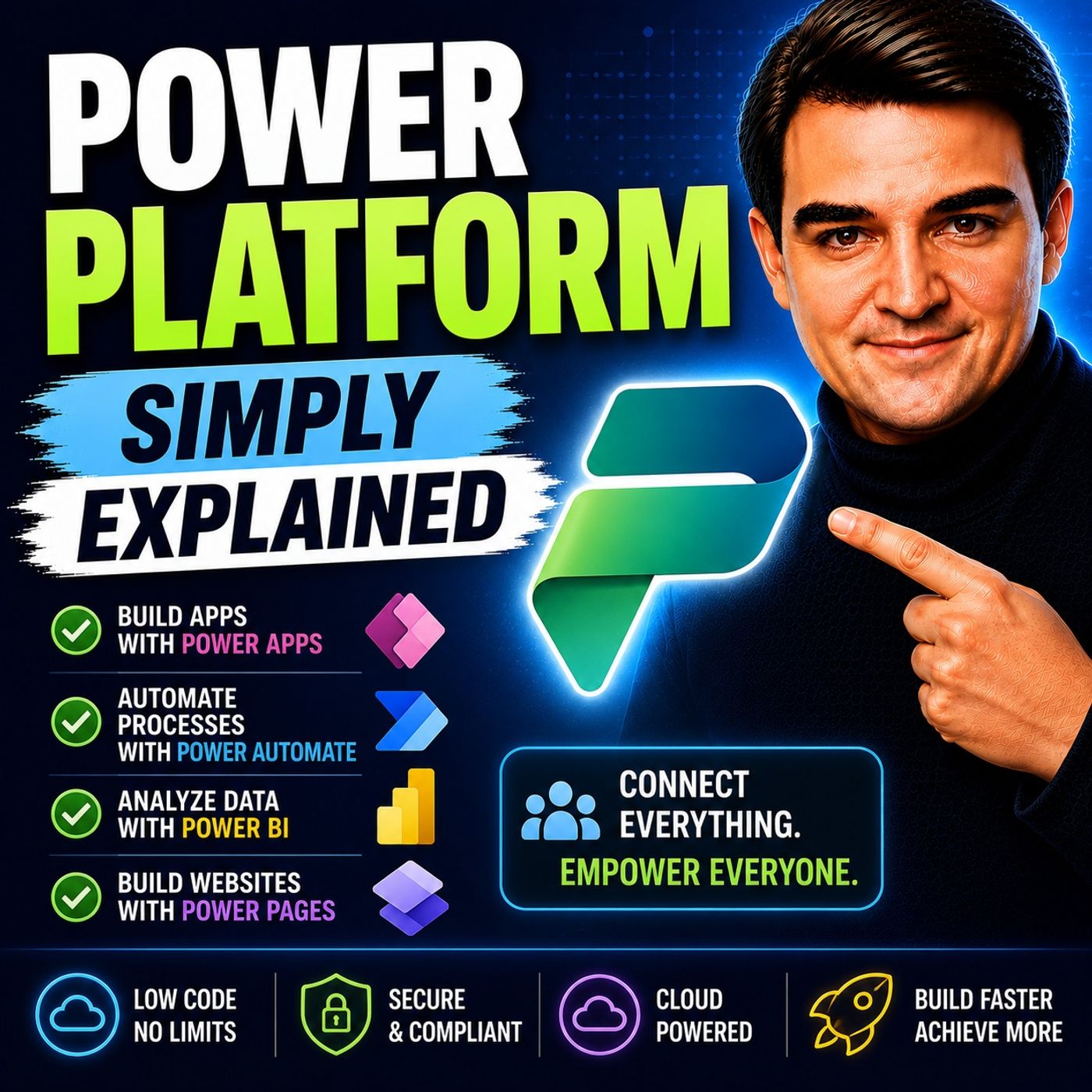
Power Platform - Simply Explained
Microsoft Power Platform is Microsoft's integrated low-code platform for building business applications, automating processes, analyzing data, creating websites, and embedding AI into everyday work. In this episode of Microsoft Knowledge Nuggets, Mirko Peters explains the Power Platform in simple terms, showing how its individual services work together to help organizations solve business problems faster without relying solely on traditional software development. You'll learn the role of each core component: Power Apps for building business applications, Power Automate for workflow automation, Power BI for analytics and reporting, Power Pages for secure external websites, Dataverse for enterprise data management, and Copilot for AI-powered assistance. Rather than viewing these as separate products, the episode explains how they form a complete business platform where each service has a specific purpose and integrates seamlessly with Microsoft 365, Dynamics 365, Azure, and hundreds …
Guest: Mirko Peters
July 21, 2026
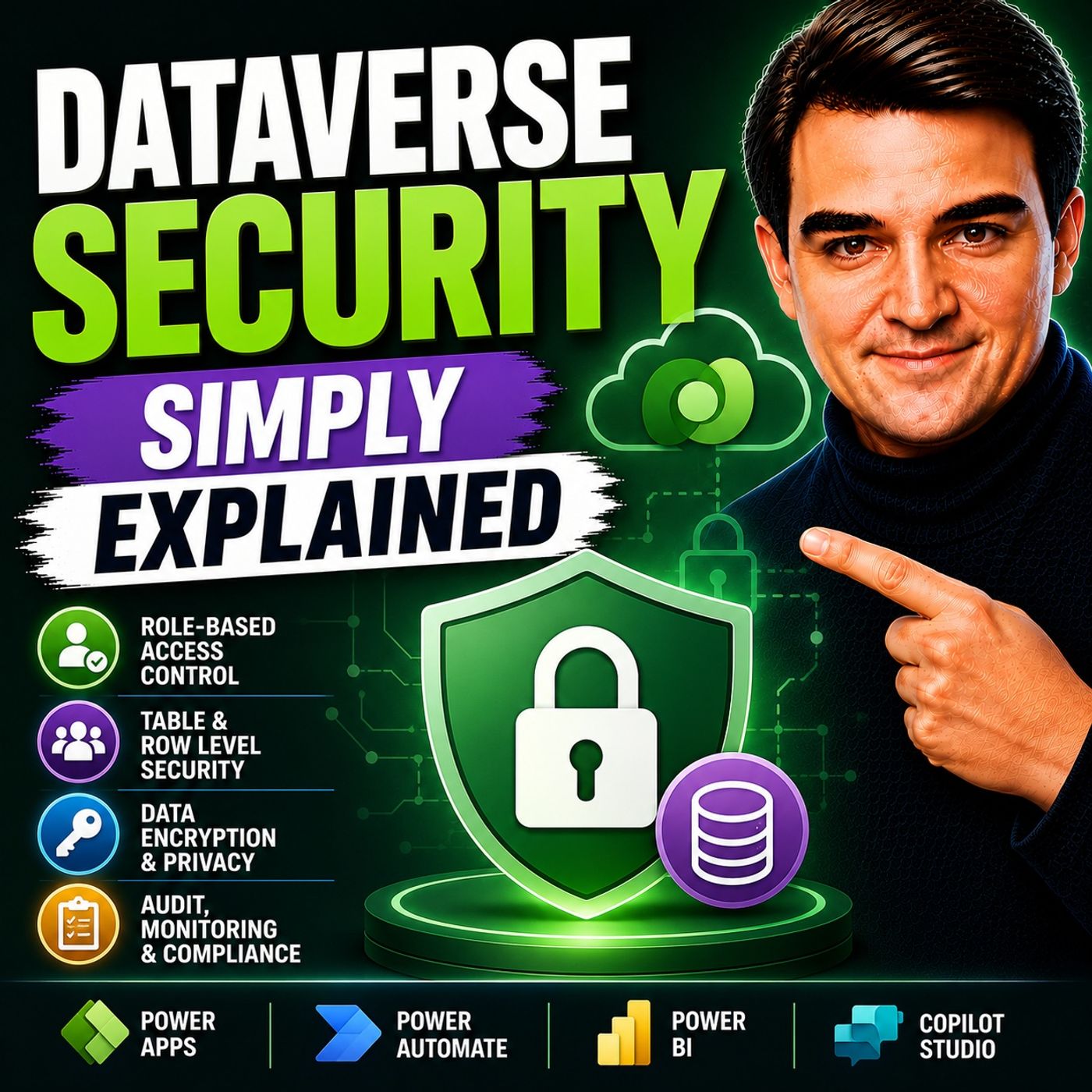
Dataverse Security - Simply Explained
Dataverse Security is the foundation that protects business data across the Microsoft Power Platform. In this episode of Microsoft Knowledge Nuggets, Mirko Peters explains Dataverse Security in simple terms, showing how Microsoft enables organizations to control exactly who can view, edit, create, or delete data while maintaining enterprise-grade governance, compliance, and scalability. Unlike traditional databases, security is built directly into the platform rather than added afterwards. You'll learn how Dataverse uses a layered security model based on Microsoft Entra ID authentication, business units, security roles, teams, ownership, and role-based access control (RBAC). The episode explains record-level security, row-level permissions, column-level security, field security profiles, hierarchy security, and how permissions are inherited across Power Apps, Power Automate, Dynamics 365, and other Microsoft business applications. This security model allows organizations to protect…
Guest: Mirko Peters
July 21, 2026
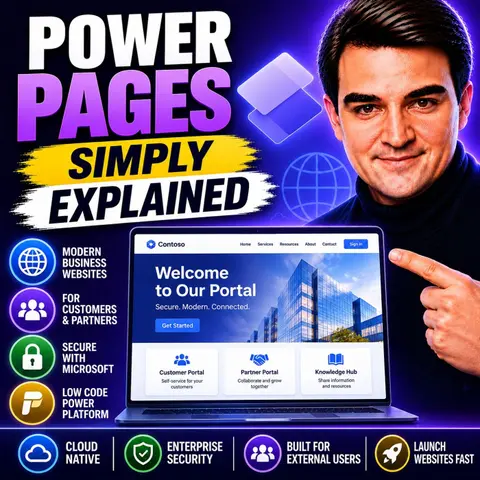
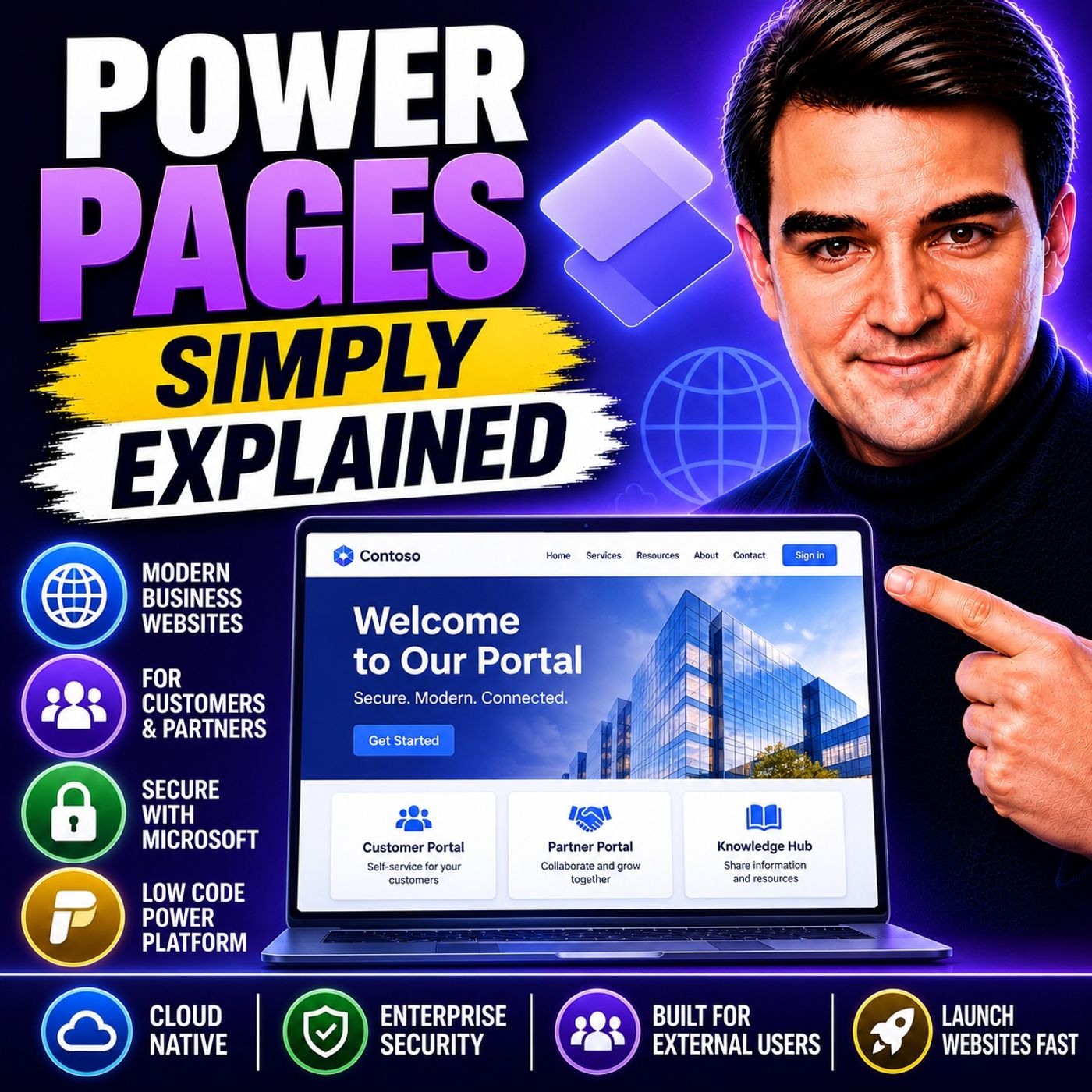
Power Pages - Simply Explained
Microsoft Power Pages is Microsoft's low-code platform for building secure, external-facing business websites that connect directly to enterprise data. In this episode of Microsoft Knowledge Nuggets, Mirko Peters explains Power Pages in simple terms, showing how organizations can rapidly create customer portals, partner portals, self-service websites, and public-facing business applications without building everything from scratch. You'll learn how Power Pages fits into the Microsoft Power Platform alongside Power Apps, Power Automate, Power BI, and Dataverse, and why it is designed specifically for external users rather than internal employees. The episode explains how Power Pages combines low-code development with enterprise-grade security, authentication, role-based access control, and responsive web design, allowing organizations to securely expose business data and processes to customers, partners, suppliers, and citizens. The episode also explores practical use cases such …
Guest: Mirko Peters
July 21, 2026
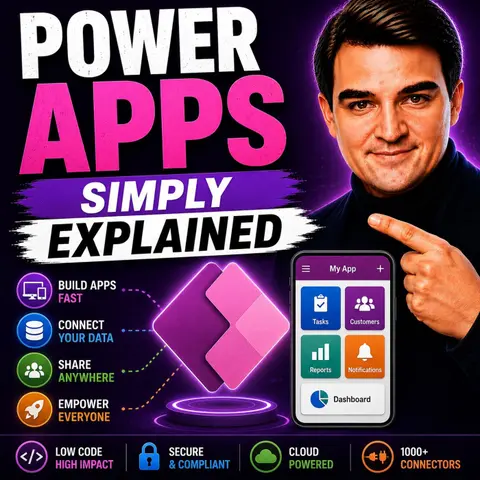
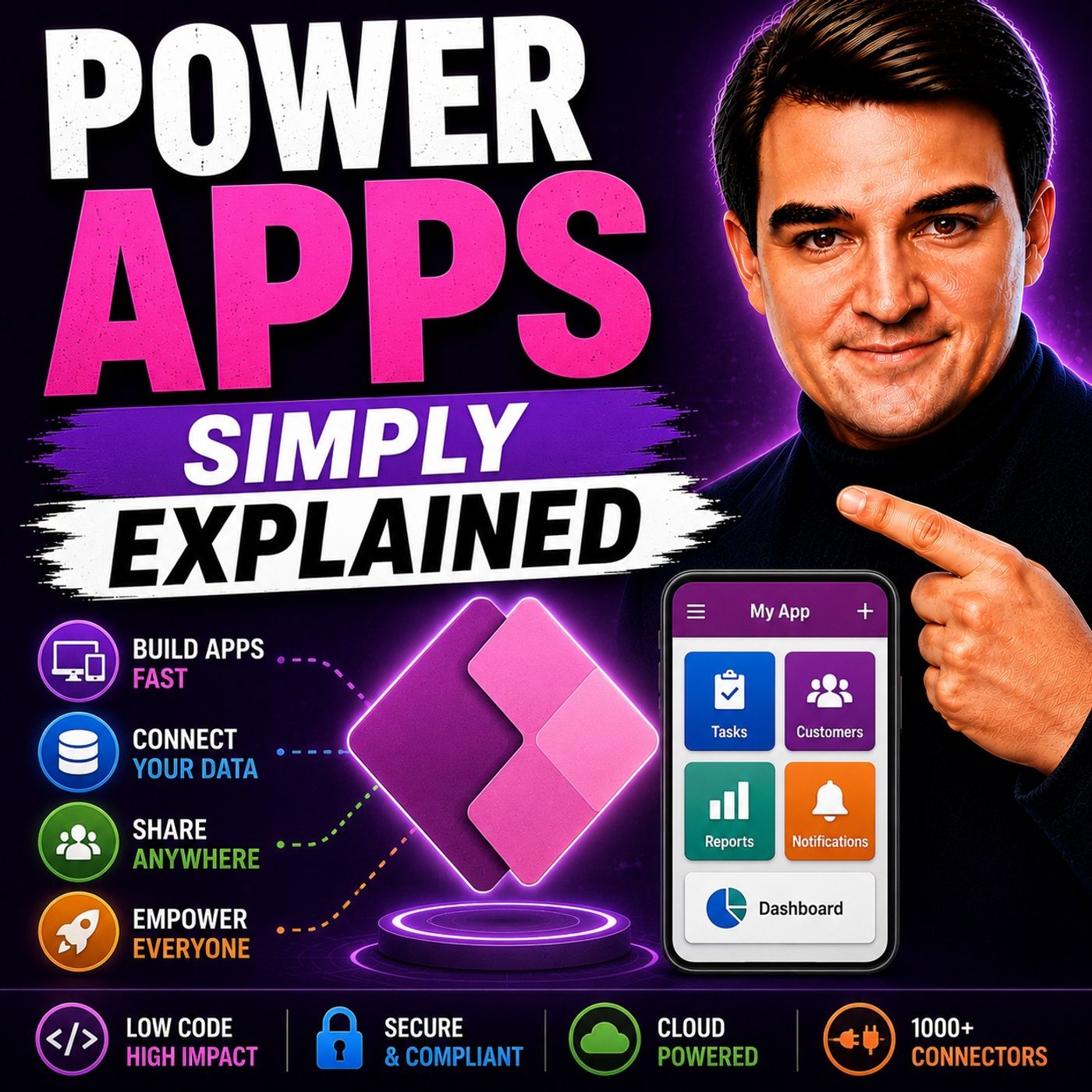
Power Apps - Simply Explained
Power Apps is Microsoft's low-code application platform that enables organizations to build custom business applications quickly without the complexity of traditional software development. In this episode of Microsoft Knowledge Nuggets, Mirko Peters explains Power Apps in simple terms, showing how businesses can transform manual, paper-based, or spreadsheet-driven processes into modern, secure, and scalable applications. You'll learn how Power Apps fits into the Microsoft Power Platform alongside Power Automate, Power BI, Dataverse, and Power Pages, and why it's become one of the fastest ways to deliver business solutions. The episode explains the different types of Power Apps, including Canvas Apps and Model-Driven Apps, when to use each approach, and how they integrate with Microsoft 365 services such as SharePoint, Teams, Excel, Outlook, Dynamics 365, and Azure. The episode also explores practical business scenarios such as employee onboarding, asset management, inspections, …
Guest: Mirko Peters
July 21, 2026
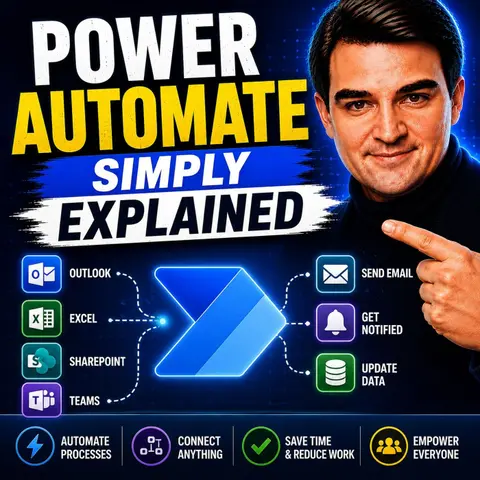
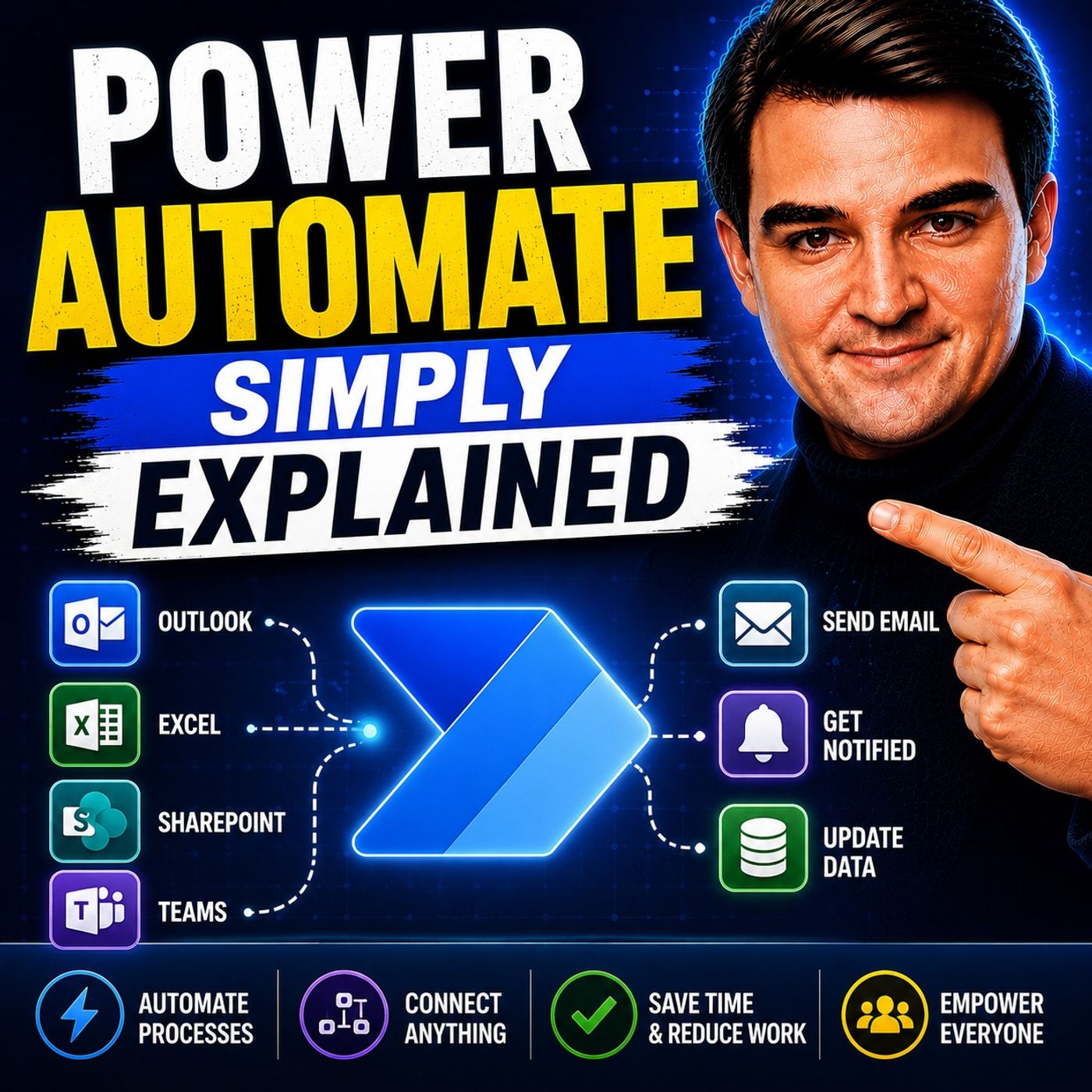
Power Automate - Simply Explained
Power Automate is Microsoft's cloud-based automation platform that helps individuals and organizations eliminate repetitive tasks by connecting apps, services, and data into automated workflows. In this episode of Microsoft Knowledge Nuggets, Mirko Peters explains Power Automate in simple terms, showing how businesses can save time, reduce manual effort, and improve productivity without writing complex code. You'll learn how Power Automate works through triggers, actions, connectors, and workflows that automate processes across Microsoft 365, SharePoint, Teams, Outlook, Excel, Dynamics 365, Azure, and hundreds of third-party services. The episode explains the different types of flows—including cloud flows, desktop flows, scheduled automations, business process flows, and approval workflows—and when each should be used. The episode also covers practical business scenarios such as automating email notifications, document approvals, employee onboarding, data synchronization, report…
Guest: Mirko Peters
![AI, Power Platform & Developer Experience: The Next Frontier with Reza Niroomand [MVP]](https://img.podpage.com/eHX0f2SN6C9Fz-uZ3tqfjrYa3JSfH6n9MO9t6CFIxC0/rs:fit:480:0:1/q:75/aHR0cHM6Ly9kM3dvNXdvanZ1djdsLmNsb3VkZnJvbnQubmV0L3RfcnNzX2l0dW5lc19zcXVhcmVfMTQwMC9pbWFnZXMuc3ByZWFrZXIuY29tL29yaWdpbmFsLzZhMjBjMDNjMDU2ZTZiYjRkNzQ5MDQ4OGQwZWQyYTUxLmpwZw.webp "AI, Power Platform & Developer Experience: The Next Frontier with Reza Niroomand [MVP]")
July 17, 2026
AI, Power Platform & Developer Experience: The Next Frontier with Reza Niroomand [MVP]
Artificial intelligence is fundamentally changing how developers build solutions on Microsoft Power Platform. In this episode of M365.FM, Mirko Peters is joined by Reza Niroomand to explore how AI-powered development is transforming the developer experience and why the next generation of Power Platform builders will work very differently from today. The conversation explores how tools such as Microsoft Copilot, AI-assisted coding, intelligent automation, and modern development practices are reducing repetitive work while enabling developers to focus on solving business problems. Reza shares practical insights into how professional developers and citizen developers can collaborate more effectively as AI becomes a core part of the software development lifecycle. You'll learn how the Power Platform ecosystem is evolving beyond traditional low-code development, with stronger integration into professional development workflows, source control, testing, governance, and enterprise arch…
Guests: Mirko Peters , Reza Niroomand
![AI, Power Platform & Developer Experience: The Next Frontier with Reza Niroomand [MVP]](https://d3wo5wojvuv7l.cloudfront.net/t_rss_itunes_square_1400/images.spreaker.com/original/6a20c03c056e6bb4d7490488d0ed2a51.jpg "AI, Power Platform & Developer Experience: The Next Frontier with Reza Niroomand [MVP]")
July 15, 2026
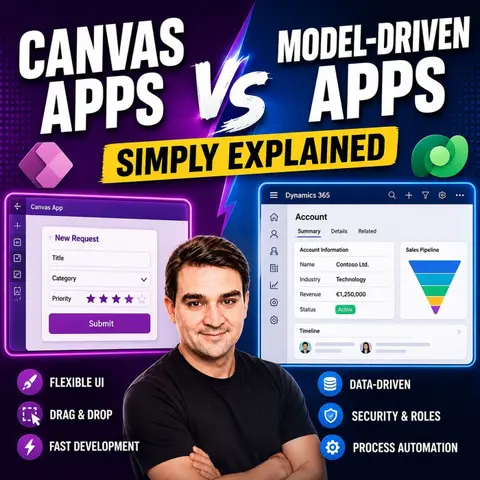
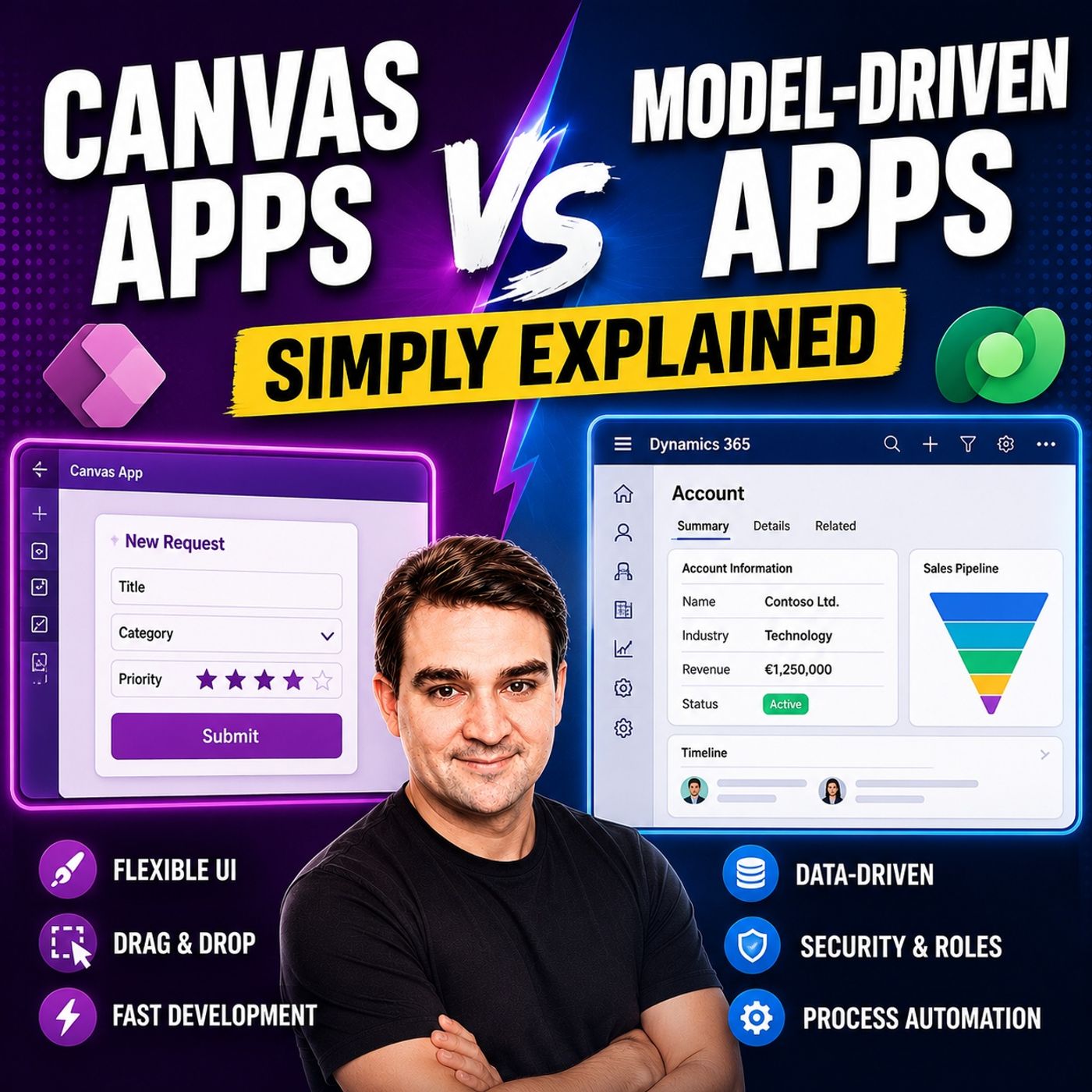
Canvas Apps vs Model-Driven Apps - Simply Explained
Canvas Apps and Model-Driven Apps are the two primary ways to build business applications with Microsoft Power Apps, but choosing the right one depends entirely on your business requirements. In this episode of Microsoft Knowledge Nuggets on M365 FM, Mirko Peters explains the differences between Canvas Apps and Model-Driven Apps in simple terms, helping IT professionals, citizen developers, and Microsoft partners understand when each approach delivers the greatest value. You'll discover why Canvas Apps follow a user interface first approach, giving makers complete control over the design, layout, and user experience while connecting to hundreds of different data sources. In contrast, Model-Driven Apps are built around Microsoft Dataverse, automatically generating responsive applications based on your data model, business rules, relationships, and processes. The episode explains the strengths, limitations, and ideal use cases for both application types. The discussion also explor…
Guest: Mirko Peters
July 14, 2026
Dataverse - Simply Explained
Dataverse is Microsoft's intelligent cloud data platform that powers Power Apps, Power Automate, Dynamics 365, and the wider Power Platform. While many people think of it as just another database, Dataverse is much more than that. It provides secure, relational data storage with built-in business logic, security, automation, and governance, allowing organizations to build scalable business applications without managing complex infrastructure. In this episode of Microsoft Knowledge Nuggets, Mirko Peters explains Dataverse in plain English and shows why your data model matters more than the app itself. You'll learn how Dataverse organizes business information into related tables, enforces consistent data, and enables applications to share the same trusted source of truth. The episode also compares Dataverse with alternatives like SharePoint Lists and Excel, explaining when each solution makes sense and why Dataverse becomes essential as applications grow in complexity. The discuss…
Guest: Mirko Peters
July 11, 2026
Power Apps Code Apps - Simply Explained
Power Apps Code Apps represent the next evolution of Microsoft Power Platform, combining the flexibility of professional software development with the governance and enterprise capabilities of Power Apps. In this episode, we break down what Code Apps are, why Microsoft introduced them, and how they differ from traditional Canvas Apps and Model-Driven Apps. You'll learn how developers can build modern React-based web applications using familiar tools like Visual Studio Code while still benefiting from Power Platform features such as Dataverse, Microsoft Entra authentication, connectors, security policies, and managed deployments. Rather than replacing low-code development, Code Apps extend the platform to support more advanced scenarios where full control over the user experience and application architecture is required. We also explain when Code Apps are the right choice, where Canvas Apps continue to shine, and how organizations can combine citizen developers and professional d…
July 11, 2026
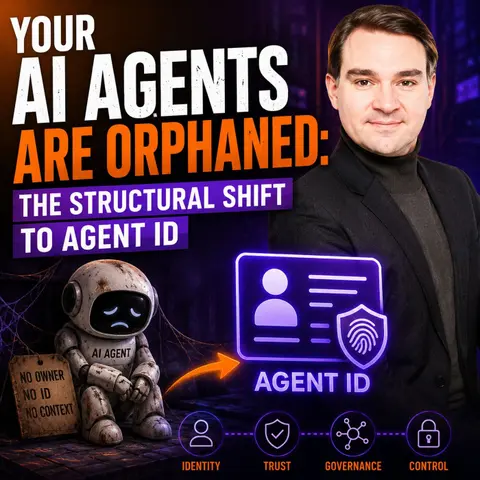
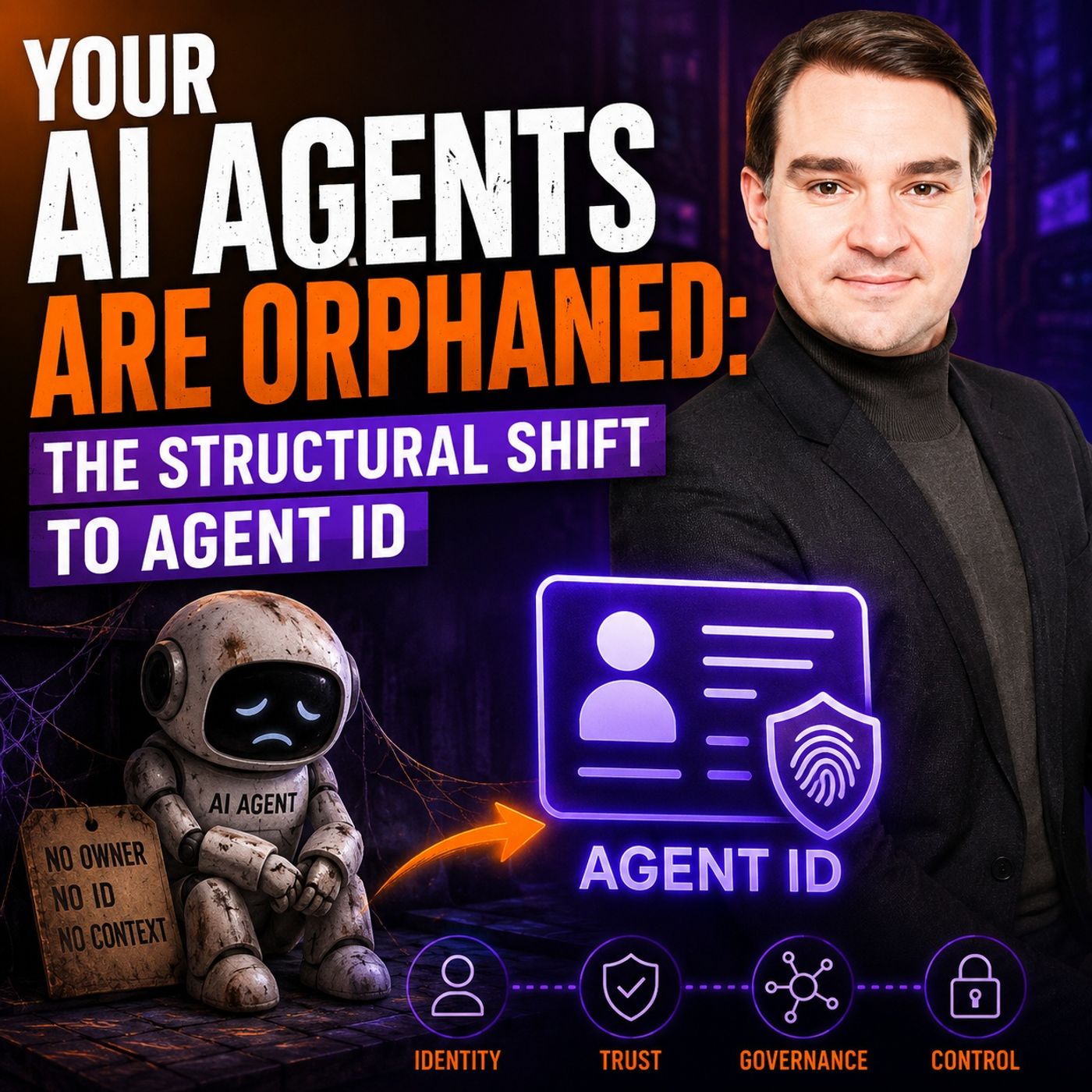
Microsoft Entra Agent ID: Secure Identity for AI Agents
AI agents are rapidly becoming autonomous digital workers, but most organizations still manage them like traditional applications or shared service accounts. In this episode, we explore why that approach no longer works and why the future of enterprise AI depends on giving every agent its own governed identity through Microsoft Entra Agent ID. You'll learn why AI agents require far more than authentication. They need ownership, lifecycle management, least-privilege access, auditability, and clear governance boundaries. The discussion explains how Agent IDs fundamentally change enterprise architecture by allowing organizations to assign permissions, monitor activity, enforce security policies, and retire agents just like human employees—without relying on insecure shared credentials. The episode also examines the structural shift from chat-based AI to autonomous execution systems. As agents begin interacting with Microsoft Graph, SharePoint, Power Platform, and business applicati…
Guest: Mirko Peters
July 10, 2026
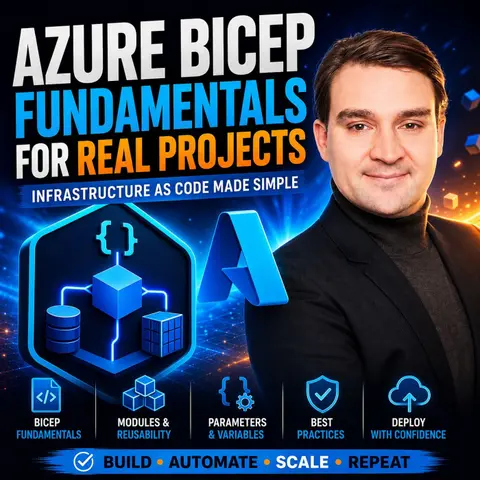
Azure Bicep at Scale: Modular Infrastructure as Code
Azure Bicep is far more than a cleaner replacement for ARM templates—it's an architectural approach to managing cloud infrastructure at enterprise scale. In this episode, we explore how Bicep enables organizations to build modular, reusable, and maintainable Infrastructure as Code that supports long-term growth instead of creating technical debt. You'll learn why successful Azure environments rely on standardized modules, clear separation of responsibilities, and platform engineering principles rather than large, monolithic deployment templates. The discussion covers how Bicep simplifies collaboration between teams, reduces deployment errors, improves consistency across environments, and integrates seamlessly with Azure Policy, CI/CD pipelines, and governance frameworks. We also examine common mistakes organizations make when adopting Infrastructure as Code, including overcomplicated templates, poor module design, and treating Bicep as just another scripting language instead of …
Guest: Mirko Peters
![AI-First UX for Microsoft Power Platform with Tchesco Ayih [MVP-MCT]](https://img.podpage.com/b7q778PuMEADUf1PsgXNbdJa-_SMPCB4aG2RRH5kcTk/rs:fit:480:0:1/q:75/aHR0cHM6Ly9kM3dvNXdvanZ1djdsLmNsb3VkZnJvbnQubmV0L3RfcnNzX2l0dW5lc19zcXVhcmVfMTQwMC9pbWFnZXMuc3ByZWFrZXIuY29tL29yaWdpbmFsL2JhZTg4ZmUwNWFmMTUzNjQzNzI5NTEwNjRjYzg2OTE2LmpwZw.webp "AI-First UX for Microsoft Power Platform with Tchesco Ayih [MVP-MCT]")
July 10, 2026
AI-First UX for Microsoft Power Platform with Tchesco Ayih [MVP-MCT]
Artificial intelligence is fundamentally changing how organizations design applications with Microsoft Power Platform. In this episode, Tchesco Ayih explores why traditional user interfaces built around forms, menus, and manual workflows are giving way to AI-first experiences where users simply describe what they want to accomplish. Instead of navigating software, people increasingly interact with intelligent agents that understand context, intent, and business processes. The discussion explains how Power Apps, Power Automate, Copilot Studio, AI Builder, and Microsoft Dataverse are evolving into a unified platform for creating intelligent business applications. AI is no longer just an assistant layered on top of existing software—it becomes an active participant capable of generating interfaces, orchestrating workflows, reasoning over enterprise data, and supporting better decision-making. A major focus is the changing role of UX design. Designers must move beyond creating stati…
Guests: Mirko Peters , Tchesco Ayih
![AI-First UX for Microsoft Power Platform with Tchesco Ayih [MVP-MCT]](https://d3wo5wojvuv7l.cloudfront.net/t_rss_itunes_square_1400/images.spreaker.com/original/bae88fe05af15364372951064cc86916.jpg "AI-First UX for Microsoft Power Platform with Tchesco Ayih [MVP-MCT]")
July 9, 2026
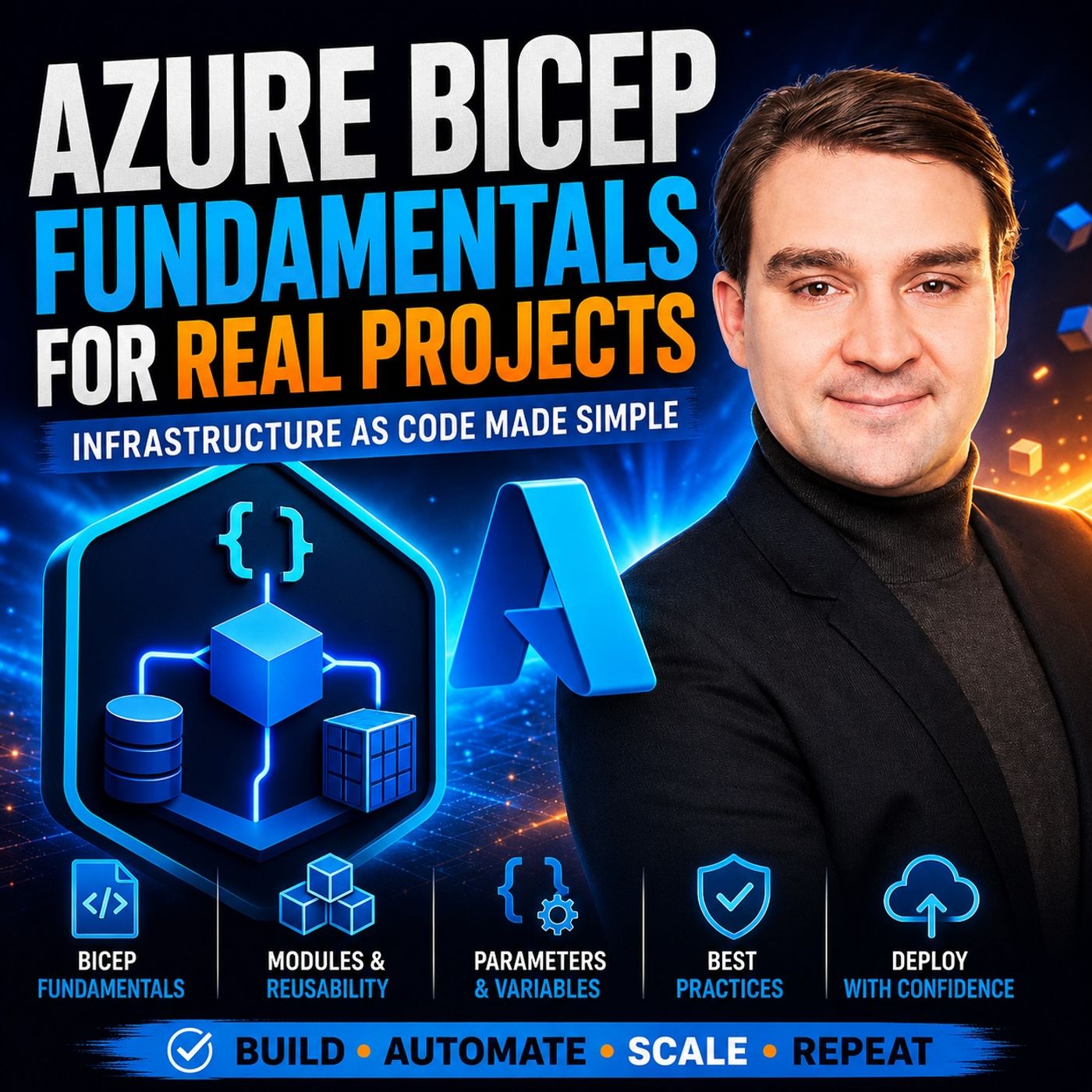
Azure Bicep Fundamentals for Production Projects
Azure Bicep is Microsoft’s modern Infrastructure as Code (IaC) language for deploying Azure resources using a clean, declarative syntax. This episode explains why Bicep has become the preferred choice over traditional ARM templates and how it helps teams build repeatable, reliable, and maintainable cloud environments. You'll learn the core building blocks of every Bicep project, including resources, parameters, variables, outputs, modules, conditions, and loops. The discussion also covers symbolic names, automatic dependency management, and how reusable modules simplify even large-scale Azure deployments. Beyond the syntax, the episode focuses on practical implementation. It explains how to organize Bicep projects for real-world environments, separate configuration from infrastructure, and build templates that work consistently across development, test, and production. You'll also hear why version control, code reviews, parameter files, and modular design are essential for succe…
Guest: Mirko Peters
![Enterprise AI Experiences in Power Apps with Sara Lagerquist [MVP]](https://img.podpage.com/KpyMXKgsgYdOznJ9J2KJKxBpU0AvNDdTL67iFehzPTo/rs:fit:480:0:1/q:75/aHR0cHM6Ly9kM3dvNXdvanZ1djdsLmNsb3VkZnJvbnQubmV0L3RfcnNzX2l0dW5lc19zcXVhcmVfMTQwMC9pbWFnZXMuc3ByZWFrZXIuY29tL29yaWdpbmFsLzNjZGU1MzQyNTQwZWMzYWNjMDY1YTZhMzhkMDg2MTNjLmpwZw.webp "Enterprise AI Experiences in Power Apps with Sara Lagerquist [MVP]")
July 9, 2026
Enterprise AI Experiences in Power Apps with Sara Lagerquist [MVP]
In this episode of M365.FM, Mirko Peters talks with Microsoft MVP Sara Lagerquist about how Power Apps is evolving beyond traditional forms and screens into AI-powered, enterprise-ready business experiences. Instead of treating AI as a feature that is simply added to an app, Sara explains how organizations should design applications where AI becomes a natural part of the user experience, helping employees make better decisions, automate repetitive work, and interact with business data more intelligently. The conversation explores Microsoft's latest innovations, including Generative Pages, Copilot capabilities, Dataverse integration, and modern Power Apps architecture. Sara shares practical guidance on balancing low-code productivity with enterprise requirements such as governance, security, scalability, and maintainability. Rather than focusing on building visually impressive demos, she emphasizes creating business applications that deliver measurable value and remain manageable as…
Guests: Mirko Peters , Sara Lagerquist
![Enterprise AI Experiences in Power Apps with Sara Lagerquist [MVP]](https://d3wo5wojvuv7l.cloudfront.net/t_rss_itunes_square_1400/images.spreaker.com/original/3cde5342540ec3acc065a6a38d08613c.jpg "Enterprise AI Experiences in Power Apps with Sara Lagerquist [MVP]")
![Excel vs Google Sheets with David Benaim [MVP]](https://img.podpage.com/oKAoZnHjdSdD0tHvYg9p2ybKJwLmPbdKMFB7Un3X_gU/rs:fit:480:0:1/q:75/aHR0cHM6Ly9kM3dvNXdvanZ1djdsLmNsb3VkZnJvbnQubmV0L3RfcnNzX2l0dW5lc19zcXVhcmVfMTQwMC9pbWFnZXMuc3ByZWFrZXIuY29tL29yaWdpbmFsL2I0YTY1Yzg3YzEwMTQ0Y2JjYWJhNTQ5ODhjZmQ3YjQ2LmpwZw.webp "Excel vs Google Sheets with David Benaim [MVP]")
July 8, 2026
Excel vs Google Sheets with David Benaim [MVP]
In this episode of M365.fm, Mirko Peters sits down with Microsoft MVP David Benaim to answer one of the biggest productivity questions in modern workplaces: Can Google Sheets really compete with Microsoft Excel? Instead of declaring a single winner, David explains why the answer depends on the task, the team, and the business requirements. The discussion explores where Google Sheets shines, including real-time collaboration, browser-first workflows, and rapid sharing, while also highlighting the areas where Excel continues to dominate. Topics include Power Query, advanced data analysis, automation, large datasets, financial modeling, and enterprise reporting. David also shares lesser-known Google Sheets capabilities that many Excel users overlook, proving that both platforms have evolved far beyond simple spreadsheets. The conversation goes beyond feature comparisons to focus on practical decision-making. Rather than asking which tool is universally better, organizations should …
Guests: Mirko Peters , David Benaim
![Excel vs Google Sheets with David Benaim [MVP]](https://d3wo5wojvuv7l.cloudfront.net/t_rss_itunes_square_1400/images.spreaker.com/original/b4a65c87c10144cbcaba54988cfd7b46.jpg "Excel vs Google Sheets with David Benaim [MVP]")
July 4, 2026
Microsoft Graph Automation Architecture: Beyond Scripts
Automation is essential for digital transformation, but many organizations unintentionally create fragile, difficult-to-manage environments by relying on hundreds of disconnected PowerShell scripts and individual Power Automate flows. While each script may solve a specific problem, together they introduce technical debt, undocumented dependencies, and operational risk that become increasingly difficult to maintain as the business grows. This episode explains why modern enterprises are moving away from script-centric automation toward platform-based architectures built on Microsoft Graph, Azure Logic Apps, Azure Functions, Managed Identities, and governance-first design. Microsoft Graph serves as the central orchestration layer, providing a consistent interface across Microsoft 365 services such as Teams, SharePoint, Exchange, OneDrive, and Entra ID. Event-driven technologies like Graph Subscriptions and Delta Queries enable scalable, resilient automation that reacts in real time wh…
Guest: Mirko Peters
![Microsoft Teams Hidden Features with Josh Blalock [MVP]](https://img.podpage.com/dO8Wf4eeM3zndy32w1DZaRE_gs0qw9J0uZ_SLlWTF1M/rs:fit:480:0:1/q:75/aHR0cHM6Ly9kM3dvNXdvanZ1djdsLmNsb3VkZnJvbnQubmV0L3RfcnNzX2l0dW5lc19zcXVhcmVfMTQwMC9pbWFnZXMuc3ByZWFrZXIuY29tL29yaWdpbmFsLzk2ODQyMjA4MGI4MzJjZjk1NzJmNDhlZTU4MTdjMzEzLmpwZw.webp "Microsoft Teams Hidden Features with Josh Blalock [MVP]")
July 3, 2026
Microsoft Teams Hidden Features with Josh Blalock [MVP]
Microsoft Teams is one of the most widely used collaboration platforms, but many of its most valuable capabilities remain overlooked. In this episode, we uncover the features, settings, and best practices that Microsoft rarely highlights—helping IT professionals, admins, and everyday users get more from Teams. The discussion goes beyond chat and meetings, exploring hidden productivity features, collaboration improvements, and administration tips that can significantly enhance the user experience. You'll learn how Teams integrates with Microsoft 365 services, where common configuration mistakes occur, and why understanding governance and permissions is essential for long-term success. The episode also examines the balance between user flexibility and organizational control, covering topics such as notifications, file collaboration, channels, apps, automation, meeting experiences, and security. Rather than focusing only on new features, the conversation emphasizes practical techni…
Guests: Mirko Peters , Josh Blalock
![Microsoft Teams Hidden Features with Josh Blalock [MVP]](https://d3wo5wojvuv7l.cloudfront.net/t_rss_itunes_square_1400/images.spreaker.com/original/968422080b832cf9572f48ee5817c313.jpg "Microsoft Teams Hidden Features with Josh Blalock [MVP]")
June 29, 2026
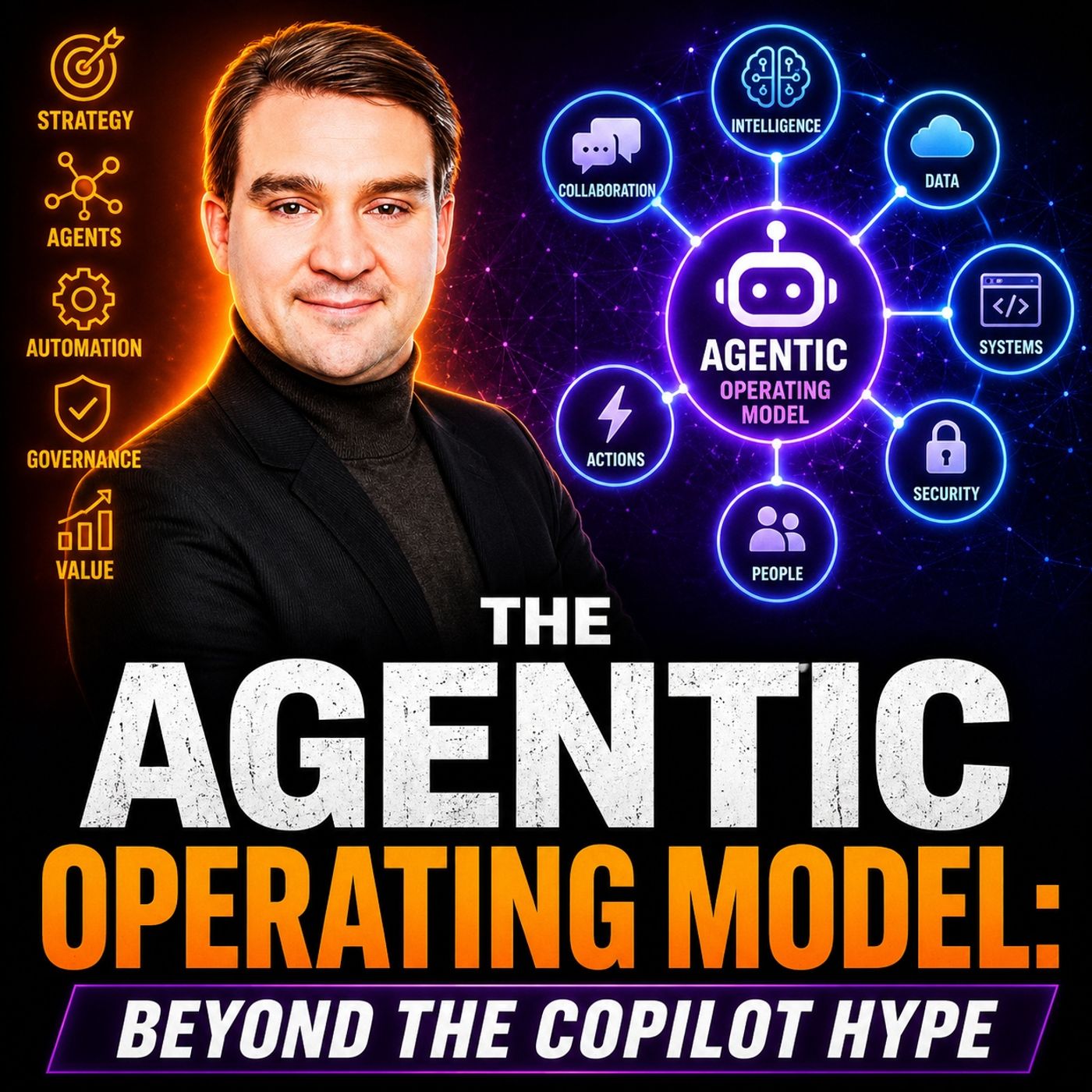
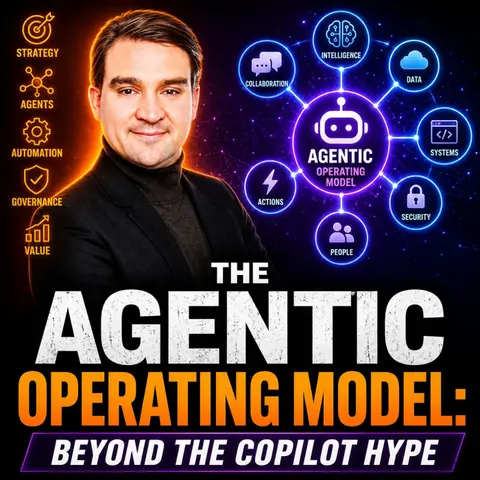
Agentic Operating Model for Enterprise AI and Copilot
Artificial Intelligence is entering a new phase. The real opportunity is no longer deploying a single Copilot—it is transforming how organizations operate through an Agentic Operating Model. In this episode of the M365.fm Podcast, we explore why the future of enterprise AI extends far beyond chat interfaces and isolated AI assistants. Instead, organizations must build an operating model where multiple specialized AI agents collaborate across departments, automate business processes, and continuously support decision-making while remaining secure, governed, and aligned with business objectives. We discuss why simply adding more Copilots does not automatically create more productivity, and how architecture, governance, identity, observability, and lifecycle management become essential as AI adoption scales. The episode introduces the shift from human-centric workflows to AI-assisted and AI-orchestrated business operations, where agents act as intelligent digital coworkers rather t…
Guest: Mirko Peters