

 Apple Podcasts
 Spotify
 Youtube Music
 Spreaker
 Podchaser
 Amazon Music
This episode challenges one of the most common assumptions in the Microsoft ecosystem:
👉 “If it’s Microsoft, it must already be secure.”
The reality is the opposite.
Power Platform is enterprise-grade secure by design—but becomes risky the moment governance is missing.
The episode explains that most organizations don’t fail because of vulnerabilities or attackers. They fail because of perfectly allowed behavior in an ungoverned system—driven by low-code speed, citizen development, and lack of ownership.
The key insight:
👉 Power Platform doesn’t create chaos—it exposes missing governance decisions.


Microsoft Power Platform Has a SERIOUS Problem

The Microsoft Power Platform presents significant governance challenges that can hinder your organization’s efficiency. If you overlook these issues, you may face application sprawl, security violations, and compliance breaches. Studies indicate that organizations without formal governance structures encounter operational problems at rates three to four times higher than those with established governance. To navigate these complexities, you must address three main challenges: unclear ownership of applications, inconsistent security measures, and increased compliance risks.
Key Takeaways
- Effective governance is essential for maximizing the Microsoft Power Platform's potential and preventing operational issues.
- Organizations must address training gaps to empower citizen developers and ensure they understand governance frameworks.
- Establish clear ownership structures for applications to avoid security vulnerabilities and compliance violations.
- Implement role-based access control to define user privileges and enhance accountability within the organization.
- Regularly conduct compliance audits to verify adherence to legal and regulatory standards, ensuring data security.
- Create a Center of Excellence to standardize governance practices and support citizen developers across the organization.
- Utilize activity logs and reporting tools for continuous monitoring of app usage and compliance with governance policies.
- Proactively address visibility gaps by tracking applications and managing orphaned resources to mitigate risks.
Microsoft Power Platform Governance Issues
Effective governance is crucial for the successful implementation of the Microsoft Power Platform. Without it, organizations face numerous challenges that can hinder their ability to leverage the platform fully. Poor governance can lead to security vulnerabilities, compliance issues, and operational inefficiencies. Here, we will explore the concept challenges and visibility gaps that organizations encounter.
Concept Challenges
Training Gaps
Many organizations struggle with training gaps when implementing power platform governance. A lack of structured training for citizen developers often leads to confusion and inefficiencies. You may find that business users lack the necessary skills to navigate the platform effectively. Collaboration between business users and IT professionals is essential. This partnership can help bridge the gap and ensure everyone understands application lifecycle management and governance frameworks.
Organizations also tend to overlook the importance of continuous monitoring and adjustments. Relying solely on predefined policies can create vulnerabilities. For instance, if you neglect to address issues as they arise, you risk exposing sensitive data and creating inefficiencies.
Platform Complexity
The Microsoft Power Platform's complexity adds another layer of challenge. As organizations adopt this low-code SaaS platform at scale, they must establish a robust governance framework. This framework ensures efficient management, security, and compliance across the organization. Clear policies, roles, and responsibilities are vital to maintaining control over data access and solution development.
Without a cohesive data governance strategy aligned with business goals, you may encounter barriers that hinder adoption rates. Misalignment between centralized teams and business units can create confusion and resistance to governance policies. Additionally, skills and data literacy gaps among users can further complicate matters.
Visibility Gaps
Tracking Applications
Tracking applications within the Power Platform can be a daunting task. The rapid growth of your Power Platform estate makes manual monitoring impractical. This fragmentation can lead to missed risks and compliance violations, which directly impacts governance. Effective governance requires timely risk detection, but limitations in tracking applications can hinder this process.
Organizations often fail to implement processes for managing ownerless, overshared, and inactive resources. This oversight can exacerbate governance challenges and lead to a lack of visibility over your applications.
Reporting Limitations
Reporting limitations also pose significant challenges for governance. Current reporting capabilities often fall short, particularly regarding API request reporting. For example, reporting is limited to Power Automate API requests only, excluding requests from Dataverse and Microsoft Copilot Studio. This limitation can lead to inaccuracies in understanding application usage and performance.
Moreover, licensed user report entitlements may show incorrect data, displaying zero instead of the correct entitlement. These inaccuracies can create confusion and hinder effective governance. Organizations must address these reporting limitations to ensure they have a clear understanding of their Power Platform assets.
Microsoft Power Platform Management Risks
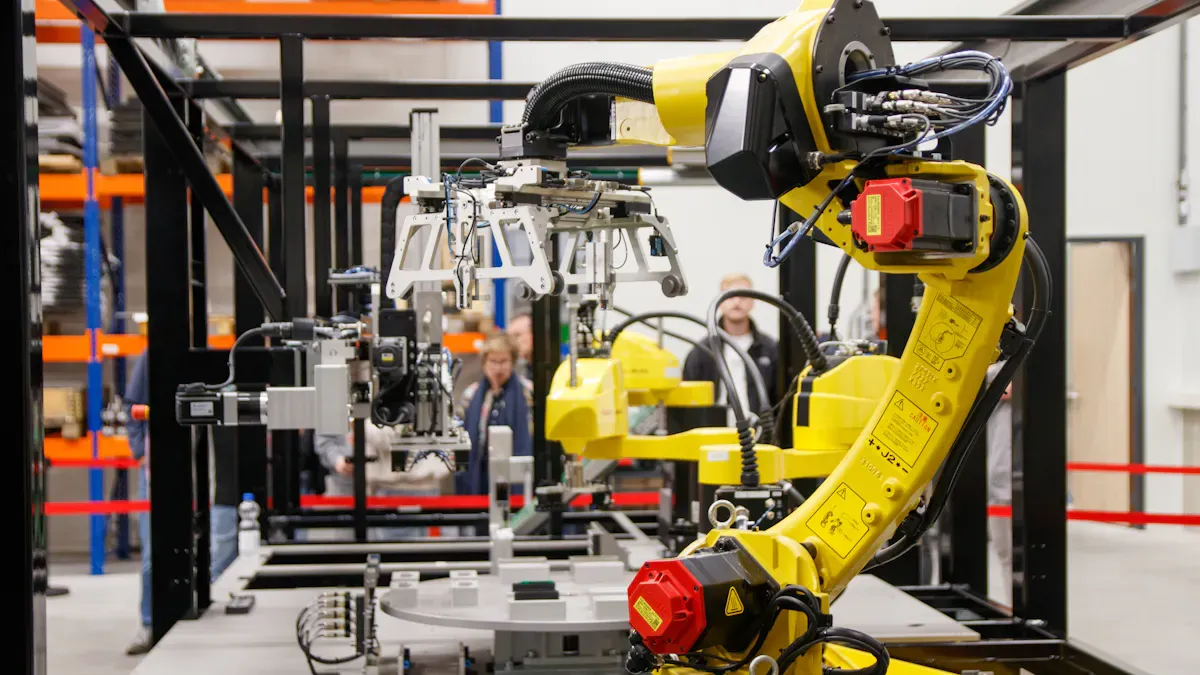
The management of the Microsoft Power Platform comes with significant risks, particularly concerning ownership and compliance. Addressing these risks is essential for maintaining a secure and efficient environment.
Ownership Issues
Former Employee Apps
One of the most pressing ownership issues arises from applications created by former employees. When these individuals leave, they often take their knowledge of the applications with them. This situation can lead to the creation of orphaned applications and flows, which pose several risks:
- Security vulnerabilities: Orphaned apps may retain connections with elevated privileges, creating potential entry points for unauthorized access.
- Compliance violations: Without proper oversight, these applications can lead to compliance breaches that organizations cannot audit.
- Wasted resources: Unused digital assets can incur unnecessary licensing costs, straining your budget.
To mitigate these risks, you must establish clear ownership structures. This ensures that every application has an accountable owner who can manage its lifecycle effectively.
Accountability Gaps
Accountability gaps further complicate the management of the Power Platform. When ownership is unclear, organizations face several challenges:
- Disconnected apps and flows can lead to operational inefficiencies.
- Knowledge about applications may become scattered across teams, making it difficult to trace changes or recover from incidents.
- Monitoring deficiencies can increase risk, as some flows may run without adequate oversight.
To address these gaps, you should implement role-based access control. This approach defines specific privileges for users, limiting access to sensitive data and ensuring that only authorized personnel can manage applications.
Compliance Challenges
Compliance Measures
Compliance is another critical area of concern within the Microsoft Power Platform. Organizations must navigate various legal and regulatory requirements while ensuring that their applications remain secure. Common compliance measures include:
- Implementing data loss prevention policies to protect sensitive data from exposure.
- Establishing governance frameworks that balance innovation with control.
- Conducting regular compliance audits to verify adherence to standards.
These measures help organizations maintain control over their data and optimize resource usage, ultimately enhancing compliance outcomes.
Governance Policies
Effective governance policies are vital for managing compliance challenges. They provide structure and control over app development, data access, and security. Without these policies, organizations face risks such as:
- Unclear ownership of applications, leading to operational disruptions.
- Inconsistent security measures that can expose sensitive data.
- Increased compliance risks due to unmanaged resources.
To strengthen governance, consider adopting policies that focus on environment management, role-based access controls, and application lifecycle management. These policies will help ensure that your organization adheres to regulatory standards while fostering a culture of accountability and transparency.
In summary, you face several key governance challenges with the Microsoft Power Platform. These include unfamiliarity among IT admins, lack of visibility into app creation, and undefined responsibilities for managing the platform. Addressing these issues is crucial for your organization's success.
To improve governance, consider implementing proactive measures such as establishing team structures, enforcing data loss prevention policies, and leveraging activity logs for continuous monitoring. Building a Center of Excellence can also standardize governance practices and support citizen developers. By taking these steps, you can foster innovation while ensuring compliance and security.
FAQ
What is the Microsoft Power Platform?
The Microsoft Power Platform is a suite of tools that allows you to build applications, automate workflows, and analyze data efficiently. It includes Power Apps, Power Automate, Power BI, and Microsoft Power Pages.
Why is governance important for the Power Platform?
Governance is crucial for the Power Platform to prevent data exposure, ensure compliance, and manage sensitive data effectively. It helps you maintain control over app development and resource usage.
How can I track orphaned resources?
You can track orphaned resources by implementing an app and flow inventory. This process helps identify applications without active owners, allowing you to manage them effectively and mitigate risks.
What is a Center of Excellence?
A Center of Excellence is a dedicated team that promotes best practices and governance for the Power Platform. It supports citizen developers and ensures consistent application development across your organization.
How do I ensure continuous monitoring?
To ensure continuous monitoring, establish regular audits and reporting mechanisms. Use tools that provide insights into app usage, security perspective, and compliance with governance policies.
What are the risks of data breaches?
Data breaches can expose sensitive data and personally identifiable information. They can lead to legal penalties, loss of customer trust, and significant financial costs for your organization.
How can I improve access control?
You can improve access control by conducting regular access control audits. This process helps you define user roles and permissions, ensuring that only authorized personnel can access sensitive data.
What is orphaned resources reporting?
Orphaned resources reporting identifies applications and flows without active owners. This reporting helps you manage these resources effectively, reducing security risks and ensuring compliance with governance policies.
1
00:00:00,000 --> 00:00:02,440
A global enterprise ran a tenant audit last year.
2
00:00:02,440 --> 00:00:05,200
They found something most organizations never look for.
3
00:00:05,200 --> 00:00:09,680
6,200 applications, 4,000 flows, 900 connectors.
4
00:00:09,680 --> 00:00:11,720
All inside a single default environment.
5
00:00:11,720 --> 00:00:13,880
The default environment is supposed to be a playground.
6
00:00:13,880 --> 00:00:17,080
It's where users experiment, where they build personal productivity apps,
7
00:00:17,080 --> 00:00:18,600
it's not where you run production.
8
00:00:18,600 --> 00:00:19,920
Yet that's exactly what happened.
9
00:00:19,920 --> 00:00:24,080
An entire shadow application platform, apps owned by employees who left years ago,
10
00:00:24,080 --> 00:00:26,960
flows triggering business critical processes with no monitoring,
11
00:00:26,960 --> 00:00:29,880
data moving through integrations, nobody documented,
12
00:00:29,880 --> 00:00:31,800
nobody approved, nobody owned.
13
00:00:31,800 --> 00:00:33,880
When I say nobody owned it, I mean literally.
14
00:00:33,880 --> 00:00:37,640
Most apps had an owner field pointing to a user ID from 2019,
15
00:00:37,640 --> 00:00:39,240
that person no longer worked there.
16
00:00:39,240 --> 00:00:42,320
Here's what matters, this wasn't a breach, this wasn't rogue developers.
17
00:00:42,320 --> 00:00:46,640
This was the natural outcome of treating a development platform like it's a productivity tool.
18
00:00:46,640 --> 00:00:47,840
That distinction matters.
19
00:00:47,840 --> 00:00:49,440
This episode explains why.
20
00:00:49,440 --> 00:00:51,280
While local adoption exploded.
21
00:00:51,280 --> 00:00:53,560
To understand how we got here, go back 10 years.
22
00:00:53,560 --> 00:00:55,440
IT backlogs everywhere hit a wall.
23
00:00:55,440 --> 00:00:57,640
Request queue sat at 12 to 18 months.
24
00:00:57,640 --> 00:01:01,120
You'd submit a project request and know you weren't getting an answer for over a year.
25
00:01:01,120 --> 00:01:02,920
Business units got tired of waiting.
26
00:01:02,920 --> 00:01:05,320
Tired of a T saying, "We'll get to you eventually,"
27
00:01:05,320 --> 00:01:08,320
the market for professional developers was brutal.
28
00:01:08,320 --> 00:01:10,040
Supply couldn't keep pace with demand.
29
00:01:10,040 --> 00:01:12,120
Companies bid against each other for talent.
30
00:01:12,120 --> 00:01:14,360
A competent developer could write their own ticket.
31
00:01:14,360 --> 00:01:17,720
Salaries climbed, hiring freezes meant fewer people doing more work.
32
00:01:17,720 --> 00:01:20,440
Low-code platforms came along with a specific promise.
33
00:01:20,440 --> 00:01:22,320
Apps in weeks instead of months.
34
00:01:22,320 --> 00:01:23,920
No coding expertise required.
35
00:01:23,920 --> 00:01:28,000
Business users could build database applications using visual interfaces.
36
00:01:28,000 --> 00:01:29,000
No SQL.
37
00:01:29,000 --> 00:01:30,560
No programming languages.
38
00:01:30,560 --> 00:01:31,680
Drag and drop.
39
00:01:31,680 --> 00:01:33,200
Click and configure.
40
00:01:33,200 --> 00:01:34,640
The narrative was compelling.
41
00:01:34,640 --> 00:01:37,240
Let citizen developers solve the backlog problem.
42
00:01:37,240 --> 00:01:39,560
Free up IT to focus on infrastructure.
43
00:01:39,560 --> 00:01:44,360
Let the business build what it actually needs instead of waiting months for IT to translate requirements.
44
00:01:44,360 --> 00:01:46,040
Executives love the cost story.
45
00:01:46,040 --> 00:01:50,560
A citizen developer building apps in Power Apps doesn't cost $150,000 salary.
46
00:01:50,560 --> 00:01:52,440
Doesn't require six months of waiting.
47
00:01:52,440 --> 00:01:55,360
Doesn't require formal requirements and project meetings.
48
00:01:55,360 --> 00:01:59,720
By 2026, citizen developers outnumbered professional developers 4-to-1.
49
00:01:59,720 --> 00:02:03,720
Four business users building applications for every train software engineer.
50
00:02:03,720 --> 00:02:05,240
The platforms made this effortless.
51
00:02:05,240 --> 00:02:08,440
Microsoft Power Platform integrated into Microsoft 365.
52
00:02:08,440 --> 00:02:10,560
You already had a Microsoft 365 license.
53
00:02:10,560 --> 00:02:11,760
Power Apps was included.
54
00:02:11,760 --> 00:02:13,200
Power Automate was included.
55
00:02:13,200 --> 00:02:15,000
You clicked buttons and built something that worked.
56
00:02:15,000 --> 00:02:16,520
Something that solved the real problem.
57
00:02:16,520 --> 00:02:18,960
Something that moved today instead of 2027.
58
00:02:18,960 --> 00:02:21,120
Here's the architectural mistake nobody discussed.
59
00:02:21,120 --> 00:02:23,760
Organizations believe low-code meant less governance.
60
00:02:23,760 --> 00:02:26,880
Fewer rules, fewer policies, more speed, less bureaucracy.
61
00:02:26,880 --> 00:02:28,000
That's not what it meant.
62
00:02:28,000 --> 00:02:30,360
Low-code actually means distributed governance.
63
00:02:30,360 --> 00:02:33,960
It means spreading development authority across the organization.
64
00:02:33,960 --> 00:02:36,560
It means thousands of people making architectural decisions
65
00:02:36,560 --> 00:02:38,760
who've never taken a software engineering course.
66
00:02:38,760 --> 00:02:40,760
It means building systems without the discipline
67
00:02:40,760 --> 00:02:43,480
that traditionally constrained those decisions.
68
00:02:43,480 --> 00:02:46,400
Speed without architecture creates a specific problem.
69
00:02:46,400 --> 00:02:49,160
Organizations discovered that within three to five years.
70
00:02:49,160 --> 00:02:51,080
But we're getting ahead of ourselves.
71
00:02:51,080 --> 00:02:52,880
The architectural misunderstanding.
72
00:02:52,880 --> 00:02:56,160
Most organizations treat Power Platform as a productivity tool.
73
00:02:56,160 --> 00:02:57,120
Like Excel.
74
00:02:57,120 --> 00:02:59,680
Like SharePoint, something you enable for the business
75
00:02:59,680 --> 00:03:01,560
and trust users to operate responsibly.
76
00:03:01,560 --> 00:03:03,320
That is not what Power Platform is.
77
00:03:03,320 --> 00:03:06,840
Architecturally, Power Platform is a distributed development environment
78
00:03:06,840 --> 00:03:09,280
embedded inside Microsoft 365.
79
00:03:09,280 --> 00:03:10,480
That distinction matters.
80
00:03:10,480 --> 00:03:12,680
That distinction explains everything that goes wrong.
81
00:03:12,680 --> 00:03:14,320
A productivity tool stores data.
82
00:03:14,320 --> 00:03:15,720
Manages collaboration.
83
00:03:15,720 --> 00:03:17,880
Let's use this organization.
84
00:03:17,880 --> 00:03:19,360
Excel is a productivity tool.
85
00:03:19,360 --> 00:03:20,800
SharePoint is a productivity tool.
86
00:03:20,800 --> 00:03:21,920
You can misconfigure them.
87
00:03:21,920 --> 00:03:22,880
You can leak data.
88
00:03:22,880 --> 00:03:24,840
But they are not fundamentally platforms
89
00:03:24,840 --> 00:03:26,280
for building applications.
90
00:03:26,280 --> 00:03:27,760
Power Platform is different.
91
00:03:27,760 --> 00:03:29,440
It is an application development platform.
92
00:03:29,440 --> 00:03:30,240
It has a runtime.
93
00:03:30,240 --> 00:03:31,320
It has a data layer.
94
00:03:31,320 --> 00:03:34,080
It has connectors that integrate external systems.
95
00:03:34,080 --> 00:03:36,600
It can trigger automations across your entire technology
96
00:03:36,600 --> 00:03:37,080
estate.
97
00:03:37,080 --> 00:03:38,600
It can move data between systems.
98
00:03:38,600 --> 00:03:41,200
It can make decisions and execute them automatically.
99
00:03:41,200 --> 00:03:42,400
Here is what it does not have.
100
00:03:42,400 --> 00:03:43,200
A compiler.
101
00:03:43,200 --> 00:03:44,600
No static type checking.
102
00:03:44,600 --> 00:03:46,280
No forced deployment pipeline.
103
00:03:46,280 --> 00:03:47,040
No code review.
104
00:03:47,040 --> 00:03:48,440
No version control requirement.
105
00:03:48,440 --> 00:03:50,000
No automated testing framework.
106
00:03:50,000 --> 00:03:52,640
No governance enforced by the platform itself.
107
00:03:52,640 --> 00:03:54,440
This is the architectural truth.
108
00:03:54,440 --> 00:03:56,760
Every citizen developer using Power Platform
109
00:03:56,760 --> 00:03:58,200
is effectively writing software.
110
00:03:58,200 --> 00:03:59,840
They are architecting databases.
111
00:03:59,840 --> 00:04:01,280
They are building business logic.
112
00:04:01,280 --> 00:04:02,680
They are integrating systems.
113
00:04:02,680 --> 00:04:04,160
They are making security decisions.
114
00:04:04,160 --> 00:04:07,000
They are implementing data flows that touch sensitive information.
115
00:04:07,000 --> 00:04:09,520
They are doing this without formal training.
116
00:04:09,520 --> 00:04:10,840
Without architecture review.
117
00:04:10,840 --> 00:04:12,640
Without the discipline that traditionally
118
00:04:12,640 --> 00:04:15,080
constrained these decisions in software engineering.
119
00:04:15,080 --> 00:04:17,240
Organizations deployed a development platform
120
00:04:17,240 --> 00:04:18,720
without development discipline.
121
00:04:18,720 --> 00:04:20,520
Then they told users to go build.
122
00:04:20,520 --> 00:04:22,160
What looks like citizen productivity
123
00:04:22,160 --> 00:04:24,240
is actually unmanaged applications sprawl.
124
00:04:24,240 --> 00:04:25,600
The comparison matters.
125
00:04:25,600 --> 00:04:28,720
When you enable Excel, you are enabling a spreadsheet tool.
126
00:04:28,720 --> 00:04:30,400
Users can build bad spreadsheets.
127
00:04:30,400 --> 00:04:32,920
Users can create massive workbooks with broken formulas.
128
00:04:32,920 --> 00:04:33,800
You can lose data.
129
00:04:33,800 --> 00:04:35,480
But the blast radius is contained.
130
00:04:35,480 --> 00:04:36,480
It is a spreadsheet.
131
00:04:36,480 --> 00:04:38,560
The organization survives.
132
00:04:38,560 --> 00:04:39,880
When you enable Power Platform,
133
00:04:39,880 --> 00:04:41,600
you are enabling a development platform.
134
00:04:41,600 --> 00:04:43,400
Users can build bad applications.
135
00:04:43,400 --> 00:04:46,560
Users can create integrations that violate security policy.
136
00:04:46,560 --> 00:04:49,600
Users can move sensitive data where it should not go.
137
00:04:49,600 --> 00:04:52,720
Users can create automations that trigger uncontrollably.
138
00:04:52,720 --> 00:04:54,480
The organization does not just survive.
139
00:04:54,480 --> 00:04:56,480
It is now running mission critical processes
140
00:04:56,480 --> 00:04:58,720
built by people who have never seen a design pattern.
141
00:04:58,720 --> 00:05:00,920
This is not a judgment about citizen developers.
142
00:05:00,920 --> 00:05:01,920
This is architecture.
143
00:05:01,920 --> 00:05:04,360
This is what happens when you distribute development authority
144
00:05:04,360 --> 00:05:06,520
without distributing development discipline.
145
00:05:06,520 --> 00:05:08,000
The platforms make this invisible.
146
00:05:08,000 --> 00:05:11,000
Power Apps makes it effortless to connect to a data source.
147
00:05:11,000 --> 00:05:13,520
You click, you drag, you drop, and app appears.
148
00:05:13,520 --> 00:05:15,040
It works. It solves a problem.
149
00:05:15,040 --> 00:05:17,400
The UI is clean. The interactions are smooth.
150
00:05:17,400 --> 00:05:19,960
You have no sense that you just built a database application
151
00:05:19,960 --> 00:05:22,240
with no normalization, no referential integrity,
152
00:05:22,240 --> 00:05:23,200
no access controls.
153
00:05:23,200 --> 00:05:25,720
The ease of construction is precisely why this matters.
154
00:05:25,720 --> 00:05:29,240
Organizations see speed and interpret it as simplicity.
155
00:05:29,240 --> 00:05:30,840
Speed in low code is not simplicity.
156
00:05:30,840 --> 00:05:32,280
Speed is abstraction.
157
00:05:32,280 --> 00:05:35,480
The platform is hiding complexity, not eliminating it.
158
00:05:35,480 --> 00:05:38,240
It is hiding the fact that you are building software.
159
00:05:38,240 --> 00:05:40,280
Here is what a citizen developer sees.
160
00:05:40,280 --> 00:05:42,080
I clicked buttons and built an app.
161
00:05:42,080 --> 00:05:44,280
This app lets my team organize their work.
162
00:05:44,280 --> 00:05:47,480
This app saves time. This app works.
163
00:05:47,480 --> 00:05:49,240
Here is what an architect sees.
164
00:05:49,240 --> 00:05:51,640
This application has no documented data model.
165
00:05:51,640 --> 00:05:54,520
It has no owner. It has no documented business purpose.
166
00:05:54,520 --> 00:05:55,960
It has no retirement plan.
167
00:05:55,960 --> 00:05:59,360
It connects to three external systems with no audit trail.
168
00:05:59,360 --> 00:06:02,200
It stores credentials in the app's connection reference.
169
00:06:02,200 --> 00:06:04,400
It uses a personal cloud account for storage.
170
00:06:04,400 --> 00:06:05,840
It has no security review.
171
00:06:05,840 --> 00:06:08,000
It will fail silently when that person leaves.
172
00:06:08,000 --> 00:06:09,560
These are the same app.
173
00:06:09,560 --> 00:06:12,240
Two different interpretations of the same reality.
174
00:06:12,240 --> 00:06:16,560
The architectural misunderstanding is treating the citizen developer's interpretation as complete.
175
00:06:16,560 --> 00:06:18,640
Organizations believe they have a productivity tool
176
00:06:18,640 --> 00:06:20,880
when they have deployed an unmanaged development platform.
177
00:06:20,880 --> 00:06:22,600
They believe they have empowered the business
178
00:06:22,600 --> 00:06:25,600
when they have distributed architectural responsibility
179
00:06:25,600 --> 00:06:27,560
across people without architectural training.
180
00:06:27,560 --> 00:06:29,160
This is where the problems begin.
181
00:06:29,160 --> 00:06:30,920
Not because low code is bad.
182
00:06:30,920 --> 00:06:32,800
But because architecture matters.
183
00:06:32,800 --> 00:06:34,480
The default environment disaster.
184
00:06:34,480 --> 00:06:37,840
Every Microsoft 365 tenant comes with a default environment.
185
00:06:37,840 --> 00:06:39,600
This environment exists for a reason.
186
00:06:39,600 --> 00:06:41,160
It is meant to be a sandbox.
187
00:06:41,160 --> 00:06:43,560
A place where users experiment where they learn
188
00:06:43,560 --> 00:06:47,040
where they build personal productivity apps without friction.
189
00:06:47,040 --> 00:06:48,720
Here is what actually happens.
190
00:06:48,720 --> 00:06:52,200
The default environment becomes the primary application platform.
191
00:06:52,200 --> 00:06:55,080
By default, every user in your tenant is an environment maker.
192
00:06:55,080 --> 00:06:57,440
That means they can create apps in the default environment.
193
00:06:57,440 --> 00:06:58,280
They can create flows.
194
00:06:58,280 --> 00:07:01,160
They can build without approval, without review.
195
00:07:01,160 --> 00:07:04,920
Without anyone knowing it exists until something breaks.
196
00:07:04,920 --> 00:07:07,240
The data from tenant audits is consistent.
197
00:07:07,240 --> 00:07:10,200
70 to 80% of all power platform artifacts,
198
00:07:10,200 --> 00:07:13,520
apps, flows, automations exist in the default environment.
199
00:07:13,520 --> 00:07:15,160
Not in manage production environments.
200
00:07:15,160 --> 00:07:16,760
Not in isolated team environments.
201
00:07:16,760 --> 00:07:20,560
Not in controlled govern spaces in the default environment.
202
00:07:20,560 --> 00:07:23,400
This reveals the reality most organizations avoid.
203
00:07:23,400 --> 00:07:26,200
They never implemented environment architecture at all.
204
00:07:26,200 --> 00:07:27,240
They enabled power platform.
205
00:07:27,240 --> 00:07:28,800
They told users to go build.
206
00:07:28,800 --> 00:07:30,720
They left the default environment open.
207
00:07:30,720 --> 00:07:33,000
And then they were surprised when the default environment
208
00:07:33,000 --> 00:07:34,800
contained thousands of applications.
209
00:07:34,800 --> 00:07:37,840
The surprise is the indicator that architecture did not happen.
210
00:07:37,840 --> 00:07:41,160
Let me describe what happened in that global enterprise we discussed.
211
00:07:41,160 --> 00:07:43,800
The audit found 6,200 applications.
212
00:07:43,800 --> 00:07:46,720
4,000 flows, 900 connectors.
213
00:07:46,720 --> 00:07:48,160
All in the default environment.
214
00:07:48,160 --> 00:07:49,560
Think about that scale for a moment.
215
00:07:49,560 --> 00:07:50,440
That is not a mistake.
216
00:07:50,440 --> 00:07:52,160
That is not a few rogue developers.
217
00:07:52,160 --> 00:07:54,160
That is the outcome of an organization saying
218
00:07:54,160 --> 00:07:57,760
everyone can build without defining where, how, or under what conditions.
219
00:07:57,760 --> 00:08:01,960
When the audit team asked about those 6,000 applications, they discovered a pattern.
220
00:08:01,960 --> 00:08:06,720
First, 40 to 50% of the applications showed zero usage in the past year.
221
00:08:06,720 --> 00:08:10,120
They had been created possibly used once, then abandoned.
222
00:08:10,120 --> 00:08:13,440
Yet they remained in the environment, connected to live data sources,
223
00:08:13,440 --> 00:08:16,960
retaining security permissions, creating permanent attack surface.
224
00:08:16,960 --> 00:08:20,320
Second, most applications had no documented owner.
225
00:08:20,320 --> 00:08:24,240
The owner field pointed to user IDs that no longer existed in the directory.
226
00:08:24,240 --> 00:08:27,480
Those people had left the company, retired, moved to different roles.
227
00:08:27,480 --> 00:08:28,760
The applications remained.
228
00:08:28,760 --> 00:08:32,120
Often unmanaged, connected to systems they were never meant to touch.
229
00:08:32,120 --> 00:08:34,280
Third, the flows, thousands of them.
230
00:08:34,280 --> 00:08:37,480
Were triggering automations across the entire technology estate.
231
00:08:37,480 --> 00:08:42,160
Some updated SharePoint sites, some sent emails, some moved data between systems.
232
00:08:42,160 --> 00:08:44,160
Many had no documentation about their purpose.
233
00:08:44,160 --> 00:08:45,400
Most had no monitoring.
234
00:08:45,400 --> 00:08:47,280
If a flow failed silently, nobody knew.
235
00:08:47,280 --> 00:08:50,720
If a flow triggered unexpectedly, nobody understood why.
236
00:08:50,720 --> 00:08:53,280
Fourth, the connectors revealed the data story.
237
00:08:53,280 --> 00:08:57,160
900 different connector instances, meaning 900 different integrations
238
00:08:57,160 --> 00:08:58,840
to external systems and services.
239
00:08:58,840 --> 00:09:01,320
Some of those connectors used personal cloud accounts.
240
00:09:01,320 --> 00:09:04,840
Someone's drop box, someone's one drive, someone's personal Google drive.
241
00:09:04,840 --> 00:09:08,520
Data was flowing to personal storage because the app needed somewhere to put files
242
00:09:08,520 --> 00:09:11,360
and the easiest path was the user's personal cloud account.
243
00:09:11,360 --> 00:09:14,200
Let me be precise about what this means architecturally.
244
00:09:14,200 --> 00:09:18,000
An unmanaged shadow application platform had emerged inside the tenant.
245
00:09:18,000 --> 00:09:19,280
Not unauthorized.
246
00:09:19,280 --> 00:09:20,760
Power platform was approved.
247
00:09:20,760 --> 00:09:23,480
But the applications themselves had no governance.
248
00:09:23,480 --> 00:09:24,840
No lifecycle management.
249
00:09:24,840 --> 00:09:26,440
No ownership accountability.
250
00:09:26,440 --> 00:09:28,080
No documented business purpose.
251
00:09:28,080 --> 00:09:33,040
The organization was running production workflows inside an environment designed for personal experimentation.
252
00:09:33,040 --> 00:09:36,040
When you ask why this happened, the answer is simple.
253
00:09:36,040 --> 00:09:39,040
The default environment is frictionless.
254
00:09:39,040 --> 00:09:41,840
Creating an app in the default environment takes minutes.
255
00:09:41,840 --> 00:09:42,760
No approval.
256
00:09:42,760 --> 00:09:44,280
No environment request.
257
00:09:44,280 --> 00:09:45,760
No security review.
258
00:09:45,760 --> 00:09:46,800
No wait.
259
00:09:46,800 --> 00:09:48,080
Just click and build.
260
00:09:48,080 --> 00:09:51,720
When you ask why it was never discovered, the answer is also simple.
261
00:09:51,720 --> 00:09:53,880
Default environment usage was invisible.
262
00:09:53,880 --> 00:09:56,080
It does not appear on most governance dashboards.
263
00:09:56,080 --> 00:09:57,360
It does not trigger alerts.
264
00:09:57,360 --> 00:10:02,600
It just grows quietly until an audit reveals thousands of applications that nobody knew existed.
265
00:10:02,600 --> 00:10:04,560
This is the default environment disaster.
266
00:10:04,560 --> 00:10:07,800
Not that the environment exists environments are necessary.
267
00:10:07,800 --> 00:10:12,960
But that organization's deployed a development platform left the development environment completely open
268
00:10:12,960 --> 00:10:16,160
and then acted surprised when developers filled it with applications.
269
00:10:16,160 --> 00:10:18,160
The default environment is not the real problem.
270
00:10:18,160 --> 00:10:22,560
It is the symptom, the symptom of an organization that enabled a development platform without implementing
271
00:10:22,560 --> 00:10:25,040
the governance that development platforms require.
272
00:10:25,040 --> 00:10:26,640
But this is just one failure pattern.
273
00:10:26,640 --> 00:10:28,480
The real problem runs deeper.
274
00:10:28,480 --> 00:10:30,120
The connector governance gap.
275
00:10:30,120 --> 00:10:32,440
Power platform connectors are the integration layer.
276
00:10:32,440 --> 00:10:36,120
They are how applications reach beyond the platform and touch the rest of your technology
277
00:10:36,120 --> 00:10:37,120
estate.
278
00:10:37,120 --> 00:10:38,280
A connector is a bridge.
279
00:10:38,280 --> 00:10:40,480
It connects power apps to SharePoint.
280
00:10:40,480 --> 00:10:42,400
Connects power automate to Dynamics.
281
00:10:42,400 --> 00:10:44,400
Connects applications to external services.
282
00:10:44,400 --> 00:10:47,120
Connects your internal systems to personal cloud accounts.
283
00:10:47,120 --> 00:10:48,600
This is where the real damage happens.
284
00:10:48,600 --> 00:10:51,040
The architectural problem is structural.
285
00:10:51,040 --> 00:10:54,720
Connectors are approved at the tenant level, not enforced at the application level.
286
00:10:54,720 --> 00:10:59,000
An administrator approves a connector that connector becomes available to every application in
287
00:10:59,000 --> 00:11:00,000
the environment.
288
00:11:00,000 --> 00:11:02,400
Every flow, every app, every automation.
289
00:11:02,400 --> 00:11:06,400
There is no concept of this connector is approved for this specific application or this
290
00:11:06,400 --> 00:11:08,920
connector can only access this specific data.
291
00:11:08,920 --> 00:11:11,520
The approval is binary, approved or blocked.
292
00:11:11,520 --> 00:11:13,840
Once approved, it is available everywhere.
293
00:11:13,840 --> 00:11:15,080
Here is the vulnerability.
294
00:11:15,080 --> 00:11:18,800
Overly permissive connector policies create data leakage pathways.
295
00:11:18,800 --> 00:11:23,640
A single poorly configured flow can expose sensitive data across organizational boundaries.
296
00:11:23,640 --> 00:11:27,280
After what happened at a financial services organization, they enabled power platform.
297
00:11:27,280 --> 00:11:30,240
They wanted citizen developers building workflow automations.
298
00:11:30,240 --> 00:11:32,640
They wanted to accelerate digital transformation.
299
00:11:32,640 --> 00:11:34,880
They approved connectors for the business.
300
00:11:34,880 --> 00:11:36,200
SharePoint connector.
301
00:11:36,200 --> 00:11:37,200
Dynamics connector.
302
00:11:37,200 --> 00:11:38,400
One drive connector.
303
00:11:38,400 --> 00:11:39,880
Outlook connector.
304
00:11:39,880 --> 00:11:43,040
Standard business services.
305
00:11:43,040 --> 00:11:47,440
A few months later, an architect noticed something unusual in the audit logs.
306
00:11:47,440 --> 00:11:50,760
Power apps were moving SharePoint data into personal Dropbox accounts.
307
00:11:50,760 --> 00:11:52,680
Not a Dropbox managed by the company.
308
00:11:52,680 --> 00:11:53,680
Personal Dropbox accounts.
309
00:11:53,680 --> 00:11:56,080
Someone's individual cloud storage.
310
00:11:56,080 --> 00:11:58,440
When they traced the flow, the path was simple.
311
00:11:58,440 --> 00:12:02,560
An application was reading confidential data from a secure SharePoint library.
312
00:12:02,560 --> 00:12:04,520
The SharePoint connector accessed the data.
313
00:12:04,520 --> 00:12:07,320
The Dropbox connector moved the data to personal storage.
314
00:12:07,320 --> 00:12:09,720
No security warning, no policy violation detected.
315
00:12:09,720 --> 00:12:10,720
No audit alert.
316
00:12:10,720 --> 00:12:11,720
The connectors were approved.
317
00:12:11,720 --> 00:12:13,680
The user had the right to access SharePoint.
318
00:12:13,680 --> 00:12:15,480
The Dropbox connector moved the files.
319
00:12:15,480 --> 00:12:17,920
From the platform's perspective, everything was legitimate.
320
00:12:17,920 --> 00:12:20,720
From a compliance perspective, it was a near catastrophe.
321
00:12:20,720 --> 00:12:24,600
Sensitive financial data was sitting in someone's personal cloud account.
322
00:12:24,600 --> 00:12:25,920
Not encrypted by the company.
323
00:12:25,920 --> 00:12:28,240
Not secured by corporate DLP policies.
324
00:12:28,240 --> 00:12:30,560
Not subject to corporate retention policies.
325
00:12:30,560 --> 00:12:32,800
Accessible by whatever device that person used.
326
00:12:32,800 --> 00:12:35,400
Backed up by whatever backup service Dropbox uses.
327
00:12:35,400 --> 00:12:38,680
Potentially accessible to anyone who compromises that personal account.
328
00:12:38,680 --> 00:12:40,360
The root cause was not user-mallus.
329
00:12:40,360 --> 00:12:43,360
The person building the flow was trying to solve a real problem.
330
00:12:43,360 --> 00:12:44,720
They needed to get data somewhere.
331
00:12:44,720 --> 00:12:46,280
They needed to automate a process.
332
00:12:46,280 --> 00:12:47,960
They had access to a SharePoint library.
333
00:12:47,960 --> 00:12:49,480
They had a personal Dropbox account.
334
00:12:49,480 --> 00:12:50,440
They connected them.
335
00:12:50,440 --> 00:12:51,440
The system allowed it.
336
00:12:51,440 --> 00:12:52,440
So they did it.
337
00:12:52,440 --> 00:12:55,160
The organization believed Power Platform was secured by default.
338
00:12:55,160 --> 00:12:58,360
It is not security and Power Platform is permissive by default.
339
00:12:58,360 --> 00:13:02,040
If a connector is approved and a user has permission, the data moves.
340
00:13:02,040 --> 00:13:03,520
Here is the architectural problem.
341
00:13:03,520 --> 00:13:05,520
Data loss prevention policies exist.
342
00:13:05,520 --> 00:13:08,720
DLP and Power Platform can restrict connector combinations.
343
00:13:08,720 --> 00:13:12,720
You can create rules that say SharePoint connector cannot be used in the same flow as
344
00:13:12,720 --> 00:13:14,800
personal cloud storage connectors.
345
00:13:14,800 --> 00:13:16,760
You can enforce this at the environment level.
346
00:13:16,760 --> 00:13:18,360
You can audit violations.
347
00:13:18,360 --> 00:13:20,720
The DLP policies are not automatically applied.
348
00:13:20,720 --> 00:13:22,560
They require explicit configuration.
349
00:13:22,560 --> 00:13:26,720
They require an organization to think through which connector combinations are risky.
350
00:13:26,720 --> 00:13:31,640
They require someone to define data sensitivity levels and map those to connector restrictions.
351
00:13:31,640 --> 00:13:33,040
Most organizations never do this.
352
00:13:33,040 --> 00:13:36,800
They approve connectors and assume the user will make responsible choices.
353
00:13:36,800 --> 00:13:38,360
This is not architecture.
354
00:13:38,360 --> 00:13:39,600
This is hope.
355
00:13:39,600 --> 00:13:41,560
The consequence is straightforward.
356
00:13:41,560 --> 00:13:43,920
Sensitive data moves where it should not go.
357
00:13:43,920 --> 00:13:45,320
Sometimes to personal accounts.
358
00:13:45,320 --> 00:13:46,960
Sometimes to external services.
359
00:13:46,960 --> 00:13:49,400
To systems without encryption.
360
00:13:49,400 --> 00:13:54,560
Sometimes in violation of compliance requirements, the organization never documented in the first place.
361
00:13:54,560 --> 00:13:56,560
One near breach becomes multiple breaches.
362
00:13:56,560 --> 00:13:57,840
Multiple breaches become a pattern.
363
00:13:57,840 --> 00:13:59,640
A pattern becomes a compliance violation.
364
00:13:59,640 --> 00:14:04,600
This connector governance gap is the infrastructure underneath the default environment disaster.
365
00:14:04,600 --> 00:14:06,400
Both reveal the same underlying truth.
366
00:14:06,400 --> 00:14:11,240
Power Platform distributes capability without distributing the governance that capability requires.
367
00:14:11,240 --> 00:14:15,040
But the data movement problem is actually secondary to what comes next.
368
00:14:15,040 --> 00:14:17,720
Because the real sprawl happens in the automations.
369
00:14:17,720 --> 00:14:19,520
The flow explosion problem.
370
00:14:19,520 --> 00:14:21,600
Power Automate flows are automation pipelines.
371
00:14:21,600 --> 00:14:22,680
They trigger on events.
372
00:14:22,680 --> 00:14:23,920
They execute business logic.
373
00:14:23,920 --> 00:14:25,200
They integrate systems.
374
00:14:25,200 --> 00:14:27,560
A flow watches for a specific condition.
375
00:14:27,560 --> 00:14:28,800
A file is created.
376
00:14:28,800 --> 00:14:29,800
An email arrives.
377
00:14:29,800 --> 00:14:31,040
A record is modified.
378
00:14:31,040 --> 00:14:32,040
And then it acts.
379
00:14:32,040 --> 00:14:33,560
It sends a notification.
380
00:14:33,560 --> 00:14:35,360
It creates a record in another system.
381
00:14:35,360 --> 00:14:36,360
It moves data.
382
00:14:36,360 --> 00:14:39,000
It makes a decision and executes the consequence.
383
00:14:39,000 --> 00:14:40,320
Flows are easy to build.
384
00:14:40,320 --> 00:14:41,320
Extremely easy.
385
00:14:41,320 --> 00:14:42,320
You specify a trigger.
386
00:14:42,320 --> 00:14:43,320
You add actions.
387
00:14:43,320 --> 00:14:44,320
You save.
388
00:14:44,320 --> 00:14:45,320
No runs.
389
00:14:45,320 --> 00:14:46,600
No deployment process.
390
00:14:46,600 --> 00:14:47,600
No version control.
391
00:14:47,600 --> 00:14:48,880
No approval gate.
392
00:14:48,880 --> 00:14:53,400
A user with the right permissions can build a flow in 10 minutes that touches your entire enterprise
393
00:14:53,400 --> 00:14:54,400
architecture.
394
00:14:54,400 --> 00:14:56,320
This is where scale becomes a problem.
395
00:14:56,320 --> 00:14:58,160
Large tenants accumulate thousands of flows.
396
00:14:58,160 --> 00:14:59,160
Not hundreds.
397
00:14:59,160 --> 00:15:00,160
Thousands.
398
00:15:00,160 --> 00:15:01,240
A retail organization we mentioned.
399
00:15:01,240 --> 00:15:05,040
They ran an audit and found 11,000 power automate flows.
400
00:15:05,040 --> 00:15:09,640
11,000 automations running across their technology estate with no centralized visibility.
401
00:15:09,640 --> 00:15:10,640
No lifecycle management.
402
00:15:10,640 --> 00:15:11,960
No documented purpose.
403
00:15:11,960 --> 00:15:13,200
Most triggered every few minutes.
404
00:15:13,200 --> 00:15:14,200
But think about that scale.
405
00:15:14,200 --> 00:15:16,920
11,000 pipelines executing continuously.
406
00:15:16,920 --> 00:15:18,080
Each one making decisions.
407
00:15:18,080 --> 00:15:19,560
Each one integrating systems.
408
00:15:19,560 --> 00:15:22,760
Each one potentially failing in ways nobody anticipated.
409
00:15:22,760 --> 00:15:24,120
The consequence is straightforward.
410
00:15:24,120 --> 00:15:25,440
API throttling.
411
00:15:25,440 --> 00:15:28,440
The systems these flows connect to have rate limits.
412
00:15:28,440 --> 00:15:29,840
SharePoint has throttling.
413
00:15:29,840 --> 00:15:30,840
Dynamics has throttling.
414
00:15:30,840 --> 00:15:31,840
Exchange has throttling.
415
00:15:31,840 --> 00:15:35,840
When 11,000 flows trigger simultaneously, they hit those limits.
416
00:15:35,840 --> 00:15:36,840
Request queue.
417
00:15:36,840 --> 00:15:37,840
Request fail.
418
00:15:37,840 --> 00:15:41,000
The business experience is degraded performance during peak hours because automations
419
00:15:41,000 --> 00:15:45,720
created years ago are now running at scale against systems they were never designed to touch.
420
00:15:45,720 --> 00:15:47,120
Licensing over ages follow.
421
00:15:47,120 --> 00:15:48,840
Power platform licensing is metered.
422
00:15:48,840 --> 00:15:51,360
Some flows consume premium connector licenses.
423
00:15:51,360 --> 00:15:54,800
Some flows consume API calls against your tenant quota.
424
00:15:54,800 --> 00:15:59,640
When you have 11,000 flows, many redundant, many abandoned, many triggering, far more frequently
425
00:15:59,640 --> 00:16:03,600
than necessary, the licensing bill becomes unpredictable.
426
00:16:03,600 --> 00:16:07,960
Organizations often do not realize flow volume until costs start escalating.
427
00:16:07,960 --> 00:16:09,560
Here is the architectural issue.
428
00:16:09,560 --> 00:16:11,560
Those are invisible to governance until they fail.
429
00:16:11,560 --> 00:16:12,800
A flow runs silently.
430
00:16:12,800 --> 00:16:14,240
It executes its automation.
431
00:16:14,240 --> 00:16:15,920
If it succeeds, nobody notices.
432
00:16:15,920 --> 00:16:17,800
If it fails, it might trigger an alert.
433
00:16:17,800 --> 00:16:19,200
It might fail silently.
434
00:16:19,200 --> 00:16:20,760
It might retry automatically.
435
00:16:20,760 --> 00:16:23,200
It might leave data in an inconsistent state.
436
00:16:23,200 --> 00:16:28,000
But the flow itself, its existence, its purpose, its impact remains invisible until something
437
00:16:28,000 --> 00:16:29,000
breaks.
438
00:16:29,000 --> 00:16:31,000
The documentation gap is profound.
439
00:16:31,000 --> 00:16:35,040
In the retail organization audit, most of those 11,000 flows had no owner.
440
00:16:35,040 --> 00:16:36,440
No documented business purpose.
441
00:16:36,440 --> 00:16:37,880
No life cycle policy.
442
00:16:37,880 --> 00:16:39,120
No retirement date.
443
00:16:39,120 --> 00:16:40,760
No success criteria.
444
00:16:40,760 --> 00:16:44,040
Just flows that existed and executed.
445
00:16:44,040 --> 00:16:47,960
When someone asked why does this flow exist, the answer was often unknown.
446
00:16:47,960 --> 00:16:50,600
The person who created it had left the company.
447
00:16:50,600 --> 00:16:52,440
The business needed address had changed.
448
00:16:52,440 --> 00:16:54,960
The system it integrated with had been replaced.
449
00:16:54,960 --> 00:17:00,160
But the flow remained running, consuming API quota, potentially moving data or triggering
450
00:17:00,160 --> 00:17:02,560
actions based on logic nobody remembered.
451
00:17:02,560 --> 00:17:05,600
This is technical debt manifesting as operational drag.
452
00:17:05,600 --> 00:17:08,560
The organization paid for every flow through licensing costs.
453
00:17:08,560 --> 00:17:10,760
They paid for API calls, the flows consumed.
454
00:17:10,760 --> 00:17:11,960
They paid in system load.
455
00:17:11,960 --> 00:17:13,600
They paid in performance degradation.
456
00:17:13,600 --> 00:17:16,680
And they received no visibility into what that payment purchased.
457
00:17:16,680 --> 00:17:21,000
The hidden cost is that organizations often do not realize flow volume until performance
458
00:17:21,000 --> 00:17:22,960
degrades or licensing costs spike.
459
00:17:22,960 --> 00:17:24,240
There is no forcing function.
460
00:17:24,240 --> 00:17:27,120
No alert that says you now have 5,000 flows.
461
00:17:27,120 --> 00:17:31,240
No warning that says this flow has been dormant for six months and should be retired.
462
00:17:31,240 --> 00:17:35,120
No governance dashboard showing which flows are business critical and which are abandoned
463
00:17:35,120 --> 00:17:36,120
experiments.
464
00:17:36,120 --> 00:17:39,720
Those accumulate silently until they create a problem too large to ignore.
465
00:17:39,720 --> 00:17:41,200
This is the flow explosion problem.
466
00:17:41,200 --> 00:17:42,880
Not that flows are bad.
467
00:17:42,880 --> 00:17:44,120
Automation is valuable.
468
00:17:44,120 --> 00:17:47,880
Flows that orchestrate business processes correctly save labor and reduce error.
469
00:17:47,880 --> 00:17:53,360
But flows without life cycle management, without documented purpose, without ownership accountability,
470
00:17:53,360 --> 00:17:56,760
without retirement plans, those flows become hidden operational debt.
471
00:17:56,760 --> 00:17:59,040
The sprawl is invisible until it is catastrophic.
472
00:17:59,040 --> 00:18:01,560
The cost is invisible until it is unaffordable.
473
00:18:01,560 --> 00:18:04,440
The impact is invisible until systems degrade.
474
00:18:04,440 --> 00:18:08,720
And this pattern easy to build invisible until failure costly to remediate creates a specific
475
00:18:08,720 --> 00:18:11,560
financial consequence that organizations eventually discover.
476
00:18:11,560 --> 00:18:13,520
The licensing surprise.
477
00:18:13,520 --> 00:18:17,560
Organizations discover the true cost of unmanaged power platform when the bill arrives.
478
00:18:17,560 --> 00:18:19,240
Power platform licensing is tiered.
479
00:18:19,240 --> 00:18:22,200
There are per user licenses, per app licenses.
480
00:18:22,200 --> 00:18:24,400
Premium connectors carry additional cost.
481
00:18:24,400 --> 00:18:27,840
Dataverse storage is metered, you pay per gigabyte.
482
00:18:27,840 --> 00:18:30,480
Environments beyond a certain number require capacity add-ons.
483
00:18:30,480 --> 00:18:33,160
The pricing model is designed to scale with usage.
484
00:18:33,160 --> 00:18:37,680
And organizations do not anticipate is how quickly that usage scales when governance does not exist.
485
00:18:37,680 --> 00:18:40,040
A multinational company made a strategic decision.
486
00:18:40,040 --> 00:18:42,760
They would enable power platform for citizen development.
487
00:18:42,760 --> 00:18:44,880
They would democratize application building.
488
00:18:44,880 --> 00:18:46,920
They would accelerate digital transformation.
489
00:18:46,920 --> 00:18:48,560
They would reduce IT backlogs.
490
00:18:48,560 --> 00:18:49,800
All of this sounded correct.
491
00:18:49,800 --> 00:18:53,480
All of it aligned with the market narrative around local platforms.
492
00:18:53,480 --> 00:18:58,000
Within two years, power platform became one of the top five SaaS expenses in the organization's
493
00:18:58,000 --> 00:18:59,200
IT budget.
494
00:18:59,200 --> 00:19:00,200
Here is what happened.
495
00:19:00,200 --> 00:19:01,720
Dataverse storage exploded.
496
00:19:01,720 --> 00:19:03,080
Power apps needed database.
497
00:19:03,080 --> 00:19:04,600
That database is dataverse.
498
00:19:04,600 --> 00:19:07,760
Every app that stores data uses dataverse capacity.
499
00:19:07,760 --> 00:19:12,000
When you have thousands of applications, many storing duplicate data because there is no
500
00:19:12,000 --> 00:19:14,800
data architecture, dataverse usage climbs exponentially.
501
00:19:14,800 --> 00:19:17,560
The organization hit storage limits they had not anticipated.
502
00:19:17,560 --> 00:19:20,680
They purchased additional capacity, then hit those limits again.
503
00:19:20,680 --> 00:19:23,160
Premium connector usage skyrocketed.
504
00:19:23,160 --> 00:19:26,160
Standard connectors, sharepoint teams, outlook are included.
505
00:19:26,160 --> 00:19:30,440
Premium connectors, the ones that connect to specialized systems, external services, API
506
00:19:30,440 --> 00:19:33,160
gateways, require additional licensing.
507
00:19:33,160 --> 00:19:35,920
The organization had approved premium connectors broadly.
508
00:19:35,920 --> 00:19:40,000
Flows that used premium connectors scaled, suddenly the organization needed far more premium
509
00:19:40,000 --> 00:19:43,040
connector licenses than they had budgeted for.
510
00:19:43,040 --> 00:19:45,480
Environments sprawl required additional licensing tiers.
511
00:19:45,480 --> 00:19:48,480
The organization realized they needed more than the default environments.
512
00:19:48,480 --> 00:19:49,880
They created team environments.
513
00:19:49,880 --> 00:19:51,880
They created project specific environments.
514
00:19:51,880 --> 00:19:53,840
They created sandbox environments.
515
00:19:53,840 --> 00:19:57,720
Each environment beyond the initial allocation requires a capacity add on.
516
00:19:57,720 --> 00:19:59,200
The licensing will climb again.
517
00:19:59,200 --> 00:20:01,560
The organization could not answer a basic question.
518
00:20:01,560 --> 00:20:03,080
Which of these costs were justified?
519
00:20:03,080 --> 00:20:05,520
Which applications justified their dataverse storage?
520
00:20:05,520 --> 00:20:07,160
The organization could not tell.
521
00:20:07,160 --> 00:20:09,280
Most applications had no documented business value.
522
00:20:09,280 --> 00:20:10,680
No success metrics.
523
00:20:10,680 --> 00:20:15,080
No measurement of whether the app was solving the problem it was supposed to solve.
524
00:20:15,080 --> 00:20:17,280
Which premium connectors were delivering value?
525
00:20:17,280 --> 00:20:18,760
The organization could not tell.
526
00:20:18,760 --> 00:20:20,560
The new premium connectors were being used.
527
00:20:20,560 --> 00:20:23,880
They did not know which flows used them or why those flows were necessary.
528
00:20:23,880 --> 00:20:25,360
Which environments were essential?
529
00:20:25,360 --> 00:20:26,920
The organization could not tell.
530
00:20:26,920 --> 00:20:30,520
Some environments were legacy created for pilots that had concluded.
531
00:20:30,520 --> 00:20:33,520
Some environments were test environments that had become production.
532
00:20:33,520 --> 00:20:36,920
Some environments were abandoned after projects completed but never deleted.
533
00:20:36,920 --> 00:20:38,240
The visibility gap was total.
534
00:20:38,240 --> 00:20:40,760
The organization had perfect financial visibility.
535
00:20:40,760 --> 00:20:41,680
They could see the bill.
536
00:20:41,680 --> 00:20:43,800
They had zero operational visibility.
537
00:20:43,800 --> 00:20:45,960
They could not map that bill to business value.
538
00:20:45,960 --> 00:20:49,720
The financial impact was approximately two million dollars in unexpected licensing costs
539
00:20:49,720 --> 00:20:50,800
over two years.
540
00:20:50,800 --> 00:20:54,480
Not catastrophic in the context of an enterprise IT budget.
541
00:20:54,480 --> 00:20:56,040
Significant enough to require explanation.
542
00:20:56,040 --> 00:21:00,680
It was possible to justify because the organization had no data connecting costs to outcomes.
543
00:21:00,680 --> 00:21:02,880
Here is the architectural lesson.
544
00:21:02,880 --> 00:21:06,320
Without life cycle management you are paying for assets that do not deliver value.
545
00:21:06,320 --> 00:21:11,800
The organization was paying per gigabyte for data worth storage consumed by abandoned applications.
546
00:21:11,800 --> 00:21:16,000
They were paying for premium connector licenses consumed by flows nobody remembered creating.
547
00:21:16,000 --> 00:21:20,360
They were paying for environments created for projects that had concluded years earlier.
548
00:21:20,360 --> 00:21:22,840
The licensing surprise is not actually about licensing.
549
00:21:22,840 --> 00:21:25,560
It is about the invisible consequence of unmanaged sprawl.
550
00:21:25,560 --> 00:21:29,120
When you deploy a platform without governance when you allow thousands of applications to
551
00:21:29,120 --> 00:21:32,200
accumulate without life cycle management.
552
00:21:32,200 --> 00:21:36,640
When you never retire anything because retirement requires effort you eventually discover that
553
00:21:36,640 --> 00:21:40,200
you are paying for a massive amount of unused capacity.
554
00:21:40,200 --> 00:21:41,360
The bill arrives.
555
00:21:41,360 --> 00:21:43,560
The organization realizes the cost.
556
00:21:43,560 --> 00:21:46,320
They ask which applications justify that cost.
557
00:21:46,320 --> 00:21:49,800
Nobody can answer because nobody has been tracking which applications exist much less
558
00:21:49,800 --> 00:21:51,400
which ones are essential.
559
00:21:51,400 --> 00:21:53,880
This is when organizations typically make a decision.
560
00:21:53,880 --> 00:21:57,840
They either invest in serious governance to clean up the mess or they accept that this is
561
00:21:57,840 --> 00:22:00,080
the cost of enabling citizen development.
562
00:22:00,080 --> 00:22:02,120
Most organizations choose neither immediately.
563
00:22:02,120 --> 00:22:03,120
They freeze spending.
564
00:22:03,120 --> 00:22:05,760
They demand ROI justification for new applications.
565
00:22:05,760 --> 00:22:06,880
They hire a consultant.
566
00:22:06,880 --> 00:22:10,960
They launch a cleanup project and then they discover that cleaning up the mess is far harder
567
00:22:10,960 --> 00:22:13,040
than preventing the mess would have been.
568
00:22:13,040 --> 00:22:14,640
The zombie app problem.
569
00:22:14,640 --> 00:22:17,160
Here is a pattern that appears in every tenant audit.
570
00:22:17,160 --> 00:22:21,280
30 to 50% of applications show zero usage after creation.
571
00:22:21,280 --> 00:22:24,560
Zero, not low usage, not declining usage, no usage at all.
572
00:22:24,560 --> 00:22:25,800
For months, for years.
573
00:22:25,800 --> 00:22:28,480
The application was built, deployed, then abandoned.
574
00:22:28,480 --> 00:22:29,480
But it was never retired.
575
00:22:29,480 --> 00:22:31,400
This is the zombie app problem.
576
00:22:31,400 --> 00:22:34,160
Applications that exist but serve no function.
577
00:22:34,160 --> 00:22:37,160
Applications that consume resources but deliver no value.
578
00:22:37,160 --> 00:22:40,920
Applications that persist in your environment connected to live data, retaining security permissions
579
00:22:40,920 --> 00:22:43,080
creating permanent attack surface.
580
00:22:43,080 --> 00:22:44,080
Why do they persist?
581
00:22:44,080 --> 00:22:45,560
The answer is architectural.
582
00:22:45,560 --> 00:22:48,000
Power Platform has no forced deprecation mechanism.
583
00:22:48,000 --> 00:22:49,920
There is no automatic retirement policy.
584
00:22:49,920 --> 00:22:54,200
There is no system that says this application has had zero usage for 90 days.
585
00:22:54,200 --> 00:22:55,760
It will be deactivated.
586
00:22:55,760 --> 00:22:57,960
There is no enforcement that requires ownership.
587
00:22:57,960 --> 00:23:00,320
There is no policy that forces a business justification.
588
00:23:00,320 --> 00:23:03,760
The application simply remains connected, accessible, running.
589
00:23:03,760 --> 00:23:06,200
Zombie apps exist for predictable reasons.
590
00:23:06,200 --> 00:23:08,560
A team builds an application to solve a specific problem.
591
00:23:08,560 --> 00:23:09,640
The problem gets solved.
592
00:23:09,640 --> 00:23:10,960
The business need changes.
593
00:23:10,960 --> 00:23:13,560
The person who built the application leaves the company.
594
00:23:13,560 --> 00:23:16,200
The project concludes the application becomes irrelevant.
595
00:23:16,200 --> 00:23:20,800
But it is never formally retired because retirement requires administrative action.
596
00:23:20,800 --> 00:23:24,320
Retirement requires someone to decide the application is no longer needed.
597
00:23:24,320 --> 00:23:27,160
Retirement requires someone to take responsibility for deactivation.
598
00:23:27,160 --> 00:23:31,080
In the absence of a formal life cycle policy, retirement does not happen.
599
00:23:31,080 --> 00:23:32,880
The application remains in the environment.
600
00:23:32,880 --> 00:23:35,040
Accessible, connected to data sources.
601
00:23:35,040 --> 00:23:37,000
Retaining the permissions it was created with.
602
00:23:37,000 --> 00:23:38,360
A permanently dormant asset.
603
00:23:38,360 --> 00:23:39,600
The risk is straightforward.
604
00:23:39,600 --> 00:23:42,120
A zombie application remains connected to live data.
605
00:23:42,120 --> 00:23:46,280
If that application is ever re-activated because a user remembers it exists or because someone
606
00:23:46,280 --> 00:23:51,280
restores it or because an automated process re-enables it, it connects to whatever data
607
00:23:51,280 --> 00:23:54,160
sources it was originally configured to reach.
608
00:23:54,160 --> 00:23:58,280
Those data sources may have changed in the years since the application was abandoned.
609
00:23:58,280 --> 00:24:00,520
The application may now have permission to access data.
610
00:24:00,520 --> 00:24:02,400
It was never intended to touch.
611
00:24:02,400 --> 00:24:05,160
Zombie applications retain security permissions.
612
00:24:05,160 --> 00:24:08,000
The application was created with specific access rights.
613
00:24:08,000 --> 00:24:11,920
Those permissions remain if the application is inadvertently activated or if someone
614
00:24:11,920 --> 00:24:14,360
modifies it, those permissions are still in place.
615
00:24:14,360 --> 00:24:18,040
A security review may have been performed when the application was created.
616
00:24:18,040 --> 00:24:20,240
No review occurred in the years it was dormant.
617
00:24:20,240 --> 00:24:23,160
The security posture of the surrounding systems may have changed.
618
00:24:23,160 --> 00:24:26,000
The application's permissions may no longer be appropriate.
619
00:24:26,000 --> 00:24:27,920
This creates long-term attack surface.
620
00:24:27,920 --> 00:24:30,800
Every zombie application is a potential vector for compromise.
621
00:24:30,800 --> 00:24:34,520
An attacker who gains access to the application gains the permissions that application was
622
00:24:34,520 --> 00:24:35,520
granted.
623
00:24:35,520 --> 00:24:39,800
An attacker who understands what data the application can reach gains visibility into sensitive
624
00:24:39,800 --> 00:24:40,960
systems.
625
00:24:40,960 --> 00:24:44,960
An attacker who activates a dormant application may trigger automations or data movements
626
00:24:44,960 --> 00:24:47,040
that have not been validated in years.
627
00:24:47,040 --> 00:24:48,400
The operational cost is hidden.
628
00:24:48,400 --> 00:24:50,720
It must maintain zombie applications.
629
00:24:50,720 --> 00:24:53,560
Must patch them if they are part of a managed solution.
630
00:24:53,560 --> 00:24:55,560
Must monitor them for compliance audits.
631
00:24:55,560 --> 00:24:58,680
Must answer questions about what they do and why they exist.
632
00:24:58,680 --> 00:25:01,600
Must eventually decide whether to keep them or delete them.
633
00:25:01,600 --> 00:25:05,960
All of this effort is consumed by applications delivering zero business value.
634
00:25:05,960 --> 00:25:10,320
The architectural failure is that power platform treats application lifecycle as optional.
635
00:25:10,320 --> 00:25:14,280
An application created in PowerApps exists forever unless explicitly deleted.
636
00:25:14,280 --> 00:25:15,960
There is no concept of deprecation.
637
00:25:15,960 --> 00:25:19,360
No concept of automatic retirement based on usage metrics.
638
00:25:19,360 --> 00:25:22,800
No concept of mandatory review after a period of inactivity.
639
00:25:22,800 --> 00:25:25,800
The platform allows applications to accumulate indefinitely.
640
00:25:25,800 --> 00:25:29,240
This is fundamentally different from enterprise software systems.
641
00:25:29,240 --> 00:25:32,520
Traditional application portfolios have lifecycle management.
642
00:25:32,520 --> 00:25:34,160
Applications are flagged for review.
643
00:25:34,160 --> 00:25:37,640
Applications showing no usage trigger notifications to stakeholders.
644
00:25:37,640 --> 00:25:39,880
Applications are retired after they reach end of life.
645
00:25:39,880 --> 00:25:43,600
The organization actively manages what runs and what does not.
646
00:25:43,600 --> 00:25:45,640
Power platform inverts this.
647
00:25:45,640 --> 00:25:49,240
Applications are created and persist forever unless actively removed.
648
00:25:49,240 --> 00:25:54,440
The organization must continuously expand effort to clean up applications nobody uses.
649
00:25:54,440 --> 00:25:59,840
The zombie app problem is the consequence of treating power platform as a tool rather than a platform.
650
00:25:59,840 --> 00:26:01,640
A tool you use and discard.
651
00:26:01,640 --> 00:26:04,160
A platform you must actively manage for its lifetime.
652
00:26:04,160 --> 00:26:09,240
These individual failures, the default environment sprawl, the connector governance gap, the flow explosion,
653
00:26:09,240 --> 00:26:13,360
the licensing surprises, the zombie applications are not isolated problems.
654
00:26:13,360 --> 00:26:15,840
They are symptoms of a deeper architectural issue.
655
00:26:15,840 --> 00:26:19,360
An organization has distributed development authority without distributing the governance
656
00:26:19,360 --> 00:26:20,560
that development requires.
657
00:26:20,560 --> 00:26:25,680
It is enabling unlimited application creation without any mechanism for application deprecation.
658
00:26:25,680 --> 00:26:29,880
It is building a platform on the assumption that users will self-regulate their behavior.
659
00:26:29,880 --> 00:26:32,240
That assumption is not architecture, that is hope.
660
00:26:32,240 --> 00:26:33,520
And hope does not scale.
661
00:26:33,520 --> 00:26:38,480
When these patterns compound when they interact with each other, the system reaches a critical threshold.
662
00:26:38,480 --> 00:26:43,360
An organization with thousands of applications, thousands of flows, hundreds of zombie assets,
663
00:26:43,360 --> 00:26:48,480
all consuming licensing costs, all creating security surface, all requiring governance effort,
664
00:26:48,480 --> 00:26:51,680
reaches a point where the platform becomes unmanageable.
665
00:26:51,680 --> 00:26:53,080
Shadow IT 2.0.
666
00:26:53,080 --> 00:26:54,880
Shadow IT has a traditional definition.
667
00:26:54,880 --> 00:26:59,560
Unauthorized test tools, dropbox when IT standardized on one drive, slack when the organization
668
00:26:59,560 --> 00:27:00,560
approved teams.
669
00:27:00,560 --> 00:27:05,120
Trello, when IT said to use project online, sales force when the company mandated dynamics,
670
00:27:05,120 --> 00:27:07,760
these were the classic Shadow IT violations.
671
00:27:07,760 --> 00:27:13,080
So these used tools IT did not approve because those tools solved problems faster than approved solutions.
672
00:27:13,080 --> 00:27:17,400
The security and compliance teams fought Shadow IT for decades, blocked the tool, disabled
673
00:27:17,400 --> 00:27:21,280
the account, right policy prohibiting unsanctioned applications.
674
00:27:21,280 --> 00:27:24,440
Shadow IT persisted because the underlying motivation was real.
675
00:27:24,440 --> 00:27:25,680
Users had genuine problems.
676
00:27:25,680 --> 00:27:28,880
Approved solutions were too slow, too expensive, too rigid.
677
00:27:28,880 --> 00:27:31,760
So they used unauthorized tools and hope nobody noticed.
678
00:27:31,760 --> 00:27:35,880
By 2024, Shadow IT accounted for 30% to 40% of enterprise IT spending.
679
00:27:35,880 --> 00:27:40,900
Shadow rounding error, 30% to 40% of the entire IT budget was consumed by tools and services
680
00:27:40,900 --> 00:27:42,600
nobody formally approved.
681
00:27:42,600 --> 00:27:44,120
That is the scale of the problem.
682
00:27:44,120 --> 00:27:46,600
Power Platform creates a new variant of Shadow IT.
683
00:27:46,600 --> 00:27:48,920
The platform is authorized, the governance is not.
684
00:27:48,920 --> 00:27:50,880
Here is the distinction that matters.
685
00:27:50,880 --> 00:27:53,840
Shadow IT traditionally meant unauthorized tools.
686
00:27:53,840 --> 00:27:57,600
Shadow IT 2.0 means an authorized platform used without authorization.
687
00:27:57,600 --> 00:27:58,840
The platform is approved.
688
00:27:58,840 --> 00:28:02,280
Power Platform is part of Microsoft 365, the organization enabled it.
689
00:28:02,280 --> 00:28:03,280
Users can build in it.
690
00:28:03,280 --> 00:28:07,900
The applications themselves, the ways the platform is used, the integrations users create,
691
00:28:07,900 --> 00:28:10,600
the data they move, those operate without governance.
692
00:28:10,600 --> 00:28:12,920
This is authorized Shadow IT, the platform is legitimate.
693
00:28:12,920 --> 00:28:14,400
The usage is uncontrolled.
694
00:28:14,400 --> 00:28:17,400
Consider what happens when a user creates a Power Apps environment.
695
00:28:17,400 --> 00:28:20,920
Not the default environment, a dedicated personal environment they request.
696
00:28:20,920 --> 00:28:24,360
The organization approves the request because Power Platform is approved.
697
00:28:24,360 --> 00:28:28,160
The user now has their own development environment, their own dataverse database, their own
698
00:28:28,160 --> 00:28:30,840
connector integrations, their own automation rules.
699
00:28:30,840 --> 00:28:34,800
A single free trial workspace generates roughly three API tokens.
700
00:28:34,800 --> 00:28:39,360
Two unmanaged credentials stored somewhere, possibly in the app, possibly in a notes application,
701
00:28:39,360 --> 00:28:44,320
possibly written on a sticky note, one-oh-orth grant that bypasses multi-factor authentication
702
00:28:44,320 --> 00:28:48,760
because the grant was created before MFA policies existed and nobody reviewed the grant
703
00:28:48,760 --> 00:28:49,760
afterward.
704
00:28:49,760 --> 00:28:55,200
An organization with 291 hidden Power Platform workspaces, not in the tenants official inventory
705
00:28:55,200 --> 00:28:57,640
but discoverable if you know where to look.
706
00:28:57,640 --> 00:29:02,240
There are 1700 secrets floating around in unmanaged environments.
707
00:29:02,240 --> 00:29:06,560
Credentials, API tokens, O-orth grants, all outside normal credential management, all
708
00:29:06,560 --> 00:29:10,720
potentially accessible to compromised users, all potentially exposed if someone backs
709
00:29:10,720 --> 00:29:13,200
up the application and sends it to the wrong person.
710
00:29:13,200 --> 00:29:15,080
The governance gap is profound.
711
00:29:15,080 --> 00:29:18,920
Organizations believe Power Platform is governed because it is inside Microsoft 365.
712
00:29:18,920 --> 00:29:20,680
It is subject to security policies.
713
00:29:20,680 --> 00:29:22,440
It is covered by compliance frameworks.
714
00:29:22,440 --> 00:29:23,440
It is IT approved.
715
00:29:23,440 --> 00:29:24,440
None of this is false.
716
00:29:24,440 --> 00:29:27,000
Power Platform is governed at the platform level.
717
00:29:27,000 --> 00:29:30,840
But the individual applications and integrations users create inside the platform are not
718
00:29:30,840 --> 00:29:32,200
necessarily governed.
719
00:29:32,200 --> 00:29:35,520
Default environment access means most users are effectively developers.
720
00:29:35,520 --> 00:29:39,240
They can create applications, integrations, automations, they can store secrets, they
721
00:29:39,240 --> 00:29:42,240
can move data, they can connect external services.
722
00:29:42,240 --> 00:29:46,960
All of this is possible without security review, without compliance assessment, without IT
723
00:29:46,960 --> 00:29:49,480
oversight, without anyone knowing it is happening.
724
00:29:49,480 --> 00:29:51,560
The consequence is that shadow it evolved.
725
00:29:51,560 --> 00:29:52,520
It did not disappear.
726
00:29:52,520 --> 00:29:53,520
It transformed.
727
00:29:53,520 --> 00:30:00,920
Shadow it is now authorised platform, unauthorised usage.
728
00:30:00,920 --> 00:30:04,760
The organisation approved Power Platform uses are using Power Platform to do things the
729
00:30:04,760 --> 00:30:06,280
organisation never intended.
730
00:30:06,280 --> 00:30:07,760
They are creating integrations.
731
00:30:07,760 --> 00:30:09,680
The organisation never assessed.
732
00:30:09,680 --> 00:30:11,480
They are moving data in patents.
733
00:30:11,480 --> 00:30:12,480
Nobody documented.
734
00:30:12,480 --> 00:30:16,120
They are storing credentials in patents that violate security policy.
735
00:30:16,120 --> 00:30:17,440
This is shadow IT 2.0.
736
00:30:17,440 --> 00:30:18,600
The platform is legitimate.
737
00:30:18,600 --> 00:30:20,360
The governance is missing.
738
00:30:20,360 --> 00:30:23,760
It is respond by treating Power Platform like a productivity tool.
739
00:30:23,760 --> 00:30:28,360
They believe that because Power Platform is inside Microsoft 365, the security of Microsoft
740
00:30:28,360 --> 00:30:29,760
365 covers it.
741
00:30:29,760 --> 00:30:31,240
That DLP policy is protected.
742
00:30:31,240 --> 00:30:33,000
That conditional access controls it.
743
00:30:33,000 --> 00:30:34,800
That audit logs capture what matters.
744
00:30:34,800 --> 00:30:38,280
None of these assumptions are wrong, but they are incomplete.
745
00:30:38,280 --> 00:30:43,640
Because users are building applications and applications require application level governance.
746
00:30:43,640 --> 00:30:47,200
Security at the platform level does not prevent poorly designed applications.
747
00:30:47,200 --> 00:30:52,760
DLP at the tenant level does not prevent individual flows from moving data inappropriately.
748
00:30:52,760 --> 00:30:58,160
Conditional access controls user identity, not what an automated process does after authenticating.
749
00:30:58,160 --> 00:31:03,520
Shadow IT 2.0 is the gap between platform level governance and application level governance.
750
00:31:03,520 --> 00:31:05,360
The organisation governs the platform.
751
00:31:05,360 --> 00:31:06,440
Users build applications.
752
00:31:06,440 --> 00:31:11,120
The applications operate in the gap between those two layers, visible to neither.
753
00:31:11,120 --> 00:31:12,760
Technical debt in low code.
754
00:31:12,760 --> 00:31:14,640
Technical debt is a financial metaphor.
755
00:31:14,640 --> 00:31:18,720
It can't have introduced to describe the future costs of shortcuts in software development.
756
00:31:18,720 --> 00:31:20,320
You prioritize speed today.
757
00:31:20,320 --> 00:31:21,320
You cut corners.
758
00:31:21,320 --> 00:31:22,320
You defer design work.
759
00:31:22,320 --> 00:31:23,640
You skip documentation.
760
00:31:23,640 --> 00:31:25,120
You build something that works now.
761
00:31:25,120 --> 00:31:26,560
In exchange, you incur a debt.
762
00:31:26,560 --> 00:31:27,720
That debt accrues interest.
763
00:31:27,720 --> 00:31:30,040
The interest is paid in maintenance costs.
764
00:31:30,040 --> 00:31:32,400
The interest is paid in bugs that multiply.
765
00:31:32,400 --> 00:31:37,360
The interest is paid in the effort required to change things that were never designed to change.
766
00:31:37,360 --> 00:31:41,000
In traditional software development, technical debt manifests as code debt.
767
00:31:41,000 --> 00:31:45,440
Poorly written functions, missing test coverage, brittle architectures, deprecated libraries.
768
00:31:45,440 --> 00:31:47,480
When you have code debt, developers see it.
769
00:31:47,480 --> 00:31:48,560
The code is right there.
770
00:31:48,560 --> 00:31:49,800
The complexity is visible.
771
00:31:49,800 --> 00:31:54,720
A developer reading a function with poor structure recognizes the debt immediately.
772
00:31:54,720 --> 00:31:56,640
Compiler warning surface the problem.
773
00:31:56,640 --> 00:31:59,600
Static analysis tools identify code smell.
774
00:31:59,600 --> 00:32:00,600
That is visible.
775
00:32:00,600 --> 00:32:01,920
Low code technical debt is different.
776
00:32:01,920 --> 00:32:03,920
It is implementation debt, not code debt.
777
00:32:03,920 --> 00:32:08,640
Poor solution structures, inconsistent patterns, missing documentation, data models that were
778
00:32:08,640 --> 00:32:09,960
never normalised.
779
00:32:09,960 --> 00:32:13,840
Regulations that were never architected, automations that were never designed to work at scale.
780
00:32:13,840 --> 00:32:16,480
The debt is invisible because the code is invisible.
781
00:32:16,480 --> 00:32:18,480
The platform hides the implementation.
782
00:32:18,480 --> 00:32:20,200
Users see the app, they see it works.
783
00:32:20,200 --> 00:32:23,880
They have no sense, they just accumulated years of maintenance burden.
784
00:32:23,880 --> 00:32:25,600
Here is what this looks like in practice.
785
00:32:25,600 --> 00:32:27,960
An application works beautifully on day one.
786
00:32:27,960 --> 00:32:29,840
A citizen developer built it in two weeks.
787
00:32:29,840 --> 00:32:31,840
The business user who requested it is delighted.
788
00:32:31,840 --> 00:32:33,200
The app solves the problem.
789
00:32:33,200 --> 00:32:35,200
It is performant, it is clean, it does the job.
790
00:32:35,200 --> 00:32:36,720
By day 90, the app still works.
791
00:32:36,720 --> 00:32:39,920
By day 365, the app is a fragile house of cards.
792
00:32:39,920 --> 00:32:43,960
Adding a single new feature requires understanding a tangle of undocumented logic.
793
00:32:43,960 --> 00:32:47,680
Performance is degrading because the database was never normalised.
794
00:32:47,680 --> 00:32:49,600
The data model was never reviewed.
795
00:32:49,600 --> 00:32:53,480
The app stores duplicate data across three different dataverse tables because the original
796
00:32:53,480 --> 00:32:55,720
builder did not understand relational design.
797
00:32:55,720 --> 00:32:57,800
Changing anything risks breaking something else.
798
00:32:57,800 --> 00:32:59,640
The organization faces a choice.
799
00:32:59,640 --> 00:33:02,160
Maintain the fragile application or rewrite it.
800
00:33:02,160 --> 00:33:03,720
Most organizations choose rewrite.
801
00:33:03,720 --> 00:33:05,880
They lose years of accumulated functionality.
802
00:33:05,880 --> 00:33:08,880
They lose the tribal knowledge about what the application actually does.
803
00:33:08,880 --> 00:33:10,280
They rebuild from scratch.
804
00:33:10,280 --> 00:33:14,160
And the rebuilt application, absent proper governance, follows the same pattern.
805
00:33:14,160 --> 00:33:15,680
Works beautifully at first.
806
00:33:15,680 --> 00:33:17,000
Accumulates that silently.
807
00:33:17,000 --> 00:33:18,640
Becomes unmentable within two years.
808
00:33:18,640 --> 00:33:21,680
Here is the compounding effect that most organizations do not anticipate.
809
00:33:21,680 --> 00:33:23,320
The first application accumulates that.
810
00:33:23,320 --> 00:33:24,800
The maintenance burden grows.
811
00:33:24,800 --> 00:33:27,680
The organization does not notice because the application still works.
812
00:33:27,680 --> 00:33:29,280
The second application is built.
813
00:33:29,280 --> 00:33:30,280
Same pattern.
814
00:33:30,280 --> 00:33:31,800
The third application, the fourth.
815
00:33:31,800 --> 00:33:35,600
By the tenth application, the organization now has ten fragile systems.
816
00:33:35,600 --> 00:33:38,240
Each accumulating maintenance burden independently.
817
00:33:38,240 --> 00:33:40,400
It's requiring exponential effort to modify.
818
00:33:40,400 --> 00:33:43,440
Each becoming more expensive to maintain than to replace.
819
00:33:43,440 --> 00:33:47,360
The real pattern organizations observe is that critical failures happen after two to
820
00:33:47,360 --> 00:33:49,680
three years of unmanaged power platform growth.
821
00:33:49,680 --> 00:33:50,680
Not immediately.
822
00:33:50,680 --> 00:33:52,560
The first six months are glorious.
823
00:33:52,560 --> 00:33:54,120
The platform works.
824
00:33:54,120 --> 00:33:55,320
Applications are built in weeks.
825
00:33:55,320 --> 00:33:56,320
Users love the speed.
826
00:33:56,320 --> 00:33:57,600
Leadership loves the velocity.
827
00:33:57,600 --> 00:34:02,760
Then gradually, systems that worked perfectly start requiring more and more effort to change.
828
00:34:02,760 --> 00:34:06,240
Features that should take a week now take a month because understanding the existing application
829
00:34:06,240 --> 00:34:09,000
requires reverse engineering undocumented logic.
830
00:34:09,000 --> 00:34:12,200
The architectural issue is that low-code platforms hide the debt.
831
00:34:12,200 --> 00:34:15,680
In traditional development, a compiler forces you to confront problems.
832
00:34:15,680 --> 00:34:18,320
A type system catches errors before runtime.
833
00:34:18,320 --> 00:34:20,480
Static analysis identifies complexity.
834
00:34:20,480 --> 00:34:22,080
Code review surface issues.
835
00:34:22,080 --> 00:34:24,320
None of these mechanisms exist in low-code.
836
00:34:24,320 --> 00:34:27,280
An application compiles successfully because there is no compiler.
837
00:34:27,280 --> 00:34:29,560
The platform does not enforce naming conventions.
838
00:34:29,560 --> 00:34:31,320
The platform does not require documentation.
839
00:34:31,320 --> 00:34:33,280
The platform does not flag complexity.
840
00:34:33,280 --> 00:34:37,440
An application can be a complete architectural disaster and still run without warnings.
841
00:34:37,440 --> 00:34:38,840
This is why the debt is invisible.
842
00:34:38,840 --> 00:34:39,840
The system works.
843
00:34:39,840 --> 00:34:42,120
There is no signal that debt is accumulating.
844
00:34:42,120 --> 00:34:43,120
No compilation errors.
845
00:34:43,120 --> 00:34:44,120
No performance warnings.
846
00:34:44,120 --> 00:34:45,760
No architectural alerts.
847
00:34:45,760 --> 00:34:47,000
The application functions.
848
00:34:47,000 --> 00:34:49,760
So the organization assumes the application is healthy.
849
00:34:49,760 --> 00:34:53,440
Then two years later, the organization discovers that maintaining the application costs more
850
00:34:53,440 --> 00:34:57,160
than rebuilding it and the knowledge required to rebuild it has walked out the door with
851
00:34:57,160 --> 00:34:59,200
departed staff members.
852
00:34:59,200 --> 00:35:02,760
Technical debt in low-code is perhaps the most pernicious form of technical debt because
853
00:35:02,760 --> 00:35:08,320
it accrues silently invisibly until the organization discovers it is no longer paying for maintenance.
854
00:35:08,320 --> 00:35:11,120
The organization is paying for architectural rewrite.
855
00:35:11,120 --> 00:35:15,080
This debt accumulates because governance models systematically fail to prevent it.
856
00:35:15,080 --> 00:35:18,120
Most organizations implement governance that is reactive, not preventive.
857
00:35:18,120 --> 00:35:19,520
They observe problems and respond.
858
00:35:19,520 --> 00:35:22,120
By that point, the debt is already embedded in the system.
859
00:35:22,120 --> 00:35:24,480
Why standard governance models fail?
860
00:35:24,480 --> 00:35:28,200
Most organizations understand that power platform requires governance.
861
00:35:28,200 --> 00:35:30,000
They recognize the problems we have described.
862
00:35:30,000 --> 00:35:33,560
They respond by implementing what the market calls a center of excellence.
863
00:35:33,560 --> 00:35:35,560
A center of excellence is a governance team.
864
00:35:35,560 --> 00:35:40,040
Typically staffed by a power platform admin, a security lead and a few advocates from
865
00:35:40,040 --> 00:35:41,040
the business.
866
00:35:41,040 --> 00:35:42,480
The COE publishes policies.
867
00:35:42,480 --> 00:35:44,360
The COE maintains a governance dashboard.
868
00:35:44,360 --> 00:35:46,360
The COE tracks application inventory.
869
00:35:46,360 --> 00:35:48,000
The COE runs training programs.
870
00:35:48,000 --> 00:35:50,880
The COE tries to establish standards and encourage compliance.
871
00:35:50,880 --> 00:35:51,880
This is reasonable.
872
00:35:51,880 --> 00:35:53,720
The COE provides real value.
873
00:35:53,720 --> 00:35:57,800
Organizations with mature centers of excellence achieve meaningful improvements in visibility.
874
00:35:57,800 --> 00:35:59,480
They know how many applications exist.
875
00:35:59,480 --> 00:36:00,560
They know who owns them.
876
00:36:00,560 --> 00:36:03,080
They can see which flows are consuming API quota.
877
00:36:03,080 --> 00:36:05,000
They can track data of a storage consumption.
878
00:36:05,000 --> 00:36:06,800
They can identify zombie applications.
879
00:36:06,800 --> 00:36:08,320
They can measure adoption velocity.
880
00:36:08,320 --> 00:36:09,400
All of this is useful.
881
00:36:09,400 --> 00:36:10,400
It is observability.
882
00:36:10,400 --> 00:36:12,480
Visibility into what is happening.
883
00:36:12,480 --> 00:36:16,240
But here is the critical distinction that most organizations miss.
884
00:36:16,240 --> 00:36:17,920
Observability is not enforcement.
885
00:36:17,920 --> 00:36:20,120
A center of excellence is an observability tool.
886
00:36:20,120 --> 00:36:21,120
It sees the problem.
887
00:36:21,120 --> 00:36:22,120
It does not prevent the problem.
888
00:36:22,120 --> 00:36:25,240
Here is the failure pattern that repeats across enterprises.
889
00:36:25,240 --> 00:36:27,320
An organization implements a mature COE.
890
00:36:27,320 --> 00:36:28,880
They build governance dashboards.
891
00:36:28,880 --> 00:36:29,880
They create policies.
892
00:36:29,880 --> 00:36:32,040
They define life cycle management processes.
893
00:36:32,040 --> 00:36:33,040
They train makers.
894
00:36:33,040 --> 00:36:34,360
They do everything right.
895
00:36:34,360 --> 00:36:37,040
And then they discover that sprawl continues.
896
00:36:37,040 --> 00:36:38,040
Application still accumulate.
897
00:36:38,040 --> 00:36:39,200
Flow still proliferate.
898
00:36:39,200 --> 00:36:42,080
The default environment still fills with unmanaged applications.
899
00:36:42,080 --> 00:36:43,080
Why?
900
00:36:43,080 --> 00:36:44,800
Because the COE has no authority to prevent these things.
901
00:36:44,800 --> 00:36:47,040
The COE can identify a zombie application.
902
00:36:47,040 --> 00:36:49,040
The COE cannot automatically retire it.
903
00:36:49,040 --> 00:36:51,120
The COE can recommend environment strategy.
904
00:36:51,120 --> 00:36:53,600
The COE cannot force makers to use the strategy.
905
00:36:53,600 --> 00:36:56,160
The COE can ask for application documentation.
906
00:36:56,160 --> 00:36:59,200
The COE cannot block an undocumented application from running.
907
00:36:59,200 --> 00:37:00,960
COE recommendations are advisory.
908
00:37:00,960 --> 00:37:03,000
They lack enforcement.
909
00:37:03,000 --> 00:37:06,400
An organization with a mature COE still experiences sprawl.
910
00:37:06,400 --> 00:37:08,440
Because COE governance assumes compliance.
911
00:37:08,440 --> 00:37:11,160
COE assumes that if you tell people the right way to behave,
912
00:37:11,160 --> 00:37:12,280
people will behave that way.
913
00:37:12,280 --> 00:37:13,920
This assumption fails consistently.
914
00:37:13,920 --> 00:37:15,360
Consider environment strategy.
915
00:37:15,360 --> 00:37:18,640
Most organizations understand that they should segment environments,
916
00:37:18,640 --> 00:37:22,160
default for personal productivity, team environments for shared solutions,
917
00:37:22,160 --> 00:37:24,880
production environments for business critical applications,
918
00:37:24,880 --> 00:37:27,720
clean separation, clear boundaries, good architecture.
919
00:37:27,720 --> 00:37:28,720
Then they implement it.
920
00:37:28,720 --> 00:37:30,040
They create the environments.
921
00:37:30,040 --> 00:37:31,160
They publish the strategy.
922
00:37:31,160 --> 00:37:32,880
They tell makers where to build.
923
00:37:32,880 --> 00:37:35,240
And they leave the default environment accessible.
924
00:37:35,240 --> 00:37:38,400
Because restricting the default environment requires effort.
925
00:37:38,400 --> 00:37:39,880
Requires updating environment roles.
926
00:37:39,880 --> 00:37:42,520
Requires communicating to users that the default environment
927
00:37:42,520 --> 00:37:44,840
is no longer available for shared applications.
928
00:37:44,840 --> 00:37:46,840
Requires managing the exceptions and requests
929
00:37:46,840 --> 00:37:48,280
that will inevitably follow.
930
00:37:48,280 --> 00:37:52,080
So the default environment remains open, accessible, frictionless.
931
00:37:52,080 --> 00:37:55,080
And makers, when faced with the choice between following the strategy
932
00:37:55,080 --> 00:37:58,240
and taking the frictionless path, choose friction avoidance.
933
00:37:58,240 --> 00:37:59,800
They build in the default environment.
934
00:37:59,800 --> 00:38:02,120
The environment strategy collapses in practice
935
00:38:02,120 --> 00:38:05,080
because the organization never enforced it architecturally.
936
00:38:05,080 --> 00:38:06,760
DLP policies follow the same pattern.
937
00:38:06,760 --> 00:38:08,560
Organizations create DLP rules.
938
00:38:08,560 --> 00:38:11,800
No high-risk connectors in the same flow as sensitive data connectors.
939
00:38:11,800 --> 00:38:14,560
No personal cloud storage connectors moving sharepoint data.
940
00:38:14,560 --> 00:38:15,480
Good rules.
941
00:38:15,480 --> 00:38:17,000
Reasonable restrictions.
942
00:38:17,000 --> 00:38:18,840
Then the organization implements them.
943
00:38:18,840 --> 00:38:21,040
And discovers that enforcement is inconsistent.
944
00:38:21,040 --> 00:38:24,240
DLP policies apply in some environments and not others.
945
00:38:24,240 --> 00:38:26,960
They apply to new flows, but not to existing flows.
946
00:38:26,960 --> 00:38:30,120
A maker violates a DLP rule and the policy blocks the flow,
947
00:38:30,120 --> 00:38:31,800
so the maker requests an exception.
948
00:38:31,800 --> 00:38:33,520
The COE reviews the exception.
949
00:38:33,520 --> 00:38:34,520
The exception is granted.
950
00:38:34,520 --> 00:38:36,120
The DLP policy is circumvented.
951
00:38:36,120 --> 00:38:39,080
The organization now has a DLP policy that is technically enforced,
952
00:38:39,080 --> 00:38:40,480
but practically circumvented.
953
00:38:40,480 --> 00:38:43,640
The policy exists, but exceptions have undermined the policy.
954
00:38:43,640 --> 00:38:45,880
One policy exception becomes two becomes 10.
955
00:38:45,880 --> 00:38:48,200
The policy that was supposed to prevent data leakage
956
00:38:48,200 --> 00:38:51,320
is now advisory because exceptions made it unenforceable.
957
00:38:51,320 --> 00:38:53,640
ALM pipelines follow the same pattern.
958
00:38:53,640 --> 00:38:55,960
Organizations understand that production applications
959
00:38:55,960 --> 00:38:58,720
should use managed solutions and deployment pipelines.
960
00:38:58,720 --> 00:38:59,240
Good practice.
961
00:38:59,240 --> 00:39:00,320
So they build the pipelines.
962
00:39:00,320 --> 00:39:02,280
They configure dev test-prod environments.
963
00:39:02,280 --> 00:39:03,680
They set up the automation.
964
00:39:03,680 --> 00:39:05,840
They tell makers use the pipeline.
965
00:39:05,840 --> 00:39:07,880
And they discover that citizen developers
966
00:39:07,880 --> 00:39:11,480
think the pipeline is too complex, too many steps, too much overhead.
967
00:39:11,480 --> 00:39:13,320
The pipeline process feels like bureaucracy.
968
00:39:13,320 --> 00:39:14,680
So makers skip the pipeline.
969
00:39:14,680 --> 00:39:16,120
They export the solution manually.
970
00:39:16,120 --> 00:39:17,960
They import it directly into production.
971
00:39:17,960 --> 00:39:19,680
They bypass the governance process.
972
00:39:19,680 --> 00:39:22,480
The organization now has a pipeline that exists,
973
00:39:22,480 --> 00:39:25,120
but is unused because the makers chose to bypass it.
974
00:39:25,120 --> 00:39:26,640
The governance infrastructure is there.
975
00:39:26,640 --> 00:39:28,120
The governance is not enforced.
976
00:39:28,120 --> 00:39:29,480
The root cause is architectural.
977
00:39:29,480 --> 00:39:31,120
These governance models all assume
978
00:39:31,120 --> 00:39:32,520
that compliance is a choice.
979
00:39:32,520 --> 00:39:35,120
Organizations assume that if you provide the right information,
980
00:39:35,120 --> 00:39:37,320
publish the right policies and build the right tools,
981
00:39:37,320 --> 00:39:39,240
people will comply voluntarily.
982
00:39:39,240 --> 00:39:41,200
But compliance is not a choice in architecture.
983
00:39:41,200 --> 00:39:43,040
Architecture enforces outcomes.
984
00:39:43,040 --> 00:39:45,480
A firewall does not ask packets to stay out.
985
00:39:45,480 --> 00:39:46,200
It blocks them.
986
00:39:46,200 --> 00:39:48,200
The database constraint does not recommend
987
00:39:48,200 --> 00:39:49,520
referential integrity.
988
00:39:49,520 --> 00:39:50,280
It enforces it.
989
00:39:50,280 --> 00:39:52,480
A compiler does not suggest type safety.
990
00:39:52,480 --> 00:39:54,520
It prevents non-type safe code from running.
991
00:39:54,520 --> 00:39:56,240
When you move from governance to architecture,
992
00:39:56,240 --> 00:39:58,280
you move from advisory to enforcement.
993
00:39:58,280 --> 00:40:00,120
You move from, we recommend this,
994
00:40:00,120 --> 00:40:02,520
to the system prevents the alternative.
995
00:40:02,520 --> 00:40:04,320
This is the distinction that matters.
996
00:40:04,320 --> 00:40:05,880
The governance reality check.
997
00:40:05,880 --> 00:40:08,320
Organizations need to reframe power platform,
998
00:40:08,320 --> 00:40:11,400
not as a productivity layer, not as a democratization tool,
999
00:40:11,400 --> 00:40:13,240
not as something you enable for the business
1000
00:40:13,240 --> 00:40:15,400
and hope users operate responsibly.
1001
00:40:15,400 --> 00:40:17,120
Power platform is a development platform
1002
00:40:17,120 --> 00:40:18,840
that reframing changes everything.
1003
00:40:18,840 --> 00:40:21,520
A development platform requires architecture discipline.
1004
00:40:21,520 --> 00:40:23,520
You would not allow developers to deploy code
1005
00:40:23,520 --> 00:40:25,440
to production without version control.
1006
00:40:25,440 --> 00:40:27,400
You would not allow them to skip testing.
1007
00:40:27,400 --> 00:40:29,800
You would not allow them to bypass code review.
1008
00:40:29,800 --> 00:40:32,040
You would not allow them to deploy directly to production
1009
00:40:32,040 --> 00:40:33,160
whenever they felt like it.
1010
00:40:33,160 --> 00:40:34,400
These are not suggestions.
1011
00:40:34,400 --> 00:40:37,200
These are fundamentals of responsible software engineering.
1012
00:40:37,200 --> 00:40:39,000
Yet, Power Platform allows exactly this.
1013
00:40:39,000 --> 00:40:41,000
A citizen developer can build an application
1014
00:40:41,000 --> 00:40:43,520
in the default environment and move it to production
1015
00:40:43,520 --> 00:40:46,560
without version control, without testing requirement,
1016
00:40:46,560 --> 00:40:49,080
without approval gates, without documentation.
1017
00:40:49,080 --> 00:40:50,600
The system does not prevent this.
1018
00:40:50,600 --> 00:40:51,720
The system enables it.
1019
00:40:51,720 --> 00:40:53,000
Here is the uncomfortable truth
1020
00:40:53,000 --> 00:40:54,760
that most organizations avoid.
1021
00:40:54,760 --> 00:40:56,960
Citizen developers are software engineers.
1022
00:40:56,960 --> 00:40:58,600
They are architecting databases.
1023
00:40:58,600 --> 00:41:00,200
They are building business logic.
1024
00:41:00,200 --> 00:41:01,600
They are integrating systems.
1025
00:41:01,600 --> 00:41:03,200
They are making security decisions.
1026
00:41:03,200 --> 00:41:04,560
They are implementing data flows.
1027
00:41:04,560 --> 00:41:06,400
They are doing software engineering work.
1028
00:41:06,400 --> 00:41:09,400
Treating them as users is an architectural error.
1029
00:41:09,400 --> 00:41:11,520
When an organization enables Power Platform,
1030
00:41:11,520 --> 00:41:13,120
they enable a development platform.
1031
00:41:13,120 --> 00:41:15,200
When they leave the default environment open,
1032
00:41:15,200 --> 00:41:17,280
they enable unmanage development.
1033
00:41:17,280 --> 00:41:19,800
When they do not enforce environment strategy,
1034
00:41:19,800 --> 00:41:22,280
they enable development in uncontrolled spaces.
1035
00:41:22,280 --> 00:41:24,840
When they do not require managed solutions and pipelines,
1036
00:41:24,840 --> 00:41:27,160
they enable deployment without governance.
1037
00:41:27,160 --> 00:41:29,240
When they do not document application ownership
1038
00:41:29,240 --> 00:41:32,400
and lifecycle, they enable unaccountable software engineering.
1039
00:41:32,400 --> 00:41:34,480
The organization then acts surprised
1040
00:41:34,480 --> 00:41:36,800
when the platform behaves like what it is.
1041
00:41:36,800 --> 00:41:38,640
An unmanaged development environment,
1042
00:41:38,640 --> 00:41:40,400
the consequences that organizations
1043
00:41:40,400 --> 00:41:43,200
apply user-level governance to platform-level problems.
1044
00:41:43,200 --> 00:41:44,680
They focus on access control.
1045
00:41:44,680 --> 00:41:45,960
Who can create environments?
1046
00:41:45,960 --> 00:41:46,960
Who can create flows?
1047
00:41:46,960 --> 00:41:48,040
Who can access data?
1048
00:41:48,040 --> 00:41:49,680
These are important questions.
1049
00:41:49,680 --> 00:41:50,760
But they are not sufficient.
1050
00:41:50,760 --> 00:41:52,880
They are necessary conditions for governance.
1051
00:41:52,880 --> 00:41:54,520
They are not sufficient conditions.
1052
00:41:54,520 --> 00:41:56,080
A user with appropriate access
1053
00:41:56,080 --> 00:41:58,600
can still build a poorly designed application.
1054
00:41:58,600 --> 00:42:00,120
A user with appropriate access
1055
00:42:00,120 --> 00:42:01,560
can still create an integration
1056
00:42:01,560 --> 00:42:03,520
that violates security policy.
1057
00:42:03,520 --> 00:42:05,000
A user with appropriate access
1058
00:42:05,000 --> 00:42:07,760
can still design a data model that was never meant to exist.
1059
00:42:07,760 --> 00:42:09,440
A user with appropriate access
1060
00:42:09,440 --> 00:42:11,200
can still move data in patents
1061
00:42:11,200 --> 00:42:13,160
that create compliance violations.
1062
00:42:13,160 --> 00:42:16,080
User-level governance controls identity and access.
1063
00:42:16,080 --> 00:42:18,840
Platform-level governance controls what the platform allows.
1064
00:42:18,840 --> 00:42:20,720
Application-level governance controls
1065
00:42:20,720 --> 00:42:23,800
how applications are designed, reviewed, deployed, and maintained.
1066
00:42:23,800 --> 00:42:26,880
Most organizations implement user-level governance.
1067
00:42:26,880 --> 00:42:28,840
Some implement platform-level governance.
1068
00:42:28,840 --> 00:42:31,120
Few implement application-level governance.
1069
00:42:31,120 --> 00:42:33,240
Application-level governance is what is missing.
1070
00:42:33,240 --> 00:42:34,960
This is architectural governance.
1071
00:42:34,960 --> 00:42:36,400
Enforcing design patterns,
1072
00:42:36,400 --> 00:42:38,960
preventing lock-in through standardized integrations.
1073
00:42:38,960 --> 00:42:41,760
Managing dependencies through documented relationships.
1074
00:42:41,760 --> 00:42:43,880
Requiring documentation of business purpose.
1075
00:42:43,880 --> 00:42:46,040
Requiring security reviews before deployment.
1076
00:42:46,040 --> 00:42:48,000
Requiring performance assessment before release.
1077
00:42:48,000 --> 00:42:50,000
Requiring ownership accountability.
1078
00:42:50,000 --> 00:42:51,800
Requiring lifecycle management.
1079
00:42:51,800 --> 00:42:53,280
Standard IT governance.
1080
00:42:53,280 --> 00:42:56,040
Access control, compliance, monitoring is necessary.
1081
00:42:56,040 --> 00:42:57,040
It is not sufficient.
1082
00:42:57,040 --> 00:42:58,600
It handles the outer boundary.
1083
00:42:58,600 --> 00:43:00,280
It determines who can access what.
1084
00:43:00,280 --> 00:43:01,520
It ensures audit trails.
1085
00:43:01,520 --> 00:43:02,840
It captures what happened.
1086
00:43:02,840 --> 00:43:05,360
But it does not prevent a poorly designed application
1087
00:43:05,360 --> 00:43:06,240
from being deployed.
1088
00:43:06,240 --> 00:43:10,320
It does not prevent a fragile data model from accumulating technical debt.
1089
00:43:10,320 --> 00:43:14,000
It does not prevent undocumented logic from becoming un-maintainable.
1090
00:43:14,000 --> 00:43:17,840
It does not prevent citizen developers from making architectural mistakes
1091
00:43:17,840 --> 00:43:20,320
because they lack training and architectural thinking.
1092
00:43:20,320 --> 00:43:22,000
What is needed is a reframing.
1093
00:43:22,000 --> 00:43:24,960
Organizations must treat power platform as what it is.
1094
00:43:24,960 --> 00:43:27,880
A development platform that requires development discipline.
1095
00:43:27,880 --> 00:43:30,760
This reframing is uncomfortable because it means admitting
1096
00:43:30,760 --> 00:43:33,240
that citizen development is not frictionless.
1097
00:43:33,240 --> 00:43:36,280
Citizen developers cannot simply build. They must build with discipline.
1098
00:43:36,280 --> 00:43:37,920
They must document business purpose.
1099
00:43:37,920 --> 00:43:39,640
They must undergo security review.
1100
00:43:39,640 --> 00:43:41,240
They must design for maintainability.
1101
00:43:41,240 --> 00:43:43,920
They must follow patterns established by the organization.
1102
00:43:43,920 --> 00:43:46,600
This sounds like bureaucracy to many citizen developers.
1103
00:43:46,600 --> 00:43:49,240
They enabled power platform because they wanted speed.
1104
00:43:49,240 --> 00:43:52,200
They wanted to avoid the friction of traditional software development.
1105
00:43:52,200 --> 00:43:56,440
Adding governance back into the process feels like they have lost the benefit of the platform.
1106
00:43:56,440 --> 00:43:59,440
This is the fundamental tension in power platform governance.
1107
00:43:59,440 --> 00:44:01,040
The platform promises speed.
1108
00:44:01,040 --> 00:44:04,440
The architecture requires discipline. Speed and discipline are not compatible
1109
00:44:04,440 --> 00:44:06,920
without structure that makes discipline efficient.
1110
00:44:06,920 --> 00:44:09,680
The organizations that succeed are the ones that accept this tension
1111
00:44:09,680 --> 00:44:11,480
and resolve it architecturally.
1112
00:44:11,480 --> 00:44:14,480
They create governance processes that are lightweight but enforced.
1113
00:44:14,480 --> 00:44:17,120
They create approval gates that are fast but meaningful.
1114
00:44:17,120 --> 00:44:19,800
They create standards that are restrictive but reasonable.
1115
00:44:19,800 --> 00:44:22,320
They create frameworks that enable rapid development
1116
00:44:22,320 --> 00:44:24,360
without sacrificing architectural discipline.
1117
00:44:24,360 --> 00:44:25,360
This is not easy.
1118
00:44:25,360 --> 00:44:27,680
This requires serious governance infrastructure.
1119
00:44:27,680 --> 00:44:30,280
This requires a center of excellence with real authority.
1120
00:44:30,280 --> 00:44:31,960
This requires enforcement mechanisms.
1121
00:44:31,960 --> 00:44:33,040
This requires training.
1122
00:44:33,040 --> 00:44:36,600
This requires a fundamental reframing of what power platform is and what it requires.
1123
00:44:36,600 --> 00:44:40,720
But it is the only path to sustainable power platform architecture.
1124
00:44:40,720 --> 00:44:42,520
Environment architecture strategy.
1125
00:44:42,520 --> 00:44:46,120
Proper environment segmentation treats power platform as what it actually is.
1126
00:44:46,120 --> 00:44:47,640
A tier development platform.
1127
00:44:47,640 --> 00:44:48,800
Not a productivity tool.
1128
00:44:48,800 --> 00:44:50,000
Not a monolithic system.
1129
00:44:50,000 --> 00:44:54,520
A tiered platform where different classes of applications operate under different governance rules.
1130
00:44:54,520 --> 00:44:58,520
This tiering is the foundation of sustainable power platform architecture.
1131
00:44:58,520 --> 00:45:02,680
Without it, everything collapses into the default environment disaster we described.
1132
00:45:02,680 --> 00:45:06,200
With it, you create clear boundaries that separate experimental work
1133
00:45:06,200 --> 00:45:10,040
from production impact, personal productivity from enterprise critical systems.
1134
00:45:10,040 --> 00:45:11,240
The model has three tiers.
1135
00:45:11,240 --> 00:45:13,000
Each tier serves a specific purpose.
1136
00:45:13,000 --> 00:45:16,040
Each tier has different permissions, different connector policies,
1137
00:45:16,040 --> 00:45:17,640
different lifecycle rules.
1138
00:45:17,640 --> 00:45:19,520
Tier one is personal productivity.
1139
00:45:19,520 --> 00:45:21,000
This is the default environment.
1140
00:45:21,000 --> 00:45:23,360
This tier exists for individuals to experiment,
1141
00:45:23,360 --> 00:45:26,240
to learn the platform, to build personal workflow automations,
1142
00:45:26,240 --> 00:45:28,320
to try ideas without impacting anyone else.
1143
00:45:28,320 --> 00:45:31,200
The default environment is restricted, no production data,
1144
00:45:31,200 --> 00:45:34,560
no business critical integrations, no shared applications,
1145
00:45:34,560 --> 00:45:37,040
a personal sandbox where anyone can build.
1146
00:45:37,040 --> 00:45:41,240
Knowing that the blast radius is limited to themselves access to tier one is open.
1147
00:45:41,240 --> 00:45:43,920
Everyone has makeup permissions in the default environment.
1148
00:45:43,920 --> 00:45:44,920
This is intentional.
1149
00:45:44,920 --> 00:45:47,600
The goal is to reduce friction for experimentation.
1150
00:45:47,600 --> 00:45:50,800
Users should be able to try power platform without asking permission,
1151
00:45:50,800 --> 00:45:54,320
without waiting for approval, without explaining to IT what they are building.
1152
00:45:54,320 --> 00:45:56,640
Connector policy in tier one is restrictive.
1153
00:45:56,640 --> 00:46:00,360
Standard business connectors are available, SharePoint, Teams, Outlook,
1154
00:46:00,360 --> 00:46:02,280
Personal Cloud Storage connectors are restricted.
1155
00:46:02,280 --> 00:46:04,200
External API connectors are restricted.
1156
00:46:04,200 --> 00:46:09,080
Anything that creates risk of moving sensitive data outside the organization is blocked.
1157
00:46:09,080 --> 00:46:11,920
The default environment is for learning and personal automation.
1158
00:46:11,920 --> 00:46:14,240
It is not for integrating critical systems.
1159
00:46:14,240 --> 00:46:18,880
Tier two is team solutions, dedicated environments for departmental applications.
1160
00:46:18,880 --> 00:46:21,920
For shared workflows, where a team collaborates on a solution.
1161
00:46:21,920 --> 00:46:25,760
These environments are not personal, they are shared, they require governance,
1162
00:46:25,760 --> 00:46:29,640
teams that want to build shared applications request a tier two environment.
1163
00:46:29,640 --> 00:46:31,600
The request includes business justification.
1164
00:46:31,600 --> 00:46:33,120
What problem does this team solve?
1165
00:46:33,120 --> 00:46:34,880
How many users will use the application?
1166
00:46:34,880 --> 00:46:36,640
What data does it access?
1167
00:46:36,640 --> 00:46:40,000
The organization approves tier two environments based on this justification.
1168
00:46:40,000 --> 00:46:43,200
Once approved, the environment is created with specific governance rules.
1169
00:46:43,200 --> 00:46:45,480
These environments allow standard connectors.
1170
00:46:45,480 --> 00:46:47,880
They allow premium connectors if justified.
1171
00:46:47,880 --> 00:46:50,080
They allow shared data stores in dataverse.
1172
00:46:50,080 --> 00:46:53,400
They allow multiple makers to collaborate on solutions.
1173
00:46:53,400 --> 00:46:56,640
The connectivity is broader than tier one because the scope is broader.
1174
00:46:56,640 --> 00:46:59,240
The impact is organizational, not personal.
1175
00:46:59,240 --> 00:47:01,680
Tier two environments have lifecycle management.
1176
00:47:01,680 --> 00:47:04,440
Applications in these environments have documented owners.
1177
00:47:04,440 --> 00:47:05,640
They have business purposes.
1178
00:47:05,640 --> 00:47:07,000
They have success metrics.
1179
00:47:07,000 --> 00:47:09,080
They have documented retention policies.
1180
00:47:09,080 --> 00:47:12,880
Applications that are no longer used are retired, not kept as zombies,
1181
00:47:12,880 --> 00:47:15,760
actually deactivated and removed from the environment.
1182
00:47:15,760 --> 00:47:17,840
Tier three is enterprise applications.
1183
00:47:17,840 --> 00:47:20,680
Production environments, these environments are restricted.
1184
00:47:20,680 --> 00:47:24,160
Creating an application in a tier three environment requires formal approval.
1185
00:47:24,160 --> 00:47:25,800
It requires architecture review.
1186
00:47:25,800 --> 00:47:27,600
It requires security assessment.
1187
00:47:27,600 --> 00:47:29,280
It requires documented ownership.
1188
00:47:29,280 --> 00:47:30,720
It requires a managed solution.
1189
00:47:30,720 --> 00:47:32,480
It requires deployment through a pipeline.
1190
00:47:32,480 --> 00:47:36,320
It requires testing in a dedicated test environment before production release.
1191
00:47:36,320 --> 00:47:39,480
Service accounts own tier three applications, not individual users.
1192
00:47:39,480 --> 00:47:40,560
Service accounts.
1193
00:47:40,560 --> 00:47:43,640
This prevents often applications when employees leave.
1194
00:47:43,640 --> 00:47:46,600
This prevents applications from becoming personal assets.
1195
00:47:46,600 --> 00:47:47,880
This ensures continuity.
1196
00:47:47,880 --> 00:47:49,720
The service account is the permanent owner.
1197
00:47:49,720 --> 00:47:51,720
Individual makers work within the framework,
1198
00:47:51,720 --> 00:47:53,880
but the service account owns the asset.
1199
00:47:53,880 --> 00:47:55,840
Connector policy in tier three is strict.
1200
00:47:55,840 --> 00:47:57,120
Only approved connectors.
1201
00:47:57,120 --> 00:47:59,840
Only connections authenticated with service accounts.
1202
00:47:59,840 --> 00:48:02,600
Only data flows that have been reviewed and documented.
1203
00:48:02,600 --> 00:48:06,040
Premium connectors in production require explicit justification.
1204
00:48:06,040 --> 00:48:08,960
External APIs in production require security review.
1205
00:48:08,960 --> 00:48:10,720
Tier three is not experimental.
1206
00:48:10,720 --> 00:48:12,200
It is not where you try things.
1207
00:48:12,200 --> 00:48:15,040
It is where you deploy things that matter.
1208
00:48:15,040 --> 00:48:17,320
Here is the critical implementation detail.
1209
00:48:17,320 --> 00:48:21,840
Environment admins enforce this tiering by controlling who can create applications in each tier.
1210
00:48:21,840 --> 00:48:23,080
Tier one is open to everyone.
1211
00:48:23,080 --> 00:48:25,400
Tier two is open to teams with approved environments.
1212
00:48:25,400 --> 00:48:28,480
Tier three is restricted to approved deployments through pipelines.
1213
00:48:28,480 --> 00:48:31,080
The platform itself prevents inappropriate usage.
1214
00:48:31,080 --> 00:48:34,040
Tier one makers cannot create applications in tier three.
1215
00:48:34,040 --> 00:48:37,720
Tier two teams cannot bypass the pipeline for production deployments.
1216
00:48:37,720 --> 00:48:39,240
The common failure is structural.
1217
00:48:39,240 --> 00:48:41,560
Organizations create this environment architecture.
1218
00:48:41,560 --> 00:48:42,640
They define the tiers.
1219
00:48:42,640 --> 00:48:43,760
They publish the policies.
1220
00:48:43,760 --> 00:48:45,000
They build the infrastructure.
1221
00:48:45,000 --> 00:48:48,240
Then they leave the default environment open for production applications.
1222
00:48:48,240 --> 00:48:51,800
They leave the governance recommendations as advisory rather than enforced.
1223
00:48:51,800 --> 00:48:55,480
They do not restrict tier one access to non-production applications.
1224
00:48:55,480 --> 00:48:58,440
They do not enforce tier three pipeline requirements.
1225
00:48:58,440 --> 00:49:01,240
When this happens, the entire architecture collapses.
1226
00:49:01,240 --> 00:49:04,160
The default environment again becomes the production platform.
1227
00:49:04,160 --> 00:49:07,160
The tiering provides visibility without preventing sprawl.
1228
00:49:07,160 --> 00:49:08,760
The governance looks good on paper.
1229
00:49:08,760 --> 00:49:10,240
The architecture fails in practice.
1230
00:49:10,240 --> 00:49:12,120
Proper environment architecture is necessary.
1231
00:49:12,120 --> 00:49:13,280
It is not sufficient.
1232
00:49:13,280 --> 00:49:15,080
You also need deployment discipline.
1233
00:49:15,080 --> 00:49:16,480
You need LM enforcement.
1234
00:49:16,480 --> 00:49:19,520
You need to make the pipeline mandatory, not optional.
1235
00:49:19,520 --> 00:49:21,160
ALM pipeline enforcement.
1236
00:49:21,160 --> 00:49:23,960
ALM stands for application lifecycle management.
1237
00:49:23,960 --> 00:49:27,320
It is a framework that treats applications as managed assets.
1238
00:49:27,320 --> 00:49:28,520
Assets with a lifecycle.
1239
00:49:28,520 --> 00:49:32,080
Assets that move through distinct stages, development, testing, production.
1240
00:49:32,080 --> 00:49:33,920
Each stage has specific requirements.
1241
00:49:33,920 --> 00:49:35,960
Each stage has different governance rules.
1242
00:49:35,960 --> 00:49:38,520
In traditional software development, ALM is enforced.
1243
00:49:38,520 --> 00:49:40,920
You do not deploy code directly to production.
1244
00:49:40,920 --> 00:49:42,760
Code goes through development environments.
1245
00:49:42,760 --> 00:49:44,200
It goes through test environments.
1246
00:49:44,200 --> 00:49:45,480
It goes through staging.
1247
00:49:45,480 --> 00:49:48,200
At each stage, specific gates are enforced.
1248
00:49:48,200 --> 00:49:52,520
Code review, automated testing, performance validation, security scanning.
1249
00:49:52,520 --> 00:49:55,040
Only after passing all gates does the code move forward.
1250
00:49:55,040 --> 00:49:56,520
This process is not optional.
1251
00:49:56,520 --> 00:49:58,840
It is enforced by version control systems.
1252
00:49:58,840 --> 00:50:00,120
By deployment automation.
1253
00:50:00,120 --> 00:50:03,960
By infrastructure as code policies that prevent direct production changes.
1254
00:50:03,960 --> 00:50:07,000
Power platform allows direct deployment without any of this discipline.
1255
00:50:07,000 --> 00:50:10,080
A citizen developer can build an application in the default environment
1256
00:50:10,080 --> 00:50:12,440
and move it to production without version control.
1257
00:50:12,440 --> 00:50:15,840
Without testing, without approval, without documentation.
1258
00:50:15,840 --> 00:50:17,400
The platform does not prevent this.
1259
00:50:17,400 --> 00:50:18,520
The platform enables it.
1260
00:50:18,520 --> 00:50:20,600
ALM pipeline enforcement changes this.
1261
00:50:20,600 --> 00:50:22,720
It makes the development lifecycle mandatory.
1262
00:50:22,720 --> 00:50:25,000
It creates gates that cannot be bypassed.
1263
00:50:25,000 --> 00:50:25,960
Here is how it works.
1264
00:50:25,960 --> 00:50:28,440
Production applications must use managed solutions.
1265
00:50:28,440 --> 00:50:29,880
Not unmanaged solutions.
1266
00:50:29,880 --> 00:50:31,080
Managed solutions.
1267
00:50:31,080 --> 00:50:32,480
This distinction matters.
1268
00:50:32,480 --> 00:50:34,480
Managed solutions have version history.
1269
00:50:34,480 --> 00:50:35,520
They support rollback.
1270
00:50:35,520 --> 00:50:36,680
They support patches.
1271
00:50:36,680 --> 00:50:38,960
Unmanaged solutions are development artifacts.
1272
00:50:38,960 --> 00:50:41,240
They are meant for experimentation, not production.
1273
00:50:41,240 --> 00:50:44,880
A citizen developer in a development environment creates an application.
1274
00:50:44,880 --> 00:50:46,320
They build the functionality.
1275
00:50:46,320 --> 00:50:47,680
They add the business logic.
1276
00:50:47,680 --> 00:50:49,320
They test locally when they are ready.
1277
00:50:49,320 --> 00:50:51,760
They package the application into an unmanaged solution.
1278
00:50:51,760 --> 00:50:53,240
They export that solution.
1279
00:50:53,240 --> 00:50:55,520
The solution file goes into a git repository.
1280
00:50:55,520 --> 00:50:57,560
Now the application has version control.
1281
00:50:57,560 --> 00:50:59,040
The export is tracked.
1282
00:50:59,040 --> 00:51:00,400
Changes are documented.
1283
00:51:00,400 --> 00:51:03,320
From Git, an automated pipeline picks up the solution.
1284
00:51:03,320 --> 00:51:05,040
The pipeline runs automated tests.
1285
00:51:05,040 --> 00:51:08,040
It validates that the solution is properly structured.
1286
00:51:08,040 --> 00:51:09,360
It checks for common errors.
1287
00:51:09,360 --> 00:51:10,640
It runs security scanning.
1288
00:51:10,640 --> 00:51:13,440
If test passes, the pipeline promotes the solution to a test environment.
1289
00:51:13,440 --> 00:51:15,840
In test, real users validate the application.
1290
00:51:15,840 --> 00:51:17,400
They confirm it works as intended.
1291
00:51:17,400 --> 00:51:18,400
They identify issues.
1292
00:51:18,400 --> 00:51:19,760
Issues go back to the developer.
1293
00:51:19,760 --> 00:51:21,160
The developer makes changes.
1294
00:51:21,160 --> 00:51:23,600
The updated solution goes back to the pipeline.
1295
00:51:23,600 --> 00:51:26,120
When testing is complete and the application is approved,
1296
00:51:26,120 --> 00:51:29,800
the pipeline imports the solution into production as a managed solution.
1297
00:51:29,800 --> 00:51:32,000
This managed solution becomes the production version.
1298
00:51:32,000 --> 00:51:33,000
It has version history.
1299
00:51:33,000 --> 00:51:36,640
If something goes wrong, the organization can roll back to the previous version.
1300
00:51:36,640 --> 00:51:39,720
The pipeline enforces that every production change is traceable.
1301
00:51:39,720 --> 00:51:40,960
Every change has a record.
1302
00:51:40,960 --> 00:51:42,200
Every change can be reversed.
1303
00:51:42,200 --> 00:51:43,600
This is ALM enforcement.
1304
00:51:43,600 --> 00:51:45,080
The pipeline is mandatory.
1305
00:51:45,080 --> 00:51:46,440
There is no alternative path.
1306
00:51:46,440 --> 00:51:50,960
Citizen developers cannot bypass the pipeline by importing solutions directly.
1307
00:51:50,960 --> 00:51:53,440
Cannot skip testing by moving to production manually.
1308
00:51:53,440 --> 00:51:56,920
Cannot deploy without approval because the pipeline enforces approval gates.
1309
00:51:56,920 --> 00:51:58,480
The pipeline is not a recommendation.
1310
00:51:58,480 --> 00:52:01,840
The pipeline is the only way production deployments happen.
1311
00:52:01,840 --> 00:52:03,560
Here is the trade-off this creates.
1312
00:52:03,560 --> 00:52:05,880
ALM pipelines introduce process overhead.
1313
00:52:05,880 --> 00:52:08,840
They reduce the instant gratification of power platform development.
1314
00:52:08,840 --> 00:52:12,120
A citizen developer cannot make a change and see it in production immediately.
1315
00:52:12,120 --> 00:52:13,880
The change must go through the pipeline.
1316
00:52:13,880 --> 00:52:14,960
It must pass testing.
1317
00:52:14,960 --> 00:52:15,840
It must be approved.
1318
00:52:15,840 --> 00:52:16,520
This takes time.
1319
00:52:16,520 --> 00:52:17,880
It introduces friction.
1320
00:52:17,880 --> 00:52:22,600
Citizen developers who build applications in two weeks suddenly find that deployment takes two more weeks.
1321
00:52:22,600 --> 00:52:26,840
The business users who loved the speed of power platform suddenly face delays.
1322
00:52:26,840 --> 00:52:32,600
The entire value proposition of local development, rapid iteration, quick time to value, appears to be lost.
1323
00:52:32,600 --> 00:52:34,680
This is where organizations often fail.
1324
00:52:34,680 --> 00:52:35,840
They implement pipelines.
1325
00:52:35,840 --> 00:52:37,920
Citizen developers complain about the friction.
1326
00:52:37,920 --> 00:52:40,440
The organization decides the friction is too high.
1327
00:52:40,440 --> 00:52:41,480
They create exceptions.
1328
00:52:41,480 --> 00:52:44,200
They allow manual deployments for certain applications.
1329
00:52:44,200 --> 00:52:46,320
They skip testing for low-risk changes.
1330
00:52:46,320 --> 00:52:47,920
The pipeline gradually becomes optional.
1331
00:52:47,920 --> 00:52:48,920
Exceptions accumulate.
1332
00:52:48,920 --> 00:52:51,400
The pipeline collapses into advisory governance.
1333
00:52:51,400 --> 00:52:54,800
Organizations that succeed treat ALM pipeline enforcement as non-negotiable.
1334
00:52:54,800 --> 00:52:56,360
Yes, the pipeline adds process.
1335
00:52:56,360 --> 00:52:58,040
Yes, it reduces instant gratification.
1336
00:52:58,040 --> 00:52:58,840
That is the point.
1337
00:52:58,840 --> 00:53:01,280
Production applications should not be deployed instantly.
1338
00:53:01,280 --> 00:53:02,080
They should be tested.
1339
00:53:02,080 --> 00:53:03,080
They should be reviewed.
1340
00:53:03,080 --> 00:53:04,000
They should be managed.
1341
00:53:04,000 --> 00:53:05,360
The friction is not a bug.
1342
00:53:05,360 --> 00:53:06,800
The friction is the feature.
1343
00:53:06,800 --> 00:53:07,800
The frame matters.
1344
00:53:07,800 --> 00:53:12,360
If you frame the pipeline as bureaucracy that slows development, developers will bypass it.
1345
00:53:12,360 --> 00:53:16,960
If you frame the pipeline as a safety net that prevents production failures, enables rollback
1346
00:53:16,960 --> 00:53:19,520
and maintains audit trails, developers accept it.
1347
00:53:19,520 --> 00:53:21,360
The pipeline becomes not a restriction.
1348
00:53:21,360 --> 00:53:23,560
It becomes responsible engineering practice.
1349
00:53:23,560 --> 00:53:26,880
ALM pipeline enforcement requires this mindset shift.
1350
00:53:26,880 --> 00:53:30,160
Citizen developers must understand that production is not a testing ground.
1351
00:53:30,160 --> 00:53:31,440
Production is where users work.
1352
00:53:31,440 --> 00:53:32,960
Production is where data lives.
1353
00:53:32,960 --> 00:53:35,640
Production is where the organization operates.
1354
00:53:35,640 --> 00:53:39,000
Deploying to production without discipline risks production failures.
1355
00:53:39,000 --> 00:53:40,520
Risks data loss.
1356
00:53:40,520 --> 00:53:41,840
Risks security breaches.
1357
00:53:41,840 --> 00:53:44,080
The pipeline is how you prevent these outcomes.
1358
00:53:44,080 --> 00:53:45,600
Connector governance segmentation.
1359
00:53:45,600 --> 00:53:48,360
ALM pipelines enforce the deployment process.
1360
00:53:48,360 --> 00:53:52,520
They ensure that applications move through development, testing and production with appropriate
1361
00:53:52,520 --> 00:53:53,960
gates at each stage.
1362
00:53:53,960 --> 00:53:57,560
But pipelines alone do not control what an application does after it deploys.
1363
00:53:57,560 --> 00:54:02,480
A flow that passes all tests and deploys to production can still move data in ways the
1364
00:54:02,480 --> 00:54:04,160
organization never intended.
1365
00:54:04,160 --> 00:54:09,040
A flow that follows good LM discipline can still connect to services that violate compliance
1366
00:54:09,040 --> 00:54:10,040
policy.
1367
00:54:10,040 --> 00:54:12,520
This is where connector governance becomes critical.
1368
00:54:12,520 --> 00:54:13,800
Connectors are the integration layer.
1369
00:54:13,800 --> 00:54:15,320
They determine what data flows where.
1370
00:54:15,320 --> 00:54:19,160
A connector is a pre-built integration that Power Platform provides.
1371
00:54:19,160 --> 00:54:20,160
Connect to SharePoint.
1372
00:54:20,160 --> 00:54:21,520
Connect to Salesforce.
1373
00:54:21,520 --> 00:54:23,200
Connect to a SQL database.
1374
00:54:23,200 --> 00:54:24,200
Connect to Dropbox.
1375
00:54:24,200 --> 00:54:26,080
Connect to any external API.
1376
00:54:26,080 --> 00:54:28,560
The connector abstracts the integration complexity.
1377
00:54:28,560 --> 00:54:30,800
A flow builder clicks on a connector.
1378
00:54:30,800 --> 00:54:32,000
Specifies what data to move.
1379
00:54:32,000 --> 00:54:36,200
The connector handles the authentication, the API calls, the data transformation.
1380
00:54:36,200 --> 00:54:38,400
The problem is architectural.
1381
00:54:38,400 --> 00:54:42,000
Connectors are approved at the tenant level, not enforced at the application level.
1382
00:54:42,000 --> 00:54:43,520
This is the distinction that matters.
1383
00:54:43,520 --> 00:54:47,160
When an administrator approves a connector that connector becomes available to every
1384
00:54:47,160 --> 00:54:51,520
application in the environment, every flow, every power app, every automation.
1385
00:54:51,520 --> 00:54:55,960
There is no mechanism that says this connector is approved only for this specific application
1386
00:54:55,960 --> 00:54:59,760
or this connector can only access this specific data source.
1387
00:54:59,760 --> 00:55:01,080
The approval is binary.
1388
00:55:01,080 --> 00:55:04,960
Either the connector is available everywhere or it is not available at all.
1389
00:55:04,960 --> 00:55:07,680
Connector governance requires three tier segmentation.
1390
00:55:07,680 --> 00:55:09,520
Not all connectors are equally risky.
1391
00:55:09,520 --> 00:55:11,640
Some connectors touch only internal services.
1392
00:55:11,640 --> 00:55:13,000
Some touch external services.
1393
00:55:13,000 --> 00:55:14,440
Some should be blocked entirely.
1394
00:55:14,440 --> 00:55:16,080
Tier one is low risk connectors.
1395
00:55:16,080 --> 00:55:17,080
SharePoint.
1396
00:55:17,080 --> 00:55:18,080
Teams.
1397
00:55:18,080 --> 00:55:19,080
Outlook.
1398
00:55:19,080 --> 00:55:20,080
Dynamics.
1399
00:55:20,080 --> 00:55:21,080
Internal services that the organization controls.
1400
00:55:21,080 --> 00:55:22,880
These connectors are approved by default.
1401
00:55:22,880 --> 00:55:25,080
Users can use them without additional justification.
1402
00:55:25,080 --> 00:55:26,080
They connect to systems.
1403
00:55:26,080 --> 00:55:27,760
The organization manages.
1404
00:55:27,760 --> 00:55:30,000
The data is subject to organizational controls.
1405
00:55:30,000 --> 00:55:32,200
Tier two is high risk connectors.
1406
00:55:32,200 --> 00:55:36,680
External storage services like Dropbox, Google Drive, Personal OneDrive accounts.
1407
00:55:36,680 --> 00:55:37,960
Social media connectors.
1408
00:55:37,960 --> 00:55:40,000
Generic HTTP APIs.
1409
00:55:40,000 --> 00:55:43,440
Connectors that move data outside the organization or to external services.
1410
00:55:43,440 --> 00:55:45,880
These connectors require explicit approval.
1411
00:55:45,880 --> 00:55:50,440
A flow that uses a high risk connector must be reviewed before deployment.
1412
00:55:50,440 --> 00:55:54,240
The review assesses whether the connector is being used appropriately, whether it is
1413
00:55:54,240 --> 00:55:57,280
moving sensitive data, whether it violates compliance policy.
1414
00:55:57,280 --> 00:55:59,160
Tier three is blocked connectors.
1415
00:55:59,160 --> 00:56:01,160
Colleagues that violate compliance requirements.
1416
00:56:01,160 --> 00:56:03,360
Services that violate data residency policies.
1417
00:56:03,360 --> 00:56:07,520
Services that the organization has determined should never be accessible from power platform.
1418
00:56:07,520 --> 00:56:09,040
These connectors are not available.
1419
00:56:09,040 --> 00:56:10,040
Not in development.
1420
00:56:10,040 --> 00:56:11,040
Not in test.
1421
00:56:11,040 --> 00:56:12,040
Not in production.
1422
00:56:12,040 --> 00:56:15,160
A blocked connector cannot be used regardless of business justification.
1423
00:56:15,160 --> 00:56:18,000
The enforcement mechanism is data loss prevention policies.
1424
00:56:18,000 --> 00:56:21,320
DLP in power platform can restrict connector combinations.
1425
00:56:21,320 --> 00:56:25,720
You can create rules that prevent high risk connectors from accessing sensitive data.
1426
00:56:25,720 --> 00:56:29,920
You can enforce that high risk connectors cannot be used in the same flow as business data
1427
00:56:29,920 --> 00:56:30,920
connectors.
1428
00:56:30,920 --> 00:56:33,920
You can mandate that certain connector combinations are not allowed.
1429
00:56:33,920 --> 00:56:38,720
Third, the flows, thousands of them, were triggering automations across the entire technology
1430
00:56:38,720 --> 00:56:39,560
estate.
1431
00:56:39,560 --> 00:56:43,920
When a maker tries to create a flow that violates DLP policy, the platform blocks it.
1432
00:56:43,920 --> 00:56:45,000
The flow cannot be saved.
1433
00:56:45,000 --> 00:56:46,480
The flow cannot be deployed.
1434
00:56:46,480 --> 00:56:48,800
The policy enforcement is technical, not advisory.
1435
00:56:48,800 --> 00:56:50,400
DLP is not a recommendation.
1436
00:56:50,400 --> 00:56:52,000
DLP is an architecture boundary.
1437
00:56:52,000 --> 00:56:55,240
The real pattern that appears in enterprise audits is straightforward.
1438
00:56:55,240 --> 00:56:57,560
Most organizations have no connector segmentation.
1439
00:56:57,560 --> 00:57:01,120
All connectors are equally accessible, an administrator approves a connector.
1440
00:57:01,120 --> 00:57:02,800
The connector is available to everyone.
1441
00:57:02,800 --> 00:57:05,640
No tier, no restrictions, no enforcement against misuse.
1442
00:57:05,640 --> 00:57:09,800
The consequence is that a single poorly configured flow can expose sensitive data.
1443
00:57:09,800 --> 00:57:13,520
A developer with good intentions connects SharePoint to personal cloud storage.
1444
00:57:13,520 --> 00:57:14,520
The data moves.
1445
00:57:14,520 --> 00:57:17,400
The organization experiences a compliance breach.
1446
00:57:17,400 --> 00:57:20,520
Connector governance requires mapping every connector the organization uses into the
1447
00:57:20,520 --> 00:57:24,960
three-tier model, then enforcing through DLP which connectors can coexist.
1448
00:57:24,960 --> 00:57:28,960
The enforcement prevents architectural misconfigurations before they reach production.
1449
00:57:28,960 --> 00:57:33,240
But connector governance like environment architecture and ALM pipelines is enforced
1450
00:57:33,240 --> 00:57:34,600
through infrastructure policy.
1451
00:57:34,600 --> 00:57:35,600
It is not advisory.
1452
00:57:35,600 --> 00:57:36,600
It is not optional.
1453
00:57:36,600 --> 00:57:37,880
It is architectural.
1454
00:57:37,880 --> 00:57:41,840
And architecture enforcement requires organizational discipline, ownership and life cycle
1455
00:57:41,840 --> 00:57:42,840
policies.
1456
00:57:42,840 --> 00:57:45,640
Connector governance prevents inappropriate data flows.
1457
00:57:45,640 --> 00:57:48,440
ALM pipelines enforce deployment discipline.
1458
00:57:48,440 --> 00:57:50,960
Environment architecture separates development from production.
1459
00:57:50,960 --> 00:57:53,840
These mechanisms control how applications behave.
1460
00:57:53,840 --> 00:57:56,600
But they do not address a fundamental architectural problem.
1461
00:57:56,600 --> 00:57:59,120
Who is responsible for the application after it exists?
1462
00:57:59,120 --> 00:58:02,560
Power platform allows applications to be created without clear ownership.
1463
00:58:02,560 --> 00:58:04,400
A citizen developer builds an application.
1464
00:58:04,400 --> 00:58:05,520
The application deploys.
1465
00:58:05,520 --> 00:58:07,760
The developer becomes the owner by default.
1466
00:58:07,760 --> 00:58:09,960
The ownership is implicit, not explicit.
1467
00:58:09,960 --> 00:58:12,120
The application belongs to the person who built it.
1468
00:58:12,120 --> 00:58:14,320
This creates a specific architectural failure.
1469
00:58:14,320 --> 00:58:17,400
When that person leaves the organization, the application becomes orphaned.
1470
00:58:17,400 --> 00:58:18,400
It still runs.
1471
00:58:18,400 --> 00:58:19,400
It still accesses data.
1472
00:58:19,400 --> 00:58:21,120
It still has security permissions.
1473
00:58:21,120 --> 00:58:22,840
But nobody is responsible for maintaining it.
1474
00:58:22,840 --> 00:58:26,720
Nobody is accountable for ensuring it continues to meet its business purpose.
1475
00:58:26,720 --> 00:58:30,560
Nobody is tasked with retiring it if the business need no longer exists.
1476
00:58:30,560 --> 00:58:33,640
Often applications are technical debt in pure form.
1477
00:58:33,640 --> 00:58:34,920
They consume resources.
1478
00:58:34,920 --> 00:58:36,440
They create security surface.
1479
00:58:36,440 --> 00:58:38,000
They require maintenance effort.
1480
00:58:38,000 --> 00:58:39,720
They provide no measurable value.
1481
00:58:39,720 --> 00:58:44,280
Yet they persist because there is no mechanism that automatically retires them.
1482
00:58:44,280 --> 00:58:45,960
Ownership enforcement solves this.
1483
00:58:45,960 --> 00:58:49,320
Every application must have an explicit owner, not the person who built it.
1484
00:58:49,320 --> 00:58:52,600
An accountable owner responsible for the application's life cycle.
1485
00:58:52,600 --> 00:58:57,120
For production applications, the owner is a service account, not a user, a service account.
1486
00:58:57,120 --> 00:58:58,800
This distinction is critical.
1487
00:58:58,800 --> 00:59:01,080
Service accounts do not leave the organization.
1488
00:59:01,080 --> 00:59:02,840
Service accounts do not change roles.
1489
00:59:02,840 --> 00:59:04,160
Service accounts remain stable.
1490
00:59:04,160 --> 00:59:06,480
They own the application permanently.
1491
00:59:06,480 --> 00:59:08,640
Individual developers can update the application.
1492
00:59:08,640 --> 00:59:12,200
Individual developers can modify the logic, but the service account owns the asset.
1493
00:59:12,200 --> 00:59:15,560
The service account ensures the application has a permanent steward.
1494
00:59:15,560 --> 00:59:19,040
For development and team environments, individual makers can own applications.
1495
00:59:19,040 --> 00:59:20,040
They are experimenting.
1496
00:59:20,040 --> 00:59:22,960
They are learning. They are building shared solutions for their teams.
1497
00:59:22,960 --> 00:59:25,960
Individual ownership is appropriate in lower tier environments.
1498
00:59:25,960 --> 00:59:30,120
But production applications require institutional ownership through service accounts.
1499
00:59:30,120 --> 00:59:34,400
Life cycle policy enforces accountability across the entire application portfolio.
1500
00:59:34,400 --> 00:59:36,560
Every application has a documented purpose.
1501
00:59:36,560 --> 00:59:38,520
What business problem does this application solve?
1502
00:59:38,520 --> 00:59:39,520
Who uses it?
1503
00:59:39,520 --> 00:59:40,520
What data does it access?
1504
00:59:40,520 --> 00:59:41,520
These are not optional details.
1505
00:59:41,520 --> 00:59:43,320
These are architectural requirements.
1506
00:59:43,320 --> 00:59:46,680
An application without documented purpose is an often waiting to happen.
1507
00:59:46,680 --> 00:59:48,680
Every application has success metrics.
1508
00:59:48,680 --> 00:59:50,800
How do we know if this application is delivering value?
1509
00:59:50,800 --> 00:59:52,400
Is usage growing or declining?
1510
00:59:52,400 --> 00:59:53,800
Are users satisfied?
1511
00:59:53,800 --> 00:59:57,200
Has the business problem it was supposed to solve actually been solved?
1512
00:59:57,200 --> 01:00:01,240
Success metrics give the organization data to assess whether an application deserves continued
1513
01:00:01,240 --> 01:00:03,440
investment or should be retired.
1514
01:00:03,440 --> 01:00:05,200
Quartular reviews make ownership meaningful.
1515
01:00:05,200 --> 01:00:07,720
The owner of each application reviews the application.
1516
01:00:07,720 --> 01:00:09,200
Is it still delivering value?
1517
01:00:09,200 --> 01:00:10,960
Is the business purpose still relevant?
1518
01:00:10,960 --> 01:00:11,960
Are there users?
1519
01:00:11,960 --> 01:00:14,560
Are there security or compliance issues that need attention?
1520
01:00:14,560 --> 01:00:16,280
The review is not a checkbox exercise.
1521
01:00:16,280 --> 01:00:20,240
The review is the point where ownership becomes active rather than passive.
1522
01:00:20,240 --> 01:00:23,760
Applications that show zero usage for 90 days enter a deprecation process.
1523
01:00:23,760 --> 01:00:25,240
This is not immediate retirement.
1524
01:00:25,240 --> 01:00:26,800
This is structured deprecation.
1525
01:00:26,800 --> 01:00:28,040
First notification.
1526
01:00:28,040 --> 01:00:31,720
The owner and stakeholders are notified that the application is showing no usage.
1527
01:00:31,720 --> 01:00:35,240
They have the opportunity to justify why the application should continue.
1528
01:00:35,240 --> 01:00:36,680
They can provide business context.
1529
01:00:36,680 --> 01:00:38,200
The metric does not capture.
1530
01:00:38,200 --> 01:00:40,480
They can commit to reactivating the application.
1531
01:00:40,480 --> 01:00:44,240
If no justification is provided, the application enters a remediation window.
1532
01:00:44,240 --> 01:00:48,600
30 days, the stakeholders have one month to demonstrate usage or provide documented business
1533
01:00:48,600 --> 01:00:51,640
justification for keeping the application dormant.
1534
01:00:51,640 --> 01:00:55,720
If the remediation window passes without justification, the application is retired.
1535
01:00:55,720 --> 01:00:57,400
Not deleted, retired.
1536
01:00:57,400 --> 01:00:59,240
It moves to a deactivated state.
1537
01:00:59,240 --> 01:01:00,920
The application is no longer accessible.
1538
01:01:00,920 --> 01:01:02,240
The connections are not active.
1539
01:01:02,240 --> 01:01:04,920
The application is archived, not erased.
1540
01:01:04,920 --> 01:01:07,920
Automatic retirement achieves what advisory governance cannot.
1541
01:01:07,920 --> 01:01:09,360
It reduces the attack surface.
1542
01:01:09,360 --> 01:01:12,600
Deactivated applications no longer consume security permissions.
1543
01:01:12,600 --> 01:01:13,840
It lowers licensing costs.
1544
01:01:13,840 --> 01:01:17,800
The organization is not paying for dataverse capacity or connector licenses for inactive
1545
01:01:17,800 --> 01:01:18,800
applications.
1546
01:01:18,800 --> 01:01:19,800
It simplifies maintenance.
1547
01:01:19,800 --> 01:01:24,360
The organization is not monitoring, patching or supporting applications that deliver no value.
1548
01:01:24,360 --> 01:01:27,280
The resistance to lifecycle management is predictable.
1549
01:01:27,280 --> 01:01:30,920
Business stakeholders will argue that applications should not be retired.
1550
01:01:30,920 --> 01:01:35,040
Applications might become useful again, keeping dormant applications around preserves options.
1551
01:01:35,040 --> 01:01:39,880
The cost of retirement is not justified by the benefit of potential future reactivation.
1552
01:01:39,880 --> 01:01:40,880
This framing is backwards.
1553
01:01:40,880 --> 01:01:43,320
The benefit of retirement is not reclaiming costs.
1554
01:01:43,320 --> 01:01:45,720
The benefit is architectural clarity.
1555
01:01:45,720 --> 01:01:47,800
Applications that do not deliver value should not persist.
1556
01:01:47,800 --> 01:01:48,800
They should be retired.
1557
01:01:48,800 --> 01:01:53,160
If a business need emerges later that resembles the old application, it is cheaper to rebuild
1558
01:01:53,160 --> 01:01:56,840
with current architecture and current business understanding than to maintain a dormant
1559
01:01:56,840 --> 01:02:00,640
application for years, hoping it becomes useful again.
1560
01:02:00,640 --> 01:02:03,440
Frame retirement as freeing resources for innovation.
1561
01:02:03,440 --> 01:02:07,680
Every application the organization retires is a resource freed for building something that
1562
01:02:07,680 --> 01:02:09,960
delivers current business value.
1563
01:02:09,960 --> 01:02:14,320
These four mechanisms, Environment Architecture, ALM Pipelines, Connector Governance, Ownership
1564
01:02:14,320 --> 01:02:16,400
and Lifecycle policies work together.
1565
01:02:16,400 --> 01:02:19,920
They create a cohesive governance framework separately, each is insufficient.
1566
01:02:19,920 --> 01:02:23,880
Together they form sustainable power platform architecture.
1567
01:02:23,880 --> 01:02:26,320
The center of excellence is architecture enforcer.
1568
01:02:26,320 --> 01:02:30,920
These four mechanisms, Environment Architecture, ALM Pipelines, Connector Governance, Ownership
1569
01:02:30,920 --> 01:02:34,400
and Lifecycle policies require a function to enforce them.
1570
01:02:34,400 --> 01:02:38,400
They require someone to own the architecture, someone to make decisions, someone to say
1571
01:02:38,400 --> 01:02:39,640
no when necessary.
1572
01:02:39,640 --> 01:02:43,320
Someone to hold the line when political pressure mounts to circumvent the system.
1573
01:02:43,320 --> 01:02:45,320
That function is the center of excellence.
1574
01:02:45,320 --> 01:02:49,160
But the COE must operate differently than most organizations imagine.
1575
01:02:49,160 --> 01:02:52,760
Most organizations treat the COE as an observability and advisory function.
1576
01:02:52,760 --> 01:02:54,360
The COE publishes best practices.
1577
01:02:54,360 --> 01:02:57,240
The COE maintains dashboards, the COE trains makers.
1578
01:02:57,240 --> 01:02:59,000
The COE recommends governance patterns.
1579
01:02:59,000 --> 01:03:00,880
The COE is a resource center.
1580
01:03:00,880 --> 01:03:03,400
It advises, it guides, it educates.
1581
01:03:03,400 --> 01:03:05,400
This approach fails systematically.
1582
01:03:05,400 --> 01:03:06,880
Advisory governance is not governance.
1583
01:03:06,880 --> 01:03:08,120
It is suggestion.
1584
01:03:08,120 --> 01:03:12,240
For governance to work, the COE must shift from advisory to enforcement.
1585
01:03:12,240 --> 01:03:14,440
The COE owns the environment architecture.
1586
01:03:14,440 --> 01:03:16,320
The COE approves environment requests.
1587
01:03:16,320 --> 01:03:18,960
The COE has veto power over new environments.
1588
01:03:18,960 --> 01:03:23,400
If a business unit wants to create an environment, they request it through the COE.
1589
01:03:23,400 --> 01:03:27,680
The COE assesses whether the request is justified, whether the proposed environment follows
1590
01:03:27,680 --> 01:03:29,440
the tiered architecture.
1591
01:03:29,440 --> 01:03:32,400
Whether the business need cannot be met through existing environments.
1592
01:03:32,400 --> 01:03:34,480
The COE approves or denies the request.
1593
01:03:34,480 --> 01:03:35,760
This is not a recommendation.
1594
01:03:35,760 --> 01:03:37,120
This is architectural authority.
1595
01:03:37,120 --> 01:03:38,880
The COE owns connector policies.
1596
01:03:38,880 --> 01:03:43,080
The COE determines which connectors are in tier one, which are tier two, which are tier three.
1597
01:03:43,080 --> 01:03:45,000
The COE reviews connector requests.
1598
01:03:45,000 --> 01:03:46,280
Can we approve this connector?
1599
01:03:46,280 --> 01:03:47,880
Does it create compliance risk?
1600
01:03:47,880 --> 01:03:49,440
Does it violate data residency?
1601
01:03:49,440 --> 01:03:51,120
The COE makes the decision.
1602
01:03:51,120 --> 01:03:55,400
Connectors are approved or blocked based on architectural assessment, not stakeholder pressure.
1603
01:03:55,400 --> 01:03:57,000
The COE owns alarm pipelines.
1604
01:03:57,000 --> 01:03:59,640
The COE maintains the pipeline infrastructure.
1605
01:03:59,640 --> 01:04:02,720
The COE ensures that production deployments go through the pipeline.
1606
01:04:02,720 --> 01:04:05,960
The COE enforces that exceptions to the pipeline are rare and documented.
1607
01:04:05,960 --> 01:04:09,800
If a business unit wants to bypass the pipeline for a production deployment, they do not
1608
01:04:09,800 --> 01:04:10,800
bypass it.
1609
01:04:10,800 --> 01:04:12,200
They request an exception to the COE.
1610
01:04:12,200 --> 01:04:14,840
The COE assesses whether the exception is justified.
1611
01:04:14,840 --> 01:04:16,760
The COE approves or denies.
1612
01:04:16,760 --> 01:04:20,680
The exception does not happen without explicit COE authorization and documentation.
1613
01:04:20,680 --> 01:04:22,520
The COE owns lifecycle enforcement.
1614
01:04:22,520 --> 01:04:24,400
The COE monitors application usage.
1615
01:04:24,400 --> 01:04:27,880
The COE executes deprecation for applications showing no usage.
1616
01:04:27,880 --> 01:04:31,080
The COE does not ask permission to retire zombie applications.
1617
01:04:31,080 --> 01:04:33,240
The COE executes the policy.
1618
01:04:33,240 --> 01:04:36,800
Applications with zero usage for 90 days are deprecated according to policy.
1619
01:04:36,800 --> 01:04:38,720
The policy is enforcement, not suggestion.
1620
01:04:38,720 --> 01:04:41,720
The shift from advisory to enforcement requires resources.
1621
01:04:41,720 --> 01:04:43,960
The COE cannot be a part-time responsibility.
1622
01:04:43,960 --> 01:04:49,120
A power platform admin working 15% of their time on governance will advise but not enforce.
1623
01:04:49,120 --> 01:04:51,920
Enforcement requires dedicated capacity.
1624
01:04:51,920 --> 01:04:54,760
Organizations that succeed have a full-time platform owner.
1625
01:04:54,760 --> 01:04:58,560
A full-time security lead responsible for connector governance and DLP policy.
1626
01:04:58,560 --> 01:05:03,320
A full-time architect responsible for environment strategy and ALM pipeline maintenance.
1627
01:05:03,320 --> 01:05:05,240
These are not secondary responsibilities.
1628
01:05:05,240 --> 01:05:06,200
These are core functions.
1629
01:05:06,200 --> 01:05:08,480
The COE also requires authority structure.
1630
01:05:08,480 --> 01:05:10,160
The platform owner must have veto power.
1631
01:05:10,160 --> 01:05:12,600
Not influence, not recommendation authority.
1632
01:05:12,600 --> 01:05:13,600
Veto power.
1633
01:05:13,600 --> 01:05:18,000
The COE must be able to say no to environment requests that violate architecture.
1634
01:05:18,000 --> 01:05:19,720
Must be able to deny connector approvals.
1635
01:05:19,720 --> 01:05:23,720
Must be able to enforce retirement policies without requiring stakeholder consensus.
1636
01:05:23,720 --> 01:05:25,400
This authority creates tension.
1637
01:05:25,400 --> 01:05:26,560
Business units resist.
1638
01:05:26,560 --> 01:05:27,920
They want flexibility.
1639
01:05:27,920 --> 01:05:30,480
They want to build what they want when they want it.
1640
01:05:30,480 --> 01:05:33,240
Architectural enforcement limits that flexibility.
1641
01:05:33,240 --> 01:05:36,280
The COE becomes the boundary that prevents architectural chaos.
1642
01:05:36,280 --> 01:05:39,960
Organizations with well-resourced COEs that have genuine enforcement authority
1643
01:05:39,960 --> 01:05:43,880
achieve three to four times better outcomes in security, compliance,
1644
01:05:43,880 --> 01:05:48,440
and operational efficiency compared to organizations with advisory COEs.
1645
01:05:48,440 --> 01:05:49,520
This is not theoretical.
1646
01:05:49,520 --> 01:05:51,840
This is observed pattern across enterprise tenants.
1647
01:05:51,840 --> 01:05:54,800
The trade-off is political giving the COE enforcement authority
1648
01:05:54,800 --> 01:05:57,440
means the business units no longer have complete autonomy.
1649
01:05:57,440 --> 01:05:59,040
Means requests get denied.
1650
01:05:59,040 --> 01:06:01,280
Means policies are enforced even when inconvenient.
1651
01:06:01,280 --> 01:06:03,240
This requires executive sponsorship.
1652
01:06:03,240 --> 01:06:07,800
The CTO or the CIO must visibly champion the COE as a strategic function.
1653
01:06:07,800 --> 01:06:12,680
Must back the COE's authority when business units complain that governance is slowing them down.
1654
01:06:12,680 --> 01:06:17,040
Must frame governance enforcement as enabling responsible innovation, not restricting it.
1655
01:06:17,040 --> 01:06:19,640
Without that executive alignment, the COE collapses.
1656
01:06:19,640 --> 01:06:21,880
Without authority, the COE becomes advisory.
1657
01:06:21,880 --> 01:06:24,560
Without advisory governance, architecture fails.
1658
01:06:24,560 --> 01:06:28,040
The organizations that succeed treat the COE as the control plane.
1659
01:06:28,040 --> 01:06:32,120
The authority structure that ensures power platform operates as a managed platform,
1660
01:06:32,120 --> 01:06:34,720
not an uncontrolled development environment.
1661
01:06:34,720 --> 01:06:36,960
The cultural and organizational requirements.
1662
01:06:36,960 --> 01:06:39,680
Architecture governance requires organizational alignment.
1663
01:06:39,680 --> 01:06:40,680
This is not technical.
1664
01:06:40,680 --> 01:06:41,480
This is structural.
1665
01:06:41,480 --> 01:06:46,240
You cannot enforce environment strategy if security and IT disagree on connector policy.
1666
01:06:46,240 --> 01:06:51,400
You cannot enforce ALM pipelines if the business units believe governance is IT overhead.
1667
01:06:51,400 --> 01:06:56,360
You cannot enforce life cycle management if the stakeholders who own the applications resist retirement.
1668
01:06:56,360 --> 01:07:00,040
Alignment requires a governance council, not a committee, not an advisory board,
1669
01:07:00,040 --> 01:07:01,880
a council with genuine authority.
1670
01:07:01,880 --> 01:07:06,080
Cross-functional representation from IT, security, compliance and business.
1671
01:07:06,080 --> 01:07:07,520
Each function brings a different lens.
1672
01:07:07,520 --> 01:07:09,240
IT brings operational perspective.
1673
01:07:09,240 --> 01:07:10,800
Security brings risk perspective.
1674
01:07:10,800 --> 01:07:12,720
Compliance brings regulatory perspective.
1675
01:07:12,720 --> 01:07:14,160
Business brings value perspective.
1676
01:07:14,160 --> 01:07:17,680
The council synthesizes these perspectives into binding decisions.
1677
01:07:17,680 --> 01:07:19,760
The platform owner represents IT.
1678
01:07:19,760 --> 01:07:24,840
Responsible for environment architecture, ALM pipelines and operational health.
1679
01:07:24,840 --> 01:07:27,520
The security lead represents security and compliance.
1680
01:07:27,520 --> 01:07:31,400
Responsible for connector governance, DLP policy and security enforcement.
1681
01:07:31,400 --> 01:07:33,920
The business sponsor represents the business units.
1682
01:07:33,920 --> 01:07:37,520
Responsible for ensuring governance enables rather than blocks value delivery.
1683
01:07:37,520 --> 01:07:39,200
Each role has equal authority.
1684
01:07:39,200 --> 01:07:40,520
Each role has veto power.
1685
01:07:40,520 --> 01:07:42,680
Decisions require consensus or escalation.
1686
01:07:42,680 --> 01:07:45,760
The governance council establishes decision frameworks.
1687
01:07:45,760 --> 01:07:48,200
Clear criteria for which applications can be built.
1688
01:07:48,200 --> 01:07:51,320
What types of problems is power platform intended to solve?
1689
01:07:51,320 --> 01:07:54,480
What problems should be solved through traditional development instead?
1690
01:07:54,480 --> 01:07:56,480
Criteria for which connectors are approved?
1691
01:07:56,480 --> 01:07:58,320
Which connectors create acceptable risk?
1692
01:07:58,320 --> 01:08:00,680
Which data can be combined with which connectors?
1693
01:08:00,680 --> 01:08:02,280
Criteria for environment requests.
1694
01:08:02,280 --> 01:08:04,320
What business justification is required?
1695
01:08:04,320 --> 01:08:05,760
What is the approval threshold?
1696
01:08:05,760 --> 01:08:07,280
These frameworks are not secret.
1697
01:08:07,280 --> 01:08:08,160
They are published.
1698
01:08:08,160 --> 01:08:09,080
Transparent.
1699
01:08:09,080 --> 01:08:11,800
Every maker in the organization knows the criteria.
1700
01:08:11,800 --> 01:08:13,480
Everyone knows what gets approved and why.
1701
01:08:13,480 --> 01:08:15,600
Everyone knows what gets denied and why.
1702
01:08:15,600 --> 01:08:20,200
This transparency prevents the perception that governance decisions are arbitrary or political.
1703
01:08:20,200 --> 01:08:22,000
Resistance management is unavoidable.
1704
01:08:22,000 --> 01:08:23,960
Business units will resist governance.
1705
01:08:23,960 --> 01:08:26,840
They will argue that approval processes slow them down.
1706
01:08:26,840 --> 01:08:30,080
That architectural restrictions prevent them from building what they need.
1707
01:08:30,080 --> 01:08:31,680
That the COE is bureaucracy.
1708
01:08:31,680 --> 01:08:33,200
This resistance is not malicious.
1709
01:08:33,200 --> 01:08:33,960
It is structural.
1710
01:08:33,960 --> 01:08:35,440
People naturally resist friction.
1711
01:08:35,440 --> 01:08:38,000
Naturally prefer the path of least resistance.
1712
01:08:38,000 --> 01:08:39,920
The response is not to remove the friction.
1713
01:08:39,920 --> 01:08:41,000
The friction is the point.
1714
01:08:41,000 --> 01:08:42,840
The response is to reframe the friction.
1715
01:08:42,840 --> 01:08:44,320
Governance is not restriction.
1716
01:08:44,320 --> 01:08:45,960
But governance is enablement.
1717
01:08:45,960 --> 01:08:48,600
Governance enables responsible innovation at scale.
1718
01:08:48,600 --> 01:08:50,280
Governance prevents technical debt.
1719
01:08:50,280 --> 01:08:52,200
Governance prevents security failures.
1720
01:08:52,200 --> 01:08:53,960
Governance prevents compliance breaches.
1721
01:08:53,960 --> 01:08:57,280
Governance enables the organization to build fast without breaking things.
1722
01:08:57,280 --> 01:09:00,160
This reframing requires executive sponsorship.
1723
01:09:00,160 --> 01:09:03,320
The CTO or the CIO must visibly champion governance.
1724
01:09:03,320 --> 01:09:07,720
Must communicate to the organization that power platform governance is a strategic priority.
1725
01:09:07,720 --> 01:09:10,800
Must back the COE's decisions when business units complain.
1726
01:09:10,800 --> 01:09:13,280
Must frame governance as essential, not optional.
1727
01:09:13,280 --> 01:09:15,080
What executive sponsorship?
1728
01:09:15,080 --> 01:09:16,080
Governance collapses.
1729
01:09:16,080 --> 01:09:20,480
When the CTO remains silent on governance decisions, business units interpret that silence
1730
01:09:20,480 --> 01:09:21,480
as indifference.
1731
01:09:21,480 --> 01:09:22,480
They escalate.
1732
01:09:22,480 --> 01:09:23,480
They go around the COE.
1733
01:09:23,480 --> 01:09:24,480
They request exceptions.
1734
01:09:24,480 --> 01:09:25,960
The governance structure erodes.
1735
01:09:25,960 --> 01:09:28,480
With executive sponsorship governance holds.
1736
01:09:28,480 --> 01:09:33,000
When the CTO says governance is how we operate power platform responsibly, the organization
1737
01:09:33,000 --> 01:09:34,520
hears that message.
1738
01:09:34,520 --> 01:09:37,480
Governance becomes the expected operating model.
1739
01:09:37,480 --> 01:09:41,560
Violations become exceptions requiring escalation, not acceptable workarounds.
1740
01:09:41,560 --> 01:09:43,800
An additional pattern across enterprises.
1741
01:09:43,800 --> 01:09:47,480
Organizations without executive alignment treat governance as an IT checkbox, something
1742
01:09:47,480 --> 01:09:52,320
IT does, something to document for compliance, something that is optional when business pressure
1743
01:09:52,320 --> 01:09:53,320
mounts.
1744
01:09:53,320 --> 01:09:57,560
These organizations implement all the mechanisms we have described, environment architecture,
1745
01:09:57,560 --> 01:10:02,000
ALM pipelines, connector governance, life cycle policies, but none of them are enforced.
1746
01:10:02,000 --> 01:10:04,040
They exist in documentation and dashboards.
1747
01:10:04,040 --> 01:10:06,160
They do not exist in infrastructure.
1748
01:10:06,160 --> 01:10:09,840
Organizations with executive alignment treat governance as a platform requirement, something
1749
01:10:09,840 --> 01:10:14,000
that is built into how power platform operates, something that cannot be bypassed, something
1750
01:10:14,000 --> 01:10:16,560
that everyone understands is non-negotiable.
1751
01:10:16,560 --> 01:10:18,880
The difference in outcomes is profound.
1752
01:10:18,880 --> 01:10:22,920
Organizations with executive alignment report significantly better security posture,
1753
01:10:22,920 --> 01:10:28,120
lower sprawl, lower technical debt accumulation and lower unplanned maintenance burden.
1754
01:10:28,120 --> 01:10:29,120
Cultural change is slow.
1755
01:10:29,120 --> 01:10:31,000
This is not a three month implementation.
1756
01:10:31,000 --> 01:10:32,880
This is sustained organizational shift.
1757
01:10:32,880 --> 01:10:37,520
It requires repeated communication, repeated reinforcement, repeated demonstration that governance
1758
01:10:37,520 --> 01:10:39,520
is the expected operating model.
1759
01:10:39,520 --> 01:10:43,720
Cultural change is the only path to sustainable power platform architecture.
1760
01:10:43,720 --> 01:10:46,360
Architecture without cultural alignment is merely policy.
1761
01:10:46,360 --> 01:10:50,760
Policy without cultural alignment is never enforced and un-inforced policy is not governance.
1762
01:10:50,760 --> 01:10:54,600
Sustainable technical practices, architecture and governance create the framework.
1763
01:10:54,600 --> 01:10:58,720
They establish the boundaries, they enforce the rules, but within that framework individual
1764
01:10:58,720 --> 01:11:01,760
applications still need to be built with discipline.
1765
01:11:01,760 --> 01:11:06,120
Sustainable technical practices are how you operationalize governance, how you make the rules
1766
01:11:06,120 --> 01:11:09,120
actually prevent the problems they are designed to prevent.
1767
01:11:09,120 --> 01:11:11,280
Documentation standards are the first practice.
1768
01:11:11,280 --> 01:11:14,320
Every application must have documented business justification.
1769
01:11:14,320 --> 01:11:17,640
Not a summary, a documented statement of why this application exists.
1770
01:11:17,640 --> 01:11:19,160
What business problem does it solve?
1771
01:11:19,160 --> 01:11:20,160
Who are the users?
1772
01:11:20,160 --> 01:11:21,520
What is the success metric?
1773
01:11:21,520 --> 01:11:23,800
This documentation is not optional ceremony.
1774
01:11:23,800 --> 01:11:28,160
This documentation is how the organization later assesses whether the application is still
1775
01:11:28,160 --> 01:11:29,520
delivering value.
1776
01:11:29,520 --> 01:11:33,320
Without documented purpose, the organization cannot tell the difference between an essential
1777
01:11:33,320 --> 01:11:35,600
application and a zombie waiting for retirement.
1778
01:11:35,600 --> 01:11:39,080
Every production application must have technical architecture documentation.
1779
01:11:39,080 --> 01:11:41,080
Not implementation details.
1780
01:11:41,080 --> 01:11:42,640
Architecture, how is the data structured?
1781
01:11:42,640 --> 01:11:43,960
What are the integration points?
1782
01:11:43,960 --> 01:11:46,440
What external systems does this application depend on?
1783
01:11:46,440 --> 01:11:49,280
What dependencies do other systems have on this application?
1784
01:11:49,280 --> 01:11:52,880
This architecture documentation is how the organization understands the relationships
1785
01:11:52,880 --> 01:11:54,400
between applications.
1786
01:11:54,400 --> 01:11:56,240
How it assesses the impact of changes.
1787
01:11:56,240 --> 01:11:59,320
How it prevents fragile cascades of dependencies.
1788
01:11:59,320 --> 01:12:01,160
Data flow diagrams are mandatory.
1789
01:12:01,160 --> 01:12:02,240
Where does data come from?
1790
01:12:02,240 --> 01:12:03,240
What transformations happen?
1791
01:12:03,240 --> 01:12:04,240
Where does data go?
1792
01:12:04,240 --> 01:12:05,240
This is not a flow chart.
1793
01:12:05,240 --> 01:12:08,320
This is a clear diagram showing every place data touches.
1794
01:12:08,320 --> 01:12:11,840
Every connector, every external system, every storage location.
1795
01:12:11,840 --> 01:12:16,880
When the organization later discovers a compliance issue, the data flow diagram is what identifies
1796
01:12:16,880 --> 01:12:20,240
where the issue originated and what it impacted.
1797
01:12:20,240 --> 01:12:24,520
Code review discipline replaces the assumption that citizen developers automatically produce
1798
01:12:24,520 --> 01:12:25,920
maintainable solutions.
1799
01:12:25,920 --> 01:12:26,920
It does not.
1800
01:12:26,920 --> 01:12:30,200
Code review is how you catch architectural mistakes before they reach production.
1801
01:12:30,200 --> 01:12:34,240
A solution architect reviews every production application before deployment.
1802
01:12:34,240 --> 01:12:35,920
The review is not checking boxes.
1803
01:12:35,920 --> 01:12:39,800
The review is assessing whether the application follows architectural patterns, whether it
1804
01:12:39,800 --> 01:12:43,440
is designed for maintainability, whether it makes reasonable design decisions, whether
1805
01:12:43,440 --> 01:12:45,440
it avoids unnecessary complexity.
1806
01:12:45,440 --> 01:12:46,440
This creates friction.
1807
01:12:46,440 --> 01:12:48,120
Citizen developers want to deploy.
1808
01:12:48,120 --> 01:12:49,440
The code review adds delay.
1809
01:12:49,440 --> 01:12:51,520
The code review can result in rejection.
1810
01:12:51,520 --> 01:12:53,560
The solution architect can say, "Rebuild this.
1811
01:12:53,560 --> 01:12:54,960
The architecture does not work."
1812
01:12:54,960 --> 01:12:55,960
And this is the point.
1813
01:12:55,960 --> 01:13:00,040
Not all applications are ready for production on first attempt, better to catch architectural
1814
01:13:00,040 --> 01:13:05,040
problems before deployment than after the application becomes critical and unmentainable.
1815
01:13:05,040 --> 01:13:06,640
Information requirements move beyond.
1816
01:13:06,640 --> 01:13:09,640
It works on my screen to structured validation.
1817
01:13:09,640 --> 01:13:13,080
Functional testing confirms the application does what it is supposed to do.
1818
01:13:13,080 --> 01:13:16,840
Security review assesses whether the application creates security vulnerabilities.
1819
01:13:16,840 --> 01:13:21,240
Connector security, data access patterns, authentication mechanisms.
1820
01:13:21,240 --> 01:13:23,320
Performance testing confirms the application scales.
1821
01:13:23,320 --> 01:13:26,320
Does the application degrade when users increase?
1822
01:13:26,320 --> 01:13:27,880
Dequiries run with an acceptable time?
1823
01:13:27,880 --> 01:13:29,440
Does the integration handle load?
1824
01:13:29,440 --> 01:13:30,920
These requirements add process.
1825
01:13:30,920 --> 01:13:31,920
They slow deployment.
1826
01:13:31,920 --> 01:13:33,200
They are supposed to.
1827
01:13:33,200 --> 01:13:35,160
And deployment should not be instant.
1828
01:13:35,160 --> 01:13:37,240
Production deployment should be validated.
1829
01:13:37,240 --> 01:13:39,600
Monitoring and alerting are the ongoing practices.
1830
01:13:39,600 --> 01:13:41,360
Production applications are instrumented.
1831
01:13:41,360 --> 01:13:42,360
Failures are detected.
1832
01:13:42,360 --> 01:13:44,320
Performance degradation is captured.
1833
01:13:44,320 --> 01:13:46,160
An anomalous behavior triggers alerts.
1834
01:13:46,160 --> 01:13:47,960
This monitoring is not passive observation.
1835
01:13:47,960 --> 01:13:49,280
This is active management.
1836
01:13:49,280 --> 01:13:52,480
When a flow fails more than expected and alert fires.
1837
01:13:52,480 --> 01:13:56,960
When a query response time degrades and alert fires, someone responsible for the application
1838
01:13:56,960 --> 01:13:57,960
is notified.
1839
01:13:57,960 --> 01:13:58,960
Someone investigates.
1840
01:13:58,960 --> 01:14:01,560
Someone either fixes the issue or escalates it.
1841
01:14:01,560 --> 01:14:04,560
And management establishes clear escalation parts.
1842
01:14:04,560 --> 01:14:07,920
When something goes wrong in production, the responsible party is notified immediately.
1843
01:14:07,920 --> 01:14:08,920
Not hours later.
1844
01:14:08,920 --> 01:14:10,680
Not after users report the problem.
1845
01:14:10,680 --> 01:14:11,680
Immediately.
1846
01:14:11,680 --> 01:14:12,680
The incident is documented.
1847
01:14:12,680 --> 01:14:13,680
The impact is assessed.
1848
01:14:13,680 --> 01:14:16,120
The organization mobilizes to fix it.
1849
01:14:16,120 --> 01:14:20,120
After the incident is resolved, a post-incident review examines what failed.
1850
01:14:20,120 --> 01:14:21,360
What could have prevented it?
1851
01:14:21,360 --> 01:14:24,600
What process should change to prevent recurrence?
1852
01:14:24,600 --> 01:14:28,440
Refactoring discipline treats technical debt as an ongoing liability rather than something
1853
01:14:28,440 --> 01:14:30,520
to address during crisis.
1854
01:14:30,520 --> 01:14:35,360
This allocate capacity 15 to 20% of development effort for refactoring.
1855
01:14:35,360 --> 01:14:40,040
For addressing technical debt incrementally, for improving maintainability, for modernizing
1856
01:14:40,040 --> 01:14:41,520
aging applications.
1857
01:14:41,520 --> 01:14:43,360
This allocation happens continuously.
1858
01:14:43,360 --> 01:14:47,240
It does not wait until the application becomes un-maintainable.
1859
01:14:47,240 --> 01:14:49,400
Reusability patterns accelerate this process.
1860
01:14:49,400 --> 01:14:51,200
Common patterns are packaged as templates.
1861
01:14:51,200 --> 01:14:53,680
Common integrations are packaged as components.
1862
01:14:53,680 --> 01:14:57,720
Instead of every application reinventing the same solutions, teams build on established
1863
01:14:57,720 --> 01:14:58,640
patterns.
1864
01:14:58,640 --> 01:15:00,000
This reduces duplication.
1865
01:15:00,000 --> 01:15:01,480
This accelerates development.
1866
01:15:01,480 --> 01:15:04,720
This creates consistency across the application portfolio.
1867
01:15:04,720 --> 01:15:08,520
Organizations that implement these practices systematically report maintenance cost reductions
1868
01:15:08,520 --> 01:15:09,840
of 20 to 50%.
1869
01:15:09,840 --> 01:15:10,840
This is not theoretical.
1870
01:15:10,840 --> 01:15:12,360
This is observed pattern.
1871
01:15:12,360 --> 01:15:15,320
Applications built with discipline cost less to maintain.
1872
01:15:15,320 --> 01:15:18,760
Applications that undergo consistent refactoring accumulate less debt.
1873
01:15:18,760 --> 01:15:21,640
Applications that follow established patterns scale more reliably.
1874
01:15:21,640 --> 01:15:26,480
These practices combined with architecture and governance create sustainable power platform
1875
01:15:26,480 --> 01:15:27,480
operation.
1876
01:15:27,480 --> 01:15:28,480
Not frictionless.
1877
01:15:28,480 --> 01:15:29,480
Not instant.
1878
01:15:29,480 --> 01:15:33,800
What sustainable power platform architecture actually looks like.
1879
01:15:33,800 --> 01:15:37,600
Sustainable power platform architecture is not governance as restriction.
1880
01:15:37,600 --> 01:15:40,160
Governance as restriction is what most organizations implement.
1881
01:15:40,160 --> 01:15:43,400
It is rules designed to prevent people from doing what they want to do.
1882
01:15:43,400 --> 01:15:44,400
It is bureaucracy.
1883
01:15:44,400 --> 01:15:45,400
It is friction.
1884
01:15:45,400 --> 01:15:46,400
It creates resentment.
1885
01:15:46,400 --> 01:15:49,120
Sustainable architecture is governance as enablement.
1886
01:15:49,120 --> 01:15:53,440
It is a framework that makes responsible innovation faster than irresponsible innovation.
1887
01:15:53,440 --> 01:15:56,280
It is rules designed to prevent certain kinds of failure.
1888
01:15:56,280 --> 01:16:00,080
It removes the uncertainty and friction that comes from unmanaged platforms.
1889
01:16:00,080 --> 01:16:03,600
It accelerates the path to production for applications that follow the rules.
1890
01:16:03,600 --> 01:16:06,640
Here is what the model actually looks like when implemented.
1891
01:16:06,640 --> 01:16:08,320
Environment architecture is tiered.
1892
01:16:08,320 --> 01:16:10,240
Default environment is locked down.
1893
01:16:10,240 --> 01:16:11,360
Personal experimentation only.
1894
01:16:11,360 --> 01:16:12,360
No production data.
1895
01:16:12,360 --> 01:16:13,600
No business critical connectors.
1896
01:16:13,600 --> 01:16:14,600
Makers can experiment.
1897
01:16:14,600 --> 01:16:15,920
Can learn the platform.
1898
01:16:15,920 --> 01:16:17,320
Can build personal automations.
1899
01:16:17,320 --> 01:16:20,440
They cannot accidentally move sensitive data to external services.
1900
01:16:20,440 --> 01:16:22,040
The platform architecture prevents it.
1901
01:16:22,040 --> 01:16:24,000
The default environment is restricted.
1902
01:16:24,000 --> 01:16:26,000
The two environments are for team solutions.
1903
01:16:26,000 --> 01:16:27,480
Clear business justification required.
1904
01:16:27,480 --> 01:16:28,480
Approval process.
1905
01:16:28,480 --> 01:16:32,040
Once approved, the environment is created with defined governance rules.
1906
01:16:32,040 --> 01:16:33,960
Teams can build shared applications.
1907
01:16:33,960 --> 01:16:35,200
Multiple makers can collaborate.
1908
01:16:35,200 --> 01:16:37,320
The environment allows standard connectors.
1909
01:16:37,320 --> 01:16:39,560
Tier 3 is enterprise production.
1910
01:16:39,560 --> 01:16:40,560
Restricted access.
1911
01:16:40,560 --> 01:16:42,360
Formal architecture review required.
1912
01:16:42,360 --> 01:16:43,640
Security assessment required.
1913
01:16:43,640 --> 01:16:44,640
Managed solutions.
1914
01:16:44,640 --> 01:16:45,640
Mandatory.
1915
01:16:45,640 --> 01:16:46,640
Deployment through pipelines.
1916
01:16:46,640 --> 01:16:47,640
Mandatory.
1917
01:16:47,640 --> 01:16:48,640
Service account ownership.
1918
01:16:48,640 --> 01:16:49,640
Mandatory.
1919
01:16:49,640 --> 01:16:52,040
The platform enforces these requirements at the infrastructure level.
1920
01:16:52,040 --> 01:16:55,160
Tier 1 makers cannot create applications in tier 3.
1921
01:16:55,160 --> 01:16:57,360
Tier 2 teams cannot bypass the pipeline.
1922
01:16:57,360 --> 01:16:59,120
Connector governance is 3 tier.
1923
01:16:59,120 --> 01:17:00,160
Low-risk connectors.
1924
01:17:00,160 --> 01:17:01,160
SharePoint teams.
1925
01:17:01,160 --> 01:17:03,200
Outlook are available in all environments.
1926
01:17:03,200 --> 01:17:04,520
High-risk connectors.
1927
01:17:04,520 --> 01:17:05,680
External storage.
1928
01:17:05,680 --> 01:17:06,600
Social media.
1929
01:17:06,600 --> 01:17:08,560
Generic HTTP APIs.
1930
01:17:08,560 --> 01:17:10,320
Require explicit approval.
1931
01:17:10,320 --> 01:17:12,600
Blocks connectors are not available anywhere.
1932
01:17:12,600 --> 01:17:15,640
DLP policies enforce the segmentation at creation time.
1933
01:17:15,640 --> 01:17:18,640
A maker tries to create a flow that violates DLP policy.
1934
01:17:18,640 --> 01:17:19,560
The platform blocks it.
1935
01:17:19,560 --> 01:17:20,840
The flow cannot be saved.
1936
01:17:20,840 --> 01:17:23,560
The violation is prevented, not detected after the fact.
1937
01:17:23,560 --> 01:17:26,200
ALM pipelines are mandatory for production.
1938
01:17:26,200 --> 01:17:30,200
Applications move through development testing, production through automated pipelines.
1939
01:17:30,200 --> 01:17:31,920
The pipeline runs automated tests.
1940
01:17:31,920 --> 01:17:33,800
The pipeline enforces security scanning.
1941
01:17:33,800 --> 01:17:35,560
The pipeline requires approval gates.
1942
01:17:35,560 --> 01:17:36,880
The pipeline is not optional.
1943
01:17:36,880 --> 01:17:38,240
There is no alternative path.
1944
01:17:38,240 --> 01:17:39,680
No manual imports.
1945
01:17:39,680 --> 01:17:41,760
No direct production deployments.
1946
01:17:41,760 --> 01:17:43,960
The pipeline is the only way to reach production.
1947
01:17:43,960 --> 01:17:47,600
This creates a two-week deployment cycle instead of instant deployment.
1948
01:17:47,600 --> 01:17:48,560
This is intentional.
1949
01:17:48,560 --> 01:17:50,720
Instant deployment to production is not responsible
1950
01:17:50,720 --> 01:17:51,720
for engineering.
1951
01:17:51,720 --> 01:17:53,680
Tested review tracked deployment is.
1952
01:17:53,680 --> 01:17:55,200
Ownership enforcement is clear.
1953
01:17:55,200 --> 01:17:58,000
Production applications are owned by service accounts.
1954
01:17:58,000 --> 01:17:59,000
Not users.
1955
01:17:59,000 --> 01:18:00,000
Service accounts.
1956
01:18:00,000 --> 01:18:01,800
This ensures continuity.
1957
01:18:01,800 --> 01:18:04,200
When the developer leaves, the service account remains.
1958
01:18:04,200 --> 01:18:05,960
The application has a permanent steward.
1959
01:18:05,960 --> 01:18:09,560
Quarantly reviews assess whether applications are delivering value.
1960
01:18:09,560 --> 01:18:12,240
Applications showing zero usage for 90 days are deprecated.
1961
01:18:12,240 --> 01:18:14,280
Not kept as often, actually retired.
1962
01:18:14,280 --> 01:18:16,840
The organization stops paying for infrastructure.
1963
01:18:16,840 --> 01:18:18,440
Stops maintaining connections.
1964
01:18:18,440 --> 01:18:20,360
Stops managing security permissions.
1965
01:18:20,360 --> 01:18:22,760
Stops managing applications that deliver no value.
1966
01:18:22,760 --> 01:18:24,680
The center of excellence is not advisory.
1967
01:18:24,680 --> 01:18:26,320
The QE has authority.
1968
01:18:26,320 --> 01:18:27,840
Environment requests go through the COE.
1969
01:18:27,840 --> 01:18:30,880
The COE approves or denies based on architecture.
1970
01:18:30,880 --> 01:18:32,440
Connector requests go through the COE.
1971
01:18:32,440 --> 01:18:35,000
The COE determines tier one, tier two, tier three.
1972
01:18:35,000 --> 01:18:37,160
LMP pipeline exceptions go through the COE.
1973
01:18:37,160 --> 01:18:38,480
The COE documents and approves.
1974
01:18:38,480 --> 01:18:39,840
The COE owns the architecture.
1975
01:18:39,840 --> 01:18:41,400
The COE enforces it.
1976
01:18:41,400 --> 01:18:42,400
Measurement is continuous.
1977
01:18:42,400 --> 01:18:43,880
Dashboards track adoption.
1978
01:18:43,880 --> 01:18:44,880
Track cost.
1979
01:18:44,880 --> 01:18:46,080
Track app portfolio health.
1980
01:18:46,080 --> 01:18:47,920
Track technical debt accumulation.
1981
01:18:47,920 --> 01:18:49,080
Track success metrics.
1982
01:18:49,080 --> 01:18:50,760
The organization knows what is running.
1983
01:18:50,760 --> 01:18:52,280
Know what is delivering value.
1984
01:18:52,280 --> 01:18:55,120
Know what is consuming resources without delivering benefit.
1985
01:18:55,120 --> 01:18:56,760
This measurement informs decisions.
1986
01:18:56,760 --> 01:18:59,320
This measurement makes life cycle management possible.
1987
01:18:59,320 --> 01:19:02,000
Real outcome is what differentiates sustainable
1988
01:19:02,000 --> 01:19:03,160
from aspirational.
1989
01:19:03,160 --> 01:19:05,160
Organizations that implement this architecture
1990
01:19:05,160 --> 01:19:07,480
report faster innovation, not slower.
1991
01:19:07,480 --> 01:19:08,920
Report lower costs, not higher.
1992
01:19:08,920 --> 01:19:10,800
Report better compliance, not worse.
1993
01:19:10,800 --> 01:19:12,160
This seems paradoxical.
1994
01:19:12,160 --> 01:19:14,200
More governance should slow innovation.
1995
01:19:14,200 --> 01:19:15,640
More rules should increase cost.
1996
01:19:15,640 --> 01:19:18,440
More restrictions should reduce compliance violations.
1997
01:19:18,440 --> 01:19:19,640
But here is what actually happens.
1998
01:19:19,640 --> 01:19:22,880
Governance removes the chaos that slows innovation.
1999
01:19:22,880 --> 01:19:25,280
Removes the rework that increases cost.
2000
01:19:25,280 --> 01:19:28,520
Removes the unmanaged sprawl that creates compliance violations.
2001
01:19:28,520 --> 01:19:31,840
A developer in a well-governed organization knows what the rules are.
2002
01:19:31,840 --> 01:19:33,160
Knows what gets approved.
2003
01:19:33,160 --> 01:19:35,440
Can iterate rapidly within defined boundaries.
2004
01:19:35,440 --> 01:19:36,840
Knows that once they reach production,
2005
01:19:36,840 --> 01:19:38,400
their application will be maintained.
2006
01:19:38,400 --> 01:19:40,000
Will be monitored, will be supported.
2007
01:19:40,000 --> 01:19:42,520
Innovation accelerates because the uncertainty is gone.
2008
01:19:42,520 --> 01:19:44,440
A developer in an unmanaged organization
2009
01:19:44,440 --> 01:19:48,360
faces constant friction, friction from unexpected production failures.
2010
01:19:48,360 --> 01:19:50,280
Friction from unsustainable technical debt.
2011
01:19:50,280 --> 01:19:51,800
Friction from unclear ownership.
2012
01:19:51,800 --> 01:19:55,440
Friction from applications that become unmentanable.
2013
01:19:55,440 --> 01:19:57,000
This friction slows innovation.
2014
01:19:57,000 --> 01:19:58,720
This friction increases cost.
2015
01:19:58,720 --> 01:20:00,560
This friction creates compliance violations
2016
01:20:00,560 --> 01:20:03,800
because people bypass governance to avoid the friction.
2017
01:20:03,800 --> 01:20:06,440
Sustainable architecture removes that friction
2018
01:20:06,440 --> 01:20:09,160
by making governance fast and automated.
2019
01:20:09,160 --> 01:20:12,200
Environment requests are processed in days, not weeks.
2020
01:20:12,200 --> 01:20:13,800
ALM pipelines are automated.
2021
01:20:13,800 --> 01:20:15,920
Connector governance is enforced by the platform,
2022
01:20:15,920 --> 01:20:17,400
not by manual review.
2023
01:20:17,400 --> 01:20:19,080
Lifecycle management is automatic.
2024
01:20:19,080 --> 01:20:22,320
The organization does not ask permission to retire zombie applications.
2025
01:20:22,320 --> 01:20:24,120
The organization executes the policy.
2026
01:20:24,120 --> 01:20:25,320
The rules are clear.
2027
01:20:25,320 --> 01:20:26,560
The enforcement is fast.
2028
01:20:26,560 --> 01:20:28,160
The path to compliance is efficient.
2029
01:20:28,160 --> 01:20:30,400
This is the architecture that succeeds.
2030
01:20:30,400 --> 01:20:32,000
The mindset shift required.
2031
01:20:32,000 --> 01:20:33,720
The entire framework we have described,
2032
01:20:33,720 --> 01:20:36,200
environment architecture, ALM pipelines,
2033
01:20:36,200 --> 01:20:38,280
connector governance, lifecycle policies,
2034
01:20:38,280 --> 01:20:41,600
centers of excellence, all of it depends on the single prerequisite.
2035
01:20:41,600 --> 01:20:44,880
A fundamental mindset shift about what power platform is.
2036
01:20:44,880 --> 01:20:47,280
The old narrative is, low code means less
2037
01:20:47,280 --> 01:20:48,120
governance.
2038
01:20:48,120 --> 01:20:49,720
This narrative is seductive.
2039
01:20:49,720 --> 01:20:51,960
Low code platforms are marketed on speed,
2040
01:20:51,960 --> 01:20:54,040
on accessibility, on democratization.
2041
01:20:54,040 --> 01:20:57,000
The narrative says that low code removes the IT backlog
2042
01:20:57,000 --> 01:20:59,680
by enabling non-technical users to build applications
2043
01:20:59,680 --> 01:21:01,200
without needing developers.
2044
01:21:01,200 --> 01:21:03,960
Removes the friction of traditional software development.
2045
01:21:03,960 --> 01:21:06,320
Removes the overhead of formal processes.
2046
01:21:06,320 --> 01:21:07,600
Low code means fast.
2047
01:21:07,600 --> 01:21:08,880
Low code means simple.
2048
01:21:08,880 --> 01:21:10,560
Low code means less governance.
2049
01:21:10,560 --> 01:21:12,440
This narrative is wrong.
2050
01:21:12,440 --> 01:21:16,200
The new reality is, low code means distributed governance.
2051
01:21:16,200 --> 01:21:18,600
Power platform is not replacing software engineering.
2052
01:21:18,600 --> 01:21:21,960
It is distributing software engineering across the organization.
2053
01:21:21,960 --> 01:21:25,360
Every citizen developer who builds an application in power platform
2054
01:21:25,360 --> 01:21:27,480
is performing software engineering work.
2055
01:21:27,480 --> 01:21:29,240
They are architecting data models.
2056
01:21:29,240 --> 01:21:30,640
They are building business logic.
2057
01:21:30,640 --> 01:21:32,000
They are integrating systems.
2058
01:21:32,000 --> 01:21:33,520
They are making security decisions.
2059
01:21:33,520 --> 01:21:35,240
They are handling sensitive information.
2060
01:21:35,240 --> 01:21:37,080
They are performing functions that have traditionally
2061
01:21:37,080 --> 01:21:39,640
been the domain of professional software engineers.
2062
01:21:39,640 --> 01:21:41,080
The governance did not disappear.
2063
01:21:41,080 --> 01:21:42,480
The governance became distributed.
2064
01:21:42,480 --> 01:21:45,000
The organization went from one team of developers
2065
01:21:45,000 --> 01:21:48,240
implementing one governance model to hundreds of makers
2066
01:21:48,240 --> 01:21:52,080
implementing governance or not implementing governance independently.
2067
01:21:52,080 --> 01:21:54,400
The complexity of governance increased exponentially.
2068
01:21:54,400 --> 01:21:57,800
The organization now needs governance discipline, not just in IT.
2069
01:21:57,800 --> 01:22:00,000
Governance discipline across the entire platform.
2070
01:22:00,000 --> 01:22:03,120
Across every maker, across every application.
2071
01:22:03,120 --> 01:22:06,360
This is the uncomfortable truth that most organizations avoid.
2072
01:22:06,360 --> 01:22:08,600
Citizen developers are software engineers.
2073
01:22:08,600 --> 01:22:10,040
They have different skill levels.
2074
01:22:10,040 --> 01:22:11,320
They have different backgrounds.
2075
01:22:11,320 --> 01:22:12,600
They have different training.
2076
01:22:12,600 --> 01:22:14,680
But they are performing software engineering work.
2077
01:22:14,680 --> 01:22:17,560
The organization that enables them without applying software engineering
2078
01:22:17,560 --> 01:22:20,080
discipline to their work is enabling architectural failure.
2079
01:22:20,080 --> 01:22:21,680
Here is what this actually requires.
2080
01:22:21,680 --> 01:22:22,880
It requires training.
2081
01:22:22,880 --> 01:22:26,480
Not here is how to click buttons in power apps, training, real training,
2082
01:22:26,480 --> 01:22:29,480
training in data modeling, training in integration architecture,
2083
01:22:29,480 --> 01:22:32,600
training in security principles, training in performance optimization,
2084
01:22:32,600 --> 01:22:36,280
training in documentation discipline, training that transform citizen developers
2085
01:22:36,280 --> 01:22:38,120
into competent software engineers.
2086
01:22:38,120 --> 01:22:39,520
It requires accountability.
2087
01:22:39,520 --> 01:22:42,600
Not you are responsible for your application accountability.
2088
01:22:42,600 --> 01:22:46,080
Real accountability, performance reviews that assess whether applications meet
2089
01:22:46,080 --> 01:22:47,200
architectural standards.
2090
01:22:47,200 --> 01:22:51,800
Career progression that rewards engineers who follow discipline and penalizes those who do not.
2091
01:22:51,800 --> 01:22:55,800
Accountability that makes clear that building without discipline is not acceptable.
2092
01:22:55,800 --> 01:22:57,400
It requires architecture discipline.
2093
01:22:57,400 --> 01:22:59,960
Not here are some guidelines, real discipline.
2094
01:22:59,960 --> 01:23:01,200
Standards that are enforced.
2095
01:23:01,200 --> 01:23:02,640
Patterns that are mandatory.
2096
01:23:02,640 --> 01:23:04,200
Approaches that are required.
2097
01:23:04,200 --> 01:23:05,800
Alternatives that are blocked.
2098
01:23:05,800 --> 01:23:09,000
Discipline that makes following the rules easier than breaking them.
2099
01:23:09,000 --> 01:23:11,880
It requires governance enforcement, not advisory governance.
2100
01:23:11,880 --> 01:23:15,000
Real enforcement, environment restrictions that cannot be bypassed.
2101
01:23:15,000 --> 01:23:16,840
Elm pipelines that are mandatory.
2102
01:23:16,840 --> 01:23:19,480
Connector policies that are technical boundaries.
2103
01:23:19,480 --> 01:23:22,000
Life cycle policies that automatically execute.
2104
01:23:22,000 --> 01:23:23,960
Governance that is built into the infrastructure.
2105
01:23:23,960 --> 01:23:26,120
The benefit of making this shift is real.
2106
01:23:26,120 --> 01:23:29,480
Organizations that treat power platform as a development platform
2107
01:23:29,480 --> 01:23:33,040
that requires development discipline, unlock genuine productivity gains.
2108
01:23:33,040 --> 01:23:34,960
They build faster. They build more reliably.
2109
01:23:34,960 --> 01:23:36,640
They build with lower technical debt.
2110
01:23:36,640 --> 01:23:37,960
They operate with lower risk.
2111
01:23:37,960 --> 01:23:39,200
They accumulate less sprawl.
2112
01:23:39,200 --> 01:23:40,680
They achieve sustainable growth.
2113
01:23:40,680 --> 01:23:43,040
The risk of not making this shift is equally real.
2114
01:23:43,040 --> 01:23:45,880
Organizations that pretend low code means less governance.
2115
01:23:45,880 --> 01:23:48,040
End up with everything we have described.
2116
01:23:48,040 --> 01:23:48,720
sprawl.
2117
01:23:48,720 --> 01:23:50,200
debt. Security exposure.
2118
01:23:50,200 --> 01:23:51,360
Compliance violations.
2119
01:23:51,360 --> 01:23:52,680
Escalating costs.
2120
01:23:52,680 --> 01:23:54,240
Unmanageable complexity.
2121
01:23:54,240 --> 01:23:56,440
They end up with uncontrolled development platforms
2122
01:23:56,440 --> 01:23:58,960
masquerading as productivity tools.
2123
01:23:58,960 --> 01:24:01,040
Real observation from enterprise audits.
2124
01:24:01,040 --> 01:24:04,760
The difference between successful and unsuccessful power platform implementations
2125
01:24:04,760 --> 01:24:05,680
is not tooling.
2126
01:24:05,680 --> 01:24:09,200
Both successful and unsuccessful organizations use the same platform.
2127
01:24:09,200 --> 01:24:10,880
They have access to the same features.
2128
01:24:10,880 --> 01:24:12,760
They have access to the same governance tools.
2129
01:24:12,760 --> 01:24:14,240
The difference is mindset.
2130
01:24:14,240 --> 01:24:18,080
Successful organizations understand that power platform is a development platform.
2131
01:24:18,080 --> 01:24:19,720
They apply development discipline.
2132
01:24:19,720 --> 01:24:21,200
They enforce architecture.
2133
01:24:21,200 --> 01:24:22,480
They measure outcomes.
2134
01:24:22,480 --> 01:24:25,000
They retire applications that do not deliver value.
2135
01:24:25,000 --> 01:24:28,720
They invest in the governance infrastructure required to operate at scale.
2136
01:24:28,720 --> 01:24:32,640
Unsuccessful organizations understand that power platform is a productivity tool.
2137
01:24:32,640 --> 01:24:33,560
They enable it.
2138
01:24:33,560 --> 01:24:34,600
They encourage use.
2139
01:24:34,600 --> 01:24:35,800
They avoid bureaucracy.
2140
01:24:35,800 --> 01:24:37,240
They treat governance as optional.
2141
01:24:37,240 --> 01:24:38,640
They accumulate debt and sprawl.
2142
01:24:38,640 --> 01:24:41,320
They eventually face crisis and attempt remediation.
2143
01:24:41,320 --> 01:24:44,600
The mindset shift is the prerequisite for everything else.
2144
01:24:44,600 --> 01:24:46,960
Without it governance is theatrical.
2145
01:24:46,960 --> 01:24:48,880
Infrastructure exists but is not enforced.
2146
01:24:48,880 --> 01:24:51,120
Rules are published but are not maintained.
2147
01:24:51,120 --> 01:24:53,040
Architecture is designed but is not implemented.
2148
01:24:53,040 --> 01:24:55,080
With it everything becomes possible.
2149
01:24:55,080 --> 01:24:56,600
Governance is enforced.
2150
01:24:56,600 --> 01:24:58,120
Infrastructure enables compliance.
2151
01:24:58,120 --> 01:24:59,440
Rules are maintained.
2152
01:24:59,440 --> 01:25:00,640
Architecture is sustainable.
2153
01:25:00,640 --> 01:25:02,440
This mindset shift is not technical.
2154
01:25:02,440 --> 01:25:03,440
It is cultural.
2155
01:25:03,440 --> 01:25:04,800
It requires executive sponsorship.
2156
01:25:04,800 --> 01:25:06,440
It requires sustained communication.
2157
01:25:06,440 --> 01:25:10,160
It requires visible commitment that power platform is a platform not a toy.
2158
01:25:10,160 --> 01:25:12,400
That governance is how the organization operates.
2159
01:25:12,400 --> 01:25:13,800
Not an optional layer.
2160
01:25:13,800 --> 01:25:17,560
The organizations that make this shift early gain competitive advantage.
2161
01:25:17,560 --> 01:25:18,560
They scale faster.
2162
01:25:18,560 --> 01:25:19,760
They operate with more confidence.
2163
01:25:19,760 --> 01:25:24,560
They unlock real value from low-code platforms without drowning in debt.
2164
01:25:24,560 --> 01:25:26,320
Immediate governance checklist.
2165
01:25:26,320 --> 01:25:28,200
Start with default environment lockdown.
2166
01:25:28,200 --> 01:25:29,200
Restrict connectors.
2167
01:25:29,200 --> 01:25:30,600
Disable production apps.
2168
01:25:30,600 --> 01:25:33,720
Create three tier environments personal team enterprise.
2169
01:25:33,720 --> 01:25:35,720
DLP policies and ALM pipelines.
2170
01:25:35,720 --> 01:25:37,720
In forced service account ownership.
2171
01:25:37,720 --> 01:25:40,400
Retire unused apps after 90 days of zero usage.
2172
01:25:40,400 --> 01:25:43,000
Establish a center of excellence with genuine authority.
2173
01:25:43,000 --> 01:25:44,760
Track adoption and cost.
2174
01:25:44,760 --> 01:25:46,520
Timeline 12 weeks.
2175
01:25:46,520 --> 01:25:47,960
Executive risk summary.
2176
01:25:47,960 --> 01:25:53,240
For IT leadership the power platform problem is not fundamentally a citizen developer initiative problem.
2177
01:25:53,240 --> 01:25:55,320
Citizen developers are symptoms not causes.
2178
01:25:55,320 --> 01:25:57,160
The problem is a platform governance problem.
2179
01:25:57,160 --> 01:26:00,280
You have deployed a development platform without development discipline.
2180
01:26:00,280 --> 01:26:03,680
You are operating that platform without architecture enforcement.
2181
01:26:03,680 --> 01:26:07,920
You are pretending governance is optional because the platform is popular and adoption is strong.
2182
01:26:07,920 --> 01:26:09,240
Reframed this in your mind.
2183
01:26:09,240 --> 01:26:11,200
Power platform is not a productivity tool.
2184
01:26:11,200 --> 01:26:13,120
It is not an alternative to spreadsheets.
2185
01:26:13,120 --> 01:26:17,520
It is a distributed development environment embedded inside Microsoft 365.
2186
01:26:17,520 --> 01:26:18,600
Treated accordingly.
2187
01:26:18,600 --> 01:26:20,440
The risk categories are concrete.
2188
01:26:20,440 --> 01:26:22,440
Architecture sprawl is the first category.
2189
01:26:22,440 --> 01:26:24,960
Unmanaged app proliferation creates visibility gaps.
2190
01:26:24,960 --> 01:26:26,560
It creates operational complexity.
2191
01:26:26,560 --> 01:26:28,520
It creates dependencies you cannot see.
2192
01:26:28,520 --> 01:26:31,400
An application in the default environment depends on a connector.
2193
01:26:31,400 --> 01:26:34,800
That connector depends on a service account that service account gets deprovisioned.
2194
01:26:34,800 --> 01:26:36,520
The application fails silently.
2195
01:26:36,520 --> 01:26:38,040
Nobody knows it failed for weeks.
2196
01:26:38,040 --> 01:26:39,360
The ripple effects cascade.
2197
01:26:39,360 --> 01:26:42,680
This is architecture sprawl creating operational risk.
2198
01:26:42,680 --> 01:26:45,320
Security exposure is the second category.
2199
01:26:45,320 --> 01:26:49,360
Overly permissive connectors move sensitive data outside the organization.
2200
01:26:49,360 --> 01:26:52,640
Missing the LP segmentation allows risky connector combinations.
2201
01:26:52,640 --> 01:26:56,680
Often applications retain security permissions for accounts that no longer exist.
2202
01:26:56,680 --> 01:27:00,680
Zombie flows continue running against business critical data nobody is monitoring.
2203
01:27:00,680 --> 01:27:02,360
Each of these creates an attack surface.
2204
01:27:02,360 --> 01:27:05,200
Each expands the pathways an attacker can exploit.
2205
01:27:05,200 --> 01:27:07,720
Each increases the likelihood of a breach.
2206
01:27:07,720 --> 01:27:10,520
Hidden operational costs are the third category.
2207
01:27:10,520 --> 01:27:13,600
Licensing surprises emerge when dataverse storage explodes.
2208
01:27:13,600 --> 01:27:15,680
Premium connector usage skyrockets.
2209
01:27:15,680 --> 01:27:18,320
Environment sprawl requires additional licensing tiers.
2210
01:27:18,320 --> 01:27:22,440
The organization suddenly discovers power platform is a top 5 SaaS cost.
2211
01:27:22,440 --> 01:27:25,960
But the organization cannot determine which applications justify the cost.
2212
01:27:25,960 --> 01:27:27,440
Cannot determine which are abandoned.
2213
01:27:27,440 --> 01:27:29,320
The cost is real but the value is invisible.
2214
01:27:29,320 --> 01:27:32,240
This is operational cost without operational insight.
2215
01:27:32,240 --> 01:27:34,040
Compliance issues are the fourth category.
2216
01:27:34,040 --> 01:27:37,160
Unmanaged data flows violate compliance requirements.
2217
01:27:37,160 --> 01:27:40,320
Missing audit trails prevent demonstrating regulatory compliance.
2218
01:27:40,320 --> 01:27:42,400
Often applications break compliance controls.
2219
01:27:42,400 --> 01:27:44,920
Shadowite in a power platform creates the same risks.
2220
01:27:44,920 --> 01:27:49,680
Shadowit in unapproved SaaS tools creates regulatory bodies do not distinguish between governance
2221
01:27:49,680 --> 01:27:52,760
failure in power platform and governance failure in other systems.
2222
01:27:52,760 --> 01:27:54,600
A compliance breach is a compliance breach.
2223
01:27:54,600 --> 01:27:56,480
A data exposure is a data exposure.
2224
01:27:56,480 --> 01:27:58,480
The quantified risk is stark.
2225
01:27:58,480 --> 01:28:02,760
Organizations without formal power platform governance face 3 to 4 times higher rates of security
2226
01:28:02,760 --> 01:28:08,600
violations and compliance breaches not statistically higher, not marginally higher, 3 to 4 times.
2227
01:28:08,600 --> 01:28:09,760
This is not a minor risk.
2228
01:28:09,760 --> 01:28:11,760
This is a material risk to the organization.
2229
01:28:11,760 --> 01:28:13,880
The business case for governance is straightforward.
2230
01:28:13,880 --> 01:28:17,240
The organization can invest in architecture and governance now.
2231
01:28:17,240 --> 01:28:20,240
The organization can implement environment segmentation.
2232
01:28:20,240 --> 01:28:22,120
The organization can enforce ALM pipelines.
2233
01:28:22,120 --> 01:28:26,000
The organization can establish a center of excellence with genuine authority.
2234
01:28:26,000 --> 01:28:30,920
This investment prevents exponentially larger costs in remediation and technical debt later.
2235
01:28:30,920 --> 01:28:32,920
Or the organization can defer governance.
2236
01:28:32,920 --> 01:28:36,160
The organization can continue enabling power platform without discipline.
2237
01:28:36,160 --> 01:28:40,240
The organization can continue accumulating sprawl debt and compliance exposure.
2238
01:28:40,240 --> 01:28:43,520
The organization can continue until crisis forces remediation.
2239
01:28:43,520 --> 01:28:46,000
At that point the cost is orders of magnitude higher.
2240
01:28:46,000 --> 01:28:48,320
The remediation is organizational disruption.
2241
01:28:48,320 --> 01:28:51,040
The recovery is measured in years, not months.
2242
01:28:51,040 --> 01:28:53,440
Real pattern from enterprise audits.
2243
01:28:53,440 --> 01:28:57,720
The organization can address power platform governance, proactively report better security outcomes,
2244
01:28:57,720 --> 01:29:04,400
lower compliance violation rates and lower total cost of ownership than organizations that attempt retroactive remediation.
2245
01:29:04,400 --> 01:29:07,040
Not slightly better outcomes, significantly better.
2246
01:29:07,040 --> 01:29:10,360
The investment in governance early prevents the crisis later.
2247
01:29:10,360 --> 01:29:13,360
For the executive making decisions about power platform governance.
2248
01:29:13,360 --> 01:29:15,960
The question is not whether governance is worth the investment.
2249
01:29:15,960 --> 01:29:18,960
The question is whether the organization can afford not to invest.
2250
01:29:18,960 --> 01:29:22,800
Whether the organization can sustain the risk of operating a distributed development platform
2251
01:29:22,800 --> 01:29:24,080
without development discipline.
2252
01:29:24,080 --> 01:29:27,480
Whether the organization can accept the compliance and security exposure.
2253
01:29:27,480 --> 01:29:30,480
Whether the organization can absorb the escalating costs.
2254
01:29:30,480 --> 01:29:33,880
The answer across every enterprise that has assessed this is no.
2255
01:29:33,880 --> 01:29:36,440
The organization cannot afford not to invest in governance.
2256
01:29:36,440 --> 01:29:40,480
The organization cannot afford to operate power platform without architecture discipline.
2257
01:29:40,480 --> 01:29:43,000
The central thesis power platform is not the problem.
2258
01:29:43,000 --> 01:29:46,200
The problem is pretending it isn't a real development platform.
2259
01:29:46,200 --> 01:29:50,640
Organizations that treat it as a toy end up with low-code, debt, sprawl security exposure
2260
01:29:50,640 --> 01:29:52,760
and escalating costs.
2261
01:29:52,760 --> 01:29:56,080
The recommendations that treat it as a platform with architecture discipline,
2262
01:29:56,080 --> 01:29:59,120
governance enforcement and ownership accountability,
2263
01:29:59,120 --> 01:30:01,680
unlock real productivity and sustainable growth.
2264
01:30:01,680 --> 01:30:05,160
The choice is clear, invest in governance now or pay for sprawl later.
2265
01:30:05,160 --> 01:30:11,280
Subscribe to M365FM for more deep dives into Microsoft ecosystem architecture and strategy.
2266
01:30:11,280 --> 01:30:14,800
If this episode resonated, please leave a review on your podcast platform.
2267
01:30:14,800 --> 01:30:17,560
It helps us reach more IT leaders and architects.
2268
01:30:17,560 --> 01:30:19,640
Connect with me on LinkedIn and let me know.
2269
01:30:19,640 --> 01:30:23,120
Power platform governance challenges are you facing in your organization?
2270
01:30:23,120 --> 01:30:24,840
Your feedback shapes the next episodes.