 EN
 Deutsch
 Español
 Français
 Italiano
 Português
 Nederlands
 Polski
 Bahasa Indonesia
 Русский
 Українська
 العربية
 עברית
 हिन्दी
 日本語
 한국어
2026-03-27
Solve the Microsoft 365 Permission and Access Problem
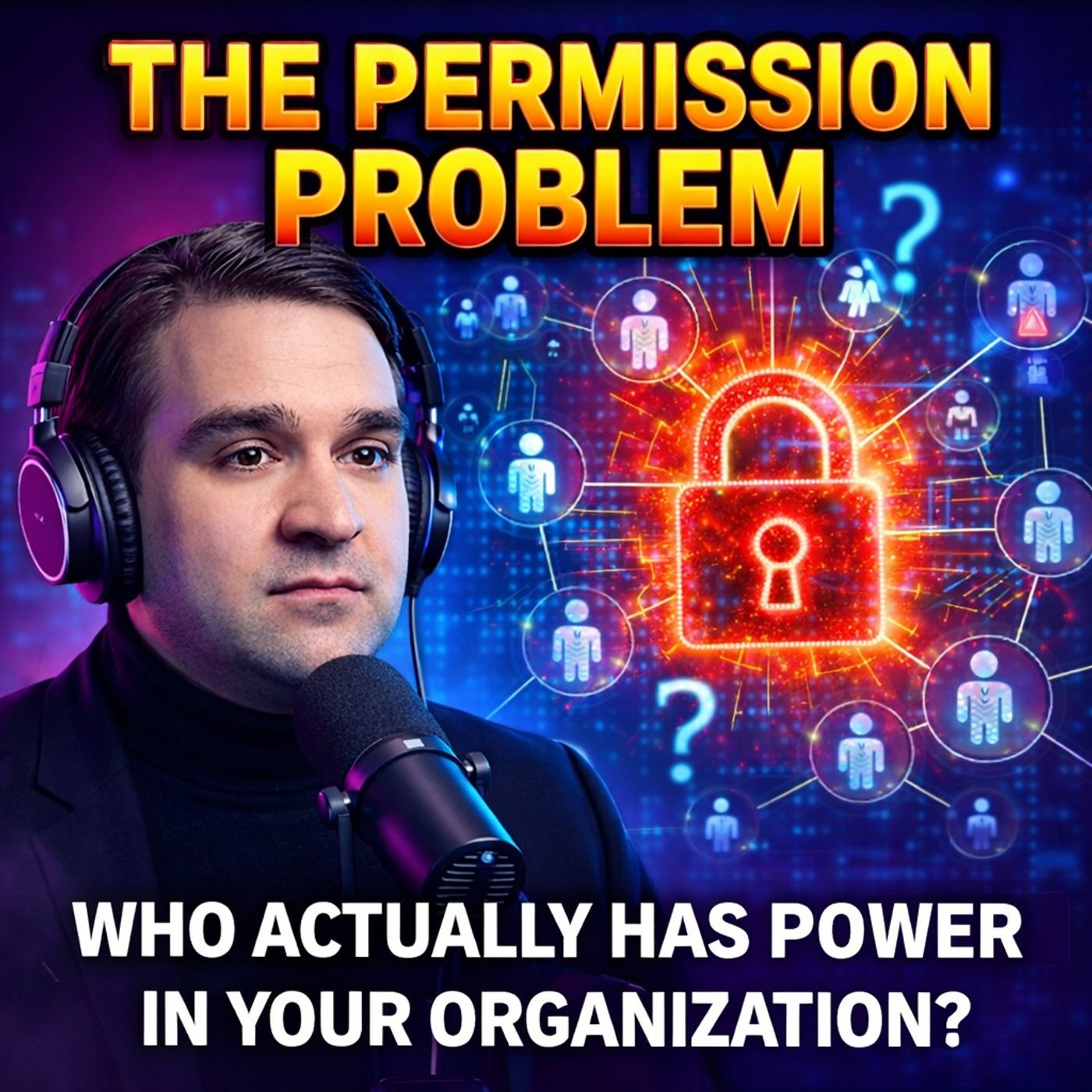
In any organization, the Permission Problem can significantly hinder efficiency. When authority remains unclear, decision-making often suffers. Research shows that clear authority levels can enhance decision-making speed by 40% and reduce escalations by 60%. Employees who understand their roles and decision-making powers act more decisively, minimizing delays. Conversely, a lack of documented authority leads to cautious behavior. This hesitation prolongs timelines, as individuals spend time consulting rather than taking initiative. Ambiguity in decision-making can turn days into weeks, causing frustration and missed opportunities.
Key Takeaways
- Clear authority levels can boost decision-making speed by 40% and reduce escalations by 60%. Establish clear roles to enhance efficiency.
- Understanding formal and informal power structures helps navigate authority dynamics. Recognize both to empower your team effectively.
- Define permission levels clearly to reduce confusion. Use categories like full control, edit, and read to clarify roles and responsibilities.
- Organizational culture shapes how power is exercised. Foster a culture of collaboration to improve communication and decision-making.
- Delayed decision-making can cost organizations significantly. Address permission issues to avoid financial losses and missed opportunities.
- Regular training and open communication are vital. Equip employees with knowledge about their permissions to enhance compliance and engagement.
- Implement feedback mechanisms to gather insights on permission issues. Use surveys and suggestion boxes to identify areas for improvement.
- Leverage technology for transparency in permission management. Use tools that document processes and monitor access to ensure accountability.
Understanding the Permission Problem
The permission problem arises when authority and decision-making power remain unclear within an organization. This ambiguity can lead to inefficiencies and hinder progress. Understanding the nature of power and the types of permissions can help clarify roles and improve organizational efficiency.
Nature of Power
Power in the workplace often connects to formal positions or titles. However, it also includes the ability to effect change without formal authority. Recognizing different forms of power can enhance empowerment within your organization. Here are two primary structures of power:
- Formal Power Structures: These structures arise from established hierarchies defined by laws and regulations. They influence who participates in decision-making.
- Informal Power Structures: These structures develop from social interactions and relationships. They often hold significant influence over decisions, even without official recognition.
Understanding these dynamics allows you to navigate the complexities of authority and decision-making effectively.
Types of Permissions
Organizations typically categorize permissions into various levels. Each level defines the extent of authority granted to individuals. The following table outlines common permission levels:
| Permission Level | Description |
|---|---|
| Full Control | Grants complete administrative authority within a site. |
| Edit | Allows users to add, modify, and delete content. |
| Contribute | Enables users to create and modify content while limiting structural changes. |
| Read | Allows users to view documents and lists without making changes. |
| View Only | Permits users to view documents but may restrict downloading or editing capabilities. |
Understanding these permissions helps clarify roles and responsibilities, reducing confusion and enhancing accountability.
Formal vs. Informal
Formal permissions are documented and clearly defined, while informal permissions often arise from personal relationships and trust. Both types play a crucial role in how decisions are made. For instance, you may find that informal networks can sometimes expedite processes that formal structures slow down. Recognizing this balance is essential for effective leadership.
Role-Based Permissions
Role-based permissions align authority with specific job functions. This approach ensures that individuals have the necessary access to perform their tasks efficiently. When you implement role-based permissions, you create a clear framework that supports accountability and reduces the risk of unauthorized access.
Organizational Culture's Role
Organizational culture significantly shapes permission structures and power dynamics. It establishes shared values, beliefs, and norms that dictate behavior within the organization. This cultural framework influences how power is distributed and exercised, affecting decision-making processes and the overall environment.
For example, a culture that promotes collaboration and trust encourages employees to share information and seek input from others. In contrast, a culture that emphasizes hierarchy may stifle communication and lead to decision-making bottlenecks. Understanding your organization's culture can help you identify areas for improvement and foster a more efficient decision-making environment.
Consequences of Power Dynamics

Decision-Making Delays
Unclear power dynamics can lead to significant decision-making delays. When authority is ambiguous, individuals hesitate to act. This hesitation often stems from a lack of credible signals and commitments. Each person waits for others to take the first step, creating a cycle of inaction. As a result, decisions that should take hours can stretch into weeks or even months.
- Delayed decision-making can have serious financial implications. Studies show that the cost of delay can range from 20% to 40% of a company's market value. For instance, a £50 million investment could incur costs of delay between £3-5 million.
- Research from 2006 indicated that a ten-month delay in market delivery could reduce financial returns by 33%, equating to a cost of delay of approximately 3.5% per month.
These statistics highlight the importance of addressing permission issues to enhance organizational efficiency.
Employee Frustration
When you face unclear power dynamics, frustration among employees often escalates. Employees want to contribute effectively, but ambiguity in their roles can lead to confusion. They may feel powerless, unsure of their authority to make decisions. This lack of clarity can diminish their motivation and engagement.
- Frustration can manifest in various ways, including decreased productivity and increased turnover rates. Employees may seek opportunities elsewhere if they feel their contributions are undervalued or ignored.
- Additionally, when employees lack trust in the decision-making process, they may disengage from their work. This disengagement can create a toxic work environment, further exacerbating the issues stemming from unclear power dynamics.
Team Collaboration Challenges
Collaboration thrives on clear communication and defined roles. However, when power dynamics are unclear, teams struggle to work together effectively. Team members may hesitate to share ideas or take initiative, fearing overstepping boundaries. This reluctance can stifle creativity and innovation.
- Teams may also experience conflicts due to misunderstandings about authority. When roles overlap or are poorly defined, individuals may clash over responsibilities.
- Furthermore, the lack of legitimate power can hinder relationships within teams. Trust is essential for collaboration, and without it, team members may feel isolated or unsupported.
Addressing these challenges requires a commitment to clarifying roles and fostering an environment of trust and collaboration.
Miscommunication Risks
Miscommunication often arises from unclear power dynamics within an organization. When you lack clarity about roles and permissions, confusion can spread among team members. This confusion can lead to significant inefficiencies and hinder collaboration. Here are some common ways miscommunication manifests in teams:
-
Ambiguous Authority: Founders or leaders may maintain tight control over decisions. This can create confusion about who has the authority to make calls. Team members might hesitate to act, fearing they overstep their boundaries.
-
Unclear Guidelines: Without clear guidelines on decision-making boundaries, team members may struggle to understand their roles. This uncertainty can lead to misunderstandings and delays in project execution.
-
Lack of Accountability: If team members are unsure of their responsibilities, it can result in a lack of accountability. When no one takes ownership of tasks, projects can stall, leading to frustration and missed deadlines.
To mitigate these risks, you must establish clear communication channels and define roles within your team. Encourage open discussions about decision-making authority. This approach fosters a culture of transparency and trust, allowing team members to feel empowered to contribute effectively.
Tip: Regularly review and update your team's guidelines to ensure everyone understands their roles and responsibilities. This practice can help prevent miscommunication and enhance overall efficiency.
By addressing miscommunication risks, you can create a more cohesive and productive work environment. Clear permissions and defined roles lead to better collaboration and improved organizational efficiency.
Strategies to Address the Permission Problem
Clear Guidelines
Establishing clear guidelines is essential for addressing the permission problem. When you define roles and responsibilities, you reduce confusion and enhance efficiency. Here are some effective strategies to implement:
- Apply Least Privilege: Only grant necessary permissions. Use incremental consent to request permissions just in time.
- Choose the Correct Permission Type: Decide between delegated and application permissions based on user presence.
- Provide Terms of Service: Ensure users understand your app's terms to build trust.
- Implement Dynamic User Consent: Request permissions based on user actions at sign-in or during the first access token request.
- Request Incremental User Consent: Gradually ask for permissions as users engage with different functionalities.
- Utilize the
/.defaultScope: This simplifies the permission request process by leveraging app registration.
Research shows that clear guidelines lead to better outcomes. A study found that 67% of organizations with clear guidelines experienced fewer permission-related inefficiencies compared to only 35% for those with vague instructions. Specific guidelines help employees make appropriate decisions, enhancing overall productivity.
Training and Communication
Training and communication play a vital role in clarifying permissions and authority. You should prioritize these initiatives to foster a culture of compliance and security awareness. Consider the following approaches:
- Integrative Training: Conduct training during onboarding and provide ongoing sessions to reinforce access control policies.
- Open Dialogue: Encourage feedback loops to promote an adaptive policy environment.
- Role-Specific Materials: Create training materials tailored to specific roles, along with quick-reference guides.
Regular training sessions help employees understand their access privileges. Interactive provisioning software can make training engaging and hands-on. This approach not only improves user adoption but also enhances adherence to policies.
Technology for Transparency
Leveraging technology can significantly improve transparency in permission management. Here are some examples of how technology solutions enhance clarity:
- Healthcare: Hospitals offer secure patient portals for accessing medical records, ensuring transparency in data management.
- Finance: Open Banking Regulations in Europe require financial institutions to disclose data-sharing practices, enhancing transparency.
- Retail & E-commerce: Companies like Amazon provide dashboards for customers to manage their personal data, promoting user control.
Transparency fosters accountability by ensuring that business processes are well-documented and monitored. This visibility allows leadership to trust operations, leading to better product marketing and customer satisfaction.
By implementing these strategies, you can effectively address the permission problem and enhance organizational efficiency.
Feedback Mechanisms
Feedback mechanisms are essential for addressing permission issues within your organization. They allow you to gather insights from employees about their experiences with permissions and authority. By implementing effective feedback systems, you can identify areas for improvement and enhance overall efficiency. Here are some strategies to consider:
-
Regular Surveys: Conduct surveys to assess how employees perceive their permissions. Ask questions about clarity, authority, and decision-making processes. This data can help you pinpoint specific areas that need attention.
-
Suggestion Boxes: Create anonymous suggestion boxes, both physical and digital. Encourage employees to share their thoughts on permission structures and any challenges they face. This approach fosters an open dialogue and allows for honest feedback.
-
One-on-One Meetings: Schedule regular check-ins with team members. Use these meetings to discuss their experiences with permissions and authority. This personal touch can help you understand individual concerns and build trust.
-
Focus Groups: Organize focus groups to dive deeper into specific issues related to permissions. Gather a diverse group of employees to discuss their experiences and brainstorm solutions. This collaborative approach can lead to innovative ideas.
-
Performance Reviews: Incorporate discussions about permissions into performance reviews. Ask employees how well they understand their roles and whether they feel empowered to make decisions. This feedback can guide future training and communication efforts.
-
Feedback Loops: Establish feedback loops where employees can share their experiences continuously. Use tools like Microsoft Power Apps to create a platform for ongoing feedback. This technology can streamline the process and ensure that you receive timely insights.
Tip: Ensure that you act on the feedback you receive. When employees see that their input leads to changes, they feel valued and more engaged in their work.
By implementing these feedback mechanisms, you can create a culture of transparency and accountability. Employees will feel empowered to voice their concerns, leading to improved clarity around permissions. This clarity can enhance decision-making and boost overall organizational efficiency.
Incorporating feedback into your permission structures not only helps you identify issues but also fosters a sense of ownership among employees. When they feel heard, they are more likely to take initiative and contribute positively to the organization.
Case Studies on Power and Permission
Example 1: Facebook
Facebook faced significant challenges regarding permission issues, particularly related to data usage consent. The company encountered violations that led to a $5 billion fine from the Federal Trade Commission (FTC). This incident catalyzed global privacy legislation, highlighting the need for organizations to prioritize ethical data practices. Facebook's experience illustrates how a lack of clear permissions can lead to severe consequences, both financially and reputationally.
Example 2: Equifax
Equifax, a major credit reporting agency, experienced a massive data breach that exposed personal information of millions. This breach resulted in a $700 million settlement and underscored the importance of robust security measures. Equifax's situation demonstrates that permission issues can extend beyond internal processes to external impacts, affecting customer trust and organizational integrity.
| Organization | Issue | Response |
|---|---|---|
| Consent violations in data usage | Faced a $5 billion FTC fine and catalyzed global privacy legislation. | |
| Equifax | Data breach exposing personal information | Resulted in a $700 million settlement and emphasized the need for better security measures. |
Key Takeaways
These case studies reveal critical lessons for organizations facing permission issues. Here are some key takeaways:
| Case Study | Key Takeaway |
|---|---|
| Google’s Project Nightingale | Legality does not equate to ethics; organizations must prioritize ethical considerations and ensure transparency. |
| Clearview AI | Contextual integrity is crucial; public data can still be unethically sourced, emphasizing the need for ethical evaluation. |
| Establishing a Data Ethics Framework | A robust framework is essential for ethical data collection and usage, ensuring informed consent and respect for privacy. |
Understanding these lessons can help you navigate the complexities of power dynamics and permission structures in your organization. By learning from the experiences of others, you can implement better practices that enhance both efficiency and ethical standards.
Addressing permission issues is crucial for enhancing organizational efficiency. You can improve clarity in roles and responsibilities by taking actionable steps. Consider the following strategies:
- Understand the difference between roles and responsibilities.
- Create clear team objectives to enhance accountability.
- Make responsibilities visible and accessible to everyone.
- Leverage your team’s strengths for better performance.
- Discuss priorities weekly to avoid misunderstandings.
- Show confidence in team members to build trust.
- Align individual goals with organizational objectives.
Remember, role clarity isn't just beneficial; it’s essential. It can be the difference between a team that ships and one that spins. By focusing on these strategies, you empower your leadership and foster a culture of legitimate authority, ultimately driving your organization toward success.
FAQ
What are permission issues in organizations?
Permission issues arise when authority and decision-making power are unclear. This ambiguity can lead to delays, confusion, and inefficiencies in organizational processes.
How do permission issues affect decision-making?
Unclear permissions create hesitation among employees. They may wait for others to act, leading to significant delays in decision-making and missed opportunities.
What are the types of permissions?
Permissions typically fall into categories like full control, edit, contribute, read, and view only. Each type defines the extent of authority granted to individuals.
How can organizations improve clarity in permissions?
Organizations can enhance clarity by establishing clear guidelines, providing training, leveraging technology for transparency, and implementing feedback mechanisms.
Why is organizational culture important for permissions?
Organizational culture shapes how power is distributed and exercised. A culture that promotes collaboration fosters better communication and decision-making.
What are the consequences of unclear power dynamics?
Unclear power dynamics can lead to decision-making delays, employee frustration, collaboration challenges, and increased risks of miscommunication.
How can feedback mechanisms help with permission issues?
Feedback mechanisms allow employees to share their experiences regarding permissions. This input helps identify areas for improvement and enhances overall efficiency.
What role does technology play in managing permissions?
Technology improves transparency in permission management. It helps organizations document processes, monitor access, and ensure accountability, leading to better decision-making.
🎧 Listen to this episode
Want a practical explanation of Solve the Microsoft 365 Permission and Access Problem? This episode breaks down the topic in clear language and shows why it matters for Microsoft 365, Azure, Power Platform, security, AI, and modern work.
Listen to this episode if you want to:
- Understand the key concepts behind Solve the Microsoft 365 Permission and Access Problem
- See how it fits into the wider Microsoft technology ecosystem
- Learn where it can create practical value for your organization
You may also enjoy these related M365 FM episodes:
- Conditional Access - Simply Explained
- Conditional Access and Identity as Code with Jonathan Hope [MVP]
- AD Tiering and Privileged Access with Viktor Hedberg [MVP-MCT]
- Microsoft 365 Governance Is a People and Ownership Problem
- Fix Microsoft Entra ID Conditional Access and Identity Debt
Discover more practical Microsoft conversations on M365 FM.
Apple Podcasts · Spotify · YouTube · YouTube Music
Host: Mirko Peters
Guests
Related articles
- Microsoft Entra ID Troubleshooting Hub
- App Registration and OAuth Guide for Secure Application Integration
- Teams Policy Packages Explained
- Teams Sprawl Prevention Model: A Comprehensive Guide
- Share Files and Folders in Microsoft SharePoint
- Identity and Access Management with Microsoft Entra: Learn Basics