
 Apple Podcasts
 Spotify
 Youtube Music
 Spreaker
 Podchaser
 Amazon Music
This episode explores a surprisingly powerful idea: that Minecraft, the block-building game millions already love, can actually teach real teamwork and team-building skills. Instead of treating Minecraft as just another video game, the discussion reframes it as a collaborative digital world where communication, coordination, and cooperation become the keys to success. Players quickly learn they can’t survive alone, can’t build big projects in isolation, and can’t reach ambitious goals without leaning on each other. The game’s open world becomes a training ground where shared purpose, role clarity, problem-solving, and planning naturally emerge. You start with “who gathers materials,” “who designs the structure,” “who explores,” and before long, you’re watching genuine collaboration unfold inside a virtual landscape.
The episode highlights how educators and workplaces are harnessing this dynamic to build stronger teams. By setting up group challenges inside Minecraft—things like timed construction projects, survival objectives, or resource-limited builds—teams experience real pressure, real collaboration, and real interdependence. Assigning roles inside the game mirrors the workplace: one person leads logistics, another handles design, another manages risk. And because Minecraft is hands-on and immersive, people communicate more, negotiate better, and refine their decision-making in ways that feel organic instead of forced. Success becomes measurable not just by what was built, but by how the team coordinated, adapted, and supported each other along the way.






You probably know the frustration when team building fails—activities feel forced, and you see little change in your team. Studies show 33% of HR professionals notice morale drops when teams struggle to collaborate, and 86% of employees blame poor communication for workplace failures. In the digital workplace, you need meaningful experiences that build trust, culture, and mission cohesion. Minecraft Education offers a global platform for creativity, turning team building into a shared experience. You get stronger collaboration, real communication, and solutions that prepare your team for the future of work.
Key Takeaways
- Team building often fails due to unclear goals. Set specific, measurable objectives to guide activities.
- Activities without purpose lead to frustration. Ensure every team building session has a clear reason and aligns with team needs.
- Forced participation can cause disengagement. Encourage voluntary involvement to foster genuine connections.
- Follow-up is crucial for lasting impact. Reinforce lessons learned and celebrate progress to maintain momentum.
- Hidden costs of poor team building include wasted resources and missed opportunities. Choose meaningful activities that drive real growth.
- Customize team building activities to fit your team's unique challenges. Tailored approaches yield better results.
- Use technology like Minecraft Education to create engaging, collaborative experiences. This fosters creativity and teamwork.
- Regular feedback is essential for continuous improvement. Make it a part of your team building process to enhance trust and communication.
How Minecraft Fixes Collaboration in Modern Work: 5 Surprising Facts
- Sandbox constraints boost creativity and decision-making. The limited building blocks and physics in Minecraft force teams to focus on prioritization and iterative problem solving, mirroring constrained real-world projects and speeding consensus.
- Real-time spatial collaboration reveals hidden communication gaps. Watching teammates build in a shared virtual space exposes ambiguous instructions and differing mental models, making misalignment visible and easier to correct than in meetings or documents.
- Role fluidity encourages cross-functional learning. In a Minecraft workplace world, people naturally swap roles (planner, builder, resource manager), which lowers silos and accelerates skill sharing across disciplines without formal training.
- Persistent worlds create institutional memory. A saved Minecraft environment records prior decisions, designs, and mistakes in an accessible format, giving new team members context and enabling asynchronous onboarding and review.
- Low-stakes prototyping increases psychological safety. Building experimental prototypes in Minecraft reduces fear of failure: teams test ideas visibly and cheaply, normalizing iteration and fostering a culture where innovative proposals are tried and improved rather than dismissed.
Why Team Building Fails
You might wonder why team building fails so often, even when everyone wants better collaboration. The truth is, many activities miss the mark because they lack clear goals, feel forced, or never get proper follow-up. Let’s break down the main reasons you see failed team building in action.
Lack Of Clear Goals
When you start a team building activity, you need to know what you want to achieve. Without clear goals, your team can feel lost or confused. Over 95% of all goals lack details for monitoring progress. That means most team building activities do not have clear, measurable objectives. If you don’t set specific goals, you can’t track success or see improvement.
Activities Without Purpose
Have you ever sat through a team building session and wondered, “What’s the point?” Activities without purpose lead to frustration and wasted time. Here’s what happens when you skip setting goals:
- Micromanagement creeps in, and managers start controlling every step. This makes people feel resentful and lowers engagement.
- Poorly planned meetings reinforce the idea that team building fails, making people dread the next session.
- When leaders react to problems instead of planning, employees lose trust and feel dissatisfied.
- Unrealistic goals set by managers can frustrate everyone, leading to disengagement and poor performance.
- If tasks seem pointless or don’t match your values, motivation drops and engagement fades.
You need effective team building that connects to real goals. Otherwise, you risk turning every session into another example of failed team building.
Misalignment With Team Needs
Sometimes, team building fails because the activities don’t match what your team actually needs. Maybe you have a creative group, but you’re stuck doing trust falls. Or your team wants to solve real problems, but you’re playing icebreakers. When you ignore your team’s needs, you miss the chance to build real engagement and reach your goals. Effective team building always starts with understanding your team and setting goals that matter.
Forced Participation
You can’t force people to connect. When team building feels like a chore, you see failed team building in action. People check out, and the whole point of the activity gets lost.
Disengagement
If you make everyone join in, but they don’t see the value, engagement drops fast. People start to resent the time spent on activities that don’t help them reach their goals. You might notice that team building fails most when people feel like they have no choice or voice in the process.
One-Size Approach
Every team is different. When you use the same team building activity for everyone, you ignore unique strengths and needs. This one-size-fits-all approach leads to failed team building because it doesn’t help your team grow or reach their goals. You need effective team building that adapts to your team’s style and culture.
Poor Follow-Up
Even the best team building can fall flat if you don’t follow up. You need to keep the momentum going, or all your hard work disappears.
No Lasting Impact
If you finish a team building activity and never talk about it again, nothing changes. The lessons fade, and your team slips back into old habits. This is a big reason why team building fails. You need to reinforce what you learned and connect it to your goals.
No Reinforcement
Effective team building means checking in, giving feedback, and celebrating progress. Without reinforcement, your team forgets the experience. You lose the chance to build a stronger culture and reach your goals. Make sure you keep the conversation going and tie every activity back to your team’s real goals.
Tip: Always set clear goals, match activities to your team’s needs, and follow up after every session. That’s how you turn failed team building into effective team building that lasts.
Hidden Costs And Mistakes
You might think team building is just about fun activities, but hidden costs can sneak up on you. When team building goes wrong, you lose more than just time. You risk money, trust, and even your team's motivation.
Wasted Resources
Financial Loss
You spend money on team building events, workshops, or retreats. If these activities miss the mark, your budget takes a hit. You might pay for fancy venues, trainers, or materials, but see no real improvement. The real cost comes when you realize the activity did not help your team work better together.
Missed Opportunities
When you focus on the wrong activities, you miss chances to build real skills. Your team could have used that time to solve actual problems or learn something new. Instead, you end up with:
- Decreased employee morale due to poorly executed activities.
- Lack of engagement from team members when activities are not properly prepared.
- Wasted resources on activities that do not connect to broader organizational goals.
You lose out on growth and innovation. Every missed opportunity sets your team back.
Leadership Errors
Ignoring Input
Leaders sometimes forget to ask for feedback or listen to their teams. When you ignore what your team says, you miss important signals. People want to feel heard. If you skip this step, you risk losing trust and motivation.
Leadership mistakes like gaslighting—whether intentional or not—create confusion and break trust. This hurts collaboration and can make some team members feel left out or undervalued. You need to build trust by being open, honest, and willing to admit mistakes. When you show humility and listen, your team feels safe to share ideas.
Overlooking Issues
Some leaders think giving feedback means just telling people what to fix. Real feedback is a two-way street. You need to ask questions and listen. If you only talk and never listen, you miss chances to help your team grow. Teams thrive when leaders create a space for honest conversations.
Tip: Make feedback a dialogue, not a monologue. Ask questions and listen to your team’s ideas.
Superficial Activities
Short-Term Fixes
Quick games or icebreakers might feel fun, but they rarely solve deeper problems. You might see a short boost in energy, but it fades fast. Real team building takes more than a single event.
Lack Of Depth
If your activities stay on the surface, your team never gets to the real issues. You need activities that challenge your team to think, solve problems, and work together. Shallow activities waste time and leave your team feeling disconnected.
You can avoid these hidden costs by choosing meaningful activities, listening to your team, and focusing on real growth. When you do, you build a stronger, more connected team that’s ready for anything.
Collaborative Work Challenges
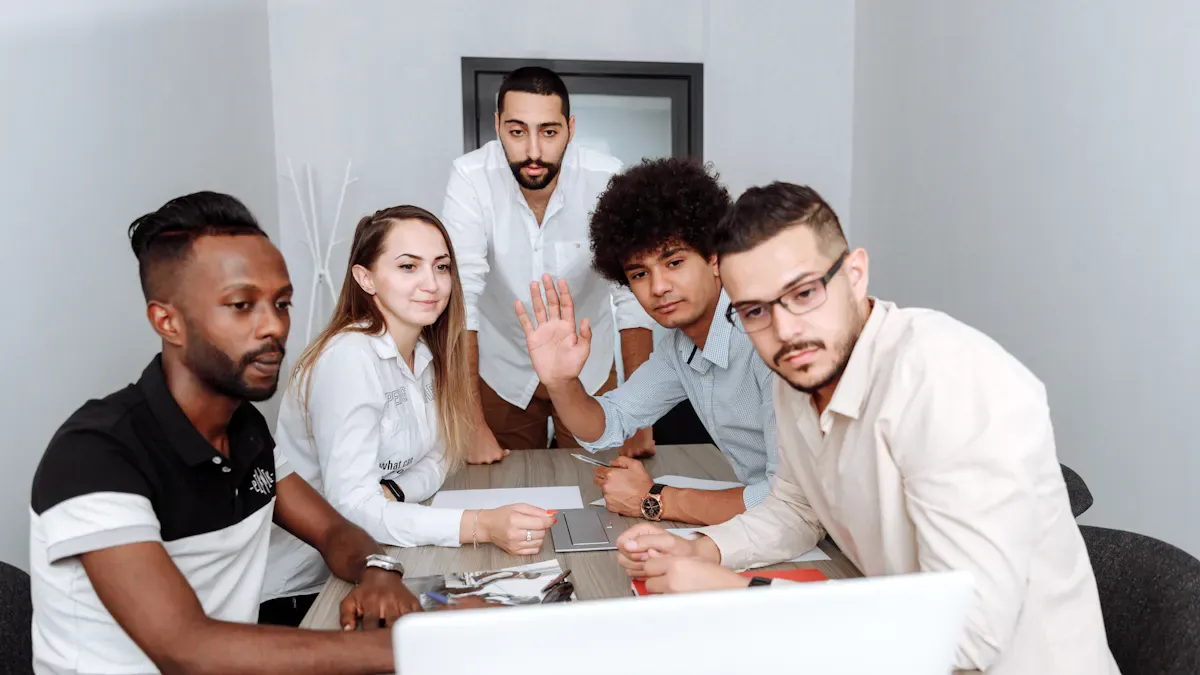
You face new challenges every day in the world of collaborative work. Remote teams, diverse styles, and digital overload can make it tough to build real connections and trust. Let’s break down what you’re up against and how you can move toward the future of collaborative work.
Remote Teams
Working with remote teams brings unique hurdles. You don’t get to chat by the coffee machine or catch up in the hallway. Instead, you rely on screens and messages to keep your team together.
Communication Barriers
You might notice that communication feels harder when you’re not in the same room. Research shows that processing unfamiliar accents adds extra mental strain, especially for non-native speakers. This can lead to “Zoom fatigue,” where you feel drained after meetings. Miscommunication costs businesses billions each year, and the average employee loses almost eight hours a week because of breakdowns. When you work with international colleagues, you face new challenges in tone, slang, and clarity.
Here’s a quick look at common barriers and solutions:
| Barrier | Description | Solution |
|---|---|---|
| No Real-Time Feedback | Delayed feedback leads to repeated mistakes. | Use Slack or Loom for quick feedback. |
| Too Many Tools | Confusion arises from using multiple communication tools. | Simplify the tech stack and define tool usage. |
| Time Zone Delays | Delays in replies can drop team momentum. | Set clear response windows and use a shared calendar. |
| Unclear Roles | Ambiguity in task ownership can lead to inefficiency. | Assign specific tasks to individuals. |
| Cultural or Language Barriers | Miscommunication can stem from tone and slang differences. | Keep communication simple and avoid idioms. |
| No Visual Cues | Lack of body language can hinder understanding. | Encourage the use of video calls. |
| Info Overload | Excessive messages can lead to missed information. | Centralize updates to reduce noise. |
| Bad Meetings | Unplanned meetings can waste time. | Share agendas in advance and record meetings. |
| Tech Issues | Technical problems can disrupt communication. | Regularly test tools and provide tech support. |
| Fear of Speaking Up | Remote workers may hesitate to voice their opinions. | Build trust and schedule regular check-ins. |
Lost Informal Interactions
You miss those casual moments that help build culture and trust. Without informal chats, you lose chances to share ideas or solve problems quickly. Remote work can feel lonely, and you might struggle to connect with your team. Building genuine relationships takes extra effort when you’re not face-to-face.
Diverse Styles
Every team member brings a different style to collaborative work. You need to understand these differences to create a strong culture.
Generational Differences
You might work with people from different generations. Some prefer emails, others like instant messages. Younger team members may expect quick responses, while older colleagues value thoughtful communication. These differences can cause confusion or frustration if you don’t address them.
Varied Expectations
People have unique expectations about how collaborative work should happen. Some want clear instructions, others like flexibility. You need to set ground rules and listen to everyone’s needs. When you respect these differences, you build trust and a positive culture.
Digital Overload
The digital world brings its own set of challenges. You juggle apps, emails, and notifications all day.
Tool Fatigue
You switch between dozens of tools every day. A recent survey found that employees use more than 35 applications and switch over 1,100 times daily. This wastes time and increases mistakes. You spend less time on your main job and more time searching for information.
Fragmented Workflows
Data silos and scattered information make collaborative work harder. Most companies struggle to create a unified view of their data, which slows down collaboration and decision-making. You need to centralize updates and simplify workflows to stay productive.
Note: Genuine connection and trust are the foundation for the future of collaborative work. If you focus on building relationships and streamlining your digital tools, you set your team up for success in the future.
What Makes Team Building Work
You want team building that actually makes a difference. You want your team to feel connected, motivated, and ready to tackle any challenge. So, what separates the activities that work from the ones that flop? It comes down to being intentional, focusing on ongoing development, and making sure everything lines up with real-world needs.
Intentional Activities
Customization
You can’t expect one-size-fits-all activities to spark real change. Every team faces unique challenges. When you customize team building, you address your team’s specific needs and goals. Research shows that generic activities rarely improve performance. Teams see better results when activities match their real challenges and strengths.
Here’s a quick look at why tailored approaches matter:
| Key Points | Description |
|---|---|
| Tailored Approaches | Customized activities address specific team challenges, enhancing relevance and engagement. |
| Continuous Improvement | Incorporating feedback allows for iterative enhancements, leading to better outcomes. |
| Integration into Workflows | Ongoing team development fosters stronger relationships and sustained performance improvements. |
Clear Objectives
You need clear goals for every team building session. When you know what you want to achieve, you can measure progress and celebrate wins. Without clear objectives, activities lose focus and your team loses interest. Set simple, specific goals that everyone understands.
- Studies show that organizations with team-based structures see higher performance and productivity.
- Generic interventions often fail, so always align activities with your team’s real needs.
Ongoing Development
Continuous Learning
You can’t build a strong team in one afternoon. Growth happens over time. When you create a culture of continuous learning, your team stays sharp and ready for change.
Continuous learning enhances basic business knowledge with specific skills needed to stay up-to-date in the evolving business world. Organizations that create a continuous learning culture drive engagement and innovation, leading to higher levels of personal growth and job satisfaction among employees.
Regular Feedback
Feedback keeps your team on track. It helps everyone know what’s working and what needs to change. Make feedback a regular part of your team building process.
Feedback clarifies performance expectations, creates opportunities for growth, fosters trust, and enhances workplace relationships. It acts as a valuable roadmap for professional growth, helping employees understand which skills or behaviors require attention. This leads to greater motivation and engagement, as employees see challenges as opportunities for improvement.
Real-World Alignment
Practical Application
You want team building that connects to your daily work. When activities mirror real challenges, your team learns skills they can use right away. This makes the experience more meaningful and boosts collaboration.
Integration
Don’t treat team building as a one-time event. Make it part of your regular workflow. When you weave these activities into your routine, you build a stronger culture and see lasting results. Integration helps your team grow together and stay connected, no matter what changes come your way.
Minecraft For Team Building
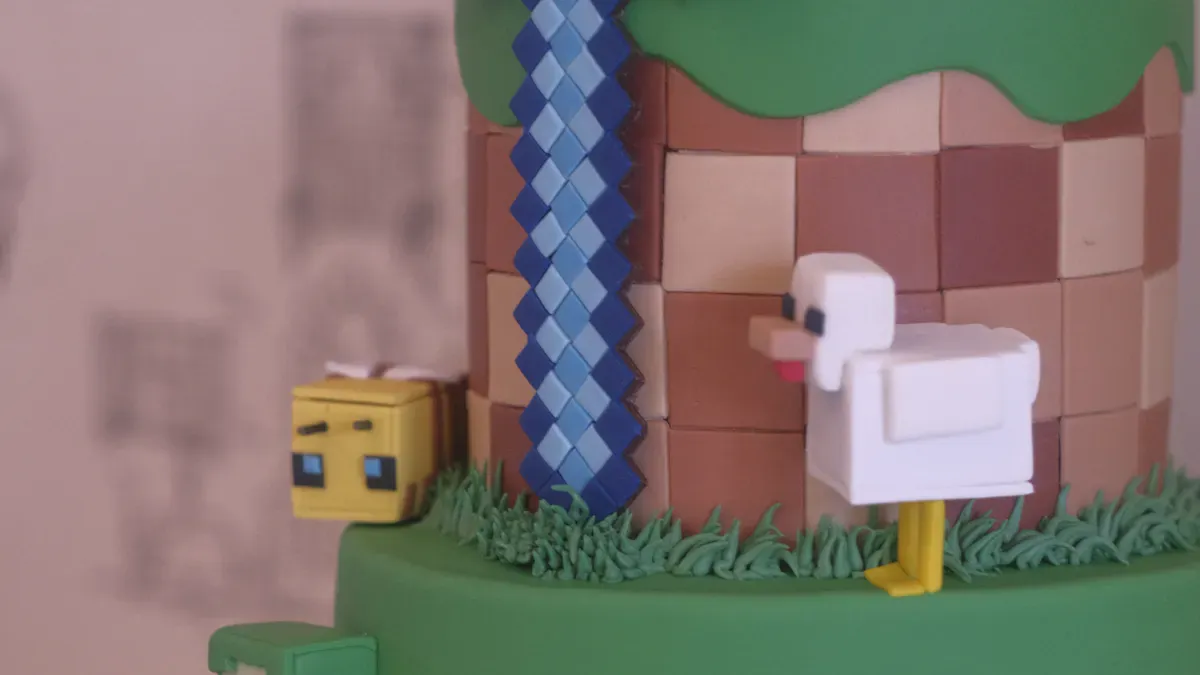
You want team building that actually works. Minecraft Education changes the game for modern workplaces. With support from Microsoft Digital, you get a platform that brings your team together in a way that feels real, fun, and meaningful. Let’s see how this technology transforms team building activities and helps you build a stronger, more creative team.
Collaborative Environment
Real-Time Problem Solving
When you step into Minecraft, you enter a world where you solve problems as they happen. You and your team face challenges that require quick thinking and teamwork. You might need to build a bridge over a river or gather resources before night falls. These tasks push you to communicate, plan, and act together. You see the results of your choices right away, which makes every decision matter.
‘From what we see of children's interactions on Minecraft, it's far more than just a digital pastime; it's a virtual playground where children can develop problem-solving skills, collaboration, and language abilities.’
Research from the University of South Australia shows that Minecraft is more than a game. It helps you develop problem-solving skills and work together toward shared goals. You learn to listen, share ideas, and make group decisions. This kind of real-time play builds trust and helps you handle challenges at work.
Shared Goals
In Minecraft Education, you never work alone. Every project has a shared goal. Maybe you’re building a city, designing a park, or surviving in a new world. You need everyone’s skills to succeed. You assign roles, plan your moves, and celebrate wins together. This shared purpose makes team building activities feel important and rewarding.
- Students say Minecraft Education helps everyone work together.
- They learn from each other and give each other roles.
- They practice respectful communication when solving conflicts.
You see the power of collaboration in action. You build trust and learn how to support each other, just like you need to do in the workplace.
Creative Engagement
Building Together
Minecraft is all about building. You use blocks to create anything you can imagine. When you build together, you see how each person’s creativity adds to the project. You might design a castle, a roller coaster, or a working farm. Every idea matters. You learn to listen, share, and combine your strengths.
- Increased engagement and enthusiasm show up when you use Minecraft for team building.
- You see improved collaboration and social-emotional skills as you play together.
- Teachers notice higher quality work and more creativity in group projects.
You don’t just play a game—you create something amazing as a team. This hands-on experience makes team building activities exciting and memorable.
Innovation
Minecraft encourages you to try new things. You experiment with designs, test out ideas, and solve problems in creative ways. The open world lets you take risks without fear. You learn to adapt, think outside the box, and find solutions together.
- Students take charge of their learning and show more initiative.
- You see positive changes in group dynamics as everyone gets involved.
This kind of innovation is what every workplace needs. When you use technology like Minecraft, you unlock new levels of creativity and teamwork.
Role-Based Challenges
Accountability
Every team needs accountability. In Minecraft, you assign roles for each project. Maybe you’re the builder, the planner, or the resource manager. Each role matters. You learn to trust your teammates and take responsibility for your part.
| Case Study | Sector | Key Findings |
|---|---|---|
| Ghana: Public Accountability in Local Health Systems | Healthcare | Improved service delivery and health outcomes through community involvement in accountability practices. |
| General Accountability Practices | Various | Training and mentoring in communication and ethical decision-making foster accountability among leaders. |
When you play Minecraft, you see how important it is to follow through on your tasks. You learn to support each other and hold each other accountable, just like in real team building.
Leadership Skills
Minecraft Education gives you a safe space to practice leadership. You might lead a group challenge, make decisions, or help solve conflicts. You learn to guide your team, listen to feedback, and adjust your plans. These skills transfer directly to the workplace.
- You develop leadership by taking on new roles and guiding your team.
- You practice ethical decision-making and clear communication.
With technology like Minecraft, you build leadership skills that last. You see how digital play can prepare you for real-world challenges.
Note: Minecraft Education, supported by Microsoft Digital, turns team building into an immersive experience. You use technology to connect, create, and grow together. You build trust, improve communication, and unlock creativity—all while having fun. This is team building for the digital age.
Minecraft Team Building Activities
You want team building that feels fresh, fun, and actually helps your group work better together. Minecraft gives you a digital playground where you can try new activities and see real results. Let’s look at some of the best ways to use Minecraft for team building.
Group Challenges
Timed Builds
Timed builds put your team under pressure. You get a set amount of time to create something amazing, like a bridge or a maze. This activity makes everyone focus, prioritize, and communicate quickly. You feel the excitement as the clock ticks down. Timed builds mirror real-world situations where you must deliver results fast.
Resource Management
Resource management challenges push your team to think ahead. You start with limited supplies and must decide how to use them wisely. Maybe you need to build a shelter with only a few blocks or gather food before night falls. These activities teach you to plan, share, and make smart choices as a group.
Here’s a quick look at how these activities help:
| Evidence Type | Description |
|---|---|
| Timed Builds | Running timed rounds creates urgency and forces prioritization, simulating real-world conditions. |
| Resource Management | Participants manage resources within a structured scenario, enhancing strategic thinking skills. |
| Negotiation Exercises | Structured scenarios simulate deal-making, improving communication and emotional control. |
Communication Exercises
Strategy Coordination
Strategy coordination in Minecraft means you must talk, listen, and plan together. Maybe you’re building a maze for another group or working on a quest board. You need to share ideas and agree on a plan. This kind of team building helps everyone practice clear communication and teamwork.
Negotiation
Negotiation exercises let you practice making deals and finding solutions. You might need to trade resources or agree on a building design. These activities help you stay calm, listen to others, and reach a win-win outcome. You learn to handle disagreements and keep the project moving forward.
Tip: Try activities like Maze Swap or Laser Tag in Minecraft. These games boost collaboration, creativity, and frustration tolerance. You get better at planning and working together, even when things get tough.
| Activity Type | Description | Skills Developed |
|---|---|---|
| Maze Swap | Teams build mazes for each other, focusing on collaboration and creativity. | Collaboration, communication, perspective taking |
| Laser Tag | A competitive minigame that promotes strategic communication and frustration tolerance. | Planning, strategic communication, frustration tolerance |
| Quest Board | Participants complete quests that require collaboration and resource management. | Reciprocal communication, collaboration |
Leadership Development
Role Assignment
Role assignment in Minecraft lets you try out different jobs. You might be the builder, the planner, or the resource manager. Each person gets a chance to lead or support. This kind of team building helps you see the value of every role and builds trust in your group.
Decision Making
Decision making is a big part of every Minecraft challenge. You must choose what to build, how to use resources, and who does what. These choices matter. You learn to make decisions as a team, listen to feedback, and adjust your plans when needed.
When you use Minecraft for team building, you get more than just a game. You build real skills—like communication, leadership, and creative problem-solving—that help your team succeed in any workplace.
Action Steps For Leaders
You want your team building efforts to drive real change. Here’s how you can make that happen and build lasting cohesion in your team.
Assess Needs
Gather Input
Start by listening to your team. Ask for feedback about past team building activities. Use surveys, quick polls, or simple conversations. When you gather input, you discover what motivates your team and what holds them back. You build trust by showing you care about their opinions.
- A Spanish railway organization improved its safety culture by redefining safety as a core value. They listened to employees and partnered with experts to create a leadership program. High satisfaction and better risk awareness followed.
- Leaders who assess their teams’ strengths and weaknesses can align activities with organizational strategy. This helps prepare for the future and close gaps in skills.
Identify Pain Points
Look for patterns in the feedback. Are people disengaged? Do they feel activities lack purpose? Pinpoint the obstacles that block team building success. When you identify pain points, you can target solutions that boost cohesion and culture.
Design Activities
Set Goals
Clear goals make team building meaningful. Decide what you want to achieve—better communication, stronger trust, or improved collaboration. Write down your objectives and share them with your team. When everyone knows the goal, you build unity and focus.
Choose Tools
Pick tools that fit your team’s needs. Minecraft Education offers a digital platform for creative team building. You can use it for hybrid or remote teams. Microsoft Digital provides resources and training to help you get started. Choose tools that encourage communication and teamwork.
Tip: Use Minecraft to create engaging activities that mirror real work challenges. You build skills and cohesion while having fun.
Implement And Improve
Monitor Progress
Track how your team responds to new activities. Use feedback forms, check-ins, or quick reviews. Watch for signs of increased engagement, better communication, and stronger cohesion. If you see positive changes, keep going.
Adjust
Stay flexible. If something isn’t working, tweak your approach. Try new activities or change roles. When you adjust, you show your team that you value growth and innovation. This keeps your team building fresh and effective.
| Step | Action | Benefit |
|---|---|---|
| Gather Input | Ask for feedback and listen | Builds trust and engagement |
| Identify Pain Points | Find obstacles to success | Targets solutions |
| Set Goals | Define clear objectives | Creates unity and focus |
| Choose Tools | Select digital platforms like Minecraft | Supports hybrid collaboration |
| Monitor Progress | Track engagement and outcomes | Measures impact |
| Adjust | Change activities as needed | Promotes innovation and growth |
You can transform your team building by following these steps. You build a culture of trust, communication, and cohesion that prepares your team for the future of work.
You see why traditional team building often fails. Team building lacks clear goals, real engagement, and lasting impact. Team building feels forced and never builds trust. Team building wastes resources and misses chances to help your team grow. Team building does not connect to your daily work. Team building needs to be intentional and practical. Team building should focus on real skills and teamwork. Team building must create trust and unity. Team building works best when you use immersive tools like Minecraft Education. Team building becomes fun, creative, and meaningful. Team building helps your team build trust and solve problems together.
Ready to rethink your team building? Try Minecraft Education and discover new ways to build trust and teamwork.
How Minecraft Fixes Collaboration in Modern Work — Checklist
Use this checklist to plan, run, and evaluate Minecraft-based activities that improve collaboration in modern work environments.
problem: collaboration challenges and how minecraft fixes collaboration in modern work
How does Minecraft address common collaboration problems in work settings?
Minecraft provides a sandbox multiplayer game-based learning platform that models collaboration at work by allowing teams to co-design, negotiate roles, and build shared artifacts. By using gameplay mechanics that require coordination—resource sharing, task division, and synchronous construction—teams practice collaboration skills and the collaboration process in a low-risk learning environment. In modern work, these practices translate to improved communication, visualization of project plans, and shared understanding of tasks.
Can Minecraft improve students’ collaboration and student collaboration in educational contexts?
Minecraft: Education Edition and other variants support students’ collaboration by enabling collaborative learning processes, peer teaching, and construction of shared knowledge. Several studies in educational research and the learning sciences find that using Minecraft for learning fosters student collaboration, collaborative tool use, and improved learning outcomes when scaffolds are provided by teachers or designed into the activity.
microsoft: integration, tools, and education edition connections
What role does Microsoft play in Minecraft’s use for collaborative learning?
Microsoft, as the owner of Minecraft and the developer of Minecraft: Education Edition, integrates classroom management features, assessment tools, and compatibility with educational technology ecosystems. Microsoft’s Education Edition includes collaboration features, teacher education resources, and analytics that help assess learning processes and facilitate computer-supported collaborative learning (CSCL) in school and workplace training contexts.
How does Minecraft: Education Edition differ from the standard multiplayer game for professional skill development?
Minecraft: Education Edition adds structured lesson plans, learning objectives tied to STEM education and computational thinking, classroom-friendly collaboration tools, and teacher controls for monitoring students’ learning and collaboration processes. For professional skill development, the Education Edition’s emphasis on teaching and assessment supports systematic learning experiences and makes it easier to align gameplay with learning outcomes and collaboration analysis.
education edition: classroom use, teacher education, and learning environment
How can teachers use Education Edition to scaffold collaborative learning processes?
Teachers can scaffold collaboration by designing roles, setting shared goals, embedding reflection prompts, and using built-in tools to observe patterns of interaction. Teacher education programs that include Minecraft for learning teach how to assess learning processes, guide students’ collaboration, and use game-based learning to promote collaboration skills and mathematical or STEM-related learning experiences.
Does using Minecraft in educational settings improve learning outcomes in STEM education?
Evidence from several studies suggests that Minecraft’s rich visualization and open-ended construction tasks can improve engagement and problem-solving, supporting mathematical reasoning and STEM education concepts. When paired with explicit instructional design and assessment, Minecraft activities can enhance learning outcomes, collaborative tool use, and the construction of shared knowledge in educational contexts.
future research: research project directions and systematic literature review topics
What future research is needed to understand how Minecraft fixes collaboration in modern work?
Future research should focus on longitudinal studies of collaboration at work, systematic literature review of Minecraft in learning, social network analysis of in-game interactions, and experimental designs linking gameplay to on-the-job performance. Research projects could analyze collaborative processes, assess learning processes, and compare Minecraft-mediated collaboration with other collaborative tools in online and hybrid work settings.
How can researchers use social network analysis and collaboration analysis to study Minecraft-based teamwork?
Researchers can extract interaction logs and communication traces from multiplayer game sessions to perform social network analysis, identify patterns of interaction, and map the construction of shared knowledge. Collaboration analysis helps reveal how roles, turn-taking, and resource flows affect collaborative learning processes and can inform design improvements for collaborative tools used in work and educational contexts.
collaboratively: practical implementation and collaborative processes in learning and work
How can organizations implement Minecraft collaboratively to improve teamwork in remote work settings?
Organizations can run structured workshops using Minecraft as a visualization and prototyping platform to practice collaboration at work. By designing scenarios mirroring workplace tasks, assigning roles, and debriefing with reflection on collaboration skills, teams transfer collaborative processes learned in-game to online meeting protocols and project planning. This approach supports collaboration in online environments and enhances multidisciplinary teamwork.
What evidence is there that gaming and multiplayer game experiences enhance collaboration skills?
Several studies and CSCL research indicate that multiplayer game experiences promote negotiation, shared decision-making, and role specialization—core collaboration skills. Game-based learning in Minecraft offers scenarios for practicing these skills with immediate feedback and visible artifacts, which helps teams develop better communication patterns and collaborative problem-solving strategies.
Can Minecraft be used to assess learning processes and collaborative performance?
Yes. Minecraft sessions can be instrumented to record actions, chat transcripts, and build sequences, enabling assessment of learning processes and collaboration analysis. Educators and researchers use these logs to evaluate students’ learning experiences, patterns of interaction, and progress in collaboration skills, informing both teacher feedback and future activity design.
How does Minecraft support the construction of shared knowledge in groups?
Minecraft’s shared virtual world acts as an external representation where team members co-create artifacts, negotiate meaning, and align mental models. This construction of shared knowledge is facilitated by visualization, iterative building, and collaborative problem-solving, which mirrors workplace processes like prototyping and information sharing in project teams.
Is Minecraft suitable for adult learners and workplace training, beyond educational contexts?
Minecraft can be adapted for adult learners by focusing scenarios on workplace-relevant tasks—project planning, resource allocation, spatial design, and systems thinking. When coupled with debriefing, learning objectives, and assessment aligned to organizational competencies, Minecraft serves as a collaborative tool for team-building, skill development, and innovation workshops in work settings.
How can instructors and facilitators evaluate the effectiveness of Minecraft-based collaborative activities?
Facilitators should combine qualitative observations, in-game interaction logs, pre/post assessments of collaboration skills, and participant reflections to evaluate effectiveness. Using metrics from learning sciences and educational research—such as measures of participation equity, problem-solving success, and transfer to real-world tasks—provides robust evidence of learning outcomes and collaboration improvement.
What are common limitations and issues when using Minecraft to improve collaboration, and how can they be mitigated?
Common issues include uneven participation, technical barriers, and lack of clear learning objectives. Mitigation strategies include scaffolding roles, providing teacher or facilitator training, ensuring reliable technology, and designing tasks with explicit collaboration goals. Aligning Minecraft sessions with curricular standards or workplace competencies reduces the risk of superficial engagement.
🚀 Want to be part of m365.fm?
Then stop just listening… and start showing up.
👉 Connect with me on LinkedIn and let’s make something happen:
- 🎙️ Be a podcast guest and share your story
- 🎧 Host your own episode (yes, seriously)
- 💡 Pitch topics the community actually wants to hear
- 🌍 Build your personal brand in the Microsoft 365 space
This isn’t just a podcast — it’s a platform for people who take action.
🔥 Most people wait. The best ones don’t.
👉 Connect with me on LinkedIn and send me a message:
"I want in"
Let’s build something awesome 👊
What if the next time your team-building activity didn’t feel like forced small talk or awkward trust falls… but instead felt like an actual mission everyone wanted to join? Imagine your team working together to outsmart puzzles, defend a base, or hunt for hidden treasure—all inside a virtual world they already know: Minecraft. The question is, why does a game unlock collaboration better than most corporate programs? And how do you set it up without a dev team? That’s exactly what we’re breaking down today.
Why Your Team-Building Exercises Fail
Everyone knows the dreaded team-building day. The one where HR blocks out an afternoon on the calendar, everyone gathers in an oddly decorated meeting room or overpriced hotel space, and someone with far too much energy announces the theme of the day. Before long, you’re standing in a circle answering icebreaker questions about your favorite color of socks or which animal you most identify with. People chuckle out of politeness, someone makes an awkward joke to break the silence, and within five minutes the whole exercise already feels painfully contrived. It’s team-building in name, but it’s hard to ignore the thought creeping into your mind: what exactly are we building here?The reality is that most of these activities barely leave a trace once the event ends. You might high-five a colleague while balancing a tennis ball on a spoon or stand in line to fall backward into someone’s arms, but the next morning everything feels the same. The projects are still stuck, the tensions in the team haven’t moved an inch, and the only thing most people remember is the catered lunch. The intent is clear—management wants people to connect—but the method is off. People want to feel challenged together, not forced through awkward games that could just as easily happen at summer camp. Without a sense of purpose, the entire day feels like filler, and employees quietly wait for it to be over.That lack of purpose is where most team programs hit the wall. If you ask people afterward what the point was, the answers rarely go beyond “to get to know each other” or “to improve communication.” The minute people sense that the activity is more about checking a box than solving a real challenge, their engagement dips. Adults, and especially professionals, aren’t motivated by shallow exercises. They look for a reason to put their energy in. They want to feel progress, or at least see how the time they’re spending connects to something meaningful in their day-to-day work. Strip that away, and no matter how enthusiastic the facilitator, the session flops.Now contrast that with something like a Minecraft scavenger hunt. Instead of standing passively through a trust fall—which is over the second you drop—suddenly you’re inside a world where your next step matters. The treasure is hidden somewhere, but you don’t know where. Every move brings you closer or further away, and you’re relying on teammates to cover more ground, share information, and strategize. You’re not faking teamwork; you’re actually doing it. And because the world evolves as you move, the stakes feel real in a way that no icebreaker can provide. One activity asks you to pretend to trust; the other makes you rely on others in order to succeed.There’s a science-backed reason for this difference. Our brains are wired to respond to game mechanics—things like immediate feedback, clear goals, and a visible sense of progress. When you place a block in Minecraft, the effect appears right away. When your team uncovers part of a hidden puzzle, you know instantly that you’re closer to the finish line. That feedback loop triggers the release of dopamine, the neurotransmitter tied to motivation and reward. It’s the same driver that keeps people playing late into the night, solving puzzles, or building massive structures. In contrast, traditional workshops produce none of that. You stand in a circle, say your two cents, and then wait for the session to move on. Nothing in your brain lights up, no reward is triggered, so naturally the energy sinks.Think about how this looks from the outside. On one side, you have bored employees passing around a beach ball with pre-written questions taped onto it. On the other, you see a group of people huddled around screens, genuinely coordinating who digs left, who scans the forest, and who checks under water. The difference is striking. One feels like a forced rehearsal of teamwork; the other actually builds it in real time. That’s why games succeed where workshops flop. It’s not simply that games are more entertaining—though they are—it’s that the structure of a game aligns with how the human brain processes challenges, rewards, and progress. Teams lean in because their brains are wired to do so.And here’s the key takeaway: traditional approaches fall apart because they lack three critical ingredients—progression, feedback loops, and authentic engagement. Without those, all you have is activity for activity’s sake. With them, even simple tasks transform into powerful collaboration tools. This is exactly where Minecraft comes in. It doesn’t just provide a flashy backdrop; it naturally bakes progression and feedback into every challenge. And that’s why, in the next step, we’ll look at how this virtual sandbox bridges the gap between playing a game and building stronger teams in the real world.
The Brain on Play: Why Minecraft Triggers Real Collaboration
When teams enter Minecraft together, what looks like simple block-stacking or wandering through forests is actually something richer. Players are engaging in structured interaction that nudges cooperation without anyone forcing it. The game’s environment provides challenges, cues, and goals that the brain interprets as opportunities to coordinate. Play might feel lighthearted, but the behaviors it sparks—division of effort, collaboration, and persistence—are practical and transferable. One of the first patterns you see is the way roles emerge naturally. In a workplace exercise, a facilitator often assigns who leads, who notes ideas, and who reports back. That structure can feel staged. Inside Minecraft, those roles self-organize instead. Someone grabs resources because they notice a scarcity, someone else scouts terrain, and another handles construction. No one tells them to do it; the challenge encourages it. A small, relatable micro-example: drop four teammates into a locked puzzle room and you’ll quickly find one checking the walls, another crouching on the floor, a third tugging at levers. The task itself sorts the responsibilities without discussion. That emergent division is the first step toward authentic collaboration. Another key factor is how play lowers perceived risk. In most professional workshops, a wrong move can feel embarrassing or like wasted effort. That slows participation. Games flip that psychology around. Failing a puzzle, getting lost, or misplacing a block carries only minor consequences. The environment says, “try again,” rather than “you’ve just blown it in front of your peers.” That safety net encourages experimentation. Players iterate strategies quickly, test new ideas, and recover from mistakes without hesitation. The cycle of attempt, adjust, and retry strengthens problem-solving and resilience in ways rehearsed roleplays rarely achieve. Feedback loops reinforce this effect. Every time someone pushes a button, moves a block, or defeats an enemy, they see the outcome right away. Cause and effect stay visible at every step. This immediacy is motivating in itself. Players experience micro-rewards—whether it’s progress toward a goal or a clue uncovered—that make persistence feel natural. Instead of waiting for a debrief or evaluation form, participants know instantly whether they’re on the right track. Over time these small wins build momentum, which keeps engagement levels high. Each visible sign of progress, from recovering an item to completing a puzzle, strengthens commitment to the team’s shared goal. Communication patterns also surface in a way few traditional activities expose. If someone hoards supplies or rushes ahead without explaining their plan, frustration shows instantly—in both the game and the team chatter. When roles overlap, tension appears without a facilitator calling it out. These moments aren’t theoretical; they’re observable and immediate. The team can reflect on what worked, what didn’t, and how communication shaped the outcome. It’s collaboration under real conditions, but the reset button makes it safe to learn from. What’s striking is that players don’t perceive this as training or simulation—it feels like problem-solving in its own right. By practicing together in this environment, teams rehearse leadership, adaptability, and responsibility organically. That rehearsal matters outside the game. They’ve already coordinated under time pressure, shared resources, and recovered from mistakes. The behavior doesn’t need translating; it carries over naturally. The broader takeaway is that play works not because it disguises work with fun, but because it targets the systems that shape collaboration: self-organization, experimentation without penalty, and ongoing feedback. Minecraft just happens to bundle these features into an environment that people recognize and enjoy. That’s why using play for team-building sticks in ways that icebreakers or scripted tasks rarely do. And while all of this may sound intricate, the practical side is straightforward. You can set up a team challenge quickly, often within an hour depending on your familiarity with Minecraft. Once the environment is running, the same dynamics around roles, feedback, and resilience start appearing almost immediately. Which brings us to the next step: how you can create your first challenge without needing technical staff or complex coding.
Your First Minecraft Team Challenge in 30 Minutes
The simplest way to get started is to run a short Minecraft scavenger hunt as your first structured challenge. Think of it as a low-effort template that gives you a working activity in about 30–60 minutes, even if it’s your first time. You don’t need coding, custom mods, or advanced server setup. The built-in tools already cover what you need. What stops most people isn’t the complexity—it’s the assumption that complexity must exist. In reality, it’s more about a few quick decisions and some lightweight prep. Here’s how you can frame it as a spoken checklist your team can follow along with: Step one: choose or generate a fresh world. Step two: set a clear play boundary so people know where the game actually happens. Step three: hide target items in locations or inside chests. Step four: define clear win conditions before anyone starts searching. Step five: pick your hosting option—local session if everyone is together, managed hosted option if remote—and send invites. Step six: timebox the round so the game stays focused. That’s it. Six steps. None of them involve scripts or plugins. And the reality is, teams respond better to clear constraints than wide-open chaos. When everyone knows what the map is, where they can move, what counts as a win, and how long they’ve got, the activity feels purposeful instead of endless wandering. To keep things practical, we recommend running small, bite-size teams. Three to six people per side is usually a good balance. Pair that with shorter rounds—10 to 20 minutes works well—so people stay engaged without drifting. A short break between rounds allows for reflection, then you reset and try again. The shorter format is especially useful when you’re mixing experienced gamers with first-timers, because no one feels locked into a marathon session. Before you hit start, check two quick coordination points. First, make sure everyone can talk while playing—whether that’s your normal collaboration tool, a voice channel in Teams, or just an open call running alongside the game. Second, confirm that everyone understands the play area. Clarifying both ahead of time removes most of the friction that causes rounds to stall. If you’re running this remotely, avoid port-forwarding headaches by using a managed hosting option. These are lightweight, subscription-style worlds you can invite people into with a link. They trade flexibility for simplicity, but that’s usually the right choice when your priority is reducing setup time, not tweaking server rules. For in-person groups, a local session hosted on one machine is often all you need. The value of this kind of scavenger hunt lies in its clarity. Players immediately know their goal and can see progress in real time as items get found and returned to a chest. Accountability is baked in—everyone can see who collected what—so quieter participants naturally find ways to contribute. And because the map has limits and a clock is running, people start assigning roles without prompting. One player searches caves, another checks tree lines, someone else sweeps the river. Nobody volunteers them; the situation makes it obvious. You don’t need to over-engineer scoring either. Asking teams to bring their finds back to a central chest creates a visible scoreboard. When time runs out, you just count what’s in the box. That concrete tally gives closure, fuels discussion, and sets up the energy for a second round. You’ll notice how quickly conversations shift from casual hunting to actual strategy. People start suggesting search patterns, calling out missed spots, or coordinating routes. That’s the team-building happening in real time—not because you told them to do it, but because the environment pushed them to. What grabs most leaders is how accessible the process feels after doing it once. What looked like technical intimidation turns into “I can actually run this on my own.” Within roughly an hour, a team that was skeptical of Minecraft turns into a group laughing, planning, and negotiating. That tangible switch from abstract “team training” to lived coordination is what makes the experience stick. And the scavenger hunt is just the beginning. Once you’ve seen how natural collaboration emerges in a low-pressure search, the next level is to add stakes and conflict. Because while looking for items encourages teamwork, introducing an active opponent exposes gaps much faster.
Capture-the-Flag: Exposing Real Communication Gaps
Capture-the-Flag is where communication cracks show themselves in unexpected ways. Inside Minecraft, the format is simple: two groups, two bases, and a flag in each one. Your mission is obvious—defend your own flag while trying to steal the opposing team’s. At first glance it feels like pure play, but the pace and pressure quickly shift focus to something else: how effectively people organize, share information, and respond under stress. Compared to scavenger hunts, which spread attention across the map, capture-the-flag condenses everything into critical moments. Attacks come fast, defenses have to adapt instantly, and no workshop or break-out discussion can pause the action. If attackers rush forward without coordination, they burn energy and make no progress. If defenders wait silently while the base is under threat, the team loses ground in seconds. Communication isn’t optional—it’s the only mechanism for survival in the match. Here’s how that difference becomes visible. In one session, a group ignored role assignment and tried to improvise on the fly. Players scattered, chased side battles, and no one protected the base. Their flag disappeared in under three minutes. In another match with almost the same setup, a team spent less than a minute clarifying roles out loud—who defends, who scouts, who gathers resources. That tiny ritual gave them just enough structure to hold together, push back attackers, and strike at the right moment. The comparison isn’t about video game skill. It’s about clarity and communication under time pressure. That’s also where a fast debrief adds value. Right after each round, you can ask three concise questions. Who called out roles, and how was that received? Where did communication break down under pressure? What one change would we try next round? Having the group reflect on those points sharpens attention toward what actually matters—coordination, clarity, and adaptability. It reinforces the lesson while it’s still fresh, and it’s lightweight enough to keep momentum moving into the next game. The key is to make role briefing a habit, not an afterthought. A simple intervention—set aside 30 to 60 seconds at the start of each round to confirm roles out loud—pays back several times over during the match. It reduces chaos, minimizes duplication, and gives everyone a reference point to adjust from. This practice alone often separates a team that falls into finger-pointing from one that adapts and stays aligned. The match itself also provides material you can use beyond the session. Encourage someone to jot a few notes about key moments—when communication clicked or collapsed. If you’re playing with screen-share tools available, capture a short clip of a turning point. And if you’re hosting a server, exporting activity logs can sometimes highlight who built, crafted, or gathered at given moments. These artifacts don’t need to be formal reports; think of them as practical evidence you can share back with the team or stakeholders. They turn a fun match into documented insight about behavior under load. What teams usually see during this exercise reflects the same hidden factors that undermine projects at work. Someone holding back information, unequal distribution of effort, lack of clarity on ownership—these don’t feel abstract here, they play out directly in front of everyone. The advantage is that the stakes are safe. Losing a flag in Minecraft is a lesson, not a damaged client relationship. When teams connect those in-game patterns back to their day jobs, the impact is stronger than any survey. Instead of checking a box that says “communication could improve,” they’ve witnessed the cost of vague or missing signals in real time. And once they’ve experienced it, the behavior is hard to forget. They leave not just with the abstract idea that good communication matters, but with a felt sense of how it changes outcomes when time and resources are tight. Capture-the-flag works as more than just a test of reactions—it’s a stress check for how people communicate, assume roles, and handle shared responsibility. It shines a light on where signals break down, but also shows where trust and structure hold teams together. And once those lessons surface, the natural question becomes: how do you keep building from here?
From Scavenger Hunts to Strategy Missions: Building Progression
Progression is what turns a single round of gameplay into an ongoing framework for collaboration. A scavenger hunt is engaging the first time, and capture-the-flag brings new intensity when you introduce direct competition. But if nothing evolves after that, people quickly recognize the limits. Just like in real projects, a sense of forward movement matters. Teams need challenges that grow in scope so new skills can surface, habits can form, and participation stays meaningful. That’s where strategy missions step in—the next stage that stretches attention and coordination over multiple layers instead of a one-off sprint. A mission differs from short games because it forces extended planning. Rather than reacting in the moment, teams need to forecast needs, allocate roles, and adapt when things don’t go according to plan. This mirrors workplace projects more closely than quick matches. An adventure-style mission can combine navigation, resource trade-offs, timed defense, and a final deliverable. It creates tougher questions: should we stock up before heading into danger, or risk moving fast with fewer supplies? That constant balancing act is where collaboration deepens, because there is rarely a single correct answer—only better or worse coordination. One way to make this concrete is to think of progression across three sessions. Session one: a short scavenger hunt where players collect and deposit items, which introduces the platform and basic mechanics. Session two: a capture-the-flag run that demands role assignment and real-time communication under pressure. Session three: a compact mission that pushes sustained planning, such as navigating hostile terrain while completing a multi-step objective. You can scale session length and complexity to fit your team’s experience, but this simple blueprint introduces discovery, pressure, and sustained collaboration in sequence. Consider a sample mission structure you could run as that third step: 1. Gather rare stones scattered across the map, requiring players to split up and coordinate resource sharing. 2. Defend a temporary camp from periodic waves of attackers, forcing some to switch into protection roles while others continue exploring. 3. Complete a final timed build—such as restoring power to a fortress—where planning, material management, and clear task division all matter. Each stage shifts responsibility and tests different aspects of teamwork. Someone who thrives at short sprints may struggle when defense requires patience. Others who stayed quiet earlier might step in as organizers when resources run low. These shifts are valuable not because they reveal hidden “leaders,” but because they show how context changes contribution. The value of progression here isn’t about neuroscience. It’s about repeated, progressively harder challenges that create reference points your group can draw on later. When teams juggle resource shortages, recover after setbacks, and adjust their strategy across multiple stages, they’re not only solving problems in a game context. They’re building memory of how they worked together in moments of uncertainty. That memory becomes a habit they can recall when workplace projects present similar coordination challenges. To keep engagement high, avoid running the same format back to back. Instead, change objectives each session—rotate between collection goals, direct conflict, and resource-driven strategy. Mixing formats forces variety, prevents habituation, and keeps the energy intact. There’s no strict rule for length, but running a progression cycle across three to four sessions over a month works for many groups. You get enough exposure to build momentum without draining enthusiasm. Another practical tip is to measure small signals of improvement over time. After each game, note two simple observations in the debrief. Who called roles, and how was that received? How often did teammates ask for clarification? These anecdotal metrics are easy to track, don’t overwhelm the session, and provide tangible discussion points in follow-ups. If you see role assignment becoming smoother, or more teammates asking clarifying questions sooner, that’s a sign progress is carrying across contexts. When teams experience progressively harder missions, the takeaway is bigger than “we played a fun game.” The story becomes “we faced increasingly complex challenges and improved together.” That collective memory builds morale and confidence, just like successful delivery cycles at work. Designing with progression prevents team-building from feeling like one-off entertainment and turns it into a growth path people recognize and respect. Once you see that shift in action, it reframes how you think about exercises like these. The strongest outcomes don’t come from flashy activities or elaborate themes. They come from designing challenges that reveal natural behaviors, encourage adaptation, and build small wins into a larger arc of shared effort.
Conclusion
So here’s the bottom line. Traditional team-building often falls flat because it feels staged and lacks purpose. Game-based structures fix that by giving teams progression, feedback, and visible results. And the smartest way to start isn’t with an elaborate setup—it’s with one small, contained challenge you can scale later. Here’s a quick starter plan: 1) Pick a world and block off 10 minutes for a scavenger hunt. 2) Run one round and use the three debrief questions. 3) Next session, upgrade to capture-the-flag. Try a 20-minute scavenger hunt this week and then drop one sentence in the comments about what surfaced in your team—whether it was a communication gap, a new leader stepping up, or something else. If you want more practical blueprints for hybrid teams, hit subscribe and add your team size in the comments so we can tailor upcoming examples.
This is a public episode. If you'd like to discuss this with other subscribers or get access to bonus episodes, visit m365.show/subscribe

Founder of m365.fm, m365.show and m365con.net
Mirko Peters is a Microsoft 365 expert, content creator, and founder of m365.fm, a platform dedicated to sharing practical insights on modern workplace technologies. His work focuses on Microsoft 365 governance, security, collaboration, and real-world implementation strategies.
Through his podcast and written content, Mirko provides hands-on guidance for IT professionals, architects, and business leaders navigating the complexities of Microsoft 365. He is known for translating complex topics into clear, actionable advice, often highlighting common mistakes and overlooked risks in real-world environments.
With a strong emphasis on community contribution and knowledge sharing, Mirko is actively building a platform that connects experts, shares experiences, and helps organizations get the most out of their Microsoft 365 investments.