

 Apple Podcasts
 Spotify
 Youtube Music
 Spreaker
 Podchaser
 Amazon Music
 Monitor Business Central Telemetry with Power BI

In this episode, we explore how organizations can turn Dynamics 365 Business Central telemetry into powerful insights using Microsoft Power BI. Telemetry is one of the most valuable—and often underused—capabilities in Business Central. It captures performance data, user behavior, errors, and system activity, giving administrators a complete view of how their environment is running.
We begin by breaking down what Business Central telemetry is, why it matters, and how it helps companies identify performance issues, track usage, and optimize their configurations. The episode explains how telemetry is collected through Azure Application Insights and what kinds of data Business Central emits—everything from page views and API calls to background sessions and extension behavior.
Listeners learn the practical steps for enabling telemetry in the Business Central admin center and how Azure Application Insights becomes the hub for querying, monitoring, and alerting on system activity. We cover best practices such as setting up alerts, reviewing trends regularly, and understanding the different event types available.
The episode then shifts to Power BI—where telemetry becomes truly actionable. We talk through how to install the Power BI app for Business Central, how to connect Power BI Desktop to Application Insights, and how to build custom dashboards that highlight KPIs like performance bottlenecks, page load times, extension failures, and user activity patterns. With a Power BI Pro license, teams can publish and share these dashboards across the organization.
You’ll hear how visualizing telemetry data helps administrators identify slow-running processes, optimize extensions, improve user experience, and make data-driven decisions about performance tuning. We also discuss how organizations use telemetry dashboards to support governance, capacity planning, and proactive troubleshooting.
You can enable telemetry in Dynamics 365 Business Central in less than half an hour. With telemetry, you gain real-time insights that help you monitor performance, resolve issues quickly, and make smarter decisions. When you enable business central monitoring, you unlock the full potential of your Dynamics environment. You do not need advanced technical skills to enable telemetry. The process is simple and accessible for most users.
Key Takeaways
- Enable telemetry in Dynamics 365 Business Central in under 30 minutes. This process is simple and requires no advanced technical skills.
- Telemetry tracks user activities, performance metrics, and system events. This data helps you understand how your organization uses Business Central.
- Use telemetry to quickly diagnose issues and improve decision-making. It allows for proactive troubleshooting and enhances system performance.
- Ensure you have the necessary tools and permissions, including an Azure subscription and admin access to Business Central, before setting up telemetry.
- Visualize telemetry data with Power BI to identify trends and share insights with your team. This helps in making informed decisions.
- Automate telemetry setup for multiple environments to save time and maintain consistency. Use Microsoft’s Telemetry Setup wizard for efficiency.
- Regularly review your telemetry data to spot trends and optimize business processes. This practice helps maintain system health and performance.
- Follow best practices for data privacy and security. Limit access to sensitive telemetry data and monitor who accesses it.
9 Surprising Facts About Dynamics 365 Business Central Telemetry
- Telemetry Is Off by Default for Some Sensitive Data: While basic telemetry is available, certain detailed diagnostic and usage traces that could reveal business-sensitive information are not collected unless you explicitly enable them—so to capture richer data you must enable Business Central telemetry settings purposefully.
- You Can Route Telemetry to Your Own Azure Workspace: Telemetry from Business Central can be configured to stream to Azure Log Analytics or Application Insights, letting you analyze logs alongside other platform telemetry rather than relying solely on Microsoft’s portal.
- Low Runtime Overhead, Even When Detailed: Properly configured telemetry is designed to minimize performance impact; you can enable detailed traces for short diagnostic windows without permanently affecting environment responsiveness.
- Telemetry Reveals Extension Hotspots: Telemetry can surface which AL extensions and customizations are causing the most resource consumption or slowest calls, making it a powerful tool for optimizing third‑party or in‑house code.
- Client and Server Events Are Distinct: Business Central telemetry captures both client (browser/app) behavior and server-side events—so problems that only appear in the browser (rendering, client scripts) can be isolated from backend performance issues.
- Privacy Controls and Anonymization Are Built In: Telemetry data is collected with privacy and compliance in mind; personally identifiable information (PII) is filtered or anonymized when you enable Business Central telemetry, but you should still review settings to meet local compliance requirements.
- Telemetry Can Surface Hidden Database Patterns: Even without direct DB access, telemetry can highlight problematic query patterns, high latency operations, and locking/contention trends that affect overall system throughput.
- Environment-Level Control Lets You Target Diagnostics: You can enable telemetry per environment (sandbox, production, test), so you can collect verbose diagnostics in sandboxes while keeping production telemetry to a necessary minimum.
- Turning It On Enables Proactive Support Scenarios: When you enable Business Central telemetry and route it to monitoring tools, support teams and ISVs can proactively detect anomalies, set alerts for regressions, and reduce mean time to resolution for incidents.
Why Use Telemetry?
What Telemetry Tracks
You can use telemetry to collect a wide range of data from your system. This data gives you a clear view of how your organization uses Dynamics 365 Business Central. Here are some examples of what telemetry tracks:
- User activities, such as onboarding and permissions changes
- Database blocks and lock time-outs
- Success and failure rates for sign-in attempts
- Inquiry wait times
- Modifications to configuration or environment
- Number of page views and reports generated
- Email sending failures
- Job queue creation and execution
- Table indices added or removed
- Error logs and performance metrics
This information helps you understand how your system works every day. You can see where users spend their time and which features they use most. Telemetry also provides transparency, making it easier to spot unexpected changes or issues.
Business Benefits
When you enable telemetry, you unlock several important benefits for your business. You can quickly diagnose and troubleshoot problems without searching through logs. You gain insights into daily operations and user activities. This helps you make better decisions and improve efficiency.
High-fidelity telemetry enables automated detection of anomalies and enhanced alerts that connect operational conditions to business impact.
You can also use telemetry to analyze trends. For example, you might notice a pattern of slow page loads or frequent errors. This allows you to address issues before they affect your users. Telemetry supports proactive troubleshooting, so you can prevent problems from getting worse.
Some key business benefits include:
- Faster investigation of system behavior
- Early detection of incidents to prevent escalation
- Improved user engagement through better system performance
- More informed capacity planning based on real data
- Consistent governance and reliability with a centralized view of system health
Common Scenarios
You will find telemetry useful in many everyday situations. For instance, you might want to track how often users access certain pages or features in business central. If you notice a drop in usage, you can investigate and make improvements. You can also monitor job queues to ensure that important tasks run on time.
In another scenario, you may see delays in high-priority jobs. Telemetry can help you identify the cause, such as queue congestion or resource shortages. You can then adjust your settings to fix the problem. If your finance team struggles with stuck bank reconciliation jobs, telemetry can reveal issues like thread starvation, showing you where to allocate more resources.
You can use Power BI to visualize telemetry data. This makes it easy to spot trends, detect bottlenecks, and share insights with your team. By using telemetry, you stay ahead of potential issues and keep your Dynamics environment running smoothly.
Prerequisites for Enabling Business Central Telemetry
Before you start setting up telemetry in Dynamics 365 Business Central, you need to make sure you have the right tools and permissions. These requirements help you connect your Business Central environment to Azure and unlock powerful analytics with Power BI. The table below gives you a quick overview of what you need and why each item matters:
| Prerequisite | Description |
|---|---|
| Access to Azure | Required to manage the telemetry settings. |
| Business Central Admin Center access | Necessary for enabling and configuring telemetry. |
| Power BI Pro license | Needed for reporting and analytics capabilities. |
Azure Subscription
You need an Azure subscription to collect and analyze telemetry data from Business Central. Azure acts as the foundation for storing and processing your telemetry. With an Azure subscription, you can create resources like Application Insights and Log Analytics workspaces. These resources capture and organize the data that Business Central sends.
- An Azure subscription lets you create and manage the resources needed for telemetry.
- Application Insights and Log Analytics workspaces store and analyze your telemetry data.
- You can monitor system health, track user activity, and spot trends using these Azure tools.
To get started, you should:
- Obtain a subscription to Microsoft Azure.
- Sign in to the Azure portal.
- Create an Azure Application Insights resource.
You do not need to be an Azure expert. The setup process is straightforward, and Microsoft provides clear guidance for each step.
Admin Permissions
You must have admin permissions in both Azure and the Business Central Admin Center. These permissions allow you to configure telemetry settings and connect your Business Central environment to Azure Application Insights. Without admin access, you cannot enable or manage telemetry features.
Admin permissions ensure you can:
- Access the Business Central Admin Center.
- Change environment settings.
- Enter the Application Insights key.
- Save and apply telemetry configurations.
If you do not have admin rights, ask your IT team or system administrator for help. They can grant you the necessary access or complete the setup for you.
Power BI Pro (Optional)
A Power BI Pro license is optional but highly recommended. Power BI Pro lets you visualize telemetry data and build interactive dashboards. With Power BI, you can turn raw telemetry into clear, actionable insights. You can also share reports and dashboards with your team, making it easier to collaborate and make informed decisions.
If you want to use Power BI for analytics:
- Make sure you have a Power BI Pro license.
- Connect Power BI to your Application Insights data.
- Build custom dashboards to track key metrics.
Tip: Power BI Pro helps you get the most value from your telemetry by making data easy to understand and share.
By meeting these prerequisites, you set yourself up for a smooth and successful telemetry setup in Dynamics 365 Business Central.
Set Up Azure Application Insights
You need to set up azure application insights before you can collect telemetry from Dynamics 365 Business Central. This process helps you organize, store, and analyze the data that your system generates. Azure application insights gives you a central place to monitor your environment and track important events.
Create Azure Account
You must have an active Azure account to begin. If you do not have one, you can sign up for a free account on the Microsoft Azure website. An Azure account lets you access the Azure portal, where you will manage your resources. You will use this portal to create and configure azure application insights.
Tip: Use your work or school email address when you register. This makes it easier to manage permissions and collaborate with your team.
Add Application Insights Resource
After you sign in to the Azure portal, you will add a new Application Insights resource. This resource collects and processes telemetry data from your Business Central environment. Follow these steps to organize your setup:
- Create a resource group in the Azure portal. This group helps you keep all your telemetry resources together.
- Set up a log analytics workspace. This workspace stores the log data that azure application insights collects.
- Configure application insights to connect to your log analytics workspace. This step ensures that all telemetry data flows into one place for easy analysis.
You can choose a name for your resource group and workspace that matches your project or organization. This makes it simple to find and manage your resources later.
Get Instrumentation Key
When you enable application insights, you need an instrumentation key. This key links your Business Central environment to azure application insights. You will find the instrumentation key in the overview section of your Application Insights resource.
Copy the instrumentation key and keep it in a safe place. You will enter this key in the Business Central Admin Center during the next step. The key ensures that your telemetry data goes to the correct location in azure application insights.
Note: Do not share your instrumentation key with anyone who should not have access to your telemetry data.
You have now completed the steps to enable application insights for your Dynamics 365 Business Central environment. Azure application insights will help you monitor system health, track user activity, and gain valuable insights from your data.
Enable Business Central Telemetry
Access Admin Center
To enable business central telemetry, you first need to access the Business Central Admin Center. This is the main control panel for your Dynamics 365 Business Central environments. You can reach the Admin Center by signing in with your administrator account. Once inside, you will see a list of all your environments. Each environment represents a separate instance of your business central solution.
Tip: Use your administrator credentials to ensure you have full access to all settings and features.
You should select the environment where you want to enable business central telemetry. This step is important because each environment can have its own telemetry configuration. If you manage multiple environments, repeat these steps for each one.
Configure Telemetry Settings
After you select your environment, you can configure the telemetry settings. These settings control how your system collects and sends data to Azure Application Insights. You will see a section labeled "Telemetry" or "Monitoring" in the environment settings.
Follow these steps to configure telemetry:
- Open the environment details page in the Admin Center.
- Find the telemetry or monitoring section.
- Choose the option to enable telemetry for this environment.
- Review the available configuration options.
You can set up environment-level telemetry, which tracks data for the entire environment. You can also enable app or extension-level telemetry if you want to monitor specific apps or extensions installed in your system. This flexibility helps you focus on the areas that matter most to your business.
You can review and determine the cause of performance issues, see all system and application errors with detailed analysis, review application usage, and review user access and behaviors.
You may also see advanced options, such as setting the data retention period or daily data cap. These options help you manage how much data you store and how long you keep it. Adjust these settings based on your organization's needs.
Enter Application Insights Key
The next step is to connect your environment to Azure Application Insights. You do this by entering the Application Insights key or connection string. This key links your Dynamics 365 Business Central environment to the correct Application Insights resource in Azure.
To enter the key:
- Copy the instrumentation key or connection string from your Azure Application Insights resource.
- Paste the key into the designated field in the telemetry settings of your environment.
- Double-check that you have entered the key correctly.
#Name of the Application Insights Resource
$appInsightsName = "YOURAPPLICATIONINSIGHTSNAME"
#Name of the Resource Group to use.
$resourceGroupName = "YOURRESOURCEGROUPNAME"
#Name of the workspace
$WorkspaceName = "YOURWORKSPACENAME"
#Azure location
$Location = "westeurope"
#Data retention for Application Insights (days)
$dataretentiondays = 30
#Daily Cap (GB) for Application Insights instance
dailycap = 15
#Parameters for connecting to Dynamics 365 Business Central tenant
#Business Central tenant id
$aadTenantId = "TENANTID"
#Name of the D365BC Environment
$D365BCenvironmentName = "YOURD365BCENVIRONMENTNAME"
#Partner's AAD app id
$aadAppId = "CLIENTID"
#Partner's AAD app redirect URI
$aadAppRedirectUri = "nativeBusinessCentralClient://auth"

Connect-AzAccount

New-AzResourceGroup -Name $resourceGroupName -Location $Location
New-AzOperationalInsightsWorkspace -Location $Location -Name $WorkspaceName -ResourceGroupName $resourceGroupName
$Resource = Get-AzOperationalInsightsWorkspace -Name $WorkspaceName -ResourceGroupName $resourceGroupName
$workspaceId = $Resource.ResourceId
New-AzApplicationInsights -ResourceGroupName $resourceGroupName -Name $appInsightsName -location $Location -WorkspaceResourceId $workspaceId
$Resource = Get-AzResource -ResourceType Microsoft.Insights/components -ResourceGroupName $resourceGroupName -ResourceName $appInsightsName
$connectionString = $resource.Properties.ConnectionString
Write-Host "Connection String = " $connectionString
#Set data retention
$Resource.Properties.RetentionInDays = $dataretentiondays
$Resource | Set-AzResource -Force
#Set daily cap (GB)
Set-AzApplicationInsightsDailyCap -ResourceGroupName $resourceGroupName -Name $appInsightsName -DailyCapGB $dailycap
This process ensures that all telemetry data from your environment flows directly into your Azure Application Insights workspace. You can now monitor your system, analyze trends, and respond quickly to any issues that arise.
When you enable business central telemetry, you give your team the tools to make data-driven decisions. You also improve the reliability and performance of your Dynamics solution. Take a moment to review your settings before you save and apply the changes.
Save and Apply
After you enter your Application Insights key, you need to save and apply your changes. This step activates telemetry for your selected environment in Dynamics 365 Business Central. You make your configuration live and start collecting valuable data.
How to Save and Apply Your Telemetry Settings:
- Review all the telemetry settings you have configured. Double-check the Application Insights key or connection string for accuracy.
- Click the Save button in the Admin Center. This action stores your changes.
- Select Apply or confirm the changes if prompted. This step pushes your configuration to the environment.
Tip: Always verify that you have selected the correct environment before saving. Changes apply only to the environment you choose.
Once you save and apply the settings, Business Central begins sending telemetry data to Azure Application Insights. You do not need to restart your environment. The system starts collecting data almost immediately.
What Happens Next?
- Telemetry data flows from your Business Central environment to your Application Insights resource in Azure.
- You can monitor the status of your telemetry connection in the Admin Center.
- The Application Insights dashboard in Azure will start to display new data points as users interact with Business Central.
How to Confirm Telemetry Is Working:
- Open your Application Insights resource in the Azure portal.
- Look for new events, metrics, or logs that match recent activity in Business Central.
- Use the "Live Metrics Stream" in Application Insights to see real-time data as it arrives.
If you do not see data within a few minutes, check the following:
- Make sure you entered the correct Application Insights key.
- Confirm that you saved and applied the settings.
- Verify that you have the necessary permissions in both Azure and Business Central.
Note: Telemetry data may take a few minutes to appear in Application Insights, especially after initial setup.
Why This Step Matters
Saving and applying your telemetry settings ensures that your Business Central environment connects securely to Azure. You unlock the ability to monitor system health, track user activity, and gain insights that drive better business decisions.
By completing this step, you set the foundation for advanced analytics and proactive troubleshooting. You now have the tools to keep your Dynamics 365 Business Central environment running smoothly and efficiently.
Connect Dynamics 365 Business Central to Application Insights
After you enable telemetry in your environment, you need to make sure that Dynamics 365 Business Central connects properly to Application Insights. This connection allows you to collect and analyze important data about your system’s health and user activity. You can follow a few simple steps to set up and confirm this connection.
Verify Telemetry Connection
You should always verify that your telemetry connection works as expected. This step ensures that your data from Dynamics 365 Business Central reaches Application Insights without any issues. To check the connection, use the Azure portal:
- Open your Application Insights instance in the Azure portal.
- Select the workspace name linked to your Application Insights resource.
- In the workspace, go to the Settings section and choose Tables (preview).
- Find the AppTraces table. Right-click on it and select Create transformation.
- Set up a new data collection rule. Move to the next step.
- In the Schema and transformation pane, open the Transformation editor.
- Write a KQL query to filter the telemetry signals you want to monitor.
- Test your transformation rule to see if it works. Apply and create the rule.
- To confirm, right-click the AppTraces table again and select Manage table.
Tip: If you see new entries in the AppTraces table after recent activity in Dynamics 365 Business Central, your connection works correctly.
Test Data Flow
Once you verify the connection, you should test the data flow between Dynamics 365 Business Central and Application Insights. This test helps you confirm that telemetry data moves smoothly from your business system to Azure. You can use these steps to test the flow:
- Perform a common action in Dynamics 365 Business Central, such as signing in, opening a page, or running a report.
- Wait a few minutes for the data to reach Application Insights.
- Return to your Application Insights workspace and check the AppTraces table for new records.
- If you see your recent activity in the table, your data flow works as expected.
You can also set up Application Insights by copying the connection string from your resource and adding it to your AL extension’s app.json file. For environment-wide telemetry, configure Application Insights in the Business Central admin center. This setup ensures that all relevant data from your dynamics environment gets captured.
Note: Testing the data flow regularly helps you catch issues early and keeps your monitoring reliable.
By following these steps, you make sure that Dynamics 365 Business Central and Application Insights work together. You gain a clear view of your system’s performance and user behavior. This connection supports better decision-making and helps you get the most out of your dynamics solution.
Analyze Telemetry with Power BI
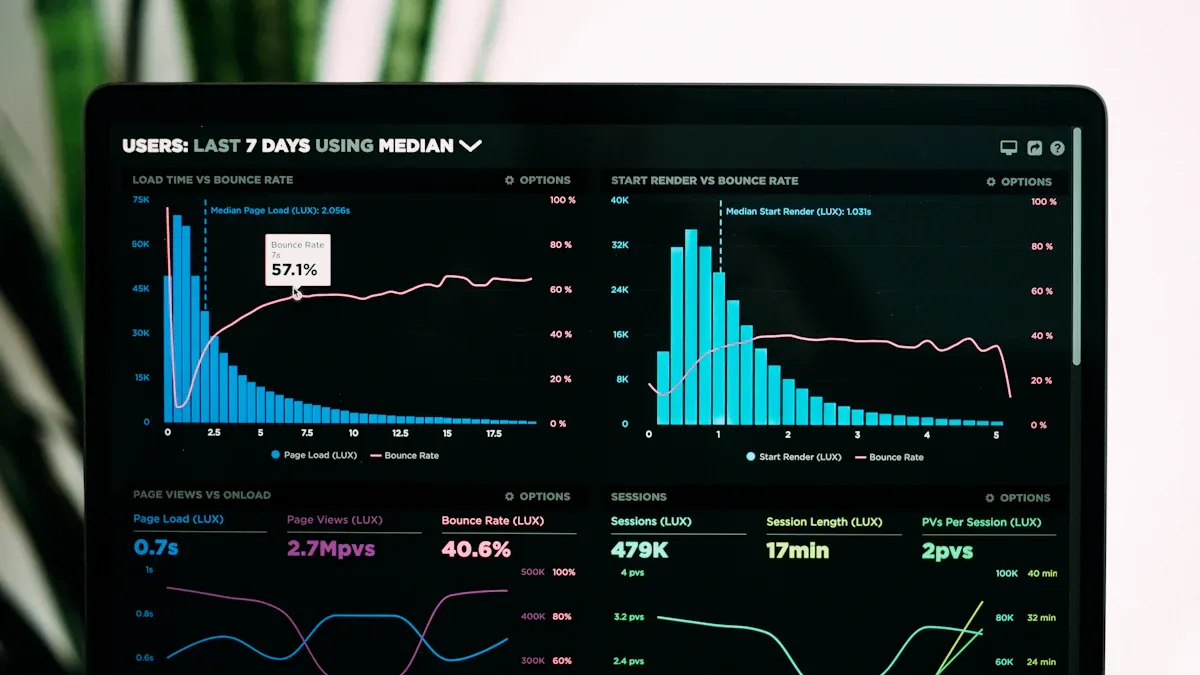
You can turn telemetry data from Dynamics 365 Business Central into clear, actionable insights using Power BI. This tool helps you see patterns, spot issues, and share information with your team. You do not need to be a data expert to get started. Power BI makes the process simple and effective.
App Usage Analytics App
The App Usage Analytics app in Power BI gives you a fast way to start analyzing verbose telemetry. Microsoft designed this app to help you save time and avoid complex data modeling. You get pre-built reports and dashboards that show important trends and system activity right away.
Some key benefits of using the App Usage Analytics app include:
- No need for heavy data modeling. Microsoft has already set up the relationships and calculations.
- The app stays up-to-date with automatic updates, so you always see the latest features.
- You can generate reports in minutes and make quick decisions.
- The app works for both developers and business users.
- You do not pay extra if you already have the right licenses.
To use the app, follow these steps:
- In Power BI, go to Workspaces and select Dynamics 365 Business Central Usage.
- On the usage page, find the Dataset section and open Settings.
- Adjust the parameters as needed.
- Refresh the dataset to see the latest data.
This process helps you start exploring your telemetry data without delay.
Build Custom Dashboards
You can build your own dashboards in Power BI to focus on the metrics that matter most to your business. Custom dashboards let you dig deeper into system performance and user behavior.
To create a custom dashboard:
- Open Power BI Desktop and choose Get Data, then select Blank Query.
- Use the Advanced Query Editor to paste your M query.
- Enter details like your tenant ID, environment name, and date range.
- Load the data and explore the different tabs in your report.
You can monitor user sessions, check company opening times, find slow SQL queries, and track report execution. You can also analyze page views and web service calls. These dashboards help you understand how your system works and where you can improve.
Share Insights Across Teams
Sharing insights with your team is easy in Power BI. You can give everyone access to the same reports and dashboards, which helps your team stay informed and work together.
Here are some advantages of sharing telemetry insights in Power BI:
| Advantage | Description |
|---|---|
| Centralized Access to Data | Team members can view reports in one place and always see the latest information. |
| Improved Collaboration and Discussion | Teams can talk about data in real time, keeping everyone on the same page. |
| Enhanced Security and Governance | Power BI controls who can see each report, so your data stays safe. |
| Increased Productivity and Efficiency | Embedding reports in Teams saves time and reduces emails. |
| Seamless Integration with Microsoft 365 Apps | Power BI works well with other Microsoft tools, making data easy to find and use. |
When you share dashboards, you help your team make better decisions and solve problems faster. Power BI supports a culture of collaboration and continuous improvement.
By using Power BI, you turn raw telemetry data into valuable insights. You can monitor your system, find trends, and share results with your team. This approach helps you keep your Dynamics 365 Business Central environment healthy and efficient.
Automate Telemetry Setup
Automating telemetry setup in Dynamics 365 Business Central saves you time and reduces errors. You can use built-in tools to deploy telemetry across many tenants or environments. Automation helps you keep your monitoring consistent and reliable, even as your organization grows.
Deployment for Multiple Tenants
Managing telemetry for several tenants can feel overwhelming. You do not need to repeat the same steps for each environment. Microsoft provides tools that help you automate this process. You can use the Telemetry Setup wizard to enable insights for every environment you manage.
Here is how you can automate deployment for multiple tenants:
- Start the Telemetry Setup wizard in your Business Central Admin Center.
- Choose your role. Select whether you are a customer or a partner.
- Enter your tenant and environment information. This step links the telemetry to the right place.
- Pick the type of environment or organization you want to monitor.
- If you work with projects, select the associated project from the dropdown menu.
- Complete the sign-up process. You will start to receive results and recommendations grouped by tenant.
Tip: Automation lets you set up telemetry for many tenants at once. You do not need to repeat manual steps for each one.
This process helps you keep all your environments under control. You can see trends, spot issues, and get recommendations for each tenant. Automation makes it easy to scale your monitoring as your business grows.
Streamline Configuration
You can also streamline telemetry configuration for each environment or app. Microsoft gives you flexible options for connecting Dynamics 365 Business Central to Azure Application Insights. You can add the connection string in the Tenant Admin Center for environment telemetry. If you want to track a specific app, you can add the connection string in the Extension manifest.
Here are some ways to streamline your configuration:
- Use the Tenant Admin Center to add the Azure Application Insights connection string for environment-wide telemetry.
- For app-level telemetry, place the connection string in the Extension manifest. This method tracks only the app’s activity.
- Try the Power BI Telemetry App. This app is user-friendly and helps you troubleshoot issues. It supports different roles in your organization and is currently in beta.
Note: Streamlining your setup reduces mistakes and saves time. You can focus on analyzing data instead of managing settings.
You can use these methods to keep your telemetry setup simple and effective. Automation and streamlined configuration help you get the most value from your monitoring tools. You will spend less time on setup and more time using insights to improve your business.
Troubleshoot Telemetry Issues
Even with a smooth setup, you might face some common issues when working with telemetry in Dynamics 365 Business Central. Knowing how to spot and fix these problems helps you keep your monitoring reliable and your data accurate. This section guides you through the most frequent challenges and shows you how to resolve them quickly.
Connection Errors
You may see connection errors if Business Central cannot send data to Azure Application Insights. These errors often happen because of incorrect keys, network problems, or firewall settings. To fix connection errors, follow these steps:
- Double-check the Application Insights key or connection string you entered in the Admin Center.
- Make sure your network allows outbound traffic to Azure services.
- Review your firewall rules and proxy settings.
- Confirm that your Azure Application Insights resource is active and not deleted.
Tip: If you still see errors, try enabling additional logging in your environment. This step gives you more details about the connection process and helps you find the root cause.
No Data in Application Insights
Sometimes, you set up everything, but you do not see any data in Application Insights. This issue can feel frustrating, but you can solve it by checking a few key areas:
- Make sure you saved and applied your telemetry settings in the Admin Center.
- Wait a few minutes after setup, as data may take time to appear.
- Perform some actions in Business Central, like opening a page or running a report, to generate new events.
- Check the AppTraces table in your Application Insights workspace for recent entries.
If you still do not see data, consider enabling additional logging. This action helps you capture more information about what happens behind the scenes. You can use this extra data to pinpoint where the process stops.
Note: Enabling additional logging increases the amount of data stored. Remember to monitor your data retention and daily cap settings to avoid reaching your limits.
Permission Problems
Permission problems can block telemetry from working as expected. You need the right access in both Azure and Business Central. If you run into permission issues, try these steps:
- Verify that your user account has admin rights in the Business Central Admin Center.
- Check that you have the correct role in Azure to manage Application Insights and view logging data.
- Ask your IT team to review your permissions if you cannot change settings or see data.
A quick way to test your access is to try viewing logging data in Application Insights. If you cannot see the logs, you may need to request higher permissions.
Callout: Always keep your access secure. Only trusted users should have permission to change telemetry or logging settings.
By following these troubleshooting steps, you can solve most issues related to telemetry, logging, and data flow. You will keep your monitoring strong and your insights accurate.
Best Practices for Telemetry Management
Data Privacy and Security
You must protect your organization's data when you use verbose telemetry in Dynamics 365 Business Central. Always follow your company's privacy policies. Limit who can access verbose telemetry data. Use role-based access controls in Azure to make sure only trusted users see sensitive information.
Tip: Store verbose telemetry data in secure locations. Use encryption for data at rest and in transit.
You should review your data retention settings. Keep verbose telemetry only as long as you need it for analysis or compliance. Remove old data to reduce risk. Always monitor who accesses verbose telemetry logs. This helps you spot unusual activity and respond quickly.
Optimize Telemetry Performance
You can improve system performance by managing verbose telemetry wisely. Collect only the data you need. Too much verbose telemetry can slow down your system and fill your storage quickly. Set up filters to capture important events and errors.
- Use a shared Application Insights instance to monitor both Dynamics 365 Business Central and Azure Functions. This gives you a single view of your system.
- Inject custom verbose telemetry signals in Azure Functions. These signals help you troubleshoot issues faster.
- Monitor all parts of your cloud setup together. This approach helps you find problems before they grow.
You can use the Application Insights SDK to send custom verbose telemetry data and log exceptions. This tool helps you track special events and errors that matter to your business.
Note: Review your daily data cap in Application Insights. Adjust it if you collect a lot of verbose telemetry.
Regular Review and Maintenance
You should check your verbose telemetry setup often. Look for trends and patterns in your dashboards. Create dashboards that combine verbose telemetry from both Business Central and Azure Functions. This helps you see the big picture.
- Review your verbose telemetry data every week. Watch for new errors or slowdowns.
- Update your filters and alerts as your business changes.
- Remove unused or outdated dashboards to keep your workspace clean.
A regular review helps you keep your monitoring system strong. You can spot issues early and make smart decisions. By following these steps, you get the most value from verbose telemetry and keep your Dynamics 365 Business Central environment healthy.
You can now enable telemetry in Dynamics 365 Business Central quickly. Power BI helps you turn data into insights for ongoing improvement. Explore automation tools and follow best practices to keep your setup efficient.
- Use Microsoft’s official documentation for guidance and troubleshooting.
- Share dashboards with your team to foster collaboration.
Tip: Regularly review your telemetry data to spot trends and optimize your business processes.
Checklist: Enable Business Central Telemetry
Use this checklist to enable Business Central telemetry and verify collection, privacy, and monitoring.
FAQ: enable telemetry for business central environment and leverage telemetry data in application insights resource in azure
What is "enable business central telemetry" and why should I do it?
Enabling Business Central telemetry turns on the collection of usage and performance data emitted by Microsoft Dynamics 365 Business Central (both SaaS/business central online and on-premises server where supported). This data—often called BC telemetry or telemetry in Business Central—helps administrators and developers get insights into user behavior, feature telemetry, errors and performance so you can improve the ERP solution, troubleshoot faster, and make data-driven decisions.
How do I emit telemetry to Application Insights from Business Central?
To send telemetry to Application Insights, configure the application insights instrumentation key or connection string in the Business Central Administration Center or tenant settings for business central online. For SaaS environments Business Central emits telemetry data for various events and you can point telemetry to Application Insights by providing the application insights resource for multiple environments or by using the same Azure Application Insights instance for central environments. For on-premises or server deployments, enable the telemetry feature and configure the Application Insights instrumentation key on the Business Central server.
What kinds of telemetry events does Business Central emit?
Business Central emits telemetry data for various categories: usage events (which pages and actions users take), performance metrics, errors and exceptions, feature telemetry (to see adoption of new capabilities), and custom telemetry if you add instrumentation in extensions. These telemetry events provide insights into user behavior, application health, and where to prioritize support or optimization.
Can I send custom telemetry from an extension or app I publish on AppSource?
Yes. Extensions and apps (including those distributed via AppSource) can emit custom telemetry by calling Application Insights SDK or using Business Central telemetry APIs. When publishing to AppSource, follow Microsoft Learn guidance and platform policies about telemetry and privacy; ensure the emitted telemetry respects consent and technical support requirements. Custom telemetry enables deeper insights beyond built-in events.
Is there a preferred Azure Application Insights instance strategy when managing multiple tenants or environments?
You can use the same Azure Application Insights instance for multiple Business Central environments to consolidate monitoring telemetry, or create a separate application insights resource in Azure per environment for isolation and granular access control. Both approaches are supported: using the same instance simplifies cross-environment analysis, while separate instances simplify per-tenant compliance and retention policies.
How does telemetry help with monitoring and analyzing Business Central performance and usage?
Telemetry to Application Insights provides monitoring telemetry, traces and metrics that let you monitor and analyze slow operations, failed requests, and usage patterns. Combining Business Central emits telemetry data with Azure Application Insights for monitoring gives you dashboards, alerts and queries to identify bottlenecks, track feature adoption, and provide insights into user issues so technical support can be more effective.
Are there compliance or GDPR considerations when enabling telemetry in Business Central Online (SaaS)?
Yes. When you enable telemetry in business central online, Microsoft and partners must respect data protection laws. Telemetry may include usage and diagnostic data but avoid sending personally identifiable information unless you have consent and proper controls. Review Microsoft Learn documentation and your organization's privacy policies; AppSource apps should follow the same privacy guidance when they emit telemetry.
Will enabling telemetry impact performance or costs for my Business Central 2020 Release Wave or newer environments?
Telemetry is designed to be low-overhead, but excessive custom telemetry or high-volume diagnostic traces can increase network and Application Insights ingestion costs. The Business Central 2020 Release Wave and later include feature telemetry improvements; configure sampling and appropriate retention in your Azure Application Insights instance to control cost and performance impact.
What steps should I take to enable Business Central telemetry and start sending telemetry to Application Insights?
Steps include: (1) create an Azure Application Insights resource or reuse an existing Application Insights resource in Azure; (2) obtain the application insights instrumentation key or connection string; (3) configure the key in the Business Central Administration Center or tenant telemetry settings for business central online or on the Business Central server for on-premises; (4) verify that Business Central emits telemetry data and set up monitoring and analyzing queries and dashboards in Azure Monitor/Application Insights; and (5) tune sampling, retention and alerts as needed.
How can I view and act on telemetry insights, and what about Power BI integration?
Use Azure Application Insights and Azure Monitor to query telemetry events and build workbooks or alerts. For deeper business reporting, export telemetry or use continuous export to storage and create Power BI reports or use a Power BI app to visualize trends and adoption. These insights help prioritize improvements, inform technical support, and support decisions across your ERP and central environment teams.
🚀 Want to be part of m365.fm?
Then stop just listening… and start showing up.
👉 Connect with me on LinkedIn and let’s make something happen:
- 🎙️ Be a podcast guest and share your story
- 🎧 Host your own episode (yes, seriously)
- 💡 Pitch topics the community actually wants to hear
- 🌍 Build your personal brand in the Microsoft 365 space
This isn’t just a podcast — it’s a platform for people who take action.
🔥 Most people wait. The best ones don’t.
👉 Connect with me on LinkedIn and send me a message:
"I want in"
Let’s build something awesome 👊
Summary
Running Business Central Telemetry without proper setup is like flying a plane with no instruments — you might stay in the air, but you’ll have no idea when something’s about to fail. In this episode, I explain why telemetry is the single most important tool you’re not using, and how it can transform troubleshooting from guesswork into clear, data-driven action.
We’ll cover how to hook telemetry into Azure Application Insights, why one small detail (the Application ID) trips up so many admins, and how Power BI turns telemetry into dashboards you can actually use.
Just as important, I’ll clear up a common myth: telemetry doesn’t expose invoice or customer data. It’s strictly about system health and performance. By the end of this episode, you’ll understand what telemetry really is, how to enable it, and why flying blind without it is a risk no team should take.
What You’ll Learn
* Why telemetry is like your system’s flight instruments
* How to connect Business Central telemetry to Azure Application Insights
* Which Power BI apps to install and how to use them effectively
* The critical difference between Application ID and Instrumentation Key
* How to switch from sample dashboards to live telemetry data with lookback & refresh settings
* Patterns that reveal spikes, deadlocks, and extension issues before users raise tickets
Full Transcript
Imagine rolling a D20 every morning just to see if Business Central will behave. No telemetry? That’s like rolling blindfolded. Quick side note—hit subscribe if you want regular, no‑nonsense admin walkthroughs like this one. It keeps you from wandering alone in the dungeon.
Here’s the deal: I’ll show you how to connect the Power BI telemetry app to Azure Application Insights, and why one field—the Application ID—trips more admins than any boss fight. To run full live reports, you’ll need an Application Insights resource in Azure and a Power BI Pro license.
Telemetry only captures behavior signals like sessions, errors, and performance—not customer invoice data. It’s privacy‑by‑design, meant for system health, not business secrets. Without it, you’re stumbling in the dark.
So what happens when you try to run without that visibility? Think no mini‑map, no enemy markers, and no clear path forward.
The Hidden Mini-Map: Why Telemetry Matters
That’s where telemetry comes in—the hidden mini‑map you didn’t know you were missing. Business Central already emits the signals; you just need to surface them. With telemetry turned off, you aren’t choosing “less convenience.” You’re losing sight of how your environment actually behaves.
Helpdesk tickets alone? That’s reaction mode. Users only raise their hand when something hurts, and by then it’s already failed. Telemetry keeps the loop tight. It shows performance shifts and error patterns as they build, not just when the roof caves in.
Take deadlocks. By themselves, they’re quiet failures. Users rarely notice them until throughput explodes under load. In one real case, telemetry highlighted deadlocks tied directly to the Replication Counter update process. Enabling the “Skip Replication Counter Update” switch fixed it instantly. Without telemetry, you’d never connect those dots in time—you’d just watch payroll grind to a halt.
That’s the real power: turning invisible pressure into visible patterns. The dashboards let you spot the slope of trouble before it hits the cliff. It’s the difference between scheduling a fix on Tuesday afternoon and watching your weekend vanish into emergency calls.
And telemetry isn’t spying. It doesn’t capture who typed an invoice line or customer details. What it does capture are behavior signals—sessions starting and ending, login sources, SQL query durations, page views. Importantly, it covers both environment‑wide signals and per‑extension signals, so you aren’t locked into one dimension of visibility. It’s motion detection, not reading diaries.
Of course, all that data goes into Azure Application Insights. That means one requirement: you need an Application Insights resource in your Azure subscription, and you need the proper permissions to read from it. Otherwise, the reports will come up blank and you’ll spend time “fixing” something that isn’t broken—it’s just gated by access.
Compare that to raw error logs. They’re verbose, unreadable walls of text. Telemetry condenses that chaos onto dashboards where trends pop. Deadlocks line up on graphs. SQL lag shows up in comparison charts. Misbehaving extensions stand out. Instead of parsing twenty screens of stack traces, you just get a simple view of what’s wrong and when.
That clarity changes your posture as an admin. With only logs, you’re reacting to pain reports after they land. With telemetry dashboards, you’re watching the health of the system live. You can spot spikes before they take down payroll. You can measure “it’s slow” into actual metrics tied to contention, queries, or extensions. It arms both IT and dev teams with visibility users can’t articulate on their own.
And here’s the kicker: Microsoft already provides the feed. Business Central can emit telemetry into Application Insights straight out of the box. The dashboards in Power BI are what turn that feed into something usable. By default, you only see demo samples. But once you connect with the right credentials, the map fills in with your real environment.
That’s the unlock. It lets you stop working blind and start working ahead. Instead of asking, “why did it fail,” you start asking, “what trends do we need to solve before this becomes a failure.”
Now the next question is which tool to use to actually view this stream. Microsoft gives you two apps—both free, both sitting in Power BI’s AppSource store. They look identical, but they aren’t. Choosing the wrong one means you’ll never see the data you need. Think of it as two treasure chests waiting on the floor—you want to know exactly which one to open.
Picking Your Toolkit: The Two Power BI Apps
When it comes to actually viewing telemetry in Power BI, Microsoft gives you not one but two apps, and knowing the difference matters. These are the “Dynamics 365 Business Central Usage” app and the “Dynamics 365 Business Central App Usage” app. Both are free from AppSource, both open source, and both come with prebuilt dashboards. But they serve very different roles, and if you install the wrong one for the question you’re asking, you’ll be staring at charts that don’t line up with reality.
At first glance, they look nearly identical—same layout, same reports, same colors. That’s why so many admins spin them up, click around, and then wonder why they aren’t seeing the answers they expected. The split is simple once you know it. The “Usage” app is for environment telemetry. It covers cross-environment behaviors: logins, sessions, client types, performance across the whole system. Think of it like zooming out to see the whole town map in your game. The “App Usage” app, on the other hand, is tied to extension telemetry. It connects through app.json and focuses on one extension at a time—like checking a single character’s skill tree. Want to measure which custom app is throwing deadlocks or dragging queries? That’s what the “App Usage” app is for.
To make it easier, Microsoft even provides direct install links. For the environment telemetry app, use aka.ms/bctelemetryreport. For the extension telemetry app, use aka.ms/bctelemetry-isv-app. Both links take you directly to AppSource where you can install them into your Power BI workspace. After install, don’t be surprised when you first open the app and see sample data. That’s baked in on purpose. Until you connect them to your actual telemetry, they load with demo numbers so you can preview the layouts. They also automatically create a Power BI workspace under the same name as the app, so don’t panic if you suddenly see a fresh workspace appear in your list. That’s normal.
Now let’s talk capability, because both apps surface the same four report types—Usage, Errors, Performance, and Administration. Usage is your census ledger, capturing login counts, session timings, and client usage. Errors is the event list of failures, both user-triggered and system-level. Performance is where you spot long SQL durations or rising page load times before anyone raises a ticket. Administration logs environment events like extension installs, sandbox refreshes, and restarts—your system’s patch notes, all timestamped and organized.
All of those reports are available in both apps, but the scope changes. In the environment “Usage” app, the reports describe patterns across your entire Business Central setup. You’ll see whether certain clients are more heavily used, if session counts spike at end-of-month, or where contention is hitting the system as a whole. In the extension “App Usage” app, those same reports zero in on telemetry tied strictly to that extension. Instead of studying every player in town, you’re watching how your wizard class performs when they cast spells. That focus is what lets you isolate a misbehaving customization without drowning in global stats.
There is a cost gate here, though. While both apps are free to download, you can’t use them with live telemetry unless you have a Power BI Pro license. Without it, you’re limited to the static sample dashboards. With it, you get the real-time queries pulling from your Application Insights resource. That single license is the innkeeper’s fee—it’s what gets you from looking at mannequins to fighting your actual monsters. This is also why I flagged the subscription CTA earlier; if you’re planning to set this up, having Pro is not optional.
So, the practical workflow ends up being straightforward. Use the Dynamics 365 Business Central Usage app when you need system-wide telemetry, the big picture of how your environment behaves. Use the Dynamics 365 Business Central App Usage app when you want to isolate one extension and judge its reliability or performance. They aren’t competing apps—you’ll want both. One shows you patterns across the whole campaign, the other reveals weaknesses or strengths in a single party member.
With that toolkit installed, the next step is obvious. Right now the dashboards are running on sample skeletons. To bring them to life with your real environment, you need the key that unlocks Application Insights data. And that key comes in the form of a single code string—something buried in Azure that every admin has to hunt down before the charts mean anything at all.
The Azure Portal Puzzle: Finding the Application ID
The Azure portal is basically a maze. You expect neat hallways and labels, but what you get is blades, sections, and tabs that feel like they were designed to trip you up. Somewhere in that sprawl sits the one thing you need: the 36‑character Application ID inside Application Insights. Until you pull it out, Power BI won’t talk to your telemetry. Once you have it, the dashboards stop pretending and start reporting on your real system.
Here’s the first rule: you won’t find that Application ID in Business Central, and you won’t find it in Power BI. It lives only in Azure, inside the Application Insights resource that you connected to Business Central telemetry in the first place. Power BI treats it like a security pass. If the ID doesn’t match what Azure expects, you’re locked out. That’s where admins lose hours—copying the wrong thing, pasting it three more times, swearing it “should work,” but the portal just sits quiet.
The most common trap is the Instrumentation Key versus the Application ID. Azure shows you both, side‑by‑side, and they look technical enough to confuse even seasoned pros. The Instrumentation Key is legacy, used for writing telemetry into Insights. The Application ID is modern, used for reading telemetry out into tools like Power BI. Swap them by mistake, and Power BI won’t yell—it just refuses to return results. That silence is the worst kind of bug because it makes you think it’s a permissions glitch or a broken report.
To avoid that natural 1 roll, here’s the exact path. Sign into the Azure portal. Open the Application Insights resource you created for Business Central telemetry. On the left, look at the navigation blades. Scroll until you find “API Access.” That’s the door you want—not Overview, not Properties, not Keys. Click API Access and you’ll see the Application ID displayed right there. It looks like a GUID: thirty‑six characters with hyphens splitting the sections. Highlight it carefully. Copy it to your clipboard. That string is what you’ll paste into Power BI when setting up the app.
It sounds obvious, but precision matters here. One missing character or an extra space, and the connection fails. The Application ID is a lock pick cut for a single tumbler; close enough is still wrong. If you’ve ever watched someone insist the app is broken only to realize they pasted the Instrumentation Key instead, you already know most of the headaches are self‑inflicted.
There’s one extra safeguard to mention. When you connect Power BI to Application Insights, leave the authentication method set to OAuth2. That’s the supported handshake. If you see an error along the lines of “OAuth authentication method isn’t supported for this data source,” don’t waste half a day chasing ghosts. Nine times out of ten, you just pasted the wrong ID. Swap in the proper Application ID, and the error vanishes.
Permissions can trip you here too. Even with the perfect ID, you won’t get data unless your account has read access to the Application Insights resource. And because everything lives under Microsoft Entra tenants, you need to be in the same tenant as the Insights instance. If you’re crossing tenants, you’ll need an API key alternative. So before you rage at the dashboards, sanity check: Am I in the right tenant? Do I have read access? Solve those two, and most connection failures disappear.
One more point of confusion I’ve seen: mixing up the Lookback setting in Power BI with the Application ID. They’re completely different. The Application ID says “which telemetry vault are you connecting to.” The Lookback decides “how many days of past data do you want to pull in.” Set the wrong Lookback and you only pull a slice of your history. Set the wrong Application ID and you get nothing at all. Keep that mental split and you won’t waste cycles troubleshooting the wrong thing.
The moment you copy the correct Application ID, the puzzle is over. Now instead of guessing at random doors, you’re holding the key that actually fits the lock. Once you bring that into Power BI, the placeholders give way to real telemetry—errors, usage, admin actions—all tied to your own environment.
And that takes you straight into the next step: wiring this ID into your Power BI app so the dashboards stop running on samples and start running on the live feed that matters.
Wiring the Connection: From Sample Data to Live Dashboards
Nothing kills the mood faster than opening the telemetry app in Power BI and realizing the “data” is just a demo show—fake users, fake sessions, fake quests. It looks alive but it’s not your world. To make the dashboards yours, you only need two required parameters: the Application Insights Application ID and the Lookback period. Those two fields are what shift the app from mannequins to live signals.
The Application ID you already pulled from Azure’s API Access menu is the key. Drop that 36‑character code into the Power BI setup screen, confirm OAuth2 is selected, and you’ve unlocked the connection. Right below it sits the other lever: Lookback. That setting tells Power BI how many days it should rewind and fetch telemetry. Three days is handy for quick triage if you want to chase down a fresh ticket. Thirty days gives you a better view of adoption and repeated slowdowns. Be careful with extremes. A massive time window drags refreshes into the mud. A window too short leaves you blind to long-term patterns.
Beyond those two, the app gives you a few optional tweaks worth your attention. If you’re juggling multiple domains, map your Microsoft Entra tenant so the dashboards label data correctly across environments. Adjust the timezone, because Business Central feeds all telemetry in UTC. Until you set it, your “midnight spike” may just be 5 p.m. local wrapped in UTC disguise. Then set a refresh schedule that fits your needs. By default, the app refreshes sample data nightly. Once you’ve connected to live telemetry, you decide how often the dataset updates in Power BI service. Every few hours if you need near real-time chatter, once a day if you’d rather conserve resources.
Treat one point as gospel: once you wire the app to an Application Insights resource, sample mode is gone. There’s no toggle to flip back—if you want the demo again, you reinstall a fresh copy. That trips up testers who expect to play with both environments in one app. Another wrinkle? If you disable scheduled refresh, some configurations can forget the Application ID. That means you’ll be forced to paste it back in before the app works again. Neither quirk is obvious, so keep both in the back of your mind.
Now the gotchas. If the dashboards stay empty, run down a quick four‑part checklist before blaming Azure. One: check you used the Application ID, not the Instrumentation Key. Two: confirm you selected OAuth2 as the authentication method. Three: make sure your account has read access to the Application Insights resource, and that you’re in the right Entra tenant—or you’ve set up an API key if you’re crossing tenants. Four: trigger a dataset refresh after changing settings. Most “broken” connections are one of those four.
Do that, and the switch flips instantly. Mannequins vanish. Real errors, session spikes, and admin actions appear over charts that now breathe with your environment’s rhythm. Refresh discipline completes the picture. Without it, yesterday’s fights keep looping in the book while today’s burns go undocumented. With it, every session leaves a footprint you can track, and every deadlock becomes a pattern to solve instead of a ghost story.
With the connection stable, the stage is finally set. The placeholders are gone, the data stream lives, and you’re staring at dashboards waiting for interpretation. The next step isn’t wiring anymore—it’s about knowing what each page actually shows, and which questions each answer can solve.
Unlocking the Four Reports: Usage, Errors, Performance, Administration
Once the wiring is done, the real insight comes from the four reports Power BI delivers: Usage, Errors, Performance, and Administration. Each has a specific role, and the fastest way to use them is to map problems directly to the right page. Need to check adoption? That’s Usage. Hunting a recurring failure? That’s Errors. Tracking slowdowns and bottlenecks? That’s Performance. Figuring out what changed before stuff broke? That’s Administration. Simple rules, no wasted clicks.
Start with Usage. This is your census ledger, but also your proof-of-life report. You’ll see who’s logging in, from where, and what devices they’re using. More importantly, the Page Views and Feature Usage subpages tell you if a new rollout is actually getting touched, or if UAT (user acceptance testing) is just sitting in the queue. If your job is to validate adoption, manage licenses, or double-check that a training group really used a new module, this is where you confirm it.
Flip to Errors when the helpdesk tickets pile up. The Errors report collects system-level failures and user missteps, but it organizes them in ways raw logs can’t. Start triage by checking concrete pages: Login Errors if people are struggling to sign in, Error Dialogs if Business Central is visibly throwing screens, Permission Errors if security roles block essential navigation, and Database Deadlocks if you think contention is killing throughput. Stack up enough of the same failure and the pattern jumps out. That’s what saves you from treating fifty support tickets like fifty separate mysteries.
Performance is where most admins earn their keep. Instead of vague user complaints—“it’s slow today”—here you can see actual work failing the speed test. Long-running SQL queries show up plainly; anything that consistently runs past 750 milliseconds is a red flag inside the app. You’ll also see OnCompanyOpen timings, so if a session groans every time someone opens the tenant, you’ll know. Database lock timeouts greater than 15 seconds surface immediately, showing where contention is stalling. And you even get visibility into long-running AL methods that take more than 10,000 milliseconds. Each metric is a measuring stick that turns “gut feeling” into proof. If a report is crawling, you’ll see exactly why, and whether it’s a one-time spike or a growing pattern.
Administration is quiet but crucial. This page is your ledger of everything structural: state changes, extension installs, sandbox refreshes, restarts, and patches. For quick analysis, the All Changes page is often the best starting point. If payroll lagged Friday after running fine Thursday, check the log of extensions installed or patches applied. Being able to line up “this changed here, performance fell afterward” cuts through the blame loop between IT, developers, and business units. Instead of finger pointing, you have a timestamped map of cause-and-effect.
Using these reports together paints a complete picture. Usage shows whether adoption is climbing or slipping. Errors points you to functions users don’t understand or to code paths that keep failing silently. Performance highlights where the engine stalls. Administration ties outcomes back to specific changes. None of these alone solves production pain, but combined they give admins, developers, and project leads the visibility needed to move from reactive firefighting to proactive maintenance.
Research-backed cases prove the value. Deadlocks tied to the Replication Counter process weren’t obvious in user reports. Telemetry revealed the problem with stark clarity, and enabling Skip Replication Counter Update fixed it without guesswork. Problems like this don’t wait until projects are convenient—they hit under load. With the Performance and Errors reports pulled together, the outline of the trouble was visible and actionable long before it blew up payroll.
If you’re advanced and want even finer-grained control, remember you can export KQL directly from Azure Logs to Power BI. From the Logs screen in Azure, any custom KQL query you build can be exported as an M query and reused inside Power BI. That option lets you go beyond Microsoft’s four pre-cooked reports and tailor dashboards to unique questions your environment raises. It’s optional, but the door is open if you want to push deeper later.
Treat these reports like a toolkit, not a monolith. Each one answers a different category of question, and knowing which lever to pull saves you both time and stress. Once you work this way, the anxiety of hidden issues fades. Problems stop being invisible booby traps and start becoming patterns you can manage.
And that realization sets the stage for the final truth: running without telemetry isn’t just inefficient—it’s gambling. No vision, no plan, just dice rolls. With dashboards up and live, you’re finally out of the dark.
Conclusion
Telemetry changes your role from putting out fires to working with clear, measurable signals. It moves you from reacting after tickets explode to steering production with data you can trust.
Here’s your quick next step list: create an Application Insights resource in Azure if you haven’t already, install the right telemetry app from Power BI AppSource, copy the Application ID from API Access into the app, and then set your Lookback window and a refresh schedule that makes sense for your load.
If this walkthrough saved you time, hit subscribe and drop a comment with the one trick that’s bailed you out of a production jam—or tell me if you want a deeper dive into KQL or alerting tricks.
That’s it. No magic, no dice—just data and deadlines.
This is a public episode. If you'd like to discuss this with other subscribers or get access to bonus episodes, visit m365.show/subscribe

Founder of m365.fm, m365.show and m365con.net
Mirko Peters is a Microsoft 365 expert, content creator, and founder of m365.fm, a platform dedicated to sharing practical insights on modern workplace technologies. His work focuses on Microsoft 365 governance, security, collaboration, and real-world implementation strategies.
Through his podcast and written content, Mirko provides hands-on guidance for IT professionals, architects, and business leaders navigating the complexities of Microsoft 365. He is known for translating complex topics into clear, actionable advice, often highlighting common mistakes and overlooked risks in real-world environments.
With a strong emphasis on community contribution and knowledge sharing, Mirko is actively building a platform that connects experts, shares experiences, and helps organizations get the most out of their Microsoft 365 investments.




