The Unseen Burden of High Performance and Loneliness
High achievement often comes with an unexpected companion: loneliness. You might excel in your career or hobbies, yet feel isolated in your journey. The emotional toll of striving for excellence can weigh heavily on you.
Consider these questions:
- Do you find that your pursuit of perfection sometimes leads to feelings of distress?
- Have you ever felt more pressure to succeed than the average person around you?
A recent survey reveals that 87.9% of respondents felt physical health impacts from performance stress. Check out the table below for more insights:
| Question | Yes (%) | No (%) |
|---|---|---|
| Does striving for perfection positively affect you? | 48.0 | 52.0 |
| Does striving for perfection help you reach your goals? | 46.8 | 53.2 |
| Trying to be perfect often makes me procrastinate. | 79.0 | 21.0 |
| How distressed do you feel when you don’t meet your parents’ expectations? | 27.4 | N/A |
| Does stress from needing to perform well affect your physical health? | 87.9 | N/A |
| Have you ever experienced burnout due to your perfectionism? | 88.6 | N/A |
| To what extent do your perfectionistic concerns negatively affect your mental health? | 34.7 | N/A |
Embracing high performance can sometimes mean navigating through The Loneliness System, where connection feels just out of reach.
Key Takeaways
- High performance often leads to feelings of loneliness, even among successful individuals.
- Perfectionism can create stress and anxiety, making it hard to enjoy achievements.
- Building a support network is essential for reducing feelings of isolation.
- Mindfulness practices can improve emotional well-being and resilience.
- Setting boundaries helps maintain mental health and prevents burnout.
- Organizations should promote mental health awareness to support high performers.
- Open conversations about mental health can foster a supportive work environment.
- Recognizing and addressing loneliness can enhance both personal well-being and productivity.
Who Are High Performers?
High performers are individuals who consistently achieve exceptional results in their fields. They possess unique traits that set them apart from others. Let’s dive into some of these characteristics.
Traits of High Achievers
Ambition and Drive
Ambition fuels high performers. They set lofty goals and pursue them with relentless determination. This drive often leads them to push boundaries and explore new possibilities. You might notice that high achievers often exhibit:
- Curiosity
- Long-term thinking
- Responsibility
- Grit
- Action orientation
- Vision
- Confidence
- Focus on important tasks
These traits help them navigate challenges and stay committed to their objectives.
Perfectionism
Perfectionism is another common trait among high achievers. While it can lead to outstanding results, it often comes with a heavy price. High performers may struggle with self-criticism and fear of failure. This can create a cycle of stress and anxiety, making it difficult to enjoy their successes.
Psychological research highlights several traits associated with high achievers. Here’s a quick look:
| Trait | Description |
|---|---|
| Honesty | High levels of honesty were found among higher achievers. |
| Emotionality | Emotional intelligence was notably high among higher achievers. |
| Openness | Openness to experience was significantly associated with higher achievement. |
Fields of Excellence
High performers can be found in various fields. Their dedication and skills shine in areas such as:
Business and Entrepreneurship
In the business world, high performers often lead teams, drive innovation, and create successful ventures. Their ability to strategize and execute plans effectively sets them apart. They thrive in competitive environments, constantly seeking ways to improve and grow.
Sports and Arts
In sports and the arts, high performers captivate audiences with their talent and dedication. Athletes push their physical limits, while artists express their creativity in unique ways. Both groups often face immense pressure to succeed, which can lead to feelings of isolation despite their public acclaim.
Understanding the traits and fields of high performers helps you recognize the complexities behind their success. While they may seem invincible, they often grapple with the unseen burdens of their achievements.
The Loneliness System Explained
In today's fast-paced work environment, you might find yourself caught in what we call "the loneliness system." This concept highlights how modern workflows can create feelings of isolation, even among the most engaged high performers. Let's break down some of the systemic issues that contribute to this phenomenon.
Systemic Issues
Async Overload
You may have noticed that the rise of asynchronous communication tools, like emails and messaging apps, can lead to an overwhelming amount of information. While these tools allow for flexibility, they often create a sense of async overload. You might feel pressured to respond immediately, leading to constant distractions. This can fragment your attention and reduce the quality of your interactions.
A young user expressed discomfort in digital social settings, stating that even when they had something to say, they felt unsure about sharing it. They feared that their input might worsen the situation or that they were unqualified to advise others. This highlights how digital social tools can sometimes increase feelings of isolation rather than alleviate them.
Communication Density vs. Quality
As communication density increases, the quality of your interactions may suffer. You might find yourself exchanging countless messages without ever having a meaningful conversation. This shift from genuine connection to mere coordination can leave you feeling more isolated.
Research shows that fully remote workers, despite higher engagement, report lower overall well-being compared to their hybrid and on-site counterparts. They experience more loneliness, anger, and sadness, which can stem from the physical separation that reduces social interactions like friendships and team camaraderie.
Impact on Trust
Trust is a crucial element in any team dynamic. When trust erodes, it can lead to significant social isolation for high performers.
Fragmented Teams
In many organizations, teams become fragmented due to a lack of trust. You might notice that when communication breaks down, collaboration suffers. High performers often feel overwhelmed by the unequal distribution of work intensity. This can create an environment where employees resign, leaving behind fewer workplace connections.
Detachment begins at the edges of the network—and sometimes, employees choose to move there. But when a central, well-connected person leaves? It’s contagious.
Invisible Work
Invisible work refers to the tasks and efforts that go unnoticed within a team. High performers often take on this burden, bridging gaps and keeping the system moving. However, this can lead to feelings of isolation, as their contributions may not be recognized.
When employees perceive a lack of trust from their leaders, they may engage in impression management to bridge the trust gap. This behavior indicates that low trust can lead to insecurity and a need for validation, negatively impacting social well-being.
Understanding these systemic issues is essential for recognizing how "the loneliness system" operates. By addressing these challenges, you can foster a more connected and supportive environment for high performers.
Internal Struggles of High Performers
Pressure to Succeed
Fear of Failure
When you aim high, fear of failure often shadows your every move. You might feel like one mistake could undo all your hard work. This fear can drain your energy and make you hesitate, even when you know you’re capable. Many high-functioning people carry this heavy weight, pushing themselves harder to avoid falling short.
You face pressures that go beyond just meeting goals. Here’s a quick look at some common internal pressures that high performers like you often experience:
| Pressure Type | Description |
|---|---|
| Emotional Exhaustion | You invest a lot of emotional energy, which can lead to burnout when workloads pile up. |
| Perfectionism Paralysis | Setting unrealistically high standards makes you feel like a failure when you can’t meet them. |
| Success Fatigue | Constant success may reduce your sense of reward, making achievements feel less satisfying. |
| Invisible Pressure | You take on more responsibilities that often go unnoticed, adding stress without support. |
These pressures can build up quietly, making it hard to enjoy your wins or even keep going sometimes.
Imposter Syndrome
You might sometimes feel like a fraud, doubting your skills despite your achievements. This feeling, known as imposter syndrome, affects many high achievers worldwide. In fact:
- About 62% of high achievers report feeling this way.
- Medical students show rates between 42% and 90%.
- Pre-service teachers experience it even more, at over 90%.
- Engineering students report it around 35%.
Several factors make imposter syndrome worse, such as poor mentorship, feeling like you don’t belong, or facing discrimination and microaggressions. These experiences can deepen your doubts and make you question your place, even when you deserve your success.
Emotional Isolation
Difficulty Relating to Peers
You might find it tough to connect deeply with others. Conversations often stay on the surface, and you may feel misunderstood or even alienated by comments from peers. The pressure to always appear competent can stop you from sharing your struggles, creating a wall between you and those around you.
Here are some reasons why this happens:
- You often engage in shallow talks that don’t build real bonds.
- Peers’ remarks can unintentionally push you away.
- You hide doubts or burnout to keep up a strong image.
- Vulnerability feels like weakness, so you avoid opening up.
- Friends and family might assume you’re always fine, missing your real feelings.
- The emotional load you carry often stays invisible to others.
Lack of Support
Feeling isolated doesn’t just come from distance; it also comes from a lack of support. Many high-functioning people struggle with this kind of isolation because they:
| Cause of Emotional Isolation | Description |
|---|---|
| Social Isolation | You become wary of others’ intentions, leading to emotional withdrawal. |
| Extreme Work Commitments | Long hours and constant pressure leave little time for personal relationships. |
| Pressure to Maintain Persona | You feel the need to appear confident and in control, which stops you from seeking help. |
This isolation can make you feel alone, even in a crowd. It’s hard to admit you need support when you think you must always be the strong one.
Remember, you’re not alone in these struggles. Many high performers face these challenges silently. Recognizing them is the first step toward finding balance and connection.
Consequences of Social Isolation

Social isolation can have serious consequences for your mental health and overall performance. When you feel disconnected from others, it can lead to a range of emotional and psychological issues. Let’s explore how this isolation impacts you.
Mental Health Effects
Anxiety and Depression
You might not realize it, but social isolation can worsen feelings of anxiety and depression. Research shows that loneliness often leads to increased suicidal thoughts and attempts. Here are some key points to consider:
- Social isolation can lead to worsening depression and anxiety.
- A systematic review indicated a significant link between loneliness and mental health issues, especially in children and adolescents.
- Loneliness can have long-lasting effects, with studies showing that its impact can last up to nine years.
High achievers often equate their self-worth with their accomplishments. This mindset can lead to neglecting personal relationships, resulting in chronic loneliness. A systematic review of 32 longitudinal studies found that those who frequently felt lonely were more than twice as likely to develop new depression compared to those who rarely felt lonely.
Burnout
Burnout is another serious consequence of social isolation. When you feel alone in your efforts, the pressure can become overwhelming. You might find yourself drained, both mentally and physically. The emotional exhaustion from trying to maintain high performance without support can lead to a state where you feel like you’re running on empty.
Remember, it’s okay to seek help. Acknowledging your feelings is the first step toward recovery.
Performance Decline
Isolation doesn’t just affect your mental health; it can also lead to a decline in your performance. When you feel disconnected, your productivity and creativity can take a hit.
Decreased Productivity
Lonely employees often report feeling less productive and engaged. In fact, they are five times more likely to miss work due to stress. Here are some insights into how isolation impacts your work:
- Professional isolation leads to a lack of social connectedness and access to critical networks.
- It undermines your self-regulation, making it harder to stay focused and motivated.
- A study in the Academy of Management Journal found that loneliness correlates with lower performance ratings from supervisors.
When you lack human connection, you may feel less committed to your organization, which can further decrease your productivity.
Creative Blocks
Isolation can also stifle your creativity. When you’re not engaging with others, you miss out on valuable feedback and inspiration. This can lead to creative blocks that hinder your ability to innovate and solve problems. You might find yourself stuck in a rut, unable to generate new ideas or approaches.
Consider reaching out to colleagues or friends for brainstorming sessions. Collaboration can spark creativity and help you break through those mental barriers.
Understanding the consequences of social isolation is crucial for recognizing its impact on your life as a high performer. By addressing these issues, you can work towards a healthier balance between your personal and professional life.
Addressing The Loneliness System
Feeling isolated as a high performer can be tough, but there are ways to combat this loneliness. Building connections and adopting effective coping strategies can make a significant difference in your emotional well-being.
Building Connections
Support Networks
Creating a support network is essential. You can start by building social capital. Show interest in your coworkers' successes and offer help when you can. This approach not only strengthens your relationships but also reduces feelings of isolation. Here are some strategies to consider:
- Normalize conversations around mental health. This creates an open environment where you and your colleagues can share your struggles.
- Recognize that feelings of loneliness are common among high achievers. You’re not alone in this experience.
- Build meaningful connections with a small circle of trusted individuals. Sharing your vulnerabilities can foster deeper relationships.
Research shows that participation in peer support interventions can lead to significant reductions in loneliness. In fact, individuals reported an 11.6% improvement in their feelings of loneliness within the first 30 days of joining such programs.
Professional Help
Sometimes, seeking professional help can be beneficial. Counseling or coaching provides a confidential space for you to express your feelings authentically. Here’s how professional help can support you:
| Evidence Type | Description |
|---|---|
| Confidential Space | Provides a safe environment for authentic expression. |
| Leadership Challenges | Helps process challenges faced by high performers. |
| Peer Relationships | Develops connections that allow for vulnerability. |
Therapy equips you with essential skills to manage emotions, preventing burnout and enhancing your overall well-being.
Coping Strategies
Mindfulness and Self-Care
Incorporating mindfulness practices into your routine can enhance your psychological well-being. Mindfulness helps you manage unpleasant emotions and promotes positive adaptation to adversity. Here are some benefits:
- It improves resilience, which is crucial for high achievers facing isolation.
- Systematic reviews indicate that mindfulness training can reduce stress and depression, leading to a more positive outlook on life.
Setting Boundaries
Setting boundaries is vital for maintaining your mental health. You might feel pressured to always be available, but it’s okay to say no. Protecting your time allows you to recharge and focus on what truly matters. Here are some tips:
- Prioritize your tasks and focus on what’s essential.
- Communicate your boundaries clearly to others.
- Make time for activities that bring you joy and relaxation.
By addressing the loneliness system through connection and coping strategies, you can create a more supportive environment for yourself and others.
Organizational Responsibility
Organizations play a crucial role in creating environments that support high performers and reduce feelings of loneliness. By fostering a culture of connection and understanding, you can help your colleagues thrive both personally and professionally.
Creating Supportive Environments
Promoting Mental Health Awareness
To combat loneliness, organizations should prioritize mental health awareness. Here are some effective strategies:
- Normalize conversations about mental health. This helps you and your colleagues feel comfortable discussing struggles and seeking support.
- Destigmatize therapy by promoting a culture that values mental well-being as much as physical health. When you see mental health as a priority, it encourages others to seek help.
- Offer resources like Employee Assistance Programs (EAPs), wellness initiatives, and peer support groups. These resources can provide essential support for mental health awareness.
- Utilize technology to connect high performers with mental health professionals who understand their unique needs. This can enhance the support available to you and your peers.
- Build personal resilience through tailored mental health support. This helps you maintain professional success while managing stress.
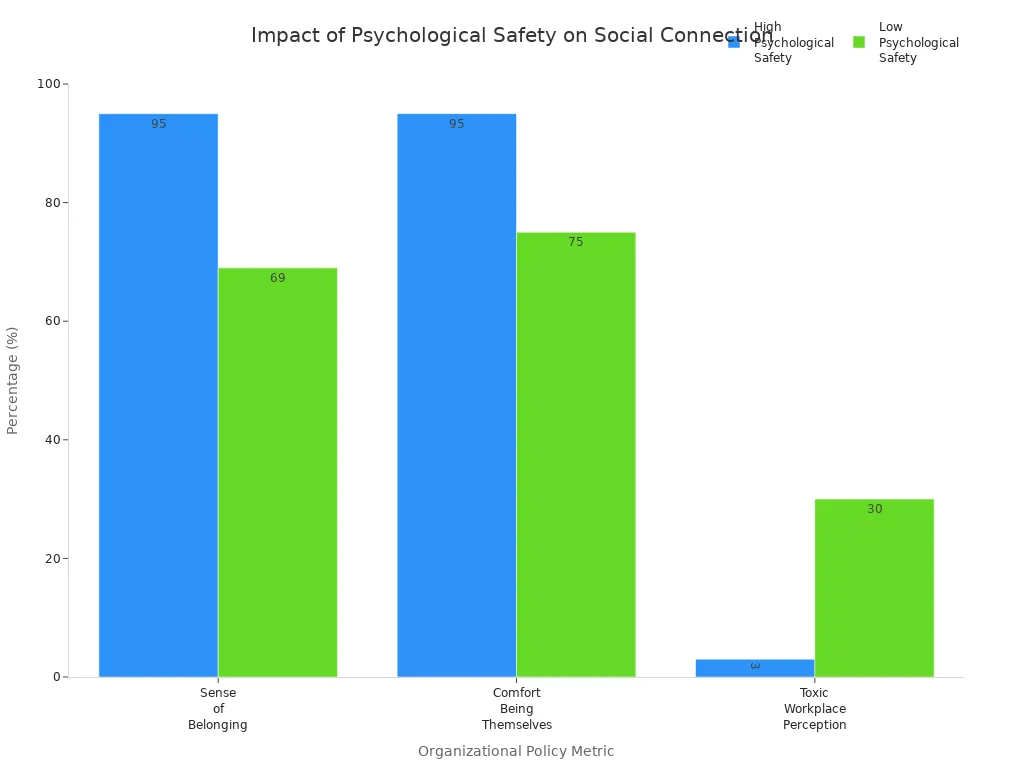
Research shows that organizations with high psychological safety create a sense of belonging and comfort among employees. For instance, 95% of individuals in high psychological safety environments feel they can be themselves, compared to only 75% in low psychological safety settings.
| Metric | High Psychological Safety | Low Psychological Safety |
|---|---|---|
| Sense of Belonging | 95% | 69% |
| Comfort Being Themselves | 95% | 75% |
| Toxic Workplace Perception | 3% | 30% |
Encouraging Open Conversations
Encouraging open conversations about mental health can significantly reduce feelings of isolation. When you feel safe to express your thoughts, it fosters a supportive atmosphere.
Fostering Community
Networking Opportunities
Networking opportunities within organizations can help reduce feelings of isolation among high performers. Here’s how:
- Networking fosters meaningful friendships, which are crucial for reducing feelings of isolation.
- High performers may isolate themselves due to loss of trust or systemic exclusion. Building trust through networking is essential.
- Organizational network analysis (ONA) can identify isolated high performers early, enabling targeted interventions.
Statistics show that employees who resign typically have 36% fewer workplace connections than their peers. Additionally, those who lack meaningful friendships at work are twice as likely to leave.
| Statistic | Description |
|---|---|
| 36% | Employees who resign typically have 36% fewer workplace connections than their peers. |
| 2x | Employees who resign are twice as likely to lack meaningful friendships at work. |
Peer Support Groups
Peer support groups can also play a vital role in enhancing mental well-being. These groups have shown positive effects on mental health outcomes, such as reducing depressive symptoms and anxiety. They provide accessible and affordable support, addressing barriers to professional mental health services.
By creating supportive environments and fostering community, organizations can help high performers navigate their challenges and reduce feelings of loneliness. When you feel connected, you can thrive in both your personal and professional life.
High performance often masks a hidden struggle with loneliness. You’ve learned how systemic issues and internal pressures contribute to this feeling. It’s crucial to recognize these challenges and take action. Here are some steps you can consider:
- Reflect on your feelings and root out sources of loneliness.
- Create meaningful social networks through informal and formal activities.
- Normalize conversations around mental health in your workplace.
By addressing loneliness, you not only improve your well-being but also enhance your productivity. Remember, whether you’re a high achiever or supporting one, taking these steps can lead to a healthier, more connected environment. 🌟
FAQ
What is "The Loneliness System"?
"The Loneliness System" refers to how modern workflows and communication tools can create feelings of isolation among high performers, even when they appear engaged and productive.
How can high performers combat loneliness?
High performers can combat loneliness by building support networks, seeking professional help, and practicing mindfulness. Connecting with others and prioritizing self-care can significantly improve emotional well-being.
Why do high achievers feel isolated?
High achievers often feel isolated due to perfectionism, pressure to succeed, and difficulty relating to peers. These factors can create emotional barriers that hinder genuine connections.
What are the signs of burnout?
Signs of burnout include chronic fatigue, decreased motivation, irritability, and feelings of detachment. If you notice these symptoms, it’s essential to take action and seek support.
How can organizations help reduce loneliness?
Organizations can help by promoting mental health awareness, encouraging open conversations, and creating supportive environments. Networking opportunities and peer support groups can also foster connections among employees.
Is it normal to feel lonely as a high performer?
Yes, it’s common for high performers to experience loneliness. The pressures of success and high expectations can lead to emotional isolation, making it crucial to address these feelings.
What role does communication play in loneliness?
Effective communication is vital in combating loneliness. When communication quality decreases, connections weaken, leading to feelings of isolation. Prioritizing meaningful interactions can help strengthen relationships.
How can I find a support network?
You can find a support network by engaging in workplace activities, joining professional groups, or connecting with like-minded individuals online. Building relationships takes time, so be patient and open.

Founder of M365 Show, M365con.net & m365.fm
Mirko Peters is a Microsoft 365 expert, content creator, and founder of m365.fm, a platform dedicated to sharing practical insights on modern workplace technologies. His work focuses on Microsoft 365 governance, security, collaboration, and real-world implementation strategies.
Through his podcast and written content, Mirko provides hands-on guidance for IT professionals, architects, and business leaders navigating the complexities of Microsoft 365. He is known for translating complex topics into clear, actionable advice, often highlighting common mistakes and overlooked risks in real-world environments.
With a strong emphasis on community contribution and knowledge sharing, Mirko is actively building a platform that connects experts, shares experiences, and helps organizations get the most out of their Microsoft 365 investments.

AI Governance Framework: Board's Guide to Responsible AI