Microsoft Data Podcast – Analytics, Fabric & Data Governance Episodes
Modern Microsoft architectures are increasingly data-driven, spanning analytics, reporting, automation, and AI workloads. Data Talk focuses on data platforms and governance within the Microsoft ecosystem, including Microsoft Fabric, analytics services, and enterprise data architectures.
Episodes cover topics such as data modeling, pipelines, governance models, security boundaries, and integration with Microsoft 365 and Azure. We explore how data flows across services, where governance breaks down, and why unmanaged growth creates long-term risk.
Data Talk emphasizes understanding data systems as operational platforms rather than isolated analytics tools. Discussions include identity and access models, compliance considerations, data residency, and the interaction between AI-driven services and enterprise data.
This category is intended for data architects, engineers, and IT leaders responsible for designing and governing Microsoft data platforms. If you need clarity on how Microsoft data services behave at scale, Data Talk provides grounded, experience-based insight.
This episode argues that traditional KPI dashboards fail to drive real organizational action because they focus on visibility instead of decision architecture. Instead of putting all KPIs on one page, leaders need deterministic systems where KPIs encode obligations — clear triggers, ownership, acti…
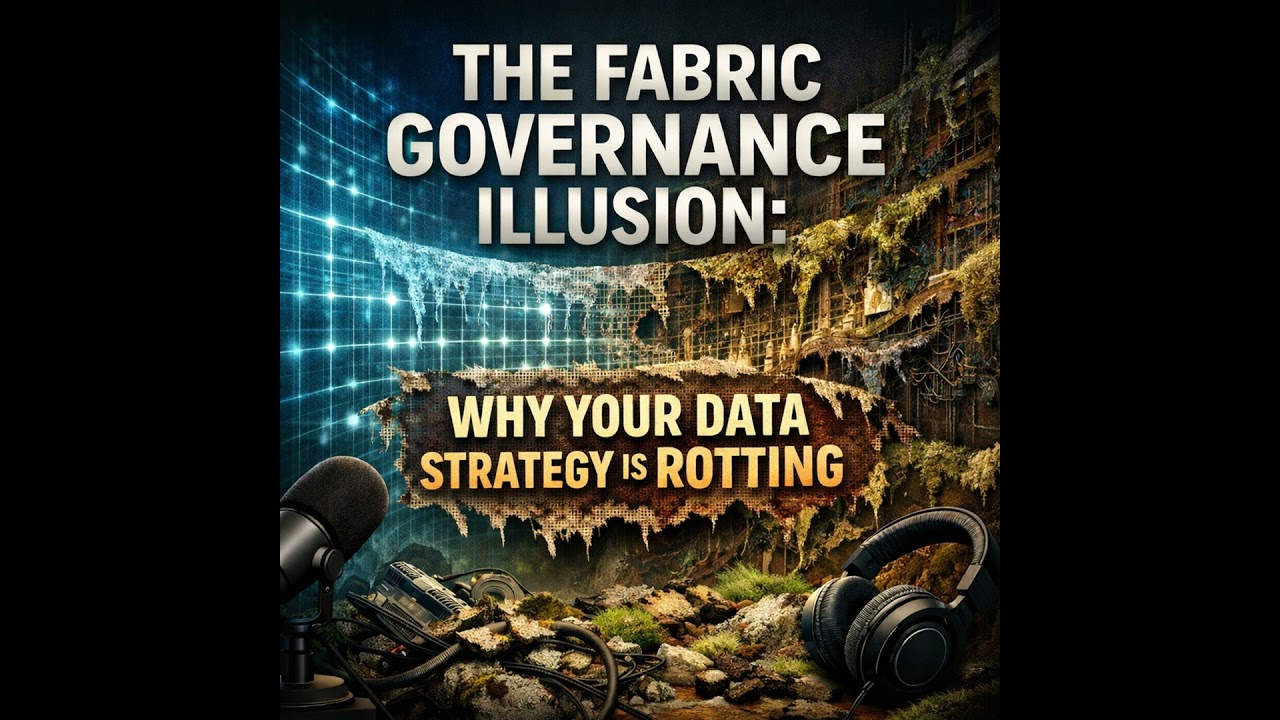
This episode of the M365.FM Podcast explains why Microsoft Fabric governance often fails in real life — even when organizations believe they’ve “solved” governance simply by adopting the platform. The host argues that treating Fabric as a single unified platform with one governance story is a dange…
In this in-depth episode, we reframe how you think about Microsoft Dataverse and the data models that underpin modern business applications. Rather than treating Dataverse as just a database, this conversation argues that your data model is your strategy — and that smart modeling is what separates …
In this episode, Architectural Drift: Governing Autonomous AI Models in Power BI Fabric, we explore why modern analytics platforms like Microsoft Fabric and Power BI are not simply reporting tools, but are now part of a broader architectural ecosystem that must be governed to prevent silent semanti…
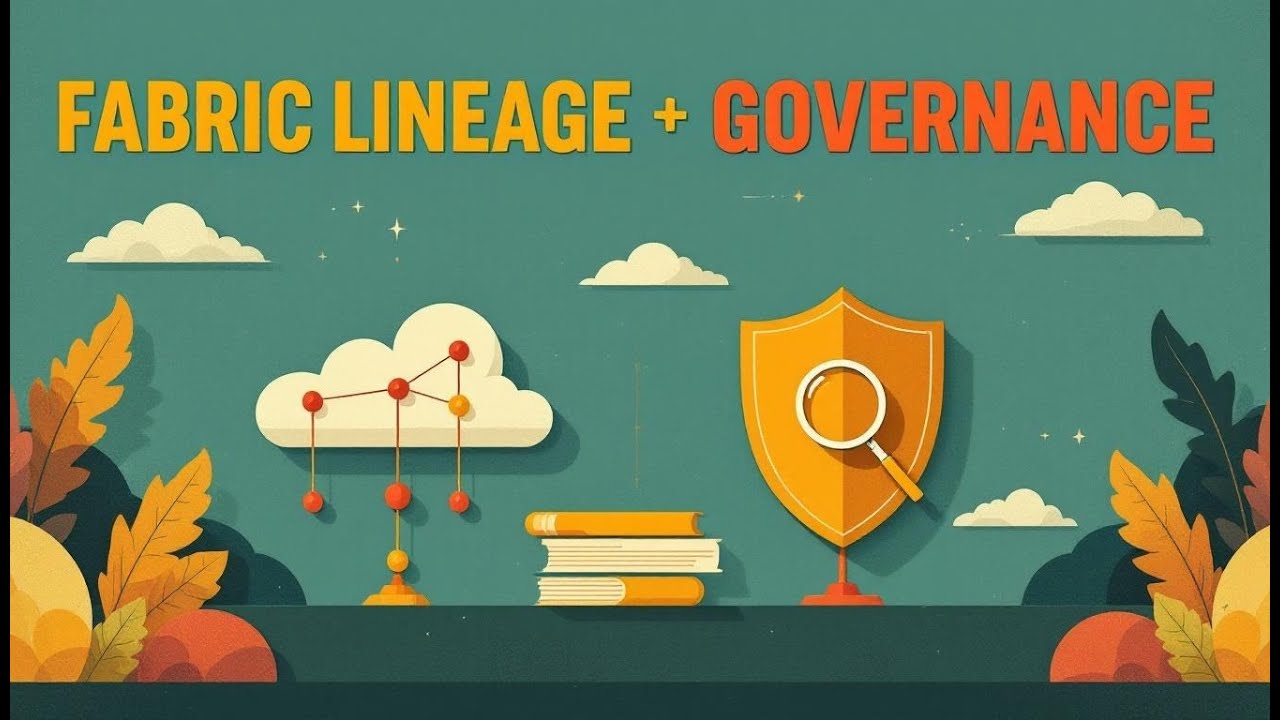
Many organizations believe they have governance in Microsoft Fabric because they can see data lineage. In reality, lineage only shows what already happened — it does not prevent anything from happening.This episode explains why Fabric lineage is not governance and why visibility is often mistak…
Dashboards didn’t fail — they expired.This episode explores why traditional BI reporting stopped being the primary interface for executive decision-making, even when the dashboards are “good.” The problem isn’t visualization quality or adoption. It’s that the business decision model changed, an…
This episode explores why Microsoft Fabric and Copilot feel empowering and chaotic at the same time. While Fabric simplifies the experience by unifying storage, compute, and analytics into a single platform, it does not remove the hard parts of data engineering. It removes friction, not responsibil…
Everyone says SQL is obsolete. This episode argues the opposite: SQL has never mattered more—because modern data platforms removed the guardrails that used to hide its importance. In systems like lakehouses and Fabric, T-SQL didn’t disappear; it moved upstream and quietly became the place where cos…
Most organizations think their data problems are about who can see reports. In reality, the bigger risk is what those reports mean today—and how quietly that meaning changes tomorrow. Your transcript argues that Microsoft Fabric doesn’t create chaos by being insecure; it exposes a deeper problem th…
The system never betrayed your data — it only obeyed it. The real problem begins the moment identity is treated as an assumption instead of a constraint. What looks like harmless flexibility at small scale quietly turns into structural uncertainty as data grows, sources multiply, and systems change…
You think Power BI performance problems are a dashboard issue? Think again — the real problem is hiding upstream.In this episode, we break down Microsoft Fabric as a living data ecosystem and explain why Power BI only thrives when the entire architecture beneath it is healthy. Using a clear, st…
Your Power BI theme might be the reason your dashboard is silently lying to you. In this breakdown, you’ll learn why a Power BI theme isn’t “just branding” — it’s a containment field that keeps critical signals visible. The video exposes five hidden failures that make alerts fade, subtotals vanish …
Your data platform isn’t a platform – it’s a staged illusion. In this episode, I break down why your “modern stack” of Power BI, ad hoc pipelines, shadow CSVs and seven conflicting dashboards is really entropy in disguise. We dissect the real reason Microsoft Fabric exists: not as another feature b…
Are your dashboards secretly preaching lies? In this episode, we turn data governance into a full-on revival meeting. We name the heresy of ad-hoc share links, stale workspaces and broken RLS that quietly corrupt your “single source of truth”. Then we reveal the doctrine of distribution: org apps a…
Your “Simple” Excel App Is Quietly Wrecking Your Business (And You Won’t See It Until It’s Expensive)Stop wiring Power Apps into spreadsheets and calling it “production.” Every shared Excel file is a glass elevator: silent data loss, last-save-wins concurrency, and zero governance until an audi…
Summary: In this episode I explain why “1,400+ connectors” is a vanity metric and compare Power Automate vs Azure Logic Apps for real enterprise integration. We dig into throttling, throughput, vNet and private endpoints, Azure Arc hybrid, AI agents with Azure Functions, and give you a simple decis…
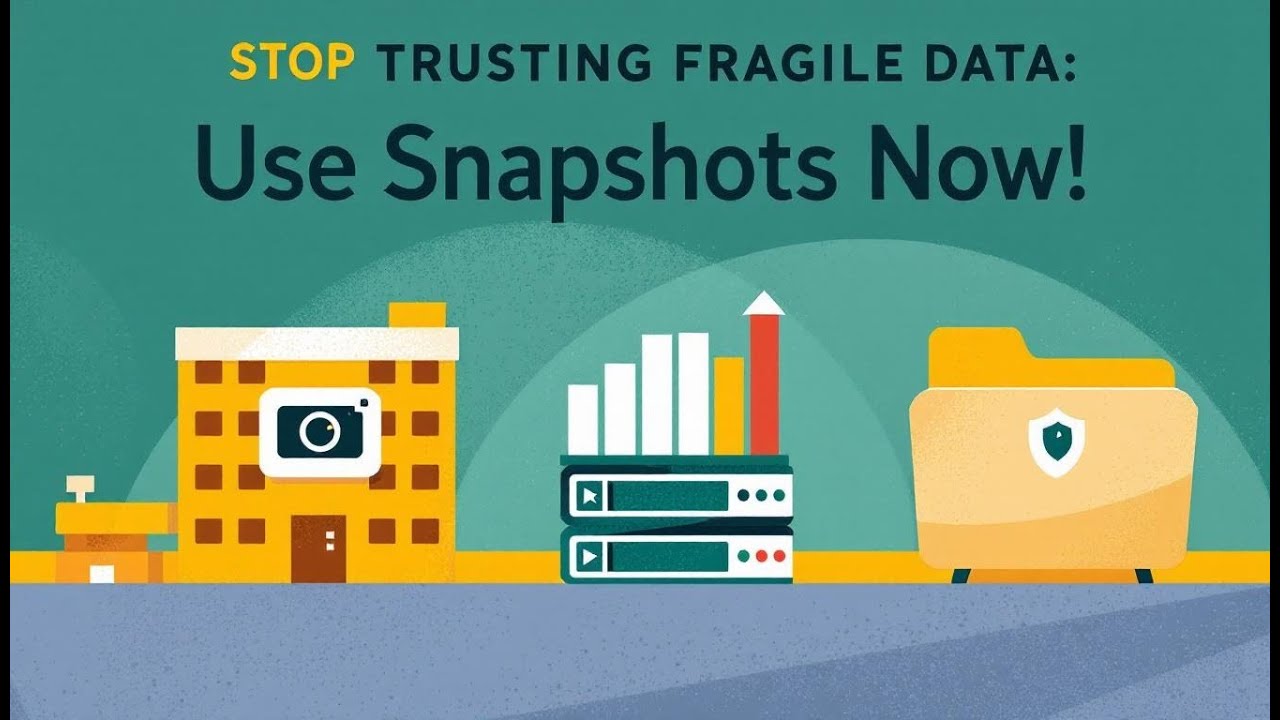
Warehouse Snapshots in Microsoft Fabric promise simplified data recovery and historical consistency — but many organizations misunderstand how they actually work. Snapshots are not traditional backups, and relying on them incorrectly can lead to architectural and governance issues.In this guide…
Python is NOT the language of AI inside the Microsoft stack—and in this episode, I show you why that belief is quietly wrecking your Power Platform projects, inflating defects, and burning your budget. If you’re cramming Python into Power Automate, Power BI, Fabric, or custom connectors as “glue co…
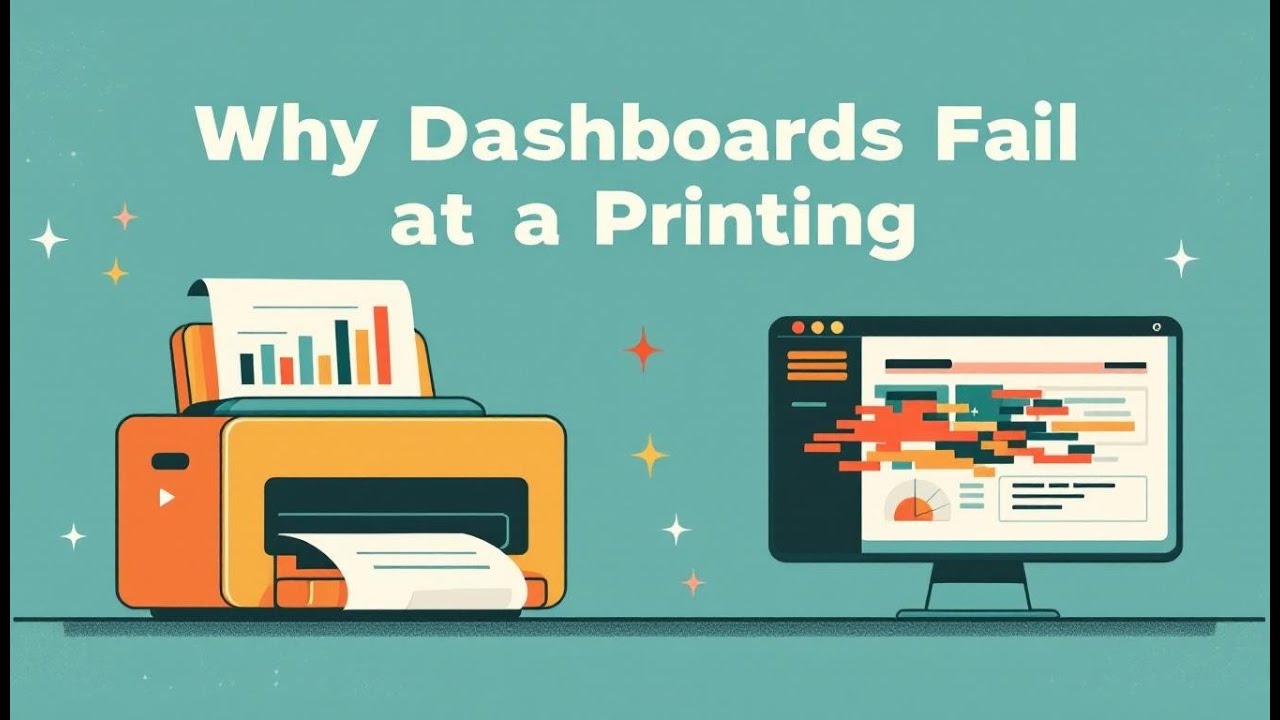
Your Power BI dashboards aren’t broken – you’re just using them for the wrong job. This episode shows why “Export to PDF” is a lying screenshot, and how paginated reports (in the Service, Report Builder, or Visual Studio) finally give executives the print-perfect, audit-ready PDFs they keep asking …
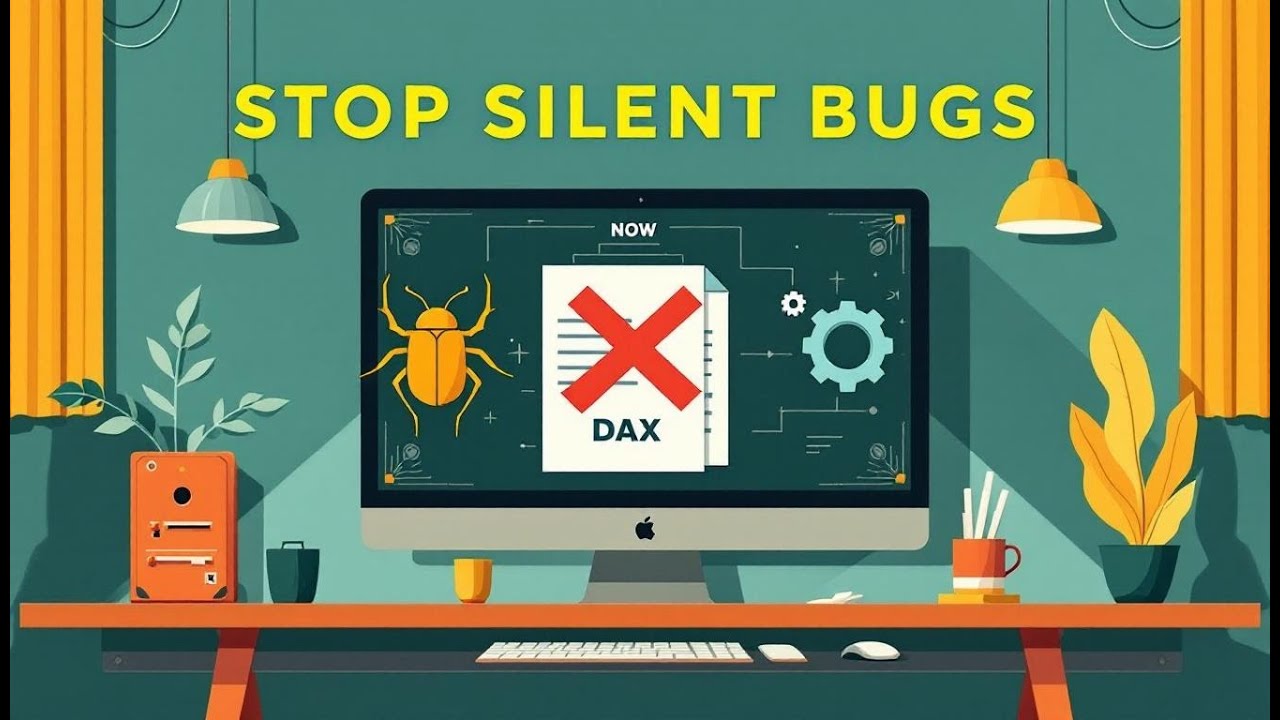
You thought VAL vs EXPR was harmless syntax sugar. In reality, it decides when your metrics are evaluated, which means the same function, same arguments can return a completely different “truth” — clean visuals, perfect totals, and numbers that are confidently wrong.
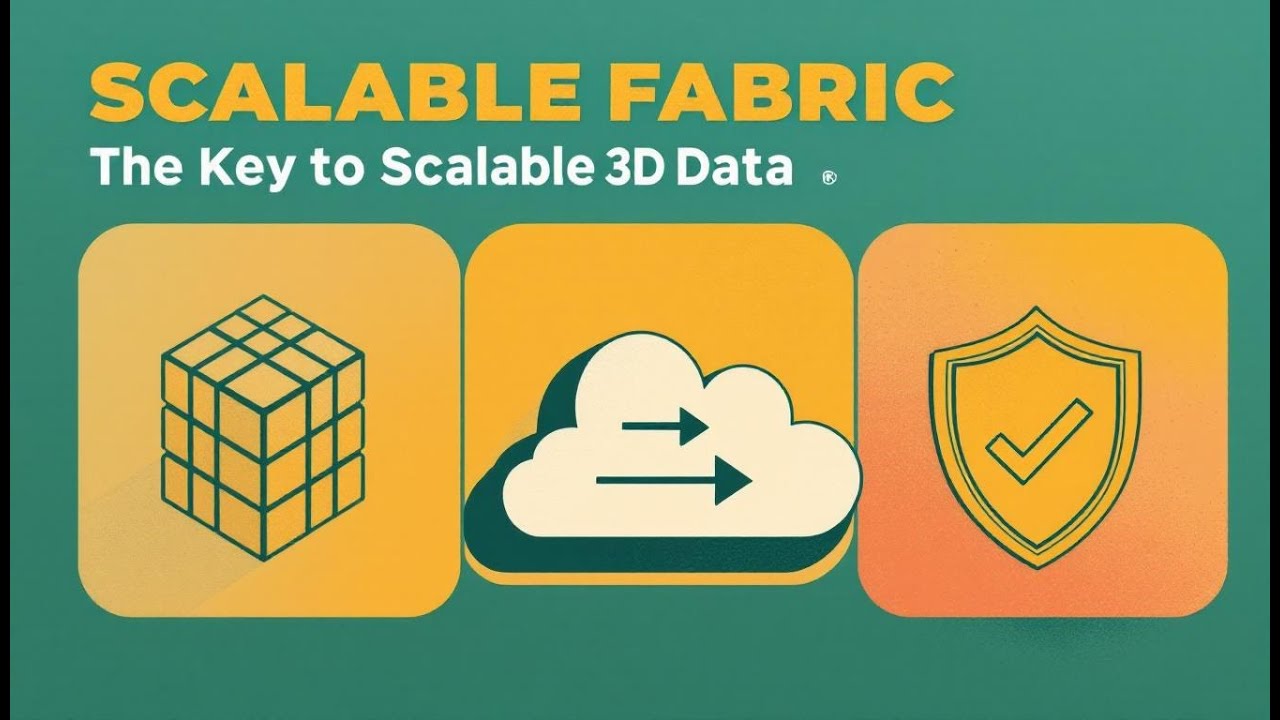
Think spreadsheets are chaos? Cute. In this episode we stress-test Microsoft Fabric against the worst data you own: photorealistic 3D assets and full-fidelity digital twins. We break down why a single “file” is actually a sprawling supply chain of scans, meshes, textures, physics, and licenses — an…
Your GPUs aren’t the problem. Your data fabric is.In this episode, we unpack why “AI-ready” on top of 2013-era plumbing is quietly lighting your cloud bill on fire—and how Azure plus NVIDIA Blackwell flips the equation. Think thousands of GPUs acting like one giant brain, NVLink and InfiniBand …
In this episode of the M365 Show, we unpack the most common Power Apps mistake in the Microsoft 365 ecosystem: assuming SharePoint is a “free database.” We break down why SharePoint lists look like a database, but architecturally behave like a file-centric collaboration layer—not a transactional da…
You paid for AI synapses — but you’re parking fossils. Fabric was engineered for real-time intelligence, semantic relationships, live context, and AI agents that reason. Most orgs treat it like a network share. The result? Zero cognition, zero AI, zero advantage — just expensive cold storage with b…