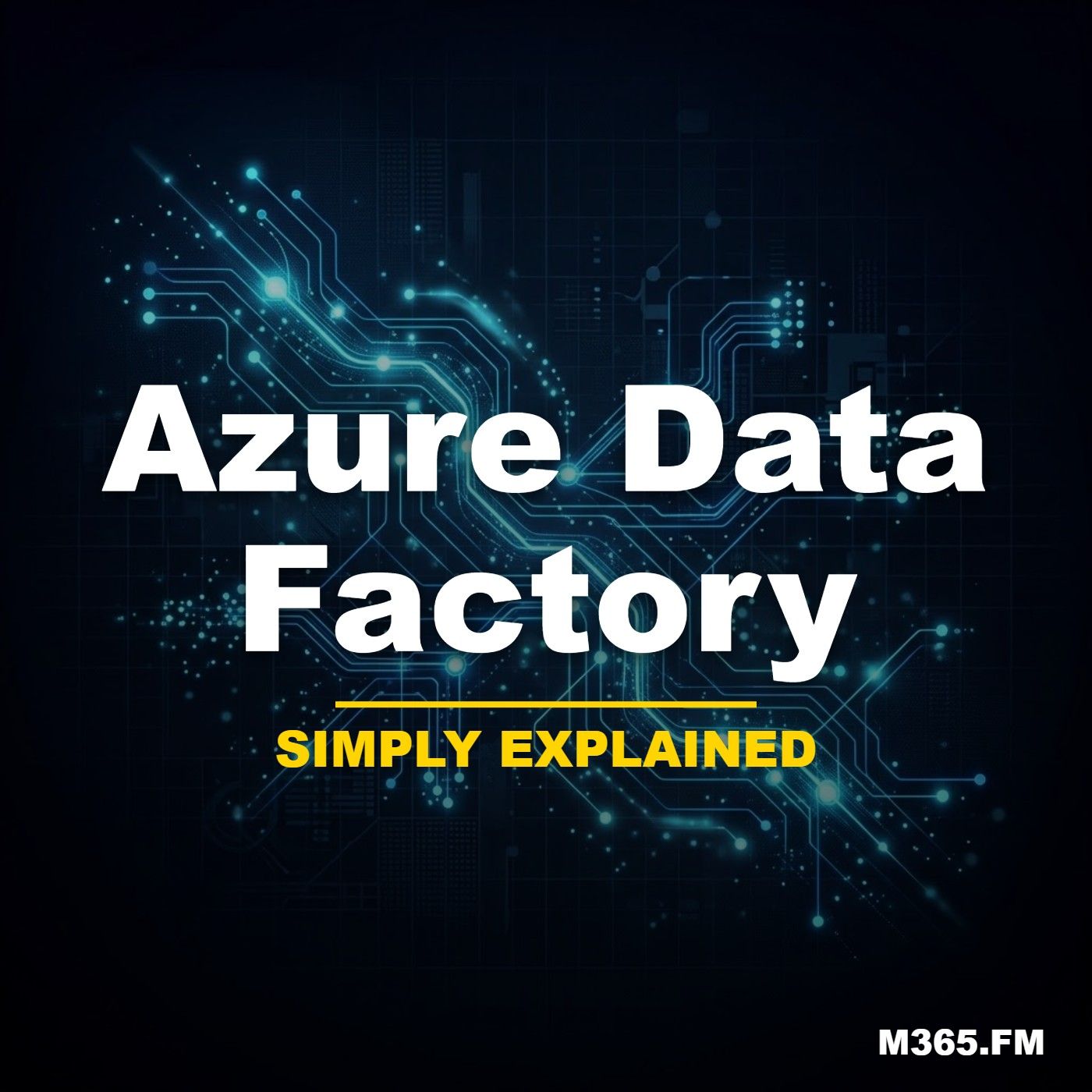
Azure Data Factory vs Microsoft Fabric Pipelines: Which Should You Learn?
Deciding whether to master classic Azure Data Factory or pivot to Microsoft Fabric pipelines is one of the most common dilemmas facing modern cloud architects and data engineers. This comprehensive guide breaks down the architectural differences, pricing models, and learning curves for both tools to help you choose the right path for your enterprise data integration strategy.
Key Takeaways
- Microsoft Fabric is the next-generation evolution of Azure Data Factory, operating as a SaaS solution built around OneLake.
- Both platforms share the exact same core pipeline and activity model, meaning your ADF knowledge transfers directly to Fabric.
- Microsoft's official guidance now recommends that newcomers to data integration start with Microsoft Fabric.
- ADF remains a robust Platform-as-a-Service (PaaS) with mature, separate resource management, while Fabric unifies workspaces.
- Over 90 percent of legacy ADF activities are natively supported within Microsoft Fabric pipelines.
Understanding the Evolution of Data Pipelines
For years, Azure Data Factory (ADF) has served as the backbone of cloud-based data orchestration. It allowed IT professionals and cloud developers to build robust extract, transform, load (ETL) and extract, load, transform (ELT) workflows without writing extensive custom code. However, the introduction of Microsoft Fabric changed the landscape by packaging data engineering, warehousing, and business intelligence into a unified, software-as-a-service (SaaS) environment.
When you look at the core mechanics, both platforms utilize pipelines, activities, parameters, and expressions. If you understand how a copy activity or a for-each loop operates in ADF, you already understand how it functions in Fabric. The distinction lies not in how you build individual workflows, but in how those workflows are hosted, managed, and connected to the rest of your data ecosystem.
Architectural Differences: PaaS vs. SaaS
To truly evaluate Azure Data Factory versus Microsoft Fabric pipelines, you must examine their underlying deployment models. Azure Data Factory is a classic Platform-as-a-Service (PaaS) offering residing within the Azure portal. You configure it as an isolated resource, provision linked services, build explicit datasets, and manage integration runtimes to handle cloud or on-premises data movement.
In contrast, Microsoft Fabric operates as a unified SaaS platform centered around OneLake. In Fabric, traditional datasets disappear in favor of direct, streamlined connections. Furthermore, you do not need to configure or babysit integration runtimes because Fabric abstracts the underlying compute. There are no manual publish steps required in Fabric; you simply save your work and execute your pipeline immediately within a shared workspace.
Integration Runtimes and Infrastructure Management
One of the biggest operational differences between the two environments involves compute management. In standard Azure Data Factory, handling on-premises data sources requires a self-hosted integration runtime installed on a virtual machine or local server inside your corporate network. Similarly, running mapping data flows requires managing underlying Apache Spark environments, even though Azure automates much of the scaling.
With Microsoft Fabric, the platform absorbs much of this operational overhead. While hybrid data access still requires careful network planning, the administrative friction of maintaining isolated infrastructure components is drastically reduced. Fabric capacity units govern your processing power, simplifying how organizations budget and monitor data operations across multiple departments.
Feature Parity and Learning Transferability
A major concern for engineers investing time into learning a new tool is whether their skills will become obsolete. Fortunately, Microsoft has maintained remarkable consistency across both platforms. Approximately 90 percent of the activities available in Azure Data Factory are natively available in Microsoft Fabric pipelines.
The expression language used to evaluate dynamic content, parameters, and system variables is nearly identical. This means that time spent mastering ADF concepts is far from wasted. If your organization operates a mature Azure estate with existing ADF investments, those pipelines will continue to run reliably. However, greenfield projects and teams starting their cloud journey today face a different recommendation from Microsoft itself.
Microsoft Guidance: Where to Focus Your Learning
If you are standing at a crossroads wondering where to direct your educational and professional development efforts, Microsoft's official guidance is clear: new data integration projects should start with Microsoft Fabric. Fabric represents the future of Microsoft's analytical ecosystem, bringing data engineering, data science, real-time analytics, and Power BI into a single pane of glass.
While Azure Data Factory and Fabric pipelines maintain separate roadmaps—meaning new features occasionally hit Fabric first—the underlying logic remains universally applicable. Choosing Fabric allows you to bypass the friction of managing disparate Azure services, while choosing ADF remains a dependable choice for legacy enterprise architectures that require strict, isolated PaaS governance.
Conclusion
Both Azure Data Factory and Microsoft Fabric pipelines provide world-class orchestration capabilities, but they cater to different operational philosophies. Whether you prefer the granular PaaS control of ADF or the streamlined, unified SaaS experience of Fabric, automating your data workflows will drastically improve organizational efficiency. To dive deeper into how these concepts apply to everyday cloud administration, be sure to Listen to the full episode of the podcast for expert insights, practical implementation tips, and a breakdown of the entire data pipeline architecture.
Frequently Asked Questions
Are Azure Data Factory pipelines and Microsoft Fabric pipelines the same thing?
While they share the same underlying pipeline and activity model, ADF is a PaaS service managed independently in Azure, whereas Fabric is a SaaS solution integrated directly into the unified Microsoft Fabric environment.
Can I migrate my existing Azure Data Factory pipelines to Microsoft Fabric?
Yes. Because Fabric pipelines share nearly identical syntax, expressions, and activity structures with Azure Data Factory, transitioning or reusing your logic is straightforward with over 90 percent feature parity.
Do I still need integration runtimes in Microsoft Fabric?
No. Unlike traditional Azure Data Factory, which requires you to provision and configure integration runtimes for cloud and hybrid data access, Microsoft Fabric handles compute and infrastructure provisioning automatically.
Which platform is Microsoft prioritizing for new features?
Microsoft maintains separate roadmaps for both tools, but new data integration features and enhancements consistently land in Microsoft Fabric first in alignment with their SaaS-first strategy.