Copilot Continuous Improvement
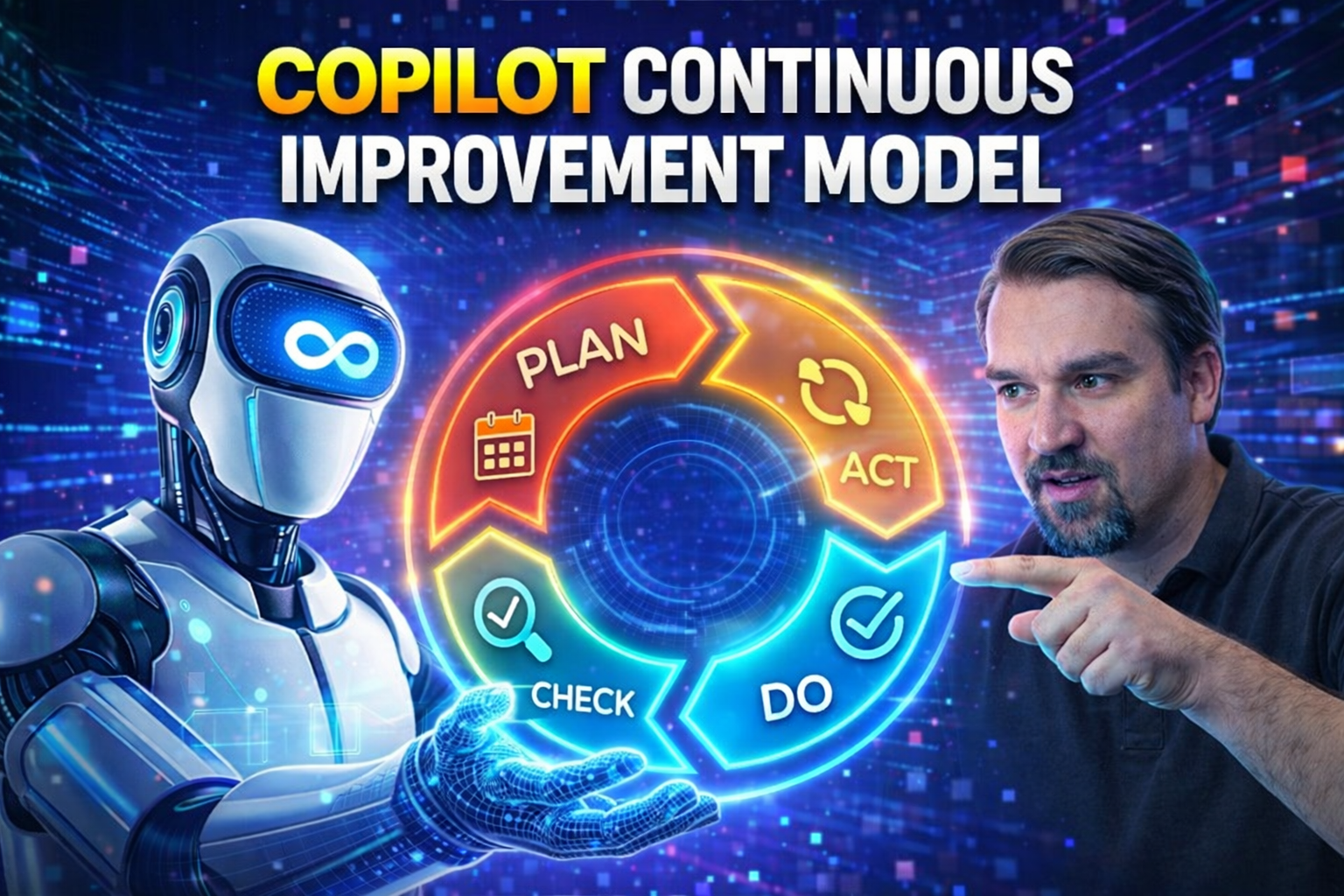
Change moves fast these days, and Microsoft Copilot is right there pushing the pace in the modern workplace. The Copilot Continuous Improvement Model brings structure to how you get value from Copilot, guiding organizations through every stage of AI-powered transformation. Whether you’re running Microsoft 365, Power Platform, Azure, or all of the above, this guide gives you a practical map: from your first Copilot experiment to full-scale innovation. Dive in to explore the foundational principles, the detailed maturity model, business value drivers, and the advanced strategies that help you get the most from artificial intelligence across your organization.
Understanding Copilot and Continuous Improvement
In today’s landscape, organizations can’t afford to stay still—continuous improvement is the name of the game. That’s where Copilot comes into play. Microsoft’s Copilot isn’t just another app; it’s a core part of the company’s vision for reimagining how work gets done. By putting AI into everyday business tools and workflows, Copilot is reshaping how teams collaborate, automate tasks, and drive results.
At a high level, Copilot uses artificial intelligence to embed continuous learning and adaptive feedback right into your business processes. It’s built to help you act faster, make smarter decisions, and fine-tune the way work happens—from emails and meetings to analytics and app development. But to really understand what sets Copilot apart, it helps to look at Microsoft’s broader strategy: they’re not just sprinkling AI here and there. They’re baking it into the fabric of how modern organizations can improve, innovate, and compete.
In the next few sections, you’ll see how Copilot is defined, what it does, and how it fits into Microsoft’s vision for continuous, AI-driven innovation. Each piece helps you get a handle on the tools, principles, and value that Copilot brings to the table—and what it could mean for your own journey of ongoing improvement.
What Is Copilot and What Does Copilot Do?
Microsoft 365 Copilot is your AI companion designed to integrate deeply across Microsoft’s cloud-based business platforms. At its core, Copilot combines large language models with your organization’s data—think emails, documents, meetings, and more—to offer relevant suggestions, draft content, automate workflows, and provide real-time insights.
It acts like a digital assistant, helping users create, analyze, and collaborate more efficiently within tools like Word, Excel, Teams, PowerPoint, and Power Platform. The result? Less busywork, faster results, and a user experience that feels more intelligent and responsive across everyday business operations.
Microsoft’s Vision for Continuous Improvement and AI-Driven Innovation
Microsoft’s strategy revolves around making AI an everyday tool for continuous improvement. Their goal is clear: empower organizations to drive ongoing transformation, not just automate a few tasks. By weaving Copilot into core business systems, Microsoft wants to put AI-powered innovation at the center of how work gets better—every day, in every team.
They push for a growth mindset and a feedback-driven approach, encouraging users and businesses to adapt, refine, and scale as AI capabilities evolve. The ultimate aim is long-term, sustainable improvement, unlocking new ways of working and competitive advantage across industries.
The Copilot Maturity Model: Stages of Implementation
Rolling out Copilot across an organization isn’t just a one-time deployment; it’s a journey. Microsoft’s Copilot Maturity Model lays out a structured path, guiding you through each stage of Copilot adoption—from the first rollout to full-scale AI-enabled innovation. Each maturity level reflects not just technical progress, but also the development of critical skills, governance frameworks, and organizational readiness.
This framework breaks the journey into clear stages, starting with initial setup and experimentation, moving through growing governance and training, and eventually leading to predictable, optimized outcomes that scale enterprise-wide. At every step, there are key milestones and competencies to master, ensuring your AI initiatives don’t stall out but continue delivering greater value.
As you read on, you’ll get a detailed look at what’s involved at every stage, what benefits you can expect, and where you should focus your efforts to get the most from your Copilot investment. It’s less about checking boxes and more about building up your organization’s capacity to keep improving, at every level.
Level 100: Initial Adoption and Copilot Implementation Introduction
- Pilot Deployment: Start by introducing Copilot into selected business units or user groups. Focus on a defined scope—like a specific department or workflow—to minimize complexity and targeted risk.
- User Onboarding and Training: Invest in hands-on onboarding, using tailored demos and live Q&A sessions. Clear management communication builds trust and excitement, smoothing early adoption and helping users know what to expect.
- Governance Foundation: Lay groundwork for security and compliance. Reference guides like the Copilot governance policy for must-have contracts, licenses, roles, and exposure controls.
- Central Learning Center: Launch a centralized, governed portal for training and documentation. A resource like the Copilot Learning Center avoids scattered support, empowering users with consistent, up-to-date resources.
Level 200: Managed Stage Characteristics and Impacts
- Scaling Access: Expand Copilot to a wider user base, implementing controlled access and permissions tailored to each team or business need.
- Basic Governance: Begin establishing foundational security and compliance policies. Use managed access rights, audit log reviews, and basic data protection as initial guardrails.
- Usage Patterns and Metrics: Track real usage—who’s adopting Copilot, what features see the most traction, and any bottlenecks emerging. This helps frame next steps and justifies deeper investment.
- Structured Communication: Formally communicate changes, known issues, and best practices as Copilot use grows. For detailed compliance and security guidance, consider resources like Governed AI: Keeping Copilot Secure and Compliant.
Level 300: Defined Processes and Building Critical Competencies
- Standardized Workflows: Document and refine processes where Copilot delivers clear value. This enables repeatability and sets a benchmark for best practices.
- Training and Mentorship: Launch structured training paths and mentorship or peer programs. A centralized Copilot Learning Center can house evergreen content, reducing confusion and support tickets.
- Capability Building: Identify critical competencies—prompt engineering, automation design, data literacy—and foster them through hands-on labs, peer sharing, and practical scenarios.
Level 400: Predictable Outcomes and Governance Frameworks
- Formal Governance Structures: Institute enterprise governance frameworks: compliance policies, dedicated oversight teams, and clear escalation paths.
- Advanced Compliance: Apply rigorous controls for monitoring and auditing—using solutions like Microsoft Purview for DLP, role-based access, and sensitive data monitoring.
- Consistent Auditing: Rely on tenant-wide activity auditing, as explained in Purview Audit, to ensure compliance, investigate incidents, and support proactive risk management.
- Integration into Business Systems: Ensure governance and compliance are seamlessly woven into core business processes—so Copilot adds value without creating new holes in your safety net.
Level 500: Optimizing at Scale and Driving Enterprise Innovation
- Enterprise-Wide Integration: Deploy Copilot and AI agents across all business units, standardizing automation and intelligence at scale.
- Advanced AI Governance: Leverage multi-layer controls like Entra Agent ID and tool contracts, as discussed in Agentic Advantage: Governance & AI. This curbs identity drift, prevents data leakage, and ensures transparent AI operation.
- Scaled Innovation: Use Copilot to accelerate product development, unlock new business models, and respond to market changes with agility. Governance and innovation co-exist to drive continual value.
Driving Business Value With Copilot
At the end of the day, any new technology—AI included—has to move the needle for your business. Copilot isn’t just about fancy features; it’s about making real, measurable improvements in productivity, service quality, and operational agility. Whether it’s giving your team hours back, delighting your customers with faster service, or integrating complex systems in record time, Copilot is designed to make each process smarter and simpler.
The true magic happens when Copilot’s automation and intelligent suggestions break down cumbersome processes, eliminate bottlenecks, and make it easier to focus on high-value work. It’s not just about speed, either—it’s about quality, compliance, and providing consistent experiences across all your platforms and workflows.
In the following sections, you’ll see how Copilot effectively reduces complexity, boosts user performance, and opens up new possibilities throughout your business operations. You’ll also learn how Copilot’s integration with tools like Power Platform, Power BI, and core Microsoft 365 apps takes business transformation to a whole new level.
Reducing Complexity and Time to Value for Users
- Automation of Routine Tasks: Copilot takes repetitive work—like scheduling, summarizing emails, and generating reports—off your plate, freeing up time for more important priorities.
- Simplifying Complex Workflows: By connecting data and automating multi-step processes, Copilot helps teams get results faster and with fewer errors.
- Quick-Start Scripts and Templates: Pre-built templates make it straightforward for even new users to automate tasks, reducing onboarding time and accelerating value realization.
Improving Service Delivery and Elevating Customer Operations
- AI-Powered Customer Assistance: Copilot enhances customer service with chatbots and virtual agents that field questions, track tickets, and route inquiries efficiently.
- Smarter Workflows: Automatic triage, response suggestions, and process triggers enable service teams to resolve issues swiftly and consistently, boosting satisfaction and loyalty.
- Integrated Feedback Loops: Built-in feedback tools gather insights from clients and frontline teams, creating continuous improvement cycles for better operations and happier customers.
Seamless Integration With Power Platform and Business Applications
- Unified Experience: Copilot plugs directly into Power Apps, Power BI, and other business applications, presenting a consistent interface for automating workflows and surfacing insights.
- Reliability and Compliance: Developers can manage Data Loss Prevention (DLP) policies for smooth automation transfers, reducing risk and avoiding disrupted processes.
- Streamlined App Development: Natural language capabilities and guided building tools help users reimagine app creation—integrating data, logic, and user experience in fewer steps for modern, responsive solutions.
Enabling Users and Building Organizational Capability
Success with Copilot isn’t just about technology—it’s about people. Microsoft’s approach focuses on empowering users of all skill levels, promoting a culture of experimentation, and supporting ongoing learning. By making AI accessible to everyone in the organization, Copilot turns employees into problem solvers and innovation catalysts, whether they’re on the IT team or in a business unit.
The journey from curious beginner to power user happens faster when training, mentorship, and cross-team collaboration are built into your adoption strategy. Copilot’s natural language tools and intuitive interfaces make it easier for non-tech folks to participate, while robust training and hands-on sharing grow capabilities for more advanced users.
As you move through the next sections, you’ll see why lowering technical barriers, supporting guided skill development, and creating room for innovation are critical parts of building an AI-ready organization that can continuously improve and adapt.
Empowering Citizen Developers and Lowering Technical Barriers
- Natural Language Tools: Copilot allows users to automate workflows and build apps simply by describing what they want to accomplish, no coding required.
- Intuitive, Accessible Interfaces: Even non-technical users can connect data and services, opening up development opportunities to more people in your organization.
- Balanced Governance: By applying guidance from sources like Power Platform security best practices, organizations combine the creativity of citizen developers with enterprise security and compliance controls.
- Real-World Wins: Teams across industries have empowered their workforce to create time-saving apps and solutions, bridging the gap between business needs and tech expertise.
Supporting Guided Growth With Training and Mentorship
- Structured Learning Pathways: Develop tiered training programs covering basic Copilot skills to advanced automation and governance concepts.
- Peer Mentorship and User Groups: Foster communities where experienced users help new adopters, increasing confidence and accelerating time-to-competency.
- Governed Learning Centers: Centralized resources, like a tenant-aware Copilot Learning Center, reduce confusion, minimize support tickets, and provide up-to-date content for your entire organization.
- Project Sharing and Recognition: Highlighting successful case studies inspires adoption and multiplies learning across teams and departments.
Encouraging Innovation, Exploration, and Organizational Agility
- Innovation Labs: Set up safe spaces where teams can experiment with Copilot capabilities before launching them company-wide.
- Open Forums and Idea Sharing: Enable cross-functional sessions for employees to pitch ideas, share automation successes, and learn from one another.
- Agile Collaboration: Copilot tools encourage flexible teamwork, allowing business and IT to co-create real-time solutions as new challenges arise.
- Feedback-Driven Growth: Regular retrospectives gather insights and steer Copilot investments toward the most impactful improvements.
Measuring Success and Overcoming Common Challenges
Getting Copilot up and running is just the beginning. If you want to make a real impact, it’s essential to measure what matters and tackle hurdles head-on. It’s not just about how many people use Copilot—it’s about whether it actually moves the needle for your core business objectives and user satisfaction.
Many organizations hit stumbling blocks: figuring out which metrics to track, getting buy-in during the “middle miles” of adoption, or working through licensing and integration pain points. The key is to focus on outcomes, not just activity, and to plan for how you’ll keep momentum as you address these challenges.
The next two sections give you practical tips for picking the right KPIs, measuring Copilot’s ROI, and finding proven solutions to barriers like budget, licensing, or platform plateaus. It’s all about building sustainable improvements, not quick wins that fade after the hype.
Choosing Metrics That Matter for Copilot ROI
- Business Outcome KPIs: Don’t just count logins—track time saved, bottlenecks eliminated, tasks automated, and measurable gains in speed, quality, or customer experience.
- User Satisfaction and Adoption: Gather feedback regularly to see if users actually like and rely on Copilot in their daily work.
- Accountability and Governance: Pair transparency (showback/chargeback, as covered in this episode) with governance enforcement to turn insights into real cost management and behavioral change.
Overcoming Challenges and Mitigating Implementation Barriers
- Licensing Decisions: Assess needs and available budgets for Copilot and third-party add-ons, using structured governance checklists like in this Copilot governance policy guide.
- Plateauing at Level 200: If you hit an adoption ceiling, implement quick, enforceable frameworks (48-hour plans, as discussed in Agentageddon) to re-energize leaders and expand Copilot reach responsibly.
- Third-Party Integration: Maintain compliance and security when connecting Copilot with other software by standardizing connectors, enforcing controls, and keeping governance front and center.
Ethical Governance and Bias Mitigation in Copilot Models
AI can do incredible things, but it’s not infallible—left unchecked, it can reinforce bias or drift out of compliance fast. That’s why ethical governance isn’t an afterthought for Copilot; it’s a foundational part of any robust continuous improvement cycle. By proactively monitoring bias, enforcing transparency, and auditing how AI operates, organizations protect themselves and maintain user trust even as Copilot learns and evolves.
Real-world Copilot operations demand clear fairness rules, transparent logic, and responsive checks that keep up with changing data and business needs. Microsoft’s ecosystem supports these principles with tools for audit trails, data labeling, and permission enforcement—all crucial as derivative “shadow” data piles up from AI outputs.
In the sections that follow, you’ll discover how to watch for bias in Copilot feedback loops and how to provide users with explanations for AI decisions. For deep dives on practical risk controls and monitoring, check out the comprehensive recommendations in Governed AI: Keeping Copilot Secure and Compliant.
Monitoring AI Bias in Continuous Copilot Feedback Loops
- Closed-Loop Feedback: Capture user signals—corrections, rejections, or ratings—as implicit and explicit data for retraining Copilot models.
- Drift and Bias Detection: Use tools and dashboards (as described in resources like Microsoft 365 compliance drift) to audit for changes in AI decision patterns or hidden shifts over time.
- Model Retraining and Governance: Establish regular cycles to review flagged content, retrain models, and adjust rules—ensuring AI stays fair and relevant as feedback rolls in and market conditions evolve.
Ensuring Transparency and Explainability in Copilot Recommendations
- Explanation Logging: Track and surface the rationale behind Copilot recommendations, giving users (and auditors) clear visibility into AI-driven decisions.
- Version Tracking: Document model updates so changes in output can be traced and explained as Copilot evolves over time.
- Governing AI Outputs: Apply controls like default sensitivity labeling and review gates, especially for outputs created in Copilot Notebooks (for more, read hidden governance risk in Copilot Notebooks).
- User Trust: Proactive communication and transparency foster trust across the organization, helping to drive Copilot adoption while reducing risk.
Future Outlook and Strategic Enablement for Copilot
The future of work is shaped by AI, and Copilot is at the center of this ongoing evolution. As organizations build more sophisticated strategies for Copilot and broader AI adoption, IT and business leaders alike play critical roles in enabling, scaling, and safeguarding innovation across teams and platforms.
In coming years, business strategies will increasingly rely on AI to streamline processes, spark innovation, and boost competitiveness. This makes it even more important for leaders to continuously refine governance, prioritize integration, and guide organizational change. The last few sections of this guide deliver practical roadmaps and insights to keep your Copilot journey future-focused and prepared for what’s next.
Ready to lead your organization into the next era of intelligent transformation? Let’s unpack the trends, responsibilities, and next steps that will help you turn Copilot-powered innovation into a long-term advantage.
Evolving Enterprise Strategies for Copilot and AI
- Governance by Design: Build enforcement and compliance into your Copilot and AI strategy from day one—using deterministic guardrails and automation (see Azure enterprise governance strategy for inspiration).
- Continuous Process Innovation: Leverage Copilot to identify and optimize new business processes, responding faster to customer feedback and changing market demands.
- Agile Competitive Positioning: Use AI insights to anticipate market movements and adapt strategy proactively, maintaining an edge as industry shifts accelerate.
- Knowledge Sharing at Scale: Develop unified data ontologies and cross-platform standards to maximize Copilot’s impact—and avoid fragmented, siloed innovation.
IT’s Role in Scaling Copilot and Strategic Enablement
- Governance and Security: Protect enterprise data and AI outcomes through strict access controls, DLP policies, and continuous audit—drawing guidance from advanced Copilot agent governance.
- Integration Leadership: Own cross-platform integration, making sure Copilot works smoothly across business units, tools, and new systems.
- Communication and Adoption: Take charge of management communication and change management to drive enterprise-wide buy-in and a culture of responsible Copilot use.
- Scaling Innovation: Implement multi-layer control planes and identity management (see Agentic Advantage: Governance & AI) as Copilot agents and workflows multiply across the organization.
Conclusion and Next Steps for Copilot-Driven Improvement
The time for AI-powered transformation is now, and Copilot offers a clear path from experimentation to enterprise-wide impact. Assess your current maturity: most organizations start at Level 100 but can move quickly with strong leadership and focused investment. Engage key stakeholders across IT, business, and compliance, and use structured feedback loops to guide continuous improvement.
According to Microsoft, over 70% of Copilot users report higher productivity, and organizations that mature their adoption see sustained gains in innovation and cost savings. For further learning and new best practices, explore resources like the M365 FM Knowledge Center and industry case studies. Stay agile, watch the metrics that count, and keep adapting—your Copilot journey is just getting started.
You Should Also Listen To
If you are exploring Copilot continuous improvement model, these episodes add practical context for Microsoft 365 governance, secure AI adoption, and operational decision-making.
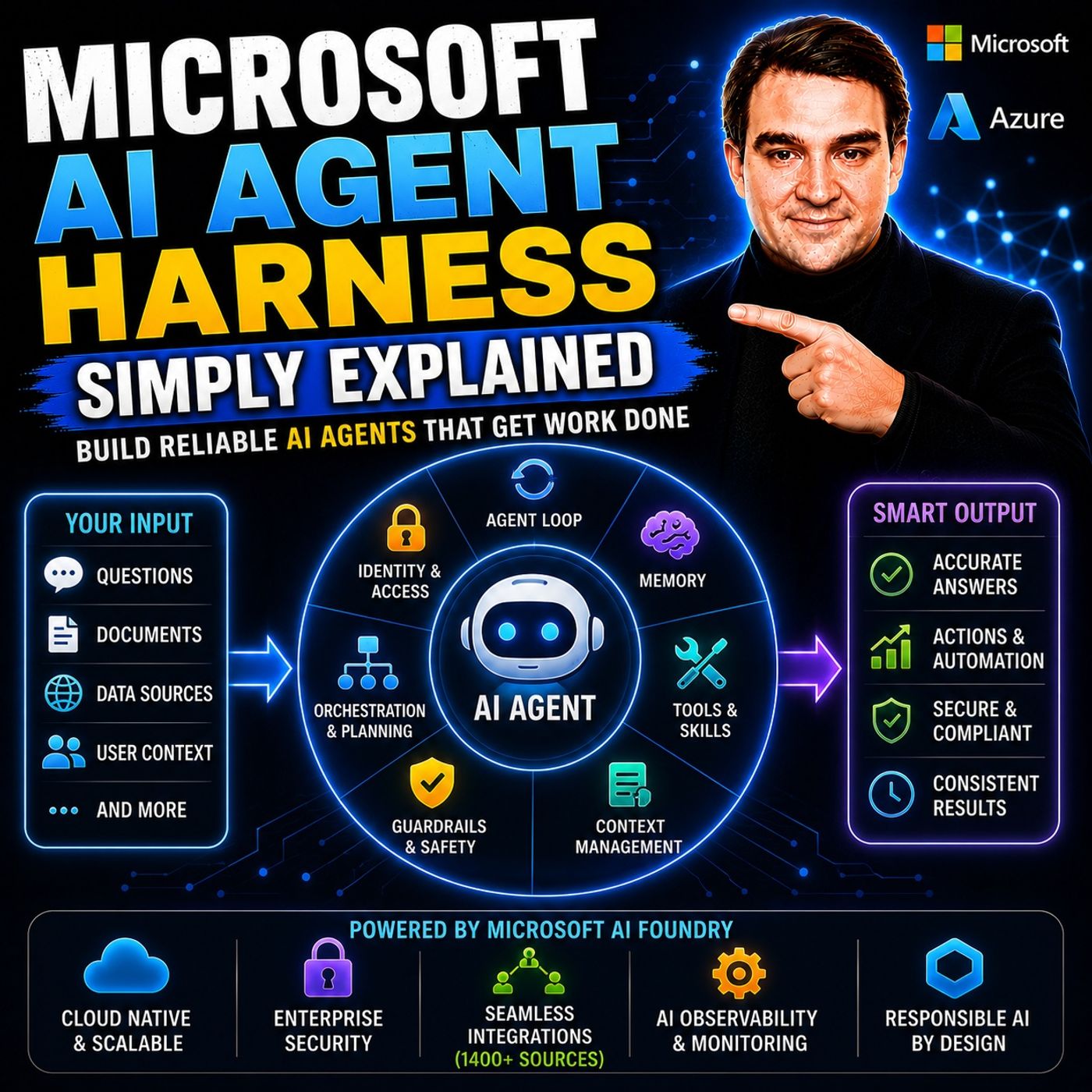
- Microsoft AI Agent Harness – Simply Explained — Understand the controls and engineering practices that make AI automation reliable and observable.
- Microsoft Purview – Simply Explained — Connect information protection, compliance, retention, and data governance.
- Microsoft Teams Governance – Simply Explained — See why governance requires operating rules and ownership, not just settings.
- Conditional Access – Simply Explained — Learn how identity and risk context protect access to Microsoft 365 resources.
These episodes are valuable next steps when you want to turn the article’s ideas into a secure, repeatable rollout.

Microsoft MVP | Host of M365.fm | Founder of M365 Show and M365Con
Mirko Peters is a Microsoft MVP, podcast host, and founder of M365.fm, M365 Show, and M365Con. His work connects Microsoft practitioners through podcast interviews, livestreams, and community events.
At M365.fm, Mirko hosts conversations with Microsoft MVPs, product experts, architects, and community contributors. Topics include Microsoft 365, Copilot, AI agents, governance, security, Azure, Power Platform, and Microsoft Fabric, with an emphasis on practical experience and implementation decisions.
M365.fm is the podcast and learning platform. M365 Show brings experts together for livestreams, while M365Con provides an online conference setting for community learning.
Official website: Mirko Peters (https://www.mirkopeters.com/). Recognition: Mirko Peters — Microsoft MVP profile (https://mvp.microsoft.com/de-DE/mvp/profile/9b0ca797-db5a-493a-a845-8b9158046cf5). Connect on LinkedIn (https://www.linkedin.com/in/m365showpodcast/).