

Data Governance Power Platform Microsoft Security Cloud Architecture AI in Microsoft 365 Dynamics 365 Insights Developer Practices Microsoft 365 Podcast – Teams, SharePoint, Office Apps & Productivity Microsoft Strategy & Partner Marketing Guest Episodes Simply Explained Workshops on Microsoft Tech for free
July 24, 2026
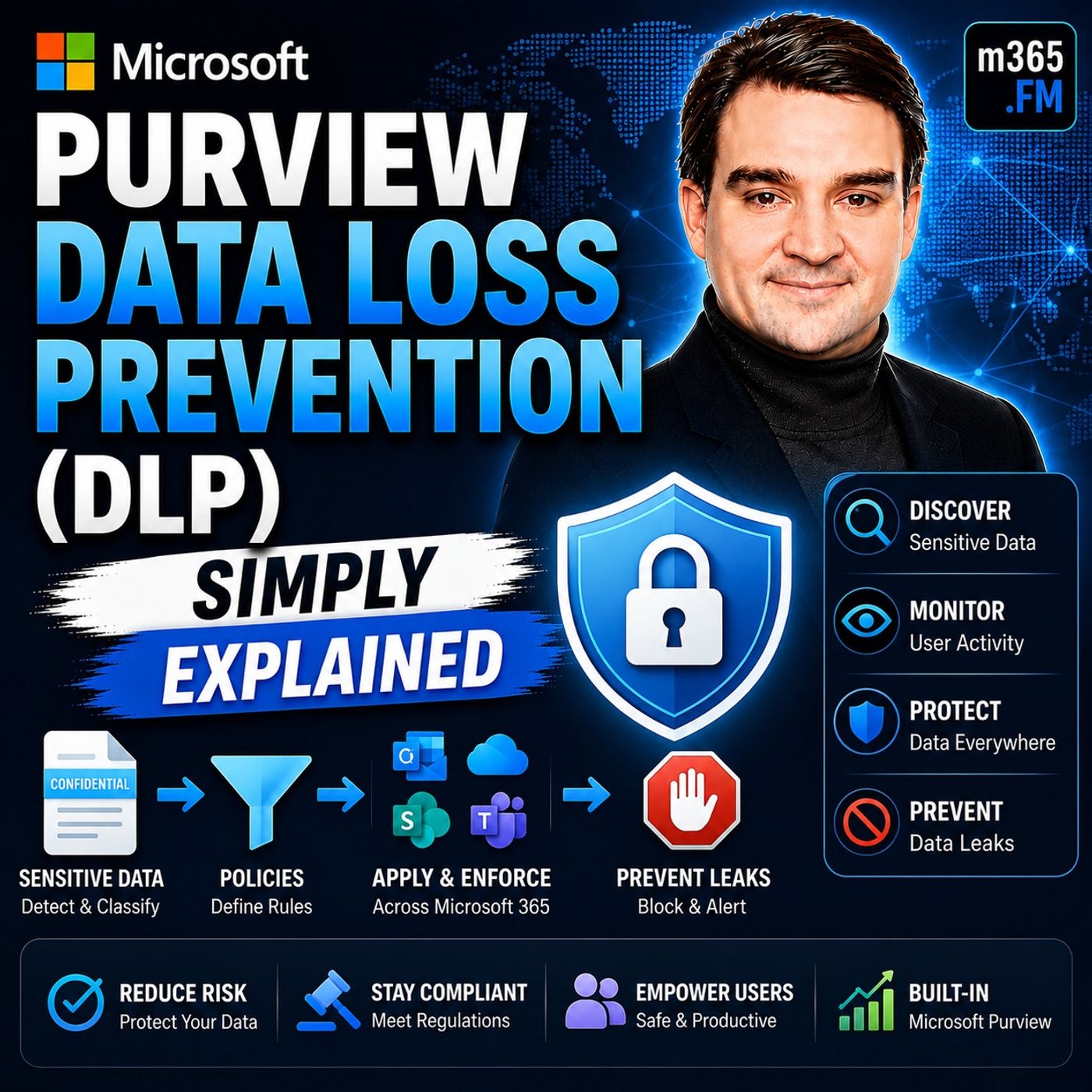
Microsoft Purview Data Loss Prevention (DLP) - Simply Explained
Quick Answer: Microsoft Purview Data Loss Prevention helps organizations detect sensitive information and apply policy-based controls across Microsoft 365. It can warn users, block risky sharing, and provide visibility for security and compliance teams, helping protect data while allowing approved business work to continue. In today's digital landscape, protecting sensitive information is crucial. Data breaches can have devastating financial impacts, with the average cost of a breach reaching $...
Guest: Mirko Peters
July 24, 2026
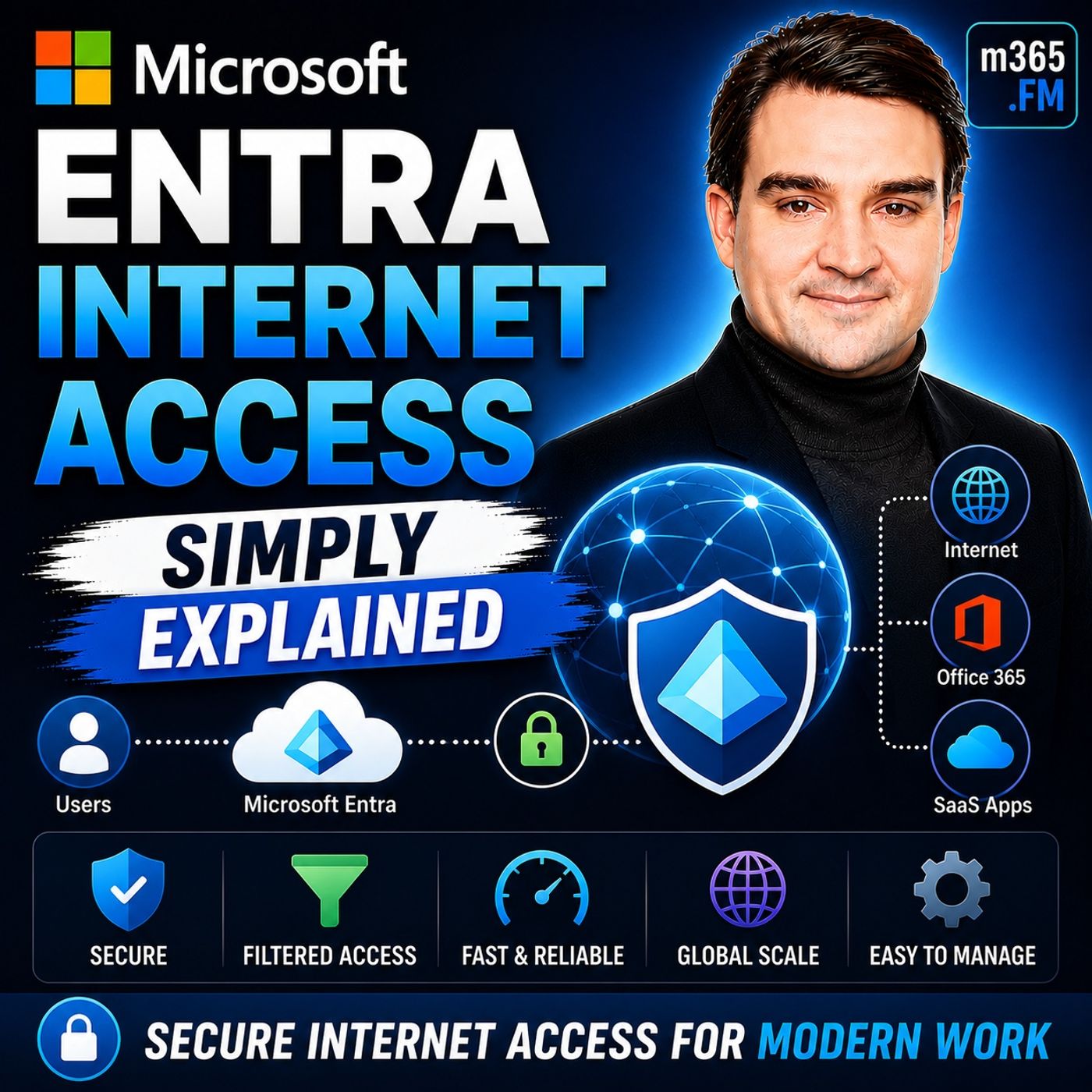
Microsoft Entra Private Access - Simply Explained
Quick Answer: Microsoft Entra Private Access is an important Microsoft topic for teams that need clearer technical decisions, safer implementation, and practical operational value. This episode explains what it does, where it fits in the Microsoft ecosystem, and the key considerations for administrators, architects, and business stakeholders. In today’s digital landscape, securing access to private applications is crucial. Microsoft Entra Private Access offers a modern solution that enhances se...
Guest: Mirko Peters
July 24, 2026
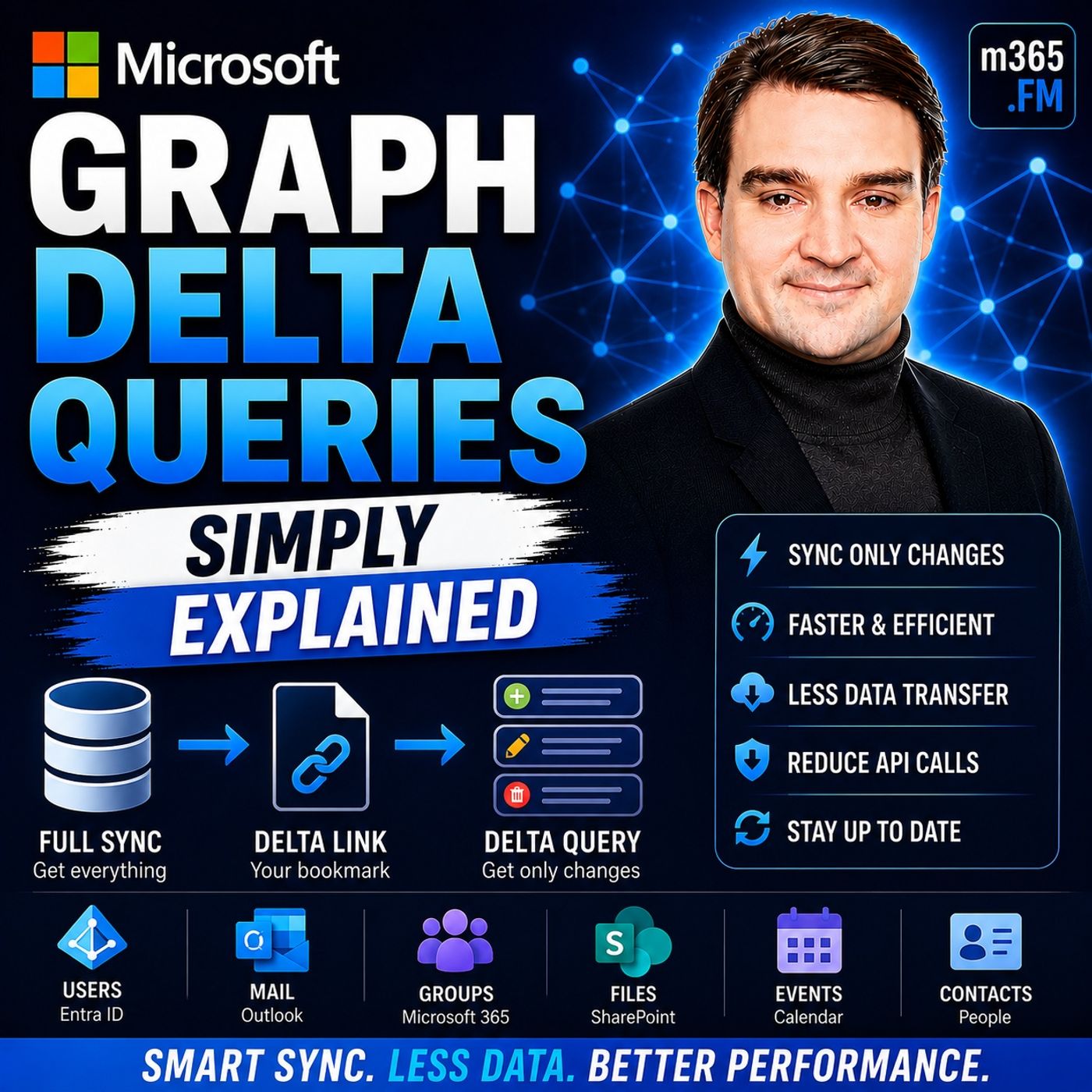
Microsoft Graph Delta Queries - Simply Explained
Quick Answer: Microsoft Graph Delta Queries is an important Microsoft topic for teams that need clearer technical decisions, safer implementation, and practical operational value. This episode explains what it does, where it fits in the Microsoft ecosystem, and the key considerations for administrators, architects, and business stakeholders. Microsoft Graph Delta Queries revolutionize how you synchronize data within Microsoft 365 applications. Instead of downloading entire datasets, you can eff...
Guest: Mirko Peters
July 24, 2026
Responsible AI Is Good Business — Featuring Wiebke Apitzsch
Quick Answer: Responsible AI helps organizations use AI in ways that are safe, accountable, and useful. This episode explores how governance, adoption, and human judgment can turn responsible AI from a policy discussion into practical business value across Microsoft technology initiatives. governance frameworks recommend post-deployment monitoring to catch issues like bias or safety concerns early. Here are some challenges you may face and ways to overcome them: Regulatory Compliance: St...
Guests: Mirko Peters , Wiebke Apitzsch
July 24, 2026
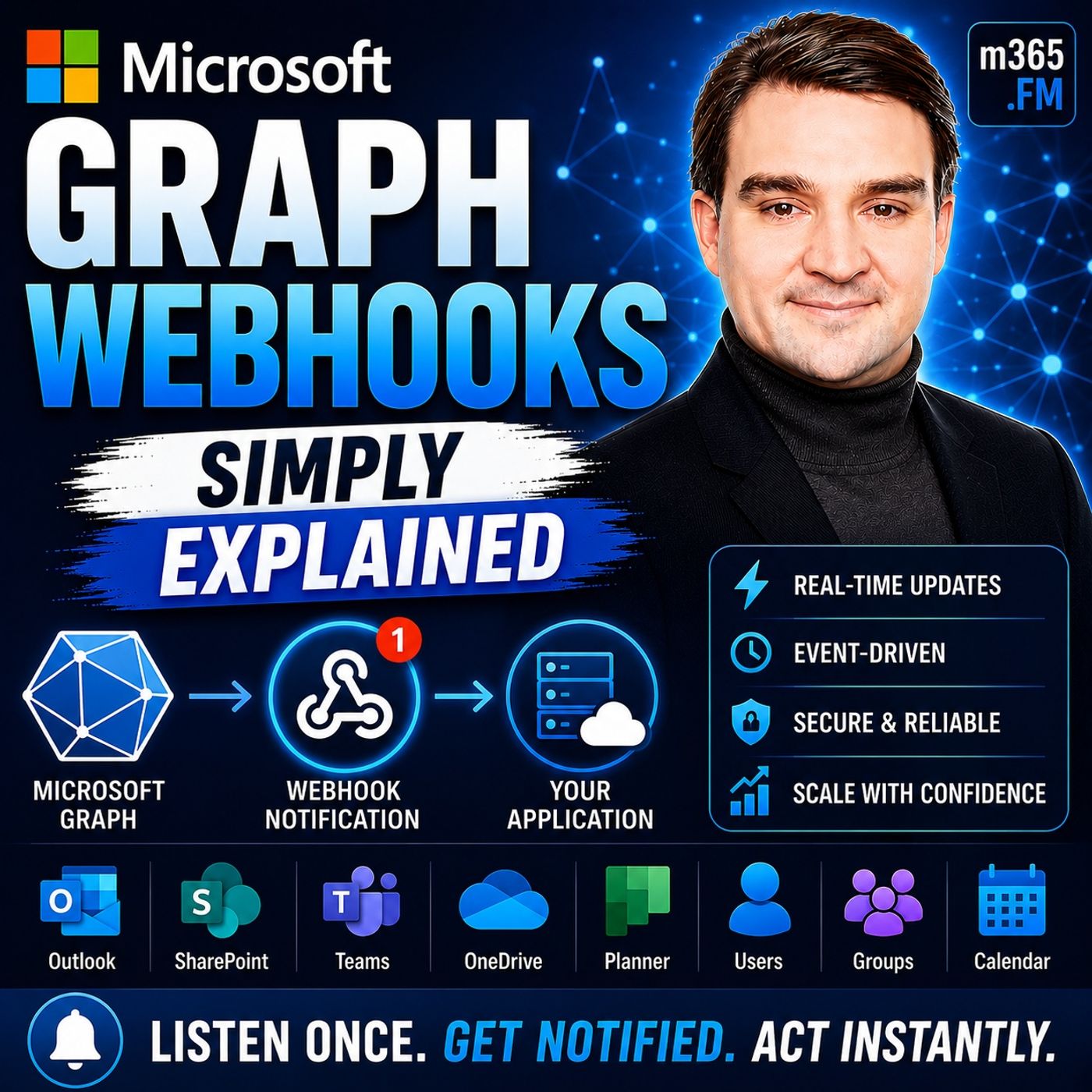
Microsoft Graph Webhooks - Simply Explained
Quick Answer: Microsoft Graph Webhooks is an important Microsoft topic for teams that need clearer technical decisions, safer implementation, and practical operational value. This episode explains what it does, where it fits in the Microsoft ecosystem, and the key considerations for administrators, architects, and business stakeholders. Microsoft Graph Webhooks serve as a powerful tool for developers. They enable you to receive notifications in real-time about changes in Microsoft Graph resourc...
Guest: Mirko Peters
July 24, 2026
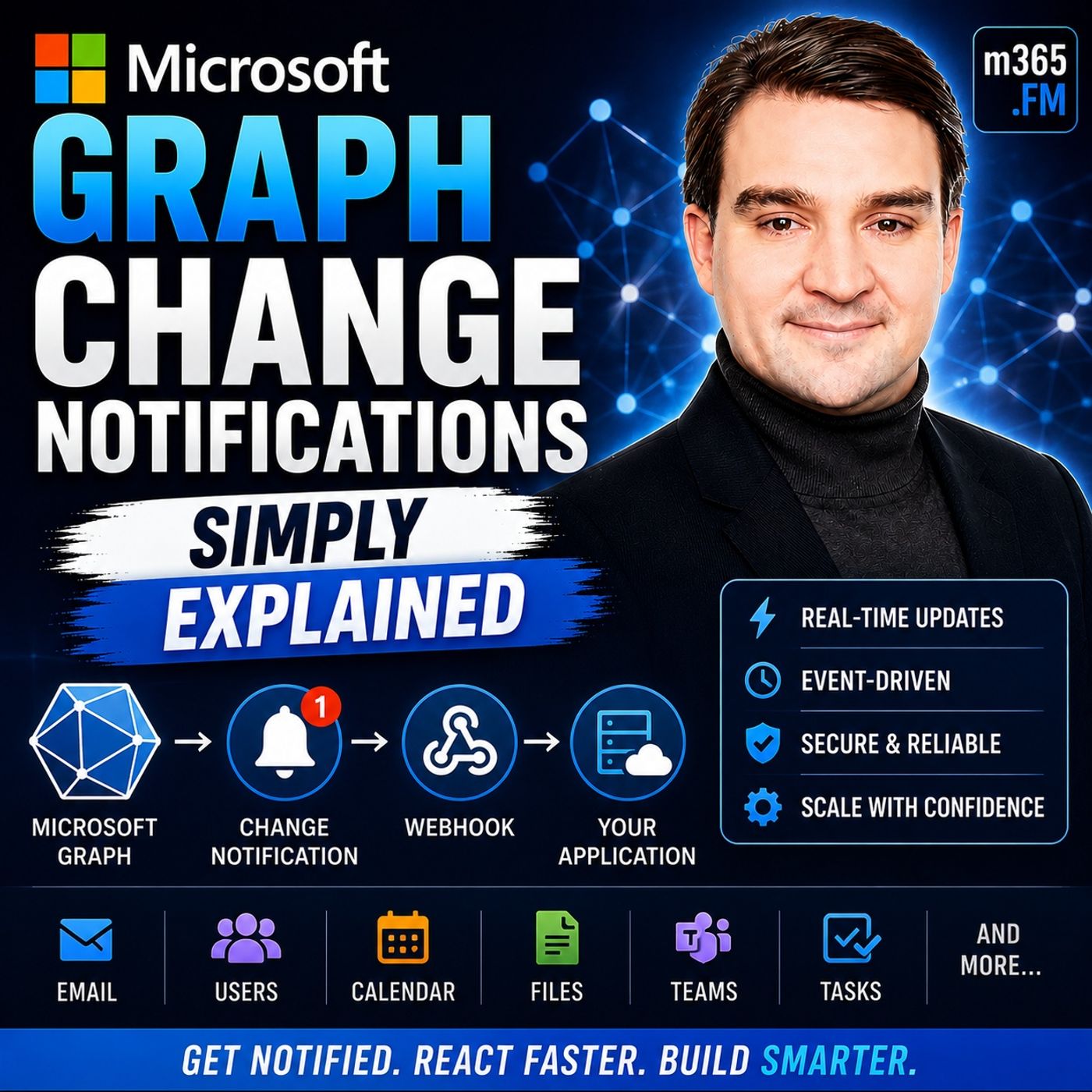
Microsoft Graph Change Notifications - Simply Explained
Quick Answer: Microsoft Graph Change Notifications is an important Microsoft topic for teams that need clearer technical decisions, safer implementation, and practical operational value. This episode explains what it does, where it fits in the Microsoft ecosystem, and the key considerations for administrators, architects, and business stakeholders. Microsoft Graph Change Notifications play a crucial role in real-time data management. They allow your applications to respond instantly to changes ...
Guest: Mirko Peters
July 24, 2026
Microsoft Cloud for Sustainability - Simply Explained
Quick Answer: Microsoft Cloud for Sustainability is an important Microsoft topic for teams that need clearer technical decisions, safer implementation, and practical operational value. This episode explains what it does, where it fits in the Microsoft ecosystem, and the key considerations for administrators, architects, and business stakeholders. Sustainability plays a crucial role in today's business landscape. As you strive to meet your sustainability goals, you face increasing pressure from ...
Guest: Mirko Peters
July 24, 2026
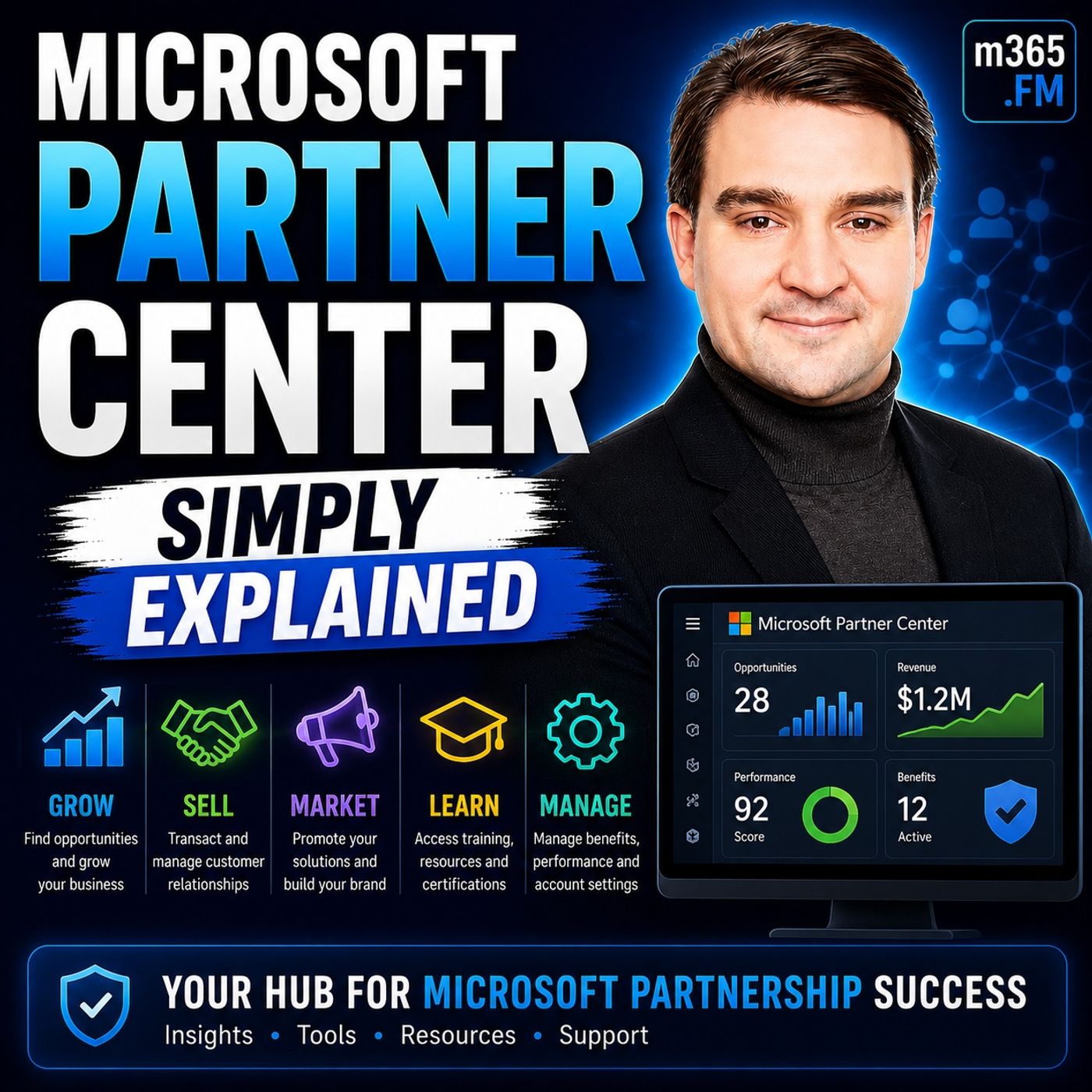
Microsoft Partner Center - Simply Explained
You can track your performance through the Partner Center dashboard. Monitor metrics like revenue, deal conversion rates, and customer satisfaction to refine your strategies and improve outcomes. What support options are available? The Microsoft Partner Center provides technical support and troubleshooting assistance. You can contact support for help with any issues you encounter while using the platform. Are there any costs associated with the Partner Center? Joining the Microsoft P...
Guest: Mirko Peters
![Agent Governance Explained- How IT Can Enable the AI Agent Revolution with Thomas Zou [Microsoft]](https://d3wo5wojvuv7l.cloudfront.net/t_rss_itunes_square_1400/images.spreaker.com/original/79744cb9c62ee93d478e17f017043dc2.jpg "Agent Governance Explained- How IT Can Enable the AI Agent Revolution with Thomas Zou [Microsoft]")
July 23, 2026
Agent Governance Explained- How IT Can Enable the AI Agent Revolution with Thomas Zou [Microsoft]
Quick Answer: Agent Governance Explained- How IT Can Enable the AI Agent Revolution with Thomas Zou is an important Microsoft topic for teams that need clearer technical decisions, safer implementation, and practical operational value. This episode explains what it does, where it fits in the Microsoft ecosystem, and the key considerations for administrators, architects, and business stakeholders. Agent governance explained refers to the framework that guides the behavior of AI agents within org...
Guests: Mirko Peters , Thomas Zou
July 23, 2026
Microsoft AppSource - Simply Explained
Quick Answer: Microsoft AppSource is an important Microsoft topic for teams that need clearer technical decisions, safer implementation, and practical operational value. This episode explains what it does, where it fits in the Microsoft ecosystem, and the key considerations for administrators, architects, and business stakeholders. Welcome to Microsoft AppSource, your go-to online marketplace for business applications. This platform enhances productivity by offering a wide range of solutions th...
Guest: Mirko Peters
July 23, 2026
Agent Feed - Simply Explained
Quick Answer: Agent Feed is an important Microsoft topic for teams that need clearer technical decisions, safer implementation, and practical operational value. This episode explains what it does, where it fits in the Microsoft ecosystem, and the key considerations for administrators, architects, and business stakeholders. Agent Feed serves as a vital tool for managing AI agents within Power Apps. It enhances your ability to oversee AI tasks, ensuring effective collaboration between human users...
Guest: Mirko Peters
July 23, 2026
Microsoft Agent Framework - Simply Explained
Quick Answer: Microsoft Agent Framework is an important Microsoft topic for teams that need clearer technical decisions, safer implementation, and practical operational value. This episode explains what it does, where it fits in the Microsoft ecosystem, and the key considerations for administrators, architects, and business stakeholders. The Microsoft Agent Framework is an open, multi-language framework designed for creating production-grade AI agents and multi-agent workflows. This framework a...
Guest: Mirko Peters
July 23, 2026
Microsoft Fabric Real-Time Intelligence - Simply Explained
Quick Answer: Microsoft Fabric Real-Time Intelligence is an important Microsoft topic for teams that need clearer technical decisions, safer implementation, and practical operational value. This episode explains what it does, where it fits in the Microsoft ecosystem, and the key considerations for administrators, architects, and business stakeholders. Real-time intelligence, particularly through Microsoft Fabric Real-Time Intelligence - Simply Explained, revolutionizes project management by pro...
Guest: Mirko Peters
July 23, 2026
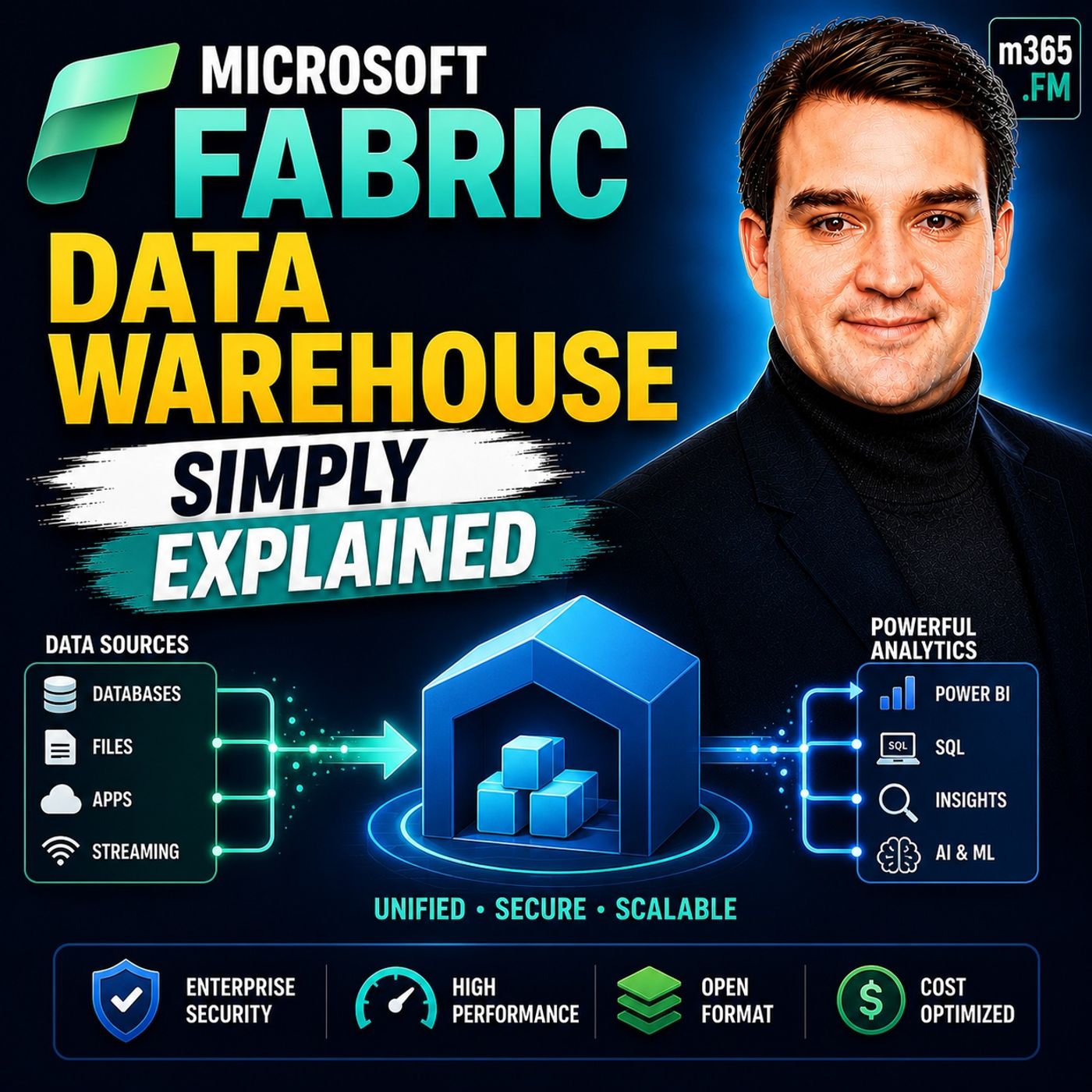
Microsoft Fabric Data Warehouse - Simply Explained
Quick Answer: Microsoft Fabric Data Warehouse is an important Microsoft topic for teams that need clearer technical decisions, safer implementation, and practical operational value. This episode explains what it does, where it fits in the Microsoft ecosystem, and the key considerations for administrators, architects, and business stakeholders. In today’s data-driven world, effective data warehousing plays a crucial role in helping organizations make informed decisions. With a growing adoption r...
Guest: Mirko Peters
July 22, 2026
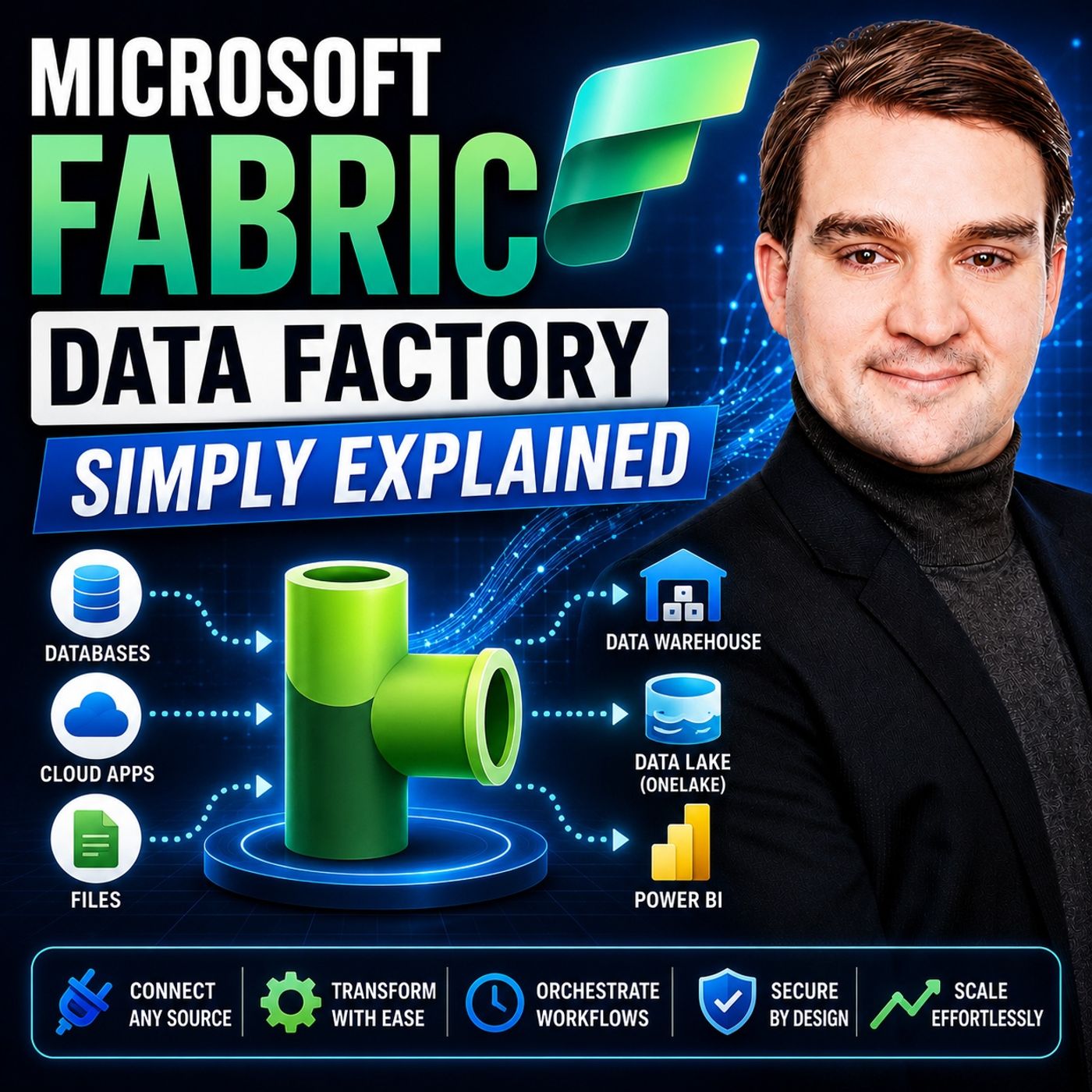
Microsoft Fabric Data Factory - Simply Explained
Quick answer: Microsoft Fabric Data Factory provides data-integration capabilities for moving, transforming, and orchestrating data within Microsoft Fabric. This episode explains the core concepts, where pipelines fit, and which design, governance, and operational questions teams should answer before putting data workflows into production. In today's data-driven world, organizations face the challenge of integrating and managing vast amounts of data. Microsoft Fabric Data Factory emerges as a s...
Guest: Mirko Peters
July 22, 2026
Microsoft Fabric - Simply Explained
Quick answer: Microsoft Fabric brings data engineering, data integration, warehousing, real-time analytics, business intelligence, and governance into one SaaS analytics platform. This episode explains the major workloads, how they connect, and the practical architecture questions teams need to answer before adopting Fabric. Microsoft Fabric - Simply Explained serves as a comprehensive analytics solution designed to streamline your data processes. In today's fast-paced business world, effective...
Guest: Mirko Peters
July 22, 2026
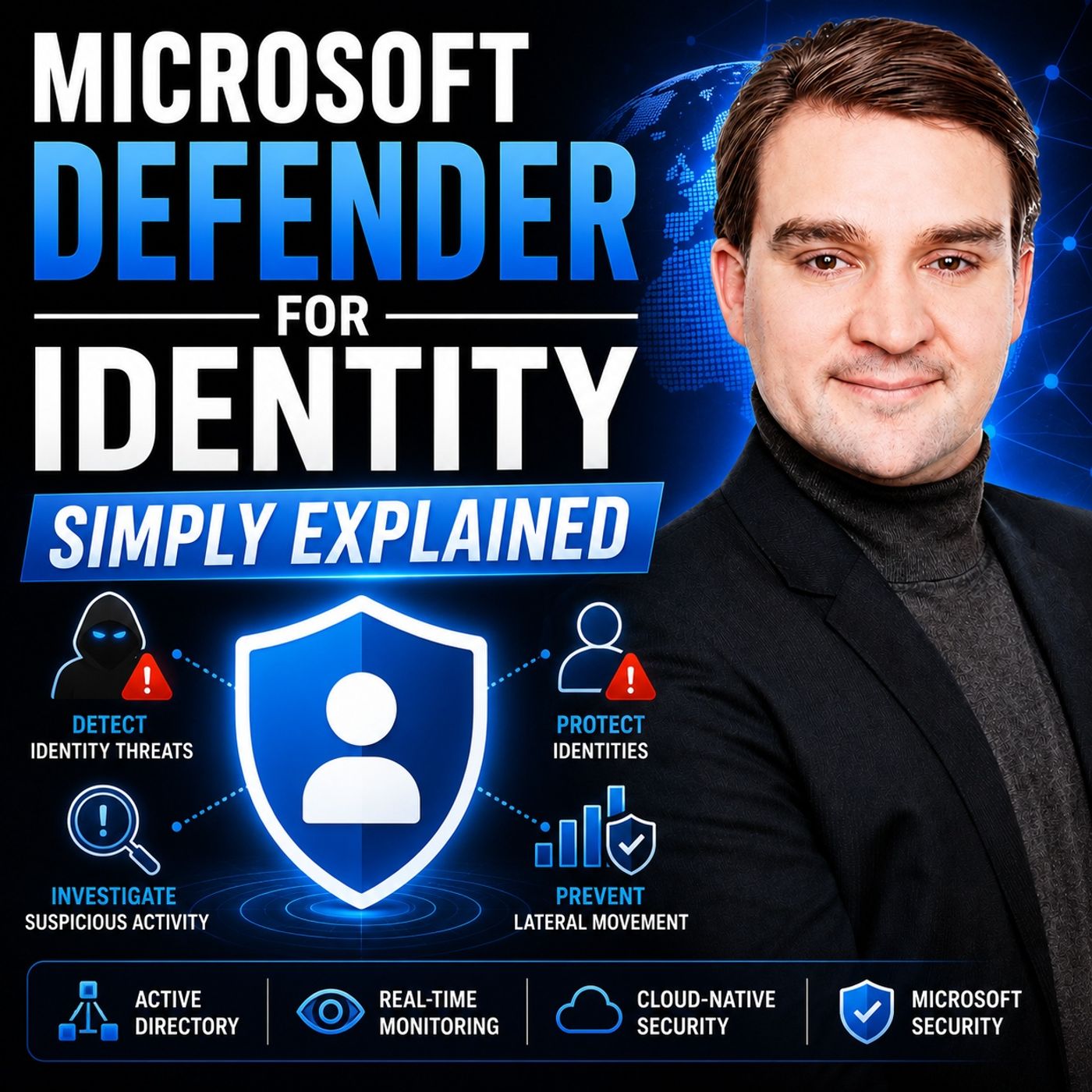
Microsoft Defender for Identity - Simply Explained
Quick answer: Microsoft Defender for Identity helps security teams detect suspicious identity activity and investigate attacks that target credentials, privileges, and lateral movement. This episode explains the signals it provides, how it supports investigations, and why identity protection must connect to endpoint and collaboration security. In today's digital landscape, protecting your identity is crucial. Cyber threats continue to evolve, making it essential to understand how to safeguard y...
Guest: Mirko Peters
July 22, 2026
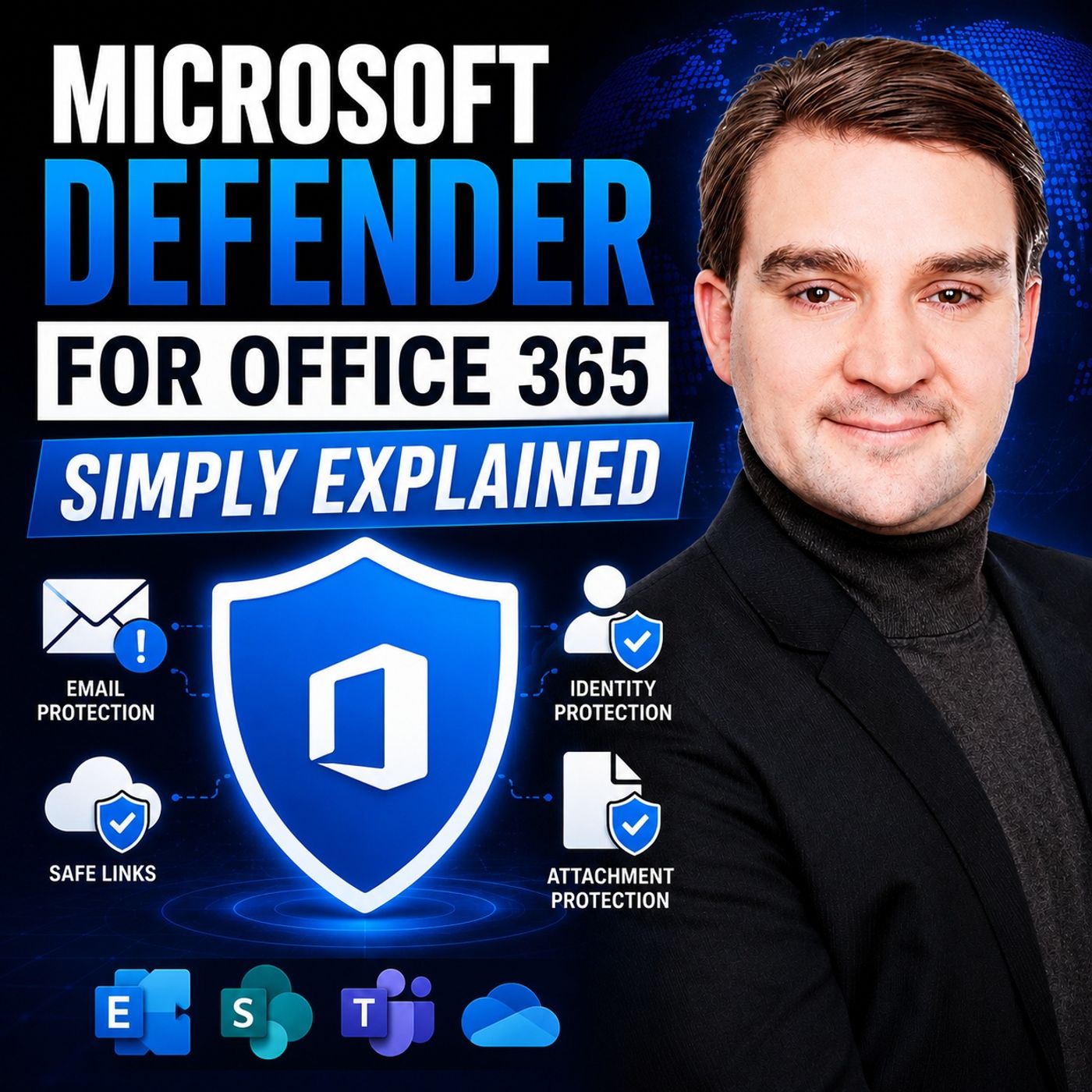
Microsoft Defender for Office 365 - Simply Explained
Quick answer: Microsoft Defender for Office 365 helps organisations protect email, Teams, SharePoint, and OneDrive from phishing, malicious links, malware, and related threats. This episode explains the protection layers, investigation workflows, and practical decisions that turn security features into a usable operating model. Microsoft Defender for Office 365 - Simply Explained serves as a crucial security layer for users of Office 365. It protects against various threats that can compromise ...
Guest: Mirko Peters
July 22, 2026
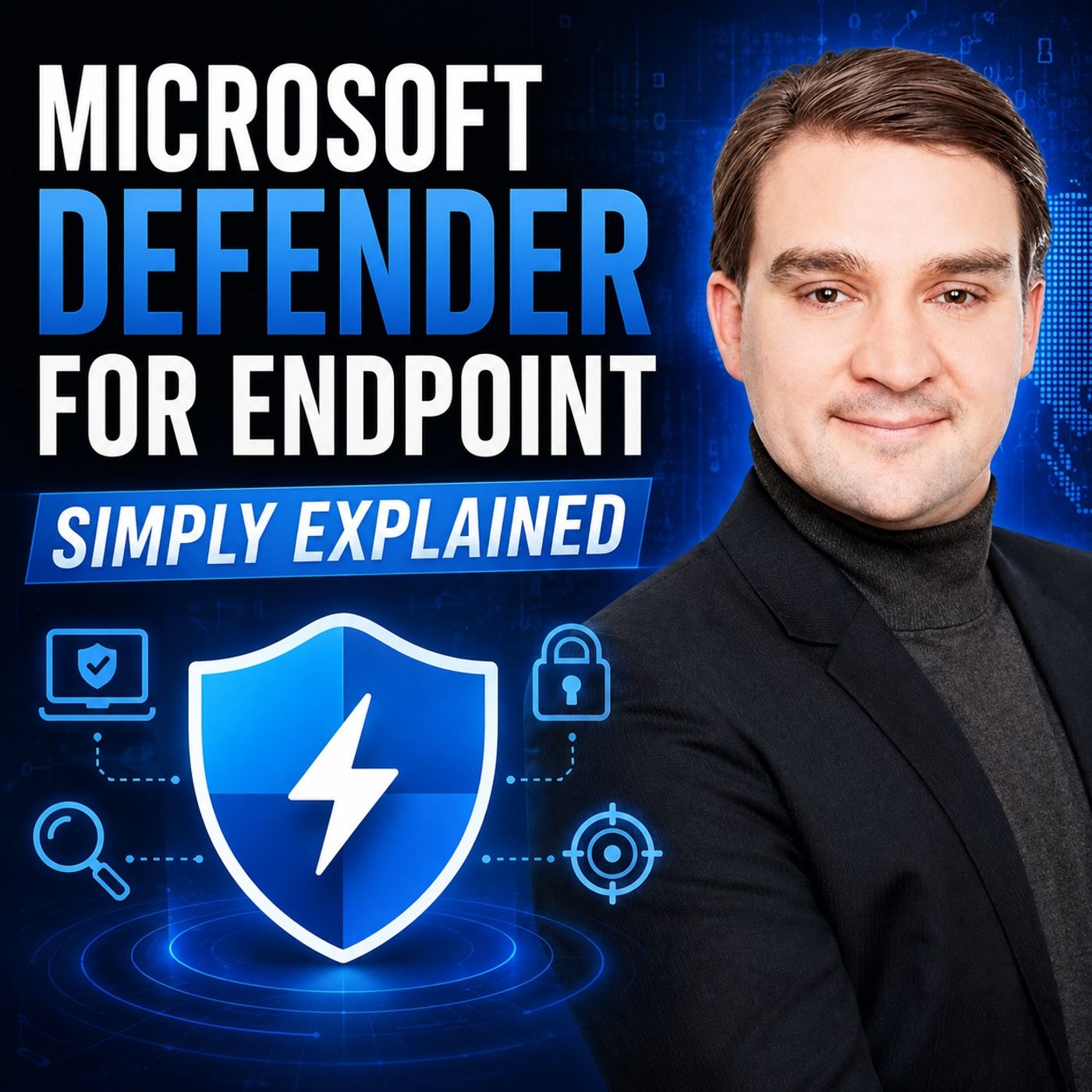
Microsoft Defender for Endpoint - Simply Explained
Quick answer: Microsoft Defender for Endpoint helps security teams prevent, detect, investigate, and respond to threats across devices. This episode explains the platform’s core capabilities, how endpoint signals support security operations, and the practical questions to answer before rolling it out across a Microsoft 365 environment. In today's digital world, you need robust protection for your devices. Microsoft Defender for Endpoint serves this purpose by safeguarding endpoints against cybe...
Guest: Mirko Peters
July 22, 2026
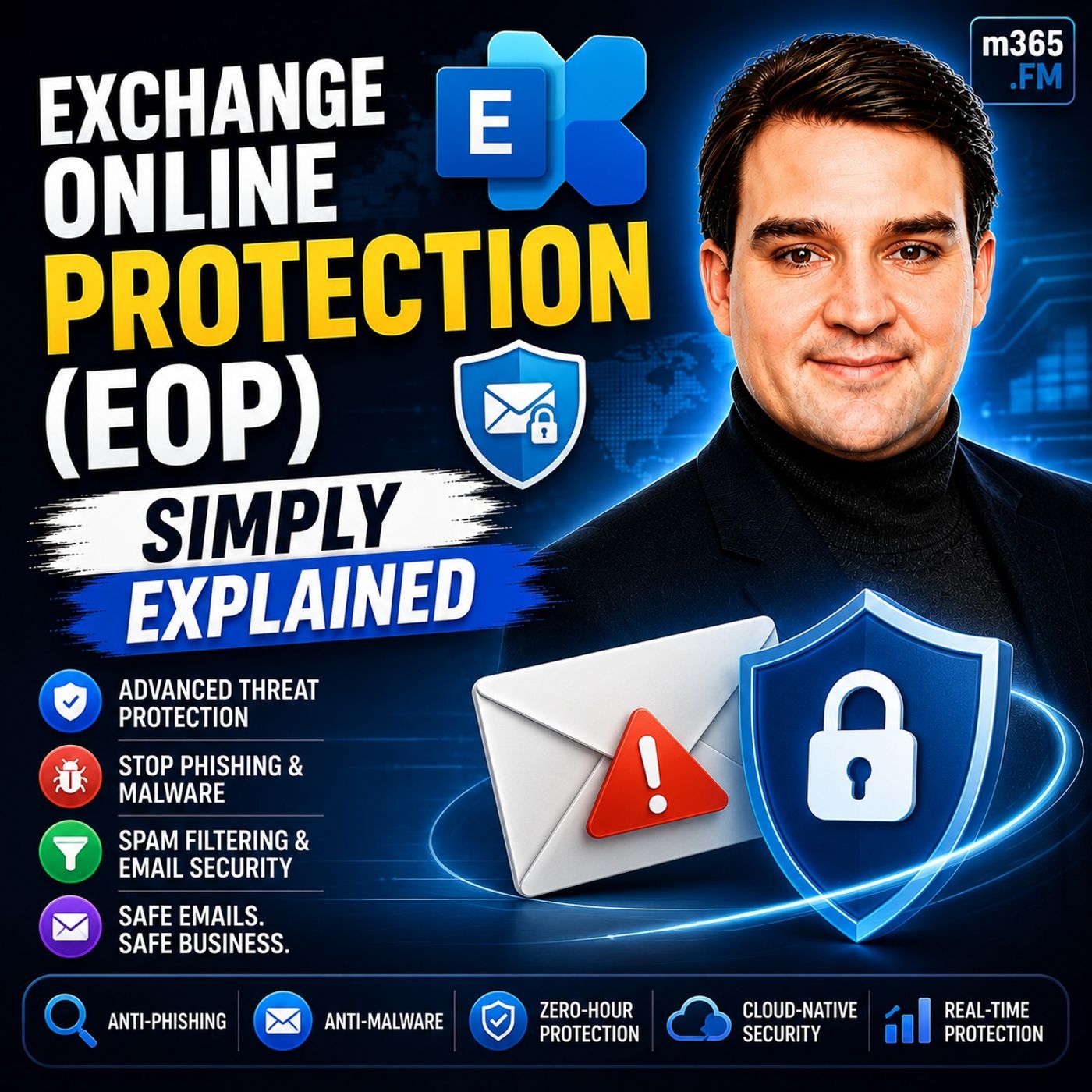
Exchange Online Protection (EOP) - Simply Explained
Quick answer: Exchange Online Protection, or EOP, is the baseline cloud email security service in Microsoft 365. This episode explains how it helps filter spam, malware, and unwanted messages, where it fits with Microsoft Defender for Office 365, and which operating decisions make protection more effective. Exchange Online Protection (EOP) serves as a vital component of email security for organizations. It protects you from various email threats, including spam, malware, and phishing attacks. B...
Guest: Mirko Peters
July 22, 2026
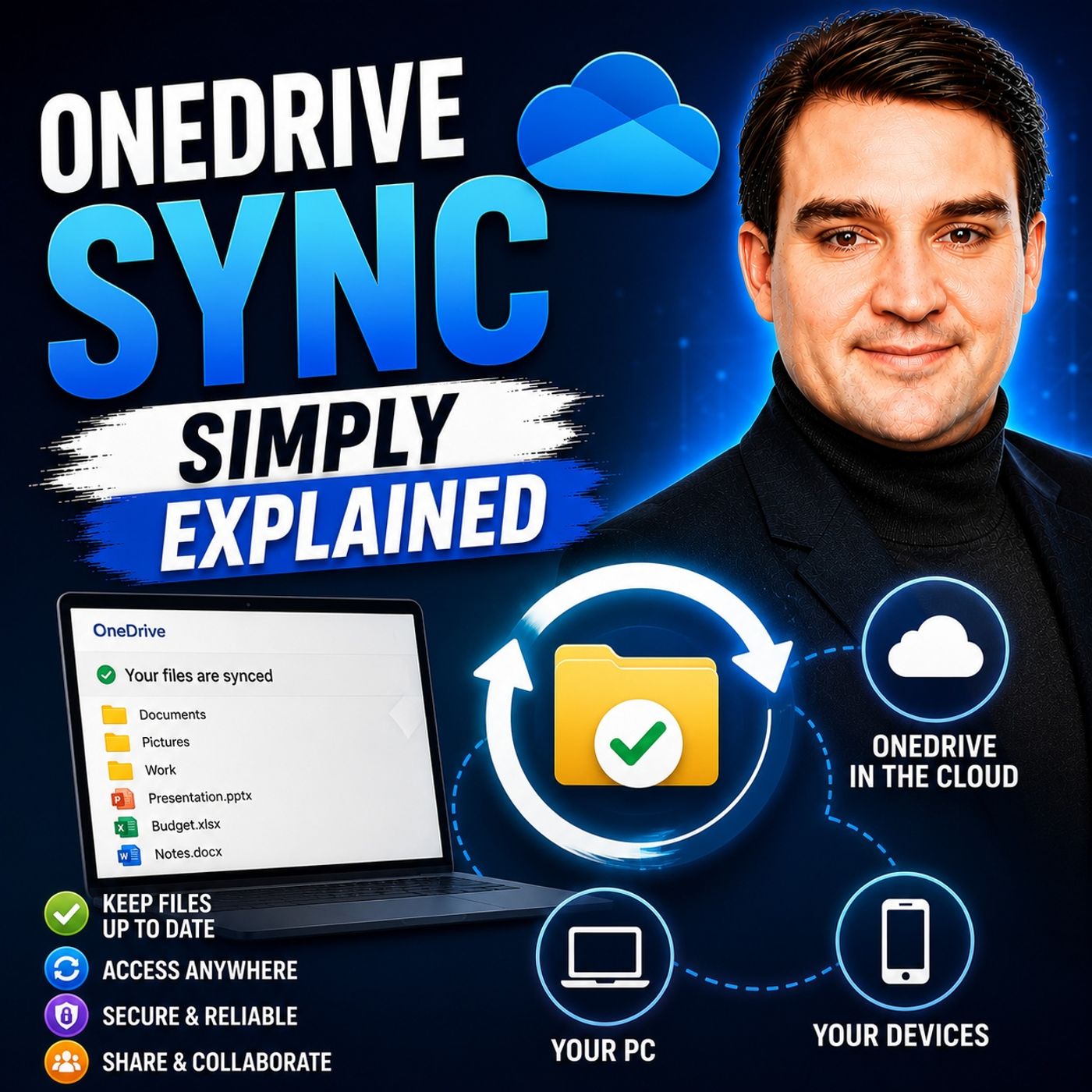
OneDrive Sync: Setup and Troubleshooting | Simply Explained
Quick answer: OneDrive Sync connects SharePoint and OneDrive files to File Explorer so people can work with familiar folders while Microsoft 365 keeps collaboration and cloud storage connected. This episode explains how sync works, why common problems occur, and how teams can use it safely at scale. Syncing your OneDrive folders is essential for easy access to your files through OneDrive Sync. With OneDrive, you can access your documents anytime, even without an internet connection. This featur...
Guest: Mirko Peters
July 22, 2026
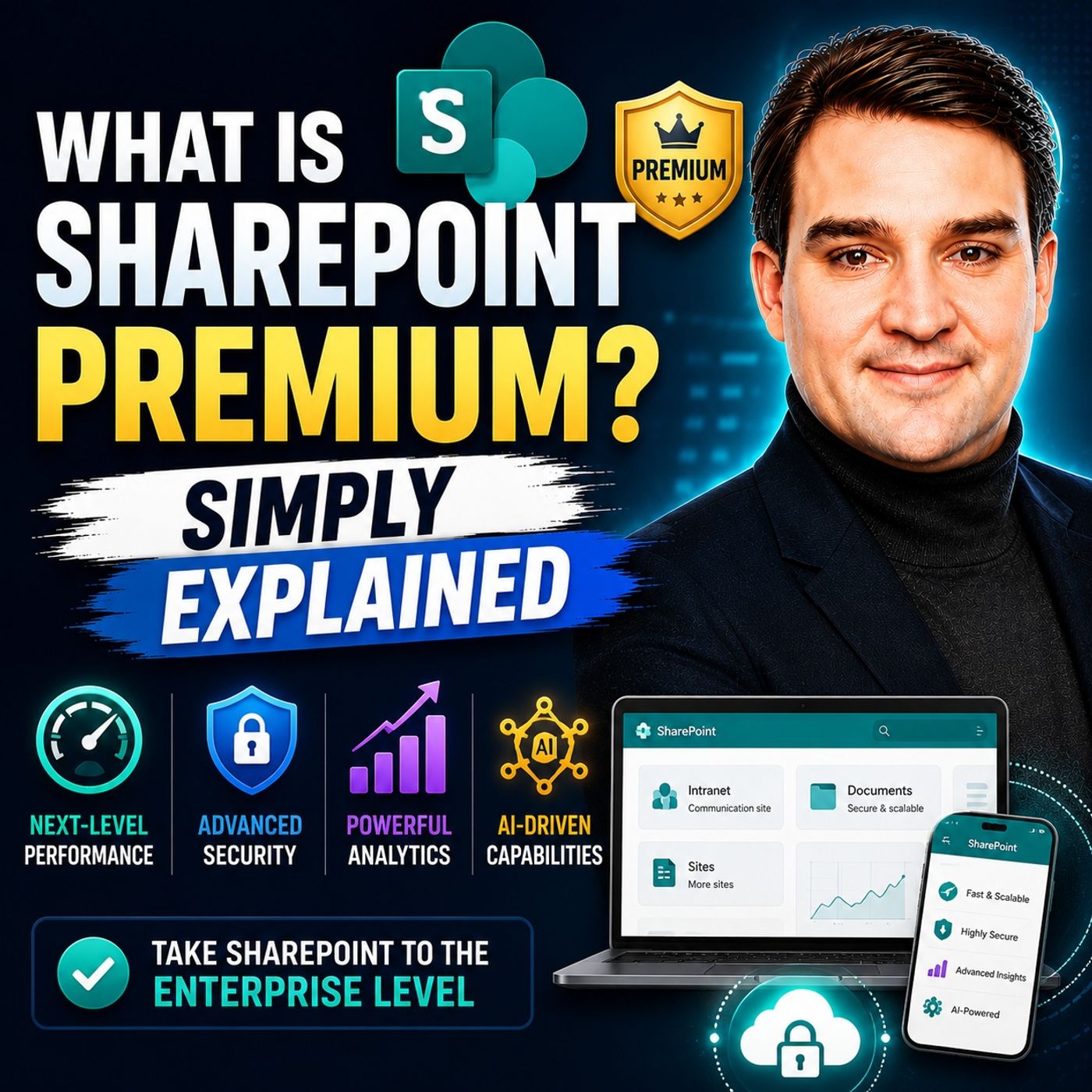
What Is SharePoint Premium - Simply Explained
Quick answer: SharePoint Premium extends Microsoft 365 content management with intelligent document-processing and governance capabilities. This episode explains what it is, where it fits in a SharePoint environment, and the practical questions to ask before using it for business processes and content at scale. SharePoint Premium is an AI-powered add-on that enhances SharePoint Online, a vital component of Microsoft 365. This innovative solution transforms document management by automating orga...
Guest: Mirko Peters
July 22, 2026
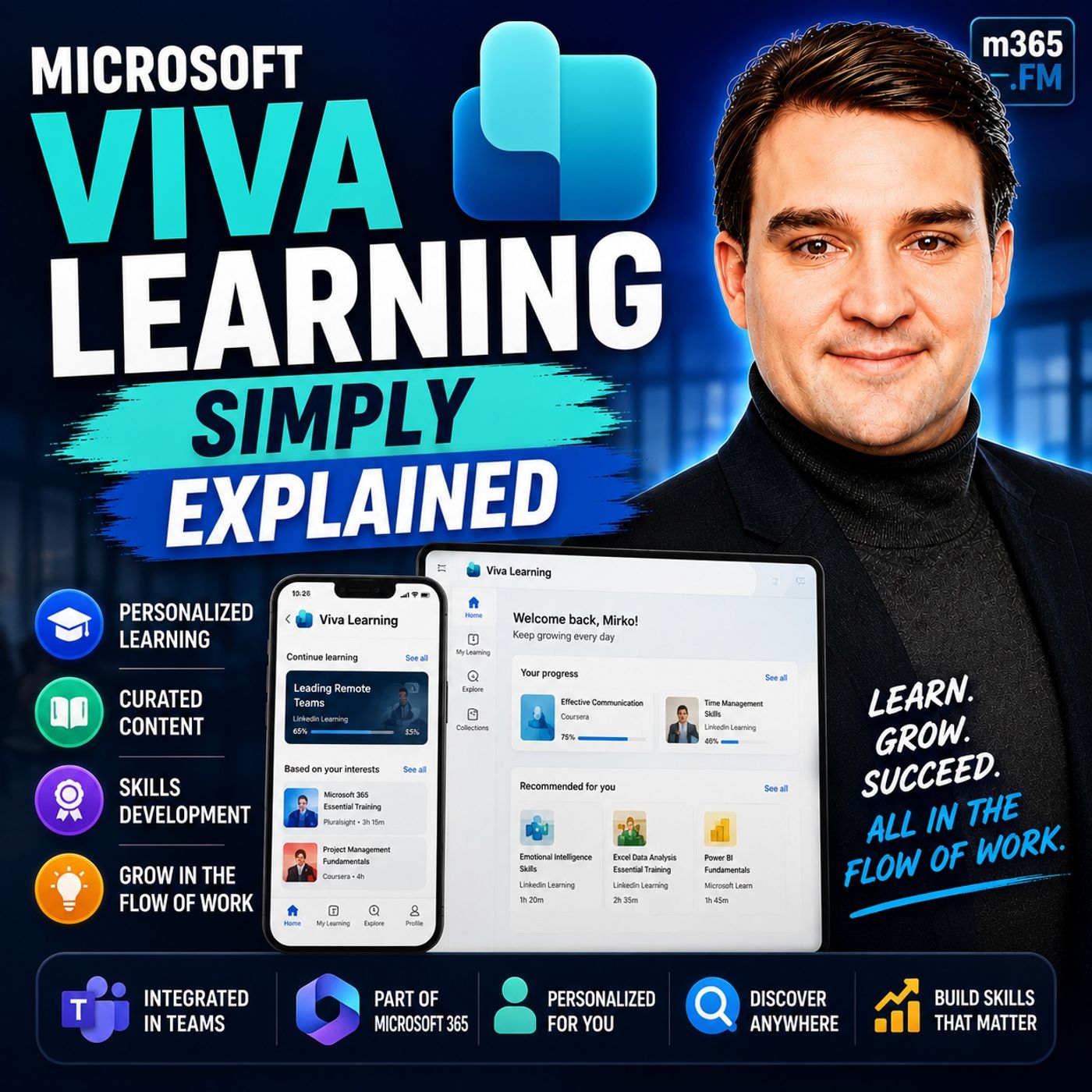
Microsoft Viva Learning - Simply Explained
Quick answer: Microsoft Viva Learning brings learning content and discovery into the flow of work across Microsoft 365 and Teams. This episode explains how the service supports employees and learning teams, which content and governance choices matter, and how to position learning as an ongoing work habit. Microsoft Viva Learning is an integrated platform designed to enhance employee training and development within Microsoft Teams. In today’s competitive market, you must prioritize learning to f...
Guest: Mirko Peters
July 22, 2026
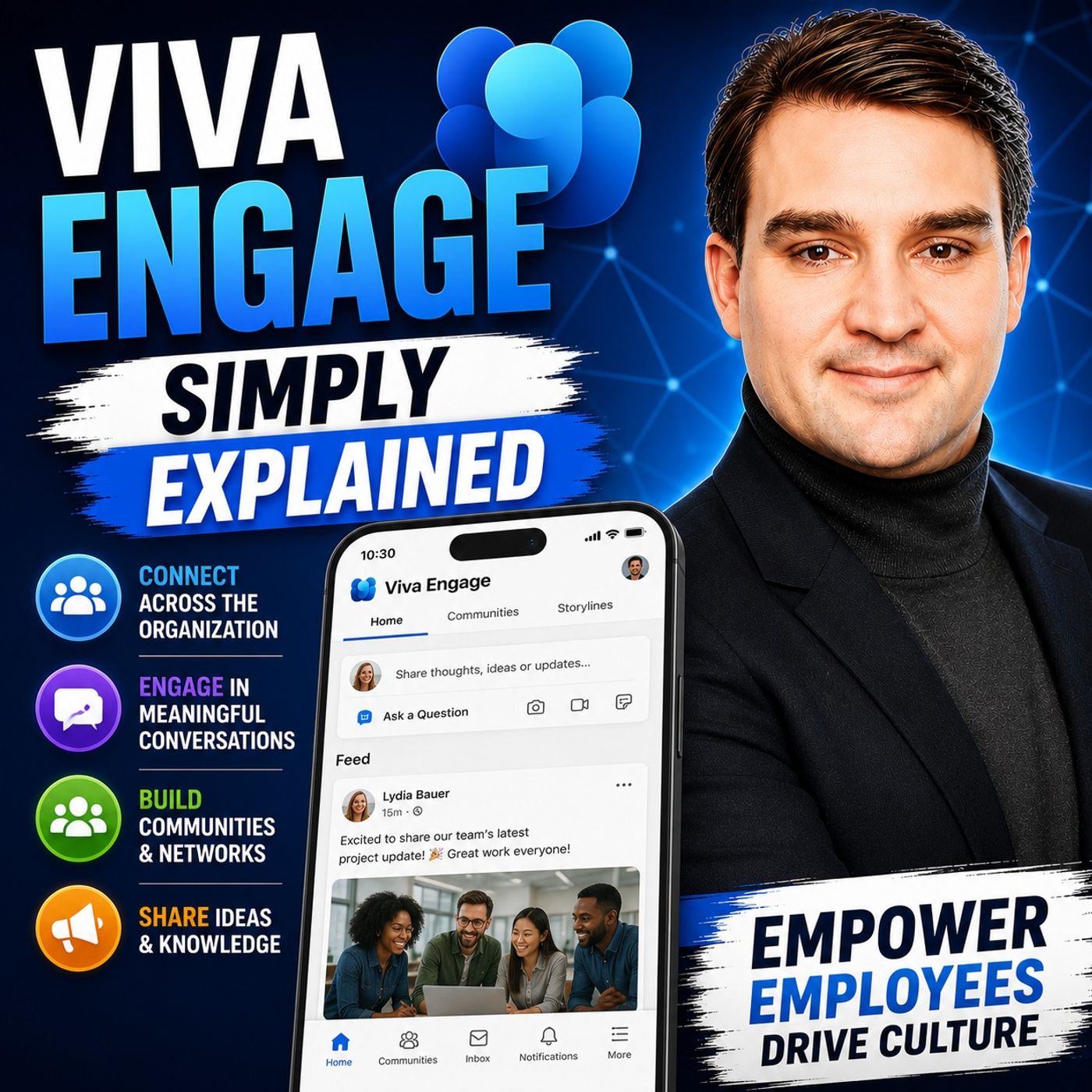
Viva Engage - Simply Explained
Quick answer: Viva Engage is Microsoft’s community experience for conversations, leadership communication, and knowledge sharing across an organisation. This episode explains how it fits into Microsoft 365, how communities create value, and why governance and clear participation habits matter for sustainable engagement. Viva Engage is Microsoft's innovative platform designed to enhance employee engagement and foster a vibrant workplace culture. Launched in 2023, it evolved from Yammer, retainin...
Guest: Mirko Peters