 EN
 Deutsch
 Español
 Français
 Italiano
 Português
 Nederlands
 Polski
 Bahasa Indonesia
 Русский
 Українська
 العربية
 עברית
 हिन्दी
 日本語
 한국어
2026-06-22 · Season 2
Game-Inspired Enterprise UX with Sandra Kiel [MVP]

Quick answer: game design principles for enterprise software UX is covered in this M365 FM episode with a practical focus on how it works, where it fits, and the architecture, security, governance, or operational choices that matter in real Microsoft environments.
Have you ever noticed how video games keep you glued to the screen? They create an experience that pulls you in and makes you want to keep playing. You can bring that same magic to enterprise software. By adopting game mechanics, you can boost user engagement and productivity.
Gamification is one way to do this. It adds fun elements like points and challenges to your training programs. Real-time analytics also play a key role. They help you understand user behavior and improve experiences on the fly.
"Bret Wardle highlights the shift from traditional gamification elements like points and badges to more engaging features such as storytelling and tailored user experiences."
Imagine transforming your software into a platform that users love to explore!
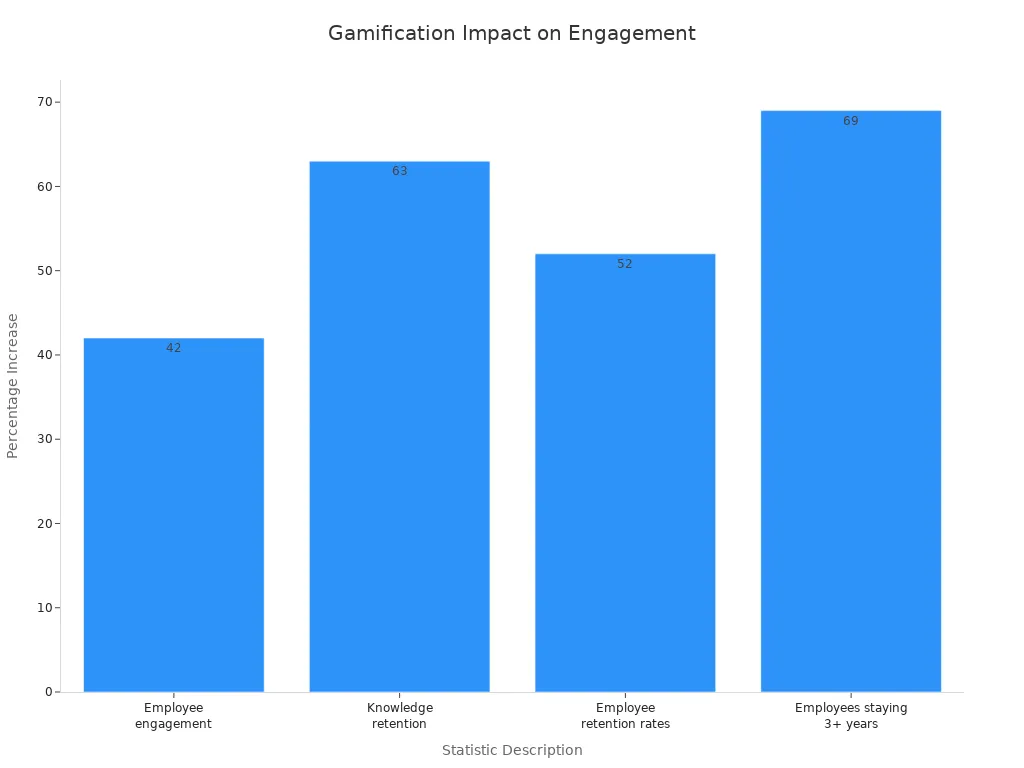
Key Takeaways
- Gamification boosts user engagement by adding fun elements like points and challenges to training programs.
- Incorporating storytelling techniques transforms mundane tasks into engaging experiences, enhancing user connection.
- High-quality visuals and audio create immersive environments, increasing user engagement and satisfaction.
- Instant feedback provides users with a sense of accomplishment, keeping them motivated and engaged.
- Simulation scenarios allow employees to practice skills in a safe environment, improving confidence and knowledge retention.
- Role-playing elements foster empathy and understanding, enhancing collaboration among team members.
- Real-time analytics help tailor software to user needs, improving overall productivity and satisfaction.
- Creating a strong team culture encourages collaboration and loyalty, making the workplace more enjoyable.
User Engagement in Enterprise Software
Immersive Experiences
Creating immersive experiences in enterprise software can significantly enhance user engagement. Just like in video games, where players are drawn into rich narratives and vibrant worlds, you can captivate users by incorporating storytelling techniques.
Storytelling Techniques
Storytelling in software can transform mundane tasks into compelling journeys. When you frame your software around a narrative, users feel more connected to their work. For instance, consider how a training module could present a scenario where employees must solve a mystery or complete a mission. This approach not only makes learning enjoyable but also encourages knowledge retention.
Visual and Audio Elements
Visuals and sound play a crucial role in creating an engaging atmosphere. High-quality graphics and immersive audio can make your software feel more like a game. Research shows that immersive experiences can increase engagement by up to 80% and improve conversion rates by 40%. Companies like Gucci and IKEA have successfully used augmented reality (AR) to create memorable interactions, demonstrating the power of visual elements in enhancing user experience.
| Application Area | Description |
|---|---|
| Workforce Training Simulations | Using VR to create realistic training environments for employees. |
| Equipment Maintenance Guidance | Providing VR assistance for maintenance tasks. |
| Manufacturing Visualization | Visualizing manufacturing processes in a virtual space. |
| Field Service Support | Utilizing VR for on-site support and troubleshooting. |
Feedback Mechanisms
Feedback mechanisms are essential for improving user performance and satisfaction. They provide users with the information they need to understand their progress and areas for improvement.
Instant Gratification
Incorporating instant feedback can lead to a more satisfying user experience. When users receive immediate responses to their actions, they feel a sense of accomplishment. This instant gratification keeps them motivated and engaged. For example, gamification elements like points and badges can reward users for completing tasks, making the learning process more enjoyable.
Progress Tracking
Progress tracking is another vital aspect of user engagement. By allowing users to see their advancement, you create a sense of achievement. Effective feedback loops help connect product development to actual user needs, preventing wasted effort on unnecessary features. Studies show that rapid adaptation to user needs through effective feedback leads to better performance and a competitive advantage.
Incorporating these elements into your enterprise software can transform the user experience. By focusing on immersive storytelling, engaging visuals, and robust feedback mechanisms, you can create a platform that not only enhances productivity but also fosters a culture of continuous learning and improvement.
Gamification in Training
Gamification can transform your training programs into engaging experiences that boost learning outcomes. By incorporating game mechanics, you can create an environment where employees are excited to learn and develop their skills. Let’s dive into how game-based learning and reward systems can enhance your corporate training.
Game-Based Learning
Game-based learning is a powerful approach that makes training more interactive and enjoyable. It encourages active participation, which leads to better retention of information.
Simulation Scenarios
Simulation scenarios allow employees to practice skills in a safe environment. For example, imagine a training program where cashiers use a game-based simulator to handle transactions. This setup helps them gain confidence and accuracy before they interact with real customers. Learning through simulations bridges the gap between theory and practice, enhancing knowledge retention significantly.
- Benefits of Simulation Scenarios:
- Employees can apply new knowledge immediately.
- They practice in a risk-free setting, reducing the chance of errors in real situations.
- Engaging narratives keep employees involved and motivated.
Role-Playing Elements
Role-playing elements add another layer of engagement to training. When employees step into different roles, they can explore various perspectives and scenarios. This method not only makes learning fun but also fosters empathy and understanding among team members.
- Key Advantages:
- Employees develop practical skills through real-world scenarios.
- They learn to navigate complex situations, enhancing their problem-solving abilities.
- Role-playing encourages collaboration and communication within teams.
Reward Systems
Reward systems are essential for motivating employees during training. They provide recognition for achievements and encourage continued participation.
Badges and Achievements
Badges and achievements serve as tangible rewards for completing tasks. Specific badges that recognize concrete accomplishments are more valuable than generic ones. When employees earn badges, they feel validated and motivated to continue their learning journey.
- Impact of Badges:
- Immediate recognition reinforces the connection between action and reward.
- This process triggers the brain's reward system, releasing dopamine and fostering positive associations with learning.
Leaderboards and Competitions
Leaderboards and competitions create a sense of urgency and excitement. By introducing competitive elements, you can motivate employees to engage more deeply with the training material.
- Benefits of Leaderboards:
- They encourage friendly competition, which can lead to improved performance.
- Organizations using gamification in training report a 50% reduction in training time alongside measurable improvements in knowledge retention and employee performance.
Here’s a quick look at some impressive results organizations have observed after implementing gamification in their training programs:
| Metric | Result |
|---|---|
| Employee Satisfaction | Up to 89% increase |
| Knowledge Retention (Sales Teams) | 25% increase |
| Training Time Reduction | 30% reduction |
| Engagement Rates | 60% higher |
| Knowledge Retention Improvement | 40% improvement |
| Enjoyment of Learning | 90% of employees prefer gamified training |
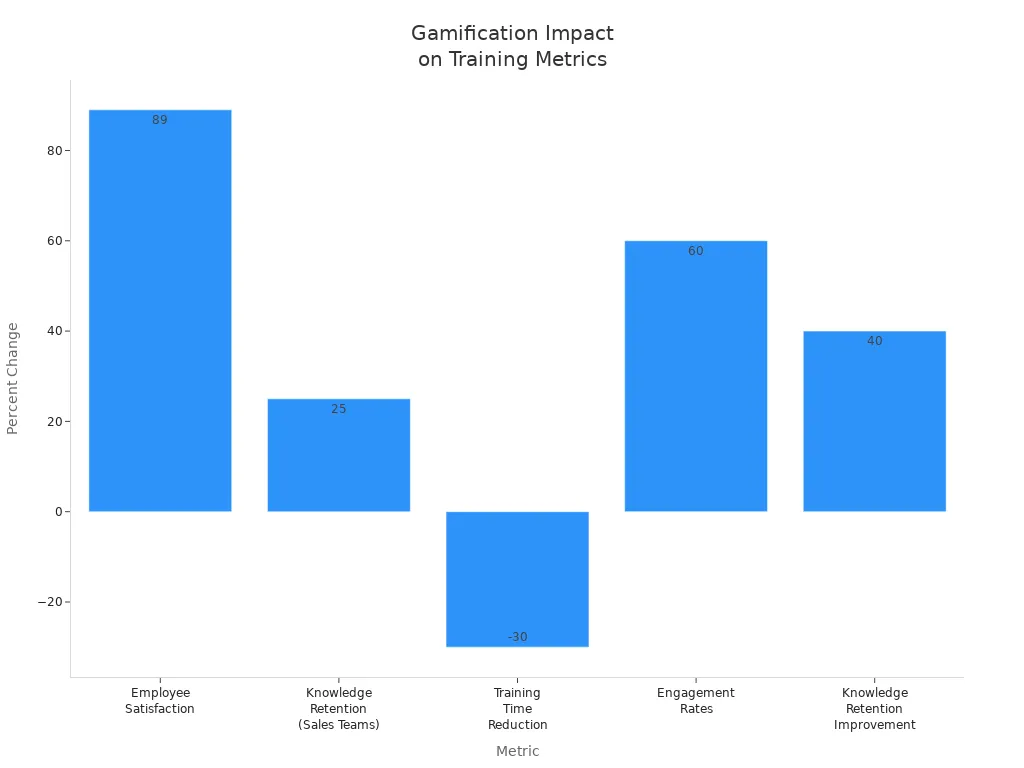
By integrating gamified learning into your employee training, you can create a more engaging and effective educational experience. This approach not only enhances motivation but also leads to better retention of knowledge and skills.
Learning from Video Games in Education
Video games in education offer a treasure trove of benefits that can enhance your corporate learning initiatives. They teach valuable skills like strategic thinking, collaboration, and problem-solving. Let’s explore how these elements can transform your enterprise software and training programs.
Strategic Thinking
Video games challenge players to think critically and strategically. You can harness these skills in your workplace to improve decision-making and problem-solving.
Problem-Solving Skills
When you engage with strategy games, you learn to analyze situations and devise solutions. This skill translates well into the corporate world. For instance, you might face a complex project where you need to evaluate different approaches. The analytical thinking developed through gaming helps you assess variables and make informed decisions.
Risk-Taking and Patience
Games often require players to take calculated risks. You learn to weigh the pros and cons, which is crucial in business. This ability to manage uncertainty can lead to better outcomes in your projects. Plus, video games teach patience. You often need to try multiple strategies before finding the right one, a lesson that can be invaluable in your professional life.
| Skill Developed | Description |
|---|---|
| Critical Thinking | Strategy games require players to make strategic decisions and plan their moves to achieve objectives. |
| Analytical Thinking | Players analyze complex situations, evaluate variables, and devise counter-strategies. |
| Decision-Making | Involves weighing pros and cons under uncertainty, assessing risks, and evaluating long-term consequences. |
| Strategic Planning | Players set goals and devise plans considering long-term implications of their actions. |
| Adaptability and Flexibility | Players must adjust strategies and make decisions in dynamic situations. |
| Creativity and Innovation | Games encourage players to think creatively and devise unique strategies to overcome challenges. |
Collaboration and Teamwork
Video games also excel at fostering collaboration and teamwork. You can apply these principles to enhance your corporate culture.
Multiplayer Dynamics
Many games require players to work together to achieve common goals. This multiplayer dynamic can be mirrored in your enterprise software. By incorporating features that promote real-time collaboration, you can enhance teamwork among employees. Companies are already seeing the benefits of these features, as they simplify file sharing and improve user experience.
Community Building
Video games create communities where players support each other. This sense of belonging can be powerful in a corporate setting. When you foster a community within your organization, you encourage communication and collaboration. Research shows that gamified learning strategies enhance motivation and engagement, making your training programs more effective.
- Video games enhance emotional regulation, helping players manage stress and frustration.
- They improve social skills like teamwork and leadership, which are essential in any workplace.
By integrating these gaming principles into your enterprise software, you can create a more engaging and effective learning environment. This approach not only boosts knowledge retention but also fosters a culture of collaboration and innovation.
Real-Time Analytics and User Feedback
In today's fast-paced world, real-time analytics can be a game changer for enterprise software. By leveraging data-driven insights, you can make informed decisions that enhance user experiences and boost productivity. Understanding user behavior is crucial. It allows you to tailor your software to meet their needs effectively.
Data-Driven Insights
User Behavior Analysis
Analyzing user behavior helps you identify patterns and preferences. This understanding can guide your software development process. Here are some key benefits of user behavior analysis:
- You can tailor software features based on user needs and preferences.
- Observing user interactions helps you spot usability issues early, allowing for timely adjustments.
- Customizing software configurations based on feedback enhances overall productivity and satisfaction.
For instance, Netflix utilizes real-time analytics to monitor the performance of over 300 million devices. This ensures a seamless experience for its 200 million members across various platforms. Such insights are invaluable for personalizing user experiences and understanding user intent.
Performance Metrics
Tracking performance metrics is essential for maintaining user engagement. Here are some critical metrics to consider:
- Page load time: Affects user experience and engagement levels.
- Error rates: High error rates can deter users and reduce engagement.
- User satisfaction: Reflects how well the software meets user needs, directly impacting engagement.
By focusing on these metrics, you can optimize your software to enhance user interaction and satisfaction.
Adaptive Learning Environments
Creating adaptive learning environments can significantly improve training outcomes. Personalization is key to keeping users engaged and motivated.
Personalized User Experiences
Real-time analytics allows you to provide personalized user experiences. When you tailor content and features to individual users, you enhance their engagement and reduce churn. This personalization directly impacts productivity. For example, organizations utilizing adaptive learning strategies have experienced a 40% faster upskilling rate and a 27% average improvement in skill mastery.
Continuous Improvement Feedback Loops
Implementing continuous improvement feedback loops is vital for ongoing success. Short feedback loops create a tight connection between actions and outcomes. Here are some best practices:
"Implementing short feedback loops is crucial—you want to establish feedback mechanisms that operate on a weekly cadence rather than monthly or yearly schedules."
By gathering feedback regularly, you can quickly observe the impact of changes and make necessary adjustments. This approach fosters a culture of continuous improvement, ensuring your software evolves alongside user needs.
Incorporating real-time analytics and user feedback into your enterprise software can lead to better training outcomes and a more engaged workforce. By focusing on data-driven insights and adaptive learning, you can create a dynamic environment that supports both employee development and organizational success.
Integrating video game principles into enterprise software can transform user engagement and productivity. Here are some key takeaways to consider:
- Regular Encouragement: Positive reinforcement keeps employees motivated.
- Quick Rewards: Immediate recognition boosts morale and engagement.
- Clear Goals: Defined objectives help everyone understand what success looks like.
- Sense of Belonging: A strong team culture fosters collaboration and loyalty.
By exploring these strategies, you can create software solutions that not only engage users but also drive performance. Embrace the power of gamification and watch your organization thrive! 🎮
FAQ
What is gamification in enterprise software?
Gamification adds game-like elements to software, making tasks more engaging. It uses points, challenges, and rewards to motivate users, similar to what you see in the video game industry.
How can storytelling enhance user engagement?
Storytelling creates a narrative around tasks, making them more relatable and enjoyable. This technique helps you connect emotionally, increasing your motivation to complete tasks.
What role does feedback play in training?
Feedback provides you with insights into your performance. It helps you understand your progress and areas for improvement, keeping you engaged and motivated throughout the training process.
How can real-time analytics improve user experience?
Real-time analytics allow you to track user behavior and preferences. This data helps tailor the software to meet your needs, enhancing your overall experience and productivity.
Why is collaboration important in enterprise software?
Collaboration fosters teamwork and communication. By incorporating multiplayer dynamics, you can work together more effectively, just like in the video game industry, where players achieve goals as a team.
What are the benefits of using simulation scenarios in training?
Simulation scenarios provide a safe space for you to practice skills. They bridge the gap between theory and real-world application, boosting your confidence and knowledge retention.
How can I implement gamification in my training programs?
Start by identifying key learning objectives. Then, integrate game mechanics like rewards, challenges, and progress tracking to create an engaging training environment that motivates employees.
What are some examples of gamification in action?
Companies like Duolingo and Kahoot! use gamification effectively. They incorporate elements like points, badges, and leaderboards to enhance learning and engagement, making the process enjoyable.
🎧 Listen to this episode
Want a practical explanation of Game-Inspired Enterprise UX with Sandra Kiel [MVP]? This episode breaks down the topic in clear language and shows why it matters for Microsoft 365, Azure, Power Platform, security, AI, and modern work.
Listen to this episode if you want to:
- Understand the key concepts behind Game-Inspired Enterprise UX with Sandra Kiel [MVP]
- See how it fits into the wider Microsoft technology ecosystem
- Learn where it can create practical value for your organization
You may also enjoy these related M365 FM episodes:
- From Data to Intelligent Agents: Building Trusted Enterprise AI with Microsoft AI Foundry with Shubhangi Goyal [MVP]
- Azure DevOps in 2026: The Quiet Backbone of Enterprise AI
- Enterprise AI Experiences in Power Apps with Sara Lagerquist [MVP]
- Microsoft Graph: The Enterprise Nervous System
- Graph-Powered AI Agents: An Enterprise Architecture Guide
Discover more practical Microsoft conversations on M365 FM.
Last reviewed: July 2026.
Who Should Listen
This episode is for Microsoft administrators, architects, developers, security professionals, and business leaders who need a practical foundation before making implementation, operations, or governance decisions.
🎧 You Should Also Listen To
- AI Agents — A strongly related next step for extending this topic.
- Power Platform — A strongly related next step for extending this topic.
- Microsoft Graph Data Connect — A strongly related next step for extending this topic.
Apple Podcasts · Spotify · YouTube · YouTube Music
Host: Mirko Peters