
Examine cloud infrastructure design and operations in Microsoft Azure, emphasizing security, management, and integration with on-premises environments. Discover architectural choices that impact performance and cost.
![AD Tiering and Privileged Access with Viktor Hedberg [MVP-MCT]](https://d3wo5wojvuv7l.cloudfront.net/t_rss_itunes_square_1400/images.spreaker.com/original/13746b817bb6d94c0b03f623efb9d37d.jpg "AD Tiering and Privileged Access with Viktor Hedberg [MVP-MCT]")
May 23, 2026
AD Tiering and Privileged Access with Viktor Hedberg [MVP-MCT]
In this episode of the m365.fm podcast, host Mirko Peters speaks with cybersecurity expert Viktor Hedberg about the importance of securing enterprise environments through Active Directory (AD) tiering and privileged access management. The discussion explores how attackers commonly target privileged accounts to move laterally through corporate networks and why traditional “flat” admin models are no longer sufficient. Viktor explains the concept of AD tiering, where administrative privileges are separated into security tiers to reduce the blast radius of compromised credentials. He also highlights the role of privileged access workstations (PAWs), just-in-time administration, and strong identity protection practices. The episode covers real-world attack scenarios, lessons learned from incident response engagements, and practical recommendations for organizations running hybrid Microsoft environments. Key themes include reducing standing privileges, enforcing multi-factor authentic…
Guests: Mirko Peters , Viktor Hedberg
![Enterprise AI Agent Engineering with Karthikeyan VK [MVP]](https://d3wo5wojvuv7l.cloudfront.net/t_rss_itunes_square_1400/images.spreaker.com/original/2f57511552c865613a91e0c61100a12b.jpg "Enterprise AI Agent Engineering with Karthikeyan VK [MVP]")
May 20, 2026
Enterprise AI Agent Engineering with Karthikeyan VK [MVP]
In this episode of the M365 FM Podcast, host Mirko Peters speaks with Microsoft AI MVP and CTO Karthikeyan VK about the biggest problem in today’s AI landscape: organizations are relying too heavily on Large Language Models (LLMs) while ignoring the engineering foundations needed for reliable enterprise AI systems. Karthikeyan explains that many companies try to make AI agents handle everything directly through prompts and LLMs, instead of combining them with deterministic engineering practices such as orchestration, validation, governance, retries, observability, and state management. He argues that LLMs should act as reasoning engines, while structured workflows and business logic remain controlled through traditional engineering systems. The discussion highlights the difference between probabilistic AI systems and deterministic enterprise processes like finance, compliance, ERP integrations, and security workflows. According to Karthikeyan, enterprise trust breaks down when A…
Guests: Mirko Peters , Karthikeyan
![Microsoft Foundry AI Apps with Jannik Reinhard [MVP]](https://d3wo5wojvuv7l.cloudfront.net/t_rss_itunes_square_1400/images.spreaker.com/original/ddad938baeb7c725689943f1d2b39e87.jpg "Microsoft Foundry AI Apps with Jannik Reinhard [MVP]")
May 18, 2026
Microsoft Foundry AI Apps with Jannik Reinhard [MVP]
What does it really take to build modern AI applications at scale? In this episode, we take a deep dive into Microsoft Foundry and explore how it is shaping the next generation of AI-powered apps and services. We unpack the vision behind Foundry, the developer experience it enables, and how Microsoft is bringing together AI models, orchestration, security, and enterprise-grade infrastructure into a unified platform. From rapid prototyping to production-ready deployments, Foundry is designed to help developers and organizations move faster while maintaining governance and control. The conversation covers the evolving AI stack, practical use cases, and how developers can integrate tools like copilots, agents, retrieval-augmented generation (RAG), and model customization into real-world business applications. We also discuss the growing importance of observability, responsible AI, and hybrid architectures as enterprises adopt generative AI at scale. Whether you are a developer, …
Guests: Mirko Peters , Jannik Reinhard
![Azure Governance at Scale with Vladimir Stefanovic [MVP-MCT]](https://d3wo5wojvuv7l.cloudfront.net/t_rss_itunes_square_1400/images.spreaker.com/original/955d5d107052da8ae2967c37434d355d.jpg "Azure Governance at Scale with Vladimir Stefanovic [MVP-MCT]")
May 17, 2026
Azure Governance at Scale with Vladimir Stefanovic [MVP-MCT]
This episode of M365.fm explores why traditional Microsoft 365 governance approaches fail at enterprise scale and how organizations can move from manual oversight to automated, enforceable governance models. The discussion explains the difference between governance documentation and true operational governance, highlighting why policies alone are not enough in modern cloud environments. The episode introduces the concept of control planes versus data planes and explains how scalable governance depends on automation, identity management, lifecycle controls, telemetry, and policy enforcement rather than human-driven approval processes. It also covers common governance failures such as stale policies, overprivileged automation, unmanaged AI identities, and lack of monitoring. Additional topics include governance strategies for Copilot, AI agents, and Power Platform environments, along with practical ways organizations can reduce governance friction while maintaining security, compl…
Guests: Mirko Peters , Vladimir Stefanovic
![Secure Azure Automation with Ahmed Uzejnovic [MVP]](https://d3wo5wojvuv7l.cloudfront.net/t_rss_itunes_square_1400/images.spreaker.com/original/c8600cadac70933af59559e365e97e11.jpg "Secure Azure Automation with Ahmed Uzejnovic [MVP]")
May 16, 2026
Secure Azure Automation with Ahmed Uzejnovic [MVP]
“Automating Azure Securely” explores how organizations can modernize Azure automation without creating hidden security risks. The core message is that automation is no longer optional in large Microsoft cloud environments, but poorly designed automation can quickly become a major attack surface. The episode explains that many companies still rely on outdated service accounts, excessive permissions, hardcoded credentials, and unmanaged scripts that silently weaken their Azure security posture. The discussion highlights how secure automation should be built around Zero Trust principles, least privilege access, identity governance, and modern authentication methods such as managed identities and Microsoft Graph integrations. Instead of giving automation tools broad tenant-wide permissions, organizations should isolate workloads, scope permissions tightly, and continuously monitor automated actions. A major focus is the transition away from legacy AzureAD and MSOnline modules toward…
Guests: Mirko Peters , Uzejnovic Ahmed
![PowerShell Automation with Harm Veenstra [MVP]](https://d3wo5wojvuv7l.cloudfront.net/t_rss_itunes_square_1400/images.spreaker.com/original/28785c3e8b9ba75fc74950dfe763d619.jpg "PowerShell Automation with Harm Veenstra [MVP]")
May 14, 2026
PowerShell Automation with Harm Veenstra [MVP]
PowerShell is far more than just a scripting language for administrators. It is a powerful automation platform that can simplify repetitive tasks, connect services, and save countless hours across many different environments. From Microsoft 365 and Azure automation to local system management, reporting, APIs, and DevOps workflows, PowerShell provides flexible tools for almost every scenario. This session explores practical automation examples from multiple areas, showing how PowerShell can be used to streamline daily operations, improve consistency, and reduce manual work. We will look at real-world use cases including Microsoft 365 management, file and data processing, REST API integrations, scheduled automation, and cross-platform scripting. Whether you are just getting started with PowerShell or already writing scripts regularly, this session demonstrates how small automations can create significant improvements in productivity and reliability. Expect live demos, useful tips,…
Guests: Mirko Peters , Harm Veenstra
May 12, 2026
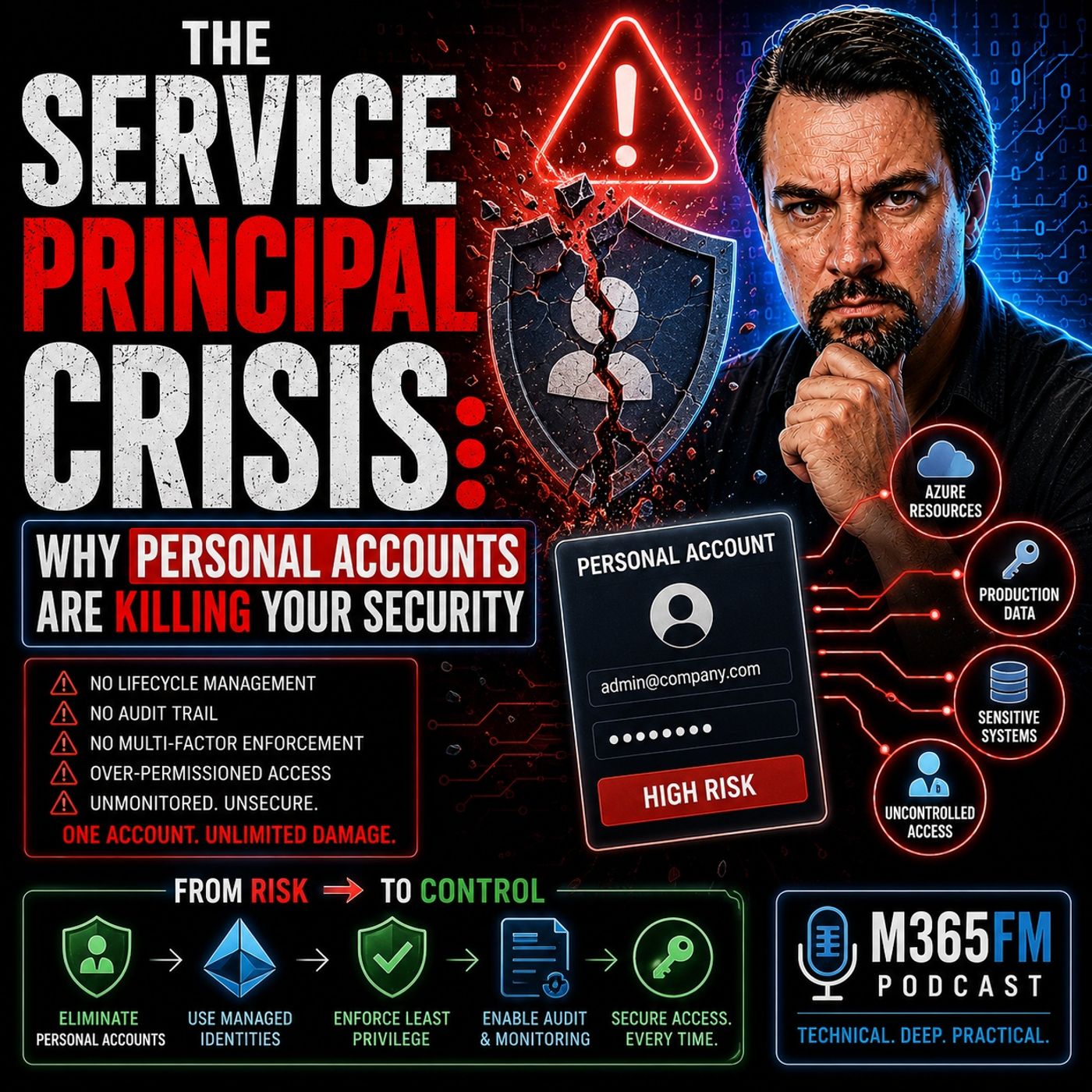
Service Principal Security: Stop Using Personal Accounts
Your Microsoft 365 automation environment is probably running on borrowed identity. In this episode of the M365FM Podcast, we expose one of the biggest hidden risks inside modern cloud architecture: enterprise workflows tethered to personal user accounts. It starts innocently enough. An engineer builds a Power Automate flow, connects a Logic App, configures a Power BI refresh, or deploys a SharePoint integration using their own credentials because it is fast and convenient. But the moment that p...
May 12, 2026
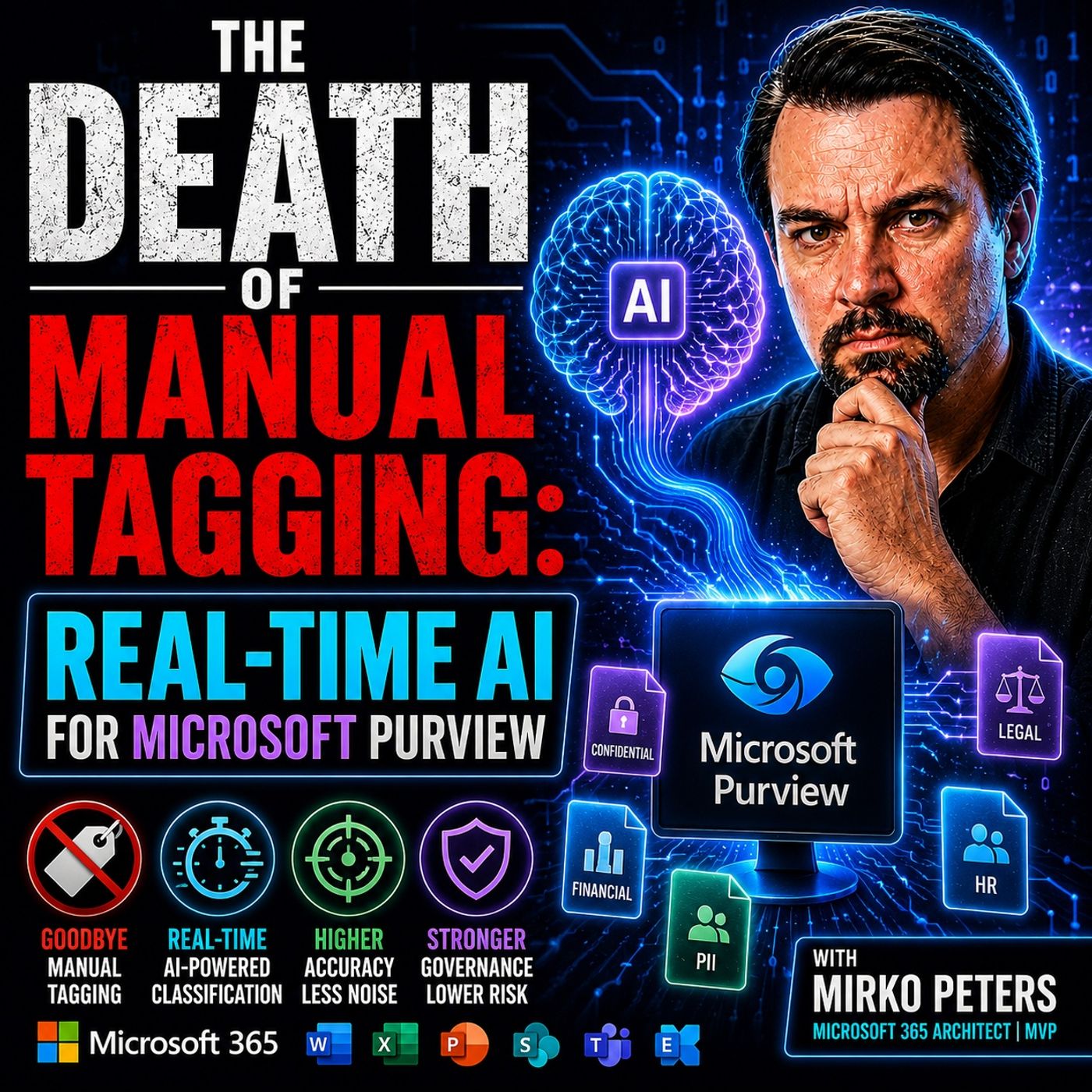
Real-Time AI Sensitivity Labeling in Microsoft Purview
In this episode of M365.fm , the discussion centers on why traditional manual sensitivity labeling in Microsoft Purview is rapidly becoming obsolete in modern enterprise environments. The core argument is that organizations now generate far too much data, too quickly, for employees to reliably classify information by hand. Manual tagging depends on users consistently stopping their work to apply the correct sensitivity label — something that rarely happens in practice. According to the episode, many organizations see labeling adoption rates around 30%, leaving large amounts of sensitive intellectual property effectively invisible to governance, compliance, and Data Loss Prevention systems. The episode explains that older governance models were designed for a slower workplace with fewer collaboration tools and lower data velocity. Today’s environments — driven by Microsoft 365, Teams, SharePoint, OneDrive, Slack, and Copilot — overwhelm users with constant communication and AI-g…
Guest: Mirko Peters
May 12, 2026
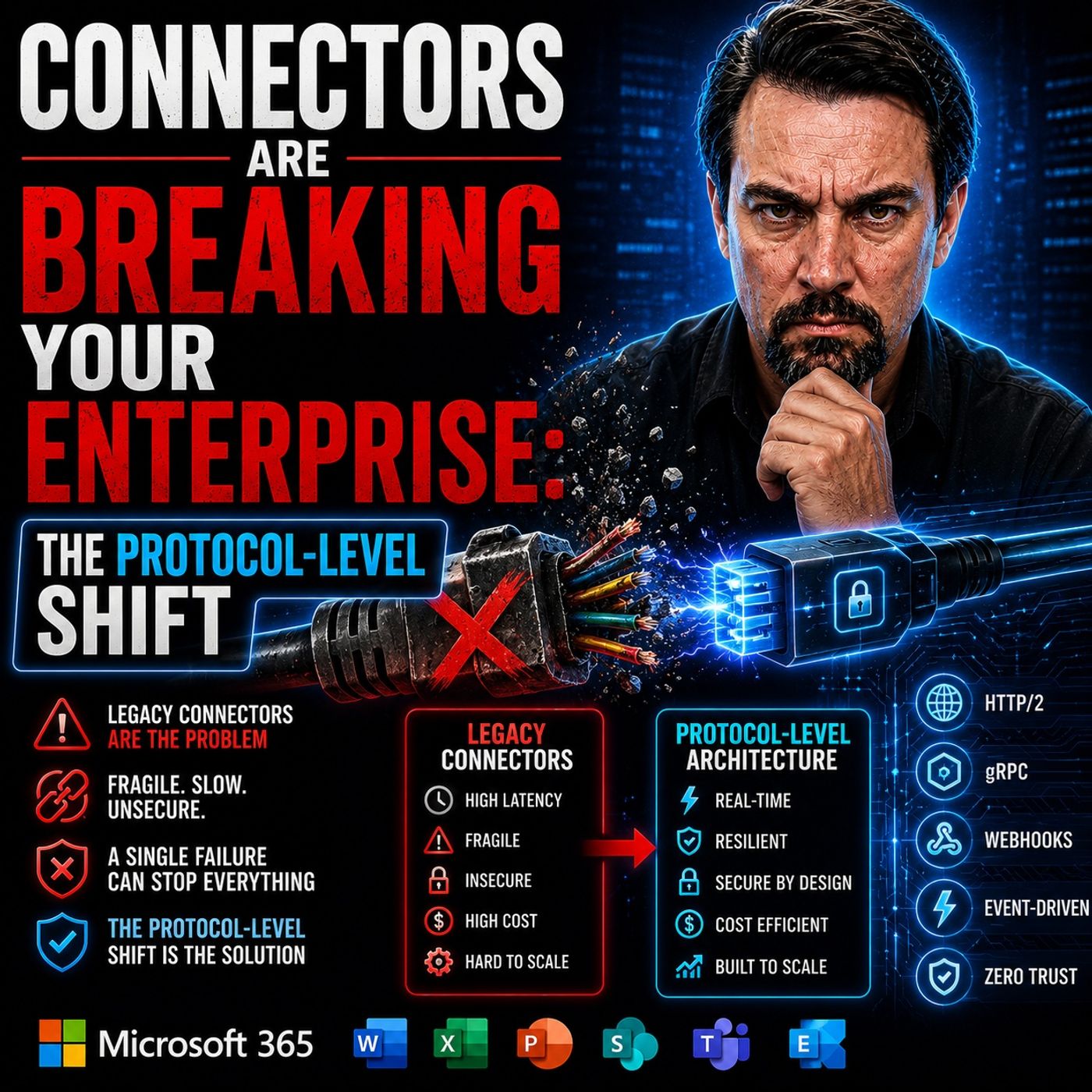
Custom Connectors vs Model Context Protocol for Enterprise AI
Your enterprise automation strategy may be built on the wrong foundation. In this episode of the M365FM Podcast, we expose the hidden architectural failure behind modern enterprise integration: the managed connector. For years, organizations have embraced low-code connectors as the “easy button” for automation, believing these pre-built wrappers accelerate digital transformation and reduce complexity. But underneath the convenience lies a fragile transport model filled with hidden latency, throt...

May 12, 2026
Azure SQL Security Beyond Firewalls and IP Allowlists
In this episode of the M365.FM Podcast, the discussion focuses on a critical shift happening in cloud security: the collapse of the traditional network perimeter. The episode explains why Azure SQL firewall rules, static IP allowlists, VPN-based trust models, and long-standing “inside the network equals safe” assumptions are no longer effective in modern enterprise environments. Instead of attacking infrastructure directly, modern attackers increasingly bypass perimeter controls through compromised identities, stolen credentials, over-privileged service principals, token abuse, and lateral movement inside trusted environments. The episode argues that many organizations still operate Azure SQL deployments using outdated security patterns designed for traditional datacenters rather than cloud-native systems. While companies continue relying on firewall rules, trusted VNets, and static connection methods, modern workloads constantly move across APIs, pipelines, automation platforms, A…
Guest: Mirko Peters
May 11, 2026
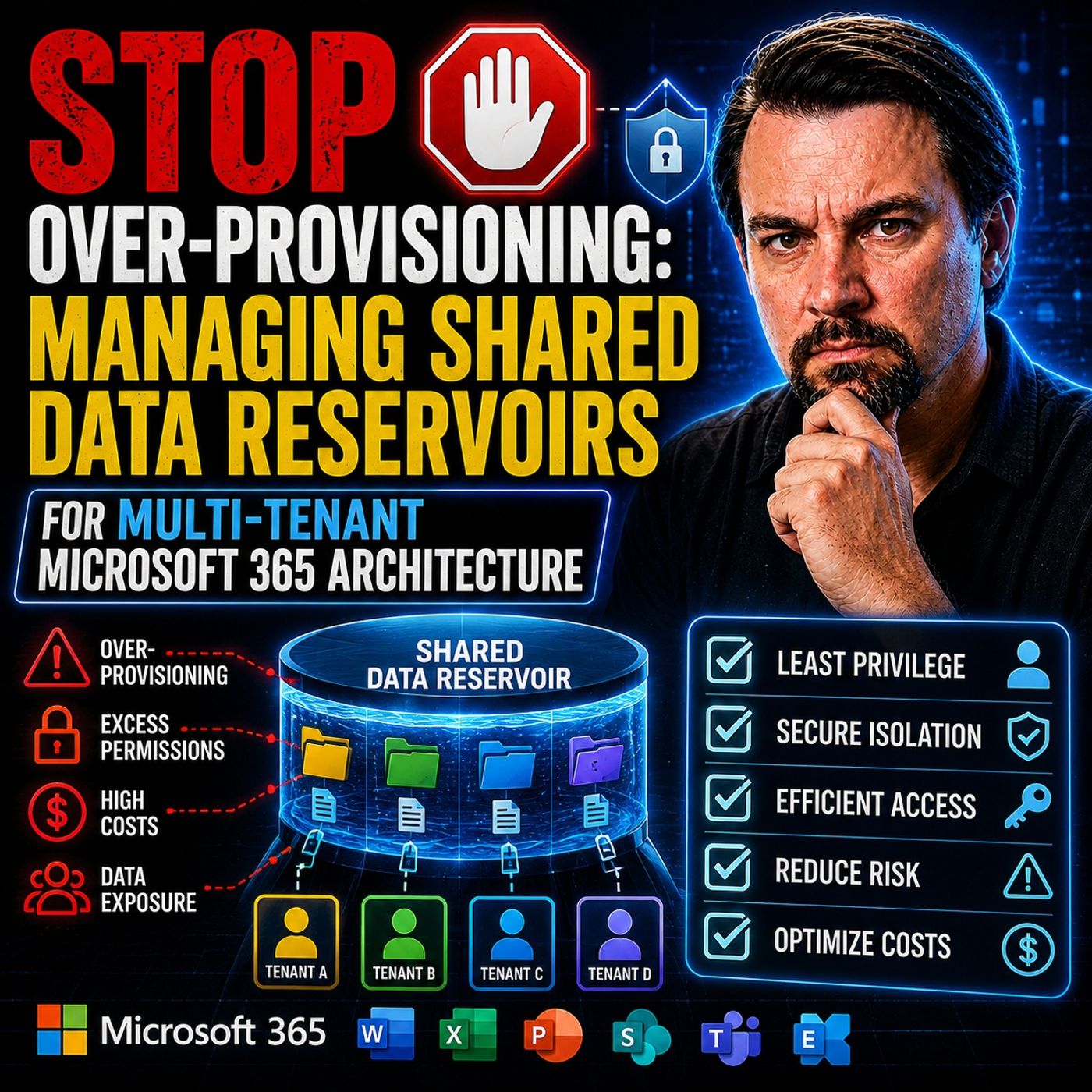
Shared Data Reservoirs for Multi-Tenant Microsoft 365
In this episode of the M365.fm podcast, Mirko Peters explores why many Microsoft 365 environments are wasting enormous amounts of money through over-provisioned storage, oversized safety buffers, and rigid quota management strategies. Traditional “just in case” capacity planning often leaves organizations paying for storage, performance, and licensing resources that remain unused while operational complexity continues to grow. The episode explains how static quota models across SharePoint Online, OneDrive, Teams, Power Platform, Azure storage, and multi-tenant workloads create fragmented infrastructure, dark data silos, and long-term cost inefficiencies. Mirko challenges the outdated “buffer mentality,” where organizations continuously add extra capacity to avoid outages, resulting in idle resources and inflated cloud spending. A major focus of the discussion is the shift toward elastic shared data reservoirs. Instead of isolated storage silos and fixed allocations, organization…
Guest: Mirko Peters
![D365FO Integration Architecture with Anitha Eswaran [MVP-MCT]](https://d3wo5wojvuv7l.cloudfront.net/t_rss_itunes_square_1400/images.spreaker.com/original/79f1f9d5047eab2e63aaf331f8bd794c.jpg "D365FO Integration Architecture with Anitha Eswaran [MVP-MCT]")
May 10, 2026
D365FO Integration Architecture with Anitha Eswaran [MVP-MCT]
In this episode of the M365.fm podcast, Mirko Peters speaks with Microsoft MVP and MCT Anitha Eswaran about the realities of integrating Dynamics 365 Finance & Operations (D365FO) into modern enterprise environments. The discussion focuses on why integrations often become fragile, difficult to scale, and hard to govern when organizations rely on outdated architectural thinking or tightly coupled systems. The episode explores how Azure-native integration patterns can improve reliability, scalability, and long-term maintainability. Anitha explains the importance of event-driven architecture, asynchronous communication, APIs, and message-based systems when connecting D365FO with Microsoft 365, Power Platform, external SaaS platforms, and legacy enterprise applications. Rather than building direct point-to-point integrations, the conversation emphasizes designing loosely coupled systems that can evolve without constantly breaking dependencies. Another key topic is governance and ope…
Guests: Mirko Peters , Anitha Eswaran
May 10, 2026
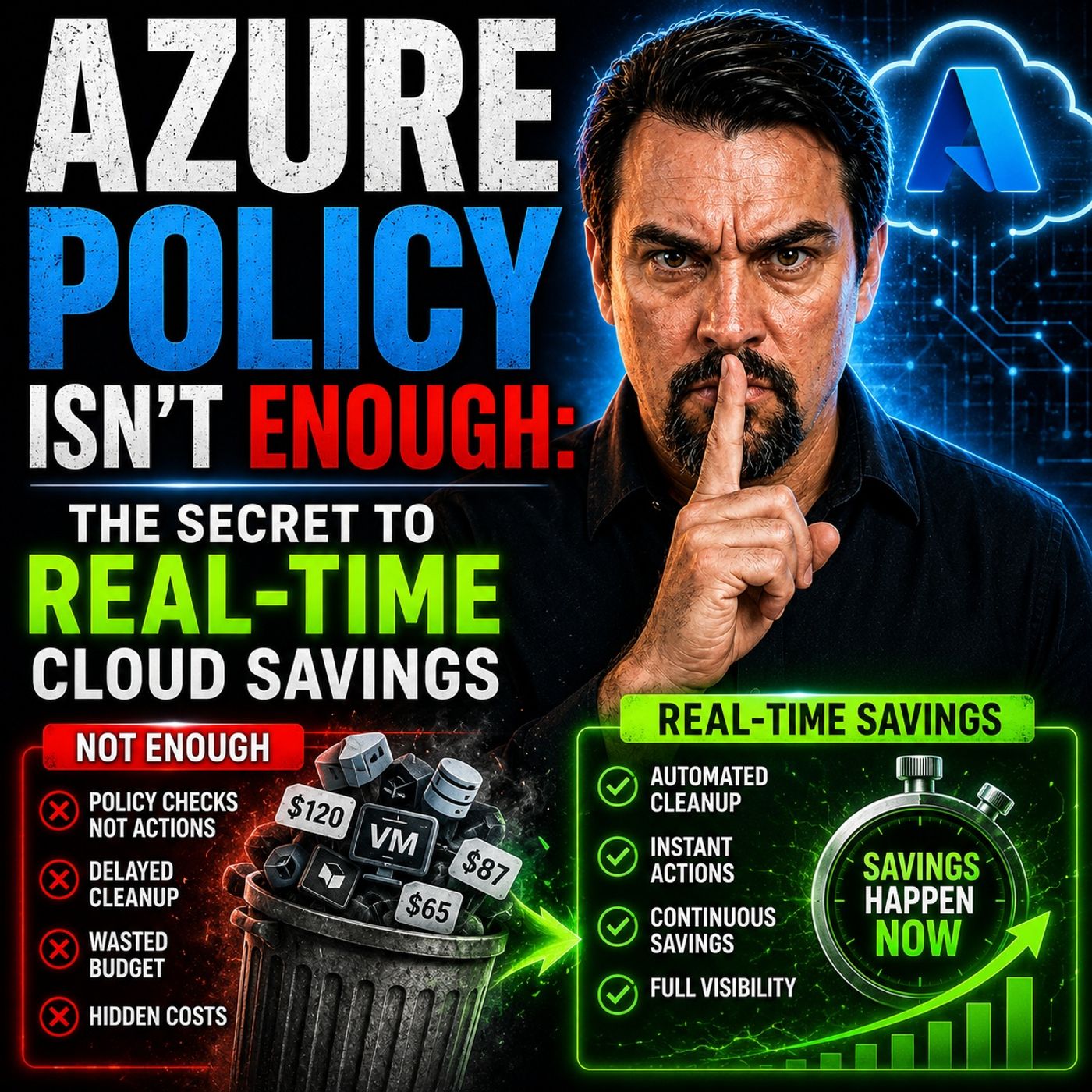
Real-Time Azure Cost Control with Azure Policy
In this episode of the M365 FM Podcast, Mirko Peters explains why traditional FinOps and Azure cost management approaches fail in modern cloud environments. Most organizations still rely on dashboards, alerts, and monthly reviews, but by the time overspending appears in reports, the expensive resources already exist and the cleanup process has already become costly and political. The episode argues that Azure Policy should not be treated as a passive compliance or audit tool. Instead, it should act as a real-time enforcement engine directly in the Azure Resource Manager deployment path. This allows organizations to block waste before resources are created, rather than documenting problems afterward. Mirko breaks down how Azure Policy actually works, including deny, modify, append, and deployIfNotExists behaviors, and explains why many companies misuse policy by leaving it permanently in audit mode. He highlights common governance failures such as unmanaged exemptions, weak landi…
Guest: Mirko Peters

May 10, 2026
Build an Automated Azure Cleanup Engine to Reduce Cloud Waste
Stop paying for unused Azure resources. In this episode of M365.fm , we explore how to build an automated Azure Cleanup Engine that helps organizations identify and remove wasted cloud spend before it becomes a budgeting problem. We discuss the hidden costs of forgotten virtual machines, unattached disks, stale snapshots, abandoned test environments, unused networking components, and other orphaned Azure resources that silently increase monthly bills. The episode walks through practical strategies for continuously detecting and cleaning up these resources using Azure-native automation and governance tools. You’ll learn how to use Azure Automation, Azure Functions, Azure Resource Graph, Logic Apps, tagging strategies, and Azure Policy to create a scalable and safe cleanup process. We also cover approval workflows, lifecycle management, reporting, and governance best practices to ensure automation does not impact production workloads. The episode includes real-world examples, …
Guest: Mirko Peters
![Production AI Agents with Microsoft Foundry and Edgar McOchieng [MVP]](https://d3wo5wojvuv7l.cloudfront.net/t_rss_itunes_square_1400/images.spreaker.com/original/3fdb0976e372c5f8e2440855906c6193.jpg "Production AI Agents with Microsoft Foundry and Edgar McOchieng [MVP]")
May 7, 2026
Production AI Agents with Microsoft Foundry and Edgar McOchieng [MVP]
In this episode of the M365.fm podcast, we dive deep into building and deploying production-grade AI agents with Microsoft Foundry together with Edgar McOchieng (MVP). The conversation explores how organizations can move beyond AI demos and prototypes into scalable, secure, and enterprise-ready agentic solutions. Edgar shares practical insights into Microsoft Foundry, Azure AI services, orchestration patterns, governance, observability, and the challenges teams face when deploying AI agents in real-world environments. We discuss how developers can combine tools like Azure OpenAI, Semantic Kernel, MCP integrations, and multi-agent architectures to create intelligent systems that are reliable, maintainable, and aligned with enterprise requirements. The episode also covers key topics such as memory management, tool integration, security boundaries, human-in-the-loop workflows, responsible AI practices, and monitoring strategies for production workloads. Edgar explains why architect…
Guests: Mirko Peters , Edgar McOchieng
May 7, 2026
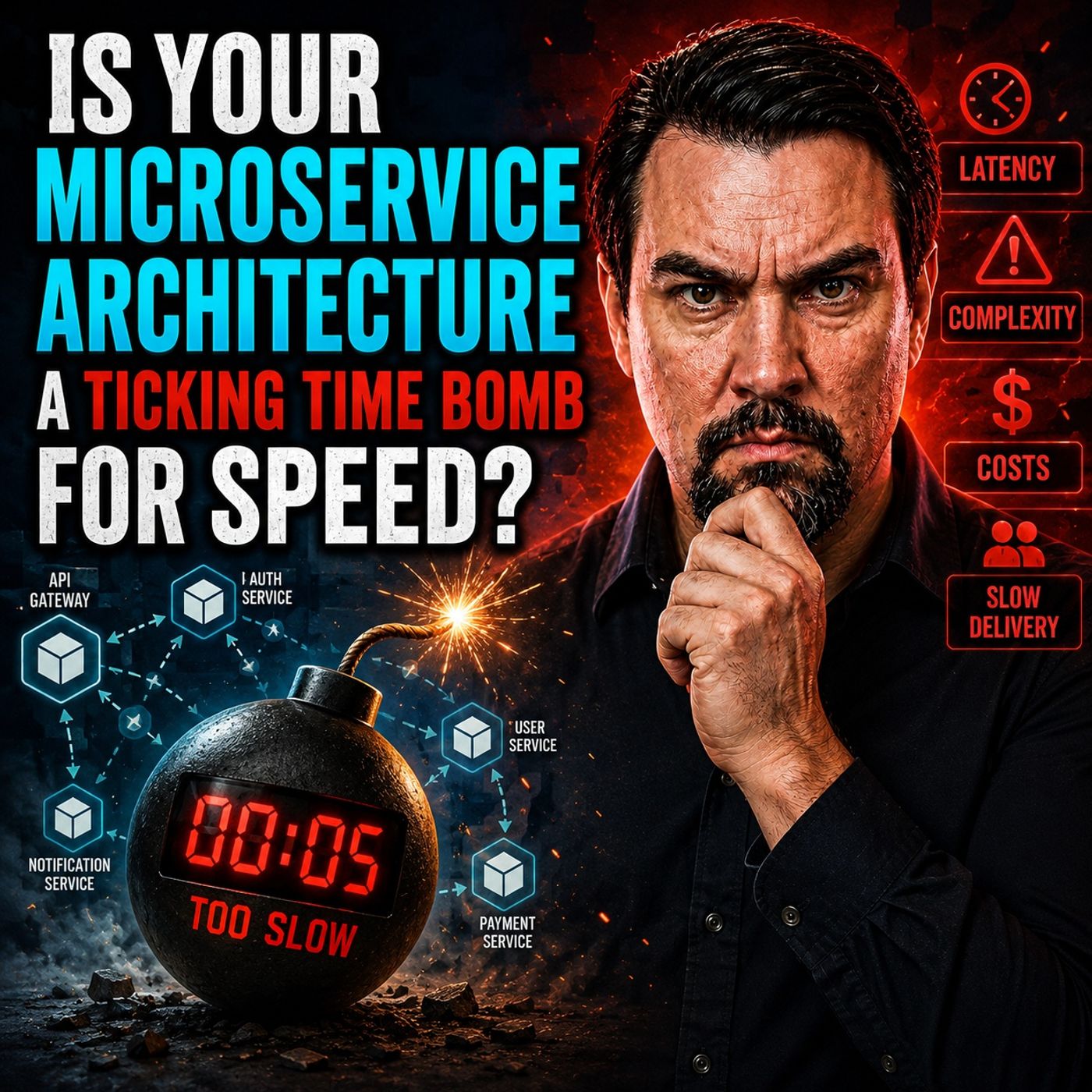
Why Microservice Architecture Slows Software Delivery
In this episode of the M365.fm podcast, Mirko Peters explores why many microservice architectures gradually become slower, more fragile, and harder to manage despite originally being designed for speed and agility. What begins as a clean and scalable architecture often turns into a complex web of dependencies where even small feature changes require coordination across multiple services, teams, APIs, and deployment pipelines. The episode explains how distributed systems introduce hidden operational costs that are often underestimated during the early stages of adoption. Network latency, cascading failures, service dependencies, duplicated logic, and excessive inter-service communication can silently reduce development velocity while increasing operational complexity. Instead of accelerating innovation, poorly governed microservice environments can create organizational bottlenecks and technical debt that slow teams down over time. Mirko discusses why architectural decisions shou…
Guest: Mirko Peters
May 7, 2026
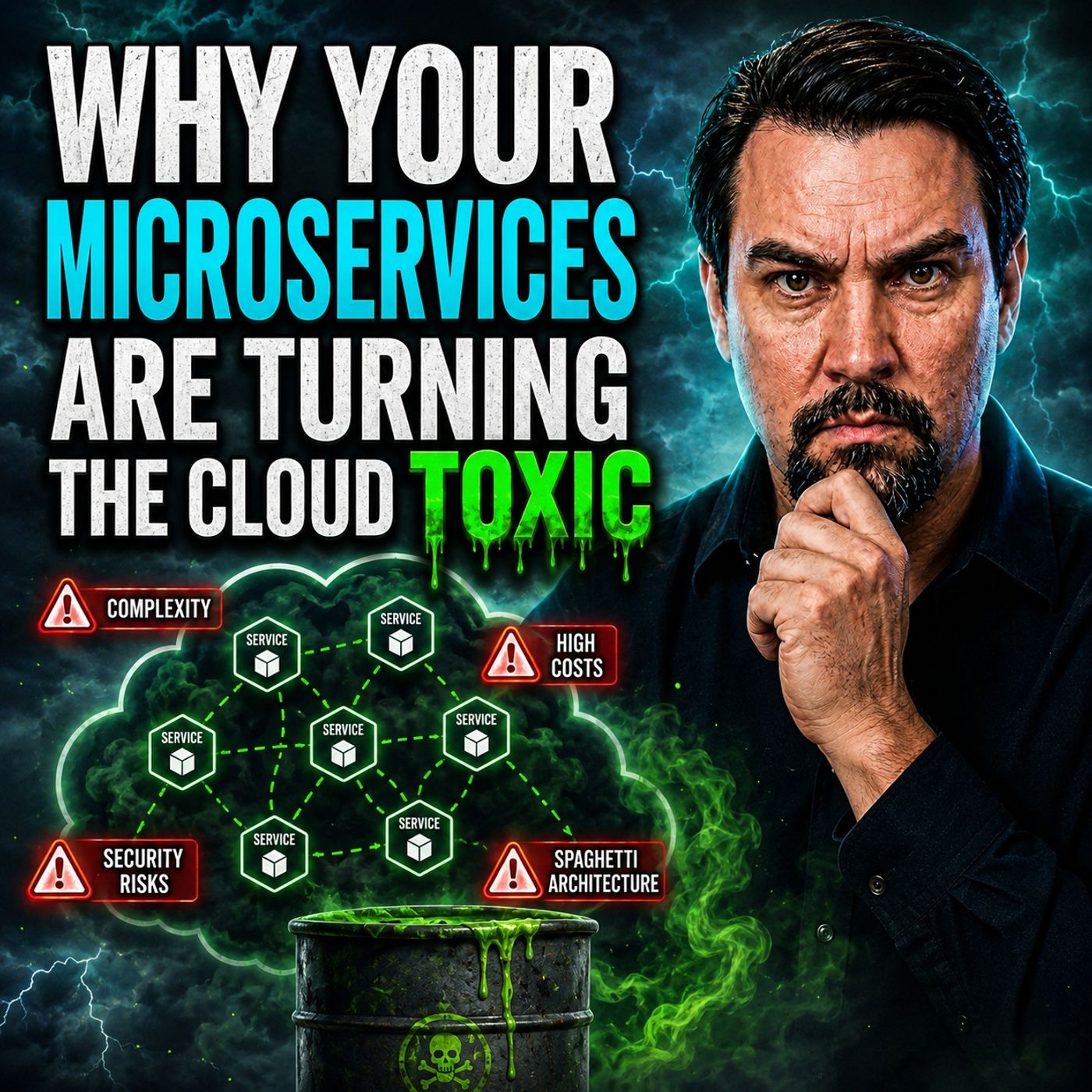
Microservice Dependency Poisoning and Cascading Cloud Latency
In this episode of the M365 FM Podcast, we explore why modern microservice architectures can quietly become “toxic” under pressure — not because services crash, but because they slow down. A single delayed dependency can silently trigger cascading latency across APIs, queues, databases, and cloud workloads while dashboards still appear healthy. The result is a platform that looks operational on the surface while its real capacity collapses underneath. The episode breaks down how slow dependencies create hidden resource exhaustion inside distributed .NET environments. Long-running requests hold threads, sockets, and connection pools hostage while retries amplify the damage even further. Instead of recovering the platform, poorly designed retry logic often creates synchronized traffic storms that make outages worse. We also dive into why scaling alone cannot solve dependency poisoning. Adding more containers or replicas often just expands the waiting room instead of removing the b…
Guest: Mirko Peters

May 6, 2026
Microsoft Entra External ID for Digital Trust and Growth
Identity used to revolve around corporate networks, managed devices, and centralized directories. But that model no longer works in a world where customers, partners, contractors, AI agents, and automated workflows constantly move across systems and organizations. In this episode, Mirko Peters explains why modern identity is no longer just a security problem — it has become a business growth, governance, and digital trust challenge. The conversation explores the “death of the perimeter” and how traditional identity systems create friction through duplicate accounts, passwords, onboarding delays, and isolated identity silos. That friction impacts customer conversion, support costs, partner onboarding speed, and overall business agility. Mirko breaks down the shift from account-centric identity to claim-centric identity, where organizations focus less on storing accounts and more on verifying trusted claims when needed. The episode explains how passkeys, verifiable credentials, an…
Guest: Mirko Peters
![PowerShell Automation for Azure and Microsoft 365 with Matthew Dowst [MVP]](https://d3wo5wojvuv7l.cloudfront.net/t_rss_itunes_square_1400/images.spreaker.com/original/3d2181a51a724450b43c98a50760ce1a.jpg "PowerShell Automation for Azure and Microsoft 365 with Matthew Dowst [MVP]")
May 5, 2026
PowerShell Automation for Azure and Microsoft 365 with Matthew Dowst [MVP]
In this episode of the m365.fm podcast, the discussion focuses on using PowerShell to automate tasks across Azure and Microsoft 365 with guest Matthew Dowst MVP. Matthew explains how automation became essential as cloud environments grew more complex and repetitive administrative work increased. The conversation covers how PowerShell can be used to automate common Microsoft 365 and Azure management tasks such as user provisioning, license assignment, reporting, governance, Exchange Online administration, and Entra ID management. Matthew emphasizes that automation should be approached like software development, with proper testing, version control, documentation, and reusable code rather than quick one-off scripts. A major topic is the transition from older AzureAD and MSOnline PowerShell modules to Microsoft Graph PowerShell. Matthew explains why organizations should modernize their scripts and adopt API-based automation to stay aligned with Microsoft’s cloud direction. The e…
Guests: Mirko Peters , Matthew Dowst

May 5, 2026
Stop Microsoft Copilot Prompt Injection with Azure Logic Apps
In this episode of the M365.fm podcast, the discussion focuses on one of the biggest hidden risks in Microsoft Copilot environments: prompt injection attacks. The episode explains that the real security problem is not weak prompts or missing filters, but the architecture behind how AI models process information. Modern AI systems like Microsoft Copilot retrieve data from multiple Microsoft 365 sources such as emails, SharePoint files, chats, and forms. If malicious instructions are hidden inside that content, Copilot can unknowingly treat them as trusted instructions. The episode highlights how attacks like EchoLeak and ShareLeak demonstrated that attackers do not need direct access to the AI system itself. Instead, they can poison the surrounding context by embedding malicious payloads into documents or messages that Copilot later retrieves. Once the model processes those inputs, sensitive information may be exposed or workflows may be manipulated. Traditional security approach…
Guest: Mirko Peters
May 3, 2026
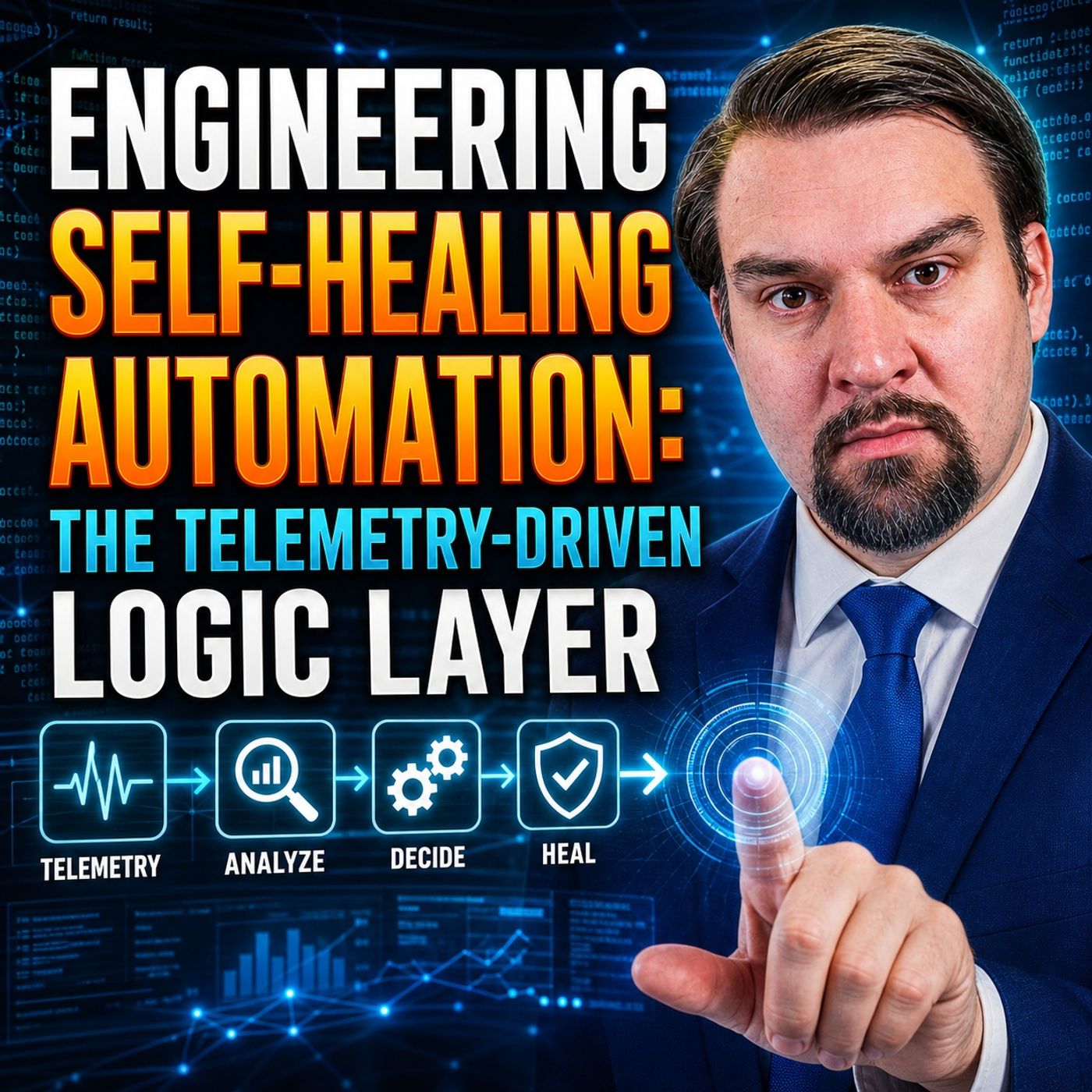
Build Self-Healing Automation with Telemetry and Observability
The episode talks about how automation is evolving from simple scripts into more advanced, intelligent systems that can monitor themselves and fix problems automatically. Instead of just executing predefined tasks, modern automation uses telemetry data (like logs, metrics, and traces) to understand what is happening inside systems in real time. A key idea is “self-healing automation.” This means systems can detect issues, figure out the root cause, and fix them without human intervention. Traditionally, engineers had to respond to alerts and manually troubleshoot problems, which is slow and doesn’t scale well. The new approach aims to reduce that by letting systems react instantly. The discussion highlights how observability is the foundation for this. By collecting detailed telemetry data, systems gain enough insight to move beyond simple monitoring and into automated decision-making. This enables faster detection of anomalies and more accurate fixes. Another important theme…
Guest: Mirko Peters
May 1, 2026
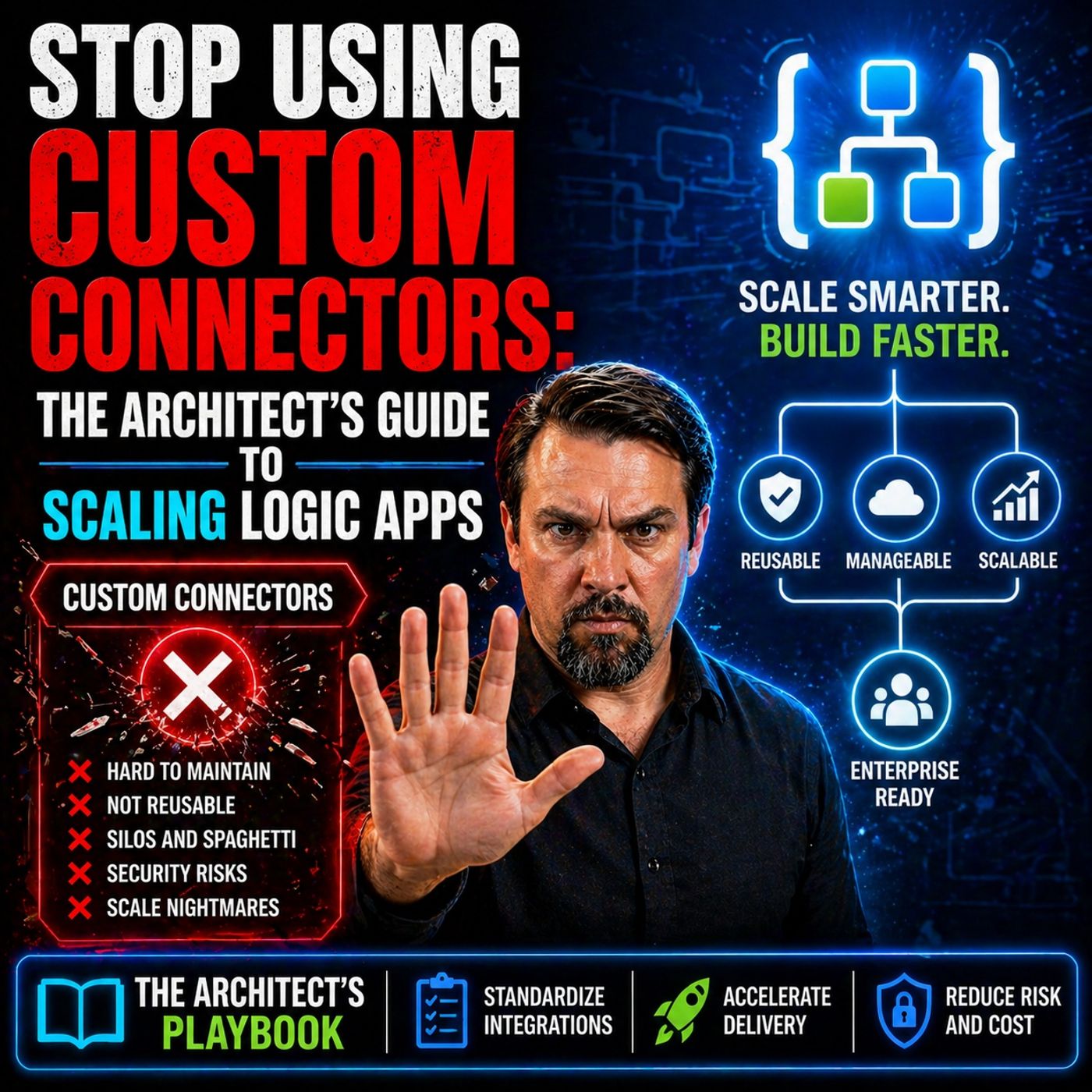
Scale Azure Logic Apps Beyond Custom Connectors
This episode argues that custom connectors in Power Platform and Logic Apps, while useful for quick wins, create long-term architectural problems at scale. What initially feels like agility turns into fragmentation, poor governance, and hidden operational risk. The core issue is what the speaker calls the “custom connector trap.” Custom connectors are easy to build but hard to manage. Over time, they become opaque black boxes with little visibility into how data flows or how APIs behave. This leads to security risks, inconsistent permissions, and heavy maintenance when APIs change. Ownership also becomes unclear, creating dependencies on individuals instead of stable systems. As organizations scale, this results in “fragmentation tax.” Connectors multiply, governance weakens, and systems become fragile. What once worked smoothly starts breaking under complexity, especially when key people leave or integrations evolve. There is also a financial downside called the “API tax.” C…
Guest: Mirko Peters

May 1, 2026
Improve Microsoft Copilot Accuracy Beyond Vector Search
This episode explains that vector search on its own is not a complete or reliable strategy for building accurate AI systems like Copilot. While many organizations rely on embeddings and vector databases to retrieve information, this approach often leads to inconsistent or misleading results. The main problem is that vector search works by finding content that is mathematically similar, not necessarily correct or relevant in a business context. This creates situations where the system returns results that look right but are actually wrong, leading to hallucinations and reduced trust in AI outputs. The episode highlights that the real issue is not the language model itself, but how information is retrieved. Even the most advanced AI will produce poor answers if it is given the wrong or low-quality data. To improve accuracy, the episode recommends moving beyond pure vector search and adopting a more structured retrieval strategy. This includes combining different techniques such…
Guest: Mirko Peters
April 30, 2026
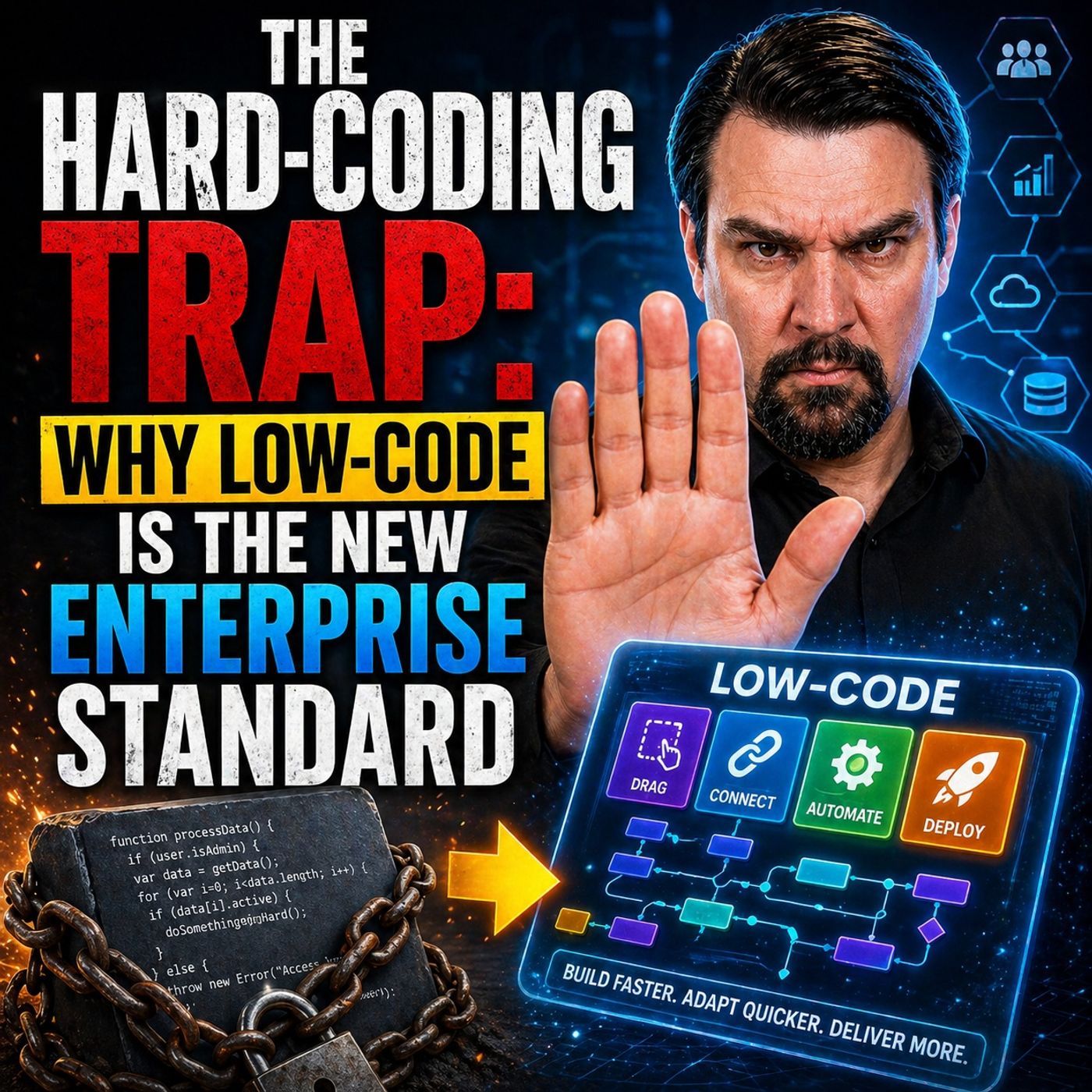
Why Low-Code Is Becoming the Enterprise Development Standard
The episode argues that traditional software development—built on hard-coded, monolithic systems and long delivery cycles—is no longer viable for modern enterprises. What used to be considered “enterprise-grade” is now a bottleneck that slows innovation and increases business risk. A key idea is that waiting on IT has become a financial liability. When business problems sit in development backlogs for months or years, the cost isn’t just the software—it’s the lost opportunity and ongoing inefficiency. Hiring more developers or writing more code doesn’t solve this; it often increases complexity and delays. The real shift is not technological but organizational. High-performing companies are no longer scaling by writing more code—they’re scaling capability. They move development closer to the business by enabling the people who understand the problems to build solutions directly. This is where low-code comes in. It allows faster, cheaper, and more immediate application developm…
Guest: Mirko Peters