AI Personalization in Employee Experience
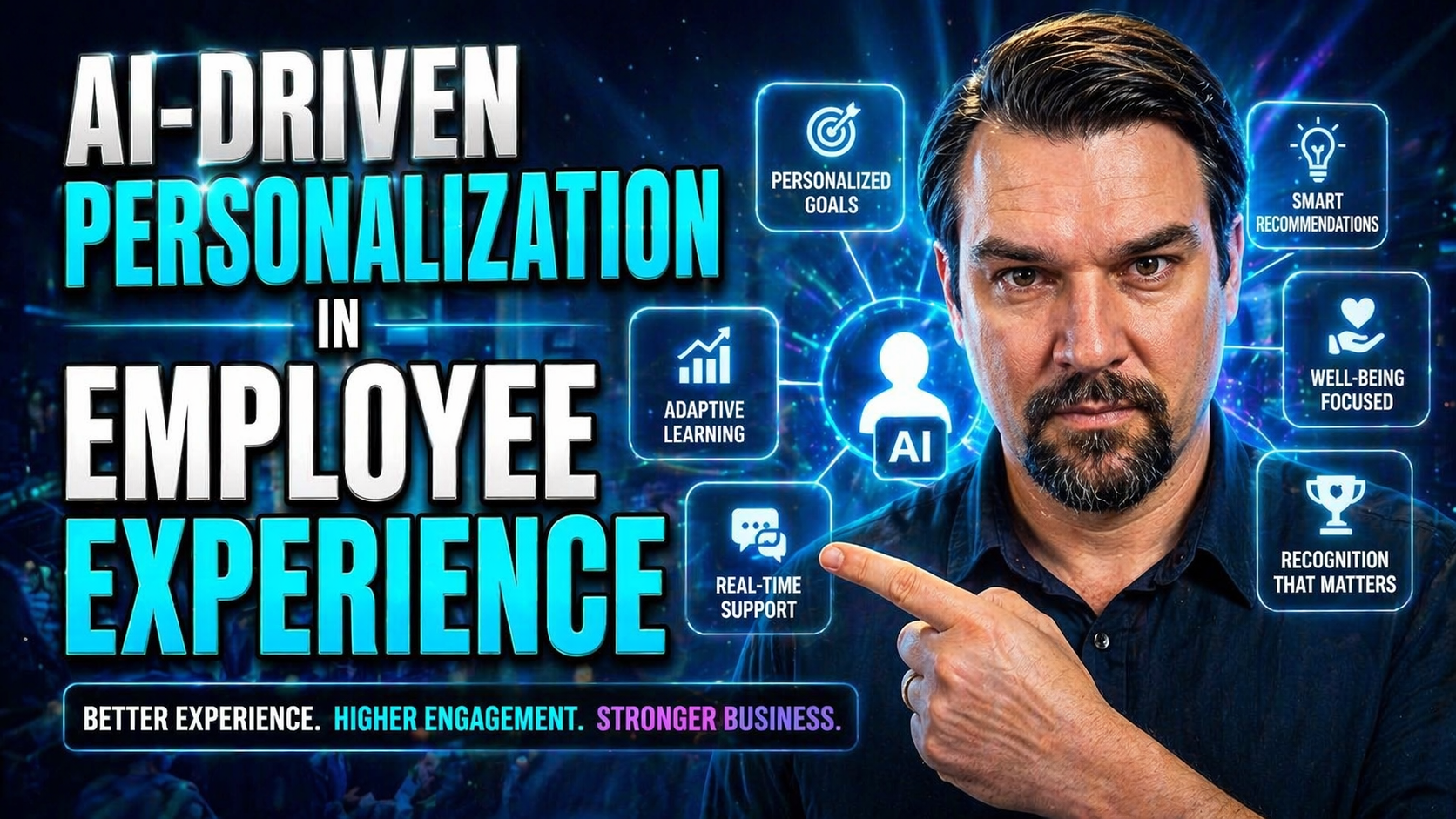
Let’s put it straight: the way organizations think about employee experience is getting a serious upgrade. AI-driven personalization is no longer something out of sci-fi—it’s showing up in the workplace, changing how you attract, engage, and keep your top people. HR isn’t just about handing out forms or ticking boxes anymore. Now, it’s about understanding exactly what each person needs to thrive, and making it happen in real time, at scale.
This article shows you how artificial intelligence transforms every point in your people’s journey—from that first onboarding welcome, to bumping up for a better role, to making sure support and recognition actually mean something. Employee experience used to be one-size-fits-all (if we’re being nice). Not anymore. Now, tools like natural language processing and machine learning quietly do the heavy lifting, adapting experiences by the minute—often before anyone even asks.
If you’re a leader with your eyes on the future, consider this your map. We’ll dig into why it’s time to move past traditional HR tech, what true impact looks like, and how to make AI-powered personalization your reality. Because the business case is simple: smarter personalization means better engagement, higher retention, and employees who feel truly seen. This shift isn’t a luxury—it’s the new groundwork for workplace success.
The Strategic Shift to AI-Driven Personalization in Employee Experience
Employee needs have changed, and your people strategy has to keep up. For a long time, workplace systems treated everyone the same—one big box of “employee” with the occasional, awkward nod toward individuality. But as the rest of our lives got more personalized (thanks, algorithms), expectations at work followed fast. Now, a competitive people strategy must offer personalized journeys, not cookie-cutter processes.
AI-driven personalization marks a major leap from old-school HR to a data-powered, adaptable employee experience. It lets you move away from clunky workflows and manual approaches toward real-time, custom-fit support. These new systems don’t only react—they predict, guide, and evolve alongside employees’ changing needs and aspirations.
In the next sections, we’ll break down why personalization matters so much in today’s workplace, and how shifting from one-size-fits-all systems to adaptive, AI-enabled journeys changes the game for everyone involved. You’ll see what’s at stake—and why investing in this transformation is suddenly non-negotiable for success and retention.
Why Personalization Matters in the Modern Workplace
In today’s world, employees don’t just want personalization—they expect it as a matter of course. Thanks to consumer experiences that anticipate your coffee order or suggest your next show, people look for that same tailored touch at work. No one wants to feel like “employee number 4,287” when they log in. They want to be seen as individuals—with unique skills, goals, and life circumstances.
The impact of this shift isn’t subtle. Research from Gallup and Deloitte finds that employees who feel their experience is personalized are far more likely to be engaged and loyal. When HR and management acknowledge personal needs—whether it’s with customized onboarding, career pathing, or support during big life events—people stick around, show up with more energy, and invest in the organization’s success.
Put plainly, personalization drives results where it matters: engagement, productivity, and retention. It’s also a powerful tool for inclusion, allowing people of different backgrounds and generations to feel valued. Younger employees, in particular, have grown up in a world of tailored experiences—they’re not just hoping for personalization at work, they’re demanding it. And organizations that deliver see better cultural assimilation, lower turnover, and a healthier bottom line.
Moving Beyond One-Size-Fits-All Systems to Personalized Employee Journeys
Traditional HR systems often boil down to generic forms, rigid workflows, and manual processes sealed off in departmental silos. Sure, everyone got the same employee handbook—but few got support that actually fit their role, stage, or goals. This “one-size-fits-all” approach not only frustrates employees, it slows down career growth and leaves daily experience feeling flat.
Manual systems are slow to adapt, prone to error, and can’t see the full picture. A stalled employee journey usually starts with siloed HR, IT, and support, where information is lost or overloaded and nobody feels “known.” It’s not just inefficient—it’s costly, in productivity and morale alike.
AI-driven personalization, on the other hand, bridges these gaps by integrating data and automating experiences across all departments. Imagine onboarding that adapts by function and location, or IT support that anticipates what you’ll need next. These dynamic systems let you serve every employee as an individual, fostering progress and satisfaction. The outcome: a radically improved experience where silos crumble, work feels smoother, and employees reach their potential faster than ever before.
Core Applications of AI in Personalizing the Employee Lifecycle
The real power of AI-driven personalization emerges at every step of the employee lifecycle. From the first day on the job to long-term growth, AI changes how you deliver onboarding, support advancement, and help employees through major life events. Each stage becomes not only more streamlined but genuinely more personal—meeting employees where they are and giving what they actually need.
Instead of relying on static checklists or templated programs, AI-powered systems can analyze dozens of signals in real time. They curate training, recommend mentors, or even flag wellness resources when someone’s circumstances change. This isn’t just “nice to have”; it directly leads to faster time-to-productivity, greater satisfaction, and long-lasting retention.
The following sections break down the key touchpoints where AI delivers these smart, custom-fit experiences—including hyper-personalized onboarding, dynamic career paths, and life event support. These are more than features; they’re essential pieces of modern, employee-centric HR strategies built for results.
Hyper-Personalized Employee Onboarding at Scale
- Role-Based Content Delivery: AI-driven onboarding platforms serve up resources tailored to each role—think technical documentation for engineers, sales playbooks for account reps, or compliance for finance. This means new hires skip irrelevant content and get exactly what helps them ramp up quickly.
- Location and Preference Adaptation: Instead of one global process, AI considers local labor laws, required IT setups, and employee preferences (remote vs. onsite schedules, preferred communication method) to adjust onboarding steps. That way, whether someone’s in New York or Bangalore, onboarding feels relevant and supportive.
- Personalized Workflow Automation: AI automates tasks like provisioning equipment, completing paperwork, and scheduling meet-and-greets. For new hires, everything arrives on time; for HR and managers, manual errors are reduced and productivity is boosted.
- Ongoing Feedback and Real-Time Support: AI chatbots check in frequently, answer policy questions, and collect feedback to adjust the experience as the employee moves through onboarding. If someone’s struggling with a task, the system nudges them or connects them to a peer.
- Contrast With Generic Onboarding: Traditional onboarding is the same for everyone and often misses role-specific pain points. Hyper-personalized onboarding feels more welcoming, helps employees reach productivity faster, and sets a positive tone for the whole employment journey.
- Benefits Realized: Companies using AI-powered onboarding see enhanced employee satisfaction, quicker cultural assimilation, and much higher retention rates—all from day one.
AI-Driven Career Growth and Internal Mobility
AI empowers personalized career growth by mapping each employee’s unique aspirations, strength areas, and development goals against real-time business needs. These platforms leverage employee performance data, feedback, and stated preferences to suggest learning modules, new roles, or internal projects tailored to their profile. Instead of forcing employees down generic career ladders, AI unlocks opportunities aligned with individual skills and ambition.
For internal mobility, AI systems analyze position requirements, availability, and a person’s readiness to offer targeted recommendations. Employees can explore relevant internal openings, build the skills needed for the next step, and receive personalized encouragement and resources along the way. This reduces the frustration of “being stuck” and promotes continuous, proactive growth.
By shifting from standardized frameworks to genuinely employee-centric career pathways, organizations see a boost in engagement and retention. Development feels less like a corporate checkbox and more like a partnership, ensuring employees see a future right where they are. The result is a growth mindset culture where AI actively supports each person’s upward journey, driving both personal progress and organizational success.
Customizing Employee Benefits, Wellness, and Support for Life Events
AI radically changes the way employee benefits and wellness programs are delivered—moving from static, one-size-fits-all offerings to truly personalized experiences. These systems analyze demographic details, health data (when ethically sourced and shared), and feedback to tailor benefits packages for every employee. Whether it’s choosing the right health coverage, gym memberships, or childcare options, solutions are matched to personal needs and preferences.
For major life events—like becoming a parent, caregiving, or facing serious illness—AI can instantly suggest relevant support programs, leave policies, or counseling resources before the employee even asks. This level of care goes beyond standard HR practice, ensuring timely, meaningful help when it matters most. Personalized wellness recommendations, check-ins, and reminders are also delivered based on real-time wellbeing insights.
Ultimately, AI-driven customization enhances holistic wellbeing. Employees feel genuinely supported and valued, not just as workers, but as individuals with real lives outside the office. That’s a win for employee satisfaction, engagement, and long-term health, driving productivity and positive culture across the board.
The Technology Powering AI-Driven Employee Personalization
Behind all the smart personalization you’re seeing in employee experience is a robust stack of artificial intelligence and data technologies. Gone are the days of clunky, rule-based scripts. Now, organizations leverage tools that understand context, learn as they go, and create nuanced, natural interactions at scale—all powered by new advances in AI.
Natural language processing (NLP), machine learning (ML), and generative AI (Gen AI) are some of the standout technologies enabling this transformation. These core tools allow systems to comprehend employee intent, automate decision-making, and deliver support that feels seamless and personal. Alongside them, platforms like advanced AI bots and knowledge bases make support feel less like a waiting game and more like a high-end service desk.
The following sections break down these technologies and their most promising applications. You’ll see how each part of the AI stack helps move your employee experience from reactive and generic to proactive and truly individualized—a foundation for modern, competitive HR.
Key AI Technologies: Natural Language, Machine Learning, and Generative AI
- Natural Language Processing (NLP): NLP enables systems to read, interpret, and respond to unstructured employee messages—emails, chat, tickets—with human-like understanding. In HR, NLP powers chatbots that field questions about benefits, company policy, or onboarding tasks any time, from anywhere, making self-service truly accessible.
- Machine Learning (ML): ML thrives on data. It learns from employee interactions and feedback over time, identifying patterns in preferences, productivity, or support needs. By analyzing this data, ML can make predictions (like when someone’s at risk of leaving or ready for a new position) and tailor automated workflows to maximize individual engagement and growth.
- Generative AI (Gen AI): Gen AI doesn’t just answer questions—it creates content and new solutions on the fly. From generating personalized messages for recognition to building custom learning modules for different roles, Gen AI enables truly individual experiences at scale. This makes everything from training to feedback not only faster but much more relevant and relatable for each employee.
- Use Case Examples: Together, these technologies underpin systems that, for example, recommend career paths based on skills (ML), hold natural onboarding conversations (NLP), and craft tailored learning journeys (Gen AI). This is how AI bridges the gap between generic support and experiences that really fit each employee.
AI-Powered Tools Transforming Employee Support and Service
- Advanced Virtual Assistants and Chatbots: Always-on, AI-powered assistants provide instant answers to employee questions—no more waiting on the line for HR. They resolve common issues, fetch resources, and can even escalate complex cases to the right human team member when needed.
- AI-Powered Knowledge Bases: These are dynamic libraries where AI curates relevant policies, guides, and FAQs based on a user’s role, location, or recent activity. Employees get personalized recommendations for support content, making it far easier to find exactly what they need without endless searching.
- Intelligent Routing Systems: AI automates the flow of service requests—like benefits, tech help, or facility support—by analyzing context and urgency. Tickets are routed to the right experts without passing through multiple layers, drastically speeding up resolution times and reducing frustration.
- AI-Driven Insights Dashboards: Managers receive live data on employee engagement, satisfaction, and support trends. This visibility lets them proactively identify risks, celebrate wins, and continuously optimize workflows to ensure every employee gets what they need, when they need it.
- Concierge-Experience at Scale: Combined, these AI-powered tools allow even huge organizations to deliver support that feels personal and high-touch, no matter how many employees or locations you serve.
Implementing AI Personalization: Strategy, Steps, and Leadership
Let’s not kid ourselves: making the leap to AI-driven personalization takes more than a new platform. It’s a roadmap—one that HR leaders and transformation teams need to plot with intention. The key isn’t just buying the right software, but building a foundation that ensures your data, workflows, and leaders are ready for real, people-first change.
From assessing where you stand today, to choosing the right tech stack, to designing processes that adapt organization-wide, every step matters. It’s also not a “set it and forget it” move: continuous optimization is critical, as is breaking down those old walls between HR, IT, and facilities.
Coming up, we’ll outline the specific playbook leaders can follow to put these strategies into action. We’ll also explore the importance of living, up-to-date employee profiles that power ongoing, dynamic personalization—because real impact comes when your processes and people grow together in real time.
Practical Steps HR Leaders Take to Drive AI Personalization
- Assess the Current State: Take a hard look at your existing processes, tech stack, data quality, and organizational readiness for AI. Spot gaps in workflows, employee feedback systems, and collaboration between departments.
- Secure Leadership Buy-In: Make the case for AI-driven personalization with data—demonstrate potential ROI, improvements to engagement, and the risk of lagging behind. You want executive champions who understand both the human and bottom-line value.
- Select Relevant Technology Partners: Identify vendors with proven AI experience in HR and cross-functional integration. Prioritize systems that can adapt to your unique workforce needs and scale up as your organization grows.
- Engineer Scalable, Cross-Departmental Processes: Set up workflows that cross HR, IT, and facilities, powered by a shared data source. Make sure new solutions break silos, automate where possible, and ensure smooth handoffs for every stage of the employee journey.
- Prioritize Continuous Optimization: Monitor adoption and effectiveness with real-time dashboards. Gather feedback, analyze outcomes, and adjust your approach to maximize results—optimization isn’t optional if you want to keep pace as people and technology evolve.
Building Living Employee Profiles for Ongoing Personalization
Traditional employee profiles are static, filled out once and rarely updated. In today’s fast-moving workplaces, that isn’t nearly enough. Modern AI-powered personalization depends on living, ever-evolving profiles—rich ecosystems of data reflecting skills, interests, feedback, and changing life circumstances in real time.
Organizations build these profiles by integrating data from HR systems, performance reviews, collaboration tools, and feedback channels. As employees engage—completing training, requesting support, shifting roles—they generate new insights, which AI systems use to further personalize experiences, recommendations, and support.
Critically, ethical data usage is at the core of this model. Profiles are updated only with employee consent, and data is protected by strict privacy safeguards. Done right, living profiles shift personalization from “set it and forget it” to “always relevant, always respectful”—enabling individualized journeys for every employee at every stage.
Ethics, Privacy, and the Human Element in AI-Driven Personalization
It might be easy to get swept up in the promise of AI-driven personalization, but responsible leaders know there’s more to it than efficiency and convenience. As systems gather more personal data and make more decisions on your behalf, ethics and privacy take center stage. Drawing that line between helpful and invasive is vital to long-term trust and organizational health.
Algorithmic bias, lack of transparency, and “creepiness” are real risks that need active management. You want employees to feel understood and supported, not surveilled or boxed in by unfair assumptions. At the same time, automation should never replace the human touch—it should free up people for the interactions and oversight that tech can’t replace.
The next sections dive deeper into best practices for responsible data use, transparency, and bias prevention. We’ll also highlight how managers and leaders can stay connected to their teams, using AI as a force multiplier for empathy—not a replacement for real, meaningful human connection.
Navigating Ethical Risks, Bias, and Employee Privacy in AI Personalization
Ethical concerns are front and center in any conversation about AI-powered employee personalization. The responsibility is two-fold: collect only the data you need (and with clear, explicit consent), and ensure that all decisions made by algorithms are explainable and transparent to employees. People have the right to know how and why their experiences are tailored—and to opt out if they’re uncomfortable.
Bias can sneak into personalized recommendations if the data or models reflect historical inequalities or stereotypes. Preventing this means regularly auditing systems for bias, inviting external review, and updating algorithms to ensure fairness for everyone, regardless of background or identity.
Finally, personalization must never cross into the “creepy” or invasive territory. That means defining clear boundaries, disclosing all uses of personal information, and providing tools for employees to control their own preferences. Ethical, trustworthy personalization is about building confidence, not just compliance.
Maintaining the Human Element in Automated Employee Experiences
- Automate with Empathy: Use AI for basic questions and workflow tasks but reserve complex support—like conflict resolution or mentorship—for real people. Never let automation replace meaningful conversation.
- Ensure Manager Oversight: Give managers tools to review AI-driven outcomes, step in when needed, and add a personal touch. Human judgment and insight are critical to balance technology.
- Deploy Analytics to Empower Managers: Provide real-time trends and insights to help managers detect disengagement, spot opportunities, and act early. Analytics should illuminate, not replace, leadership decision-making.
- Promote Time Savings for More Meaningful Work: Let AI handle admin-heavy tasks, freeing up people to focus on development, coaching, and personal support that only humans can truly deliver.
Measuring the Impact and Scaling Personalization Across the Enterprise
All the smart systems in the world mean little if you can’t prove ROI and deliver value where it counts. As AI-driven personalization expands, leaders want answers to two big questions: How do we measure success, and how do we make these great experiences work for everyone, everywhere?
Relevant metrics go beyond the basics, tapping into engagement, satisfaction, productivity, and retention—the factors every CHRO and executive team tracks on their dashboards. But it isn’t just about numbers. Scaling personalization for a global, diverse, or large workforce means adapting touchpoints and communications to fit resource limits, unique team needs, and in-the-flow work styles.
The upcoming sections lay out essential metrics for demonstrating impact. You’ll also get best practices for extending AI personalization across departments, borders, and employee types—ensuring every person gets a relevant, supportive journey no matter where they sit or work.
Proving ROI and Tracking Metrics for AI-Driven Personalization Success
- Time-to-Productivity: Measure how quickly new hires reach expected performance benchmarks when onboarding is personalized. AI-driven processes often accelerate learning and reduce ramp-up times by guiding employees right to what’s most relevant.
- Engagement Rates: Use pulse surveys, platform analytics, and participation in recognition or development programs to gauge how invested employees feel. Higher scores usually follow more personalized, relevant experiences.
- Retention and Turnover: Track employee retention rates, especially among new hires or under-served groups. Personalized support and career pathing can dramatically reduce costly churn.
- Satisfaction Scores: Leverage real-time feedback and net promoter scores specific to onboarding, career development, and support interactions. When personalization is done right, satisfaction spikes.
- Presenting to Leadership: Aggregate results in dashboards tailored for the CHRO and executives. Focus on improvements within the first 30–60 days after changes, and link metrics directly to business outcomes (cost savings, productivity lift, reduced attrition).
Scaling Personalized Employee Experiences Across Diverse Workforces
- Address Diverse Preferences: Use AI to adapt communications and support for cultural, generational, or functional differences. Be sure flexible frameworks allow for both global consistency and local relevance.
- Manage Resource Constraints: Select tools that automate high-traffic, repetitive processes so that “white-glove” personalization is scalable—even with limited HR or IT headcount.
- Integrate Across Departments: Centralize and connect data across HR, IT, finance, and facilities. Personalized journeys shouldn’t stall due to departmental silos—AI orchestration should make support seamless.
- Deploy In-the-Flow Delivery: Serve personalized touchpoints at the right moments—training, feedback, recognition—directly in the apps and systems employees already use. Frictionless, timely interactions drive real engagement at scale.
- Ensure Lifecycle Consistency: Build systems so employees receive consistent, context-aware personalization from first touch to last day, across teams, countries, and roles. This consistency builds trust and organizational loyalty over time.
AI-Driven Personalization for Hybrid and Remote Workforce Engagement
Remote and hybrid work aren’t just trends—they’re the reality for millions. But with flexibility comes a new set of challenges: isolation, digital fatigue, mismatched collaboration schedules, and very real gaps in access to workplace resources and communities. These problems don’t solve themselves—and generic solutions do little for people scattered across time zones and settings.
This is a space where AI-driven personalization truly shines. Smart systems can bridge the virtual gap, tune communication, and foster connection, making teams feel included no matter where they log in from. Even beyond engagement, AI can help keep collaboration balanced and respectful of individuals’ rhythms, workloads, and life boundaries.
Next up, we’ll see exactly how AI builds digital belonging and optimizes hybrid work, making distributed employee experiences not just bearable, but genuinely engaging and supportive. If your organization has a distributed footprint, these strategies are your way forward.
Personalizing Connection and Belonging in Virtual Workplaces
- Sentiment-Aware Check-Ins: AI tools regularly analyze employee messages or survey responses for signs of frustration, loneliness, or disengagement. They automatically trigger supportive outreach or escalate to a manager if needed—offering real help instead of waiting for someone to speak up.
- Virtual Group and Community Recommendations: Using communication data and shared interests, AI recommends relevant virtual communities, affinity groups, or mentorship circles. This nudges employees to build connections and camaraderie, even across departments or locations.
- Personalized Social Event Invitations: Based on working hours, time zones, and engagement signals, AI invites employees to digital or hybrid events likely to fit their interests and schedules—helping everyone feel welcomed, not left out.
- Digital Recognition and Peer Support: AI-driven platforms surface opportunities to recognize one another’s achievements or offer peer support, keeping motivation high and fostering day-to-day belonging even when face-to-face time is limited.
- Continuous Emotional Engagement: More than automating workflows, these solutions spark emotional engagement—making virtual teams feel less “remote” and more like true communities.
Adaptive Work Scheduling and Collaboration Tailored by AI
AI-powered scheduling tools now consider everyone’s productivity rhythms, preferred focus times, workload, and even geographic location before booking meetings or assigning collaborative projects. Employees can block “do not disturb” windows for deep work, and AI will protect them from unnecessary interruptions—helping fight digital fatigue and prevent burnout.
The system also recommends optimal meeting times that work across time zones, so no one consistently draws the short straw on late-night or early morning calls. Collaboration loads are kept in balance, with AI flagging when someone’s calendar is overloaded and redistributing efforts to keep work equitable and effective.
This adaptive approach doesn’t just keep teams humming; it enables better asynchronous work, respects each person’s boundaries, and allows hybrid and remote employees to contribute fully—without draining their energy or cramping their flexibility.
Personalization Through AI in Employee Feedback and Recognition Systems
Feedback and recognition hit a lot harder when they match how each employee likes to be noticed or coached. AI isn’t just about automating thank-yous or quarterly reviews; it learns what type, channel, and timing make recognition or feedback most meaningful for every individual. These smart adjustments drive deeper motivation and development, especially across diverse teams and roles—something too many guides gloss over.
AI-Tailored Recognition Delivery Based on Employee Preferences
AI systems scan employee profiles to discover their motivational triggers. Someone who lights up at public praise might get a shoutout in a team meeting, while a peer who prefers private recognition could receive a heartfelt note from a manager. If rewards boost engagement, the system recommends options aligned with personal values—be it a day off, a learning course, or a charitable donation. These personalized strategies result in recognition that feels authentic and memorable, reinforcing a culture where everyone feels seen and valued.
Dynamic Feedback Loops for All Roles, Tenures, and Behaviors
- Frequent Check-Ins for New Hires: AI schedules more regular, supportive feedback sessions for onboarding employees, helping them build confidence and skills early on.
- Goal-Based Nudges for High Performers: Top contributors get actionable nudges to stretch goals and next-level development, preventing stagnation.
- Behavioral Coaching Prompts: For employees needing extra support, AI recommends timely, specific feedback resources, keeping growth on track.
- Role-Tailored Reviews: Feedback cadence and format are tuned based on role, seniority, and project type, making it relevant and motivating for everyone, from frontline to executive.
Cross-Functional AI Integration for Seamless, Personalized Journeys
Personalization works best when it flows across the whole organization, not just HR. AI can now act as a connective “experience layer,” orchestrating workflows and data across HR, IT, finance, and facilities so employee journeys are seamless. The next sections show how these integrations break down departmental walls and enable support that’s both proactive and highly tailored—eliminating the runaround that frustrates employees and stalls progress.
AI as a Unified Experience Layer Across HR, IT, and Payroll
AI bridges HRIS, IT service management, and payroll systems to synchronize data and automate cross-functional support. For example, a new role trigger in HR instantly notifies IT to set up custom system permissions and informs payroll about compensation changes. This orchestration ensures employees experience onboarding, moves, or promotions as smooth, unified events—not disjointed handoffs between departments.
Intelligent, Context-Aware Service Routing Across Support Functions
- Automated Stakeholder Engagement: AI detects when complex requests (like relocation) require input from HR, IT, and facilities, pulling the right teams in automatically.
- Personalized Checklists: The system generates to-do lists customized to each employee’s situation and tracks completion across functions—so nothing falls through the cracks.
- Real-Time Status Updates: Employees see real-time progress without manual chasing or guesswork, reducing anxiety and boosting trust in company processes.
- Best Practices in Action: These intelligent service journeys create a frictionless, “white-glove” experience for every major employee milestone, regardless of which department touches the request.
Future of Work: AI, Personalization, and Employee Expectations
Work isn’t going back to what it was—and frankly, that’s a chance to get things right. AI-driven personalization is set to redefine what employees expect, and what organizations can deliver, in the years ahead. The days of “average” or mass-produced experience are fading as people look for workplaces that remember, adapt, and genuinely support them at every step.
Great organizations are already using AI to make onboarding hyper-personal, development strategic, and recognition as unique as the people giving and getting it. You’ll see practical scenarios—how a marketing manager, engineer, or new parent experiences workplace life when AI is in their corner. Plus, we’ll answer frequently asked questions so you can confidently lead your people strategy into the next era of work.
Get ready to see what best-in-class AI-powered personalization looks like—from everyday wins to big-picture transformation setting the agenda for future-ready, motivated teams.
What Great AI-Powered Employee Personalization Looks Like
- Day-One Onboarding Experience: A new software engineer logs in on their first day to a dashboard loaded with tailored tutorials, pre-scheduled meetings with mentors in their time zone, and an AI assistant who checks in to answer technical questions. Personalized onboarding ensures immediate engagement and cultural fit.
- Proactive Career Planning: A mid-career marketing manager receives personalized learning recommendations and is automatically matched with internal gigs based on their aspirations and performance data. The AI recognizes when she’s ready for a new challenge, pushing relevant, timely opportunities to her inbox.
- Wellness and Life Event Support: An employee about to start parental leave gets a tailored benefits checklist, scheduled transition meetings, and personalized resources for new parents, all surfaced by AI in advance.
- Real-Time, Relevant Recognition: An ops team member receives public praise during a team video call for outstanding problem-solving—just the way they like to be recognized. The reward is an extra PTO day, picked by the AI as their top motivator.
- Cross-Functional Service without Friction: When relocating, an employee sees a unified dashboard connecting HR, IT, and facilities tasks, automatically tracked by AI. This eliminates stress and manual follow-ups, delivering a smooth, unified experience from move-out to move-in.
Frequently Asked Questions on AI-Powered Employee Personalization
- What skills or resources do I need to implement AI-driven personalization? Most organizations start with strong HR data, open tech partners, and change-ready leaders. Deep AI expertise is helpful but not always required—partners often handle complexity.
- How quickly can I see ROI? Measurable gains—like time-to-productivity—can appear within 30–60 days of targeted, well-integrated personalization efforts.
- How does AI avoid bias or privacy risks? Leading systems use transparent algorithms, regular audits, and give employees control over their personal data and experience preferences.
- Will this replace human roles? No—AI automates routine work but amplifies the roles of managers and leaders, letting them focus on coaching, support, and relationship building.
- How do I introduce AI personalization to employees? Communicate clearly, explain the benefits, offer opt-in/opt-out choices, and ensure ongoing feedback channels to tweak and improve the system based on lived experience.
You Should Also Listen To
If you are exploring AI personalization in employee experience, these episodes add practical context for Microsoft 365 collaboration, employee experience, governance, and secure AI adoption.
- Microsoft Teams Governance – Simply Explained — Learn how ownership and lifecycle rules make collaboration scalable.
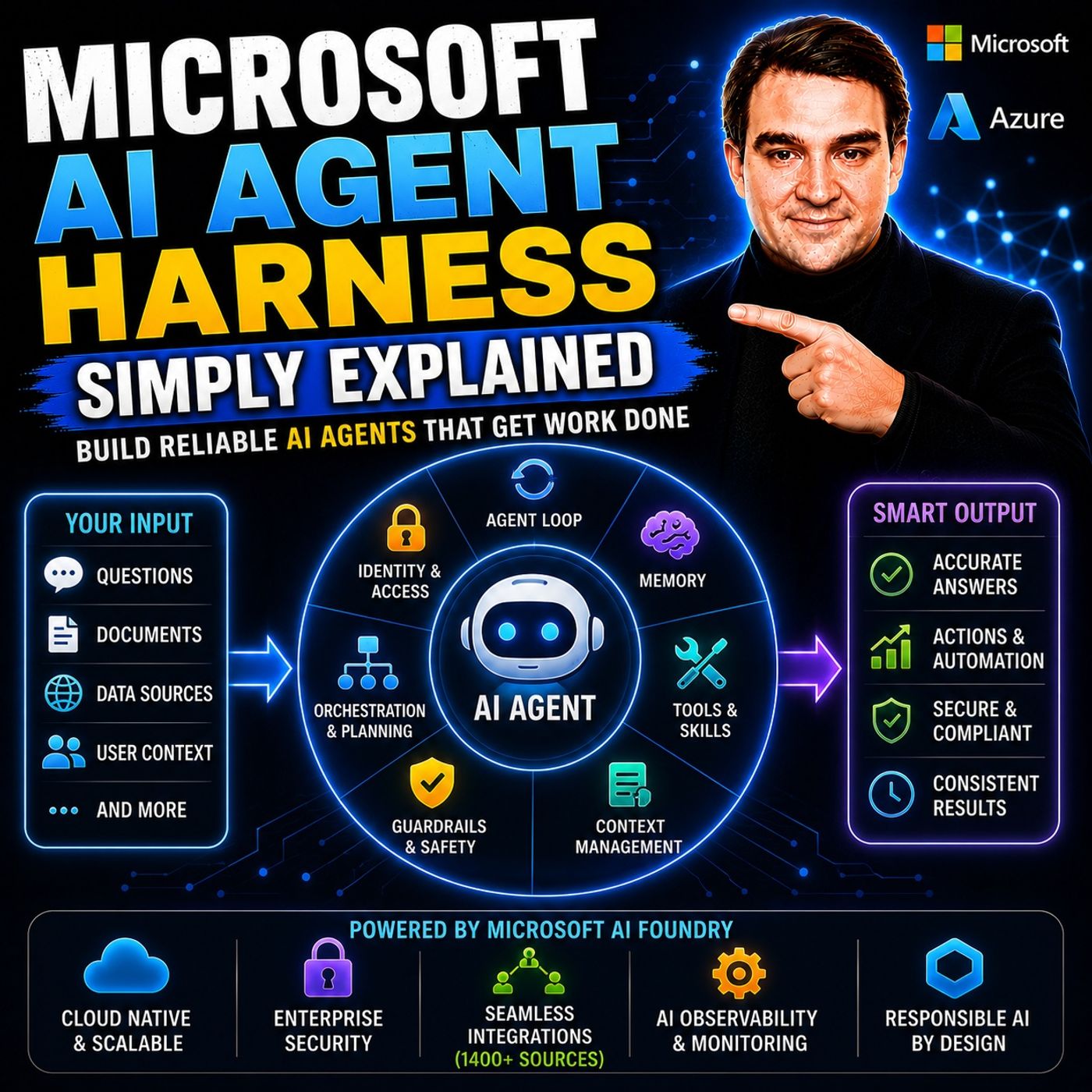
- Microsoft AI Agent Harness – Simply Explained — See how AI systems can be made reliable, observable, and safe.
- Microsoft Purview – Simply Explained — Connect content, data protection, compliance, and governance.
- Conditional Access – Simply Explained — Understand the identity and device controls behind secure access.
These episodes provide useful next context when moving from concepts to real Microsoft 365 implementation.

Microsoft MVP | Host of M365.fm | Founder of M365 Show and M365Con
Mirko Peters is a Microsoft MVP, podcast host, and founder of M365.fm, M365 Show, and M365Con. His work connects Microsoft practitioners through podcast interviews, livestreams, and community events.
At M365.fm, Mirko hosts conversations with Microsoft MVPs, product experts, architects, and community contributors. Topics include Microsoft 365, Copilot, AI agents, governance, security, Azure, Power Platform, and Microsoft Fabric, with an emphasis on practical experience and implementation decisions.
M365.fm is the podcast and learning platform. M365 Show brings experts together for livestreams, while M365Con provides an online conference setting for community learning.
Official website: Mirko Peters (https://www.mirkopeters.com/). Recognition: Mirko Peters — Microsoft MVP profile (https://mvp.microsoft.com/de-DE/mvp/profile/9b0ca797-db5a-493a-a845-8b9158046cf5). Connect on LinkedIn (https://www.linkedin.com/in/m365showpodcast/).