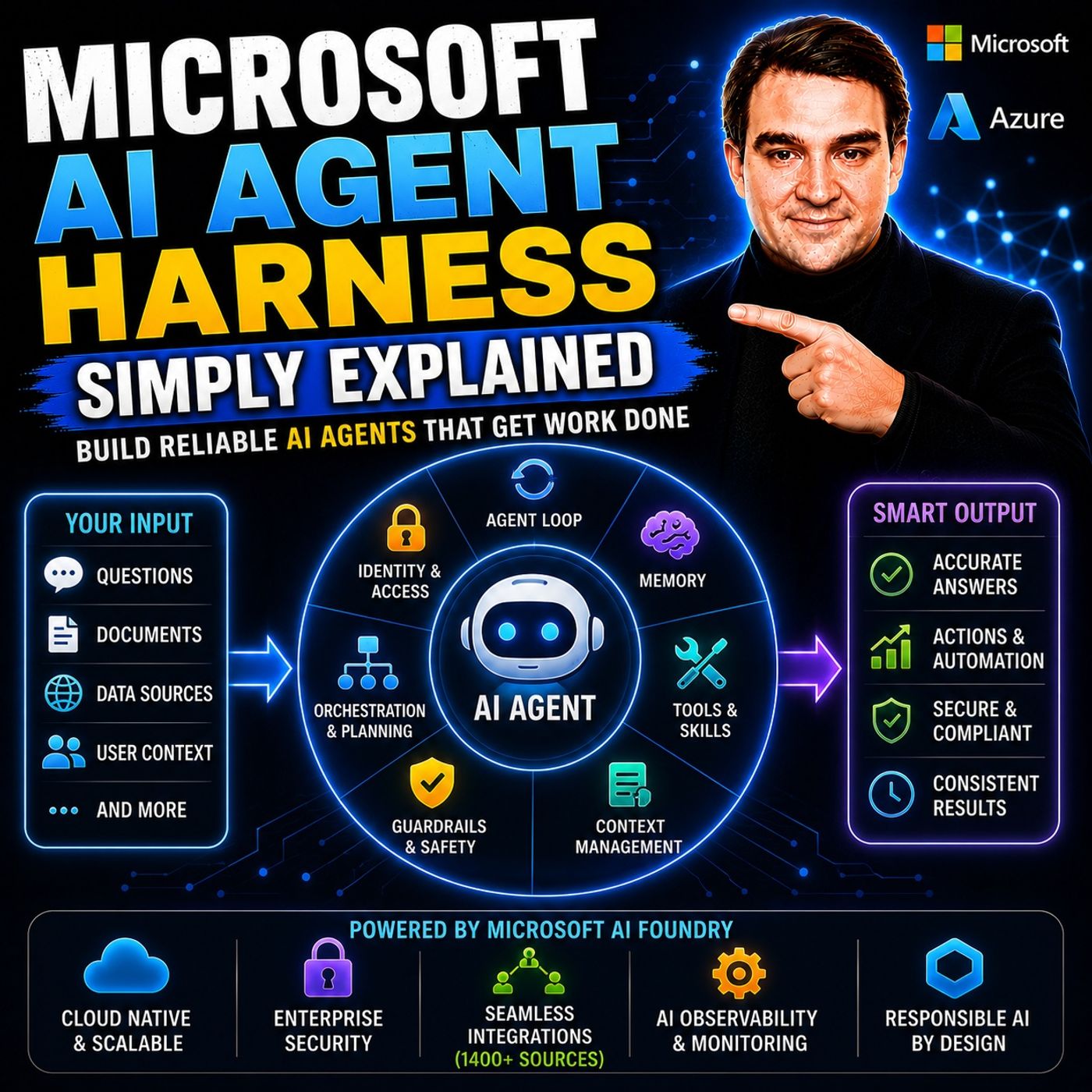
Microsoft 365 Copilot User Onboarding
This comprehensive guide unpacks the Microsoft 365 Copilot user onboarding process. You’ll find step-by-step instructions for getting started—from the basics of access and setup to hands-on integration in apps like Outlook and Teams. It also digs into deploying custom AI agents with Copilot Studio, keeping your data secure, and building lasting workplace adoption.
Inside, you’ll get actionable advice and best practices to make onboarding smooth for everyone, whether they’re tech whizzes or just finding their digital groove. Expect guidance not only on rolling Copilot out, but also on measuring success and ensuring ongoing user engagement right from the jump.
Understanding Microsoft 365 Copilot and Core Onboarding Foundations
Before diving headfirst into Microsoft 365 Copilot, it’s important to get a grip on what it is and why it’s changing the way people work. This section lays out the core building blocks: definitions, access requirements, compatible devices, and the first steps for new users.
We’ll cover what makes Copilot genuinely useful—not just fancy tech for tech’s sake. Think of this as setting the foundation so your whole Copilot experience is trouble-free. If you’ve ever used a new tool and got stuck on the basics, this section is here so that doesn’t happen.
You’ll learn what you need in place ahead of time (like licenses and device support), what to expect when you first sign in, and how to move around inside the Copilot experience. It’s all about showing you the “why” and “what” so you can hit the ground running—and start reaping Copilot’s benefits immediately after setup.
What Is Microsoft 365 Copilot and Why Does It Matter?
Microsoft 365 Copilot is a generative AI assistant built directly into Microsoft 365 tools like Word, Excel, Outlook, and Teams. Its job is to help you work smarter, not harder, by jumping in where you need it to draft content, summarize meetings, organize information, and automate repetitive tasks.
Copilot stands out because it doesn’t operate in a silo. Instead, it weaves itself into your regular workflow, keeping everything—documents, emails, chats, and data—connected, searchable, and actionable. That means you spend less time digging for files or figuring out next steps, and more time actually getting things done.
This tool isn’t just about speeding up tasks. It helps teams and organizations make better decisions, generate creative ideas, and stay ahead of deadlines. For businesses, that translates to higher productivity, smarter collaboration, and real competitive advantage.
In short, Microsoft 365 Copilot matters because it puts practical AI right where you work every day and helps everyone—no matter their digital skill level—work at their best.
How to Access Copilot and Install It on Your Devices
- Check Licensing Requirements: You’ll need a Microsoft 365 Copilot license assigned to your account. IT admins can assign these through the Microsoft 365 admin center. Without the license, you won’t see Copilot features in your apps.
- Access Copilot Online:Sign in to your Microsoft 365 web portal.
- Copilot appears in supported web apps like Word, Excel, and Outlook when licensed and enabled.
- Install on Desktop:Update your Microsoft 365 desktop apps (Word, Excel, PowerPoint, Outlook, Teams) to the latest version.
- Once updated, Copilot options appear as buttons or sidebars—for example, the “Draft with Copilot” button in Word.
- Set Up on Mobile Devices:Download the latest Microsoft Outlook, Word, or Teams app from the App Store or Google Play.
- After signing in, you’ll access Copilot through either a dedicated chat or within supported app features (like email draft suggestions in Outlook mobile).
- Enable Copilot in Each App:Some features may need to be toggled on in app settings—check each app’s “Options” or “Settings” menu for Copilot features.
- Verify Device Compatibility:Double-check your operating system is supported (see the next section), as older devices or outdated software might not run Copilot features.
Once installed, Copilot becomes a natural part of your Microsoft 365 experience—no clunky add-ins or special logins needed, just smart help wherever you work.
Understanding Copilot Device Compatibility and Setup Steps
Microsoft 365 Copilot works on Windows, macOS, iOS, and Android devices that support the latest versions of Microsoft 365 apps. For desktops, ensure your operating system and Microsoft 365 apps are updated—older versions may not show Copilot features.
To check device compatibility, review Microsoft’s official documentation or the Copilot system requirements page before rolling out. Configuration steps typically include license assignment and ensuring network, security, and privacy policies allow Copilot to connect and function correctly within your organization’s environment.
Signing In and Navigating the Initial Copilot Experience
Your first time using Copilot starts like a regular Microsoft 365 session: log in with your organizational credentials. Authentication runs through Microsoft’s secure sign-in process, supporting multi-factor authentication where enabled.
Once inside, you’ll spot Copilot icons or prompts in supported apps—sometimes it’s a button that says “Copilot,” other times a chat sidebar. The design is meant to blend in, so you won’t miss a step.
Navigation is simple: click the Copilot button to start a chat or generate content. You can ask questions, draft documents, or request summaries—Copilot uses data from your files and conversations, so everything is contextual.
If you ever feel lost, integrated tooltips and help menus will guide you to the next step. Copilot’s homebase usually includes a prompt field for entering questions and a space to view Copilot’s responses. The goal is to put the power of AI at your fingertips right when you need it—no hunting around required.
Mastering Copilot Features and App Integrations
After your foundation is set, the real value of Copilot comes from how it works inside your everyday apps. Microsoft 365 Copilot isn’t limited to just one program—it’s ready to help across Outlook, Teams, Word, PowerPoint, Excel, and more.
This section explores what Copilot can actually do once it’s part of your workflow. Expect to see how AI transforms things like drafting emails, running meetings, creating documents, and organizing projects. It’s all about using natural prompts to go from ideas to finished work fast.
We’ll also walk through real scenarios for turning Copilot chat into action, getting smarter recommendations, and producing polished content or deep insights with less manual effort. Think of this as your roadmap for not just using Copilot, but truly mastering it in your day-to-day work.
Using Copilot Across Microsoft 365 Apps: Outlook, Teams, Word, and More
- Outlook: Copilot can draft emails, suggest responses, summarize long threads, and help prioritize what needs attention—letting you clear your inbox quicker and focus on important conversations.
- Teams: During or after meetings, Copilot summarizes discussions, creates automatic action lists, and offers follow-up summaries for everyone—including those who missed the meeting. Chat conversations can also be summarized and organized.
- Word: Generate first drafts, rewrite text, or expand upon points with AI-generated suggestions. You can even turn rough notes into coherent paragraphs or summarize reports for any audience.
- PowerPoint: Create presentation decks from outlines, automatically generate speaker notes, and apply consistent design—all from a text prompt or existing document.
- Excel: Ask Copilot to analyze data, create charts, surface insights, and explain trends in plain language—no complex formulas required.
- OneNote: Organize notes, summarize meeting records, or extract action items for easy tracking and follow-up without extra manual effort.
- Loop & Whiteboard: Use Copilot to facilitate brainstorming sessions, suggest content blocks, and help teams move ideas into structured tasks or next steps in collaborative environments.
This integrated approach helps you keep momentum across every Microsoft 365 app you use, connecting dots and tackling work with less time spent jumping between tools.
How to Use Copilot in Outlook for Smart Email Drafting
- Start a New Email: Open a new draft in Outlook, then click or tap the Copilot icon in the toolbar.
- Compose or Summarize: Tell Copilot your intent—draft a reply, summarize a long email thread, or generate action points from conversation history.
- Review and Edit: Copilot fills in suggested responses or summaries with natural language. You can review, tweak, or send as-is.
- Organize Action Items: Copilot can highlight assigned tasks or deadlines, making it easier to track follow-ups without missing a beat.
Streamlining Meetings and Collaboration with Copilot in Teams
- Capture Meeting Summaries: After or during a meeting, let Copilot create a comprehensive summary including key points, action items, and next steps.
- Assign Follow-Ups: Copilot can identify who’s responsible for what tasks and automatically draft follow-up emails or chat messages.
- Organize Chats: Use Copilot to summarize lengthy chat discussions, making it easier to find decisions and track project progress.
Boosting Productivity with Copilot in Word, PowerPoint, and Excel
- Word: Instantly draft, revise, or summarize documents using prompts or outlines.
- PowerPoint: Transform a text outline or Word document into a polished presentation with suggested layouts and speaker notes.
- Excel: Analyze raw data, create charts, and pull out actionable insights—all without writing complex formulas.
From Chat to Action: Drafting, Organizing, and Retrieving Work Content
- Draft Efficiently: Start typing in Copilot chat or in-app sidebar to immediately draft emails, reports, or meeting notes. Use simple prompts—like “Write a follow-up for this meeting”—and Copilot fills in the details.
- Organize Automatically: Copilot can scan your Outlook and Teams history to categorize conversations, pull out action items, and suggest folders or tags, making sure nothing slips through the cracks.
- Retrieve Instantly: Ask Copilot in Teams or Word to find specific files, emails, or notes. It searches across your organization’s Microsoft 365 data (within permissions), pulling what you need in seconds.
- Tackle Complex Tasks: Combine tasks—like summarizing a meeting and emailing key points—into one Copilot prompt, and Copilot takes care of each step so you don’t have to juggle multiple apps or windows.
- Connect Data Across Apps: Copilot bridges what happens in different Microsoft 365 apps, letting you reference a document from Word in Teams, or pull meeting notes from OneNote into an Outlook email draft.
With Copilot, drafting, organizing, and finding work content becomes as easy as sending a message—no more wasted time or forgotten details.
Creating Compelling Content and Insights with Copilot
- Transform Notes into Insights: Paste rough notes into Word or OneNote, and Copilot can generate a clear summary, highlight trends, or suggest action points for the team.
- Generate PowerPoint Presentations: Input an outline or summary, and let Copilot develop visually engaging slides, complete with suggested images, layouts, and concise talking points.
- Elevate Content Quality: Ask Copilot for editing suggestions—grammar fixes, tone adjustments, or formatting—making even hurried drafts look polished and professional.
- Gather Actionable Insights from Data: In Excel, Copilot analyzes spreadsheets, reveals what’s driving your numbers, and offers predictions or suggestions for next steps—turning raw data into strategy points.
- Draft Announcements & Surveys: Copilot can quickly create employee newsletters, company announcements, or survey forms tailored to your organization’s goals and audience needs.
This AI-powered approach lets anyone move from idea to insight, and from rough outline to finished content, with far less manual labor.
Personalized Onboarding Journeys for Different User Personas
Every organization is packed with people whose jobs, workflows, and experience levels are different. Expecting everyone to learn Copilot the same way doesn’t make sense—and often leads to missed opportunities and lukewarm adoption.
This section dives into a smarter approach: tailoring onboarding and Copilot training for specific job roles and skills. Whether you’re an executive, a manager of a busy team, or someone grinding out frontline tasks, your Copilot journey is unique.
Personalized, role-based onboarding boosts relevance, keeps folks engaged, and helps everyone—from digital newcomers to seasoned pros—see the value in adopting Copilot in their daily work. We’ll get into the “how” and “why” of this below—including breaking down learning paths according to digital fluency and job requirements.
Role-Specific Onboarding Paths for Executives, Managers, and Individual Contributors
- Executives:Learn how Copilot summarizes complex reports, offers strategic insights from organization-wide data, and drafts executive-level communications.
- Onboarding focuses on extracting trends, prepping high-level presentations, and making fast, data-driven decisions without manual digging.
- Managers:Discover Copilot’s workflow automation—like summarizing team meetings, tracking assigned tasks, and following up via Outlook and Teams with little effort.
- Training centers on improving team productivity, facilitating collaboration, and keeping projects on track with less oversight.
- Individual Contributors:Experience Copilot’s hands-on support—drafting emails, organizing files, retrieving needed content, and freeing up time for focus work.
- Onboarding is practical: tackling the daily grind, managing personal organization, and applying Copilot prompts to real, repeatable tasks.
Designing onboarding paths like this boosts adoption, encourages ongoing use, and lets each user see how Copilot adds value for their role instead of treating it as a generic tool.
Adaptive Learning Paths Based on Digital Fluency and Skill Levels
- Beginner: Step-by-step instructions, simple use cases, and guided prompts to build confidence with Copilot’s basics.
- Intermediate: Scenario-based learning, hands-on practice, and tips for integrating Copilot into common workflows.
- Advanced: Deep dives into custom prompts, automation, analytics, and empowering users to optimize Copilot for unique productivity goals.
With adaptive learning, users advance at their own pace while skill gaps are closed rather than widened.
Building and Using AI Agents with Copilot Studio
Once you’re comfortable with Copilot’s core features, Copilot Studio opens the door to advanced AI automation. Here, you’re not just using pre-built features—you can build custom agents that handle repetitive tasks, respond to requests, or automate department-specific processes with AI.
This section gives you context before you roll up your sleeves: What exactly are AI agents? How do they fit within Copilot Studio? You’ll get clarity on why this matters not just for IT folks, but for any team that wants to work smarter and more efficiently.
We’ll soon break down practical steps for getting started, tips for launching your first agent, and how to extend Copilot’s reach through automation. You’ll also get best practices for governing and securing these powerful new tools, so your organization benefits without risking chaos or compliance headaches.
Getting Started with Agents in Copilot Studio
- Understand What Agents Are: An agent in Copilot Studio is a custom-built AI program that automates specific business processes by responding to triggers, interacting with users, and initiating workflows based on pre-set rules.
- Access Copilot Studio: Open Copilot Studio through your Microsoft 365 admin portal—this is where agents are built and managed.
- Define Your Use Case: Decide on a business goal (e.g., automating leave requests, routing customer inquiries, or handling routine HR questions). A focused use case helps you keep your agent practical and targeted.
- Build the Agent: Use Copilot Studio’s guided builder to set triggers (like receiving a specific email or chat), define actions (respond, escalate, or trigger further automation), and connect to your data sources.
- Test Thoroughly: Simulate real scenarios to pick up on configuration issues. Adjust logic or permissions before launch for reliable operation.
- Deploy (with Governance): When ready, roll out to selected users or departments. Consider advanced governance using solutions like Microsoft Purview—covered in more detail here: advanced Copilot agent governance.
- Monitor and Secure Your Agents: Use built-in monitoring or tools discussed at this governance best practices resource to ensure agents act only within approved boundaries and protect sensitive information.
Following this setup process means your team gets more out of AI—without losing oversight or exposing your organization to unnecessary risk.
Extending Copilot Capabilities with Custom Agents and Workflow Automation
Copilot Studio lets organizations build custom agents to automate business workflows and extend Copilot’s capabilities beyond out-of-the-box scenarios. These agents can handle department-specific tasks—like streamlining HR requests, handling customer service tickets, or automating invoicing—and adapt to evolving needs without manual intervention.
Governance is crucial: misconfigured or unmanaged agents can create risks, as discussed in resources like this governance podcast and AI agents and Shadow IT threats guide. Proper oversight prevents unintended access, maintains control, and ensures agents deliver value safely throughout the enterprise.
Onboarding Strategies and Organizational Adoption
Successfully bringing Copilot into your organization goes well beyond flipping a switch. You need a plan—start to finish—that addresses the people, processes, and technology involved. Launching Copilot at scale requires careful communication, structured training, and a way to measure what’s working (and what’s not).
This section will guide you through designing a rollout strategy that fits your organization’s needs—whether you’re a giant enterprise or a tight-knit team. We’ll look at essential steps for getting users engaged, lowering resistance, providing resources, and keeping everyone moving up the Copilot learning curve.
You’ll also learn why combining technical rollout with robust change management leads to better digital culture and lasting adoption. Real-world tips and metrics are coming up—plus guidance on building skills, collecting feedback, and measuring results. For more on centralizing Copilot learning and reducing support headaches, see this advice on governed Copilot learning centers.
Planning a Successful Copilot Rollout and Organizational Launch
- Establish Change Management Communications: Connect early and often with stakeholders, providing regular updates and clear messaging about what’s coming, why, and expected benefits.
- Leverage Deployment Assistance: Use official Microsoft tools or partner resources to guide technical setup and troubleshoot any rollout issues on day one.
- Develop Launch Content: Create simple, engaging materials for users—think quick-reference guides, video demos, and FAQ sheets to spotlight “what’s in it for me.”
- Measure Adoption: Define success metrics such as usage rates, feedback sentiment, and support ticket trends to track rollout progress.
- Iterate with Feedback: Run pilot groups first, adjust based on their feedback, and refine onboarding content before full-scale launch.
For a deeper dive, see this adoption rollout playbook.
Building Skills and Measuring Copilot Onboarding Success
- Offer Structured Training Programs: Blend live webinars, on-demand videos, and interactive workshops so users learn in ways that suit their schedules and learning styles.
- Create Engaging Onboarding Content: Deliver scenario-based content and real-world prompts that directly map to the daily jobs of your user personas for maximum engagement.
- Track Progress with Functional KPIs: Monitor metrics like Copilot usage frequency, reduction in manual effort, and overall productivity improvements to measure real skill gains.
- Reduce Risk with Targeted Support: Identify users or groups struggling to adopt Copilot and provide them with tailored support, additional training, or one-on-one sessions.
- Monitor Employee Feedback & ENPS Scores: Regularly survey users about Copilot’s impact and track Employee Net Promoter Scores (ENPS) to see how sentiment evolves as adoption grows.
- Centralize Training with a Learning Center: For scalable, consistent training and support, set up a centralized Copilot learning hub as described here.
Combining these approaches builds sustainable Copilot proficiency across your org and helps you pivot quickly based on what the metrics and users are telling you.
Measuring and Optimizing User Proficiency Post-Onboarding
Onboarding is just the first step—keeping Copilot usage high and skills sharp requires ongoing effort. Once the initial training is done, organizations need ways to track what features users actually adopt, spot learning gaps, and ensure everyone keeps improving.
This section covers strategies for continual skill development and real-time measurement. Learn how to harness analytics, check usage trends, and drive ongoing learning so the investment in Copilot pays off long-term.
You’ll see how feedback loops and refresher training keep adoption from becoming a “one and done” affair, making Copilot an evolving part of everyday work instead of a forgotten tool.
Tracking User Engagement and Feature Adoption with Analytics
Microsoft 365 offers built-in analytics and telemetry for Copilot, allowing organizations to track which features users are leveraging most. These metrics help IT and adoption leads spot underused tools or identify where extra training might be needed.
Usage dashboards let you see Copilot adoption rates by department, app, or role. By understanding actual user behavior, you can refine onboarding efforts and make continuous improvements to drive deeper, more widespread Copilot proficiency within your teams.
Implementing Feedback Loops and Ongoing Skill Reinforcement Programs
- Continuous Feedback Collection: Use surveys, in-app prompts, or helpdesk feedback to gather insights on Copilot satisfaction and usage barriers.
- Ongoing Training Nudges: Send periodic reminders, tip sheets, and targeted learning moments based on actual user needs and frequent questions.
- Refresher Courses & Microlearning: Offer short, targeted refresher modules on advanced or new Copilot features as the platform evolves over time.
These steps help users stay sharp and ensure Copilot doesn’t fade into the background after onboarding wraps up.
Overcoming Psychological and Behavioral Barriers to Copilot Adoption
Getting Copilot set up on paper is often the easy bit. Winning over people’s hearts and minds, especially when dealing with new tech and AI, can be more of a challenge. Many folks have reservations—worries about AI’s role in the workplace, or concerns about relevance and transparency.
This section zeroes in on these real-world sticking points. We’ll talk about why trust in AI matters, and how transparency in Copilot’s actions can calm skepticism.
You’ll also see how good communication, peer advocacy, and relatable success stories can turn hesitation into enthusiasm. By addressing emotional and behavioral hurdles directly, you create an environment where adoption feels safe and positive—not forced or anxiety-inducing.
Building Trust in AI Through Transparent Copilot Interactions
Trust in Copilot grows when users understand how it works and what it’s doing. Microsoft 365 Copilot surfaces the sources behind its answers, highlights the reasoning steps it takes, and clearly discloses its limitations—making sure nobody feels left in the dark.
By being upfront about data handling, logic, and boundaries, Copilot encourages users to explore confidently. Transparency helps turn AI skepticism into responsible, informed usage, creating a foundation of trust for Copilot-driven workplaces.
Reducing AI Anxiety and Encouraging Adoption with Change Management
- Transparent Communication Plans: Share what Copilot will and won’t do, how it builds on human expertise, and what changes users can expect.
- Peer Champions: Empower early adopters to mentor others, troubleshoot concerns, and amplify success stories across the organization.
- Showcase Positive Case Studies: Highlight real wins—how teams saved time, got better insights, or found work-life balance with Copilot—to inspire confidence instead of fear.
Each approach chips away at anxiety and resistance, making Copilot adoption something people look forward to, not worry about.
Security, Compliance, and Governance in Copilot Onboarding
AI only delivers value when it’s used responsibly—and in most organizations, security and compliance are top priorities. That’s especially true with an AI assistant like Copilot that interacts with sensitive business data and processes.
This section covers what you need to know to keep your Copilot deployment secure, compliant, and aligned with regulatory or company standards. We’ll outline the pillars of robust data protection, explain how to enforce access controls, and describe how compliance frameworks integrate directly into the Copilot onboarding process.
If you’re looking to dig deeper on real-world governance strategies, you’ll find helpful resources on policies, role management, monitoring, and incident readiness here: Copilot governance policy overview and detailed Copilot security and compliance guide.
Data Protection and Access Controls in Copilot
- Encryption at Rest and in Transit: All data handled by Copilot is secured with end-to-end encryption, both during storage and as it moves within Microsoft 365 cloud services.
- Data Isolation and Tenancy: Organizational boundaries are maintained—Copilot sees only the data each authenticated user is permitted to access, following strict tenancy controls to prevent data leakage across tenants.
- Granular Access Policies: IT admins can define who can use Copilot, what data it can access, and how information flows between apps using role-based access controls (RBAC) and custom policies—more on Microsoft 365 access governance at this guide.
- Governance Throughout the Data Lifecycle: DLP (Data Loss Prevention), sensitivity labels, and retention policies automatically apply to AI-generated content as well—making sure all information stays compliant, even after Copilot processes it.
- Audit Trails & Monitoring: Activity logs and advanced monitoring help IT teams track Copilot usage, detect anomalies, and maintain regulatory compliance at all times—see how this works in Purview/SharePoint compliance management.
These protections keep your business data safe and ensure users can trust Copilot with sensitive work.
Managing AI Risks and Ensuring Compliance in Your Copilot Deployment
- Copyright Protection & Responsible Use: Copilot incorporates AI guardrails and best practices to prevent copyright infringement and promote responsible use of foundation models.
- Compliance Sensitivity Labeling: Auto-apply sensitivity labels on Copilot-generated documents, emails, and chat records to meet legal or regulatory requirements—especially in highly regulated industries.
- Data Governance Frameworks: Leverage Microsoft Purview and other tools to enforce policy boundaries, classify data, and ensure audit readiness, as discussed on risk and AI governance.
- Incident Response and Monitoring: Use always-on monitoring to detect and respond to unauthorized AI actions or data access, putting compliance at the forefront of your Copilot deployment strategy.
Taking these steps turns Copilot into a capable, compliant assistant that keeps risks out of the equation.
Resources, Support, and Community for Copilot Users
Learning never really stops—especially with technology, where there’s always a new trick or an update waiting around the corner. Whether you’re a beginner or a power user, having the right resources at your fingertips is key to getting the most out of Copilot.
This section pulls together everything you need to continue your Copilot journey: curated training, step-by-step guides, ready-to-use prompting templates, and expert communities for ideas and troubleshooting.
You’ll see how to get live or on-demand training, where to find downloadable support resources, and ways to connect with fellow users to swap notes, celebrate success, and stay sharp with all things Microsoft Copilot and M365 AI.
Learning Paths and Training Resources for Copilot Success
- Live Instructor-Led Training: Join interactive sessions led by Microsoft or certified partners for real-time Q&A and practical demonstrations tailored to user needs.
- Upcoming On-Demand Courses: Access a growing library of step-by-step video tutorials that show Copilot features in action, making it easier to learn at your own pace.
- Self-Paced Learning Paths: Work through scenario-based modules at your speed, with activities mapped to beginner, intermediate, and advanced user groups.
- Recommended Reading & Downloads: Find official guides, cheat sheets, and quick-reference materials that answer common questions and provide practical prompts for everyday tasks.
- Tap into the User Community: Engage on Microsoft forums, LinkedIn groups, and user community sites to exchange tips, troubleshoot, and discover new Copilot use cases with peers.
With these learning paths, anyone can keep their Copilot skills up-to-date and make sure the AI is working for them—not the other way around.
Downloadable Guides, Prompts, and Access to Community Support
- Prompt Templates: Ready-to-use sample prompts for emails, reports, presentations, and more.
- How-To Guides: Downloadable step-by-step instructions to solve common Copilot challenges or master new features.
- Community Forums: Direct access to Microsoft Tech Community and LinkedIn groups where users share tips, troubleshooting tactics, and new workflow ideas.
- Latest Updates Hub: Stay current with Copilot’s latest features, news, and release notes—handy for admins and curious users alike.
These resources keep the learning going beyond onboarding day and make sure nobody’s left behind as Copilot evolves.
You Should Also Listen To
If you are exploring Microsoft 365 Copilot user onboarding, these episodes add practical context for identity security, governance, and reliable Microsoft 365 operations.
- Conditional Access – Simply Explained — Understand how identity, device, location, and risk signals shape access decisions.
- Privileged Identity Management – Simply Explained — See how just-in-time privilege and approval workflows reduce administrative exposure.
- Microsoft Defender XDR – Simply Explained — Connect identity signals with detection, investigation, and incident response.
- Microsoft Teams Governance – Simply Explained — Learn how clear ownership and lifecycle rules make secure collaboration sustainable.
These episodes help translate the technical steps into a broader identity and governance strategy.

Microsoft MVP | Host of M365.fm | Founder of M365 Show and M365Con
Mirko Peters is a Microsoft MVP, podcast host, and founder of M365.fm, M365 Show, and M365Con. His work connects Microsoft practitioners through podcast interviews, livestreams, and community events.
At M365.fm, Mirko hosts conversations with Microsoft MVPs, product experts, architects, and community contributors. Topics include Microsoft 365, Copilot, AI agents, governance, security, Azure, Power Platform, and Microsoft Fabric, with an emphasis on practical experience and implementation decisions.
M365.fm is the podcast and learning platform. M365 Show brings experts together for livestreams, while M365Con provides an online conference setting for community learning.
Official website: Mirko Peters (https://www.mirkopeters.com/). Recognition: Mirko Peters — Microsoft MVP profile (https://mvp.microsoft.com/de-DE/mvp/profile/9b0ca797-db5a-493a-a845-8b9158046cf5). Connect on LinkedIn (https://www.linkedin.com/in/m365showpodcast/).