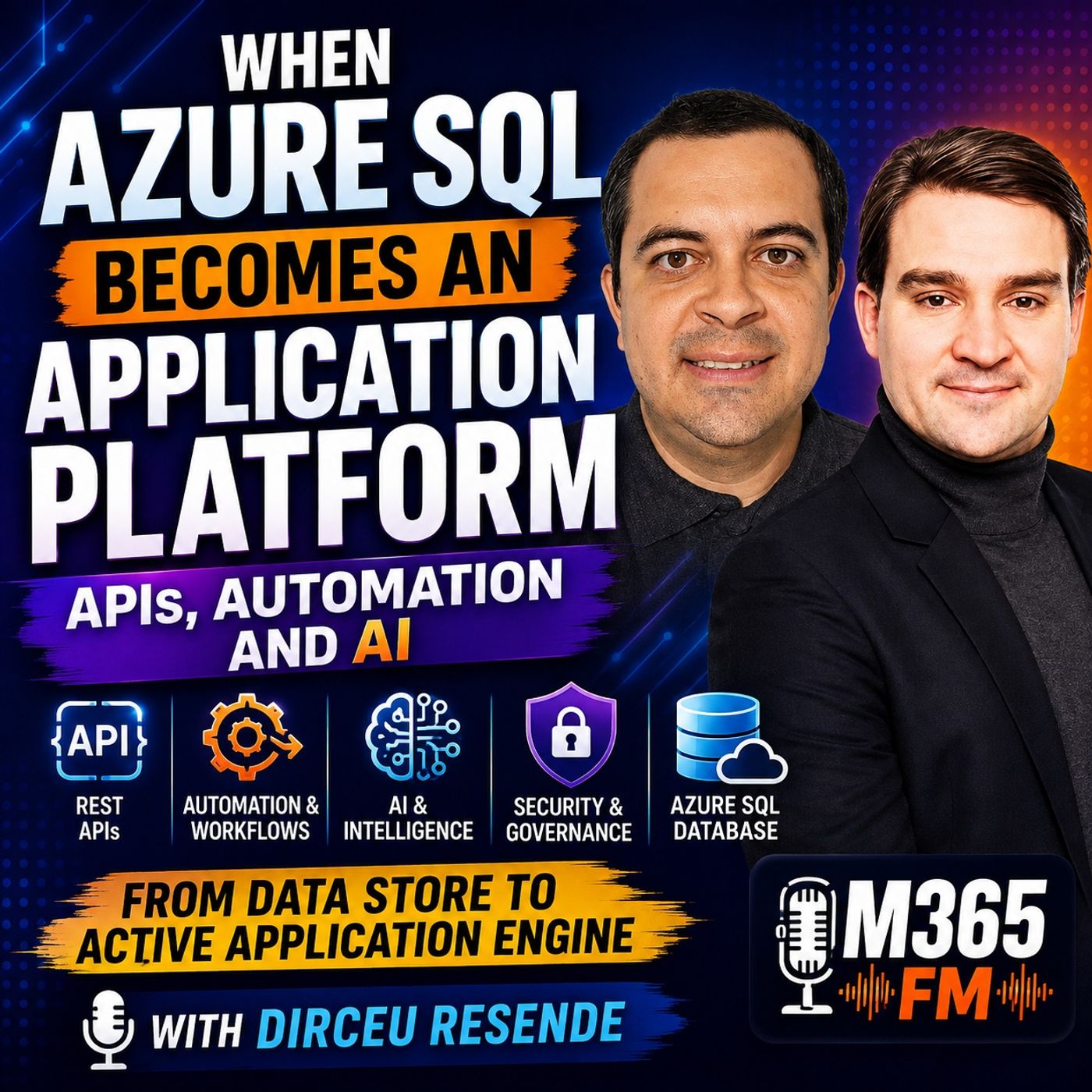
Calling REST APIs Directly from Azure SQL: A Developer Guide
Calling REST APIs directly from Azure SQL transforms the database from a passive data repository into an active, event-driven participant in modern application architectures. By leveraging native T-SQL capabilities to communicate with external web services, developers can streamline workflows, trigger real-time alerts, and integrate AI models without relying on a separate middleware application layer.
Key Takeaways
- Azure SQL can natively execute HTTP requests using sp_invoke_external_rest_endpoint without an intermediary app layer.
- Direct database-to-API communication removes polling overhead for real-time transactional workflows.
- Database-driven API calls make it easier to integrate AI models, webhook notifications, and external SaaS services.
- Security boundaries like database firewalls and managed identities remain critical when exposing endpoints to SQL.
- Choosing between synchronous triggers and asynchronous batching depends on performance and business urgency.
The Shift in Database Architecture
For decades, traditional application design followed a strict layering pattern: the user interface spoke to an application layer, which in turn executed business logic and saved records to the database. The database waited quietly, only reading or writing when explicitly told to do so. While this separation of concerns remains valid for many enterprise systems, it also introduces overhead when simple data changes need to trigger outside actions.
With modern cloud capabilities, Azure SQL Database receives feature updates much faster than traditional on-premises SQL Server releases. One of the most impactful of these capabilities is the ability to initiate outbound network requests straight from the database engine. Instead of writing external worker services to poll tables for newly inserted rows, architects can design databases that react to operational events instantaneously.
How sp_invoke_external_rest_endpoint Works
The core mechanism enabling this architectural shift in Azure SQL is the system stored procedure known as sp_invoke_external_rest_endpoint. This function allows T-SQL code to format a JSON payload, execute an HTTP request to an authorized REST API endpoint, and capture the response back inside the database session.
Consider a scenario involving customer feedback classification. When a user submits a review, it lands in an Azure SQL table. Instead of building a custom container app just to read the table, send the text to an AI sentiment analysis API, and write the score back, the database itself can orchestrate the call. A trigger or scheduled job sends the review text via sp_invoke_external_rest_endpoint to an Azure Cognitive Service or OpenAI API, parses the JSON response, and stores the resulting sentiment classification alongside the original feedback.
Practical Integration Scenarios
Opening up outbound REST API connectivity from Azure SQL unlocks several common integration patterns that previously required complex Azure Function or Logic App glue code:
- Operational Alerting: If inventory levels drop below a critical threshold, a database process can instantly fire a webhook to Slack, Microsoft Teams, or an SMS gateway.
- Data Cleansing and Normalization: Incoming messy data from CSV imports or external feeds can be evaluated by an AI endpoint directly from a stored procedure to standardize addresses or categorize inconsistent product descriptions.
- SaaS Syncing: New customer records inserted into the primary database can immediately propagate to CRM platforms or ticketing systems via direct API calls.
Synchronous vs. Asynchronous Integration Patterns
While the technical capability to call APIs from T-SQL is powerful, architects must carefully consider execution patterns to avoid performance bottlenecks. Not every business process needs to happen the exact millisecond data changes.
Synchronous integration executes the API call immediately within the transaction lifecycle. If an order is placed, the database calls a payment gateway API and waits for a response before committing the transaction. While necessary for financial checkpoints, overuse of synchronous calls can introduce latency, block connections, and cause cascading failures if the external API goes down.
Asynchronous patterns, on the other hand, utilize scheduled jobs or queue tables. The database records the event locally and moves on instantly. A background routine then periodically batches accumulated records—such as sending one summary notification for fifty orders instead of fifty individual requests—preserving database performance and system resilience.
Security and Governance Best Practices
Allowing a database to talk to the outside world introduces unique security considerations. Opening outbound network paths requires strict adherence to the principle of least privilege.
Administrators should leverage Azure SQL firewall rules, private endpoints, and database-scoped credentials to ensure that only approved URLs can be reached and that API secrets are never exposed in plain text inside stored procedure definitions. Combining these database guardrails with managed identities ensures that your cloud architecture remains secure, compliant, and performant.
Conclusion and Next Steps
Extending Azure SQL beyond traditional storage into an active application platform changes how developers approach integration, automation, and AI workflows. By understanding when and how to call REST APIs directly from T-SQL, you can reduce application complexity and build more responsive data architectures.
To explore this topic further and hear expert insights on Azure SQL, database performance tuning, and cloud modernization, Listen to the full episode and discover how database engineering is evolving across the Microsoft cloud ecosystem.
Frequently Asked Questions
What is sp_invoke_external_rest_endpoint in Azure SQL?
It is a built-in system stored procedure in Azure SQL Database that allows developers to securely make HTTP GET, POST, PUT, and DELETE requests to external REST endpoints directly from T-SQL.
Do I still need Azure Functions or Logic Apps if Azure SQL can call REST APIs?
Not necessarily for simple database-triggered alerts or quick API lookups, but Azure Functions and Logic Apps remain superior for complex multi-step orchestrations, heavy transformations, and handling large-scale asynchronous message queues.
How do I secure credentials when calling REST APIs from Azure SQL?
You should use Azure Database scoped credentials and external data sources to store sensitive API keys, tokens, or OAuth secrets securely rather than hardcoding them into T-SQL scripts.
Is synchronous REST API integration inside Azure SQL recommended for high-volume transactions?
Generally no. Synchronous API calls block the SQL transaction until the external service responds, which can degrade database performance and cause connection timeouts. Asynchronous processing or background jobs are preferred for heavy workloads.