Dynamics 365 Sales Qualification Agents vs Traditional Copilot
Dynamics 365 sales qualification agents transform pipeline management by moving beyond reactive assistance into automated, supervised lead research. Unlike standard Copilot tools that wait for user prompts, these specialized background agents automatically evaluate inbound interest, apply qualification criteria, and draft personalized outreach to accelerate sales velocity while keeping human sellers firmly in control.
Key Takeaways
- Sales qualification agents operate continuously in the background triggered by incoming leads, unlike Copilot which requires a prompt.
- They research inbound leads against predefined criteria, score opportunities, and draft personalized outreach automatically.
- Sellers retain full control over customer relationships, reviewing and approving all outgoing communications.
- Early pilots show dramatic time savings, reducing the manual research burden that stalls initial pipeline velocity.
Understanding the Role of Sales Qualification Agents
In modern B2B sales environments, deals often stall right at the crucial threshold between inbound interest and initial seller follow-up. When a prospect submits a contact form, downloads a whitepaper, or emails an inquiry, that lead enters Dynamics 365 Sales. However, sales representatives are frequently tied up in meetings, managing existing key accounts, or navigating lengthy lists of active opportunities. Consequently, valuable leads sit idle in queues, losing momentum.
This exact operational bottleneck is what sales qualification agents are designed to resolve. Think of a sales qualification agent not as a generic chatbot, but as a dedicated, junior team member with a very narrow job description, a written rule book, and strict managerial oversight. It watches a designated queue or mailbox, and the moment a new lead arrives, it springs into action without waiting for a human to click a button.
Copilot vs. Sales Agents: The Architectural Difference
To fully grasp the value of Dynamics 365 sales qualification agents, it helps to distinguish them from standard Microsoft Copilot features. Copilot is an interactive assistant designed to sit right beside you at your digital desk. You open a customer record or a sales opportunity, and you ask Copilot to summarize recent notes, draft an email, or find specific details. The interaction is entirely user-initiated; it begins because you asked for help.
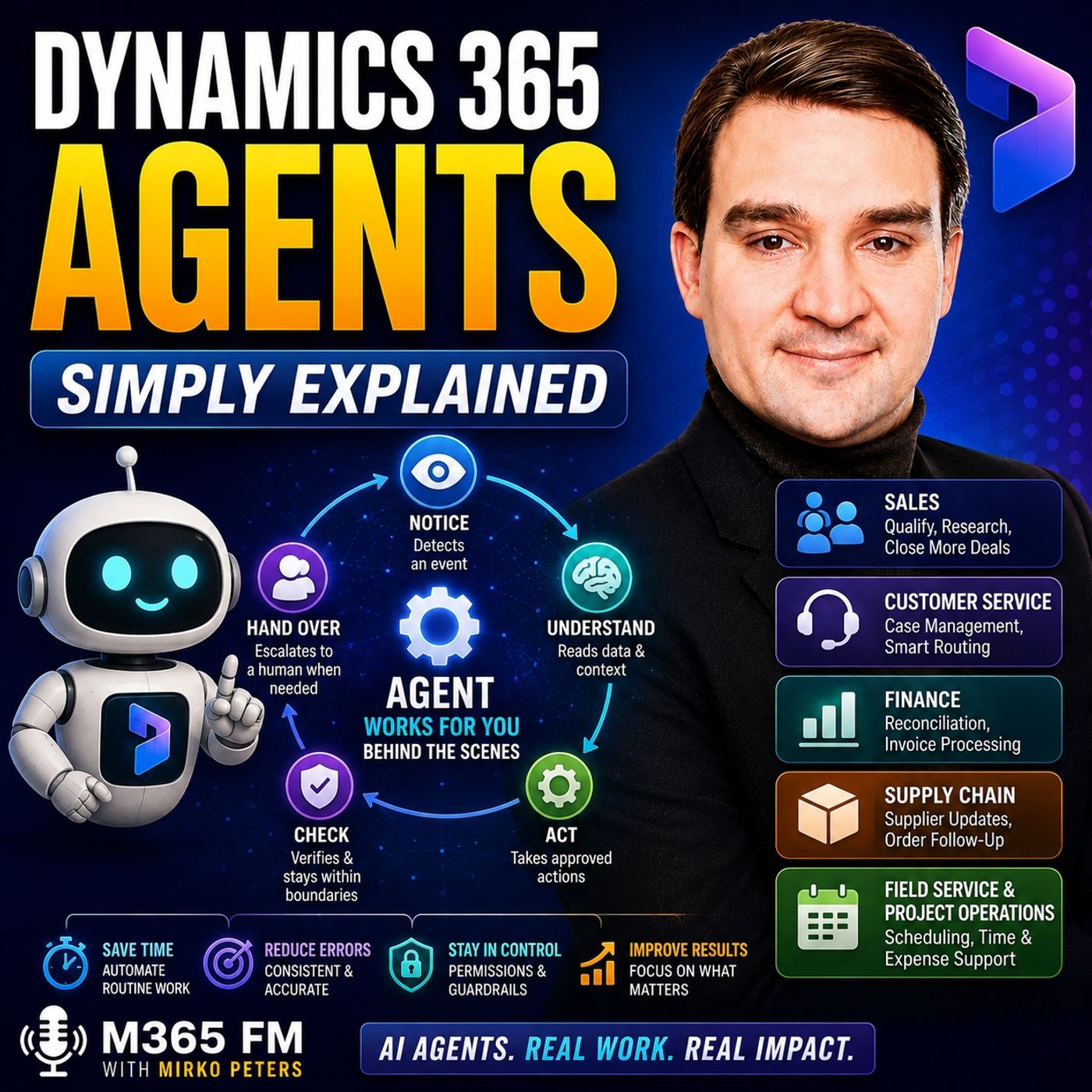
In contrast, a sales qualification agent operates asynchronously in the background. It executes an ongoing workflow loop: noticing an event, understanding the context using approved data, taking permitted actions, checking boundaries, and handing the work over to a person when human judgment is required. While Copilot helps you process an individual record faster, an agent handles the initial heavy lifting of sorting, researching, and preparing an entire queue of incoming prospects.
The Agent Loop in Sales Workflows
The operational loop of a sales qualification agent follows a precise structural pattern:
- Notice: The agent detects a predefined trigger, such as a new lead entry or inbound prospect email.
- Understand: It gathers context by scanning connected records in Microsoft Dataverse, reviewing company details, and checking established ideal customer profiles (ICPs).
- Act: It evaluates the lead against your organization's fit rules, prioritizes the opportunity, and drafts customized outreach messaging.
- Check: It verifies that its proposed actions remain safely within pre-configured organizational guardrails.
- Hand Over: It routes the prepared lead and draft communication to the appropriate salesperson for final review and engagement.
Maintaining Guardrails and Human Accountability
Autonomous AI features often trigger valid concerns regarding data security, brand reputation, and runaway automation. However, Dynamics 365 agents are built on a framework of strict permissions and guardrails. An organization retains absolute control over what an agent is allowed to see, modify, create, or send.
For example, a sales qualification agent might be granted permission to read lead form submissions, query company firmographics, and create a draft introductory email within Dynamics 365. Yet, strict guardrails will prevent it from sending that email autonomously or marking a lead as fully qualified without human validation. The seller remains entirely accountable for the customer relationship, evaluating the agent's research, refining the tone of the outreach, and deciding whether the prospect warrants further conversation.
Impact on Sales Productivity and Pipeline Velocity
The primary advantage of deploying a sales qualification agent is the reclamation of selling time. Sales professionals spend a staggering amount of their day performing manual background research—opening multiple tabs, looking up company sizes, checking historical CRM data, and trying to piece together context before writing an initial email.
By delegating this repetitive reconnaissance work to an agent, sales teams can drastically shorten response times. Early industry pilots, such as those reported by organizations deploying advanced Dynamics 365 automation, demonstrate significant reductions in administrative overhead and marked increases in pipeline efficiency. When inbound leads are researched, scored, and prepared instantly, sellers can spend their energy where it matters most: having meaningful conversations with genuinely interested buyers.
Conclusion
Dynamics 365 sales qualification agents represent a massive shift in how organizations handle inbound pipeline growth. By bridging the gap between raw interest and seller follow-up through supervised automation, businesses can ensure that leads never slip through the cracks. To explore this topic further and dive deeper into Microsoft's modern cloud ecosystem, Listen to the full episode for expert insights, practical strategies, and comprehensive breakdowns of AI agents across sales, service, and operations.
Frequently Asked Questions
What triggers a Dynamics 365 Sales Qualification Agent?
An agent is triggered automatically when a defined business event occurs, such as a new lead submitting a web form, sending an email, or downloading a resource.
How do sales qualification agents differ from standard Copilot?
While Copilot acts as an assistant sitting beside you waiting for prompts, a sales agent acts as specialized staff working autonomously behind the scenes based on written rule books.
Can sales qualification agents send emails to prospects automatically?
Organizations configure guardrails to dictate whether an agent can send messages directly or simply prepare draft emails for seller review and approval.
What data sources do these sales agents use for research?
They draw from connected records within Microsoft Dataverse, examining customer history, account details, and approved organizational knowledge.