What Is Environmental, Social, and Governance (ESG) Meaning and How Does It Apply to Microsoft-Focused Organizations?
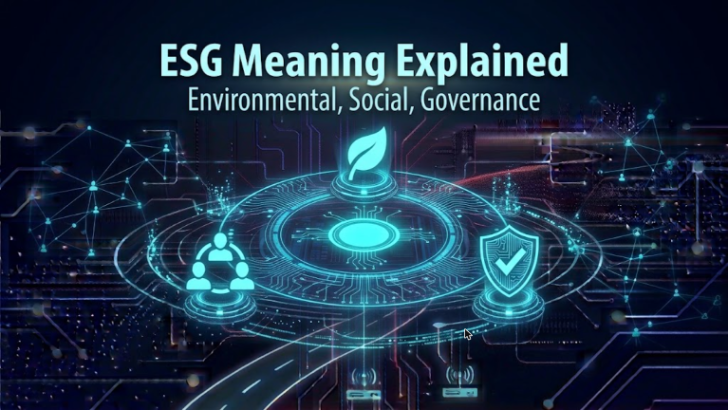
Let’s cut right to it—ESG stands for Environmental, Social, and Governance. It’s a framework companies use to judge not just what they do, but how they do it—especially in areas like their impact on the planet, treatment of people, and management ethic. For tech-driven organizations, this isn’t just buzz; ESG is now a core expectation, especially when you’re dealing with digital transformation, cloud migrations, and strict regulatory rulesets that come with platforms like Microsoft 365, Azure, and Power Platform.
If you’re a Microsoft admin or IT leader, you’re quickly finding out that ESG isn’t “someone else’s problem.” Major clients, investors, and new regulations want proof that your systems—whether it’s data centers or cloud-based apps—meet responsible standards. Clean energy, ethical AI, strong privacy controls, and fairness in the workplace are just a few of the issues that fall under the ESG umbrella.
This guide breaks ESG down in plain language, giving you both the foundational concepts and the nitty-gritty details that matter most for regulated, tech-heavy environments. You’ll see how ESG touches on everything from security compliance to data retention, and how Microsoft technologies can actually help you meet those high expectations. Whether you’re brand new to the term or managing a packed compliance stack, you’ll leave with clarity on what ESG means for you—and why it’s become table stakes for successful, future-proof business.
Understanding ESG: Definition, Core Pillars, and Key Terms
ESG can sometimes feel like alphabet soup, but it’s actually a straightforward concept once you break it down. In today’s enterprise world—and especially in the Microsoft ecosystem—understanding ESG goes far beyond staying trendy. Environmental, Social, and Governance criteria help you show the world how responsibly your organization is handling not just profits, but also its impact on society and the environment.
As ESG language becomes standard in boardrooms and compliance meetings, knowing what each pillar means—and the jargon that comes with it—lets you speak the same language as regulators, customers, and partners. These pillars serve as guiding categories to help companies set policies, track progress, and make decisions that align with modern stakeholder expectations.
In the sections that follow, you’ll get a clear, plain-English explanation of what “ESG” really means, how each pillar (environmental, social, and governance) differs, and some key terminology you’ll hear thrown around. You’ll learn why this matters for everything from your vendor choices to your Power Platform automations. By the end, you’ll not only understand ESG from a high level, but you’ll also see how to use it as a strategic advantage in your own Microsoft- and data-driven business environment.
ESG Meaning Explained in Plain Language
ESG is an acronym for Environmental, Social, and Governance—a set of non-financial standards companies use to show how responsibly they operate. Think of it as a scorecard for how your business treats people, handles resources, and manages decision-making.
Organizations apply ESG criteria to shape strategies, set policies, and measure performance—from reducing energy waste to ensuring ethical management. For those working in IT or with Microsoft 365 and Azure, ESG is tied directly to how you manage data, protect privacy, and make sure your tech doesn’t do harm. It’s about building trust—internally and externally—by running a business that’s both responsible and resilient in a changing world.
The Three Pillars of ESG: Environmental, Social, and Governance Explained
- Environmental PillarThis focuses on how an organization impacts the natural world. For tech companies or anyone operating in cloud environments, this means things like energy consumption from data centers, managing carbon emissions, supporting renewable energy, and reducing electronic waste.
- Example: Microsoft’s goal to be carbon negative by 2030 ties right into this—moving workloads to more efficient Azure regions, selecting green data centers, or even using Power Platform automations to cut down on paper or resource waste.
- Social PillarThis covers how companies treat people. It’s about diversity, hiring practices, employee well-being, data privacy, and the brand’s role in society. In IT, you also need to consider digital inclusion and accessibility—making sure services are usable for all.
- Example: Rolling out Microsoft Teams with accessibility features, prioritizing robust data protection for end-users, and supporting local tech communities with training initiatives all qualify as “social” actions.
- Governance PillarThis is the “how we run stuff” part—leadership, ethics, board oversight, security, and compliance. For Microsoft-centric organizations, governance might be reviewing executive pay, applying strong data governance controls in Azure, or ensuring Copilot AI initiatives have real guardrails for bias and privacy.
- Example: Setting up tenant-wide DLP policies, reviewing admin rights with Entra, and requiring board-level review of major AI rollouts to ensure fair use and regulatory compliance.
Common ESG Terms and Language Technology Leaders Should Know
- Materiality: Issues or risks most significant to your business and stakeholders (think: carbon footprint for tech vs. labor rights for retail).
- Stakeholder engagement: Regularly consulting employees, customers, investors, and the public to understand ESG expectations.
- ESG metrics: Quantifiable measures used to track and report ESG progress, like energy intensity or board diversity.
- Double materiality: Recognizing not just how ESG affects your company, but how your company affects society and the planet.
- Greenwashing: Making marketing claims about ESG without real action or measurable results—something regulators increasingly target in audits and public scrutiny.
How ESG Differs from CSR and Sustainability Initiatives
Even seasoned professionals mix up ESG, CSR (Corporate Social Responsibility), and sustainability—they’re related but not the same. Each framework reflects a different approach to responsible business, and technology leaders are increasingly expected to understand those differences when reporting or explaining strategy.
Where CSR has roots in philanthropic projects and voluntary community programs, ESG is broader and rooted in measurable performance: investors and regulators use ESG to compare companies and hold them accountable. Sustainability focuses on environmental and social impacts, but might not cover internal ethics or board structure, which are critical in governance-heavy sectors like IT.
This section sets the record straight, helping you distinguish ESG from CSR and sustainability. That clarity goes a long way when you’re building a compliant reporting process for Microsoft 365, translating requirements for leaders, or addressing customer audits. In the next few sections, we’ll walk through the most important differences and overlaps—so you’re never left guessing which rules or frameworks matter most in your Microsoft-centric business.
ESG and CSR: What’s the Difference?
- Focus and Scope: CSR focuses on voluntary, often philanthropic efforts (such as community donations or charity days), while ESG is a measurable framework used by investors and regulators to evaluate risk and performance against clear criteria.
- Accountability: CSR activities tend to be company-led and self-reported, lacking standardized benchmarks. ESG requires external validation, ratings, and regular disclosures—making companies more directly accountable to investors and the public.
- Investor Relevance: CSR rarely impacts investment decisions directly. ESG, meanwhile, drives investment and access to capital by providing standardized, quantitative data that investors use for risk assessment.
- Reporting and Compliance: CSR is often optional and varies widely. ESG reporting is increasingly mandatory, especially in regulated industries, and failure to comply can lead to legal penalties.
How Sustainability and ESG Connect—and Where They Diverge
Sustainability and ESG both aim for long-term business health and positive social impact, but their focus points differ. Sustainability usually centers on resource use, waste reduction, and building environmentally-friendly business models. ESG takes it further, wrapping in social equity, workplace rights, and governance factors alongside environmental goals.
In Microsoft-centric organizations, you might use sustainability to drive greener data centers or lower cloud emissions, but ESG adds layers like robust data governance, fair AI, and transparent executive leadership. Understanding where one stops and the other starts is key for compliance and reporting in regulated environments.
Why ESG Matters: Making the Business Case in Technology Organizations
ESG is more than a checklist for investors or a badge for company websites; it’s become a make-or-break factor for technology organizations aiming for long-term growth. The shift to cloud services, especially in Microsoft 365 and Azure environments, brings fresh scrutiny—not just from regulators, but from clients, employees, and even your own board.
Investors increasingly demand robust ESG strategies as a sign of resilience and risk management. At the same time, customers expect digital services to safeguard both their privacy and the planet. For IT and compliance leaders, showing progress in these areas means smoother audits, competitive differentiation, and better access to capital. In short, when you prioritize ESG, you’re less likely to get sidelined by compliance issues or reputation risks—and more likely to attract major partners and institutional investors.
The following sections will unpack exactly how ESG impacts investment decisions, IT team operations, and business value. We’ll also dive into the practical, real-world benefits of putting ESG strategies in place—particularly when you leverage the powerful tools built into the Microsoft cloud stack.
How ESG Impacts Investors, IT Teams, and Business Value
- Investor Appeal: Many investors now prioritize companies with high ESG ratings, seeing them as lower-risk and better positioned for long-term returns. If your organization can demonstrate strong ESG practices, you’re more likely to attract funding or favorable lending rates.
- Risk Mitigation: ESG frameworks help organizations proactively identify and address risks—think cybersecurity threats, supply chain disruptions, or regulatory non-compliance. This reduces exposure to fines, breaches, or sudden operational hiccups.
- Reputation and Trust: Adopting ESG shows stakeholders—customers, partners, regulators—that you run a responsible business. This builds trust and brand reputation, especially critical in tech where data mishandling or unfair practices can make headlines fast.
- Operational Efficiency: Integrating ESG often drives companies to optimize processes. For example, using native Microsoft 365 compliance tools for data retention not only meets regulatory needs but also reduces unnecessary resource use and overhead.
- Employee Engagement: Teams are more motivated when they know the organization aligns with broader ethical and social values. A strong ESG program increases retention and attracts top talent who care about both technical excellence and real-world impact.
Top Advantages of Implementing ESG Strategies
- Streamlined Risk Management: ESG frameworks help you get ahead of regulatory requirements and industry shifts, reducing the risk of expensive compliance failures or negative publicity. For example, implementing strong auditing in Microsoft Dynamics 365 Finance or Power Platform ensures traceable compliance that can smooth over VAT or other mandatory reporting headaches.
- Improved Operational Efficiency: ESG encourages process refinement. Using Microsoft 365 compliance tools means easier management of data residency, user access, and reporting—freeing your IT teams from manual busywork.
- Enhanced Reputation and Trust: A good ESG track record promotes your organization as a responsible partner to regulators and clients alike, increasing your business potential, especially in highly scrutinized sectors like finance or healthcare.
- Better Access to Capital and Business Ecosystems: Companies with solid ESG practices are more likely to pass investor due diligence, qualify for green funding, and avoid disqualification in major RFPs where ESG is a requirement.
- Regulatory Alignment: As new laws and mandates around climate and labor pop up worldwide, integrating ESG into your core Microsoft operations makes it easier to keep up with changing disclosure and audit demands.
How ESG Performance is Measured and Reported
Behind every headline about companies “going green” or being “responsible,” there’s a growing need to actually prove those claims. ESG performance measurement isn’t just about setting goals—it means tracking real numbers, reporting on them, and being ready for outside scrutiny, especially as new laws tighten global disclosure requirements.
For Microsoft 365, Azure, and Power Platform admins, this adds a practical spin. Accurate ESG data means pulling from operational systems, cloud services, supply chains, and HR data, then rolling it up into recognizable scores and dashboards for executives, regulators, and investors to analyze.
The sections below will outline how companies can determine and improve their ESG scores, from gathering metrics like energy usage and diversity stats to reporting frameworks like SASB, GRI, and TCFD. You’ll also see how adapting your workflows in Microsoft ecosystems—think compliance automation or unified reporting—can give you an edge in a world where transparency and real-time data are king.
ESG Measurement, Metrics, and Score Calculation
- Environmental Metrics: Includes data points such as carbon emissions, energy usage, waste management, and water consumption. In cloud environments, tracking usage across Microsoft Azure regions or monitoring datacenter sustainability is a common practice. Companies report how much energy comes from renewable sources and how many emissions are offset or eliminated.
- Social Metrics: Focus on the workplace and community. This means tracking workforce diversity (gender, ethnicity), labor conditions, health and safety incidents, talent development, and digital accessibility. For Microsoft admins, monitoring employee learning programs or enabling accessibility features on Teams can boost these scores.
- Governance Metrics: This covers leadership diversity, executive pay structures, frequency and transparency of board meetings, data governance, and cybersecurity management. For highly regulated environments, deploying strict admin controls and auditing in Microsoft environments is key.
- How Scores Are Calculated: Ratings agencies like MSCI, Sustainalytics, and S&P Global gather public and private data to rate a company’s ESG efforts. Scores combine quantitative data (like emissions numbers) and qualitative factors (like ethical policy enforcement). Having auditable, real-time compliance—think transaction-level VAT controls in Dynamics 365—demonstrates readiness for these kinds of reviews.
- Continuous Monitoring: Maintaining an ESG score isn’t a one-and-done event. Organizations must report regularly, update their metrics, and respond quickly to new audit requirements—a task made easier with automated reporting found in cloud-native tools.
Reporting ESG: Standards, Disclosures, and Compliance Requirements
- SASB (Sustainability Accounting Standards Board): Sets sector-specific standards for disclosing financially material ESG information. For tech companies, this could mean outlining how data privacy and security are managed and reported.
- GRI (Global Reporting Initiative): A common, comprehensive reporting framework for sharing ESG impact on a broad set of stakeholders, not just investors. A Microsoft admin might use GRI frameworks to demonstrate the company’s global energy sourcing or social initiatives.
- TCFD (Task Force on Climate-related Financial Disclosures): Focuses on climate risk, requiring companies to report how they identify, manage, and govern climate-related threats and opportunities.
- Mandatory vs. Voluntary Requirements: ESG reporting is increasingly becoming mandatory—especially in the EU, United States, and some African markets. Regulations like CSRD and SEC climate rules demand specific, auditable disclosures.
- Tech Tools: Platforms like Microsoft Defender for Cloud enhance real-time compliance reporting by automating policy checks and unifying multi-cloud metrics. Likewise, deploying a Governed Copilot Learning Center in M365 helps ensure training and board-level oversight of new digital transformation projects.
The Evolution of ESG: History, Regulation, and Global Trends
You might think ESG is a new craze, but it’s the result of decades of evolving business and societal expectations. Originally, responsible investing meant saying “no” to certain industries. Now, it’s about actively proving that your company’s systems, practices, and culture are built on a foundation of transparency, equity, and sustainability.
Recent years have seen an explosion of both formal regulations and investor-driven initiatives around ESG. Europe’s sustainability rules, America’s climate disclosure push, and new frameworks emerging from Africa to Asia all mean that global tech companies must keep up with a shifting patchwork of requirements. All the while, historical moments—from the United Nations Global Compact to the rise of impact investing—have paved the road for ESG to become standard operating procedure.
This section gives you the backstory, highlighting the milestones, policies, and regulatory innovations that shape ESG compliance today. You’ll see how external pressures and internal change drive adoption of ESG frameworks and why it matters for anyone responsible for compliance in tech—whether you’re building with Azure, rolling out Copilot, or reporting up to the board.
Key Moments in ESG’s History and Global Adoption
- 1960s-1970s: Early roots in socially responsible investing, as funds excluded industries like tobacco and weapons.
- 2004: The United Nations launched the Global Compact, encouraging corporate sustainability on human rights, labor, and anti-corruption.
- 2006: The UN Principles for Responsible Investment (PRI) put ESG at the center of mainstream investing.
- 2015: The Paris Agreement and Sustainable Development Goals (SDGs) spur companies to adopt environmental and social targets.
- 2020s: Surge in mandatory ESG regulations. Governments and investors worldwide demand greater transparency and proof of ESG progress, especially in tech and finance.
Notable ESG Regulations and Developments Worldwide
The regulatory landscape around ESG shifts constantly, with different countries introducing varying requirements. In the United States, the SEC has proposed climate-related disclosure mandates for public companies, pushing firms to measure and report climate risks in line with TCFD guidance. As of 2023, over 2,000 organizations globally support TCFD standards.
Europe is leading the charge with policies like the Corporate Sustainability Reporting Directive (CSRD) and the Sustainable Finance Disclosure Regulation (SFDR). CSRD alone is expected to require detailed ESG reporting from over 50,000 companies, driving changes in how Microsoft 365 and Azure users collect, audit, and disclose environmental and social data.
Emerging markets like Kenya have also introduced ESG guidance. For example, the Nairobi Securities Exchange requires listed firms to publish annual ESG reports, focusing on industry-specific material risks—like carbon intensity for energy companies or data ethics for tech providers.
Expert consensus says that ESG regulation is quickly moving from voluntary to mandatory, backed by statistics such as EY’s 2023 study showing 99% of investors use ESG disclosures in their investment decisions (up from 64% in 2017). For administrators, this means stricter audit trails, up-to-date data, and the ability to pivot fast when regulations change. Building automation and monitoring into Microsoft cloud services can help you avoid compliance headaches as this trend accelerates worldwide.
How to Implement ESG Strategies in Your Organization
Talking about ESG is one thing—but applying it in real operations is where things get real. Making ESG part of your business DNA means weaving it into everyday processes, not just boardroom slides. In Microsoft-heavy environments, this could mean using built-in compliance tools, automating reporting, and ensuring everyone—from the helpdesk to the C-suite—knows their role in ethical business.
Implementation starts with leadership: ESG initiatives only gain traction when champions at the top drive visibility and accountability. Next comes leveraging technology—Microsoft Teams, 365, Azure, and Power Platform already provide powerful ways to document policies, enforce process controls, and monitor compliance automatically. Finally, stakeholder engagement matters: aligning employees, vendors, and communities ensures ESG programs hold up under scrutiny and adapt to emerging risks or regulatory changes.
In the next sections, you’ll find actionable steps to embed ESG into your daily operations and governance best practices to anchor your efforts—complete with tips specific to Microsoft’s cloud and collaboration platforms.
Key Steps to Embed ESG in Business Operations
- Assess Material ESG Risks: Start by identifying the ESG topics most relevant to your sector—like data privacy in tech or carbon footprint in cloud. Use surveying, risk tools, and Microsoft Purview dashboards to map these out.
- Secure Leadership Commitment: ESG only sticks when leadership makes it a top-down priority. Clearly define executive roles for environmental, social, and governance goals, incorporating them into board charters and management scorecards.
- Leverage Microsoft Governance Tooling: Adopt data governance frameworks in Azure and Microsoft 365. Set up strict DLP policies with Purview, use Entra for role-based access, and automate policy checks to ensure continuous compliance.
- Pursue Certification and Standards: Seek out ESG-aligned certifications—such as ISO 14001 (environmental) or diversity benchmarks—and integrate them into your operational playbooks.
- Engage Employees and Stakeholders: Run awareness campaigns on ESG principles, offer Copilot-driven learning for compliance training, and provide mechanisms for staff or vendors to report risks.
- Continuously Review and Adapt: Monitor performance with Power BI dashboards, update policies as regulations evolve, and run competitive audits to benchmark your ESG progress.
- Take a Governance-By-Design Approach: Apply Azure Policy and RBAC/PIM controls by default, minimizing room for exceptions and keeping operations secure, scalable, and audit-friendly.
Governance Best Practices and Board Level Integration
- Diverse and Skilled Boards: Ensure board membership reflects different backgrounds, perspectives, and expertise—including specialists in IT security, compliance, and AI ethics. This diversity guards against groupthink and blind spots in risk management.
- Transparent Internal Controls: Implement robust monitoring—using Microsoft 365 audit logs, Power Platform DLP, and automated escalation—to track all material changes in security or finance. Require regular board-level reviews of updates to Copilot, Purview, or regulatory compliance tools.
- Board Oversight of AI and Data Controls: These days, you can't trust AI to self-govern. Use regular board checkpoints to approve major AI deployments, making sure Responsible AI principles and compliance controls are in place—backed by best practice frameworks for Microsoft 365 and Power Platform.
- Reality-Driven Governance Drills: Simulate “agentageddon” crises or roleplay misconfigurations with shadow automations, using a practical 48-hour governance plan to catch drift and compliance failures before they go public.
- Integrated Reporting and Visibility: Keep the board looped in with dashboards, clear escalation procedures, and scheduled risk reviews. Make reporting channels simple, so issues get raised fast—not after the headlines hit.
Frequently Asked ESG Questions for IT and Compliance Leaders
If you’ve made it this far, you probably still have specific questions about how ESG fits into IT, cloud environments, and compliance management. This section is designed to answer the questions Microsoft 365 admins, Power Platform architects, and tech leaders ask most often—quick, jargon-free, and tied directly to your day-to-day reality.
As you navigate this list, you’ll discover quick-hit explanations and direct references to Microsoft governance and compliance resources—making it easier to brief your team or report up the chain. These answers connect big ESG ideas with the realities of regulated digital infrastructure, giving you confidence in both the strategic “why” and the technical “how.”
Use these common questions and expert answers to sharpen your organization’s ESG posture or guide your next compliance meeting—no fluff, no confusion, just helpful, practical perspective for your IT journey.
ESG FAQs: What Every Microsoft 365 and IT Leader Should Know
- How does ESG apply to IT and cloud compliance? ESG connects directly to IT through requirements for data privacy, cybersecurity, reliable access, and ethical use of AI. For Microsoft 365, it means aligning retention, auditing, and reporting policies to meet both regulatory and stakeholder demands. Learn how policy drift in M365 retention can hide behind dashboards, affecting true compliance.
- What’s the difference between ESG and sustainable investing? Sustainable investing looks for companies doing the right thing environmentally or socially. ESG provides the specific framework, metrics, and proof required to show a company is acting responsibly—across environment, social, and governance axes—helping investors objectively compare options.
- What does ESG “materiality” mean? Materiality means focusing on the ESG factors that matter most to your business model or industry. For IT, this could be cybersecurity and data ethics; for energy, it’s often emissions or water usage. Double materiality means also considering how your company affects the world, not just how changes affect your business.
- How does Microsoft technology support ESG goals? Microsoft offers a toolkit for ESG management—such as Azure Sustainability Calculator (tracking cloud carbon), Microsoft Purview (data governance and DLP), and integrated compliance frameworks for audit readiness. A hidden governance risk in Copilot Notebooks is that AI output often lacks sensitivity labels, so default content governance matters for ESG reporting.
- How do I explain ESG to non-technical executives? Keep it simple: ESG is about proving your tech and operations are safe, fair, and future-ready. Use operational dashboards, material risk maps, and case studies from your Microsoft stack to show progress—aligning every new tool with both compliance and stakeholder interests.
Resources and Community for ESG Professionals
Looking to get serious about ESG in your Microsoft or IT-focused environment? Start by plugging into respected organizations like the Institute of Internal Auditors (IIA) for certification, or check out the Sustainability Accounting Standards Board (SASB) for sector-specific reporting guidance. Communities like the ESG Global Directory can connect you with peer groups, industry events, and best practice networks to share war stories and swap ideas.
For hands-on tools and local study circles, there’s the Anatomy of an Auditable ESG Stack resource, offering a practical look at embedding ESG into core technology systems like Microsoft 365 and Dynamics 365. You’ll also find plenty of online forums and LinkedIn groups where IT and compliance leaders debate the fine print of ESG disclosure, share sustainability toolkits, and offer tips on pursuing new certifications.

Microsoft MVP | Host of M365.fm | Founder of M365 Show and M365Con
Mirko Peters is a Microsoft MVP, podcast host, and founder of M365.fm, M365 Show, and M365Con. His work connects Microsoft practitioners through podcast interviews, livestreams, and community events.
At M365.fm, Mirko hosts conversations with Microsoft MVPs, product experts, architects, and community contributors. Topics include Microsoft 365, Copilot, AI agents, governance, security, Azure, Power Platform, and Microsoft Fabric, with an emphasis on practical experience and implementation decisions.
M365.fm is the podcast and learning platform. M365 Show brings experts together for livestreams, while M365Con provides an online conference setting for community learning.
Official website: Mirko Peters (https://www.mirkopeters.com/). Recognition: Mirko Peters — Microsoft MVP profile (https://mvp.microsoft.com/de-DE/mvp/profile/9b0ca797-db5a-493a-a845-8b9158046cf5). Connect on LinkedIn (https://www.linkedin.com/in/m365showpodcast/).
How to Build a Robust and Free Microsoft 365 Governance Plan: Practical Guide for Admins and IT Leaders