What Is Governance, Risk, and Compliance (GRC)? A Practical How-To for Microsoft 365 and Power Platform Leaders
When you’re managing Microsoft 365 or Power Platform, it’s your job to keep things running smooth, secure, and legal—even when the cloud moves faster than you ever thought possible. That’s where GRC steps in: Governance, Risk, and Compliance. These aren’t just buzzwords—they’re what let you sleep at night, knowing your organization’s data, people, and reputation are safe.
Put simply, GRC means putting the right rules, checks, and controls in place so you can avoid chaos, follow the law, and still hit your business goals. With cloud platforms, everything’s moving, connecting, and changing automatically—maybe too automatically if you’re not careful. That’s why GRC for Microsoft 365 and Power Platform isn’t optional: it’s the only way to handle user growth, third-party add-ins, sensitive data flows, and all those legal obligations coming at you from every angle.
In this guide, you’ll see GRC broken down in plain language, along with specific frameworks, top tools, and lessons from real-world Microsoft cloud environments. We’ll walk through practical steps you can use—right now—to nail down solid governance, cut down risk, and keep compliance audits from turning into a daily crisis. Whether you’re building your first GRC program or leveling up what you’ve got, these are the strategies, tools, and insider tips no modern Microsoft admin or IT leader can afford to skip.
Understanding GRC: Foundations and Core Concepts
Before diving deep, let’s set the table for what GRC really means in the cloud era—especially if you’re a Microsoft 365 or Power Platform admin. GRC isn’t just a checklist or a set of rigid policies; it’s the backbone for how organizations operate securely, smartly, and in compliance with ever-shifting rules.
For cloud-first organizations, GRC matters more than ever. With data scattered across locations and users doing more with automation, AI, and self-service, the risks multiply fast. But so do the rewards: proper GRC helps protect business value, shields you from compliance headaches, and sets up your teams to deliver results instead of scrambling to fix yesterday’s data mess.
You’ll learn the basic ideas—what governance, risk, and compliance really mean, why they go together, and how they land in the real world. This primer introduces the key mindset needed to make GRC a living, breathing part of your organization, not just an afterthought. Up next, we’ll dig into each GRC component with clarity and hands-on examples for the world you work in every day.
What Is GRC? Breaking Down Governance, Risk, and Compliance
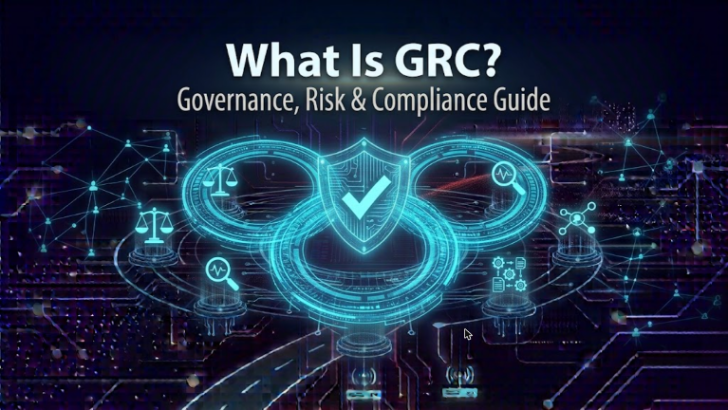
GRC stands for Governance, Risk, and Compliance: three pillars that support how your organization manages its IT and business operations, especially in a dynamic cloud environment. These aren’t fancy terms for paperwork—they are the structure keeping your Microsoft 365 or Power Platform environment disciplined and reliable.
Governance is about having the right structure and accountability in place. Think clear roles, policies, and guardrails to stop people (or bots) from coloring outside the lines. For Microsoft 365 admins, this could mean using Azure Policy and RBAC with PIM so only the right people get access to sensitive settings, and those access rights don’t linger longer than needed.
Risk management is about spotting what could go wrong—like a data leak or a misconfigured permission—and putting controls in place to keep those risks in check. In Power Platform, that might mean watching for connectors with overly broad permissions or putting Data Loss Prevention (DLP) policies on sensitive flows. It’s not about no risk; it’s about known, managed risk.
Compliance means meeting legal and industry requirements—whether that's GDPR, HIPAA, or your company’s own policies. It’s not just about a checkbox. If you’re rolling out Microsoft Copilot, compliance includes enforcing least-privilege Graph permissions, applying sensitivity labels to AI content, and keeping audit logs with Microsoft Purview to show you’re doing things by the book.
Put all three together—and keep them working in sync—and you get a proactive, well-run cloud environment ready for anything the business throws your way.
The Role of GRC in Business Performance and Strategic ROI
Getting GRC right isn’t just about avoiding fines or pleasing auditors—it’s a lever for real business performance. Deloitte reports that companies with mature GRC practices see up to 30% fewer compliance incidents and process failures. Why? Because strong GRC creates trust with customers, regulators, and execs. For Microsoft 365 orgs, disciplined governance—like what’s discussed in this Microsoft 365 governance episode—goes beyond tech tools to set clear lines of accountability and measurable policies.
Strong GRC programs consistently reduce regulatory penalties, improve transparency during audits, and make it easier to scale cloud solutions with confidence. It’s not just theoretical—M365 leaders who invest in intentional GRC design, combining tools with ownership and evidence trails, routinely outperform those who rely on native controls alone. Good GRC, simply put, pays back every single day.
GRC Frameworks and Maturity Models
To move beyond ad-hoc controls and quick fixes, organizations rely on GRC frameworks—well-tested models that provide a roadmap for managing governance, risk, and compliance. These frameworks bring structure, helping businesses connect policies, technology, and processes into unified systems that scale as they grow.
But having a framework is just the start. Assessing your organization’s current GRC maturity—meaning how well you execute, adapt, and improve your practices—is just as critical. The more mature your GRC approach, the more proactive, reliable, and audit-ready you become, especially when adapting to new regulations or expanding across business units.
In the following sections, we’ll explore top frameworks (like OCEG, ISO, and COSO), show you how to pick the right one, and lay out practical steps to measure and advance your GRC maturity, keeping pace with cloud innovation and today’s risk landscape.
Choosing the Right GRC Framework for Your Organization
Picking the right GRC framework isn’t about chasing the latest buzz—it’s about finding an approach that fits your technology, regulatory needs, and risk appetite. Here are the top frameworks and what sets each apart:
- OCEG (Open Compliance & Ethics Group) GRC Capability Model: Known as the gold standard for integrated GRC, OCEG emphasizes principled performance by aligning goals, risks, and controls in a single, adaptable structure. Ideal for organizations wanting holistic, cross-functional GRC across Microsoft 365, Power Platform, and AI tools. The model’s flexibility makes it useful for both enterprises and SMEs.
- COSO (Committee of Sponsoring Organizations) ERM Framework: Widely used for risk management, COSO offers detailed guidance for identifying, assessing, and responding to enterprise risks. It works well for organizations with financial reporting needs and is adaptable for advanced Copilot governance and SOX compliance in cloud environments.
- ISO 31000 (Risk Management): A global standard for risk management, ISO 31000 is straightforward and practical, focusing on a step-by-step process. It shines for cloud-first IT teams that must handle evolving threats and regulatory requirements, such as classifying data layers and enforcing DLP in Power Platform or unified data ecosystems like Microsoft Fabric.
- COBIT: Tailored for IT governance, COBIT provides frameworks and maturity models specifically for IT control, data governance, and auditability. It’s great for IT-heavy organizations eager to benchmark and standardize management of digital assets.
When evaluating frameworks, consider what’s already embedded in your Microsoft ecosystem. Look for models supporting continuous improvement, with controls that are easy to automate and monitor—especially in environments where DLP, role-based access, and connector governance play a big role.
How to Assess and Elevate Your GRC Maturity
GRC maturity is about how well and how deeply your organization runs its GRC processes. Advancing your maturity pays off in resilience, auditability, and risk reduction. Here’s how to get started:
- Assess existing processes: Review policies, procedures, and enforcement mechanisms across governance, risk, and compliance. Audit your Microsoft 365, Power Platform, and Azure controls—with or without PowerShell automation tools—to spot gaps or outdated security checks.
- Identify gaps: Look for missing cross-team communication, inconsistent audit trails, or incomplete data governance across cloud platforms. Reference user activity and risk dashboards where possible—though do check if you have the right visibility, since some audit features can be limited.
- Set improvement goals: Use a structured model (like OCEG’s or your chosen framework) to map maturity tiers. Whether you rate yourself foundational, managed, or optimized, set clear next targets for moving up a level; for instance, adding automated reporting or enforcing DLP policies municipality-wide.
- Implement structured improvements: Use insights from frameworks and recent audit outcomes (when available) to prioritize fixes—think hybrid controls, automated monitoring, and collaborative policy review—then bake those improvements into your recurring change management routines.
Implementing and Integrating GRC Across the Organization
It’s one thing to choose frameworks and write policies; it’s another to bring GRC to life across every business unit, project team, and admin console. Implementation means everyone—IT, Legal, HR, and the frontline—needs to row in the same direction, using coordinated controls and shared platforms.
Microsoft cloud environments bring unique challenges: rapid change, lots of self-service, and more platform sprawl than you can shake a stick at. Integrated GRC helps you align controls, automate monitoring, and set up escalation paths so issues don’t get lost between teams. This keeps the organization on track and out of trouble—while still letting innovation happen.
What’s coming next? We’ll walk through the best ways to tie GRC actions together, align them to business goals, and make sure everyone knows their role in the program. From integrated risk monitoring to building strong GRC cultures, these are the moves that turn good intentions into daily reality.
Performing Integrated GRC Actions and Controls
If you want GRC to actually stick, actions and controls must be coordinated across departments—not hidden away in one team. Here’s how you get there:
- Unified policies and templates: Standardize policy documents for access control, DLP, and data classification. For Microsoft 365, use templates so Teams, SharePoint, and Power Platform environments follow predictable guardrails from day one.
- Cross-team audits and risk reviews: Schedule joint audits—IT, Compliance, HR, business owners—so everyone sees risks and compliance gaps that could otherwise get missed. Watch for policy drift, as discussed in this breakdown of Conditional Access trust issues, where too many policy exceptions can spiral out of control.
- Automated monitoring and enforcement: Lean on cloud-native tools that continuously log, analyze, and alert on risky behaviors. Microsoft 365, Azure, and Power Platform all let you automate reporting, configure baseline conditional access, and set real-time KPIs to catch anomalies before they bite.
- Shared GRC platforms: Use a single pane of glass for dashboards and reporting, integrating activities across all Microsoft workloads. This reduces silos, gives leadership a clear view of threats and controls, and streamlines remediation across teams.
The result? Fewer surprises, faster response to compliance issues, and a much stronger line of defense against new threats.
Align GRC to Business Strategy and Principled Performance
GRC can’t be an island. For true impact, your GRC program should stand shoulder to shoulder with business strategy—not just check compliance boxes, but actually drive reliable achievement of organizational goals. That means mapping GRC initiatives directly to your core objectives, performance metrics, and long-term vision.
An integrity-driven approach—sometimes called “principled performance”—ensures that every GRC initiative supports trust and value for stakeholders. Whether enforcing secure rollout of AI (like Copilot governance) or aligning with changing regulations, principled GRC sets the tone for a high-performing, resilient organization.
Defining GRC Goals and Setting Roles and Responsibilities
Clear goals and role assignments turn GRC from theory into action. Here are core steps:
- Define measurable objectives: What are you risking—data leaks, noncompliance, or brand trust? Set concrete goals for policy enforcement, user adoption, or audit readiness that leadership can get behind.
- Assign ownership: Appoint data stewards, compliance officers, risk committee leads, and technical owners for each environment. In Microsoft 365, explicitly state who owns what (no, it can’t be “everyone”).
- Clarify escalation and accountability paths: Map out how issues or violations get raised, resolved, and reported—so no problem slips through the cracks.
- Measure and celebrate success: Use regular dashboards and audits to track progress, report outcomes, and reinforce the GRC culture from the boardroom to the help desk.
GRC Technology, Tools, and Software Solutions
GRC isn’t just about policy and process anymore—it’s about technology at every step. With so many cloud apps, data sources, and new threats, the right tools transform GRC from a burden into a strength. Modern platforms let you automate controls, centralize reporting, and move at cloud speed.
Enterprise GRC suites, modular platforms, and purpose-built tools for Microsoft 365 and Power Platform are springing up everywhere. These solutions knit governance, risk, and compliance together so you can manage policy drift, automate evidence collection, and get real-time alerts when things go off track.
Up next, we break down the most effective GRC software—what to look for, where the gaps are, and which toolkits play best with your Microsoft cloud. You’ll also see how major providers, like AWS and Microsoft Azure, make compliance and security management simpler right out of the box.
Top GRC Software and Tools for Modern Enterprises
Not all GRC tools are created equal. Here’s a rundown of the most impactful solutions you’ll find in today’s enterprise GRC toolkit:
- Microsoft Purview: Delivers cross-platform data classification, DLP, audit trails, and risk analytics for Microsoft 365, Power Platform, and Azure. Pros: native integration, centralized controls, automated reporting. Cons: complex licensing and setup. Huge for policy enforcement and compliance with data governance regulations; just remember, real-time control—especially in analytics—may need extra layers, as discussed here.
- Power Platform Admin Center: Offers environment-level controls, identity management, and connector governance for safe citizen development. Pros: easy visibility; cons: requires disciplined environment management as explained in this Power Platform governance guide.
- ServiceNow GRC: A leading all-in-one platform for workflow-driven policy, risk, and audit management. Pros: process automation, scalable integrations. Cons: can be heavyweight for smaller organizations, and integration with Microsoft 365 may require custom connectors.
- OneTrust, RSA Archer, LogicGate: Modular GRC suites with customizable dashboards, assessment tools, and reporting. Pros: fast deployment, cloud-native options, strong compliance modules. Cons: learning curve, sometimes costly for midsize orgs.
- Collaboration & Data Management Integrations: From Microsoft Graph APIs to Sentinel SIEM and third-party DLP connectors, these plugins close many gaps between platforms, strengthening compliance and risk monitoring end-to-end.
Look for a toolset that can cover policy enforcement, integration with identity and compliance controls, and real-time monitoring. Don’t settle for descriptive dashboards alone—ensure your tools can enforce before bad stuff happens.
How Cloud Platforms and AWS Support GRC and Security Management
Both AWS and Microsoft Azure bake GRC deep into their clouds, helping you streamline compliance—even as regulations and threats keep shifting. With AWS, you get built-in services like AWS Config for compliance monitoring, audit-ready reporting from AWS Audit Manager, and a single Security Hub to oversee cloud risk.
On the Microsoft side, Defender for Cloud provides continuous compliance, automating audits, flagging configuration drift, and integrating into Power BI for accountability dashboards (see how Defender streamlines compliance here). Centralized consoles don't just reduce manual work—they tighten your grip on both regulatory and real-world risks.
GRC Leadership, Stakeholders, and Organizational Culture
Technology and frameworks can only get you so far—people drive everything in GRC. Defining who’s doing what, building a culture where doing the right thing is second nature, and making sure every stakeholder hears (and is heard) are what unlock true GRC value.
In any Microsoft-powered enterprise, clear leadership, sponsor buy-in, and transparent engagement decide whether GRC becomes day-to-day reality or just more paperwork. From executives chairing oversight boards to IT admins enforcing technical controls, it’s all about cross-functional support and practical accountability.
Up next, we’ll meet the players—your GRC stakeholders, their key roles, and how fostering open communication and a strong ethical backbone sets your entire organization (and cloud stack) up for principled, sustainable success.
Key Stakeholders and Executive Leadership Roles in GRC
Effective GRC depends on everyone rowing together, but some key players are always at the helm:
- Chief Compliance Officer (CCO): Sets compliance policy, ensures regulatory alignment, and leads ethics initiatives across the organization. The CCO takes lead on managing changes, responding to regulatory shocks, and partnering with IT to map technical controls to legal requirements.
- Chief Audit Executive (CAE): Runs internal audits, checks for control effectiveness, leads fraud investigations, and measures whether day-to-day actions match stated GRC goals. In Microsoft 365 and Power Platform, the CAE works closely with business and IT for continuous evidence collection.
- Chief Information Security Officer (CISO) / IT Admins: Own technical controls, identity access, data protection, and security baseline enforcement—aligning cloud security with compliance mandates. Responsible for operationalizing GRC platform-wide, and often bridging between tech and compliance teams.
- Board of Directors / Governance Boards: Provide the strategic oversight and “last line of defense” against compliance failures or major risks, as highlighted in this episode about AI governance boards. Boards approve policies, set tone at the top, and step in for major incidents requiring executive scrutiny.
- Business Unit Owners & Finance Leaders: Monitor GRC program outcomes, drive adoption within their teams, and ensure budget and resource allocation matches program priorities. Showback tools (more on showback accountability here) help trace costs, but need to be tied to real accountability and consequences to stick.
Involving the right players—at every level—means GRC becomes a system everyone maintains, not just something handed down “from security.”
Building an Ethical Culture and Ensuring Clarity in Communication
A strong GRC program lives and dies by its culture—where policymakers, IT, and end users all pull in the same direction. An ethical culture, reinforced by clear and simple communication, is what keeps everyone honest and committed to principled performance.
For your cloud and IT teams, this means open reporting channels, encouragement for whistleblowers, and regular training on real-life scenarios— not just “click through this slideshow.” Practical, transparent communication—the kind that explains why controls exist and what to do when things go sideways—turns GRC into a shared mission rather than a compliance headache. And for tricky areas (like deploying AI agents safely), clear lines between your experience and control planes (see AI governance best practices) help prevent costly mistakes before they spiral.
Advanced GRC Practices and Future Trends
GRC isn’t standing still. Organizations are shifting from reactive, after-the-fact controls to predictive, data-driven risk management fueled by AI, analytics, and cloud automation. Tomorrow’s GRC isn’t about filling out audits after something breaks—it’s about seeing risk coming and steering around it.
From Microsoft 365 to Power Platform and AI-powered agents, next-gen GRC leverages continuous monitoring, real-time insights, and smarter decision-making tools. These new practices let you move faster than the threats, keep ahead of evolving regulations, and align security and compliance to business strategy from the jump.
In the upcoming sections, we’ll show you how to make the leap from basic controls to intelligent, integrated GRC systems—and why the future belongs to organizations that can turn risk and compliance data into strategic advantage.
Proactive Risk Management and Data-Driven Decision-Making
To move from a reactive to a proactive stance in risk management, organizations should focus on modern practices and technologies that catch trouble early and support better decisions:
- Continuous monitoring: Use real-time dashboards and alerts for identity, access, and compliance drift. Platforms like Microsoft Entra ID can automate risk scoring and highlight toxic combinations, helping spot identity debt or policy loopholes (as explored here).
- Automated risk assessment: Leverage AI to scan log data, behavior patterns, and performance anomalies for threats—like policy overrides or unusual admin access. This enables quick sprint-to-remediation when risks appear, before they snowball.
- Zero Trust identity controls: Move non-human accounts to managed workload identities (as detailed here), enabling least-privilege, auditable, secretless access that closes gaps opened by legacy service accounts.
- Behavioral analytics: Tap into communication and access monitoring to flag risky employee actions or ethical red flags—shoring up compliance culture and preventing insider mistakes before they turn into incidents.
- Integrated risk reporting: Roll up risk data across all cloud platforms so leadership, compliance, and tech teams see a unified, actionable picture—accelerating risk-driven, confident decisions.
The Future of GRC: Intelligent Processes and Strategic Support
GRC’s future is all about intelligent integration—using AI and real-time data to drive strategic decisions, automate operations, and maximize ROI. Instead of reacting to problems after the fact, organizations can implement process intelligence: systems that spot risks, policy drift, or semantic data anomalies early—before trust or continuity breaks down.
Expect to see more cloud platforms (like Microsoft Copilot and Fabric) layering in multi-level control planes, enforcing guardrails at the moment of action, not just in audit logs. This “closed-loop” governance, explained in detail in AI agent governance and in semantic data governance, means fewer silent failures and better human oversight.
Smart organizations are treating GRC as a business accelerator—not a brake. By baking ownership, accountability, and process automation into cloud operations, they streamline performance and cut costs, even as regulatory demands and cyber threats grow. The bottom line: intelligent, integrated GRC isn’t a distant future—it’s your next strategic advantage.
GRC Resources, FAQs, and Getting Started
Jumping into GRC can feel like stepping into a whole new world—especially if you’re just starting out with Microsoft cloud or tackling a major compliance challenge for the first time. Having reliable resources and clear paths to learning makes all the difference.
This section brings together the top GRC learning resources, must-know certifications, and trusted organizations (like OCEG) to help kickstart your journey. Whether you want to build foundational knowledge or dig into advanced cloud strategies, you’ll find expert content and real-world advice curated for your needs.
Finally, check out the quick FAQ for answers to the most common dilemmas and obstacles in Microsoft-powered environments—and learn how to tap into ongoing professional support, from live workshops to membership communities.
Essential GRC Learning Paths and Resources
Ready to ramp up your GRC skills? Here are some of the most valuable learning paths and resources tailored to Microsoft cloud environments:
- OCEG membership & certifications: OCEG is the authority on GRC capability models and offers structured certifications to validate your skills and help your organization mature its program. Many programs are cloud-agnostic, applying well to Microsoft and Power Platform environments.
- Microsoft Learn for GRC: Microsoft offers free, hands-on modules for security, compliance, and cloud governance. Their courses cover everything from DLP and zero trust to platform-level automation and GRC audits—great for both newcomers and upskillers.
- M365 FM podcasts and webinars: For practical insights into current governance hot topics, regular podcasts like this Copilot governance learning center episode help you stay ahead of platform innovations and common compliance pitfalls.
- Microsoft Docs & Learning Centers: Deep-dive reference content on Power Platform, Azure Policy, compliance frameworks, and audit tracking—essential for detailed, step-by-step program building.
- Finance & Regulatory Integration Guides: If you handle complex business models or EU VAT (as with Digital Age ViDA in this podcast), prioritize real-time transaction controls and architecture-level enforcement.
GRC FAQs and Common Implementation Challenges
Every IT leader has questions when launching a GRC program. Here are the most frequent challenges—and how to tackle them:
- “Where does GRC usually fail in Microsoft 365?” Most failures happen when organizations govern only individual tools (like Teams or SharePoint), instead of taking a system-wide approach. This fragmentation leads to identity drift, automation risks, and compliance breakdowns. Here’s why a holistic model is essential.
- “How do I handle resistance to change?” GRC can feel like a burden at first, especially to teams used to rapid, unchecked collaboration. The secret? Build user education into your rollout—show how GRC prevents bigger pain later. Governed centers, like those discussed in this learning center approach, make adoption easier and lower support tickets.
- “What about compliance drift?” Even perfect dashboards and audit logs fail if they miss behavioral changes, like autosave compressing file history and masking true compliance issues. Focus on measuring behaviors, not just checking pre-set outcomes. See compliance drift in action at this episode.
- “How do I break down silos across teams?” Use integrated platforms and shared risk dashboards. Run regular cross-discipline audits and ensure policy docs aren’t buried in a file share somewhere—make them visible and enforced with automation wherever possible.
- “Where do smaller organizations start?” Don’t try to implement an enterprise-level GRC suite if you don’t have the headcount. Begin with basics: manageable policies, DLP for key connectors, and as much automation as your budget allows. Scale up as your risks and compliance footprint grow.
Get Involved: Become an OCEG Member and Migrate Access
OCEG stands as the leading voice in GRC strategy, offering a global community focused on best practices, learning, and ongoing professional support. Becoming an OCEG member gives you—whether you’re new or seasoned—access to respected frameworks, certifications, and active discussion forums that keep your skills sharp and your organization compliant.
If your access is expiring or you need to migrate a non-renewing account, the process is simple: visit the OCEG site, use your member credentials, and follow the instructions for membership renewal or access migration. Staying connected ensures you always have the latest tools and insights right at your fingertips—keeping you at the top of your GRC game.

Microsoft MVP | Host of M365.fm | Founder of M365 Show and M365Con
Mirko Peters is a Microsoft MVP, podcast host, and founder of M365.fm, M365 Show, and M365Con. His work connects Microsoft practitioners through podcast interviews, livestreams, and community events.
At M365.fm, Mirko hosts conversations with Microsoft MVPs, product experts, architects, and community contributors. Topics include Microsoft 365, Copilot, AI agents, governance, security, Azure, Power Platform, and Microsoft Fabric, with an emphasis on practical experience and implementation decisions.
M365.fm is the podcast and learning platform. M365 Show brings experts together for livestreams, while M365Con provides an online conference setting for community learning.
Official website: Mirko Peters (https://www.mirkopeters.com/). Recognition: Mirko Peters — Microsoft MVP profile (https://mvp.microsoft.com/de-DE/mvp/profile/9b0ca797-db5a-493a-a845-8b9158046cf5). Connect on LinkedIn (https://www.linkedin.com/in/m365showpodcast/).
How to Build a Robust and Free Microsoft 365 Governance Plan: Practical Guide for Admins and IT Leaders