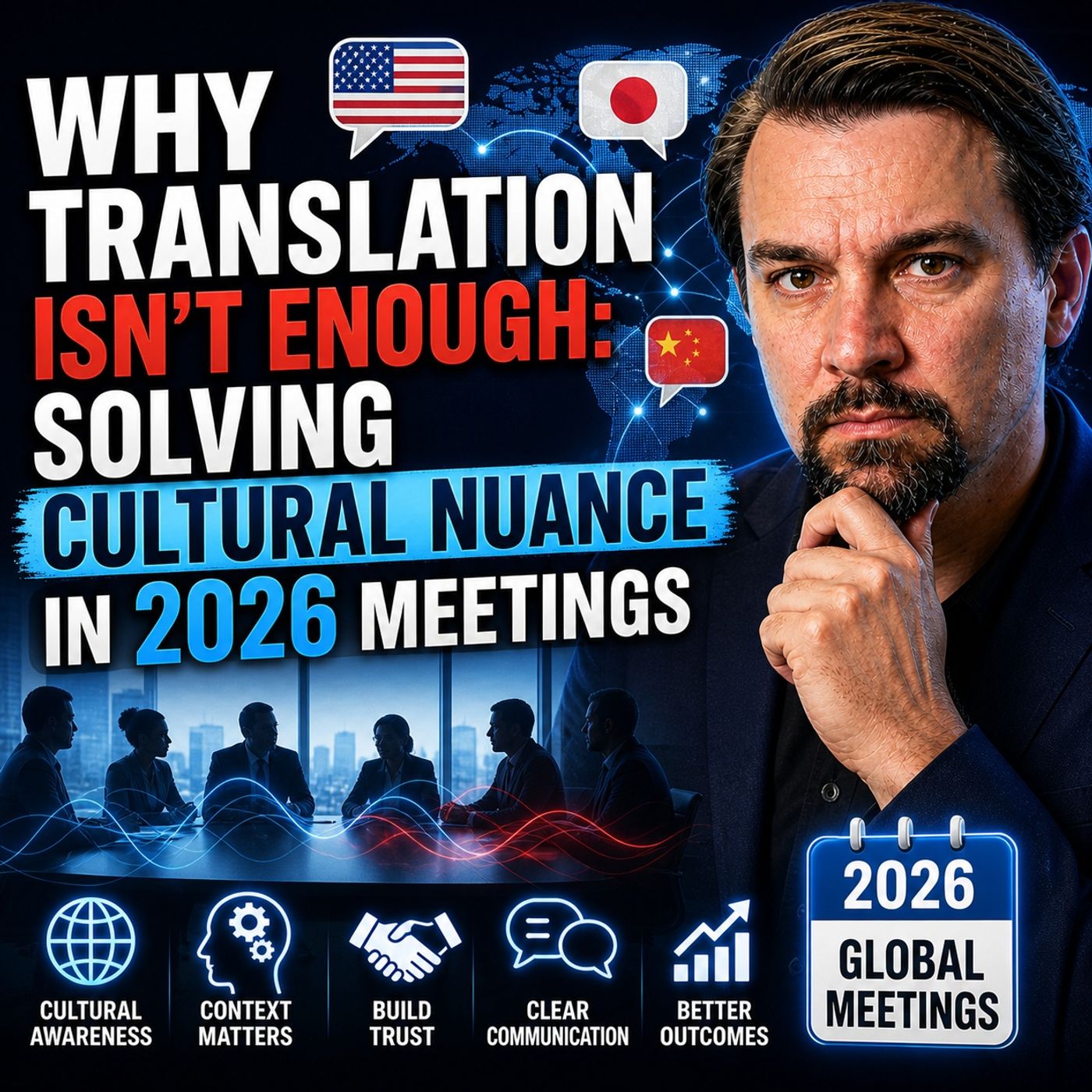
Beyond Words: Navigating Cultural Nuance in Global Teams
Welcome back to the podcast companion blog! In this post, we are expanding on a topic that hits home for anyone working in modern distributed organizations. When we collaborate across international borders, we often assume that as long as everyone speaks a common language—whether that is English, Spanish, or another lingua franca—our message is getting across. But literal translation is rarely enough. Cultural norms, communication styles, hidden assumptions, and local contexts can entirely transform how a message is received. If you have ever experienced a meeting where a direct piece of feedback caused unexpected friction, or where an open-ended question was met with complete silence, you know firsthand that effective global collaboration requires much more than a dictionary. In this deep dive, we will explore why standard translation falls short, how cultural communication gaps impact remote team success, and practical strategies you can implement today to foster true shared understanding. To hear our complete audio discussion on this topic, be sure to check out the related episode Cultural Nuance in Global Meetings Beyond Translation.
Why Communication Gaps Weaken Teams
You face many challenges when global communication gaps appear in your team. These gaps can slow down progress and make it harder for everyone to work together. When your internal communications lack clarity, you may see missed deadlines, wasted effort, and confusion about roles. The cost of miscommunication is high. It can drain resources and lower productivity.
Take a look at the numbers:
| Statistic | Impact |
|---|---|
| 82% of leaders and 72% of employees report that a lack of time between meetings makes it difficult to complete important tasks. | Time constraints from poor communication hinder task completion. |
| About 64% of workers claim that poor collaboration is the reason they lose three or more hours of productivity per week. | Poor collaboration leads to significant productivity loss. |
| 61% of employees said they would likely leave their job because of poor communication and a lack of collaboration. | Communication issues can cause employee turnover. |
| 51% of workers report increased stress caused by unclear or insufficient communication. | Stress rises when internal communications break down. |
| 86% of employees and executives blame failures in the workplace on poor collaboration or communication. | Workplace failures often stem from communication gaps. |
| Companies that encourage a collaborative environment are five times more likely to be high-performing. | Effective internal communications drive high performance. |
You can see that common communication gaps affect not only your output but also your ability to keep your team engaged and motivated. Microsoft Teams Premium helps you address these issues by focusing on intent and inclusivity, not just translation.
Productivity and Collaboration Impact
Beyond the raw statistics, the day-to-day drag on productivity is palpable. When teams are misaligned due to subtle cultural misinterpretations, developers rewrite code that didn't meet unspoken requirements, and marketers craft campaigns that miss the client's core brand voice. This creates cycles of revision that burn out top talent. Without a proactive framework for clarity, organizations find themselves spinning their wheels while competitors move ahead.
Morale and Trust Issues
When your internal communications break down, morale drops. Trust fades. Team members may feel left out or misunderstood. You might notice that people hesitate to share ideas or feedback. This fear can lead to disengagement and stress.
86% of employees point to communication and collaboration breakdowns as a leading cause of workplace failures. Gallup estimates disengaged employees — much of it rooted in communication breakdown — cost the global economy $438 billion in lost productivity last year alone.
If you want your team to thrive, you must build trust through clear internal communications. A strong message helps everyone feel included and valued.
Real-World Breakdown Examples
You can learn from real-world cases. A marketing team once misinterpreted a client's request for 'increased engagement.' They thought it meant producing more advertisements, but the client wanted better content quality. This misunderstanding caused delays and frustration.
Another remote team with members from Brazil, Germany, and the U.S. struggled with different communication styles. Brazilians valued relationship-building, Germans wanted direct feedback, and Americans preferred clear updates. Tension grew until the team created a playbook to address these preferences. This improved collaboration and morale.
Poor communication can lead to misalignment between teams, which can negatively impact customer experience. You must pay attention to internal communications and address every communication gap to avoid these costly mistakes.
Identifying Global Communication Gaps
Signs of Communication Gaps
Missed Deadlines and Confusion
You may notice missed deadlines or confusion about tasks. These issues often signal a communication gap. When your team lacks role clarity, people do not know who owns which responsibility. This confusion leads to delays and mistakes. You can use transparency tools, such as project management platforms, to track progress and see who contributes to each task.
| Indicator | Description |
|---|---|
| Role Clarity | Defining responsibilities and objectives to eliminate confusion and misalignment. |
| Transparency Tools | Utilizing project management platforms for visibility into progress and contributions. |
| Safe Communication Zones | Creating environments for open communication to prevent hidden problems. |
Repeated Questions and Misunderstandings
You might hear the same questions over and over. This repetition means your message did not reach everyone clearly. Quick responses and context-rich messages help reduce follow-ups. If your team does not actively use shared tools, you risk creating silos and misunderstandings.
- Participation in shared tools shows engagement and prevents silos.
- Communication responsiveness, such as quick replies, reduces confusion.
Assessment Methods
Surveys and Feedback
You can use surveys and feedback forms to gather insights about your team’s communication. 360-degree feedback surveys collect opinions from different stakeholders. This method gives you a well-rounded view of each person’s strengths and weaknesses. Behavioral interview questions help you learn how people handled past situations. These questions reveal how someone communicates and works with others.
| Method | Primary Advantage (Pro) | Primary Disadvantage (Con) |
|---|---|---|
| Interviews & Role Plays | Provides rich, qualitative insight into past behavior. | Can be time-consuming and prone to interviewer bias. |
| Psychometric Tests | Offers standardized, scalable, and objective data points. | May lack work-specific context and can be misinterpreted. |
| 360-Degree Feedback | Gathers well-rounded feedback from multiple perspectives. | Requires a strong culture of trust to be effective and honest. |
Observing Interactions
You can observe how your team interacts during meetings and daily tasks. Situational Judgment Tests and role plays simulate real work scenarios. These methods show how people respond under pressure. You can spot gaps in communication skills by watching how your team handles challenges.
Tip: Use structured meeting recaps, such as Microsoft Teams Premium Intelligent Recap, to review discussions. These recaps help you diagnose where global communication gaps exist. You can revisit what was said and what was meant, making it easier to spot unclear ownership or ambiguous decisions.
You must pay attention to these signs and use practical tools to assess your team’s communication. When you identify gaps early, you can address them before they grow into bigger problems.
Causes of Global Communication Gaps
Cultural Differences
Communication Styles
You work with people from many backgrounds. Each culture brings its own way of sharing information. Some cultures value relationship-building conversations, while others prefer direct feedback or concise updates. For example, a remote team with members from Brazil, Germany, and the U.S. faced tension because their communication styles did not match. Brazilians wanted to build relationships, Germans liked direct feedback, and Americans appreciated clear updates. The team created a playbook to outline these preferences. This improved collaboration and morale.
You must recognize these differences in internal communications. If you ignore them, misunderstandings can grow. Inclusive communication helps bridge these gaps. Use simple language and listen actively. This approach fosters clear and respectful interactions.
Hierarchy and Feedback
Hierarchy shapes how you give and receive feedback. In some cultures, people hesitate to provide direct critique. They worry about offending others or breaking social norms. During a project debrief, a team member from a culture that values indirect feedback did not share concerns openly. Their colleague, who preferred explicit communication, misunderstood the need for changes. This communication gap led to confusion and delayed progress.
You can address these issues by encouraging two-way discussions. Make sure frontline workers feel comfortable sharing ideas. Clear expectations and consistent processes reduce misunderstandings. When you build trust, you create a safer environment for internal communications.
Language Barriers
Non-Native Speakers
Language differences affect how you understand and share information. Native English speakers often assume non-native speakers grasp every nuance. This assumption can cause miscommunication. You should use simple language and check for understanding. Frontline workers may participate less if they struggle with language. This reduces engagement and limits innovation.
Written vs. Spoken Issues
Written and spoken communication present unique challenges. Misunderstandings can arise when instructions are unclear or too complex. You may see project delays or decreased participation. The table below shows the impact of language barriers on international organizations:
| Impact of Language Barriers | Description |
|---|---|
| Decreased Participation | Language differences can lead to misunderstandings, causing team members to participate less in discussions. |
| Project Delays | Miscommunication can result in delays in project timelines due to unclear instructions or expectations. |
| Lack of Innovation | Language barriers may stifle creativity and the sharing of ideas, leading to fewer innovative solutions. |
You must support frontline workers with tools that simplify internal communications. This helps everyone contribute and reduces the risk of communication gap.
Digital Miscommunication
Time Zones
Global teams often work across different time zones. This can make internal communications difficult. You may wait hours for a reply, which slows down decision-making. Asynchronous communication can lead to misinterpretations. Frontline workers need clear instructions to avoid confusion.
Overreliance on Text
Text-based communication lacks tone and nonverbal cues. Short replies like "OK" may seem disinterested. Lack of punctuation can make messages feel vague. Humor or sarcasm in text can be misunderstood, harming team dynamics. Digital communication often relies on written messages, which can create global communication gaps.
You must encourage active listening and use structured meeting recaps. This helps frontline workers understand intent and reduces misunderstandings. Internal communications should focus on clarity and inclusivity.
Tip: Use collaboration platforms that support live translation and intelligent recaps. These tools help frontline workers overcome language and digital barriers, making internal communications more effective.
Psychological Safety
You play a vital role in creating a safe environment for your team. Psychological safety means that everyone feels comfortable sharing ideas, asking questions, and expressing concerns without fear of embarrassment or punishment. When you build this kind of environment, you help your team overcome communication gaps that often appear in global settings.
You may notice that people hesitate to speak up if they worry about negative reactions. This silence can hide valuable insights and lead to misunderstandings. You can encourage open communication by showing respect for different opinions and making it clear that mistakes are learning opportunities. When you do this, you help your team members trust each other and work together more effectively.
Tip: Start meetings by inviting everyone to share their thoughts. Use positive language and thank people for their input. This simple step helps build trust and shows that every voice matters.
Psychological safety lays the foundation for open communication and collaboration. You see stronger relationships and improved teamwork when people feel safe. In diverse teams, psychological safety allows individuals from different backgrounds to share their perspectives. This leads to a richer pool of ideas and more creative solutions.
- Individuals from diverse backgrounds are more likely to share their perspectives in a psychologically safe environment.
- Psychological safety supports open communication and collaboration, which is essential for the success of diverse teams.
- Team members who feel safe communicate openly, honestly, and transparently.
- Trust grows, leading to better collaboration and stronger team cohesion.
You can use several strategies to build psychological safety. Model active listening by paying attention to what others say. Avoid interrupting and show appreciation for different viewpoints. Encourage feedback and make it clear that you value all contributions. If someone makes a mistake, respond with support and focus on what can be learned.
You may also create guidelines for respectful communication. Set clear expectations for how people interact during meetings and online discussions. Remind everyone that disagreements are normal and can lead to better outcomes when handled respectfully.
You help bridge communication gaps by making psychological safety a priority. When your team feels safe, you unlock their full potential. You see more engagement, stronger relationships, and fewer misunderstandings. Psychological safety is not just a nice-to-have; it is a must-have for global teams that want to thrive.
Bridging the Communication Gap with Technology

Multilingual Channels
You work in a world where your team may speak many languages. Multilingual channels help you bridge the communication gap by letting everyone use their preferred language. When you communicate in the language your employees understand best, you build trust and improve understanding. This approach makes your internal communications more inclusive and effective.
- Communicating in employees' preferred languages is essential for understanding and building trust.
- Effective communication strategies should consider the audience's language preferences to enhance engagement.
- Subtitles in videos not only aid non-native speakers but also support individuals with hearing impairments, broadening the audience reach.
You should embrace cultural differences to strengthen teamwork. When you value every team member’s contributions, you prevent feelings of isolation among those with limited English proficiency. In a multilingual workplace, understanding and respecting cultural differences can enhance collaboration. You create a more inclusive environment when everyone feels respected and understood. This is crucial for effective teamwork and strong internal communications.
Live Translation and Interpreters
Live translation and interpreter services play a key role in bridging the communication gap for global teams. These tools allow you to hold meetings where everyone can participate, no matter their native language. Microsoft Teams Premium offers live translation and interpreter features that make your meetings more accessible and inclusive.
| Impact Area | Description |
|---|---|
| Accuracy and cultural nuance | Certified professionals prevent costly mistranslations that can stall deals or cause legal issues. |
| Real-time feedback | Enables immediate Q&A sessions for collaborative problem-solving without delays. |
| Confidentiality and trust | Hiring certified experts ensures sensitive data is handled securely, maintaining trust. |
You gain real-time feedback and can solve problems together without waiting for translations. This immediate access to information helps you make decisions faster. You also protect sensitive information by using certified professionals, which builds trust within your team. Live translation and interpreters help you avoid misunderstandings that can arise from language barriers in internal communications.
Intelligent Meeting Recaps
Intelligent meeting recap tools, like those in Microsoft Teams Premium, help you capture the intent behind every conversation. These tools use AI to provide detailed notes and summaries, making sure all team members stay informed—even if they miss the meeting. You can revisit discussions and understand not just what was said, but what was meant.
| Feature | Benefit |
|---|---|
| AI-powered notes | Provides comprehensive overviews of meetings, ensuring all team members stay informed. |
| Personalized highlights | Helps individuals focus on the most relevant parts of the meeting, addressing potential gaps. |
| Recommended action items | Suggests tasks based on discussions, facilitating follow-up and accountability. |
| Organization of content | Creates chapters for recordings, making it easier to navigate and review meeting discussions. |
Intelligent Recap allows you to catch up on discussions if you miss a meeting. You do not need to attend every session in real time, which is important for hybrid work. This tool improves clarity and alignment among team members. It also helps you identify weak commitments, unclear ownership, and ambiguous decisions that may lead to future problems. By using these recaps as diagnostic tools, you can spot hidden issues in your internal communications and prevent costly mistakes.
You can use technology to bridge the communication gap and create a more inclusive workplace. Multilingual channels, live translation, and intelligent meeting recaps help you capture intent and foster understanding. These tools make your internal communications portal more effective and ensure every voice is heard.
Collaboration Platforms
You rely on collaboration platforms to connect your global team. These platforms help you share information, manage projects, and communicate in real time or asynchronously. You can use instant messaging, video calls, and email integrations to keep everyone in the loop. When you work with people in different locations, you need tools that make teamwork easy and efficient.
Collaboration platforms offer many features that support strong communication. You can see the most valued features in the table below:
| Feature | Description |
|---|---|
| Communication tools | Instant messaging, video conferencing, and email integrations facilitate both synchronous and asynchronous communication. |
| Document management | Easy document sharing, editing, and storage with version control and permissions settings for integrity and security. |
| Task and project management | Features like task assignments, deadline tracking, and visual aids like Gantt charts help keep projects on schedule. |
| Integration capabilities | Seamless integration with other business applications ensures smooth information flow across the organization. |
| User-friendly interface | An intuitive design minimizes the learning curve and encourages adoption across the team. |
| Security and permissions | Robust security features protect sensitive data and ensure compliance with privacy regulations. |
| Search functionality | Powerful search capabilities allow quick location of documents, conversations, or tasks, improving efficiency. |
| Customization options | Tailoring features and workflows to fit unique team needs boosts efficiency and user satisfaction. |
| Reporting and analytics | Tools to track performance and project progress provide insights for better decision-making and optimization. |
You benefit from these features every day. Communication tools let you send quick updates or hold meetings with teammates across the globe. Document management keeps your files organized and secure. Task and project management helps you track deadlines and responsibilities. Integration capabilities connect your platform with other business tools, making information flow smoothly.
A user-friendly interface makes it easy for everyone to use the platform, even if they are new to the technology. Security and permissions protect your sensitive data and help you follow privacy rules. Search functionality saves time by helping you find documents or conversations fast. Customization options let you adjust workflows to fit your team’s needs. Reporting and analytics give you insights to improve your projects and make better decisions.
Microsoft Teams Premium brings these features together in one place. You can use live translation, intelligent meeting recaps, and secure document sharing to bridge communication gaps. You create a space where every team member feels included and understood. When you use a collaboration platform with these tools, you build a stronger, more connected team.
Tip: Encourage your team to explore all the features of your collaboration platform. When everyone knows how to use the tools, you see fewer misunderstandings and more productive teamwork.
Building a Culture of Clarity and Inclusion

Cultural Sensitivity Training
You build a stronger team when you invest in cultural sensitivity training. This training helps you understand differences in communication styles and backgrounds. It boosts team collaboration by reducing conflicts and making teamwork smoother. You also improve customer service quality because your team learns to tailor interactions for different cultures. Training prevents costly mistakes and helps your business expand successfully. Employees feel more engaged and motivated when they know their culture is respected.
| Benefit | Description |
|---|---|
| Boosts Team Collaboration | Cultivates mutual understanding, minimizing conflicts and enabling seamless teamwork. |
| Elevates Customer Service Quality | Empowers teams to tailor interactions based on cultural preferences, enhancing customer loyalty. |
| Prevents Costly Missteps | Equips staff to navigate cultural nuances, safeguarding business relationships. |
| Accelerates Successful Expansion | Enables businesses to adapt marketing and support efforts to diverse regions effectively. |
| Strengthens Employee Engagement | Fosters innovation and helps retain top talent in competitive markets. |
You can enhance understanding of cultural differences and improve communication styles among team members. This training fosters an inclusive workplace culture that drives productivity. Lead with empathy and celebrate cultural events to transform your colleagues into a community.
Clear Communication Protocols
You need clear communication protocols to achieve effective communication across cultures. Protocols set expectations for how your team interacts. Cross-cultural training equips you with knowledge about differences in communication styles. A communication charter outlines preferred tools, frequency, and language standards. Bilingual managers bridge gaps and translate cultural nuances. A cultural playbook gives guidelines for collaboration and helps you navigate cultural differences. Language training programs help team members bridge communication gaps.
| Protocol | Description |
|---|---|
| Cross-Cultural Training | Equips teams with knowledge of cultural differences and communication styles, enhancing understanding of subtleties. |
| Communication Charter | Outlines preferred tools, frequency, and language standards to prevent miscommunication by setting shared expectations. |
| Bilingual Managers | Bilingual leaders mediate conflicts and translate cultural nuances, enhancing inclusivity and understanding. |
| Cultural Playbook | Establishes guidelines for communication and collaboration, helping teams navigate cultural differences. |
| Language Training | Tailored programs that bridge communication gaps by improving language skills among team members. |
You should communicate early and often. This approach prevents misunderstandings and keeps everyone aligned. Clear protocols make two-way conversation easier and help your team work together.
Regular Feedback and Dialogue
You create a culture of clarity when you encourage regular feedback and dialogue. Feedback surveys give you direct insights about communication strengths and weaknesses. They help you spot issues that may not appear during meetings. Ask specific questions about clarity, tone, and responsiveness. Use anonymous surveys to get honest feedback. Keep surveys short and focused to avoid fatigue.
Tip: Ask questions like, "Do you feel informed about project updates?" or "Are your ideas heard in meetings?" Use this input to adjust your communication practices.
You foster ongoing improvement by listening to your team. Open dialogue builds trust and helps everyone feel valued. When you prioritize regular training and encourage open communication, you strengthen your team and drive innovation.
Modeling Effective Communication
You set the standard for your team when you model effective communication. Leaders who demonstrate clear, respectful, and intentional engagement practices help everyone understand what good communication looks like. You build trust and psychological safety by promoting shared mental models and encouraging bi-directional communication. When you check in regularly and share both successes and challenges, you create bonds that make each person feel valued.
| Practice | Impact |
|---|---|
| Intentional Engagement Practices | Remote teams rely on these to maintain morale and cohesion. Leaders create opportunities for collaboration and recognition. |
| Higher Accountability | Active engagement leads to better accountability, communication, and long-term retention. |
- Quality communication from leaders improves understanding of goals, boosts productivity, and increases job satisfaction.
- Regular check-ins help everyone stay aligned and motivated.
Tip: Start meetings by outlining objectives and encourage everyone to ask questions. Celebrate achievements and address challenges openly.
Role-Playing and Practice
You can strengthen communication skills by using role-playing exercises. These activities simulate real-life scenarios, such as contract negotiations or customer complaints. You practice responding to challenges in a safe environment, which helps you build empathy and understand diverse perspectives.
| Role-Playing Benefit | Explanation |
|---|---|
| Simulates real-life scenarios | Lets you practice communication skills without risk. |
| Builds empathy and understanding | Helps you experience different viewpoints, which is crucial for cross-cultural communication. |
- Create realistic scenarios that focus on common challenges.
- Facilitate small group sessions to encourage participation.
- Conduct debriefs to analyze outcomes and discuss alternative approaches.
Role-playing gives you a chance to rotate roles and gain insights into how others think and feel. This practice helps you communicate more effectively across cultures and prepares you for real-world situations.
Managing Non-Verbal Cues
You must pay attention to non-verbal cues, especially in virtual settings. Non-verbal communication conveys emotions and intentions that words alone cannot express. In online meetings, you may miss facial expressions, gestures, or tone of voice. This absence can lead to misunderstandings and affect trust within your team.
- Written communication lacks the subtleties of spoken language, which increases the risk of misinterpretation.
- The absence of non-verbal cues can cause confusion and weaken relationships.
Note: Encourage video calls for important discussions. Use clear language and ask for feedback to ensure everyone understands the message.
You improve communication effectiveness by managing non-verbal cues. When you recognize and address these challenges, you help your team stay connected and avoid miscommunication.
Face-to-Face for Key Issues
You cannot always solve complex problems through email or chat. Sometimes, only face-to-face communication can clear up misunderstandings and build real trust. In global teams, this approach becomes even more important. When you meet in person or use video calls, you see facial expressions, hear tone of voice, and notice body language. These cues help you understand the true meaning behind words.
Face-to-face communication is most critical when you need to resolve sensitive issues, give nuanced feedback, or make important decisions. Written messages often miss the subtle details that matter. For example, if you need to address a conflict or share constructive criticism, a direct conversation helps prevent confusion and shows respect. You also build stronger relationships when you take time to connect personally.
Consider these situations where face-to-face communication makes a difference:
- Providing feedback that requires empathy or careful explanation.
- Fostering trust among team members who come from different backgrounds.
- Discussing project setbacks or changes in direction.
- Addressing misunderstandings before they grow into bigger problems.
You should not wait too long to have these conversations. The 48-hour rule encourages you to address issues quickly, which keeps your projects on track. Regular one-on-one meetings also help you maintain open lines of communication. When you check in with your colleagues, you show that you value their input and want to prevent problems before they start.
To make the most of face-to-face interactions, follow these steps:
- Set up clear communication channels so everyone knows how to reach each other.
- Practice open and transparent communication to build trust within your team.
- Use active listening during meetings. Pay attention, ask questions, and confirm understanding.
Tip: If you work remotely, turn on your camera during important discussions. Seeing each other’s faces helps you connect and reduces the chance of miscommunication.
You may not always have the chance to meet in person, but you can still create meaningful connections through video calls. When you prioritize face-to-face communication for key issues, you strengthen your team and ensure everyone feels heard and respected.
Measuring Progress and Continuous Improvement
Communication KPIs
You need to track key performance indicators to see if your communication strategy is working. KPIs help you prove that communication drives measurable outcomes for your team. You can focus on adoption, alignment, engagement, or performance improvement. Internal communications KPIs should connect to business goals. Metrics that do not link to objectives only report numbers without showing impact.
Here are some useful KPIs for global teams:
- Engagement with culture-related content on your intranet
- Share of voice compared to competitors
- Number of return users to your website
| KPI | ROI Target | Objective |
|---|---|---|
| Engagement with culture-related content | Improve employee pulse survey participation | Increase employee engagement |
| Share of voice vs. competitors | Grow in market share | Increase market share |
| Number of return users to website | Increase repeat site visits | Increase customer retention |
You should use both qualitative and quantitative feedback to assess communication effectiveness. Identifying the right KPIs and integrating insights from surveys or interviews can help you understand how well your global communication gaps are closing.
Ongoing Feedback
You must collect ongoing feedback to support continuous improvement. Feedback surveys give you direct insights from your team about strengths and weaknesses in communication. Tracking performance metrics connects improvements in communication with results, such as task completion and engagement. Regular audits review communication processes and highlight areas that need change.
| Strategy | Description |
|---|---|
| Feedback Surveys | Provide direct insights from team members about communication strengths and weaknesses. |
| Track Performance Metrics | Monitor task completion and engagement to connect communication improvements with results. |
| Conduct Regular Audits | Review communication processes to identify effective practices and areas needing improvement. |
You can use anonymous surveys to encourage honest responses. Short, focused questions help you avoid survey fatigue. When you listen to feedback, you show your team that their opinions matter.
Tip: Schedule regular check-ins to discuss feedback and make adjustments. This keeps communication open and builds trust.
Adjusting Strategies
You need to adjust your communication strategy based on feedback and results. Use feedback surveys to gather insights about what works and what needs improvement. Track team performance metrics to see if changes in communication lead to better outcomes. Conduct regular communication audits to review processes and spot effective practices.
| Strategy | Description |
|---|---|
| Use Feedback Surveys | Gather direct insights from the team about communication strengths and weaknesses. |
| Track Team Performance Metrics | Monitor key performance indicators to connect communication improvements with team results. |
| Conduct Regular Communication Audits | Review communication processes to identify effective practices and areas needing improvement. |
You should stay flexible and open to new ideas. When you adjust your approach, you help your team grow stronger and more connected. Continuous improvement ensures that you keep closing global communication gaps and building a team that thrives.
Empowering Teams for Ownership
Encouraging Participation
You build stronger teams when you encourage everyone to take part in communication improvement. Ownership starts with active listening. When you listen to your colleagues, you show respect for their ideas. You also promote transparency and openness. Sharing information helps everyone feel included and valued.
Set clear goals and expectations for your group. When you know what you want to achieve, you can measure progress and celebrate milestones. Regular feedback keeps everyone on track. You can use surveys or quick check-ins to gather opinions and adjust your approach.
Team-building activities help you connect with others. These activities create trust and make it easier to share thoughts. You can try icebreakers, group challenges, or role-playing exercises. These methods encourage participation and help you understand different viewpoints.
Here are some ways to foster ownership in your team:
- Practice active listening during meetings.
- Share information openly and honestly.
- Set clear goals for communication improvement.
- Give and receive feedback regularly.
- Use team-building activities to strengthen relationships.
Tip: Invite everyone to share their ideas during meetings. When you value each voice, you build a culture of participation.
Recognizing Communication Wins
You drive motivation when you recognize communication wins. Success comes from small victories as well as big achievements. Celebrate when your team reaches a milestone or solves a problem together. You can highlight these moments in meetings, newsletters, or internal platforms.
Create a table to track communication wins and share it with your group:
| Communication Win | Description | Who Contributed |
|---|---|---|
| Clear project updates | Kept everyone informed | Project manager |
| Quick response to issues | Solved problems fast | Support team |
| Inclusive meeting recap | Ensured all voices were heard | Meeting facilitator |
You can use shout-outs or awards to show appreciation. A simple thank you goes a long way. When you recognize effort, you inspire others to follow good practices. You also reinforce the behaviors that lead to success.
Note: Make recognition a regular part of your routine. Consistent praise helps build confidence and encourages ongoing improvement.
Ownership grows when you encourage participation and celebrate wins. You see more engagement and stronger results. Your team becomes more resilient and ready for future challenges.
In conclusion, navigating cultural nuance in global teams requires going far beyond simple word-for-word translation. By actively identifying communication gaps, understanding their psychological and structural root causes, leveraging modern technological tools, and intentionally building a culture of clarity and psychological safety, you can transform cross-cultural friction into a powerful competitive advantage. As we discussed in our companion podcast episode Cultural Nuance in Global Meetings Beyond Translation, creating shared understanding is an ongoing journey that touches every aspect of modern digital collaboration across platforms like Microsoft 365, Azure, and Teams. Focus on intent, embrace inclusivity, and continuously measure your progress to ensure every member of your global workforce feels valued and heard.
- Embrace tools like Teams Premium for future-ready communication.
Remember, clear communication helps every team member feel valued and drives success.
🎧 Listen to this episode
Want a practical explanation of Cultural Nuance in Global Meetings Beyond Translation? This episode breaks down the topic in clear language and shows why it matters for Microsoft 365, Azure, Power Platform, security, AI, and modern work.
Listen to this episode if you want to:
- Understand the key concepts behind Cultural Nuance in Global Meetings Beyond Translation
- See how it fits into the wider Microsoft technology ecosystem
- Learn where it can create practical value for your organization
You may also enjoy these related M365 FM episodes:
- Microsoft Graph Automation Architecture: Beyond Scripts
- Microsoft AI Agent Runtimes: Beyond Enterprise Chatbots
- Enterprise AI Agent Fabric: Architecture Beyond Chatbots
- AI Agent Identity Security: Beyond Service Accounts
- AI-Powered SharePoint Intranets: Beyond Static Design
Discover more practical Microsoft conversations on M365 FM.

Microsoft MVP | Host of M365.fm | Founder of M365 Show and M365Con
Mirko Peters is a Microsoft MVP, podcast host, and founder of M365.fm, M365 Show, and M365Con. His work connects Microsoft practitioners through podcast interviews, livestreams, and community events.
At M365.fm, Mirko hosts conversations with Microsoft MVPs, product experts, architects, and community contributors. Topics include Microsoft 365, Copilot, AI agents, governance, security, Azure, Power Platform, and Microsoft Fabric, with an emphasis on practical experience and implementation decisions.
M365.fm is the podcast and learning platform. M365 Show brings experts together for livestreams, while M365Con provides an online conference setting for community learning.
Official website: Mirko Peters (https://www.mirkopeters.com/). Recognition: Mirko Peters — Microsoft MVP profile (https://mvp.microsoft.com/de-DE/mvp/profile/9b0ca797-db5a-493a-a845-8b9158046cf5). Connect on LinkedIn (https://www.linkedin.com/in/m365showpodcast/).