Microsoft 365 Compliance Audit
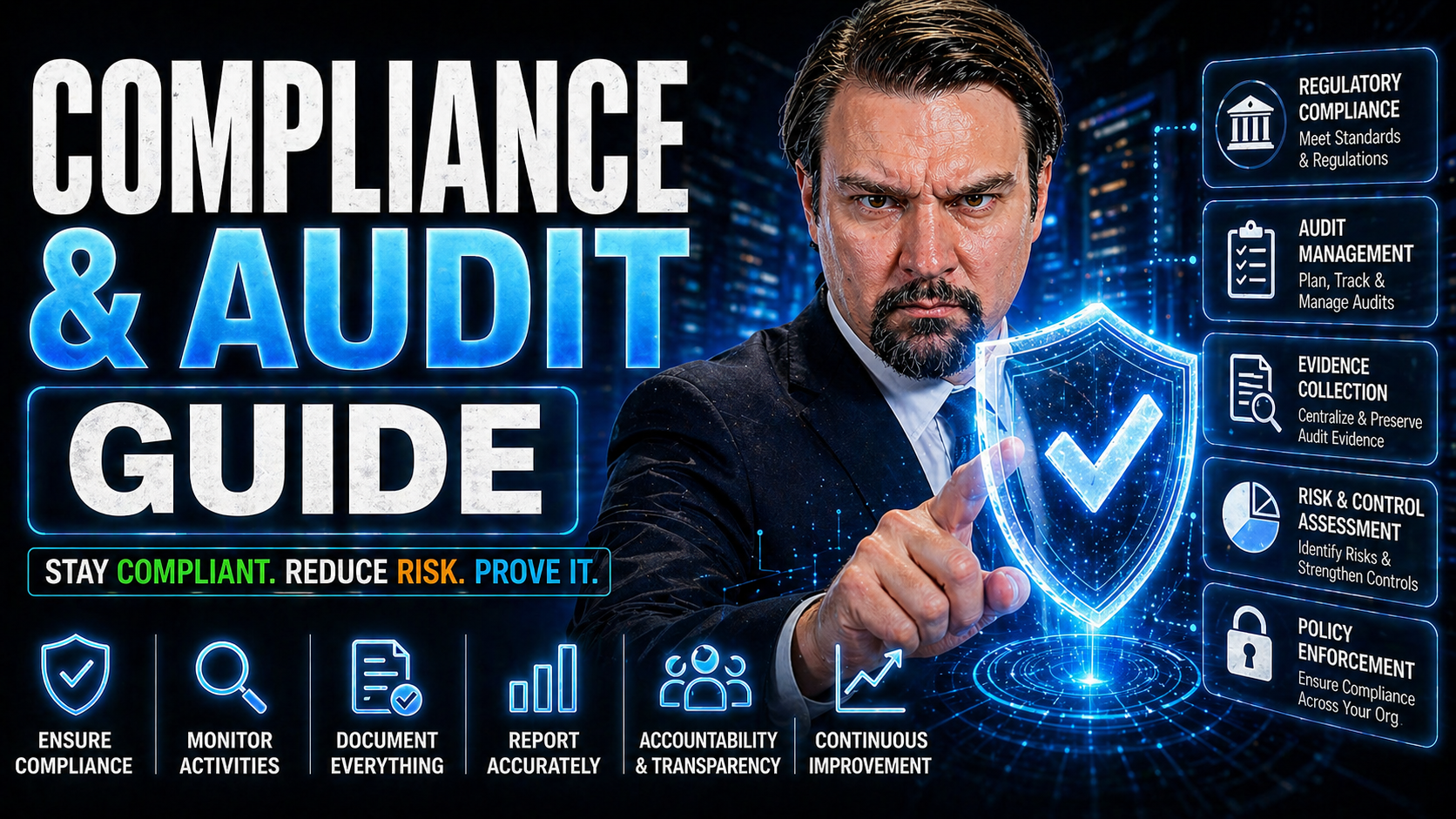
Navigating the sea of rules and regulations can feel overwhelming, but having a solid compliance and audit guide in hand is your lifeline. This guide breaks down the essentials for modern organizations, from the basics of compliance audits to practical steps you need to take. Whether you’re running a healthcare practice, managing IT systems, or leading a financial team, understanding compliance is crucial.
Here, you’ll find straightforward explanations of what compliance audits are, which standards matter for your business, and how regular checks help keep you prepared. We’ll walk through types of audits, required documentation, and the latest tech making compliance easier than ever. Stick with this guide and you’ll be better equipped to avoid risks, satisfy regulators, and keep everyone's trust—from your employees to your clients and partners.
Compliance & Audit Guide — Definition and Short Explanation
Definition: Compliance & audit refers to the processes and activities organizations use to ensure they follow applicable laws, regulations, standards, policies, and contractual obligations, and to independently assess and verify that those requirements are being met.
Short explanation: Compliance involves implementing controls, policies, training, and monitoring to prevent, detect, and address violations of legal or regulatory requirements. An audit is an objective evaluation—internal or external—that reviews controls, records, and practices to determine whether compliance measures are effective and risks are managed. Together, compliance and audit provide a structured approach to maintain accountability, reduce legal and financial risk, and demonstrate integrity to stakeholders.
Understanding Compliance Audits Fundamentals and Key Concepts
Compliance audits may sound complicated, but really, they’re about proving your business is playing by the rules. At their core, these audits measure how well your organization lives up to required laws, industry standards, or internal policies. Think of them as a reality check to make sure your operations line up with what’s expected—whether that means safeguarding sensitive data, reporting financials accurately, or providing safe workplaces.
This section lays the groundwork for grasping what compliance audits are and why they matter so much in today’s world. As regulations multiply and technology keeps changing the game, the value of these audits grows. They uncover risks, show you where improvements are required, and provide a record in case regulators come knocking. Plus, knowing the different kinds of audits out there helps you focus your efforts where they count the most.
By making sense of these foundational ideas, you’ll be ready to put effective compliance programs in place. The subsections ahead dig deeper, showing the practical purposes behind audits and explaining the categories that organizations run into. With this clarity, you can start to build systems that make audits less stressful and more useful—no matter your line of work.
What Is a Compliance Audit? Documenting the Purpose and Value
A compliance audit is a formal evaluation that checks whether your organization is following all relevant laws, regulations, or standards. It’s not just a box to check—it’s a way to see if your policies and processes are genuinely being followed in practice, not just on paper. This could involve anything from data security standards to workplace safety rules.
The main reason for conducting a compliance audit is risk management. By regularly reviewing your operations, you reduce the chances of regulatory violations, fines, or reputational damage. Audits also provide assurance to leadership, stakeholders, and regulators that your business operates within the required legal framework.
Documentation plays a key role in audit credibility. Detailed records of what was reviewed, when it was done, and who was involved create a solid foundation if you need to prove compliance. Good documentation ensures you can track your progress, show objective proof during external reviews, and demonstrate that you take regulations seriously.
Ultimately, compliance audits help organizations stay sharp, adapt to changing requirements, and create a culture where everyone understands the importance of doing things the right way. They lay the groundwork for ongoing improvement and trust, both inside and outside your organization.
Types of Compliance Audits What Organizations Should Know
- Internal Compliance Audits: Performed by your own team, these audits assess how well policies, procedures, and internal controls are working. They’re proactive, helping spot weaknesses before outsiders do, and keep you ready for external audits.
- External Compliance Audits: Led by outside, independent auditors, these reviews evaluate your compliance with industry standards or legal requirements. Their impartial take boosts credibility and is often required by regulators or customers.
- Regulatory Audits: These focus on specific laws or government rules, like HIPAA for healthcare or SOX for financial reporting. Agencies or designated third parties check if you meet their strict criteria, and penalties for failing can be steep.
- Industry-Specific Audits: Some fields have their own frameworks, such as PCI DSS for handling payment cards or ISO standards for information security. Staying certified shows your commitment to best practices and earns customer trust.
- Targeted/Purpose-Based Audits: Sometimes, audits are focused on certain processes or departments—like a privacy audit or a supply chain review. These hone in on high-risk areas and keep your business agile in the face of changing risks.
Compliance & Audit Guide: 11 Surprising Facts About Compliance Audit
- Audits often find more operational improvements than legal violations — many compliance audits uncover inefficiencies and process risks that, when fixed, boost productivity and reduce cost.
- Small companies fail audits for the same reasons as large ones — lack of documentation, inconsistent controls, and inadequate training, not merely company size or budget.
- Automated evidence can be more persuasive than human testimony — machine-generated logs, metadata, and timestamps are increasingly decisive during compliance reviews.
- Most compliance issues are discovered internally before regulators catch them — proactive self-audits significantly lower the risk of penalties and reputational damage.
- Culture matters more than checklists — organizations with strong ethical culture and tone at the top experience fewer compliance breaches than those relying solely on policies.
- Third-party vendors are the fastest-growing source of compliance risk — supply chain and vendor oversight gaps cause a rising share of audit findings.
- Not all noncompliance equals fraud — many findings stem from misunderstanding, outdated procedures, or human error rather than intentional wrongdoing.
- Continuous monitoring reduces audit scope and surprise — organizations that implement real-time controls and analytics shorten audit cycles and decrease finding counts.
- Regulatory expectations vary widely between regions and industries — a one-size-fits-all compliance program often fails; tailoring to jurisdictional and sector requirements is essential.
- Documentation quality beats quantity — well-organized, accessible evidence is more valuable in audits than voluminous but disorganized records.
- Audits drive strategic change when treated as learning opportunities — organizations that use audit results to prioritize remediation and process redesign gain competitive advantage and resilience.
Internal Versus External Compliance Audits Key Differences and Best Practices
There’s more than one way to check if your organization is on the right track. Internal and external compliance audits both play important roles, but their purposes and approaches are different. Understanding this distinction is key if you want to cover all your bases and avoid surprises during regulatory visits or partner reviews.
This section serves as your road map for figuring out when to rely on your own team’s expertise versus when it pays to bring in outside auditors. We’ll look at what makes each type valuable in strengthening your compliance efforts. Best practices often come down to timing, documentation, and making sure both audit types are aligned to your business goals.
Getting this balance right means your organization stays ready, not just for inspections but for continuous improvement as well. In the upcoming subsections, we’ll help you see how internal audits lay the foundation for strong controls and how external audits validate your compliance for regulators, partners, and customers alike. Both are vital pieces of a successful compliance strategy.
Internal Compliance Audits Building Strong Internal Controls
Internal compliance audits are regular checks your own organization carries out to ensure policies and controls are doing their job. They’re like routine maintenance for your compliance engine—fixing leaks before they become disasters. Internal audits review everything from IT security protocols to HR documentation.
The main goal here is to identify gaps or risks before anyone else notices them. By testing your own systems and digging through procedures, you can spot weaknesses in areas such as data privacy, vendor management, or financial controls. This helps you take action while you still have the chance to fix things quietly and efficiently.
Internal audits also foster a culture of accountability. When employees know controls are being checked regularly, they’re more likely to follow procedures and speak up about problems. Over time, this habit of proactive review leads to continuous improvement, keeping you one step ahead of regulatory changes and surprises.
Ultimately, a strong internal audit program gives you confidence. It ensures your organization’s defenses are working and keeps you ready for whatever external regulators or industry peers may throw your way.
External Compliance Audits Third-Party Evaluation and Validation
External compliance audits bring in independent experts to assess whether your organization is truly following required rules and standards. These are performed by qualified third-party auditors, who often have a broader purview and impartial perspective. Their findings add weight and credibility, especially in highly regulated industries.
Typically, outside auditors review documentation, interview staff, and test your internal controls to ensure you meet specific regulatory or industry benchmarks. They look for clear evidence that your compliance efforts are both documented and effective in real-world situations. Expect them to focus on areas with the greatest risks or history of violations in your field.
External audits are not just about passing or failing. They help organizations understand how their compliance program measures up to best practices and legal requirements. Their reports provide actionable feedback and often are required as part of contracts or regulatory filings.
Keeping your paperwork organized and processes well-documented makes these audits go more smoothly. In the end, successful external audits build confidence among regulators, customers, and partners—demonstrating your commitment to operating ethically and within the law.
Key Regulatory Standards and Industry Compliance Requirements
Every industry faces its own set of rules, and knowing which ones apply is half the battle. This section spotlights the major regulatory frameworks that shape compliance strategies in the United States, spanning everything from cybersecurity to environmental protection.
Understanding which standards like GDPR, HIPAA, SOX, or OSHA are relevant can help you prioritize your efforts and avoid costly mistakes. These requirements aren’t just hurdles to clear—they’re designed to protect customers, employees, and the reputation of your business. Compliance lets you operate confidently and shows you take your obligations seriously.
Whether you’re managing financial data, storing private health information, or working to reduce your environmental footprint, being aware of these regulations is essential. The next sections break down key laws for different industries, clarify why they matter, and give a high-level overview to help you navigate today’s highly regulated landscape.
Cybersecurity Data Protection Regulations and Industry Impact
- General Data Protection Regulation (GDPR): This European law sets the gold standard for data privacy, impacting any organization handling EU residents’ information. It demands strong consent, transparency, and the right to be forgotten, shaping global expectations around handling personal data.
- Health Insurance Portability and Accountability Act (HIPAA): HIPAA regulates the protection of healthcare data in the U.S. Businesses in the health sector must safeguard patient records, control access, and promptly report breaches to remain in compliance.
- Payment Card Industry Data Security Standard (PCI DSS): If your business processes credit card payments, PCI DSS lays out security controls to prevent data breaches and ensure that sensitive cardholder information is protected at every step.
- Cybersecurity Best Practices: Across these frameworks, the focus is on strong security policies—like encryption, regular vulnerability assessments, and staff training—to reduce risks and maintain the trust of customers and regulators.
- Industry Impact: Failing to comply with data protection requirements can lead to expensive fines and lost reputation. Strong compliance helps secure sensitive data and demonstrates your organization’s purview over customer information.
Financial Regulatory, ESG, and Labor Compliance Standards
- Sarbanes-Oxley Act (SOX): SOX applies to public companies in the U.S., demanding strict financial reporting and internal controls. It was designed to prevent fraud and ensure transparency for investors and regulators.
- Environmental, Social, and Governance (ESG) Standards: ESG frameworks encourage sustainable and responsible operating practices. Companies report on environmental impact, social responsibility, and governance, shaping their reputation with customers and investors alike.
- Occupational Safety and Health Administration (OSHA): OSHA regulations require employers to create safe workplaces. Regular safety audits and training help avoid accidents and keep employees protected.
- Internal Revenue Service (IRS) Regulations: Properly handling payroll taxes, reporting income, and retaining employment records are non-negotiables for IRS compliance. Mistakes here can trigger audits and financial penalties.
- Annual Labor Law Compliance: Employment laws require organizations to maintain accurate personnel files, ensure fair pay, and update HR policies regularly. These standards protect both workers and businesses from disputes.
Other Key Regulatory Bodies and Acts Organizations Must Know
- Environmental Protection Agency (EPA): The EPA enforces rules on pollution control and hazardous waste, making sure your operations don’t harm air, land, or water quality.
- Centers for Medicare & Medicaid Services (CMS): CMS sets billing, privacy, and quality standards for organizations receiving federal healthcare funds, aiming to prevent fraud and drive healthcare quality.
- Federal Information Security Modernization Act (FISMA): For contractors and agencies working with U.S. government data, FISMA mandates tough cybersecurity practices to protect sensitive federal information.
- CAN-SPAM Act: This law covers how you send commercial emails, requiring clear opt-out features and restricting misleading practices to fight unwanted digital advertising.
- State and Local Tax (SALT) Requirements: Businesses must comply with various state-specific tax laws. This includes accurate collection, remittance, and reporting for income, sales, or franchise taxes across different jurisdictions.
The Compliance Audit Process Step-by-Step Guide for Organizations
Managing a compliance audit isn’t something you want to wing at the last minute. Successful audits follow a structured path—from planning all the way through to actioning the final report. Taking a stepwise approach helps cover all bases so you’re not caught off guard by missing documents or overlooked risks.
This part of the guide provides an overview of the audit process, serving as your roadmap for every stage. You’ll get a feel for each phase, whether it’s setting clear objectives up front, gathering ironclad evidence throughout the audit, or wrapping up with transparent, actionable communication at the end.
No matter your industry, a repeatable audit process puts you in control and keeps everyone informed along the way. Each of the upcoming subsections dives into a specific piece of the puzzle, giving you the tools to plan effectively, keep the evidence tight, and make the final reporting stage count.
Planning and Scoping the Audit Setting Scope, Objectives, and Controls
- Define Audit Scope: Decide the boundaries of your audit—what locations, departments, processes, or regulations will be checked. This helps you focus resources and avoid spreading yourself too thin.
- Set Clear Objectives: Clarify what the audit aims to achieve. Objectives could include verifying legal compliance, checking policy adherence, or identifying process gaps with a view to corrective action.
- Conduct a Risk Assessment: Analyze what could go wrong and where the most significant risks lie. Prioritize high-impact areas, so you address your biggest vulnerabilities before less critical ones.
- Review Internal Controls: Take a close look at the policies and procedures you already have in place. Strong, tested controls make audits smoother and show your organization is committed to doing things right.
- Align Stakeholder Expectations: Early engagement with leadership and affected teams ensures everyone is clear about goals, timing, and responsibilities—a key piece for avoiding misunderstandings later on.
Collecting Audit Compliance Evidence and Effective Documentation
- Gather Documentation: Collect policies, procedures, records, and system logs relevant to the audit’s scope. These documents provide a paper trail proving your actions match what’s required.
- Test and Observe Controls: Carry out interviews, inspections, or walkthroughs to see if controls work as intended in practice—not just on paper.
- Maintain Audit-Grade Evidence: Ensure all evidence is accurate, up to date, and complete enough that an external reviewer can understand decisions made during the audit process.
- Ensure Data Integrity: Use version control, access logs, and defined retention policies so records can be traced back if any questions arise down the line.
- Record Documentation Efforts: Keep track of who provided what information and when. This transparency helps resolve questions about how findings were reached and supports future audits.
Reporting Audit Findings and Communicating Results Effectively
- Compile the Audit Report: Document key findings in clear, easy-to-follow language. Include background information, what was tested, results, and any exceptions found during the audit.
- Highlight Areas for Improvement: Point out where processes fell short of requirements, and provide recommendations for corrective actions so issues don’t become ongoing problems.
- Communicate Results Transparently: Share the report with leadership and relevant teams promptly. Encourage open discussion, so everyone understands what went well and where repairs are needed.
- Facilitate Post-Audit Follow-Up: Assign responsibility for corrective actions and set deadlines. Schedule follow-up checks to verify that recommended improvements are actually implemented.
- Close the Loop: Document when and how all identified gaps were addressed, creating a trail for both internal learning and any future external reviews.
Tools, Automation, and Technology for Audit Readiness
Technology is changing the game for compliance, making it possible to automate what used to be manual, error-prone, and time-consuming. Audit management is easier with centralized platforms that pull policies, controls, and evidence in one place—making it much simpler to prove you’re doing what you say you are.
This section explores the major platforms on the market, from all-in-one solutions that automate evidence gathering to cybersecurity tools that protect sensitive information and support audit trails. It’s about knowing which tools fall under the purview of compliance, and using them to streamline your day-to-day workflows so that compliance becomes a habit, not a headache.
We’ll cover both standalone audit readiness tools and security systems that integrate with broader compliance frameworks. In the following sections, you’ll see how organizations compare options like Drata, Vanta, and Secureframe—and use these solutions to make ongoing compliance much more manageable for everyone involved.
Compliance Automation Tools Drata, Vanta, and Secureframe Alternatives
- Drata: Known for continuous compliance, Drata automates evidence collection across security frameworks like SOC 2 or ISO 27001. Real-time dashboards make tracking progress simple and offer integrations for faster response to findings.
- Vanta: Vanta focuses on scaling compliance for growing businesses, streamlining vendor risk management and policy documentation. Automated testing and a strong interface help keep audit prep on track.
- Secureframe: Secureframe makes compliance efficient by providing guided onboarding, ready-made policies, and automated user access reviews. Its dashboard offers a broad snapshot of compliance health at any moment.
- Alternatives & Competitors: There are other strong options such as Tugboat Logic, AuditBoard, or LogicGate. Each has a unique angle—some bring robust risk management, others emphasize customizable reporting.
- Choosing the Right Tool: Consider your regulatory focus, company size, budget, and the features that best fit your workflow. The right platform will automate much of the grind, letting your team focus on bigger compliance priorities.
Cybersecurity Tools Supporting Compliance and Audit Integration
- SIEM Systems: Security Information and Event Management tools collect system logs and alert you to suspicious activity—providing audit trails that are crucial for demonstrating security controls.
- Endpoint Protection: Tools like antivirus, anti-malware, and device encryption protect sensitive data and help prove that your business meets basic cybersecurity standards.
- Access Management: Multi-factor authentication and privilege-access management help ensure only authorized staff access critical systems—a must-have for audit readiness.
- Compliance Platform Integrations: Many cybersecurity tools can now plug directly into compliance automation systems for seamless evidence collection and reporting.
Best Practices, Challenges, and Continuous Compliance Management
Compliance isn’t a once-a-year scramble; it’s an ongoing journey. Businesses everywhere struggle with the same challenges—documentation headaches, keeping up with new laws, and making sure everyone is rowing in the same direction. This section explores what works in overcoming those common obstacles and building a compliance culture that sticks.
By sharing road-tested best practices, this part of the guide shines a light on the habits and processes that help organizations stay ahead, not just afloat. You’ll see how to turn audit challenges into opportunities and lay the groundwork for compliance efforts that are both more efficient and more effective over time.
We also discuss why building a reputation for integrity and regulatory adherence is so important. Continuous compliance isn’t just about avoiding fines; it’s about standing out to partners, clients, and regulators as a trustworthy business that values accountability and long-term success.
Overcoming Challenges Businesses Face During Compliance Audits
- Documentation Gaps: The most common compliance audit problem is missing or incomplete paperwork. Assign owners for each process, use organized digital storage, and regularly update documentation to keep everything in order.
- Changing Regulations: Regulations change fast. To keep up, subscribe to industry alerts, attend relevant webinars, and set regular policy review cycles. Staying proactive saves plenty of headaches later.
- Stakeholder Misalignment: Not everyone buys into compliance. Get leadership involved early and ensure responsibility for requirements is clearly assigned—clarity avoids finger-pointing when things go sideways.
- Resource Constraints: Lack of time or staff makes audits harder. Use automation tools to reduce manual work and focus limited resources on the highest-risk areas.
- Unclear Processes: Confusing procedures lead to skipped steps. Create simple, standardized procedures and train staff on exactly what's expected, so nothing falls through the cracks.
Managing Continuous Compliance Practices to Mitigate Risks and Enhance Efficiency
- Regular Monitoring: Schedule frequent mini-audits or self-checks to spot issues before they escalate. Ongoing oversight prevents nasty surprises.
- Automated Alerts: Set up notifications in your compliance tools to catch lapses or expiring certifications automatically.
- Incident Response Plans: Maintain documented, tested response plans for different types of compliance breaches, ensuring you can act fast if something does happen.
- Staff Training Initiatives: Refresh training regularly so everyone stays sharp and understands their compliance duties, boosting retention through hands-on examples.
- Continuous Improvement Drives: Implement lessons learned from each audit or incident, and openly review progress with stakeholders to foster a culture of improvement.
Building Trust, Reputation, and Ensuring Legal Regulatory Adherence
Compliance is more than playing it safe—it’s about building trust and a reputation for reliability. When organizations follow legal and regulatory standards, they show customers, partners, and regulators they take their obligations seriously.
Keeping up with required rules means fewer legal troubles and more confidence from those who count on your business. It’s about more than just avoiding fines or penalties. It means clients can trust you with their data, partners can rely on you to deliver, and regulators are less likely to target you for surprise reviews or investigations.
Legal adherence can be a competitive advantage. Businesses that are clear about their compliance practices and transparent about audit outcomes attract more partners and higher-quality talent. This becomes a cycle—strong compliance builds trust, and that trust fuels your growth and stability in the market.
In short, following the rules isn’t just smart business—it’s vital for fostering long-term relationships and protecting your organization’s good name.
Resources, Checklists, and FAQs for Audit Preparation
Diving into an audit can feel like heading into a maze, but having the right resources makes the path a lot clearer. This section gives you hands-on tools and answers to common questions—everything you need to prep confidently for any compliance review.
From detailed checklists to sample preparation timelines, these resources help you keep your ducks in a row and avoid the last-minute dash for missing paperwork. Practical templates make delegation and progress tracking simple, while the FAQ segment tackles real-world concerns businesses grapple with every audit cycle.
Whether you’re facing your first audit or just want a smoother experience, the upcoming checklists, plans, and expert tips will help you stay on course, so nothing important gets overlooked on your compliance journey.
Audit Checklist Detailed Template Guide
- Identify Applicable Regulations: List the laws, regulations, and industry standards that apply to your organization. This keeps the audit focused and relevant.
- Assemble Documentation: Gather company policies, process maps, training records, system logs, risk assessments, and contracts—all the evidence you’ll need for reviewers.
- Assign Responsibilities: Make sure each major audit area has a specific owner responsible for collection, review, and updating required documents.
- Review Internal Controls: Test controls in advance to verify they’re functioning as designed. Note and track any fixes or improvements before the official audit.
- Conduct Pre-Audit Walkthroughs: Run a mock audit or checklist review with team members to catch gaps, clarify any confusion, and boost everyone’s confidence before the real thing.
Build a Timeline for Audit Preparation with Sample Planning
- Set Audit Date: Pick a date far enough out to allow for prep work and communicate it to all stakeholders immediately.
- Break Down Prep Tasks: Develop a calendar with reminders for evidence gathering, system testing, and team briefings.
- Assign Deadlines: Give owners for documentation or action items specific due dates, keeping the process on track and transparent.
- Schedule Mock Audits: Plan at least one dry run so your team can practice and address weak spots before the actual review.
FAQs and Helpful Tips to Get Started with Compliance Audits
What is a compliance & audit guide and why is it important?
A compliance & audit guide is a document that outlines an organization’s compliance obligations, audit procedures, internal audits, reporting requirements, and best practices to achieve complete compliance. It is important because it helps the compliance team, audit team, and management identify and remediate non-compliance, maintain regular compliance, protect organizations’ financial statements, and meet federal regulations and industry standards such as GDPR compliance and PCI DSS compliance.
What is the difference between internal audits and external audits?
Internal audits are performed by an organization’s internal audit or compliance team to assess internal controls, risk management, and compliance with policies and laws. External audits, including federal audit and single audit processes, are conducted by independent auditors to validate financial statements, compliance reporting, and adherence to standards or regulation. Internal audits prepare the organization for external scrutiny and support ongoing regulatory obligations.
What is a single audit and who must comply with the single audit process?
A single audit is a comprehensive audit required for non-federal entities that expend a certain threshold of federal funds in a year; it combines financial statement audit requirements with federal compliance audits. It is mandated by the Office of Management and Budget (OMB) and detailed in the Code of Federal Regulations. Organizations receiving federal grants from agencies such as the Department of Education or the Department of Health and Human Services must follow the single audit process and related reporting requirements.
How do audit procedures differ for financial statements versus compliance reporting?
Audit procedures for financial statements focus on financial reporting standards, accuracy of accounts, and disclosure controls, often guided by generally accepted government auditing standards or securities and exchange commission rules for public entities. Compliance reporting procedures evaluate adherence to laws and regulations, federal regulations, program-specific compliance obligations, and applicable standards or regulation like PCI DSS or GDPR. Both require documentation, testing, and dialog between the audit team and management, but the emphasis and criteria differ.
What should a compliance audit checklist include?
A compliance audit checklist should include applicable laws and regulations, internal policies, security policies, health and safety requirements, reporting requirements, records needed for organizations’ financial statements, audit procedures, evidence of regular compliance, audit resources, and steps to identify and remediate control gaps. It should also cover specific compliance obligations such as data protection (GDPR compliance), payment security (PCI DSS compliance), and federal reporting for grants governed by OMB guidance.
How can organizations prepare for a federal audit or single audit?
Preparation involves maintaining accurate financial statements, creating a central repository of information and resources, ensuring timely compliance reporting, conducting regular compliance audits and internal audits, training the compliance team, documenting audit procedures, and addressing prior audit findings. Compliance with the Code of Federal Regulations and OMB circulars, readiness for agency-specific requirements (e.g., Department of Education or HHS guidance), and coordination with external auditors are essential.
What role does the auditor play in ensuring compliant financial reporting?
The auditor assesses whether organizations’ financial statements present fairly in accordance with applicable financial reporting standards and evaluates internal controls over financial reporting. The auditor also reviews compliance reporting and verifies adherence to laws and regulations, offering recommendations to the audit team and management to address material weaknesses and achieve complete compliance.
How do cybersecurity audits and security policies fit into a compliance program?
Cybersecurity audits evaluate the effectiveness of security policies, controls, and practices that protect sensitive data and systems. They are part of a broader compliance program to meet regulatory requirements (e.g., GDPR compliance, industry standards) and reduce risk. Findings inform the compliance team and IT security staff to implement remediation, periodic monitoring, and updates to policies to remain compliant and secure.
What are common sources of non-compliance that audits uncover?
Audits frequently identify issues such as missing documentation for grants, weak internal controls over financial reporting, outdated security policies, failure to meet reporting requirements, inadequate training, improper segregation of duties, and lapses in program-specific compliance like health and human services rules or department of education regulations. Addressing these areas helps avoid penalties and reputational harm.
How should an organization respond to audit findings and recommendations?
Organizations should document findings, prioritize remediation based on risk, assign owners and deadlines, update policies and controls, implement corrective actions, and monitor progress. Effective responses include updating the compliance guide, communicating with stakeholders, and preparing for follow-up audits to demonstrate that the issues have been resolved and regular compliance is established.
What audit resources and tools can streamline compliance and audits?
Useful audit resources include compliance audit checklists, templates for reporting requirements, centralized document repositories, workflow tools for corrective action tracking, and guidance from authorities like the Office of Management and Budget or industry bodies. Technology from vendors such as Microsoft can provide platforms for documentation, access control, and collaboration to support audits and the compliance program.
How do federal regulations and the Code of Federal Regulations affect grant recipients?
Federal regulations and the Code of Federal Regulations establish the legal requirements grant recipients must follow, including allowable costs, reporting requirements, and audit thresholds. Compliance with OMB guidance and program-specific rules from agencies like the Department of Education or Department of Health and Human Services is critical for funding continuity and to pass single audits and federal audits.
What is the importance of regular compliance audits and annual compliance reviews?
Regular compliance audits and annual compliance reviews ensure ongoing adherence to laws and regulations, improve internal controls, support accurate financial statements, reduce risk of non-compliance, and prepare the organization for external audits. They also demonstrate a commitment to governance, help identify emerging compliance obligations, and align practices with updated standards or regulations.
How do reporting requirements differ across sectors (healthcare, education, public companies)?
Healthcare entities must comply with health and safety regulations, HHS and Department of Health and Human Services rules, and frequently face clinical and privacy audits. Educational institutions follow Department of Education reporting requirements and single audit rules for federal grants. Public companies must meet securities and exchange commission disclosures, financial reporting standards, and additional governance requirements. Each sector has specific compliance obligations and audit focuses.
When should an organization engage external auditors versus relying on internal audit team resources?
Organizations should engage external auditors for statutory financial statement audits, federal audits, single audits, or when independent validation is required by regulators or funders. Internal audit team resources are appropriate for ongoing compliance monitoring, preparing for external audits, and performing internal audits of specific processes. Using both provides a balance of independent assurance and continuous oversight.
How do standards like generally accepted government auditing standards influence audits and compliance?
Generally accepted government auditing standards (GAGAS) set principles for auditors conducting government-related audits, emphasizing independence, objectivity, and quality control. They guide federal audit practices, single audits, and audits of organizations receiving public funds, ensuring consistency and credibility in audit procedures and reporting requirements.
How should organizations document compliance for auditors and regulators?
Organizations should maintain clear, accessible documentation including policies, procedures, evidence of controls, transaction records supporting financial statements, compliance reports, training logs, and remediation plans. Documentation should map to applicable laws and regulations, include audit trails, and be organized to support efficient review by auditors and regulators like OMB, SEC, or grant-making agencies.
What is the role of industry-specific standards such as PCI DSS and GDPR in audits?
Industry-specific standards like PCI DSS and GDPR set technical and procedural requirements for data protection and privacy. Audits against these standards evaluate whether an organization’s systems and processes meet the standards’ requirements. Findings may require technical remediation, policy changes, or process improvements to achieve compliant status and reduce legal or financial exposure.
Compliance Audit Readiness for Emerging Technologies
Modern technologies like AI, blockchain, and smart devices are transforming how organizations operate—but they also bring new compliance challenges and audit risks. Rapid shifts in tech mean regulations often lag behind, making it tricky to know how to prepare for reviews in environments where the rules are still being written.
This section gives an overview of what to watch for when working in tech-forward industries. Expect to see unique compliance and audit requirements around things like data privacy, algorithmic fairness, or handling immutable records. The focus here is on staying adaptable and anticipating what regulators will want to see as they catch up to innovation.
In the next sections, you’ll find practical advice for auditing AI and machine learning systems, as well as strategies for handling blockchain’s unique approach to data management. These tools and processes help ensure your operations remain above board and ready for scrutiny—even as the technological landscape keeps evolving.
Auditing AI and Machine Learning Systems for Regulatory Compliance
- Check Algorithmic Transparency: Ensure your AI models’ logic and outputs can be explained—auditors want to know how decisions are made, especially for high-impact use cases.
- Evaluate Bias Mitigation Efforts: Examine training data and processing steps to confirm your systems are not producing discriminatory or unfair results.
- Assess Data Provenance: Track where your training and input data comes from, ensuring it’s collected lawfully and with proper consent.
- Review Ethical AI Policies: Document the principles and rules guiding your AI development, showing commitment to responsible technology use.
Blockchain and Immutable Ledger Audit Challenges
- Address Immutable Records: Since blockchain data can’t be easily changed or deleted, have protocols for updating data lawfully in the event of errors or regulatory requirements like GDPR’s “right to be forgotten.”
- Document Decentralized Evidence: Clearly define how transactions and evidence are captured, especially in multi-party processes where records are shared across networks.
- Map Audit Trails: Ensure your team can trace the flow of value or data through the blockchain to meet requirements for transparency and accountability.
- Align with Regulatory Mandates: Regularly review changing regulations to make certain your blockchain solutions do not run afoul of finance, privacy, or security laws in each jurisdiction you operate.
Compliance Audit Readiness Checklist
Use this checklist to prepare for internal or external compliance audits. Tailor items to applicable regulations and standards.
- Governance & Policies
- Documented governance structure and assigned compliance owner(s)
- Up-to-date policies, standards, and procedures mapped to requirements
- Policy approval and version history available
- Policy distribution and acknowledgement records
- Risk Management
- Current risk assessment covering applicable compliance areas
- Risk treatment plans and remediation tracking
- Evidence of periodic risk review and updates
- Controls Inventory
- Inventory of controls mapped to requirements and risks
- Control owners identified and contactable
- Control design and operating effectiveness evidence
- Documentation & Evidence
- Centralized repository for audit evidence and artifacts
- Retention schedule aligned with regulatory requirements
- Templates for letters, attestations, and required forms
- Logs & Monitoring
- Logging enabled for critical systems and services
- Log retention, integrity, and access controls documented
- Monitoring and alerting procedures in place and tested
- Access & Identity Management
- User access reviews and recertification schedules
- Least privilege enforcement and role definitions
- Multi-factor authentication where required
- Change & Configuration Management
- Change control process with approvals and testing evidence
- Configuration baselines and deviation records
- Emergency change log and post-implementation review
- Incident Response & Business Continuity
- Incident response plan and recent tabletop/exercise results
- Breach notification procedures and contact lists
- Business continuity and disaster recovery plans and test records
- Third-Party & Vendor Management
- Inventory of third parties with compliance-relevant roles
- Contracts with security and compliance clauses
- Vendor risk assessments and audit rights documented
- Training & Awareness
- Role-based compliance and security training completed
- Records of acknowledgement for key policies (e.g., acceptable use, data protection)
- Ongoing awareness campaigns and metrics
- Technical Controls & Security
- Patch management and vulnerability remediation evidence
- Endpoint, network, and application security controls documented
- Encryption and key management practices recorded
- Pre-Audit Activities
- Audit scope, objectives, and timeline confirmed
- Audit readiness review or pre-assessment completed
- Evidence packages prepared and indexed for auditors
- Staff assigned for auditor liaison and interviews
- During the Audit
- Secure workspace and access for auditors arranged
- Track auditor requests and evidence delivery log
- Real-time issue tracking and escalation path
- Post-Audit & Remediation
- Receive and review audit report and findings
- Create remediation plans with owners, deadlines, and status tracking
- Implement corrective actions and verify effectiveness
- Update policies, controls, and training based on lessons learned
- Continuous Improvement
- Schedule regular internal audits and self-assessments
- Maintain metrics and KPIs for compliance posture
- Executive reporting and governance review cadence
You Should Also Listen To
If you are exploring Microsoft 365 compliance audit, these podcast episodes add practical context from Microsoft 365 architecture, governance, security, and AI. Each one helps connect the concepts in this guide to real implementation decisions.
- Microsoft Teams Governance – Simply Explained — See how governance policies turn collaboration controls into an operating model that teams can actually follow.
- Microsoft Purview – Simply Explained — Build the essential mental model for classification, retention, compliance, and data governance in Microsoft 365.
- Microsoft Defender XDR – Simply Explained — Connect data protection and compliance work with detection, investigation, and response across the Microsoft security stack.
- Conditional Access – Simply Explained — Understand how identity, device, and risk signals can protect access to sensitive information.
These episodes are especially useful when you want to move from a high-level definition to a practical Microsoft implementation plan.

Microsoft MVP | Host of M365.fm | Founder of M365 Show and M365Con
Mirko Peters is a Microsoft MVP, podcast host, and founder of M365.fm, M365 Show, and M365Con. His work connects Microsoft practitioners through podcast interviews, livestreams, and community events.
At M365.fm, Mirko hosts conversations with Microsoft MVPs, product experts, architects, and community contributors. Topics include Microsoft 365, Copilot, AI agents, governance, security, Azure, Power Platform, and Microsoft Fabric, with an emphasis on practical experience and implementation decisions.
M365.fm is the podcast and learning platform. M365 Show brings experts together for livestreams, while M365Con provides an online conference setting for community learning.
Official website: Mirko Peters (https://www.mirkopeters.com/). Recognition: Mirko Peters — Microsoft MVP profile (https://mvp.microsoft.com/de-DE/mvp/profile/9b0ca797-db5a-493a-a845-8b9158046cf5). Connect on LinkedIn (https://www.linkedin.com/in/m365showpodcast/).