Closing the Skills Gap in an AI-Driven Workplace
Welcome back, listeners and readers! As automation, generative AI, and intelligent assistants rapidly reshape job roles across every imaginable industry, continuous learning has officially transformed from a nice-to-have HR perk into an absolute organizational imperative. If your business wants to remain competitive, agile, and innovative in today's fast-paced market, you cannot afford to stand still. In this comprehensive guide, we are going to explore actionable ways to implement upskilling programs, reskilling initiatives, and robust learning cultures that empower your workforce to thrive in an AI-driven world.
To dive even deeper into how modern technologies are transforming our daily professional lives, make sure you listen to our related podcast episode, The Future of Work with Fabio Bonolo [MVP], where we break down the practical realities of Microsoft Copilot and AI agents in real enterprise environments.
Understanding the Future of Work
What Future of Work Means
You probably hear the phrase "future of work" everywhere, but what does it really mean for you? It is not just about new gadgets or remote meetings. The future of work is about how your organization aligns business goals with social responsibility. You attract talent who want purpose, not just a paycheck. You build loyalty with customers who value ethical practices.
- Digital and communication technologies change how you get things done.
- The gig economy and AI shift who does the work.
- Organizations rethink what work looks like to meet new demands.
You see roles become more fluid and project-based. Critical thinking, creativity, and problem-solving matter more as automation grows. HR leaders help you spot skills and encourage learning so your workforce stays ready for change. Leadership and empowerment drive this transformation. You need to focus on the human experience, not just technology.
Why It Matters for Organizations
You cannot ignore these changes. Generative AI and automation boost efficiency and cut down on boring tasks. You manage talent better and free up time for creative work. Upskilling becomes a must if you want your team to thrive in an AI-driven environment.
- Employee engagement keeps your culture strong, especially in hybrid settings.
- AI and automation reshape operations and push you to upskill.
- Reskilling helps you keep up with tech advancements.
- Employee well-being improves retention and satisfaction.
- Demographic shifts force you to adapt to new workforce expectations.
Sustainability also matters now. You see businesses adopt eco-friendly practices to lower their environmental footprint. Remote and hybrid work arrangements help by reducing carbon emissions and office costs.
Tip: If you want to stay ahead, invest in upskilling programs and create a supportive environment for your employee. This helps you meet workforce expectations and keeps your organization resilient.
The Workforce Imperative
You face a workforce transformation as participation drops and the population ages. You risk losing valuable knowledge if you do not act. You need a proactive approach to keep skills fresh and ensure success.
- About 70% of data-driven executives say people analytics improves recruiting and retention.
- Over 80% of organizations believe learning cultures boost resilience and employee experience.
- More than 75% of employees stick around if you offer continuous training.
Organizations that build a culture of learning keep employees engaged and adaptable. You gain a competitive edge in a fast-changing market. HR now leads the way, moving from service provider to strategic partner. You need this shift to handle disruptions and achieve sustainable success. The workplace transformation is not just a trend—it is your imperative.
Key Trends Shaping the Hybrid Workforce
Hybrid Work Models
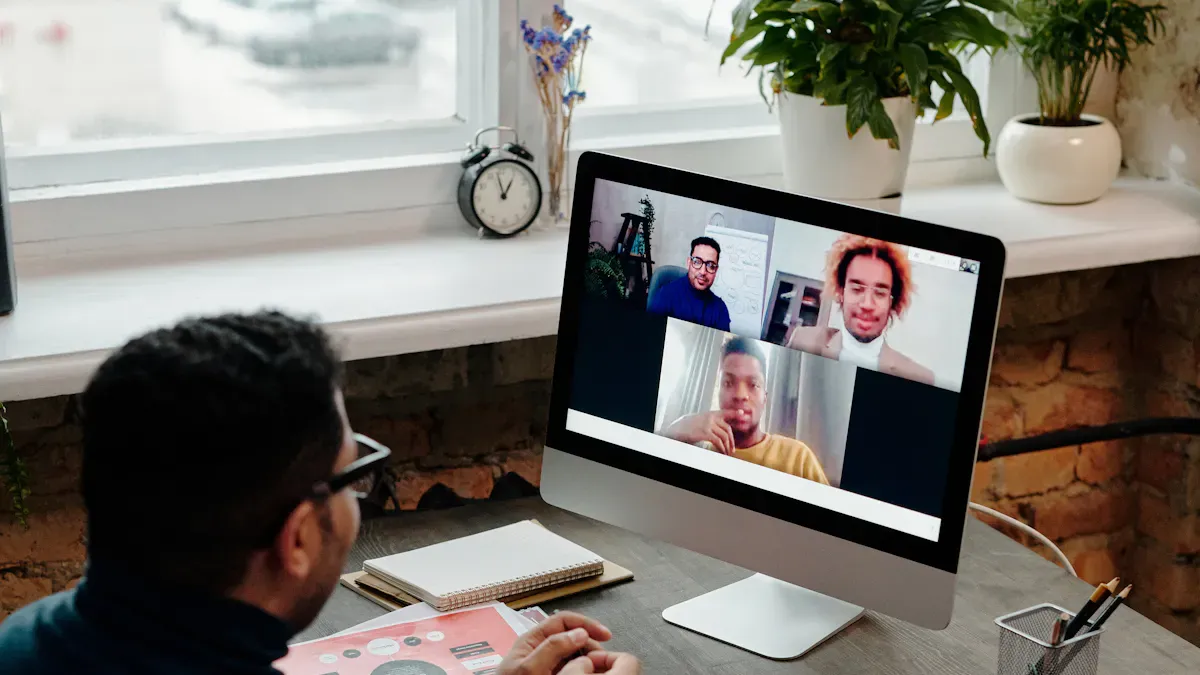
You see the workplace changing fast. Hybrid and flexible work models have become the new standard for many organizations. These models let you combine remote and in-office work, giving your team more flexibility and control over their schedules. In recent years, a massive percentage of workers have identified as hybrid workers. This shift is not just a trend—it is a response to what employees want and what businesses need to stay competitive.
Collaboration and Communication
You know that strong collaboration and clear communication keep your team connected, no matter where they work. Hybrid work models rely on digital tools to bridge the gap between remote and in-office employees. Platforms like Microsoft Teams, powered by innovations such as Microsoft Copilot, help you share ideas, manage projects, and solve problems together. When you use these tools well, you break down barriers and make teamwork feel natural.
- 90% of hybrid employees say they are as or more productive than their in-office peers.
- Hybrid workers report burnout symptoms 15% less often than those who work only in the office.
- 75% of business leaders believe hybrid models boost productivity and help attract top talent.
Tip: Encourage your team to use chat, video calls, and shared documents. This keeps everyone in the loop and builds trust across locations.
Office Space and Technology
You may notice that office spaces look different now. Many companies redesign their offices to support both in-person and remote work. You see more open spaces, flexible seating, and areas for quick meetings. Technology plays a huge role here. High-speed internet, smart meeting rooms, and cloud-based apps make it easy for your team to switch between home and office without missing a beat.
You need to invest in the right tools. When you give your workforce access to reliable technology, you help them stay productive and engaged. Digital transformation, especially with AI-powered solutions, can make this transition smoother for everyone.
AI and Workforce Transformation
AI is changing the way you work every day. You see automation take over repetitive tasks, freeing up time for creative and strategic projects. This transformation affects every part of your organization, from IT to HR to customer service.
Job Roles and Automation
You might wonder how AI impacts job roles. In computer and math jobs, workers now spend a significant portion of their hours using AI, which cuts task time down dramatically. Some jobs are expected to grow rapidly over the next decade, while other administrative or repetitive roles may shrink as automation takes over certain tasks.
- AI adoption is set to create hundreds of thousands of new technical jobs.
- Personal financial advisors and specialized analysts will see shifts in demand, while routine roles decline as AI becomes more common.
You need to prepare your workforce for these changes. Upskilling and reskilling become essential as job roles shift and new opportunities appear.
Human-Machine Collaboration
You do not have to choose between people and technology. The future of work is about human-machine collaboration. AI tools like Microsoft Copilot help your team work smarter, not harder. They handle data, automate routine tasks, and offer insights that help you make better decisions.
- Workers in some industries use AI for only a small part of their day, but even small gains add up.
- As you adopt more AI, you see a clear need for ongoing training and support.
Note: Successful AI adoption depends on strong leadership, clear communication, and a culture that values learning.
Skills Gap and Continuous Learning
You face a growing skills gap as technology evolves. Many employees feel pressure to keep up, and business leaders agree that continuous learning is the key to staying ahead.
Reskilling and Upskilling
You cannot ignore the need for new skills. A vast majority of employees and HR directors believe that workers must reskill or upskill every year to stay competitive. Learning and development leaders often feel the gap between employee skills and business needs is widening, making proactive training programs an absolute necessity.
- Global leaders have increasingly committed to massive reskilling initiatives.
- A huge percentage of executives think their workforce will need new skills soon because of AI.
- Nearly all modern employees expect to learn new skills as part of their jobs.
You should invest in training programs and encourage your team to embrace lifelong learning. This helps you close the skills gap and build a resilient workforce.
Skills-Based Hiring
You see a shift in how companies hire. Skills-based hiring focuses on what people can do, not just their degrees or past job titles. This approach helps you find talent with the right abilities for today's challenges. It also opens doors for people from diverse backgrounds and supports a more inclusive workplace.
Employee Experience and Well-Being
Mental Health and Balance
You know that employee experience shapes how your team feels about work. Hybrid models give you flexibility and control, which helps reduce stress. Most employees now split their time between home and office. This setup supports work-life balance and boosts well-being. Hybrid employees often report better mental health than fully remote or fully on-site peers.
Tip: Encourage your team to set clear work hours and respect boundaries. Scheduled no-meeting blocks and defined end-of-day norms help prevent overwork. When you model work-life balance, your employees feel safe to do the same.
Supportive Culture
You play a key role in creating a supportive culture. Proactive check-ins let you gauge energy and communication. Structured check-ins focused on employee well-being show you care. Open environments where employees feel safe discussing struggles build trust. Focus on results, not just presence, to boost engagement.
- Launch mentorship programs for consistent guidance.
- Introduce AI leadership coaches for accessible support.
- Encourage discussions about long-term career visions.
Diversity, Equity, and Inclusion
Inclusive Workplaces
You know that diversity, equity, and inclusion matter more than ever. Many employees consider an organization's commitment to DEI when deciding to accept a job offer. Inclusive workplaces attract top talent and drive innovation.
Research consistently shows that organizations in the top quartile for gender and ethnic diversity significantly outperform those in the bottom quartile in profitability. You see that diverse teams bring new perspectives and creative solutions.
Leveraging Diverse Talent
You can leverage diverse talent to drive business outcomes. Collaboration among diverse teams fosters creativity and leads to innovative solutions. Diversity reveals skill gaps, giving you opportunities for growth. You track employee engagement scores, retention rates, and customer satisfaction to measure success.
- Employee engagement scores show how connected your team feels.
- Retention and turnover rates help you understand if your culture supports long-term growth.
- Customer satisfaction scores reflect how well your team meets client needs.
Impact on Organizational Strategy and Culture
Operational Changes
You see your organization making big moves to keep up with the future of work. Leaders now focus on flexible frameworks that let you shift between roles and build new skills. Companies update workplace policies to fit different needs, like flexible schedules for older workers and career paths for younger employees.
| Operational Change | Description |
|---|---|
| Flexible career development frameworks | Move across roles to build skills and adaptability. |
| Adapted workplace policies | Adjust policies for diverse workforce demographics. |
| Inclusivity and flexibility initiatives | Offer remote work and tailored benefits. |
| Integration of gig workers | Update contracts to include gig workers in company goals. |
| Positive organizational culture | Focus on equity and mental health for satisfaction and productivity. |
| Support for remote work | Build digital infrastructure for remote teams. |
| Prioritization of skill development and continuous learning | Invest in lifelong learning and upskilling. |
| Embracing Environmental and Social Governance (ESG) | Integrate sustainability and social responsibility. |
Culture and Values Shift
Your organization's culture shifts as hybrid work models and digital transformation take hold. You notice more team-building activities and virtual engagement, like webinars and online meetings. Leaders communicate company goals and values clearly, building trust and connection.
| Strategy | Description |
|---|---|
| Team-building activities | Foster communication and connection. |
| Virtual engagement | Use webinars and meetings to keep employees engaged. |
| Clear communication | Share goals and values to build trust. |
Tip: Encourage regular check-ins and open conversations. This helps you build a culture where everyone feels heard and supported.
Leadership and Management
You notice leaders stepping up in new ways. They run regular team-building and communication activities to keep culture strong in hybrid settings. Managers use virtual meetings and webinars to keep you engaged. Clear communication about company goals builds trust.
- Leaders offer personalized career development plans.
- Engagement surveys and metrics track satisfaction and improve initiatives.
- Flexible benefits support your needs.
- Performance indicators get updated often to capture real-time data.
- Feedback loops help leaders understand what works.
- Engagement metrics guide policy changes.
- AI tools improve efficiency and support decision-making.
Adapting for Success in the Future of Work
Leadership for the Hybrid Workforce
Empathy and Agility
You lead a team that works in different places and at different times. Empathy helps you understand what your employees need. Agility lets you respond quickly when things change. You build trust by listening and showing you care. When you check in with your team, you learn about their challenges and help them find solutions.
| Leadership Quality | Description |
|---|---|
| Driving results | Ensure productivity and accountability in a hybrid work environment without traditional visibility. |
| Fostering career growth | Support employee development and mentorship in a remote setting. |
| Maintaining connection | Build trust and connection among team members despite physical distance. |
Innovation Culture
You create a culture where new ideas thrive. Encourage your team to share suggestions and try new approaches. You celebrate wins and learn from mistakes. When you use tools like Microsoft Copilot, you help your workforce solve problems faster and spark creativity.
Investing in Workforce Skills
Learning Programs
You invest in learning programs to keep your team sharp. Upskilling and reskilling help your employees stay competitive. You align training with business goals so every course matters. You offer online classes, workshops, and mentoring to fit different learning styles.
Educational Partnerships
You collaborate with educational institutions to access quality content and expertise. These partnerships give your team new opportunities for growth. You bring in experts to lead workshops or offer certifications. You work with universities and colleges to design personalized learning programs.
Enhancing Employee Experience
Well-Being Initiatives
You know that employee well-being drives engagement and retention. You launch programs that support mental health and work-life balance. You offer access to counseling, wellness apps, and flexible arrangements.
Flexible Policies
You create flexible policies that fit your team's needs. You offer remote work options, flexible hours, and family-friendly benefits. Progressive organizations regularly upgrade their parental leave and flexible arrangements, leading to higher retention and engagement.
Tip: Regularly ask your team what they need. Adjust your policies to match their feedback. This keeps your workforce happy and productive.
Leveraging Technology
Tools and Platforms
You know that technology shapes how you work every day. The right tools help your team stay connected, productive, and engaged—no matter where they work. As you look ahead, you see organizations rolling out advanced collaboration tools, including better video conferencing systems and platforms that let your team work together asynchronously.
Data Security
You handle more data than ever before. Protecting that data is a top priority. As you adopt new tools and platforms, you must keep your information safe. Data security is not just an IT issue—it is everyone's job.
Note: Review your security policies often. Update them as new threats appear. A secure workplace builds trust with your team and your customers.
Measuring Progress
Key Metrics
You want to know if your future-of-work strategies are working. The best way to do this is by tracking the right metrics. Start with engagement surveys. These help you see how involved your employees feel. Update your performance indicators often so you always have real-time data.
Continuous Feedback
You cannot improve what you do not measure. Continuous feedback keeps you on track. Set up regular feedback loops so employees can share their thoughts. Use quick surveys, suggestion boxes, or even short check-in meetings.
Examples of Future of Work Success
Hybrid Workforce Transformation
You see many companies leading the way in transforming how people work. They blend remote and in-person options to create flexible environments. This shift helps you attract top talent and keep your team happy. Major corporations have launched massive upskilling initiatives and global learning ecosystems to prepare their workforces for automation, AI, and IoT.
AI Integration
AI is changing the way you work every day. Companies now use AI-driven productivity coaches that analyze how you spend your time and suggest ways to work smarter. These systems help you avoid burnout and keep a healthy balance between your job and your life.
Skills Development
You know that learning never stops. Leading organizations focus on helping diverse learners succeed through tailored training programs and AI-powered communication tools.
Organization Approach Impact Amazon Upskilling programs for high-demand fields More career opportunities Lloyds Banking Group Digital Academy for tech skills Stronger digital workforce Siemens Global learning ecosystem Smooth tech transformation SHIFA360 Tailored training and coaching Inclusive job preparedness loanDepot AI-powered communication tools Better employee experience Employee Experience Programs
You want your team to feel valued, supported, and motivated. That is where employee experience programs come in. Tech giants and forward-thinking enterprises offer wellbeing reimbursements, flexible scheduling, mental health days, and recharge days to reduce stress and prevent burnout.
Overcoming Future of Work Challenges
You face plenty of obstacles as you shape your organization for the future of work. Every transformation brings new hurdles, but you can tackle them with the right mindset and tools.
Challenge Description Fluid Work Environment Work is becoming more flexible, with teams adapting across various projects and locations. Changing Social Contract Employees seek meaning and growth, requiring organizations to create mutual value to retain talent. Redefining Workforce The definition of a worker is evolving, necessitating clarity in culture and accountability. Career Development Career paths are shifting from linear to portfolio-based, requiring new approaches to development. Importance of Human Skills As AI takes over tasks, human skills like creativity and judgment become crucial for differentiation. Need for Organizational Redesign Traditional structures are inadequate; organizations must be designed for adaptability and speed. Resistance to Change
You know change can feel scary. Many employees worry about new technology or shifting roles. You can ease their concerns by investing in AI literacy and capability building. Clear communication matters immensely.
Managing Costs
You might worry about the price tag of transformation. Upgrading technology, training employees, and redesigning processes can get expensive. Start by setting clear priorities. Focus on tools and programs that deliver the most value.
Compliance and Regulation
You must follow rules and regulations as you update your workplace. Data privacy, labor laws, and industry standards change often. Stay informed by reviewing policies regularly and training your team on compliance basics.
You have the power to shape the future of work for your organization. Start by focusing on advanced technologies, remote flexibility, and continuous skill development. Build a culture that values well-being and work-life balance. Remember, employee engagement and experience thrive when you support mental health and offer flexible arrangements. Take a close look at your current strategies and find ways to boost engagement. To hear an expert discussion on these exact concepts, be sure to listen to our podcast episode, The Future of Work with Fabio Bonolo [MVP]. When you embrace change, you set your team up for long-term success.
- Integration of advanced technologies
- Importance of remote work and flexibility
- Continuous skill development
- Emphasis on organizational culture and ESG principles
FAQ
What does "future of work" mean for my organization?
You face new ways of working, driven by technology, AI, and changing employee expectations. The future of work means adapting your culture, tools, and skills to stay competitive and keep your team engaged.
How can I help my team adapt to hybrid work?
Start with clear communication. Offer flexible schedules and the right digital tools. Check in often. Encourage feedback. When you listen and support your team, you help everyone adjust and thrive.
Will AI replace jobs in my company?
AI will automate some tasks, but it also creates new roles. You can focus on upskilling your team. Teach them to use AI as a tool, not a replacement. This helps everyone grow.
How do I close the skills gap in my workforce?
Invest in training programs. Offer online courses, workshops, and mentoring. Partner with educational institutions. Encourage continuous learning. When you support skill growth, your team stays ready for change.
What are the best ways to improve employee experience?
Focus on well-being, flexibility, and recognition.
Use surveys to gather feedback.
Offer mental health resources and celebrate achievements.
When you show you care, your team feels valued.How do I choose the right technology for my team?
Ask your team what they need. Test new tools before a full rollout. Look for platforms that support collaboration, security, and ease of use. Keep your tech updated to match your team's workflow.
Why is diversity and inclusion important in the future of work?
Diverse teams bring fresh ideas and drive innovation. You attract top talent and improve performance. When you build an inclusive culture, everyone feels welcome and motivated to contribute.
🎧 Listen to this episode
Want a practical explanation of The Future of Work with Fabio Bonolo [MVP]? This episode breaks down the topic in clear language and shows why it matters for Microsoft 365, Azure, Power Platform, security, AI, and modern work.
Listen to this episode if you want to:
- Understand the key concepts behind The Future of Work with Fabio Bonolo [MVP]
- See how it fits into the wider Microsoft technology ecosystem
- Learn where it can create practical value for your organization
You may also enjoy these related M365 FM episodes:
- Microsoft Work IQ: The Intelligence Layer for Microsoft 365
- Microsoft Copilot Cowork Engine for Context-Driven Work
- Move Legacy Systems to Azure Without Disrupting Work
- Coordinate Hybrid Work with Microsoft Places
Discover more practical Microsoft conversations on M365 FM.
Last reviewed: July 2026.
Who Should Listen
This episode is for Microsoft administrators, architects, developers, security professionals, and business leaders who need a practical foundation before making implementation, operations, or governance decisions.
🎧 You Should Also Listen To
- AI Agents — A strongly related next step for extending this topic.
- Power Platform — A strongly related next step for extending this topic.
- Microsoft Teams — A strongly related next step for extending this topic.

Microsoft MVP | Host of M365.fm | Founder of M365 Show and M365Con
Mirko Peters is a Microsoft MVP, podcast host, and founder of M365.fm, M365 Show, and M365Con. His work connects Microsoft practitioners through podcast interviews, livestreams, and community events.
At M365.fm, Mirko hosts conversations with Microsoft MVPs, product experts, architects, and community contributors. Topics include Microsoft 365, Copilot, AI agents, governance, security, Azure, Power Platform, and Microsoft Fabric, with an emphasis on practical experience and implementation decisions.
M365.fm is the podcast and learning platform. M365 Show brings experts together for livestreams, while M365Con provides an online conference setting for community learning.
Official website: Mirko Peters (https://www.mirkopeters.com/). Recognition: Mirko Peters — Microsoft MVP profile (https://mvp.microsoft.com/de-DE/mvp/profile/9b0ca797-db5a-493a-a845-8b9158046cf5). Connect on LinkedIn (https://www.linkedin.com/in/m365showpodcast/).
Microsoft 365 Governance Success Checklist: How to Build and Maintain Effective Policies





![The Future of Work with Fabio Bonolo [MVP]](https://img.podpage.com/gwH6-0EEPqIyigmeqIsmtAze1_GImLxZ-BpoCaRjZOI/rs:fit:480:0:1/q:75/aHR0cHM6Ly9kM3dvNXdvanZ1djdsLmNsb3VkZnJvbnQubmV0L3RfcnNzX2l0dW5lc19zcXVhcmVfMTQwMC9pbWFnZXMuc3ByZWFrZXIuY29tL29yaWdpbmFsLzJmYjk4NWMzMTA0MThiNTk5YWFiNjgyMTkzMTlkZjQ5LmpwZw.webp "The Future of Work with Fabio Bonolo [MVP]")