
Avoiding Chaos: The Hidden Risks of Neglecting Microsoft Teams Governance
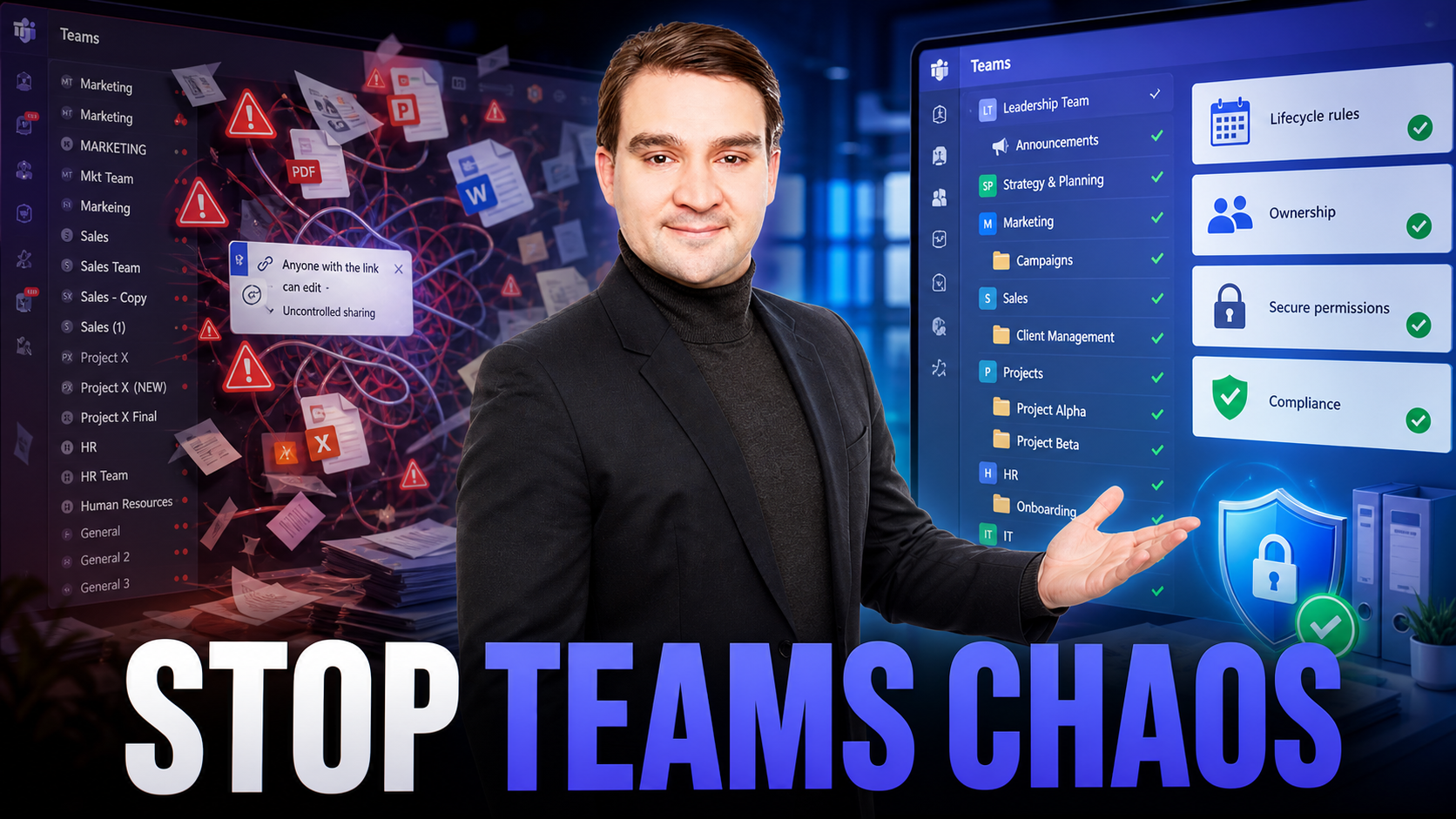
Welcome back to the podcast companion blog! In today's digital workplace, platforms like Microsoft Teams have become the heartbeat of daily operations. However, without a structured approach to managing these environments, organizations quickly find themselves swimming in digital disarray. If you have ever wondered why projects stall, sensitive files go missing, or collaboration feels like an uphill battle, the root cause often traces back to a single missing puzzle piece: a robust governance framework.
In this post, we are going to dive deep into the hidden risks of neglecting Microsoft Teams governance, explore the core elements of a healthy framework, and look at actionable strategies to turn your collaboration workspace into a well-oiled machine. For an even deeper dive into this topic, make sure to check out our related podcast episode, Improve Collaboration with Microsoft Teams Governance.
The Hidden Power of Teams Governance
What Is Teams Governance?
Teams governance refers to the structured framework that ensures collaboration tools, such as Microsoft Teams, operate efficiently and securely. It involves defining roles, responsibilities, and policies to manage team creation, data sharing, and communication protocols. By implementing governance, you create an environment where teams can collaborate effectively while maintaining control over sensitive information.
Key components of teams governance include:
- Customer: Managing user access and ensuring data privacy for individuals or organizations using your services.
- Product: Establishing guidelines for how tools and features are utilized within teams.
- Employee: Defining roles, compensation structures, and HR policies to align with organizational goals.
- Sales: Monitoring transactions and revenue-generating activities to ensure compliance with company policies.
Governance also involves a clear process for managing terms and policies. Users or data stewards submit terms for review, subject matter experts evaluate the submissions, the glossary owner approves the terms, and finally, approved terms are published in the business glossary for organizational use. This structured approach ensures that every team operates within a defined framework, reducing confusion and enhancing productivity.
Why Governance Is Essential in Modern Workplaces
In today’s fast-paced work environment, governance plays a critical role in maintaining order and efficiency. Without it, teams often face challenges such as miscommunication, data breaches, and inefficiencies. A well-governed system ensures that your organization remains compliant with regulations, protects sensitive data, and fosters a culture of accountability.
Experts agree that governance frameworks significantly influence organizational culture. For example, transparency in decision-making improves trust among team members, ethical responsibility enhances the legitimacy of leadership, and clear evaluation and reward systems boost employee morale and engagement. Consider the success stories of companies like Sodexo, Microsoft, and Heineken. These examples highlight how governance can drive measurable success by aligning teams with organizational objectives.
Risks of Neglecting Teams Governance
Neglecting governance can lead to significant risks that hinder collaboration and productivity. Without a structured framework, you may encounter team sprawl, which is the uncontrolled creation of teams leading to confusion and inefficiency. You also face severe data breaches due to unauthorized access to sensitive information from poor access controls, as well as compliance violations resulting from a failure to meet regulatory requirements, which in turn leads to financial penalties and reputational damage.
For instance, unmanaged guest access in Microsoft Teams can expose your organization to compliance risks. This lack of control may lead to violations of regulations like GDPR or HIPAA, potentially costing millions in fines. Additionally, abandoned or ownerless teams can clutter your workspace, making it difficult to locate critical information and reducing overall productivity. By prioritizing governance, you mitigate these risks and create a secure, efficient environment where teams can thrive.
Key Elements of Effective Teams Governance
Defining Roles and Responsibilities
Clear roles and responsibilities form the backbone of effective teams governance. When everyone knows their duties, collaboration becomes seamless. You can start by assigning specific roles, such as team owners, members, and guests. Team owners manage permissions, oversee team settings, and ensure compliance with governance policies. Members contribute to discussions and projects, while guests have limited access to maintain security.
To avoid confusion, document these roles in a centralized location. A shared file or a governance handbook works well. This ensures everyone understands their responsibilities and reduces the risk of overlapping tasks. Regularly review and update these roles to reflect changes in team dynamics or organizational goals.
Establishing Communication Protocols
Effective communication protocols prevent misunderstandings and keep teams aligned. Define how and where team members should communicate. For example, you might designate Microsoft Teams channels for project discussions and email for formal updates. Set expectations for response times and message formats. For instance, urgent issues could require a reply within an hour, while non-urgent matters might allow a 24-hour window. Encourage the use of @mentions to direct messages to specific individuals, ensuring no critical information gets overlooked.
Decision-Making Frameworks
A robust decision-making framework empowers teams to act decisively. Start by defining who has the authority to make decisions in different scenarios. For instance, team owners might handle operational choices, while strategic decisions require input from leadership. Use tools like voting polls or decision matrices to streamline the process. These tools help you evaluate options objectively and reach consensus faster. Document decisions in a shared space to maintain transparency and accountability.
Conflict Resolution and Accountability Policies
Conflicts are inevitable when teams collaborate. However, resolving them effectively strengthens relationships and improves productivity. You need clear policies to address disputes and ensure accountability within your teams.
Steps for Resolving Conflicts
A structured approach to conflict resolution helps teams move forward without lingering tension. Follow these steps to create a resolution framework:
- Identify the Issue: Encourage team members to share their perspectives openly. Focus on understanding the root cause of the disagreement.
- Facilitate Dialogue: Use neutral language to mediate discussions. Avoid assigning blame and prioritize finding common ground.
- Agree on Solutions: Collaborate to develop actionable solutions. Ensure all parties commit to the agreed-upon steps.
- Document Outcomes: Record resolutions in a shared space. This promotes transparency and prevents future misunderstandings.
Tip: Train team leaders in conflict resolution techniques. Skilled mediators can defuse tensions quickly and maintain harmony.
Accountability Policies
Accountability ensures that every team member takes ownership of their actions. Without it, conflicts may escalate or remain unresolved. You can implement accountability policies by setting clear expectations, tracking progress with task trackers or dashboards, and enforcing fair consequences for failing to meet expectations.
How Teams Governance Enhances Collaboration
Building Trust and Transparency
Trust and transparency are the cornerstones of effective collaboration. When team members feel informed and valued, they engage more deeply with their work. Teams governance plays a vital role in fostering this environment by promoting open communication and clear policies. For example, Coca-Cola's transparency initiative during a crisis improved employee engagement and operational efficiency. Similarly, Unilever's focus on supply chain transparency increased consumer trust and drove faster sales growth.
Streamlining Cross-Functional Collaboration
Cross-functional collaboration eliminates silos and encourages departments to work toward shared goals. Teams governance provides the structure needed to streamline this process. By defining roles, responsibilities, and workflows, you create a system where teams can collaborate efficiently. A Deloitte survey found that 83% of digitally advanced companies use cross-functional teams to stay competitive and agile. Online collaboration tools further enhance this process, with approximately 56% of employers leveraging them to improve communication and productivity.
Fostering a Culture of Accountability
Accountability transforms teams into cohesive units. When members take ownership of their actions, collaboration improves naturally. Teams governance supports this by establishing clear expectations and tracking progress. By implementing governance policies that emphasize accountability, you empower your teams to rely on each other and achieve better outcomes.
Strategies to Harness the Hidden Power of Teams Governance
Leveraging Technology for Governance
Technology plays a pivotal role in strengthening teams governance. By adopting advanced tools and frameworks, you can streamline processes, enhance collaboration, and ensure compliance. However, the success of technology integration depends on how effectively you implement it. Involve end-users in decision-making, provide comprehensive training, focus on user-centric design, and implement pilot programs before full-scale deployment.
Promoting Accountability and Transparency
Accountability and transparency are essential for effective governance. They build trust, enable informed decision-making, and prevent inefficiencies. To promote these values, use open data platforms to make information accessible, implement real-time monitoring systems, and establish clear policies for tracking progress.
Providing Training for Team Leaders
Team leaders play a critical role in implementing governance. Their ability to guide, mediate, and inspire directly impacts team performance. Providing targeted training ensures they have the skills needed to uphold governance principles and drive collaboration. Programs like The Leadership Challenge have successfully developed over 1.65 million leaders by emphasizing transformational leadership and proactive behaviors.
Regularly Reviewing Governance Policies
Regularly reviewing governance policies ensures your teams remain aligned with organizational goals and adapt to evolving challenges. Policies that worked last year may no longer address current needs. Set a schedule (such as quarterly or annual reviews), gather input, analyze data, update policies accordingly, and communicate changes clearly across the organization.
FAQ
What is the main purpose of Teams governance?
Teams governance ensures your collaboration tools operate securely and efficiently. It defines roles, policies, and processes to manage team creation, data sharing, and communication. This structure helps you maintain order, protect sensitive information, and align team activities with organizational goals.
How does Teams governance improve collaboration?
Governance creates clear guidelines for communication, decision-making, and accountability. These guidelines reduce confusion and foster trust among team members. By streamlining workflows and ensuring everyone understands their responsibilities, you can enhance teamwork and achieve better results.
What are the risks of not implementing Teams governance?
Without governance, you risk team sprawl, data breaches, and compliance violations. Uncontrolled team creation leads to inefficiency, while poor access controls expose sensitive data. Neglecting governance can also result in regulatory fines and damage your organization’s reputation.
How often should you review governance policies?
You should review governance policies quarterly or annually. Regular reviews help you adapt to changes in technology, regulations, or team dynamics, ensuring your policies remain effective and aligned with your organization’s goals.
Can technology simplify Teams governance?
Yes, technology can streamline governance. Tools like Power BI, Microsoft Graph API, and SharePoint help you monitor metrics, automate processes, and maintain compliance. By leveraging these tools, you can save time and improve the efficiency of your governance framework.
Teams governance holds the hidden power to transform how your organization collaborates and achieves success. By implementing clear structures, you protect sensitive information and ensure compliance with regulations like GDPR and HIPAA. Governance streamlines workflows, reducing confusion and boosting productivity. It also fosters accountability, helping teams align with organizational goals. Start prioritizing governance today to unlock your team’s full potential and drive measurable, long-term success. To explore this topic further, don't forget to listen to our podcast episode: Improve Collaboration with Microsoft Teams Governance.

Microsoft MVP | Host of M365.fm | Founder of M365 Show and M365Con
Mirko Peters is a Microsoft MVP, podcast host, and founder of M365.fm, M365 Show, and M365Con. His work connects Microsoft practitioners through podcast interviews, livestreams, and community events.
At M365.fm, Mirko hosts conversations with Microsoft MVPs, product experts, architects, and community contributors. Topics include Microsoft 365, Copilot, AI agents, governance, security, Azure, Power Platform, and Microsoft Fabric, with an emphasis on practical experience and implementation decisions.
M365.fm is the podcast and learning platform. M365 Show brings experts together for livestreams, while M365Con provides an online conference setting for community learning.
Official website: Mirko Peters (https://www.mirkopeters.com/). Recognition: Mirko Peters — Microsoft MVP profile (https://mvp.microsoft.com/de-DE/mvp/profile/9b0ca797-db5a-493a-a845-8b9158046cf5). Connect on LinkedIn (https://www.linkedin.com/in/m365showpodcast/).





