B2C Vs B2B Identity Guide
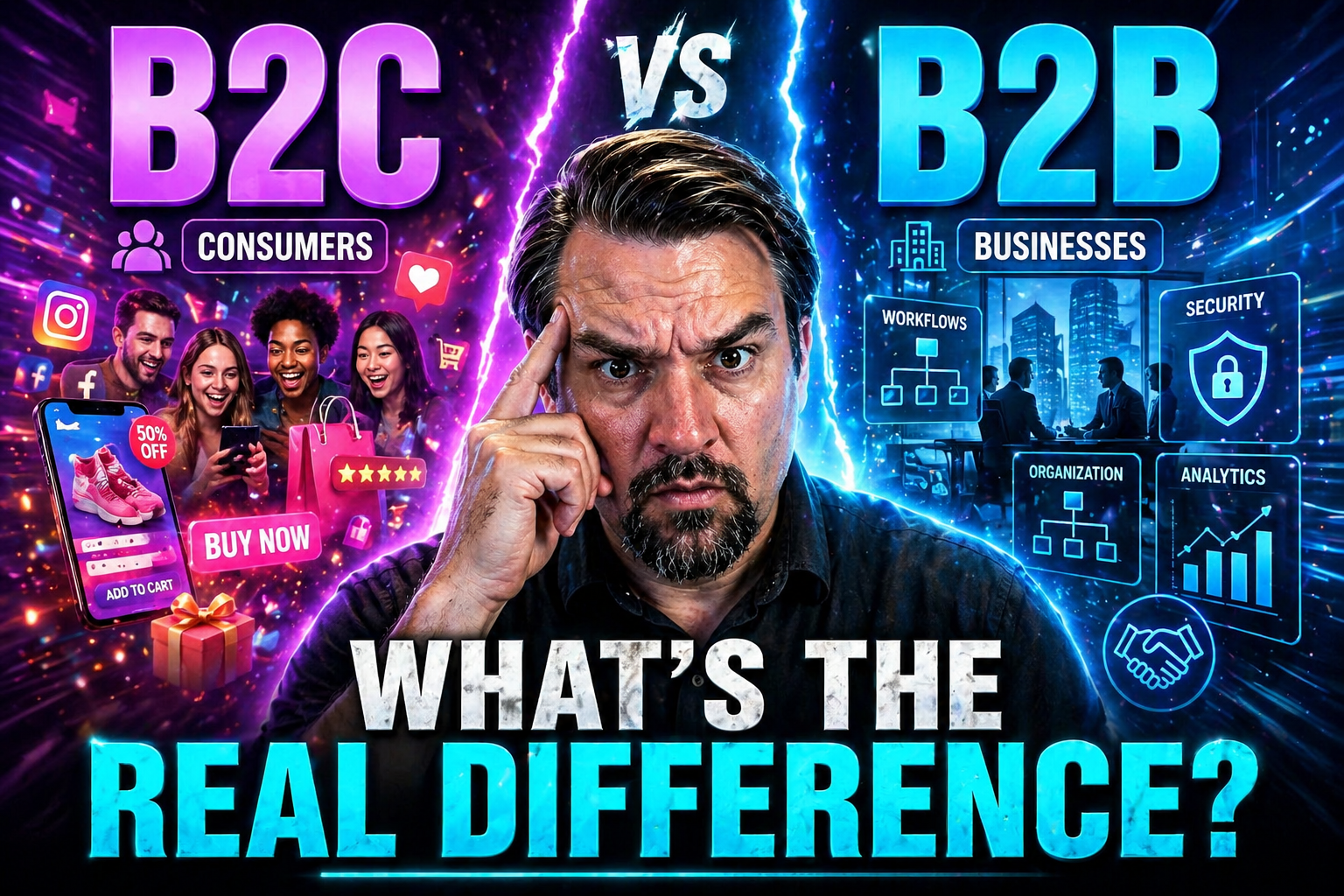
If you’re working in tech or the SaaS space, knowing the difference between B2B (business-to-business) and B2C (business-to-consumer) isn’t just a buzzword game—it’s foundational. These two models shape how companies market, sell, and even build their products, especially in the Microsoft and cloud ecosystem. Whether you’re targeting large enterprises or everyday shoppers, the path you choose impacts your entire strategy—from the tech stack you adopt (think security, platforms like Entra ID, and integration) to the ways you’ll need to address compliance and customer expectations.
Throughout this guide, you’ll get to grips with how B2B and B2C models differ in real-world operations. We’ll tackle strategic points that too many overlook: from the nitty-gritty of pricing to customer relationship management, sales cycles, and even the regulatory headaches (or lack thereof) unique to each model. By the end, you’ll have a clear roadmap to align your business with your core audience—and avoid falling into the one-size-fits-all trap.
Understanding B2B and B2C: Core Definitions and Business Models
Before diving into tactics and strategies, it pays to start with the basics: what exactly makes B2B and B2C models tick? While they might sound like fancy abbreviations, these business types are fundamentally different in how they operate, who they serve, and what drives their growth.
This section is all about context—unpacking the high-level distinctions that ripple out into every decision, from product development to marketing channel selection. You’ll see how each model’s unique audience and value proposition set the stage for different approaches, risks, and rewards. With these foundations clear, every choice you make down the line gets a whole lot easier to frame, measure, and adapt.
What Is B2B? What Is B2C? Definitions and Business Model Basics
B2B stands for “business-to-business.” Simply put, B2B companies sell products or services directly to other businesses rather than to the general public. Think cloud software vendors, cybersecurity firms, or bulk office supply chains. Their customers are companies—everything from start-ups and mid-size firms to massive enterprises or even governments. B2B sales cycles tend to be longer and more complex, often involving proposals, demos, and several rounds of negotiation.
B2C, or “business-to-consumer,” describes businesses selling directly to individual consumers. Examples are everywhere: retail stores, streaming services, mobile app makers, and e-commerce platforms. B2C brands focus on fast transactions, wide reach, and the kind of marketing that grabs everyday shoppers’ attention right now, not three quarters from now. The B2C world thrives on clear pricing, simple checkout flows, and products people can buy without committee approval.
Both models exist in traditional settings—like auto manufacturers (B2B, selling to dealerships) or big-box retailers (B2C, selling to you and me)—and in digital-first markets. For example, Microsoft Azure offers B2B cloud services to organizations needing infrastructure, while Xbox and Microsoft Office 365 Home are B2C plays aiming at families and solo users.
Recognizing these differences upfront is critical. It influences not just what your business offers, but how you communicate, how long you wait for a sale, and what kind of growth you can expect depending on your core audience.
Core Client Differences: B2B Focus vs B2C Customers
The backbone of the difference between B2B and B2C models is who’s pulling out their wallet. B2B firms target organizations—think companies, agencies, nonprofits—each with their own unique requirements and often multiple decision-makers. This means sales rarely happen instantly and usually involve tailored solutions, ongoing support deals, or big-picture ROI arguments.
B2C brands, on the other hand, lock in on individual consumers. Their strategy revolves around serving as many people as possible, typically using broad-reaching marketing and an emphasis on user experience. Because B2C deals with a larger number of less complex sales, personalized pitches matter less than capturing attention at scale. Understanding your core client focus is vital—otherwise, you might end up trying to sell enterprise software with a “buy now” button or run social giveaways for a product only CFOs will ever buy.
B2B Versus B2C Marketing: Strategies and Tactics
Marketing isn’t one-size-fits-all, especially when you compare B2B and B2C. Each arena comes with its own set of rules, channel preferences, and campaign tactics tailored to the needs and behaviors of their respective audiences. You’ll find everything from highly-targeted content strategies to splashy influencer partnerships, depending on which side you’re on.
As we peel back the layers, you’ll see how these distinct priorities shape everything—voice, platforms, even the length and complexity of marketing efforts. If you’re looking to maximize visibility and demand generation, it’s crucial to match your approach to your customer type. This next section lays out what drives success in each camp, so you can plot your next move with confidence.
Comparing B2B and B2C Marketing Approaches
B2B marketing is all about expertise and trust. You’ll often see a focus on logical arguments, tangible ROI, and long-term solutions—think whitepapers, case studies, and detailed webinars. Formal tone and precise language set the scene, because B2B buyers want proof: How will your product make their business better or make their life easier at work?
Campaigns in the B2B world usually last longer, since customers take their time, consult with teams, and need reassurance at every step. Relationship building takes center stage, with account reps or customer success managers helping guide the journey and tailor the pitch to fit the client’s exact needs.
Meanwhile, B2C marketing is geared for speed and emotional appeal. B2C marketers go for vibrant imagery, catchy slogans, and messaging that hits you right in the feelings—urgency, FOMO, fun. Social media is a top channel, as is influencer marketing, because getting consumers to act quickly often means making a strong, memorable impression.
Their campaigns are typically short and punchy. Instead of nurturing relationships over months, B2C brands aim to prompt quick decisions—think flash sales, viral ad campaigns, and personalized product recommendations. In short: B2B wins by building credibility and value, while B2C wins by making people feel something and buy on the spot.
Webinars, Influencer Marketing, and Campaign Tactics by Model
- B2B Tactics:Webinars and Thought Leadership: B2B thrives on webinars, in-depth product demos, and content like whitepapers. These tools build authority, answer technical questions, and position your brand as an industry leader. Webinars allow for live interaction and Q&A, nurturing leads and helping sales teams qualify prospects.
- Account-Based Marketing: Instead of casting a wide net, many B2B marketers focus on high-value accounts with personalized campaigns and direct outreach. This could mean tailored email sequences, custom landing pages, or even exclusive events.
- Demand Generation: Case studies, industry research, and long-form blog content create demand by educating buyers and helping them build a business case internally. This content is crucial for big-ticket purchases with multiple stakeholders involved.
- B2C Tactics:Influencer Marketing: B2C brands partner with influencers to reach consumers where they spend time. These campaigns are fast, highly visual, and scalable, thanks to the reach and personality of the influencer.
- Social Media Campaigns: Attention-grabbing ads, contests, and trends on platforms like Instagram or TikTok drive engagement and encourage quick purchases. The focus is on virality, not deep education.
- Emotional Storytelling: B2C marketers use powerful imagery and storytelling to build brand love. Campaigns are often designed to be shareable and evoke responses—humor, nostalgia, inspiration.
Across both models, content remains king. But where B2B content nurtures leads over weeks or months, B2C campaigns are all about instant connection. Pick your tactics based on audience and expected buying behavior, and you’ll get the right mix of trust-building and excitement.
Sales Cycles, Decision-Making, and the Customer Journey
If you want to know why some deals take months while others close in minutes, look at the heart of the sales process and path to purchase. B2B and B2C models differ sharply in how purchasing decisions are made, how long they take, and how complex each step along the journey truly is.
This section tees up a closer look at the nuts and bolts of sales cycles, nurturing, and the decision-making maze in each business model. Expect to uncover not just the “what,” but the important “why”—helping you plan engagement, anticipate obstacles, and design smooth journeys for your core audience.
Cycle Length and Nurturing in B2B vs B2C Sales
B2B sales cycles are often long and winding, not because folks are slow, but because decisions usually involve multiple people, larger budgets, and tailored solutions. You might have repeated meetings, demonstrations, security reviews, and months of email threads before contracts are signed. Qualified leads are nurtured patiently through personalized content and ongoing support.
B2C, in contrast, is about speed and simplicity. Most B2C sales happen fast—sometimes in just a couple of minutes or clicks. Nurturing is mostly automated: think abandoned cart emails or product recommendations. The focus is on removing friction and making it ridiculously easy to say “yes” on impulse.
Path to Purchase and Decision-Making Complexity
The difference in who makes the buying decision is massive. In B2B, you have committees, procurement teams, and often C-level sign-off. Each step comes with formal processes, like RFQs, vendor vetting, and approval stages, making the path to purchase more complex and drawn out. Platforms must accommodate features for multi-user approvals and detailed procurement workflows.
With B2C, the journey is far more direct: one shopper, one decision, and minimal barriers to complete a purchase. That’s why user experience, fast checkouts, and compelling visuals matter most here. It’s all about empowering the individual to make a call—and do it quickly—without the noise and negotiation typical in B2B.
Customer Engagement and Relationship Building in B2B and B2C
When it comes to building customer loyalty, B2B and B2C models march to completely different beats. The ways companies interact with clients, manage service, and encourage repeat business are tailored to either a few large business accounts or many individual shoppers.
This section will explore the unique methods for ongoing engagement, from personalized service in B2B to scalable loyalty tactics in B2C. You’ll see how Microsoft-centric technologies—like using Entra ID for smooth, secure onboarding—help shape different customer experiences across each landscape.
Customer Engagement and Service Approaches
B2B customer engagement takes a personal, hands-on approach. Account managers build relationships, run customer onboarding sessions, and offer ongoing support that’s tuned to the specific business’s needs. This means a lot of attention to detail—everything from negotiating contracts to monitoring usage patterns for VIP clients.
Technologies like Microsoft Entra ID play a big role in this space. For example, Entra ID makes onboarding business clients smoother and more secure, integrating with things like conditional access and advanced identity governance. Strong identity management is essential when onboarding multiple business users and managing complex permissions—without it, account sprawl and “identity debt” can become real risks, threatening both security and customer satisfaction.
B2C, meanwhile, is about scale and convenience. Customer service needs to be fast, frictionless, and—ideally—so seamless that most shoppers never interact with support at all. Self-service portals, automated chatbots, and easy returns are staples. The goal is to maximize satisfaction for the masses, with a UX that’s intuitive no matter who clicks “buy.”
Brand Loyalty Programs and Emotional Drivers
B2C brands chase brand love with emotional drivers and loyalty programs: think points for every cup of coffee, members-only perks, or even just the fuzzy feeling you get from a killer unboxing experience. These programs encourage repeat purchases and turn regular folks into brand ambassadors through emotional connections and clever reward mechanics.
B2B loyalty takes a different road. Here, loyalty is built over time through trust, proven value, and partnership. Deals may be larger and less frequent, but keeping an enterprise customer on board can mean ongoing contracts that last years. Words like “relationship management” and “trusted advisor” get thrown around for a reason—B2B is all about becoming indispensable by delivering consistently and adapting as your client grows or needs change.
What Companies Offer: B2B and B2C Products and Services
Let’s peek under the hood at what businesses in each camp actually sell. The product and service mix of B2B versus B2C companies isn’t just a catalog choice—it reflects their core markets, scale requirements, and the very problems they aim to solve.
You’ll see examples that run the gamut—from SaaS and cloud, to retail goods and downloadable apps. We’ll set the stage so you can quickly spot whether a company’s offerings best fit organizations, everyday shoppers, or both. Real-world examples are coming up for that extra bit of clarity.
Products and Services Typical of B2B and B2C Companies
- B2B Software Suites: Tools like Microsoft 365 or Salesforce, designed to support collaboration, analytics, and secure communication at scale for organizations.
- Security & Compliance Solutions: Enterprise-grade security platforms, including advanced identity management (like Entra ID), that help businesses protect data and meet regulatory demands.
- Managed IT Services: Cloud infrastructure, consulting, and integration support tailored for business requirements, emphasizing uptime, compliance, and integration with other business systems.
- Consumer Electronics (B2C): Smartphones, game consoles (e.g., Xbox), and smart home gadgets sold directly to end users, focusing on usability, design, and lifestyle fit.
- Digital Apps & Services (B2C): Streaming platforms, mobile apps, and personal productivity tools tailored to individuals, with easy onboarding and one-click purchases.
Examples of B2B and B2C Companies in the Real World
- Microsoft (B2B & B2C): Sells Azure cloud solutions, Microsoft 365, and enterprise security to businesses—while also offering consumer products like Surface tablets, Xbox, and Windows for home users. The company’s marketing and service split reflects the unique needs of each audience.
- Salesforce (B2B): This company is a classic B2B example, offering CRM platforms, analytics, and automation tools to support business growth and sales teams across industries.
- Apple (B2C): Markets iPhones, Macs, and Apple Music to consumers around the globe. Their product design, brand, and retail experiences are built for scale and mass-market appeal.
- Amazon (B2C & B2B): While best known for retail, Amazon also plays in B2B with AWS (cloud services for enterprises), wholesale business supply, and B2B marketplaces. Its strategies differ depending on whether it’s courting businesses or individual shoppers.
- Slack (B2B): Slack delivers a messaging platform built for team collaboration. While individuals can sign up, its primary customer is the business seeking streamlined internal communication.
These examples reveal a spectrum—some companies blend B2B and B2C, but the majority focus wholeheartedly on one or the other, customizing every product, engagement, and support effort to their chosen model.
Pricing Strategies and Revenue Models in B2B versus B2C
Now, let’s talk dollars and sense (and cents!). How a business prices its products or services can make or break profitability, retention, and customer acquisition. For B2B and B2C, the structure of pricing, contract terms, and revenue generation couldn’t look more different.
This section kicks off a deeper dive into negotiated versus fixed pricing, tiered or impulse models, and the strategic choices tech and SaaS businesses face. Pay close attention—understanding these distinctions helps when it’s time to scale or pivot your business model for lasting success.
Negotiated Pricing Models Versus Fixed Pricing in B2B and B2C
B2B purchases are rarely “one price fits all.” Deals often involve custom quotes, volume discounts, and multi-year contracts—especially for enterprise software or cloud services. Buyers expect to negotiate, weighing value, scale, and support to get a tailored arrangement. These negotiations also influence messaging, sales enablement, and even the design of e-commerce and procurement platforms.
On the B2C side, pricing is fixed and transparent. Shoppers want to know the price upfront, with little tolerance for haggling or hidden fees. SaaS products targeting consumers (like Microsoft 365 Personal) publish clear prices online, with quick checkout and impulse buying at the core. Knowing which model you’re selling into keeps pricing clear, competitive, and aligned with expectations.
Subscription, Tiered, and Impulse Models: SaaS Revenue by Market
B2B SaaS usually goes for annual or multi-year contracts, seat-based pricing, or enterprise volume discounts. These approaches give businesses predictable costs and access to premium support, while the seller locks in long-term, recurring revenue. Tiered pricing lets buyers select the scale of features or usage that fits their needs.
B2C SaaS, by contrast, leans into freemium, monthly plans, or “unlock more features” upgrades—targeting broad markets and encouraging quick, lower-commitment signups. Some even run impulse-driven discounts to convert more users overnight. Structuring your plans around the buying behaviors and budgets of your core market is vital for maximizing retention and scaling growth.
Strategic Takeaways: Refining Strategies and Choosing the Right Model
By now, you’ve seen how choosing between B2B and B2C isn’t just about who buys your offerings; it shapes every move you make. From the tone of your marketing to the design of your e-commerce platform and the contracts you write, your business model acts as your north star.
This final section ties together the actionable insights. Whether you’re launching a SaaS platform, selling managed services, or doubling down on consumer tech, understanding these nuances lets you invest smarter, engage customers more effectively, and stay ahead in the ever-evolving Microsoft ecosystem. Look for resources and expert content tailored to the unique security and compliance realities of your chosen model, like crafting smart controls for Entra ID or navigating OAuth consent risks in Microsoft 365 and Azure—check out this deep dive on Entra ID OAuth consent attacks for security-minded readers.
Conclusion: Adapting Your Business Strategy for Success
The core differences between B2B and B2C aren’t just definitions—they’re strategic levers that shape everything from sales cycles to digital experience. Identifying your true business model early enables you to align your marketing, compliance, technology investments, and customer engagement for real-world impact.
Success comes from playing to the strengths of your model and adapting best practices from market leaders. Dive deeper into Microsoft-specific guidance, especially around cloud identity and SaaS security, to bolster your operations and protect your brand. In a world where every detail matters—from onboarding new users to locking down data—being clear on B2B vs B2C sets the foundation for sustainable growth and resilience.
You Should Also Listen To
If you are researching B2C vs B2B identity, these episodes add practical context on architecture, security, governance, and implementation:
- Microsoft AI Agent Harness – Simply Explained — Understand orchestration, guardrails, evaluation, and reliable AI workflows.
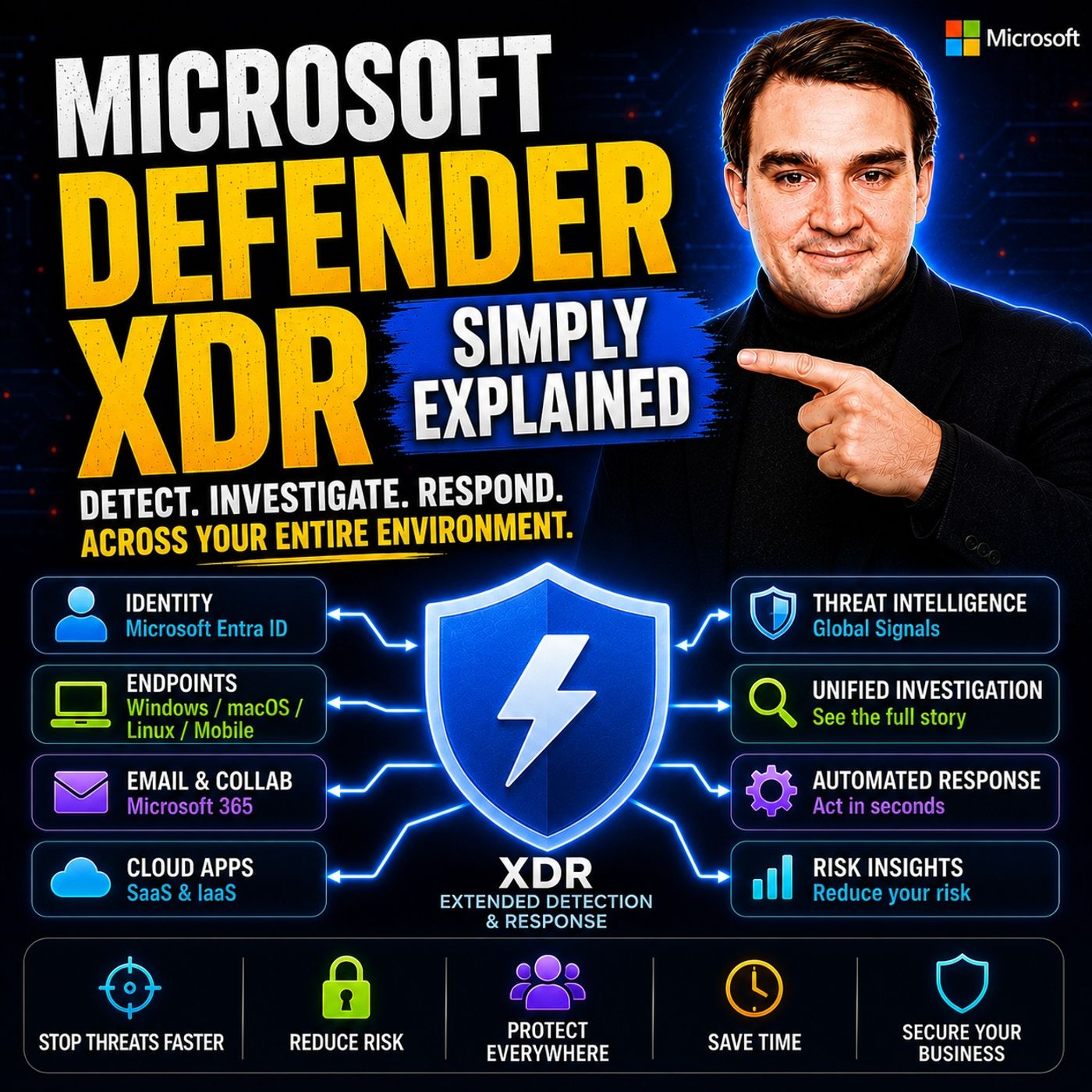
- Microsoft Defender XDR – Simply Explained — Connect identity and AI decisions with security monitoring and response.
- Microsoft Teams Governance – The Illusion of Control — Learn how governance, ownership, and policy reduce operational risk.
- Azure Virtual Network – Simply Explained — Understand the architecture context behind cloud connectivity.

Microsoft MVP | Host of M365.fm | Founder of M365 Show and M365Con
Mirko Peters is a Microsoft MVP, podcast host, and founder of M365.fm, M365 Show, and M365Con. His work connects Microsoft practitioners through podcast interviews, livestreams, and community events.
At M365.fm, Mirko hosts conversations with Microsoft MVPs, product experts, architects, and community contributors. Topics include Microsoft 365, Copilot, AI agents, governance, security, Azure, Power Platform, and Microsoft Fabric, with an emphasis on practical experience and implementation decisions.
M365.fm is the podcast and learning platform. M365 Show brings experts together for livestreams, while M365Con provides an online conference setting for community learning.
Official website: Mirko Peters (https://www.mirkopeters.com/). Recognition: Mirko Peters — Microsoft MVP profile (https://mvp.microsoft.com/de-DE/mvp/profile/9b0ca797-db5a-493a-a845-8b9158046cf5). Connect on LinkedIn (https://www.linkedin.com/in/m365showpodcast/).