

Your guide to navigating the Microsoft Azure universe.
We discuss cloud architecture, compute services, storage, AI, DevOps tools, security best practices, and real-world cloud strategies.
This category helps you understand how Azure evolves and how you can use it to build faster, safer, and more scalable solutions.
We discuss cloud architecture, compute services, storage, AI, DevOps tools, security best practices, and real-world cloud strategies.
This category helps you understand how Azure evolves and how you can use it to build faster, safer, and more scalable solutions.

Sept. 15, 2026
Migrating Microsoft Access Data to the Cloud: Modernize Your Legacy Apps with M365 and Azure
Welcome back to the podcast companion blog! In our recent episode, we tackled one of the most common and persistent challenges facing growing businesses today: what to do with aging Microsoft Access databases. If your organization is anything like t…

Aug. 11, 2026
IOPS vs. Throughput: Choosing the Right Performance Metrics for Your Database
When architects and database administrators set out to design a high-performing infrastructure for heavy workloads like SQL Server, they are often met with a barrage of technical acronyms and storage specifications. Among the most critical, yet freq…
May 25, 2026
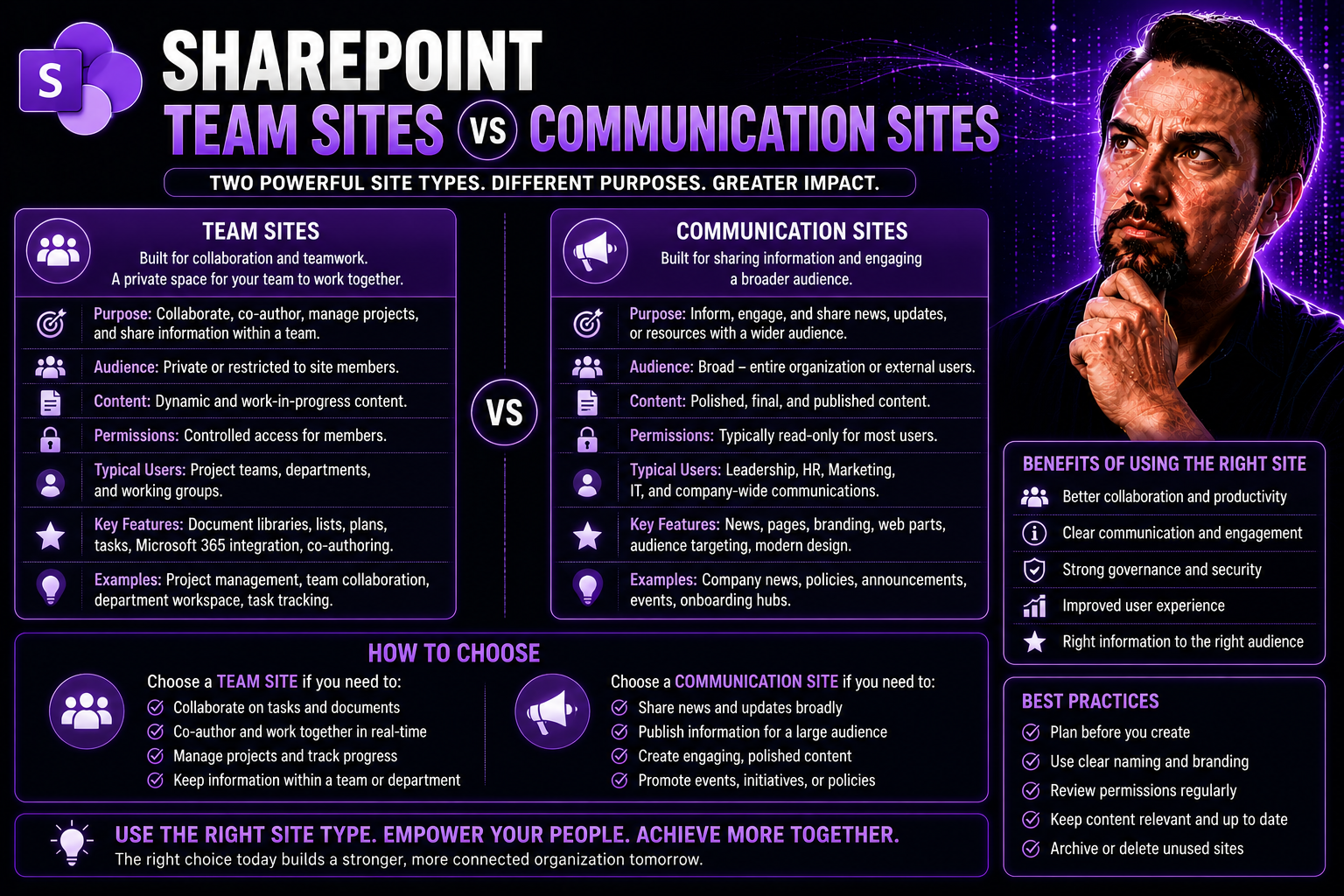
Team Sites vs Communication Sites in SharePoint: What to Know Before You Choose
If you’re weighing SharePoint Team Sites against Communication Sites, you’re in the right spot. Choosing between the two isn’t just a checkbox for the IT folks—it influences who can share, collaborate, or simply find what they need in your Microsoft…
May 21, 2026
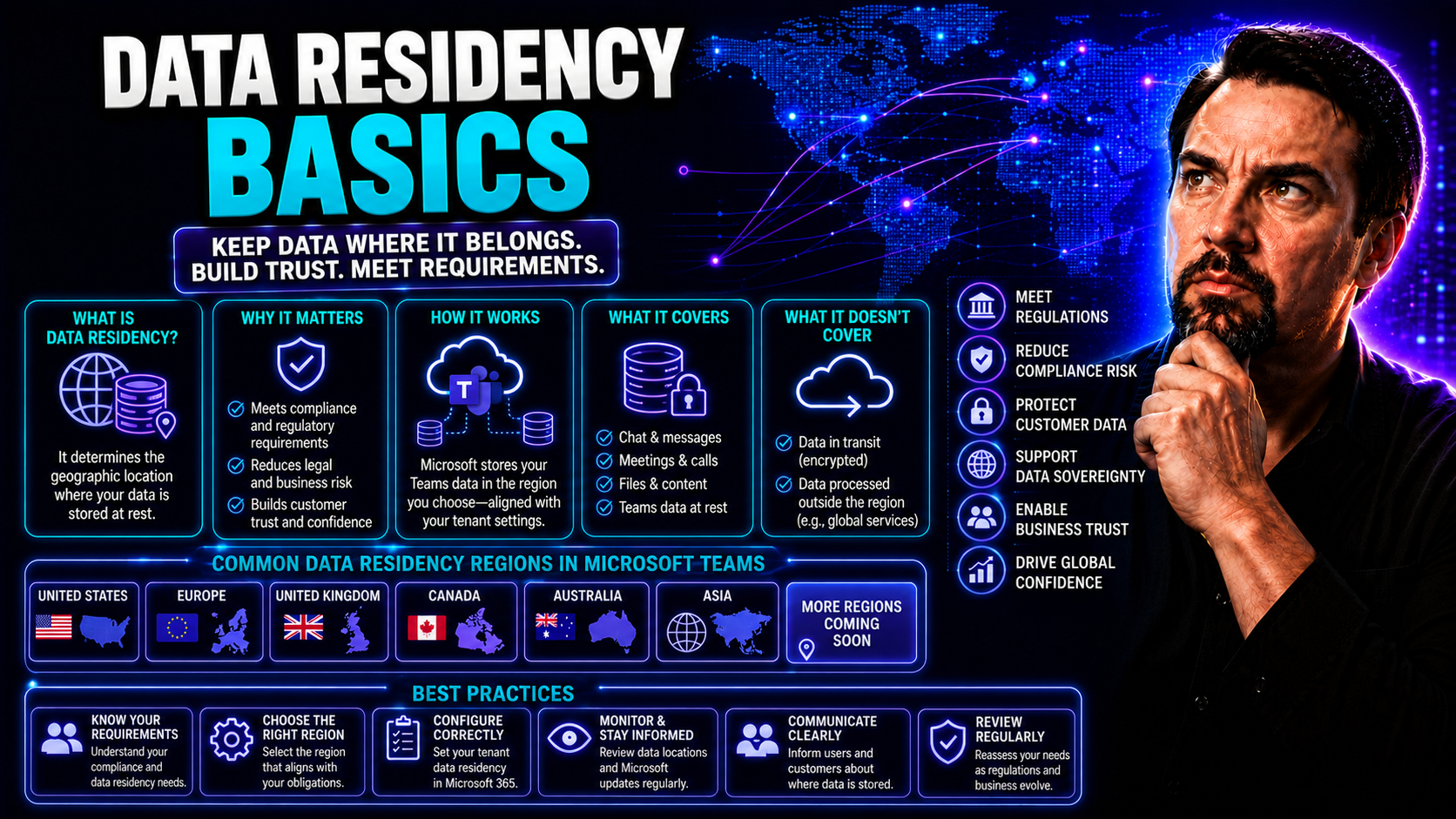
Data Residency Basics: What Every Microsoft Teams Administrator Needs to Know
Data residency isn’t just a buzzword—it’s the rules of the game when you’re running Microsoft Teams or SharePoint in today’s cloud-first world. As organizations move more conversations, files, and business secrets online, questions about where that …
May 19, 2026
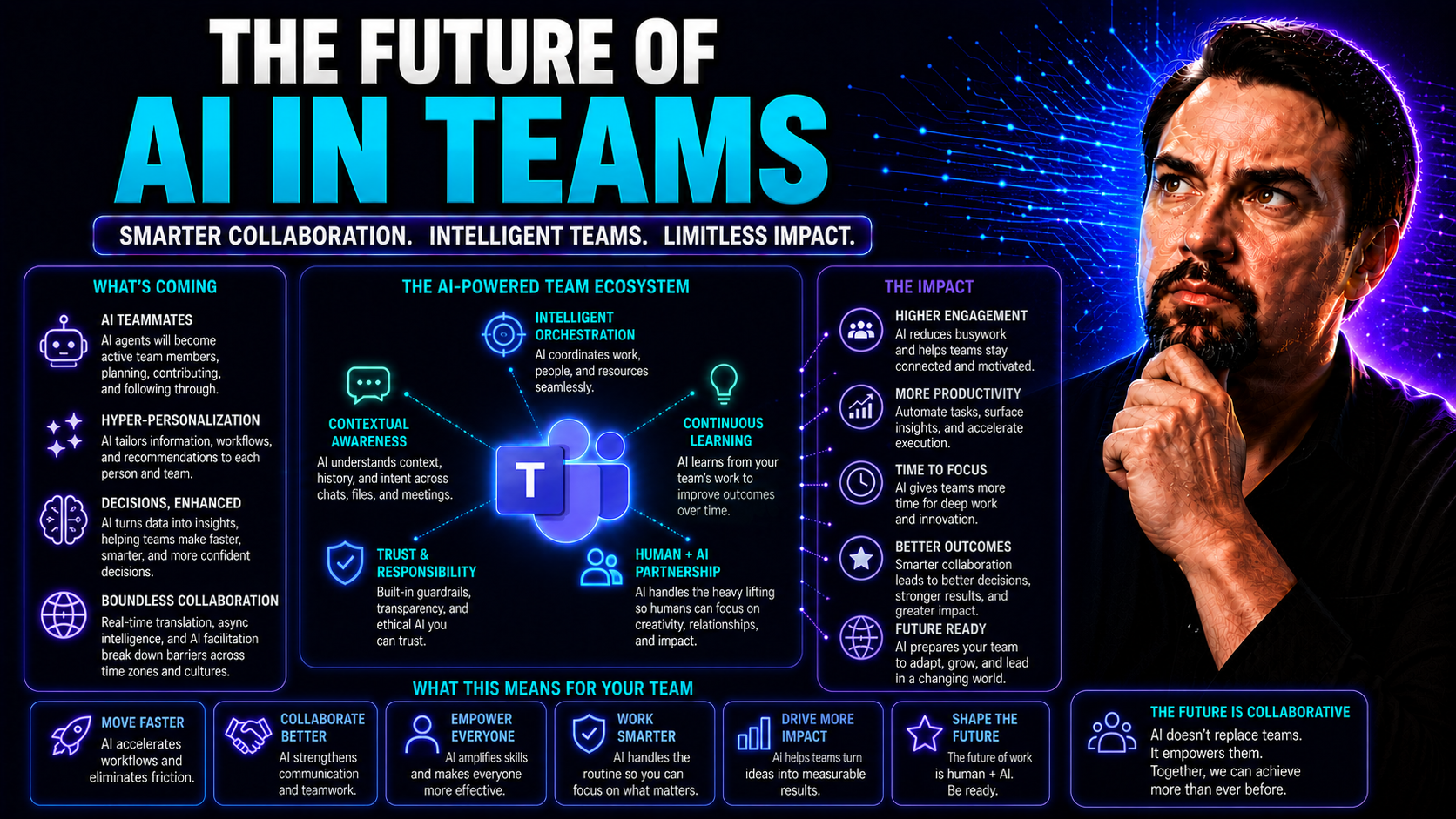
The Future of AI in Teams: Transforming Collaboration and Productivity
Artificial intelligence isn't just a buzzword—it's quickly becoming the backbone of how teams collaborate, solve problems, and make decisions. Especially inside platforms like Microsoft Teams, AI-driven tools are turning ordinary meetings and chats …
May 4, 2026
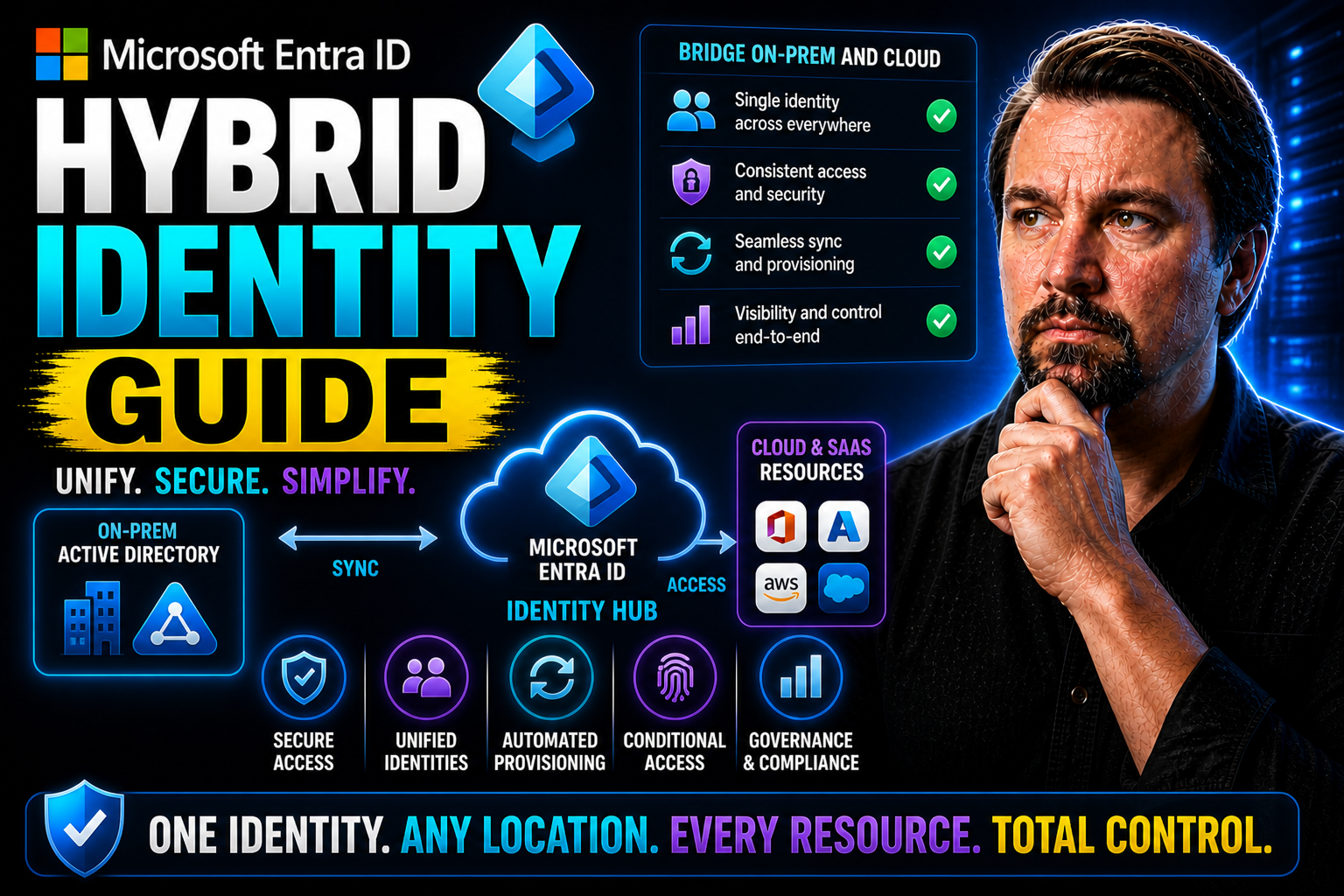
Hybrid Identity Guide for Microsoft Entra and On-Premises AD
Hybrid identity is one of those topics that’s only gotten more important as businesses blend old-school on-premises setups with next-generation cloud solutions. This guide lays it all out—whether you’re running things with familiar Active Directory …
May 4, 2026
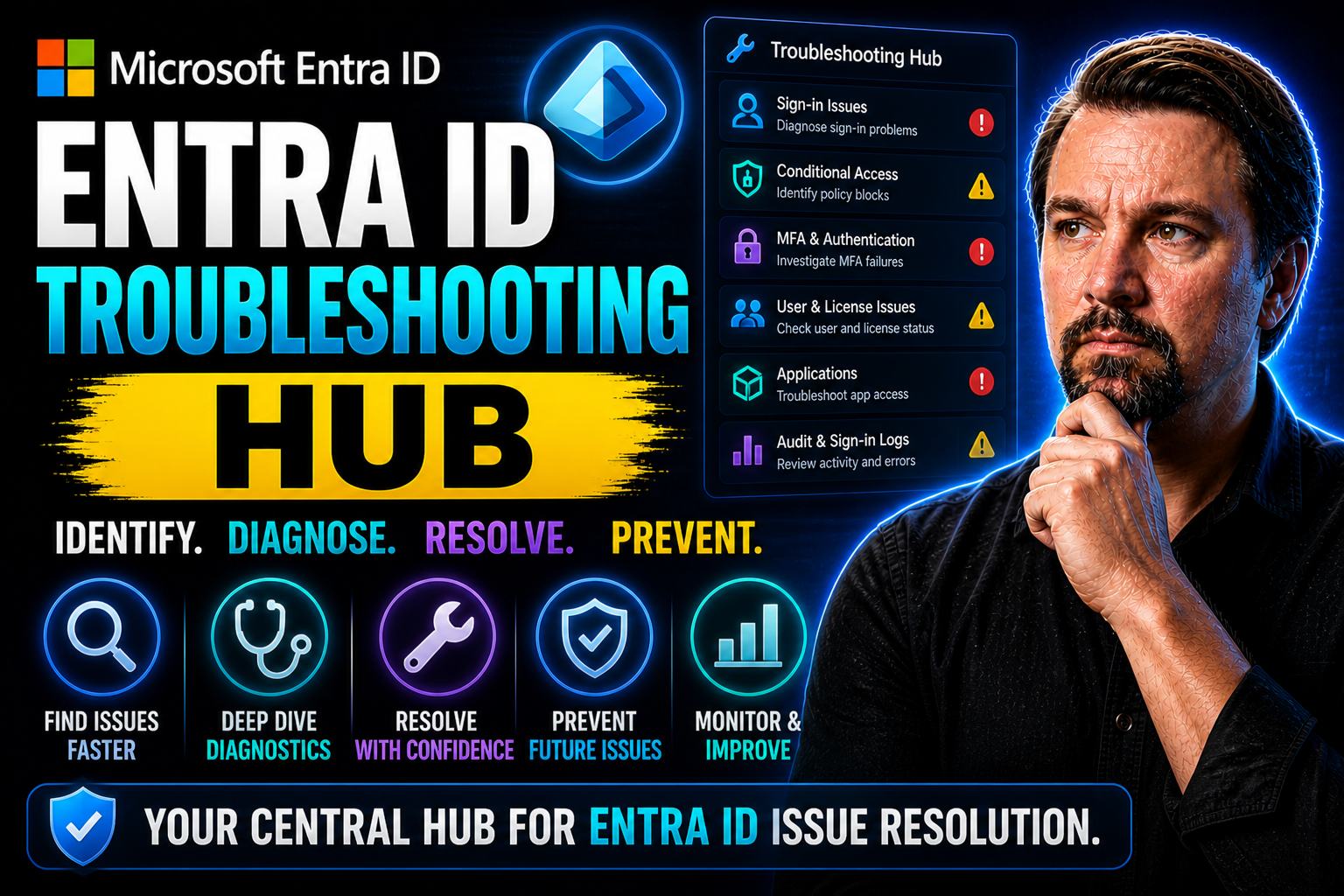
Microsoft Entra ID Troubleshooting Hub
If you’re wrangling Microsoft Entra ID—formerly Azure AD—you know things don’t always go smooth. This hub is built for you, the admin in the trenches, looking for straight talk and actual steps to fix what’s holding your users back. You’ll find real…
May 4, 2026
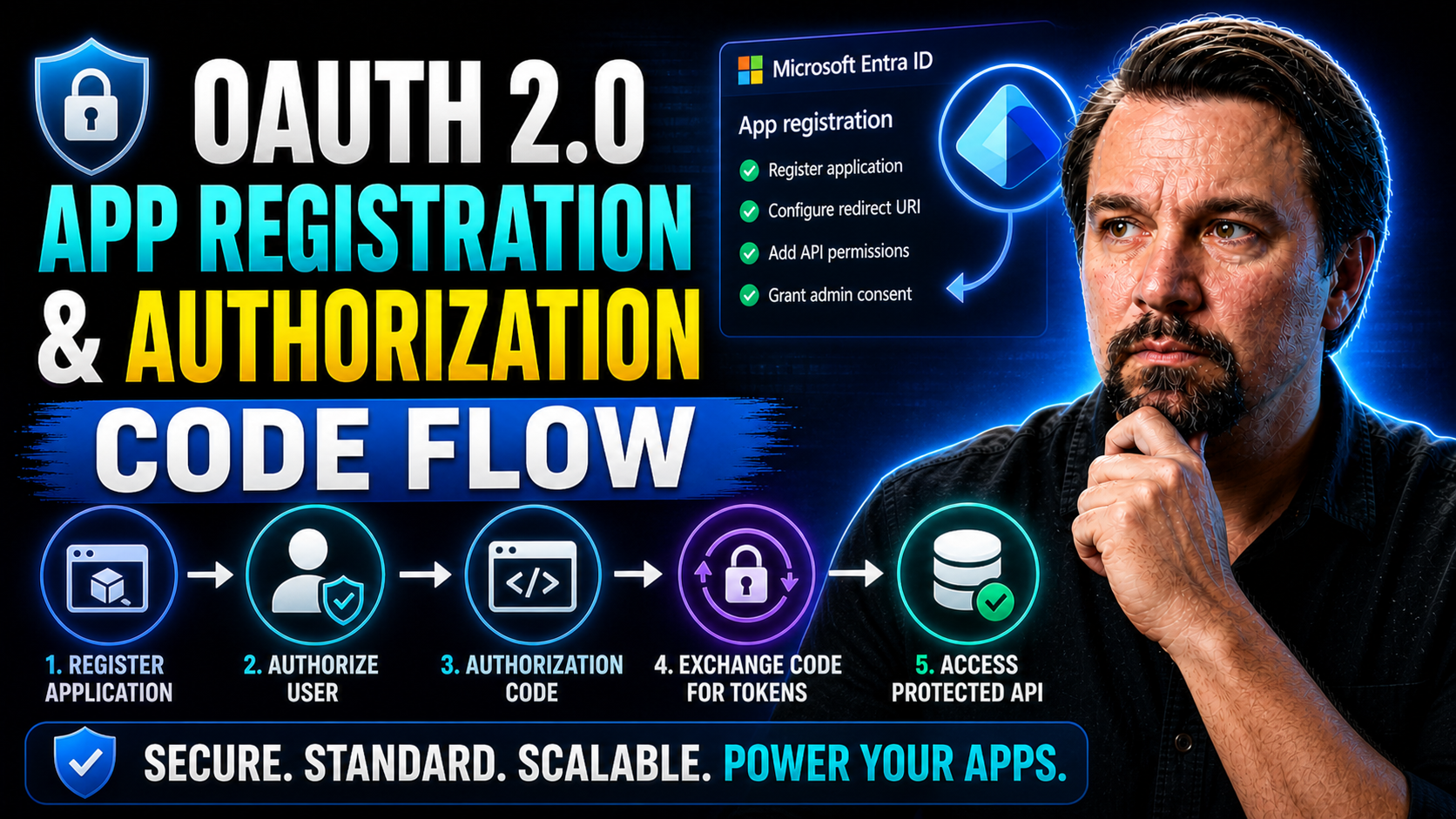
App Registration and OAuth Guide for Secure Application Integration
Let’s face it—getting authentication and app registration right is not only about following clever protocols; it’s about making sure your users, your data, and your organization stay safe. This guide demystifies app registration and OAuth 2.0, so yo…

April 29, 2026
Hybrid Identity Architecture Guide
Hybrid identity architecture is the technical backbone allowing organizations to bridge their tried-and-true on-premises Active Directory and the world of modern cloud identity, like Microsoft’s Entra ID. It’s about letting users move smoothly betwe…

April 29, 2026
ADFS Federation With Entra ID Guide
Federation with Active Directory Federation Services (AD FS) plays a central role in how modern organizations manage digital identity and single sign-on (SSO). As businesses grow and their needs evolve—especially with the rise of cloud applications …
April 29, 2026
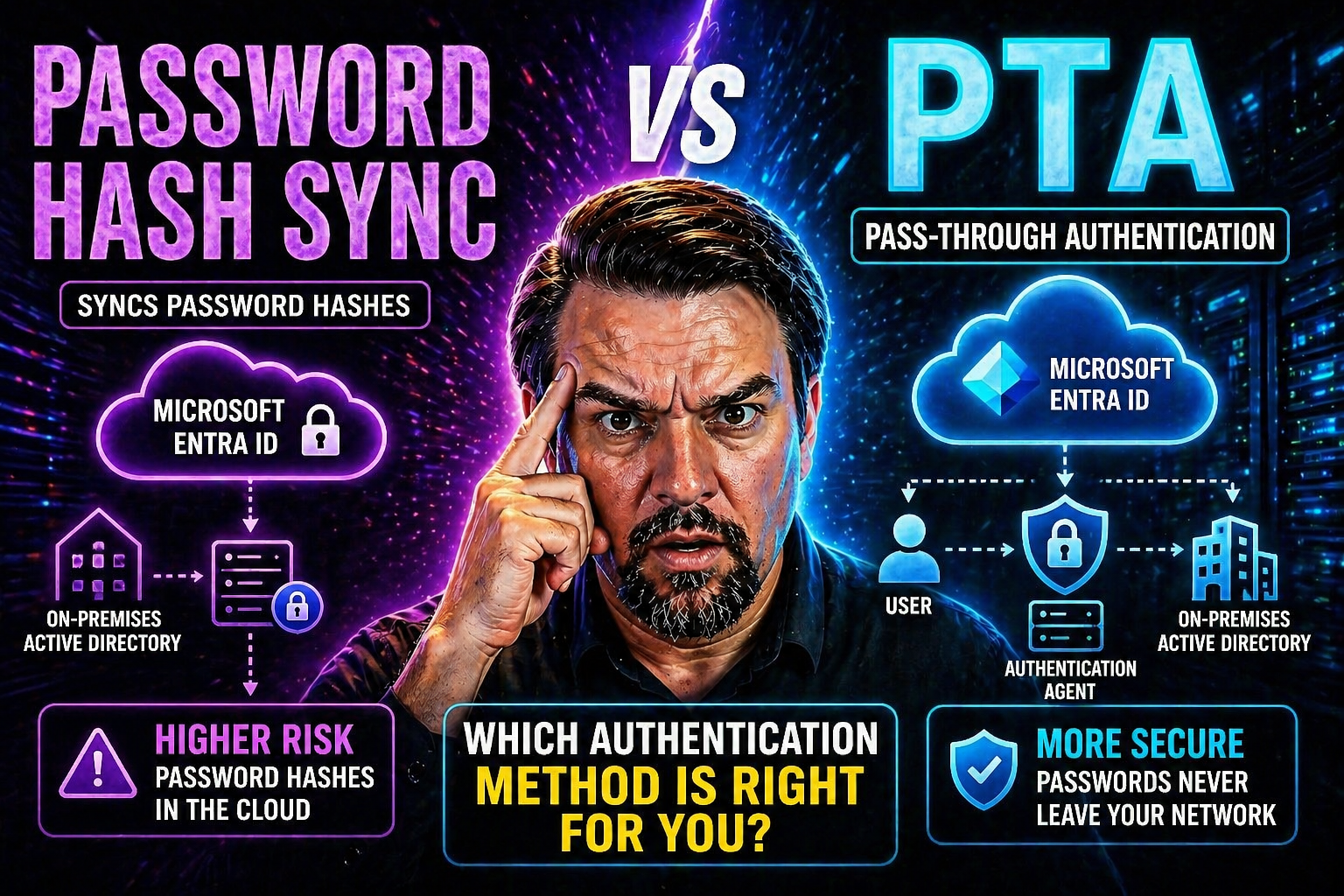
Password Hash Sync Vs PTA Guide
When you’re running both on-premises Active Directory and Microsoft Entra ID (formerly Azure AD), the million-dollar question is, “How can I authenticate users securely and without drama, no matter where they sign in?” This is where Password Hash Sy…

April 29, 2026
Cloud Sync Vs Entra Connect Guide
Quick Answer: Cloud Sync vs Entra Connect is a hybrid-identity design decision based on your directory topology, required capabilities, operational model, and migration plan. Inventory the current configuration and dependencies, validate supported s…

April 29, 2026
Microsoft Entra Connect Guide
Microsoft Entra Connect is the backbone that lets organizations sync and secure their on-premises Active Directory with Microsoft’s cloud—think Microsoft 365 and Entra ID. This integration isn’t just about convenience; it’s essential for modern secu…
April 29, 2026
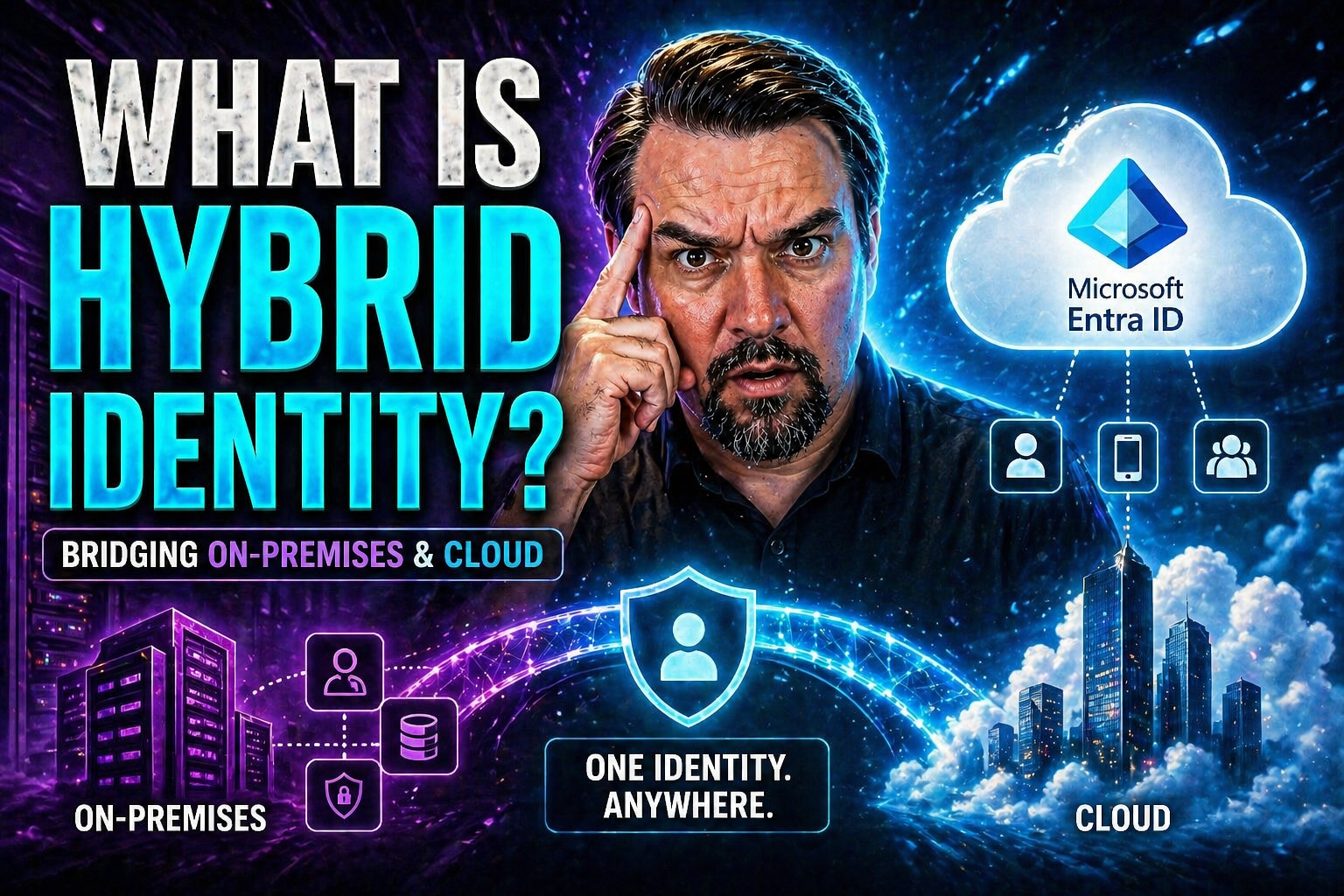
What Is Hybrid Identity Guide
Hybrid identity is the modern approach to identity and access management that bridges your traditional on-premises identity systems, like Microsoft Active Directory, with newer cloud services such as Microsoft Entra ID. As organizations move toward …
April 29, 2026
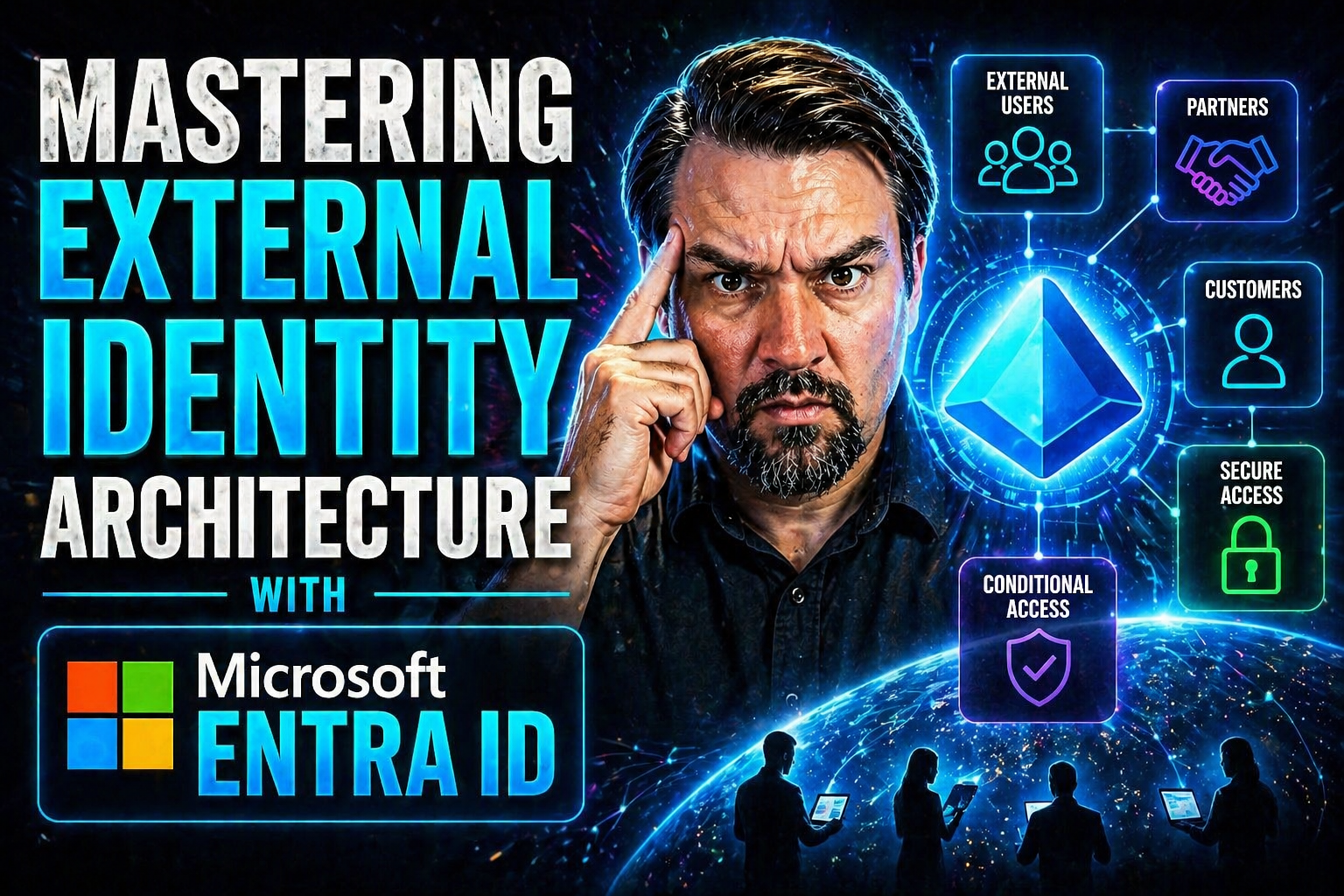
External Identity Architecture Guide
External identity architecture isn’t just a techie buzzword—it’s how organizations safely open the doors to customers, partners, and other outside users without leaving the back window unlocked. Microsoft Entra ID (formerly Azure AD) takes center st…

April 29, 2026
B2C Vs B2B Identity Guide
If you’re working in tech or the SaaS space, knowing the difference between B2B (business-to-business) and B2C (business-to-consumer) isn’t just a buzzword game—it’s foundational. These two models shape how companies market, sell, and even build the…
April 29, 2026
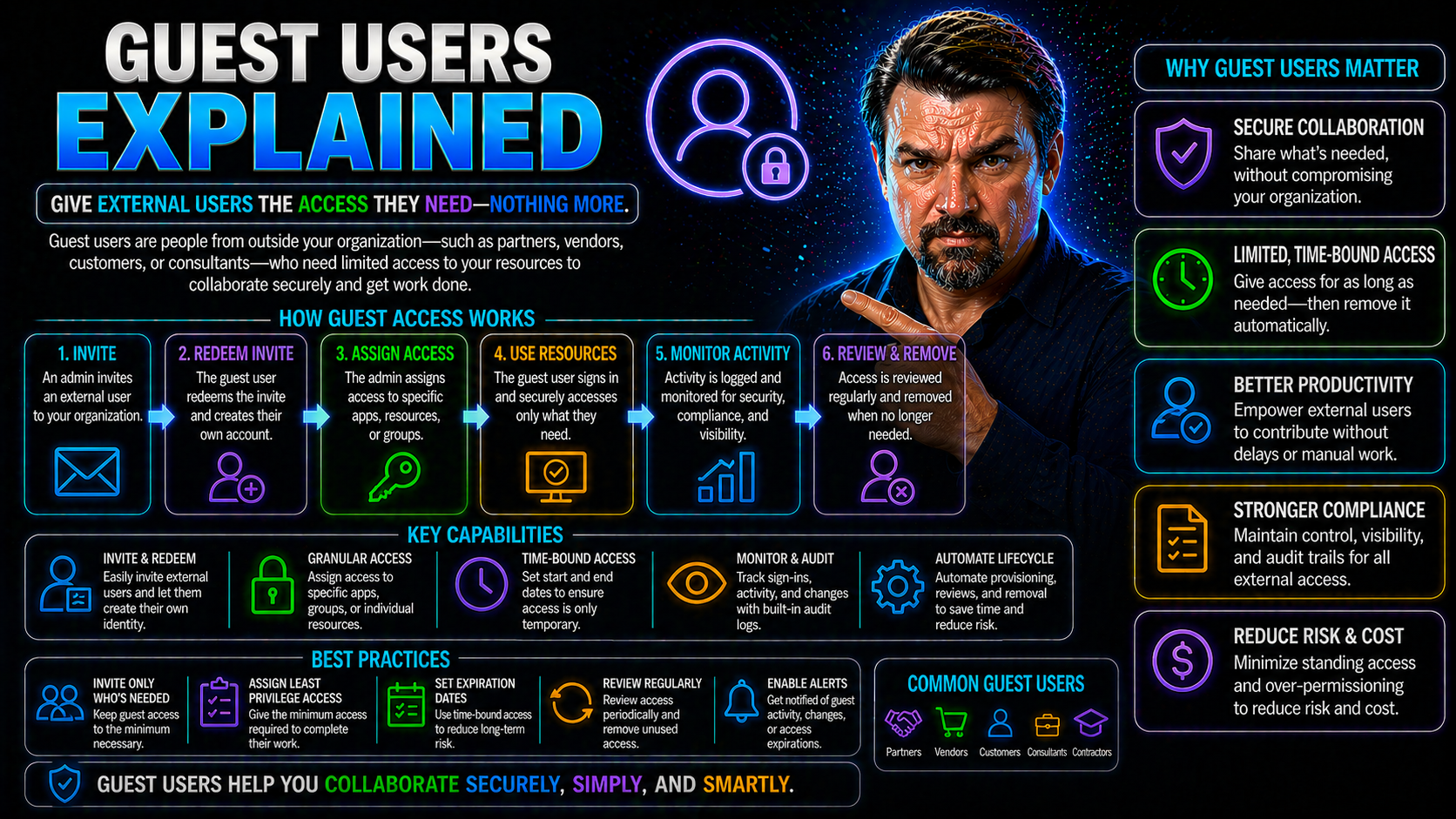
Guest Users In Microsoft 365 Guide
Microsoft 365 guest users requires a clear business scenario, approved access and data boundaries, and accountable ownership. Start with the intended outcome, validate current Microsoft guidance, test with representative users, and document the deci…
April 29, 2026
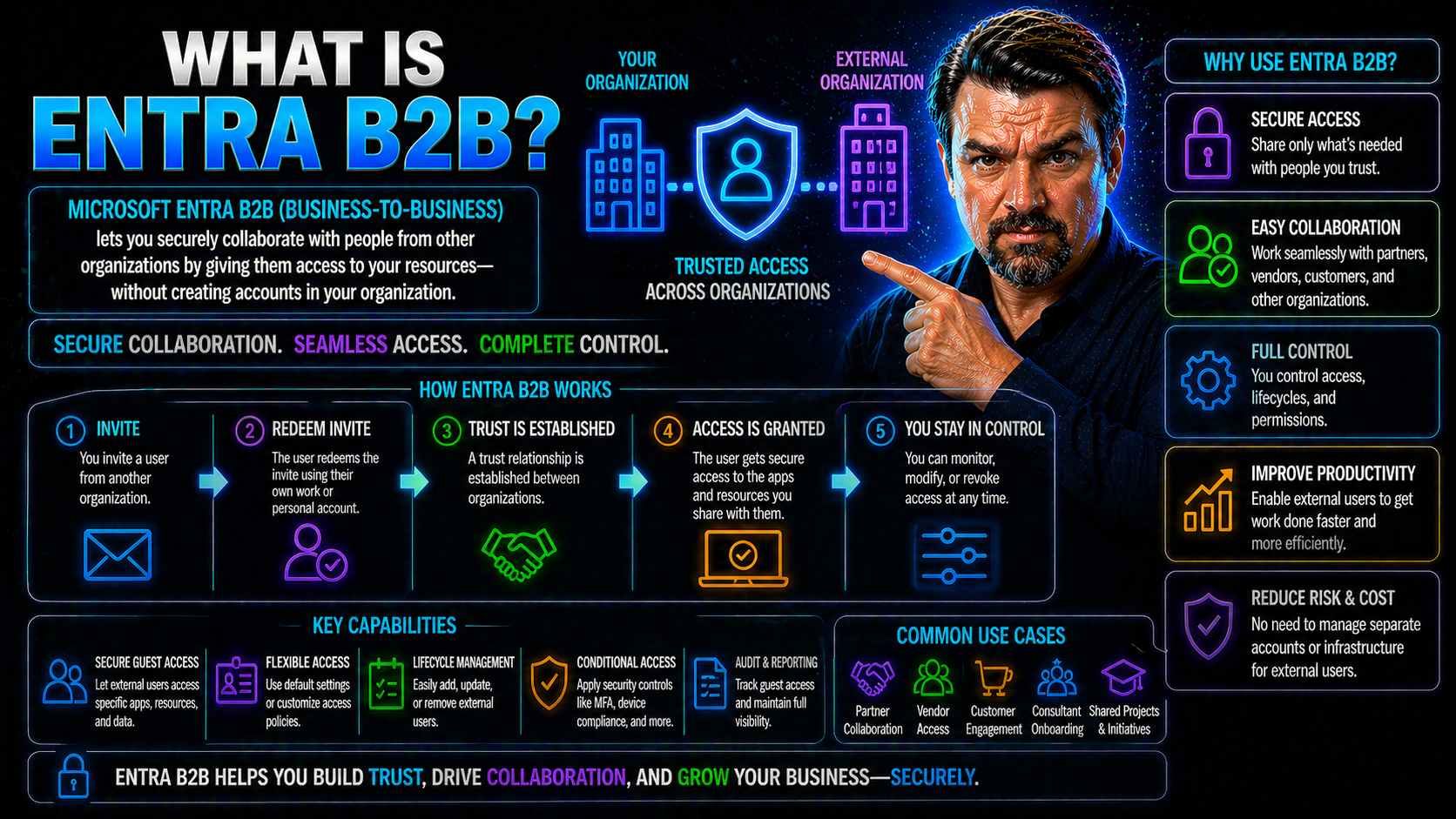
Microsoft Entra B2B Guide
Microsoft Entra B2B (Business-to-Business) is a security platform designed by Microsoft to help organizations safely collaborate with partners, contractors, and vendors outside their own company. It takes the heavy lifting out of cross-company teamw…
April 29, 2026
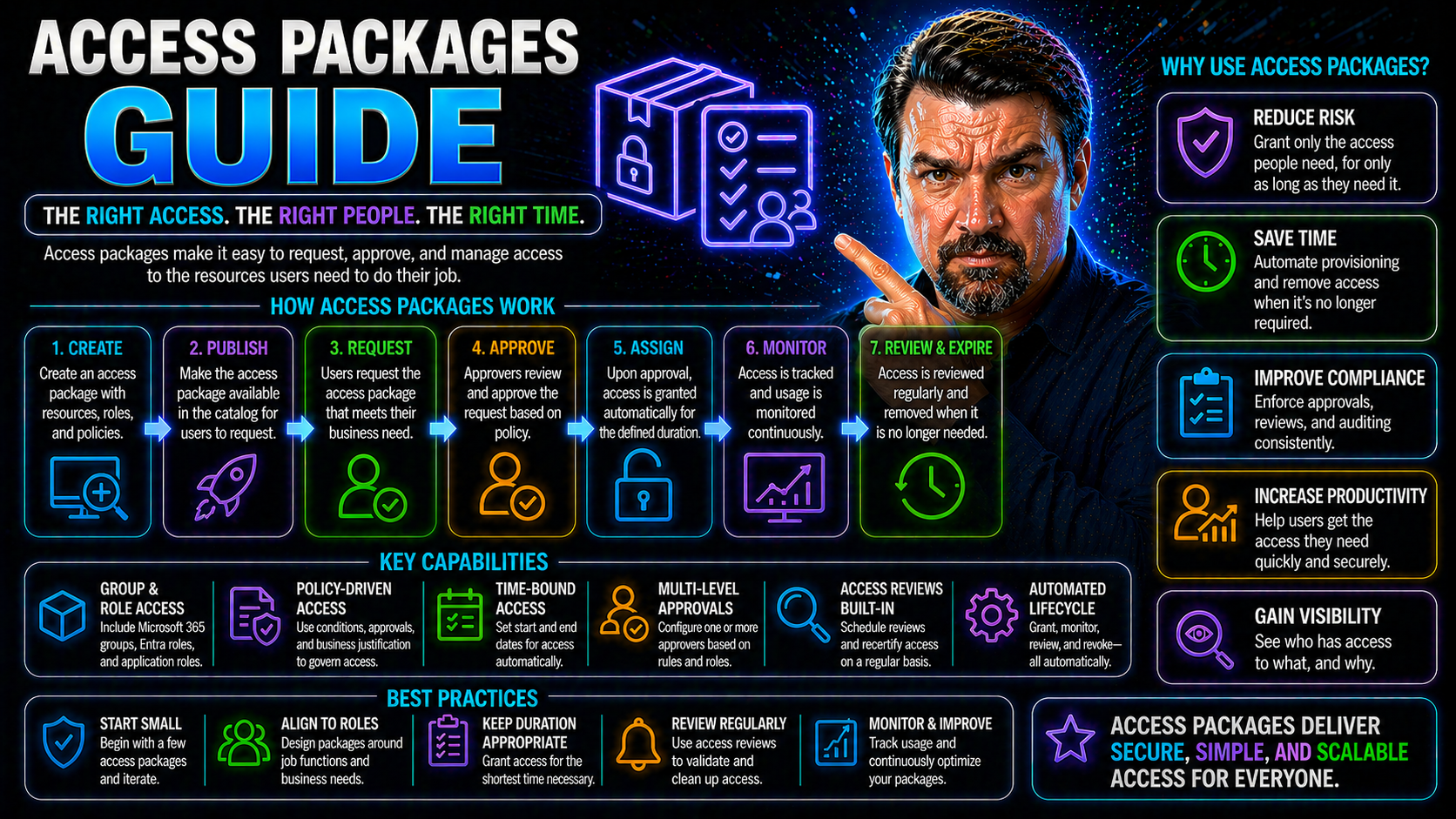
Microsoft Entra Access Packages Guide
Quick Answer: Microsoft Entra access packages bundle the resources, policies, approvals, and lifecycle rules a person needs for a business scenario. Create them around a clear purpose—such as a project, partner, or department—then define who can req…
April 29, 2026
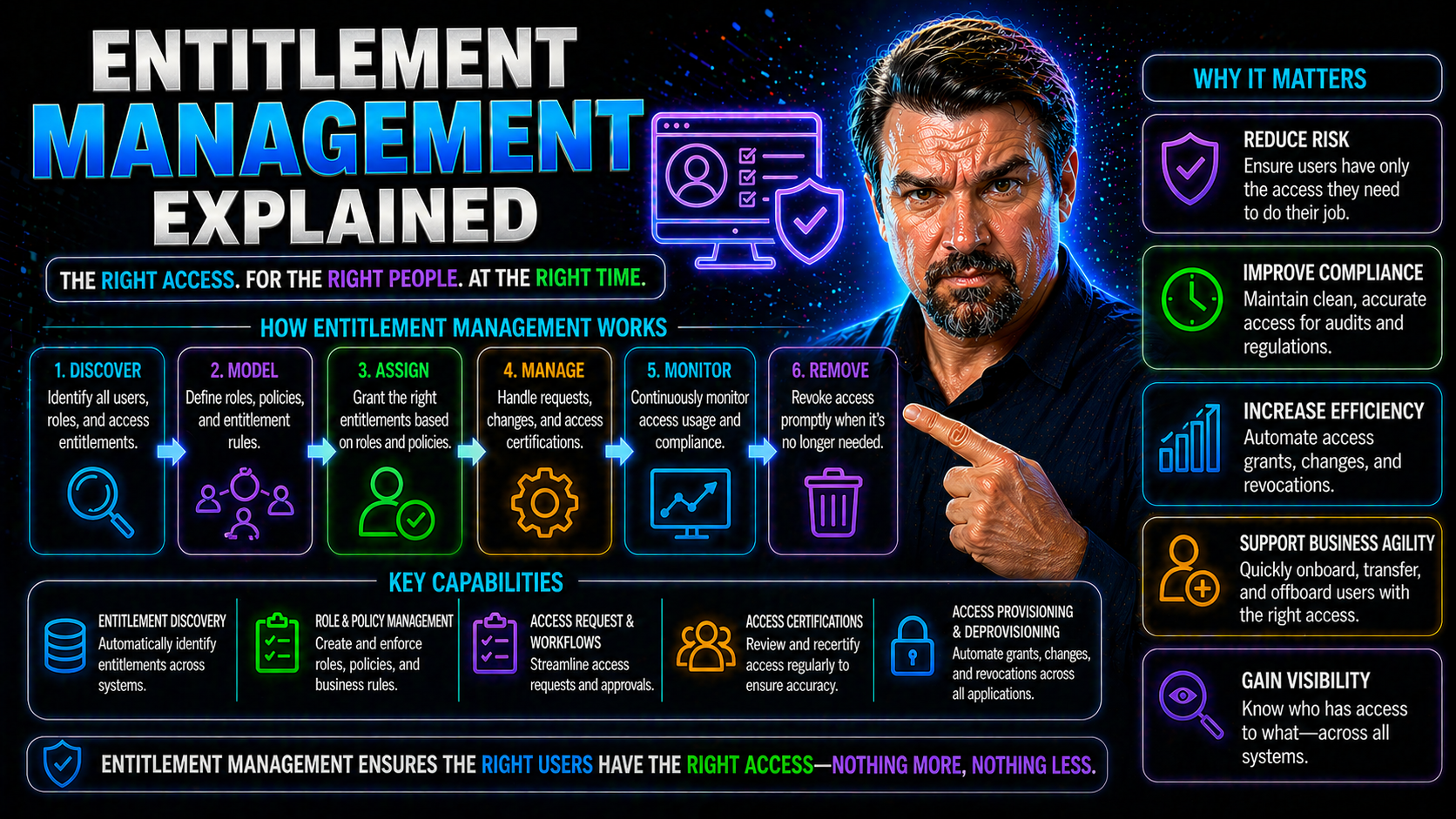
Microsoft Entra Entitlement Management Guide
Entitlement management sits at the heart of modern identity and access strategies, especially for businesses using Microsoft Entra ID, Microsoft 365, and Azure. Think of it as the smart engine behind who can do what in your digital world—the thing t…
April 29, 2026
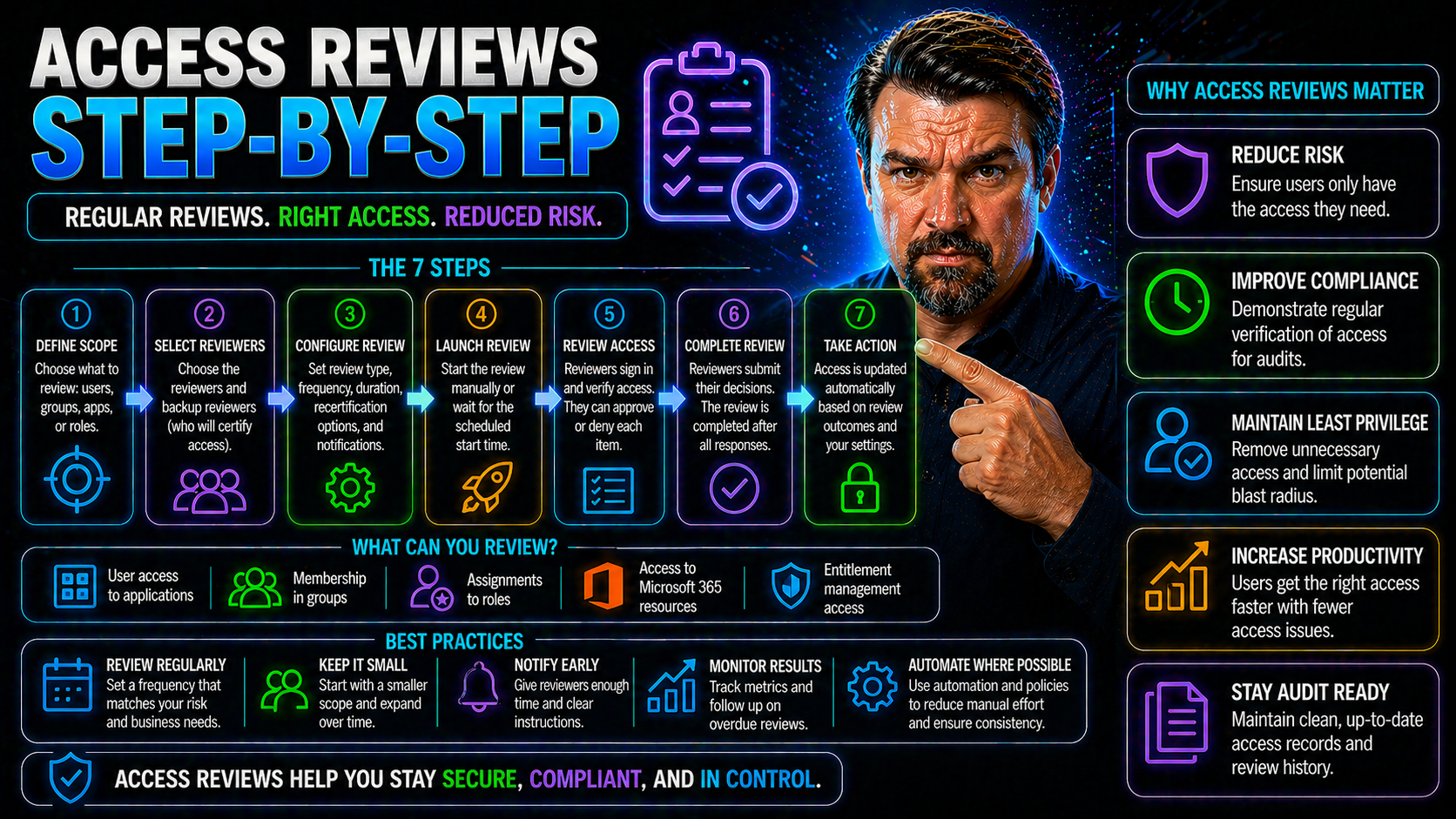
Microsoft Entra Access Reviews Guide
If you’re looking to tighten security and tick off compliance checkboxes, access reviews should be at the very top of your list. This guide is your practical, step-by-step pathway to building and running access reviews—especially with Microsoft’s En…
April 29, 2026
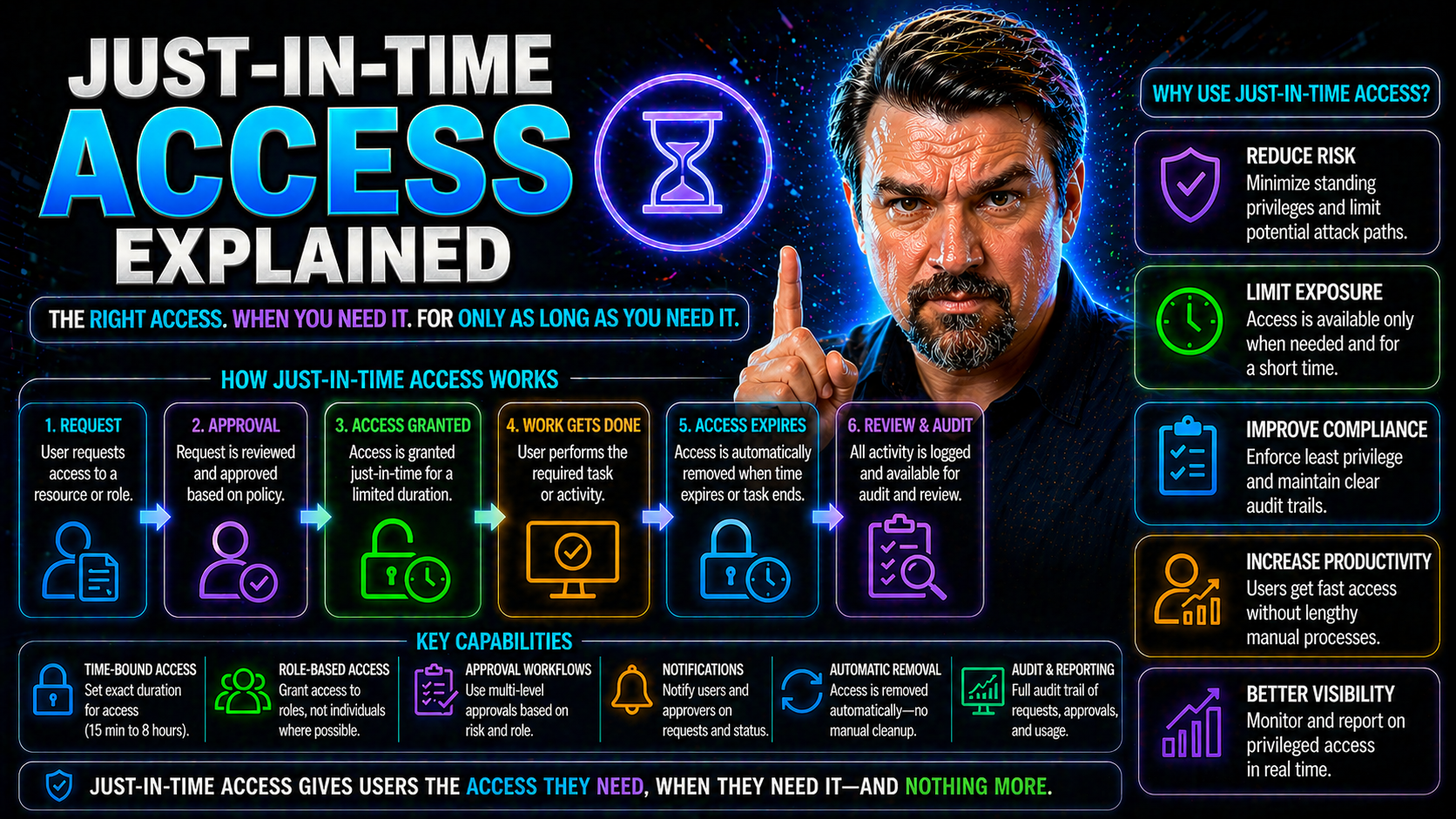
Just-In-Time Access Guide
Just-in-time (JIT) access is changing the game for how companies manage digital identities and permissions. Instead of granting users standing, always-on privileges, JIT delivers access only when needed, for just as long as it’s required. This shift…
April 29, 2026
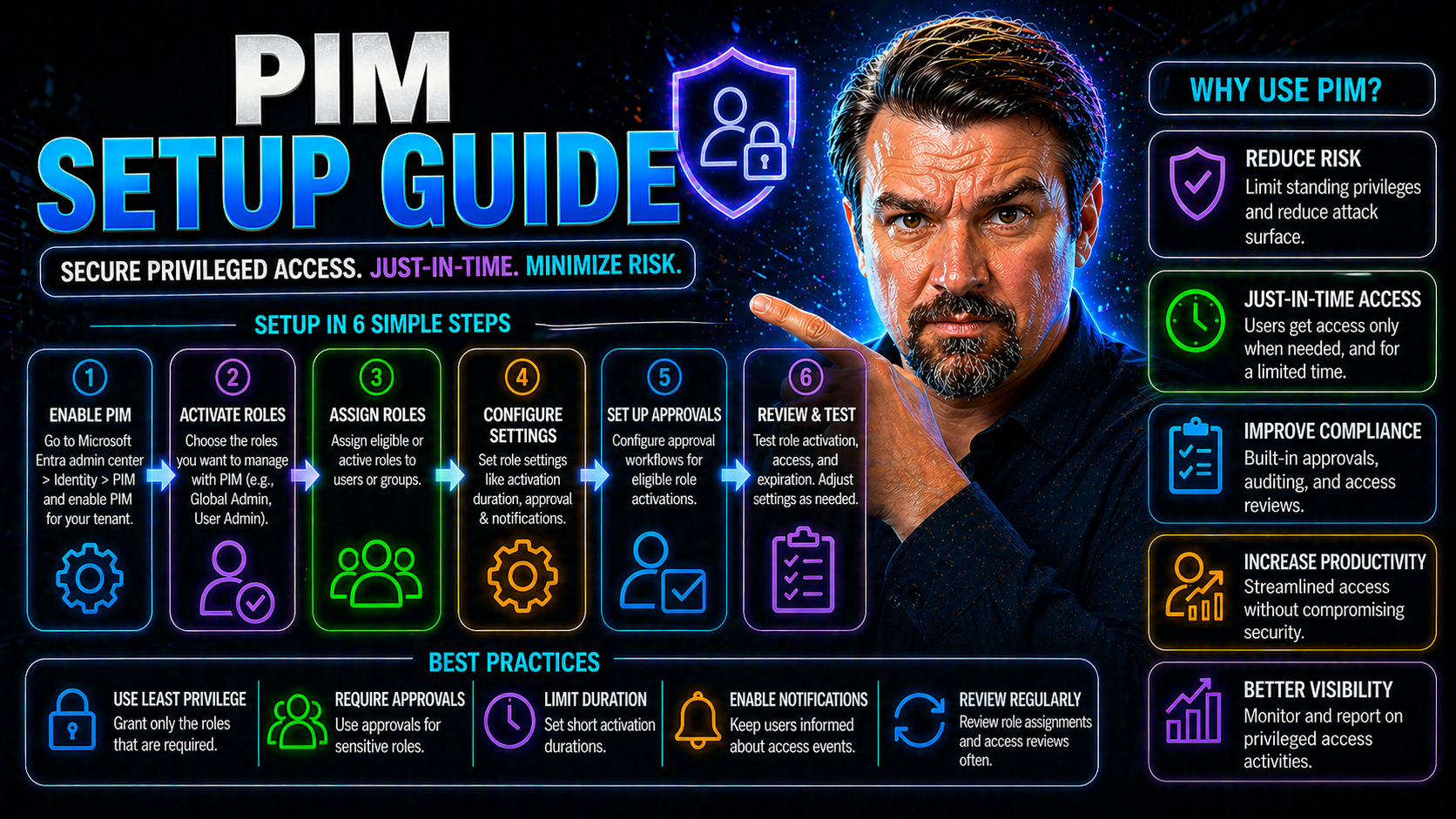
Microsoft Entra PIM Setup Guide
Quick Answer: To set up Microsoft Entra PIM, identify privileged roles, assign accountable owners, make eligible access time-bound where appropriate, define approvals and MFA requirements, configure notifications, and test activation and emergency p…
April 29, 2026
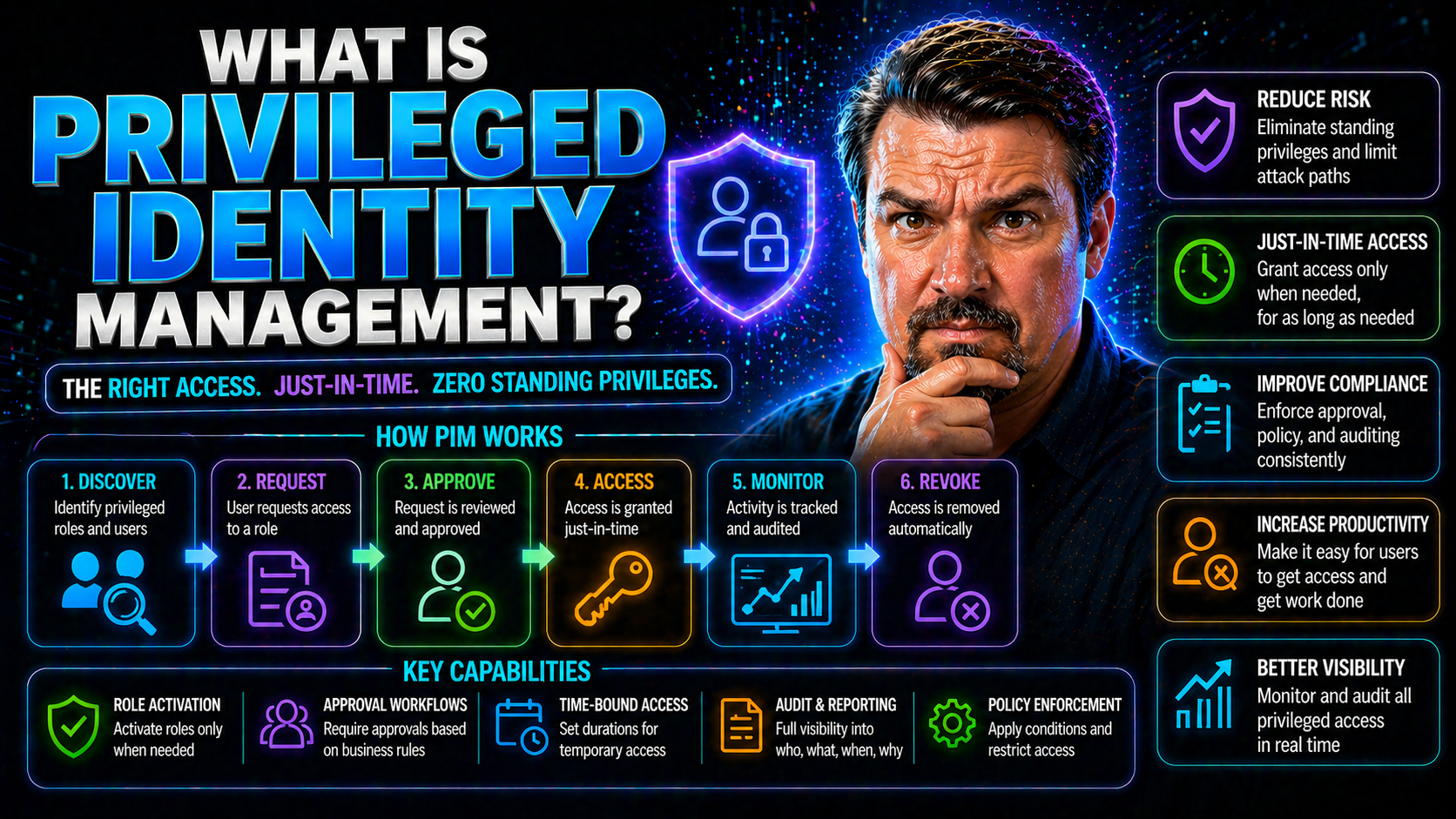
What Is Microsoft Entra PIM Guide
Privileged Identity Management, or PIM, is the practice of securing and managing accounts with elevated access in your digital environment. As businesses shift more of their operations to the cloud and adopt solutions like Microsoft Entra ID, contro…