Async Communication In Microsoft Teams Guide
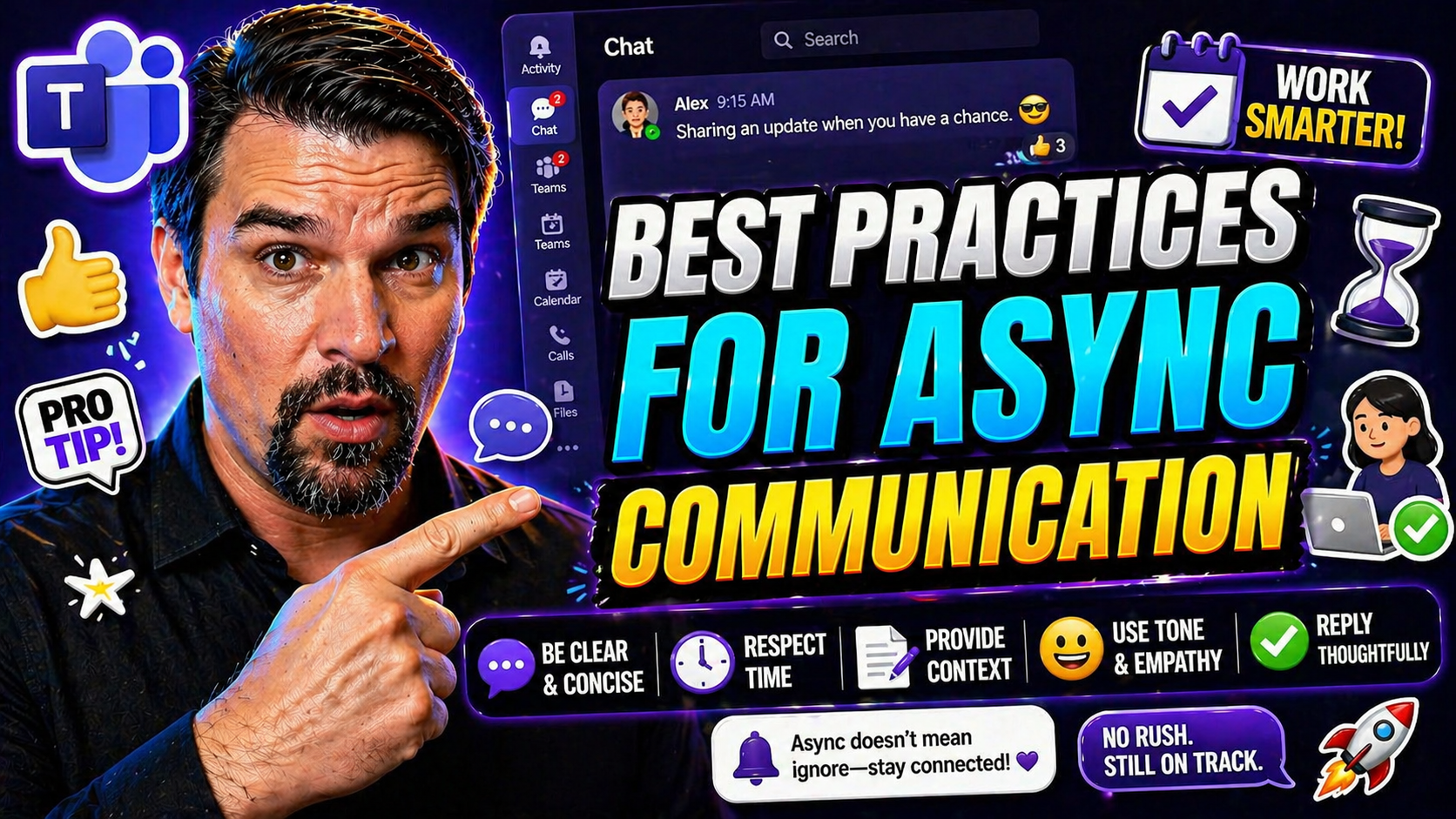
This article breaks down the best practices you need to know for making asynchronous (async) communication work—especially if you’re using Microsoft Teams and SharePoint as your team’s backbone. We’ll cover the foundation of async communication, share expert tips for building transparent and organized workflows, and unpack which tools get the job done right for distributed teams. You’ll also get practical insights on building an inclusive environment, decision frameworks for when to use async vs. real-time methods, and a simple path toward async excellence in a modern Microsoft-centric workplace. Stick with it—you’ll walk away with concrete strategies tailored for today’s hybrid and remote work realities.
Understanding Asynchronous Communication
Let’s get real—how teams communicate has been flipped on its head. In today’s remote and hybrid workplaces, understanding the basics of asynchronous communication isn’t just a nice-to-have; it’s essential groundwork for productive, less chaotic collaboration. Before diving into every trick and tool, it helps to know what async truly means, and why it’s showing up everywhere from tech startups to traditional enterprises.
Async communication is a whole new beat compared to the old-school “everyone in a meeting room at 10 A.M.” approach. Instead of forcing instant responses, async thrives on flexibility. Folks answer when they can, across time zones or busy schedules, and still stay in the loop. Microsoft Teams and other digital platforms have turned this style from “future thinking” to a new normal.
In the next sections, we’ll nail down precisely what async is (and isn’t), and how it stands out from old-fashioned, real-time conversation. It all starts here, laying the foundation for everything else we’re about to cover—from workflow upgrades to building an inclusive communication culture that actually sticks.
What Is Async Communication and Why Does It Matter?
Asynchronous communication—often just called “async”—means messages or information are exchanged without everyone needing to be online or available at the same time. You drop a message in a Microsoft Teams chat, someone reads it and answers two hours later, no harm done. Key features of async include flexible timing, delayed responses, and complete independence from live attendance. In remote and global teams, this cuts down on rushed decisions and opens space for thoughtful collaboration. Tools like Teams make async part of the everyday workflow, using threads, posts, and shared files. For more on structuring projects and building visibility in Teams, check out this guide on organizing projects in Microsoft Teams.
Async vs Synchronous Communication Explained
Async and synchronous (sync) communication are two sides of the work-talk coin. Synchronous is real-time—think scheduled Teams meetings or a quick phone call, where answers are immediate and everyone’s present. Async? You’ve got time to breathe, as in threaded chats and comments in Microsoft Teams, or updates left for review later. The big difference is that sync excels for urgent feedback or nuanced discussions, while async is a powerhouse for work that doesn’t need an instant reply or involves folks spread across locations and shifts. The best teams use both strategically, choosing the style that matches the moment.
Benefits of Async Communication for Teams
If your organization is riding the digital wave, you’re likely looking for ways to work smarter—especially with Microsoft Teams or other cloud-based tools. Async communication brings a set of game-changing advantages that boost how teams operate day-to-day. Flexibility isn’t just a buzzword here; it lets team members work when they’re at their best, not chained to someone else’s clock.
As organizations become more distributed, productivity also takes center stage. Async keeps projects moving, even while people are away or working in different zones. And let’s not forget inclusivity—everyone, from early birds to night owls, gets a fair chance to contribute without missing out on critical conversations. That’s why async communication is trending upwards in modern workplaces: it fits with diverse schedules, supports better wellness, and actually cuts down on unnecessary meetings.
Next up, we’ll unpack the core benefits in detail, giving you a concrete picture of what your team stands to gain by building async habits now.
Flexibility, Productivity, and Inclusivity in Async Work
- Flexible Scheduling: Team members can respond to messages on their own time, leading to better work-life balance and less stress.
- Elevated Productivity: People focus deeply without constant live interruptions, finishing quality work before reacting to every ping.
- Inclusive Collaboration: Async communication allows everyone to participate—regardless of their time zone, working hours, or personal commitments.
- Reduction in Unnecessary Meetings: By covering updates and decisions through written threads or shared files, teams free up time previously lost in endless meetings.
Overcoming Challenges of Async Communication
No system is perfect, and async communication brings its own bumps in the road. Switching to this style can mean waiting longer for answers, missing that “in-the-moment” energy, or even feeling like you’re working alone in a digital desert. It’s important not to gloss over these challenges—acknowledging them is how you build lasting solutions and a culture that supports everyone.
Whether you’re the manager, the daily user, or the IT admin, knowing the tricky parts lets you plan smarter and avoid common pitfalls. In the upcoming sections, we’ll lay out the most regular drawbacks, from slower response cycles to the challenges of staying socially connected on Teams. You'll also see ways to turn these obstacles into opportunities for a more sustainable, continuous flow of improvement in your async practices.
Facing these head-on turns hiccups into checkpoints—and gives your team the tools they need to stick with async for the long haul.
Slower Responses, Less Spontaneity, and Social Isolation
- Slower Feedback Loops: Waiting for responses can hold up decisions—setting response expectations in Teams threads can help reduce frustration.
- Loss of Spontaneity: With less “tap on the shoulder” interaction, quick brainstorms or unplanned conversations may fizzle—using chat channels for informal exchanges can bring back some of that spark.
- Potential Isolation: Without regular live touchpoints, team members may feel disconnected—regular check-ins and casual posts in Teams are essential to keep the sense of belonging strong.
Essential Practices for Effective Async Communication
Async communication isn’t just “set it and forget it.” To get the real value, teams need clear habits and shared norms. That means being intentional about your messages, setting expectations everyone can follow, and making sure crucial information never gets lost. This matters for both admins building Microsoft Teams strategies and users just trying to make sense of a busy chat stream.
Next, we’ll cover the practical essentials for fostering trust and clarity—from communication skills to company-wide policies. Think of these as the unwritten rules and routines that make or break async flows. The goal here is simple: equip every member with the confidence to collaborate without the chaos, and ensure nothing falls through the cracks.
The following sections lay out actionable habits any team can adopt for better, more transparent async work.
Clear and Concise Communication Skills
- Clarity: Use direct, straightforward language to make every message or post self-explanatory—especially in Teams channels where responders might not be online for hours.
- Conciseness: Get to the point quickly. Detailed, but rambling, messages waste time and increase follow-up questions.
- Consistency: Stick to recognizable formats—repeat successful structures for updates so everyone knows instantly what to look for or how to reply.
Setting Norms and Expectations for Teams
- Agreed Response Times: Define how quickly teammates should reply to different types of async messages, so no one’s left guessing or feeling ignored.
- Standardized Message Formats: Use templates for announcements, requests, or project updates to keep communication predictable and easy to scan.
- Unified Tool Usage: Establish which topics belong in Teams threads versus email or SharePoint, and empower team members with a written communication playbook.
- See how strong governance supports these norms by reading this article on Teams workspace governance.
Intentionality, Radical Transparency, and Documentation
- Be Deliberate: Don’t send messages for the sake of it; every communication should have a clear purpose and intended action.
- Practice Radical Transparency: Share decisions, rationale, and relevant process openly in Teams or SharePoint so everyone can stay informed.
- Document Everything that Matters: Store important discussions, agreements, or team playbooks where future contributors can access them easily.
- To see how clear rules can transform collaboration, check out this Teams governance overview.
Choosing the Right Tools and Workflows
Async success rides on having the right tools in the toolbox. The technology you pick shapes how work flows, how people respond, and how much knowledge gets lost or found down the line. There’s no shortage of digital solutions out there—but finding what fits best for distributed teams using Microsoft Teams, Slack, or SharePoint can make all the difference.
Beyond just messaging, top platforms now combine file sharing, document co-authoring, and robust search so information doesn’t vanish after a week. Add integrations or automation, and you’ve got workflows that hum along, leaving room for actual work instead of endless admin.
Up next, we’ll dig into the tech—helping you weigh the features, integrations, and documentation tools that really move the needle for async collaboration at scale.
Top Collaboration Tools and Messaging Platforms for Async Teams
- Microsoft Teams: A one-stop-shop offering persistent threaded conversations, channels for every project or topic, integration with SharePoint, Planner, and Power Automate. Teams centralizes async communication, lets users collaborate on files live or leave comments for later, and offers strong search for past discussions. It’s the foundation for many hybrid and remote setups. For advanced project management tips, see this practical Teams project guide.
- Slack: Popular for fast-moving async discussion and a vast library of integrations, Slack’s channels keep topics organized and searchable. It’s strong for teams preferring flexible, informal chats but also supports robust notification controls.
- SharePoint: Goes far beyond file storage. As a document management system, SharePoint keeps records, version history, and acts as the compliance engine for Teams. Integrating SharePoint ensures a single source of truth, reducing duplication and improving workflow automation.
- Additional Tools: Integrations like OneNote for shared meeting notes, Planner or Asana for task tracking, and Power Automate for hands-off workflow updates tie the system together and reduce manual effort.
Optimizing Message Medium and Structure
- Select the Right Medium: Use Teams chat for quick, informal exchanges, channel posts for team-wide updates, and SharePoint for formal documents and longer-term reference. Each serves a different purpose—don’t force a project plan into a chat, or a quick question into a wordy document.
- Structure for Context: When posting in Teams, lead with context (“For FYI,” “Action Required,” etc.), keep messages scannable with bullet points, and clarify next steps. Shared documents should use clear headings and summaries so readers quickly understand what’s there.
- Use Video or Recordings: For nuanced explanations, record a quick Teams video instead of writing a lengthy explanation. Let people watch on their schedule—ideal for training or walking through complex updates.
- Learn how tools like Microsoft Copilot can add AI-powered enhancements by reading this Copilot use case summary.
Using Integrations, Automation, and Documentation in Async Workflows
- Integrate Tools: Combine Teams, SharePoint, and OneNote to keep everything (chats, files, notes) in view and searchable for all team members.
- Automate Repetitive Tasks: Use Power Automate to set up flows for status updates, reminders, and approvals—this cuts down on manual check-ins.
- Version Control and Archival: Put important files and project records in SharePoint with version tracking, so information isn’t lost or duplicated over time.
- Stay on top of governance and lifecycle with tips from this Teams lifecycle governance resource.
Rolling Out Async Practices in Teams
Setting up async communication is one thing; turning it into standard practice is where teams often wrestle with reality. Success depends on practical steps like training the crew, setting down team rules, and measuring how well it’s all working—not just hoping everyone gets the memo by osmosis.
Rolling out async means shifting habits, building new skills, and being ready to adjust when bumps show up. Clear guidelines for what “good” looks like help drive trust, accountability, and even compliance in today’s digital landscape. As a leader or admin, you’ll need concrete ways to educate, reinforce rules, and spot where fixes are needed.
In the next sections, you’ll find the nuts and bolts for keeping onboarding smooth, sustaining adoption, and avoiding common traps that leave teams disorganized or burned out.
Training and Developing Remote Communication Skills
- Interactive Workshops: Offer live or recorded sessions that walk employees through the why and how of async communication with plenty of real examples.
- Resource Libraries: Provide quick-access guides and tip sheets for Teams features—doc sharing, notification settings, and thread management.
- Encourage Peer Learning: Highlight “success stories” from within the team and invite experienced users to host Q&A sessions.
- Find out how rules and training help create organized collaboration in this guide to Teams workspace governance.
Building Tech Rules and Team Playbooks
- Digital Etiquette Playbook: Set out when to ping, post, or record, and how to tag teammates to avoid clutter and confusion.
- Channel Management Expectations: Define simple rules for naming, archiving, or splitting Teams channels, so important info isn’t buried in a jumble.
- Respect for Focus Time: Use Teams “do not disturb” and notification settings to help everyone carve out heads-down work time, and make it a norm, not a punishment.
- See how to curb Teams sprawl and enforce rules with this guide on automated lifecycle management.
Measuring Success and Avoiding Common Pitfalls
- Key Performance Indicators: Track message engagement, turnaround times, and participation rates to gauge if async methods are working as intended.
- Regular Feedback Loops: Set up quarterly surveys or quick polls to check if people feel clear, included, and productive—or stuck and frustrated.
- Pitfall Fixes: Watch for issues like unclear ownership or missing documentation, and address them with clarified roles, guidance, or templates.
- Get more insights on making Teams arenas organized and accountable at this Teams governance resource.
When to Use Async vs Synchronous Communication
Choosing between async and real-time (sync) communication isn’t just a technology call—it’s about matching the style to the team and the task. This section gives you a clear framework for deciding which mode fits which scenario. Urgency, complexity, and collaboration needs all play a role in this decision.
Some tasks beg for instant feedback—think urgent incidents, coaching, or live brainstorms. Other cases, like sharing updates or collecting ideas, just work better async, allowing for deeper thought and wider participation. Laying down these guidelines keeps workflow efficient and prevents teams from sliding back into meeting overload.
The next sections break down standard async use cases and spotlight those exceptions where real-time interaction is still king.
Ideal Use Cases for Async: Planning, Status Updates, and Ideation
- Project Planning: Draft plans or outline timelines in a Teams channel, allowing everyone to review and suggest edits when they’re available. This creates a living document that reflects all voices—not just the loudest in a meeting. For step-by-step structuring, see this Teams project planning guide.
- Status Updates: Capture routine progress checks or blockers in a written thread or SharePoint list—people scan and respond without needing a meeting. Automation tools can help gather these effortlessly.
- Brainstorming/Ideation: Collect new ideas or improvement suggestions in dedicated Teams threads or forms, ensuring folks from any time zone can pitch in with thoughtful input.
When Real-Time Still Matters: Synchronous Exceptions
- Urgent Issues: When something’s on fire, jump to a call or live chat to sort it instantly—async just won’t cut it for emergencies.
- Team Building & Connection: Occasional synchronous meetings or social calls are vital for bonding and keeping morale up in a remote team.
- Complex Conflicts or Feedback: Sensitive topics, nuanced feedback, or misunderstood issues are best handled in real time, where tone and body language can de-escalate tension.
Building an Inclusive Async Communication Culture
Async communication is great at breaking down old barriers, but only if you consciously design it to include everyone—regardless of location, role, or communication preference. By intentionally inviting diverse participation and humanizing your digital messages, teams can create connected, equitable spaces where no one feels left out just because they’re in a different time zone or prefer to think before they type.
Inclusivity isn’t just a nice add-on; it’s what keeps async sustainable long-term. Small touches like using welcoming tone, recognizing contributions from all corners, and providing multiple ways to participate can change the game for global and neurodiverse teams. Next, we’ll spotlight the practical steps that make async more accessible and human for everyone involved.
Encouraging Inclusivity and Human Connection
- Invite Wide Participation: Tag teammates from various regions and roles to weigh in, ensuring equitable contribution no matter where they sit on the map.
- Celebrate Varied Communication Styles: Let folks share ideas by writing, posting voice notes, or uploading recorded videos—offering flexibility supports neurodiversity and reduces pressure.
- Humanize with Style: Pepper messages with emojis and friendly language in Teams threads or chats to keep communications engaging, reduce misinterpretation, and make your digital world feel a tad warmer.
Key Takeaways for Async Communication Success
- Prioritize Clarity and Consistency: Clear, predictable messages keep teams on the same page and prevent missed actions.
- Leverage the Right Tools: Use Teams, SharePoint, and integration-boosted workflows to organize and archive key info—so nothing falls through the cracks.
- Set and Respect Shared Norms: Define response times, channel usage, and etiquette to make workflows smoother and more respectful.
- Promote Transparency and Documentation: Keep decisions visible and notes accessible, allowing anyone to catch up or reference past work easily.
- Drive Inclusivity and Feedback: Build systems where all voices are heard and regular feedback shapes ongoing improvement.
Continuous Improvement and Feedback in Async Work
- Regularly Review Practices: Schedule periodic check-ins to evaluate what’s working and what needs tweaking in your async workflows.
- Encourage Open Feedback: Make it easy for team members to suggest changes or air challenges—consider anonymous surveys or open Teams threads.
- Adapt to Change: Stay flexible by updating processes as your team grows, adopts new tools, or faces new challenges.
- Measure Outcomes: Watch team satisfaction, productivity metrics, and communication turnaround to spot areas needing attention or adjustment.
Async Communication FAQs for Microsoft Teams
- How do I send async messages in Microsoft Teams? Use posts in channels or chat messages—recipients can reply whenever they log in, so you don’t need everyone online at the same moment.
- What are async communication best practices? Prioritize clarity, concise messages, and set team norms. Document important info in SharePoint or pinned Teams posts, and avoid unnecessary live meetings. For more guidance, see this overview of Teams governance and clarity.
- How can I balance async and sync in Teams? Use async for updates, planning, and brainstorming where deep thought helps. Switch to live meetings for urgent, sensitive, or team-building cases—be intentional about which method to use for each scenario.
- How do I avoid information overload? Set clear notification rules, use channels for specific topics, and archive or pin key documents and conversations so relevant info stays easy to find.
- What if important messages get missed? Establish alert or tagging guidelines, and regularly check pinned posts or SharePoint libraries. Good documentation and governance prevent key info from slipping through the cracks.
You Should Also Listen To
If you are researching async communication in Microsoft Teams, these episodes add practical context on collaboration, governance, security, and Microsoft 365 operations:
- Microsoft Teams Governance – The Illusion of Control — Learn how structure, ownership, and lifecycle controls reduce collaboration chaos.
- Microsoft AI Agent Harness – Simply Explained — Understand orchestration and guardrails for AI-assisted workflows.
- Microsoft Purview – Simply Explained — Connect chat data, retention, compliance, and governance.
- Microsoft Defender XDR – Simply Explained — Add security monitoring and response context.

Microsoft MVP | Host of M365.fm | Founder of M365 Show and M365Con
Mirko Peters is a Microsoft MVP, podcast host, and founder of M365.fm, M365 Show, and M365Con. His work connects Microsoft practitioners through podcast interviews, livestreams, and community events.
At M365.fm, Mirko hosts conversations with Microsoft MVPs, product experts, architects, and community contributors. Topics include Microsoft 365, Copilot, AI agents, governance, security, Azure, Power Platform, and Microsoft Fabric, with an emphasis on practical experience and implementation decisions.
M365.fm is the podcast and learning platform. M365 Show brings experts together for livestreams, while M365Con provides an online conference setting for community learning.
Official website: Mirko Peters (https://www.mirkopeters.com/). Recognition: Mirko Peters — Microsoft MVP profile (https://mvp.microsoft.com/de-DE/mvp/profile/9b0ca797-db5a-493a-a845-8b9158046cf5). Connect on LinkedIn (https://www.linkedin.com/in/m365showpodcast/).