Microsoft Compliance Score
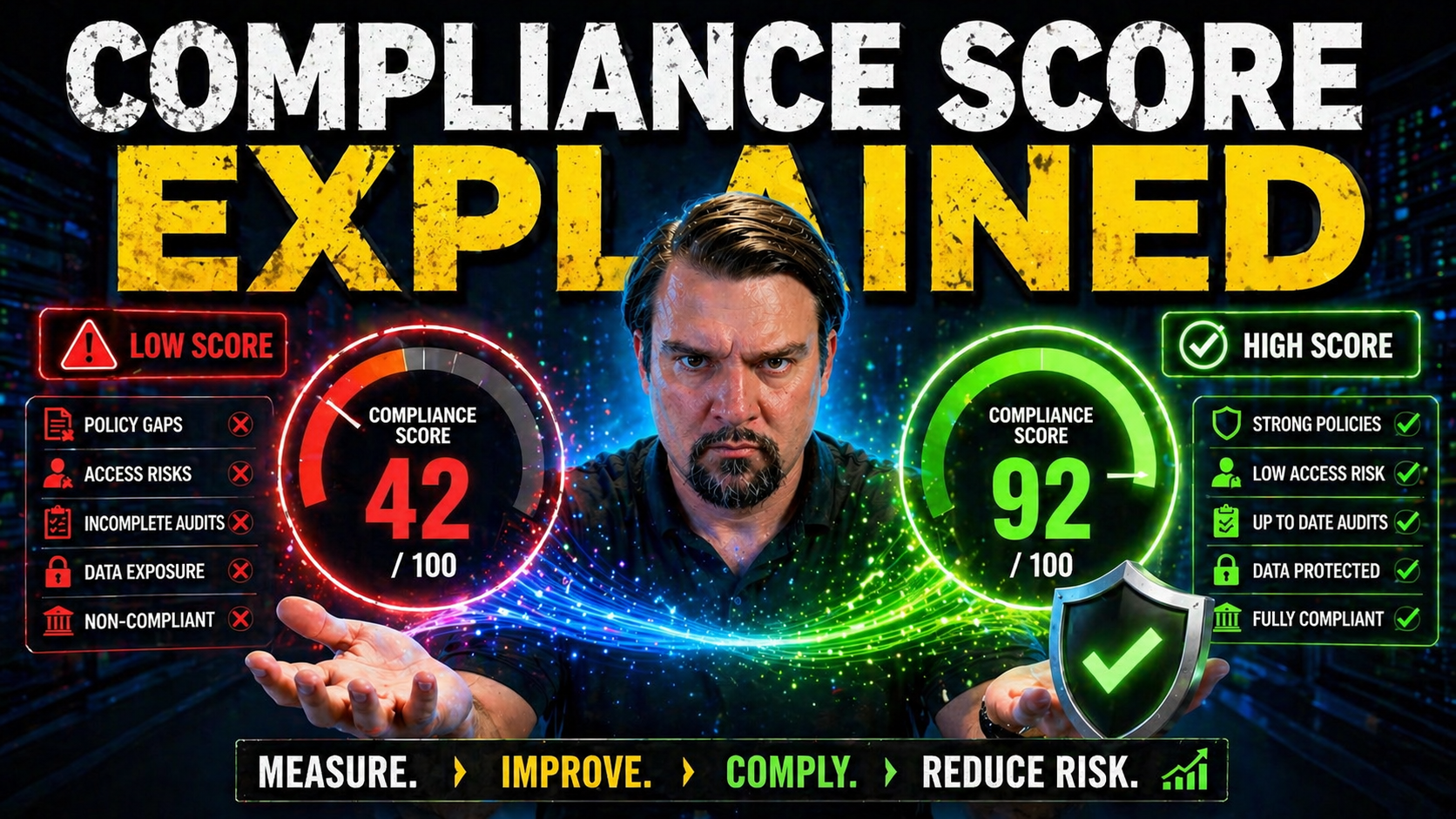
Compliance scores are fast becoming the “credit score” of the digital enterprise—a direct way to see where your business stands on regulatory and security obligations. As organizations move to Microsoft 365, Azure, and hybrid cloud, the need for clear, quantifiable compliance measures has never been greater.
This guide breaks down what a compliance score really means, how it works, why it matters, and all the vital ways to put it to work for your business. If you’re navigating digital transformation, regulatory crackdowns, or just keeping the auditors satisfied, understanding compliance scores is no longer optional—it’s mission critical.
Inside, you’ll get straightforward definitions, real-world scenarios, and practical advice for using compliance scores as a roadmap for governance, risk reduction, and tech-driven competitive advantage. Whether you’re a compliance leader or a cloud architect, this is your jumping-off point into the evolving world of compliance measurement.
Understanding the Compliance Score in Modern Risk Management
In today’s hyper-connected business world, compliance can’t be managed on gut feeling alone. The compliance score has emerged as a game-changer—offering a clear, numerical lens for understanding your organization’s regulatory posture and risk exposure.
With digital transformation reshaping every sector, from banking to retail, manual checklists are no longer enough to keep pace. Compliance scoring frameworks synthesize huge volumes of data, policies, and controls to paint a real-time picture of your compliance health, whether you’re running on Microsoft platforms, multi-cloud, or hybrid IT.
These scores are quickly replacing static “yes/no” surveys with dynamic, actionable insights. They help organizations demonstrate operational resilience, keep leadership accountable, and react swiftly to regulatory changes. As the regulatory climate intensifies and fraud risks morph in the cloud, staying on top of compliance scores is vital for everyone from CISOs to business unit leaders. This section lays the conceptual groundwork for understanding what a compliance score really is, its role in governance, and why a modern approach is now a boardroom priority.
What Is a Compliance Score and How Does Gartner Compliance Score Work?
A compliance score is a measurable indicator of how well your organization aligns with relevant regulations, industry standards, and internal controls. Think of it as the pulse check for your compliance health—expressed as a percentage or numerical value, it reflects progress and gaps in your policies, technical controls, and documented procedures.
Frameworks like the Gartner compliance score standardize this approach, letting you benchmark across peers and track improvements over time. These scores aren’t just about “box-ticking”—they are integral to both external reporting and internal governance, translating regulatory language into actionable metrics. When done well, your compliance score speaks to your risk posture, control maturity, and ability to survive an audit or breach event with confidence. For more on the nuances behind the numbers and the hidden risks of traditional dashboards, check out this discussion of Microsoft 365 compliance drift.
Understanding Compliance Work and Its Impact on Score Calculation
Compliance work covers everything from creating strong policies to auditing systems and fixing gaps. Every step—like writing a data retention rule, running an audit, or closing a vulnerability—counts towards your compliance score. The more documented and effective your processes, the better your score will be.
Modern platforms track these activities automatically. For example, with tools like Microsoft Defender for Cloud, you get real-time insights and can monitor compliance activity across environments, cutting down on risk windows and “compliance drift.” Automation doesn’t just speed things up; it ensures no action is lost in the cracks. Here’s how continuous compliance monitoring changes the game, making sure every bit of compliance work boosts your score and risk posture.
Routine administrative tasks, like setting up Data Loss Prevention (DLP) policies, can be streamlined with tools such as Microsoft Copilot, which frees up time for higher-value compliance work. Listen in on practical tips at this Microsoft 365 DLP podcast episode for more on optimizing compliance efficiency across your environment.
The Role of Compliance Risk Scoring in Governance
Risk scoring is where compliance gets smart. Instead of guessing where you’re vulnerable, risk scoring converts qualitative “gut checks” into hard numbers, mapping strengths and weaknesses clearly across your organization.
A good compliance risk scoring model assesses each control, identifies gaps, and quantifies the likelihood and potential impact of a compliance failure. This isn’t just for show: sound risk scoring signals regulatory readiness, frames your priorities, and shapes your fraud prevention strategies.
For Microsoft 365, for example, you might use enhanced auditing and automation to keep an eye on risky external sharing. Real-time alerts and continuous audit reviews make sure your compliance scoring reflects reality, not just what’s on paper. Dive deeper into controlling data sharing risk at this guide on Microsoft 365 external sharing.
Ultimately, compliance risk scoring lets you move from firefighting to proactive governance—allocating resources where the risk is, defending against fraud, and proving to boards and regulators that you know exactly where you stand. This transformation is only possible when scoring models are integrated into the wider enterprise risk management framework, connecting dots between IT, legal, operations, and the business.
Fraud Software Risks and Their Influence on Compliance Ratings
If you’re running without modern fraud detection software, your compliance score is going to take a hit—plain and simple. Compliance systems factor in the presence and quality of fraud controls when rating your risk profile. Weaknesses here create opportunities for account takeover, shadow IT, and sophisticated attacks, all of which drag your score down.
For instance, software gaps can expose you to AiTM token theft, OAuth abuse, or other threats that slip past basic defenses. Want a real look? See the breakdown of a Microsoft 365 breach and how detection policy gaps play out at this account of modern M365 attack techniques. And with autonomous agents like Microsoft Foundry on the rise, new Shadow IT risks mean compliance scores increasingly reflect your ability to govern emerging AI threats. Catch up on why every cloud leader needs tight fraud controls at this podcast covering AI risk and governance.
How Compliance Scores Are Calculated and Applied
Now that you’ve got a feel for what compliance scores are and why they matter, let’s shift gears to how the numbers actually come together behind the scenes. Calculating compliance scores isn’t just about tallying up completed checklists. It’s about using concrete data, sophisticated analytics, and clear audit trails to turn everyday compliance actions—good and bad—into measurable risk values.
This section will clear up the mechanics: how regulatory breaches get translated into risk metrics, and what a modern scoring system looks like under the hood. Whether you’re in banking, healthcare, or e-commerce, the goal is the same—use data-driven scoring to guide smarter decisions, measure improvement, and meet industry standards.
By understanding these nuts-and-bolts processes, you’ll be ready to move from reactive compliance (“Did we pass the audit?”) to a proactive, confidence-building approach where compliance metrics support every layer of your business.
Quantifying Regulatory Breaches and Assessing Risk Levels
- Scoring the frequency of breaches: Every regulatory violation or policy miss—whether it’s monthly, quarterly, or ad hoc—is tracked. Businesses that rack up frequent incidents see their compliance score quickly erode, signaling higher risk to auditors and regulators.
- Assessing the impact and severity: Not all breaches carry the same weight. A low-level documentation error won’t count as much as exposing sensitive customer data. Organizations use scoring matrices to assign risk points based on the business impact of each incident.
- Factoring in intent and control failures: Was compliance missed due to a technical error, process gap, or intentional misconduct? Higher scores are assigned to cases suggesting negligence or lack of sustainable controls, ensuring the risk posture reflects not just outcomes, but the underlying culture and system reliability.
- Tracking remediation and improvement: Every corrective action, audit response, or policy upgrade is recorded as a positive step, gradually boosting your score. Regular tracking helps visualize trends and supports continuous improvement.
- System-level accountability: Instead of blaming individual tools or units, modern governance frameworks stress system-level risk and shared accountability. Find out how this approach prevents compliance gaps at this analysis of Microsoft 365 governance failures.
Building a Modern Compliance Scoring System Architecture
- Integrated and reliable data sources: Compliance scoring systems are only as good as their data. Inputs come from audits, operational logs, fraud detection, and cloud services—often unified from siloed tools and legacy spreadsheets. Microsoft Fabric is one example of unifying data governance for better analytics.
- Advanced analytics and automation: Machine learning and data orchestration process vast amounts of compliance and fraud data—flagging anomalies, mapping risks, and delivering real-time scores with much less manual work.
- Breaking down fraud and compliance silos: By linking fraud detection and compliance control data, organizations eradicate blind spots. This growth in orchestration improves reliability, reduces false negatives, and stops risks from “falling through the cracks.”
- Reporting and dashboards: Intuitive, role-based dashboards turn technical scores into visual, actionable insights for compliance teams, business leaders, and even external auditors.
- Enabling ownership and governance: Access reviews, ownership controls, and sensitivity labels ensure ongoing accountability. Learn more at this page on data access governance in Microsoft 365 for strong, sustainable compliance architecture.
Strategic Use of Compliance Scores for Business Transformation
Compliance scores aren’t just a metric for auditors—they’re fast becoming a strategic asset for forward-thinking businesses. By tying compliance scoring into enterprise planning and transformation initiatives, organizations can align their compliance maturity with overall business growth and operational resilience goals.
These scores drive smarter investment, highlight areas for process improvement, and provide boards and regulators with the evidence they need that risk is being managed effectively. In this section, you’ll see how score-driven strategy enables targeted capacity building, resource optimization, and better forecasting for compliance and security-related investments.
From developing long-term roadmaps to reshaping operational workflows, leveraging compliance scores allows leaders to measure progress, justify spend, and set priorities that ripple through every function in the company. The following subsections break down exactly how to use these scores to fuel transformation and demonstrate real compliance maturity.
Strategic Planning and Roadmaps with Compliance Scores
Organizations that embed compliance scores into their planning frameworks gain a major head start in risk management. These scores let you objectively measure compliance maturity, spot process gaps, and set milestones across multi-year transformation roadmaps.
By grounding every stage of your journey—from cloud migration to regulatory upgrades—in data, you can more accurately forecast resource needs and set priorities that drive resilience and confidence among stakeholders. Want to see governance enforced at scale in Azure? Check out the strategies at this guide to Azure governance and policy control.
Driving Functional Transformation Through Risk Scoring
Compliance scoring data isn’t just for compliance teams—it helps drive change in IT, operations, and even business processes. Teams use risk scoring insights to modernize workflows, standardize practices, and build more agile, responsive governance programs.
Whether you’re rolling out new tech, tightening cloud controls, or shaping a culture of accountability, tying risk scores to transformation efforts ensures security and compliance stay central to operational change. That’s the key to staying ahead of threats and audits alike.
Improving Resource Allocation with Risk-Based Prioritization
- Focus spend on high-risk domains: Compliance scores point to where your biggest vulnerabilities—and business risks—live. By identifying weak spots, organizations can budget for new controls, advanced monitoring, or expert staff exactly where they’re needed.
- Assign staff and ownership strategically: High-risk areas often require dedicated compliance professionals or security engineers, not just ad hoc help. Clear score-driven priorities justify forming specialized teams or working groups.
- Justify compliance software and automation investments: When you know which controls are underperforming, it’s easier to make the case for tools like automated monitoring, fraud detection, or modern governance solutions.
- Quantifiable business impact: Improved resource allocation doesn’t just protect against fines—it enables efficiency and productivity gains company-wide. For more on why cost transparency alone isn’t enough and how governance plus budget integration creates real accountability, see this podcast episode on IT cost management.
- Monitor and adjust as risks evolve: By regularly reevaluating compliance scores and resource assignments, organizations stay nimble as new threats or regulatory shifts emerge—proactively, rather than reactively, protecting their business.
Technology and Tools for Effective Compliance Scoring
With data volumes and fraud risks growing by the minute, there’s no way to keep up with compliance scoring demands manually. Technology platforms and automation are now the backbone of any effective scoring system—linking fraud detection, AML, KYC, and transaction monitoring into a unified compliance engine.
This section will guide you through the essential tools and software that modernize and enhance every stage of compliance, from onboarding and verification to alerting and advanced threat detection. By understanding how these components fit together, you’ll be better equipped to build a scalable, reliable, and future-ready compliance scoring operation.
Get ready to explore how to integrate best-in-class solutions, leverage automation, and use technology to tackle both traditional regulatory requirements and emerging risks like synthetic identities and AI-driven fraud tactics.
Integrating Fraud Detection Tools and AML Software Platforms
- Automated fraud checks: Integration of anti-fraud tools with AML and KYC systems allows real-time screening, flagging suspicious activity before it becomes a bigger problem. Microsoft Defender for Office 365 and Microsoft Purview are prime examples—see their impact on threat protection and access governance at this security best practices guide.
- KYC onboarding and verification: Identity verification tools speed up customer onboarding and ensure each client or vendor meets compliance standards—driving accurate, timely risk scores.
- AML transaction monitoring: AML software tracks transaction patterns, helping identify potential laundering attempts. These continuous insights automate reporting, improve audit readiness, and enhance compliance scores with minimal manual effort.
- Unified monitoring platform: Connecting fraud, AML, and KYC systems in one environment streamlines compliance workflows. Power Platform users can find governance best practices to avoid architectural security gaps at this Power Platform security governance guide.
- Risk scoring models and dashboards: Combined technology stacks translate technical activity into score-driven dashboards, making it easy to track, report, and act on compliance health across departments.
Enhancing Compliance with Software Verification and KYC Automation
Software-driven identity verification is central to robust KYC (Know Your Customer) programs. Automated solutions verify personal and business data in seconds, reducing human error and speeding onboarding. These digital checks are now vital to maintaining strong compliance scores and meeting regulatory standards.
As technology evolves, integrating automated KYC systems with wider compliance frameworks ensures your business maintains real-time, audit-ready adherence. By embedding identity verification throughout operational processes, you strengthen your compliance at every touchpoint—without sacrificing customer experience or agility.
Automated AML Systems and Compliance Score Optimization
Automated anti-money laundering (AML) systems take the sting out of manual, labor-intensive risk reviews. By analyzing transactions, patterns, and anomalies around the clock, these tools proactively identify threats and drive dynamic, up-to-date compliance scores.
With AI-powered analytics and case management, AML solutions enable instant reporting, continual tuning, and richer score accuracy—creating breakneck speed improvements for compliance teams. For more on why robust control planes matter, especially as you deploy AI agents, catch advice at this overview of AI agent governance best practices.
Transaction Monitoring Software and Real-Time Fraud Prevention
- Live transaction scoring: Modern monitoring software assigns real-time risk scores to each transaction, flagging anything suspicious for review before funds move or sensitive data shifts.
- Early fraud detection: Integrated payment fraud prevention tools, like those used in mature financial institutions, minimize financial and compliance risk by stopping fraud early—streamlining investigation and incident response.
- Seamless platform integration: Linking transaction monitoring with your core compliance system ensures all alerts, thresholds, and results flow into a unified risk dashboard for better reporting and oversight.
- Custom alerts and automated triage: AI-driven escalation distinguishes real threats from false alarms, reducing alert fatigue for front-line teams.
- Strategic business value: Real-time insights from transaction monitoring not only boost compliance scores but improve customer trust and operational resilience as well.
Addressing Alert Fatigue in Fraud and Compliance Platforms
Alert fatigue is a major problem—flooding staff with false positives can cause them to overlook real risks. AI-powered tuning and smarter rule sets help distinguish noise from genuine threats, so teams stay focused on actionable issues.
The numbers don’t lie: organizations struggling with alert overload risk missing actual attacks and eroding trust in their compliance scores. To combat this, automated triage, continuous monitoring, and multi-cloud integration—as discussed in this Defender for Cloud primer—ensure compliance teams aren’t buried in noise, but empowered to act when it really counts.
Combating Advanced Threats with Next-Gen Compliance Tools
- Defending against software takeover attacks: New compliance tools monitor for unauthorized access and application control failures, alerting you to subtle, fast-moving threats.
- Spotting mule accounts and synthetic identities: Advanced analytics detect behavioral anomalies associated with fraud rings, burner accounts, or AI-manipulated identities—keeping bad actors off your platform.
- AI-powered adversarial defense: Solutions designed for frontier-model attacks catch sophisticated, AI-driven threat tactics that bypass traditional controls.
- Runtime and endpoint monitoring: Real-time checks on workload behavior, permissions, and access patterns help you spot threats—like “shadow IT” AI agents—before they cause compliance headaches. See practical strategies for AI agent governance at this guide on AI agent risk and governance.
- Continuous improvement and score accuracy: Regular updates and integration with system-level governance ensure that your compliance scores always reflect the latest threat landscape and technology stack.
Overcoming Challenges in Compliance Scoring Implementation
Even the best compliance scoring models can fall short if practical challenges aren’t addressed head-on. Many organizations find themselves battling data silos, drowning in false-positive alerts, or relying on fragile spreadsheets to pull together a “unified” view of risk that just doesn’t add up.
This next section surfaces the most common pain points encountered in compliance scoring rollouts. It spotlights the real-world frustrations of disjointed tools, manual reporting, and mounting alert fatigue that can erode confidence in your compliance metrics. But don’t worry—you’ll also see proven strategies for breaking these barriers and building a scalable, reliable scoring process.
From data orchestration advances to smarter system tuning, the coming tips will help you move beyond spreadsheet chaos and alert overload to unified, action-ready compliance management.
Breaking Down Data Silos for Unified Fraud and Compliance Management
- Recognizing spreadsheet and silo risks: Many organizations still rely on isolated spreadsheets, disconnected apps, or team-only data sets for compliance scoring. This creates blind spots and inconsistent scoring, making it easy to miss key fraud and risk signals. As explained at this Dataverse governance primer, better data backbone choices matter for scalable, reliable solutions.
- Integrating fraud and compliance platforms: Orchestrating data from legacy tools, payment processors, KYC, and transaction engines into a unified system allows for a single source of truth—no more finger-pointing or “whose spreadsheet is right?” debates.
- Scaling with proper governance: Building on governed data platforms ensures you have relational security, clear ownership, and compliance controls baked in from the ground up—not tacked on after the fact. Explore how Microsoft Fabric can address model drift and reinforce semantic data governance for lasting reliability.
- Driving system-wide accountability: By making compliance data universally accessible, teams across departments can collaborate, spot trends, and own their part of the risk landscape, rather than hiding behind technical or organizational silos.
Reducing Alert Fatigue in Automated AML and Fraud Detection Systems
Alert fatigue is all too real—when compliance teams are overloaded, critical incidents slip by unseen. Automated AML platforms and smart fraud detection systems use AI and workflow tuning to cut false positives and surface actionable alerts without overwhelming the front lines.
Techniques like setting smarter baselines for inclusion, using time-bound exceptions, and monitoring alert KPIs can keep systems both secure and manageable. For more, explore practical approaches to access and alert trust at this deep dive on Conditional Access policy tuning.
Industry-Specific Compliance Scoring and Regulatory Shifts
Compliance isn’t a one-size-fits-all game. Every industry—banking, payments, e-commerce, and beyond—faces unique regulatory demands and risk dynamics. Sector-specific frameworks and score requirements are now rapidly changing due to new rules from regulators like FinCEN or major payment networks such as Visa.
This section zooms in on how compliance scoring adapts to industry context. It previews the latest regulatory changes, including how the FinCEN rule rewrites and Visa’s VAMP guidance are shifting expectations for merchants, acquirers, and platform providers. You’ll see real examples from payment platforms and e-commerce marketplaces, demonstrating what best-in-class looks like for today’s changing landscape.
Up next: concrete case studies and actionable approaches for managing regulatory complexity and keeping your compliance scores current—no matter your market.
How FinCEN Rule Changes and Visa’s Visual Guide Affect Compliance Scoring
- Impact of new FinCEN rules: Recent updates from FinCEN mandate more granular, real-time transaction monitoring, putting greater emphasis on continuous risk scoring and AML compliance. Outdated scoring models that rely on periodic review risk missing critical, emerging threats and receiving severe penalties.
- Visa Visual Guide requirements: Visa’s updated guidelines reinforce the need for transparent, auditable scoring for merchants and acquirers. They advocate for proactive controls, clear documentation, and the ability to preempt regulatory issues before they escalate into large-scale losses.
- Sector-specific penalties for non-compliance: Both FinCEN and Visa have upped the stakes—with increased fines, reputational risks, and potential exclusion from payment networks for organizations lagging behind on compliance upgrades.
- Best practices for merchants and acquirers: Modern compliance scoring demands unified fraud and risk data, strong onboarding controls, and automated breach response. Merchants and payment providers benefit from benchmarking their scoring models against evolving regulatory trends and leveraging third-party audits for rigor.
- Staying ahead of the curve: Institutions must treat compliance scoring as a living process, updating frameworks as regulations evolve and collaborating with partners to share intelligence on new tactics and threats.
Managing Risks of VAMP Non-Compliance for Merchants and Acquirers
- Score impact of VAMP gaps: Failure to implement Visa’s VAMP controls—like enhanced merchant vetting—results in lower compliance scores and higher penalty risk.
- Proactive monitoring: Real-time transaction checks and prompt remediation of flagged issues guard against abrupt rating downgrades.
- Audit and documentation: Maintaining clear records of compliance actions enables payment providers to validate their scores during Visa reviews and improve credibility.
- Continuous education: Ongoing staff training ensures VAMP requirements are understood and adopted across the payment workflow.
Marketplace Seller Vetting and Payments Risk Management
- Rigorous seller onboarding: Marketplace compliance scoring starts with thorough KYC and fraud checks for each new seller, ensuring only trusted vendors enter the ecosystem.
- Real-time transaction controls: Every payment is assessed for anomalies—unusual volumes, cross-border activity, or mismatched identity cues—feeding into the platform’s compliance scoring process.
- Chargeback prevention: Automated tools monitor for risky purchases or refund patterns, allowing marketplaces to react before fraudulent patterns cause score penalties or regulatory attention.
- Continuous external sharing audits: Enhanced, tenant-level monitoring—like strategies discussed at this Microsoft 365 security guide—improves platform resilience and reduces the risk of data leaks or policy breaches.
- Incident response and resilience: Platforms that treat audits and fraud processes as ongoing products, rather than one-off events, build compliance maturity and improve their risk rating in a quickly changing threat landscape.
Behavioral Impact of Compliance Scoring on Organizational Culture
Here’s something most guides miss: compliance scores change the way people work together. When scores are visible and connected to real outcomes, they shine a spotlight on how individuals and teams handle risk, hold each other accountable, and act when nobody’s watching.
More than just a set of rules or a technical metric, compliance scoring feeds a culture of transparency, shared responsibility, and ethical decision-making. The very act of measuring—and publicizing—compliance results drives behavioral shifts that help organizations “live” their policies instead of simply documenting them.
This section uncovers how compliance scoring influences culture, accountability, and motivation, providing modern leaders with powerful levers for behavior change—far beyond policy or enforcement alone.
How Compliance Scores Shape Employee Accountability
Making compliance scores visible within teams produces a real behavior shift. When employees know their actions directly impact collective scores, transparency increases, and peer accountability steps up. Colleagues begin to reinforce compliance best practices, reducing risk and improving organizational maturity.
But it’s not just about numbers: a visible scoring system ties compliance to actual business outcomes and creates a culture where everyone feels responsible for maintaining standards. The lesson here matches IT cost management—just having visibility (like showback) isn’t enough; it’s governance, ownership, and enforcement that drive sustainable change, as discussed in this episode on accountability.
Using Compliance Scores to Incentivize Positive Behavior
- Recognition programs: Celebrate teams or individuals who consistently maintain high compliance scores.
- Performance-linked rewards: Tie bonuses or promotions to tangible improvements in risk posture or compliance adherence.
- Positive feedback loops: Provide regular, constructive score updates so staff see the direct impact of their actions.
- Career progression: Highlight compliance achievements in annual reviews and advancement assessments to drive long-term engagement.
Ensuring Explainability and Auditability in Compliance Score Algorithms
With algorithm-driven compliance scoring on the rise, transparency is more than a nice-to-have—it’s a regulatory necessity. Leaders must be able to explain and defend how their compliance scores are calculated, especially as AI and machine learning models take over traditional manual processes.
This section lays out how to make even the most sophisticated compliance algorithms interpretable and audit-ready. You’ll discover best practices for documenting model logic, ensuring output transparency, and building trust with both regulators and the business.
Expect guidance on third-party audits, system validation, and practical approaches for embedding auditability into your tech stack—because in the eyes of the law, “we trust our model” simply isn’t enough. Get up to speed on real-time, system-level audit strategies for digital compliance at this breakdown of auditable ESG stacks, or at this guide to auditing with Microsoft Purview.
Making Black-Box Compliance Models Interpretable
Interpretability in compliance models means making the logic accessible and transparent. This starts with thorough documentation—mapping out data sources, feature weighting, and input-output relationships. When you can visualize how decisions are made, trust climbs, and audit readiness is much easier to demonstrate.
Best-in-class organizations use dashboards and reporting layers to surface why and how specific scores are generated, giving stakeholders clear visibility from end to end. This mirrors approaches seen in real-time VAT control systems—where real, deterministic auditability is built directly into enterprise processes, as shown at this ViDA compliance discussion.
Why Third-Party Validation of Compliance Scoring Matters
Independent validation is the gold standard for compliance scoring systems. Bringing in third-party auditors ensures that your models are fair, accurate, and meet audit requirements. An outside perspective helps spot blind spots and build trust with regulators and stakeholders alike.
When selecting an auditor, look for expertise in your industry’s regulations and a proven methodology for model testing and reporting. Prepare your system by keeping documentation up to date, making inputs and outcomes traceable, and being transparent about controls and logic. This way, your compliance program stands strong whether the question comes from an external regulator or your own board.
Dynamic Adaptation of Compliance Scores to Regulatory Changes
Regulations don’t sit still, especially in the world of digital business. The best organizations use intelligent frameworks that keep compliance scores aligned with evolving laws—not just through annual reviews but in real time. This agility turns compliance from a defensive chore to a proactive tool for managing change smoothly and avoiding disruption.
This section unpacks how real-time regulatory intelligence feeds can automatically recalibrate your compliance models, allowing your organization to stay ahead of legal shifts. You’ll also see how scenario modeling and stress testing let leaders simulate proposed rule changes and map their impact before regulations even arrive.
By future-proofing your compliance scoring, you help make your organization resilient to regulatory surprises and well-positioned to champion compliance as a driver of sustainable business growth and competitive edge.
Integrating Real-Time Regulatory Intelligence for Score Updates
AI-driven legal monitoring tools now enable real-time updates to compliance scoring systems. By continuously tracking relevant regulatory changes, these tools feed new rules and interpretations straight into your risk models—reducing manual lag and the risk of falling behind.
Industries already leveraging these frameworks, like fintech and healthcare, can respond rapidly to evolving laws—keeping compliance scores accurate and audit-ready from one day to the next. For robust governance of automation and AI in changing regulatory climates, see discussions on agent identity and MCP controls at this explanation of agent governance in Microsoft AI environments.
Modeling Future Regulatory Risks and Their Compliance Score Impact
Scenario modeling lets organizations stress test their compliance program by simulating the impact of proposed or potential regulatory changes. This forward-looking approach enables compliance and risk leaders to assess how new requirements—like changes to data privacy, consumer protection, or transaction standards—might lower or boost scores ahead of time.
By running impact forecasts and compliance stress tests, businesses get a clear roadmap for strategic adaptation and can put risk mitigation plans in place before rules hit. For real-world strategies on securing sensitive environments—like Dataverse or Microsoft Fabric—see practical examples at this Dataverse security guide and this discussion on securing Microsoft Fabric pipelines.
You Should Also Listen To
If you are researching Microsoft compliance score, these episodes add practical context that helps connect governance, security, compliance, and AI concepts to real Microsoft environments.
- Microsoft Purview – Simply Explained — Clarify how classification, retention, compliance, and data governance fit together across Microsoft 365.
- Microsoft Defender XDR – Simply Explained — See how data-risk signals connect with detection, investigation, and coordinated response.
- Conditional Access – Simply Explained — Understand how identity, device, and risk context strengthens protection around sensitive data.
- Microsoft Teams Governance – Simply Explained — Explore the governance operating model needed to turn policies into consistent user behavior.
They are useful next steps when you want to move from a definition or framework to implementation decisions.

Microsoft MVP | Host of M365.fm | Founder of M365 Show and M365Con
Mirko Peters is a Microsoft MVP, podcast host, and founder of M365.fm, M365 Show, and M365Con. His work connects Microsoft practitioners through podcast interviews, livestreams, and community events.
At M365.fm, Mirko hosts conversations with Microsoft MVPs, product experts, architects, and community contributors. Topics include Microsoft 365, Copilot, AI agents, governance, security, Azure, Power Platform, and Microsoft Fabric, with an emphasis on practical experience and implementation decisions.
M365.fm is the podcast and learning platform. M365 Show brings experts together for livestreams, while M365Con provides an online conference setting for community learning.
Official website: Mirko Peters (https://www.mirkopeters.com/). Recognition: Mirko Peters — Microsoft MVP profile (https://mvp.microsoft.com/de-DE/mvp/profile/9b0ca797-db5a-493a-a845-8b9158046cf5). Connect on LinkedIn (https://www.linkedin.com/in/m365showpodcast/).