Enterprise Identity Blueprint For Modern AI Agents
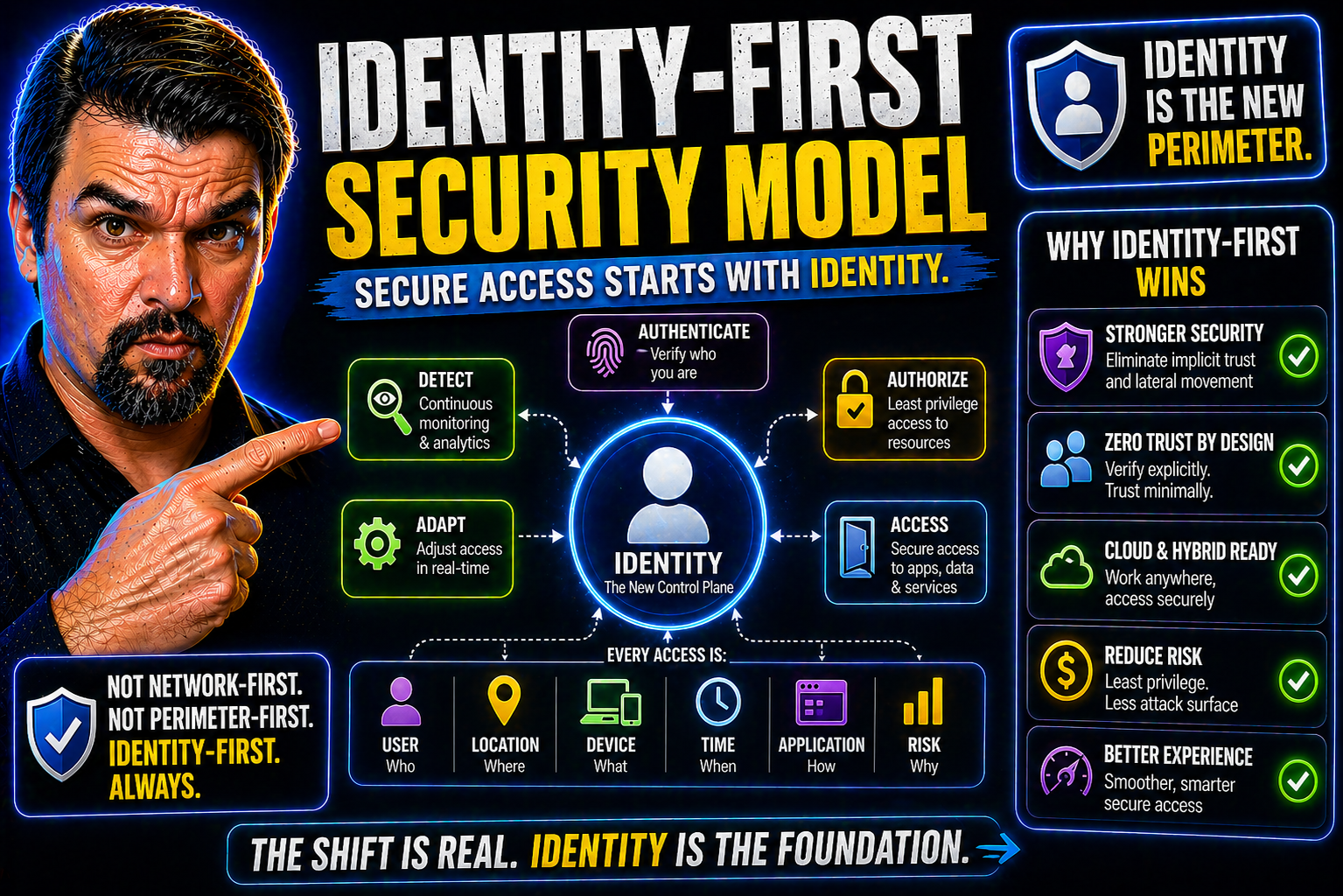
The enterprise identity blueprint is the new gold standard for managing and securing AI agents and non-human identities in large organizations, especially those invested in Microsoft Entra ID and Microsoft 365. Think of it as your master plan for making sure every digital agent—bot, API, or automation—gets the same security and governance rigor as your human users (and sometimes, let's be honest, maybe more).
This guide digs into exactly what an identity blueprint means in today's AI-driven enterprise, from defining foundational concepts and architecture to practical steps for rolling out and maintaining non-human identities at scale. You’ll get a rundown on layered security, smart governance, tricky challenges, future-forward strategies, and how modern platforms like Entra ID help tie it all together. If you want to keep your digital workforce accountable, compliant, and ready for what’s next, you’re in the right spot.
Understanding the Blueprint Identity in Enterprise Security
As enterprises ramp up adoption of AI and automated agents, identity management is facing new pressures. It’s not just about tracking employees and their access anymore—now you’ve got an ever-growing digital workforce made up of bots, automations, and all sorts of clever code. That’s where the need for an enterprise identity blueprint really takes center stage.
At its core, the blueprint identity represents the formal standard, or baseline, for governing how all these non-human actors get identified, authenticated, and supervised as they move around your environment. Without a consistent blueprint, each department or cloud project tends to invent its own rules, leading to pockets of risk, confusion, and the classic game of "who’s responsible for that bot with domain admin rights?"
This section sets the context for why blueprint identities are now a critical requirement—laying down the law on compliance, scalability, and operational sanity when half your workforce never takes a coffee break. By introducing a common identity foundation, organizations can avoid sloppy onboarding, lingering permissions, and the kinds of audit nightmares that keep security folks up at night. If you’re curious how a modern blueprint cuts through the chaos and closes the loopholes, you’ll want to keep reading.
What Is an Enterprise Identity Blueprint?
An enterprise identity blueprint is a foundational template for managing digital identities, especially those belonging to AI agents and non-human workloads. It establishes consistent rules and expectations for provisioning, naming, lifecycle, and governance across the full population of agent identities.
Unlike improvised or project-by-project setups, a blueprint formalizes operational requirements and policies so every agent or API follows the same trust, compliance, and audit standards—no matter who built it. This template-first approach separates modern identity management from traditional human-centric models, empowering organizations to scale securely without relying on scattered ad hoc practices.
The Role of Non-Human Identities in Microsoft 365 Agent Environments
Non-human identities—also called agent identities—are rapidly outnumbering traditional user accounts in Microsoft 365 and Entra ID environments. These include AI agents, Power Automate bots, integration APIs, and the modern wave of digital assistants. Unlike human users, agent identities operate 24/7, often across systems, and can escalate privileges or access sensitive data without the same natural oversight.
This surge creates unique management challenges. Humans may request access and log off at night, but agents can spawn, duplicate, or mutate with automation. Visibility and governance gaps start to show, leading to shadow automations or risky "service accounts" that nobody quite remembers setting up. These visibility gaps—sometimes called the "gap identity indigo" problem—become a breeding ground for security risk and compliance headaches if left unchecked.
Traditional service accounts are notorious for static secrets and broad, unchecked privileges—a recipe for breaches and audit failures. Organizations are now shifting to smarter solutions like Microsoft Entra Workload Identities, which enforce least-privilege, full lifecycle management, and visibility needed for Zero Trust architectures.
As highlighted by governance failures in real-world deployments of Copilot and Power Automate, poor controls over agent identities can lead to oversharing, misconfiguration, or compliance drift. To get a firsthand look at these pitfalls and their rapid escalation, see this episode on the governance collapse in AI agent environments. The key to regaining control is treating agent identities with the same, if not more, rigor as your most privileged users—only now, the scale demands automation and enforceable blueprints.
Architecting the Agentic Identity Framework
Once you’ve wrapped your head around why a blueprint is non-negotiable, the next question is: how do you actually structure one for success with agent workloads? Robust frameworks aren’t born from accidental layering—they’re a deliberate stacking of controls, each serving to harden and govern agent identity lifecycles.
The agentic identity blueprint starts with cryptographic foundations—making sure every agent, service, or workload can prove its identity in a way that's verifiable and nearly impossible to spoof. Moving up, it tackles real problems like anonymous registrations and privilege sprawl with dynamic controls and audit hooks. And it doesn't stop until you’ve got airtight policies for access, zero-downtime key updates, and true delegation models that stop agents from becoming mini-admins.
By breaking this framework into modular layers, you give yourself a playbook to address every attack surface—from initial API provisioning with SPIFFE/SPIRE, to runtime enforcement and beyond. Expect practical, step-by-step explanations for each architectural piece—so instead of a chaotic patchwork, you get a roadmap for secure, compliant, and resilient agent identity management built for how real enterprises operate today. If you're seeking ways to avoid governance gaps as highlighted in the best practices for securing AI agents, this is where it starts to come together.
Layer One: Cryptographic Workload Attestation in the Agentic Enterprise Blueprint
Cryptographic workload attestation is the trust anchor of any serious agentic identity framework. Using open standards like SPIFFE (Secure Production Identity Framework for Everyone) and SPIRE, organizations bind each agent’s digital identity to verifiable cryptographic proof, making it virtually impossible to spoof or clone.
By provisioning API workloads through this mechanism, you establish an initial level of trust before any agent gets access to sensitive resources. This approach drastically cuts down impersonation risks and ensures that only authentic, governed code can operate under your enterprise’s identity umbrella. From day one, compliance controls align with security requirements.
Layer Two: Closing the DCR Anonymity Gap with Dynamic Privilege Balancing
Closing the Dynamic Client Registration (DCR) anonymity gap is all about stamping out ghost agents and unauthorized auto-registrations. Here, you implement strict registration controls and dynamic privilege balancing, making sure every agent identity is traceable and every credential issued is warranted and managed.
No more anonymous bots spinning up unchecked. Instead, you enforce policies that ensure registration events are logged, privileges aren’t handed out “just because,” and agent behaviors are auditable. As discussed in the governance challenges of growing AI agent fleets, this approach battles identity drift and curbs the risks of runaway automation.
Layer Three: Operational Zero-Downtime Key Rotation for Agent Identities
Key rotation should never mean downtime—especially for critical agent workloads that can’t afford a nap. Operational zero-downtime key rotation practices automate the issuance, rollover, and retiring of cryptographic secrets, so identities remain secure even as old keys age out or are compromised.
Manual or infrequent rotations lead to “identity debt,” creating fragile exceptions and outdated permissions that adversaries love. Using automated tools and lifecycle management, enterprises can enforce continuous key hygiene, keeping attacks at bay while business keeps humming. For more on keeping conditional access tight and effective, check out these strategies on reducing identity risk with Entra ID.
Layer Four: Enterprise Policy, True Delegation, and Access Models
- Granular Policy Enforcement: Implement finely tuned policies that specify which agents get access to which data, APIs, or resources—and under what conditions. This means moving beyond broad access assignments and defining permissions based on the actual roles, functions, and threat levels of each agent. With least-privilege access enforced, you minimize the damage an agent can do if its credentials are ever misused or compromised.
- True Delegation, Not Impersonation: Build out delegation models that let agents perform tasks on behalf of users or services without "becoming" them. True delegation ensures every action is attributed to the correct identity—agent or human—making audit trails clear and reducing exposure from administrative overreach. This separation of duties is at the core of secure, scalable access control.
- Privileged Access Controls: For agents that need elevated rights, layer in additional approval processes, access reviews, and real-time monitoring. Use role groups in Entra ID, sensitivity labels, and DLP controls to fence off high-risk operations, as explained in guides to keeping Copilot and M365 compliant. This is how you prevent accidental data leaks or orphaned admin privileges.
- Ongoing Access Reviews and Ownership Accountability: Set routines to review which agent identities still need access and ensure every privilege has an accountable owner. This keeps your policies from getting stale and stops permissions from lingering unmonitored—key to staying compliant and ready for audits. More on aligning access with accountability can be found in data access governance strategies.
Implementing Microsoft Entra Agent Identities and Agent 365
With the architecture in place, the next step is translating blueprint principles into operational reality—especially within Microsoft’s modern ecosystem. Microsoft Entra ID and Agent 365 bring agent identity management right to the front door of your digital workforce, giving you the tools to register, configure, connect, and oversee agents built for Microsoft 365.
This section walks you through setup, best practices, and critical verification points to avoid holes in your deployment. You’ll get practical insight into the exact sequence—configuration, validation, permission grants, and integration with development tools—needed for secure, error-free launches. And because AI agents are getting smarter (and sometimes sneakier), we’ll touch on how solutions like Copilot Studio and the M365 Agents Toolkit help bridge gaps between development and identity management, so every new agent inherits the right controls and compliance context.
Securing agent identities is about more than ticking boxes—it’s about closing attack gaps. For example, improper OAuth consent grants can punch holes right through MFA and other defenses, as described in this guide to Entra ID consent-based attacks. With precise configuration, you’ll prevent these lapses and ensure your bots can’t talk their way into trouble.
Step-by-Step Configuration for Entra Agent ID with Microsoft 365 Agents
- Initial Agent Identity Creation: Start in the Entra Admin Center by registering a new workload identity for your agent, selecting the correct API scopes and limiting privileges to what the agent really needs. Avoid broad, unnecessary rights from the outset.
- Assign Conditional Access and Policies: Configure conditional access, session policies, and role assignments for your agent. Make sure any risky permission like mailbox access or directory writes triggers an extra review or admin sign-off—blocking the infamous “automated privilege creep.”
- Verify Agent's Authentication and Permissions: Test the new identity by running representative workloads or sample API calls. Confirm that audit logs capture agent activities, permissions are enforced, and no legacy service account credentials are floating free.
- Publish Agent to Microsoft 365: Finalize by publishing the agent in your environment and registering it with the appropriate Microsoft 365 services. This lets Copilot, Teams bots, or integration APIs operate under governed, trackable identities instead of generic accounts, closing a major compliance gap.
- Ongoing Review and Governance: Use lifecycle management tools to periodically review agent permissions, audit usage, and rotate secrets or certificates on schedule. This automated hygiene ensures your agent population stays healthy, secure, and ready to scale.
Integrating Copilot Studio and M365 Agents Toolkit for Seamless Agent Identity
Tying your agent identities directly into Copilot Studio and the Microsoft 365 Agents Toolkit paves the way for unified, policy-compliant deployments. Once agents are registered with Entra ID, these developer platforms recognize the managed identities, allowing you to assign permissions, monitor usage, and maintain compliance from day zero.
This integration reduces the risk of manual missteps in production, and supports automated deployment at scale—making development and security teams' jobs easier. For organizations focused on governed, tenant-aware agent rollouts and smoother adoption, resources like the Copilot Learning Center are invaluable for education and ROI tracking.
Governance, Audit, and Full Lifecycle Management of Agent Identities
Getting your agent identities online is just the beginning; keeping them governed and compliant across their full lifecycle is what prevents chaos down the road. As your agent population grows—hundreds, maybe thousands across clouds and platforms—manual oversight simply can’t keep up. That’s where automation, continuous auditing, and rapid incident response become vital.
This section covers automated provisioning and deprovisioning cascades, helping you prevent orphan identities and secret sprawl. It also spotlights modern audit logging strategies and how to shrink incident response times from hours to seconds, especially as SOC teams face AI-driven threats.
With tools like Microsoft Purview and Defender for Cloud, you’ll have access to forensic logs and continuous compliance signals, ensuring you can prove, monitor, and, when needed, quickly remediate any mishaps. For a deep dive on tenant-wide audit strategies using Microsoft Purview Audit, this guide breaks down exactly what's possible.
Automated Provisioning and Cascade Deprovisioning for API Workloads
Automating the lifecycle of agent and API workload identities is fundamental for maintaining secure, compliant environments. Provisioning new agents quickly—while enforcing naming standards and applying least-privilege—is key to reducing operational friction.
Just as important is cascade deprovisioning. This means when an agent is retired, every dependency (such as service principals and associated secrets) is automatically deactivated, preventing orphan credentials and lingering access. With lifecycle orchestration, you satisfy compliance and make sure no forgotten tokens are left hanging, exposed to attackers. While PowerShell scripting or automation is often used here, ensure your tools and runbooks are up-to-date—something made harder when resources go missing, as shown by the operational challenges in M365 automation.
Utilizing Audit Logs and Security Operations to Reduce Identity SOC Latency
In agentic environments, every second counts when detecting and responding to suspicious activity. That’s why real-time audit log collection and integration with your SOC are non-negotiable. These logs not only document every agent move but also power automated alerting and investigation.
Streamlining your audit trail helps reduce SOC latency—the lag between a threat event and the response—which can mean the difference between a contained incident and a widespread compromise. Connect identity logs directly to platforms like Microsoft Defender for Cloud and Power BI for continuous compliance and proactive monitoring, as detailed in real-time compliance monitoring guides. This ensures suspicious actions, like privilege escalation or unapproved API calls, don't slip by unnoticed.
Future Challenges and Research in Agentic Identity Blueprinting
As fast as organizations get a handle on non-human identity management, the landscape keeps evolving. Research and field experience reveal tough, unsolved issues: agent context protocols might not scale, behavioral unpredictability crops up in complex AI deployments, and delegation models can get tangled in a sea of exceptions.
This section previews what top experts and recent studies identify as limitations in today's agentic frameworks, including technical and operational gaps that defy easy fixes. But just as importantly, it casts an eye toward the AI-native enterprise of 2026—a place where dynamic identity policies, behavioral baselining, and seamless cross-cloud federation might be the new standard.
For anyone responsible for architecting the next generation of digital trust, understanding these emerging frontiers is key to keeping the blueprint future-proof and ready for what’s next. What changes when agents start adapting their own privileges, or when identity is brokered across clouds you don’t control? That’s where the real adventure—and the risk—lies.
Unsolved Problems That Research Identifies and Where the Frontier Lies
Recent research highlights several sticking points in current agentic identity models. Studies in 2023 point out that dynamic policy engines often lag behind agent proliferation, leaving “identity drift” and over-privileged bots unchecked in over 48% of surveyed Fortune 500s (Forrester, 2023).
Specialists call out protocol limits around model context protocol (MCP) servers, making it tough to handle multi-cloud or delegated scenarios without error-prone manual mapping. Furthermore, predicting and governing agent behavior in complex workflows remains a challenge—there’s still no robust way to baseline, detect, or respond to privilege escalation anomalies in real time at scale. This is a space ripe for cross-vendor standardization and machine learning-driven governance innovation.
Designing AI-Native Cloud Identity for 2026 and Beyond
Looking toward 2026, enterprise identity blueprints are expected to become even more dynamic and context-driven. AI-native cloud environments will favor adaptive behavioral profiling—essentially, learning agent patterns over time and flagging out-of-character actions instantly.
Policy engines will grow smarter, adjusting agent permissions automatically as threat levels or operational contexts shift. Cloud-agnostic identity brokers will emerge as standard, allowing agent trust to traverse AWS, Google Cloud, and Azure without gaps or lock-in. In this future, compliance and security become deeply embedded, responding in real time at the moment of agent decision, a shift outlined in emerging best practices for AI governance.
Building the Agentic Enterprise Blueprint on Open Standards, Products, and Support Networks
No blueprint is complete without a strategy for plugging into the broader ecosystem—open standards for interoperability, trusted vendor solutions, and support networks are essential for robust, future-proof deployments. Even the best-designed architecture can falter if it’s locked in, disconnected, or unsupported.
This section gives you practical guidance for selecting and integrating open standards like SPIFFE and SCIM, along with pointers for navigating the growing market of agentic identity products and managed services. The goal is helping organizations sidestep proprietary silos and build partnerships that shore up security, compliance, and operational resilience.
As data fabric and cloud governance become more important, see how platforms like Microsoft Fabric and Azure Policy fit into the big picture—supporting both hard-edged technical controls and the softer side of documentation, support, and organizational buy-in, as shown in the Azure enterprise governance strategy approach.
Standards and the Agentic Enterprise Blueprint Ecosystem
- SPIFFE/SPIRE: Use SPIFFE (and its implementation, SPIRE) for cryptographic workload attestation and cross-platform workload identity federation. This standard is best for ensuring agent trust across microservices, Kubernetes, and hybrid cloud infrastructure.
- SCIM: System for Cross-domain Identity Management is the primary choice for automated user and agent provisioning and deprovisioning, especially helpful when integrating with HR or ITSM systems.
- OAuth and OpenID Connect: Rely on these standards for secure, delegated access and authorization flows, particularly when agents access APIs or third-party services. They accelerate onboarding while enforcing least-privilege and traceable activity.
- Cloud-Native Metadata Standards: Normalize identity metadata (issuer, claims, audience) across cloud providers to support centralized policy enforcement. A federated identity schema is key for multi-cloud governance and alignment.
Evaluating Company Products, Solutions, and Support Services
When assessing products and services for agentic identity blueprints, prioritize solutions with demonstrated interoperability and robust documentation. Seek out vendors who align with open standards and are active participants in identity-focused partnerships and standards groups.
Leverage customer support channels and user communities to keep up with evolving best practices, and ensure the support network can scale with your deployment. Not all products are created equal—look for those offering consistent lifecycle management tools, real-time monitoring, and integration with your broader security and compliance stack for the highest value and operational peace of mind.

Microsoft MVP | Host of M365.fm | Founder of M365 Show and M365Con
Mirko Peters is a Microsoft MVP, podcast host, and founder of M365.fm, M365 Show, and M365Con. His work connects Microsoft practitioners through podcast interviews, livestreams, and community events.
At M365.fm, Mirko hosts conversations with Microsoft MVPs, product experts, architects, and community contributors. Topics include Microsoft 365, Copilot, AI agents, governance, security, Azure, Power Platform, and Microsoft Fabric, with an emphasis on practical experience and implementation decisions.
M365.fm is the podcast and learning platform. M365 Show brings experts together for livestreams, while M365Con provides an online conference setting for community learning.
Official website: Mirko Peters (https://www.mirkopeters.com/). Recognition: Mirko Peters — Microsoft MVP profile (https://mvp.microsoft.com/de-DE/mvp/profile/9b0ca797-db5a-493a-a845-8b9158046cf5). Connect on LinkedIn (https://www.linkedin.com/in/m365showpodcast/).