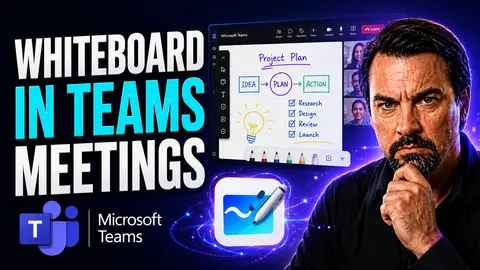
Microsoft Teams Whiteboard Guide
Quick Answer: To use Microsoft Teams Whiteboard in a meeting, join the meeting, select Share, choose Microsoft Whiteboard, and start adding notes, drawings, or templates with participants. Check meeting policies and guest permissions if the Whiteboard option is unavailable, then save or revisit the board after the meeting.
If you’re tired of scrambling to capture people’s ideas on sticky notes—or lost trying to describe a diagram over the phone—Microsoft Teams Whiteboard was built for you. This digital canvas makes it possible for teams to brainstorm, plan, and solve problems together, no matter where everyone’s sitting. Whether you’re leading a project, running a class, or supporting a global team, using Whiteboard inside Teams keeps everything organized, interactive, and right where you need it.
This guide breaks down how the whiteboard feature works within Teams meetings, why it’s such a powerhouse for teamwork, and how you can make the most of it. From fast setup to real-time collaboration and breakout room magic, you’ll discover step-by-step ways to bring your group together—virtually and visually. Expect practical how-to advice, tips for boosting participation, and strategies for capturing every important note or next step.
If you’re an IT leader, team manager, or everyday user looking to level up your Teams meetings, you’ll find answers here. Let’s get your meetings working smarter—not harder—with Teams’ built-in Whiteboard.
Microsoft Whiteboard Overview and Its Role in Teams Meetings
Microsoft Whiteboard is a cloud-based digital canvas that lets you draw, type, and add sticky notes or images—all in one place, in real time. Integrated across Microsoft 365, the whiteboard is always just a click away inside Microsoft Teams. This digital workspace is designed so everyone can work together regardless of where they’re tuning in from.
What makes it so essential? When you launch Whiteboard during a Teams meeting, it becomes a shared space for the whole group. Everyone sees the same content, and—depending on settings—any participant can add or change ideas instantly. This back-and-forth not only saves time, but also breaks down the wall between in-person and remote attendees.
Whiteboard is built for the messy, creative parts of work: brainstorming, project planning, diagrams, process mapping, and more. Thanks to its connection to Teams, all your notes, sketches, and action items are securely stored in the cloud and accessible after the meeting, so nothing gets lost in the shuffle. For both hybrid and remote workplaces, it’s a must-have for keeping voices heard and ideas visible.
With simple access, robust security, and seamless interaction, Microsoft Whiteboard turns your typical video meeting into a hub of teamwork and productivity.
Step-by-Step Guide to Launching Whiteboard in a Teams Meeting
- Join or Start Your Teams Meeting.Open Microsoft Teams on your desktop or use the web app. Start your scheduled meeting or join one in progress as usual.
- Find the ‘Share’ Button.Look for the screen sharing icon at the top (desktop) or bottom (web) of your Teams window. Click ‘Share’ to bring up sharing options.
- Select Microsoft Whiteboard.From the ‘Share content’ panel, you’ll spot an option called ‘Microsoft Whiteboard.’ Click it, and Teams will open a fresh whiteboard for everyone in the meeting.
- Understand Default Permissions.By default, all meeting participants can view and edit the board. If you only want to present or restrict editing, use the “Settings” menu (top right of the Whiteboard window) to change participant roles as needed.
- On the Web or in Breakout Rooms?The steps work the same in the Teams web app and inside breakout rooms. You can launch a separate whiteboard in each room for tailored group work.
- Start Collaborating!Once live, everyone can draw, erase, type, or paste images in real time. The whiteboard will stay active for the full meeting session and is saved automatically for access after the meeting ends.
If someone can’t access the Whiteboard, make sure they’re using Teams on a supported device or update their app. Permissions can also be double-checked in the Whiteboard settings pane. This simple launch process is a game-changer for making meetings hands-on and interactive from the very first minute.
Using Whiteboard Teams Microsoft for Real-Time Collaboration
Once you’ve got your whiteboard up and running in a Teams meeting, you open the door to a whole new level of group interaction. Microsoft Teams Whiteboard isn’t just a glorified drawing pad—it’s a living workspace where ideas can bounce around, take shape, and get refined on the fly.
By enabling and sharing the Whiteboard with all attendees, you make sure everyone’s got a front-row seat and, if you want, a set of markers in their hand. This is where meetings shift from passive presentations to active sessions where every participant can make their mark.
Whether you’re diagramming a workflow, voting with sticky notes, or just sketching out a rough plan, real-time co-creation makes it all feel immediate and personal. This live interaction levels the playing field, letting both the outspoken and the quiet team members contribute equally.
In the next sections, you’ll find straightforward steps for sharing your whiteboard, and best practices for collaborating on the digital canvas with your team. The goal? Engagement that actually sticks—and meeting results you can run with.
Enable and Share Whiteboard with All Attendees
- Start or Join a Teams Meeting.Begin the meeting on your Teams desktop or web app as you normally would. Make sure all attendees are present.
- Open the Whiteboard.Click the ‘Share’ icon and then hit ‘Microsoft Whiteboard’ in the content sharing menu. A whiteboard launches instantly for the group.
- Adjust Participant Permissions.By default, everyone can draw or edit. To lock things down to view-only, click the Whiteboard settings (gear icon) and toggle editing rights as needed.
- Present the Board to All Devices.Teams Works on desktop, web, and mobile—all participants see the board in real time. If anybody’s struggling to connect, confirm they’re using an updated version of Teams and proper sign-in credentials.
- Best Practices.Announce when you’ve started the whiteboard, and let people know how they can interact. Double-check if everyone has access before moving forward to keep things smooth and inclusive for the group.
Collaborate with Teams Members in Real Time on the Digital Canvas
- Invite Everyone to Contribute.Encourage participants to use their pointer, pen, or touch to draw and add notes. Emphasize that all voices and ideas are valuable on this canvas.
- Leverage Whiteboard Tools.Show teammates how to use sticky notes, type text, or drag in templates. The Whiteboard offers pens, highlighters, shapes, and even pre-built organization charts or brainstorming layouts.
- Real-Time Interaction.Multiple users can work at once—drawing, editing, moving items. Watch for overlapping edits and use the Undo button if things get messy.
- Set Collaboration Guidelines.Ask members to call out when they’re adding critical ideas and give everyone a turn. Consider assigning parts of the board or timed rounds to keep things orderly and streamline discussion.
- Keep It Simple and Clear.Use color coding or labels so folks know whose ideas are whose. Pause occasionally for group feedback—this way, nobody’s input gets buried or skipped.
Whiteboard Breakout Rooms and Virtual Teams Whiteboards
As Teams meetings grow and branch into smaller groups, your whiteboard tools become even more important. Microsoft Teams makes it possible to set up dedicated whiteboards inside breakout rooms, letting groups get hands-on with specific projects or questions—without bumping elbows with the main crowd.
This feature is a huge plus for workshops, training sessions, and strategy huddles where you want focused brainstorming or problem-solving in parallel. Each breakout room gets its own space to draw, plan, and drop ideas, while the leader or organizer can jump between boards to monitor progress.
Of course, not every collaboration happens entirely within Microsoft Teams. There are moments when your team or external partners need a whiteboard that can bridge different platforms, devices, or even organizations. Comparing Teams Whiteboard to other virtual whiteboard solutions helps you pick the right fit—whether you need basic collaboration inside Teams or a robust board for hybrid working.
In the next sections, you’ll get clear steps for managing whiteboards in Teams breakout rooms and a concise comparison of Teams Whiteboard with other popular digital canvas tools, so you’re covered for any group scenario.
Using Whiteboard in Breakout Rooms for Group Work
- Create and Assign Breakout Rooms.During your Teams meeting, hit the breakout rooms icon and assign attendees to the rooms you want. Make sure each room has the right contributors for your group work goals.
- Launch a Whiteboard in Each Room.Inside each breakout room, select the ‘Share’ button and pick ‘Microsoft Whiteboard.’ Each room now has its own fresh whiteboard—separate from the main meeting board.
- Set Permissions for Group Members.Check that participants in each breakout can view and edit the board. Adjust settings if you want only certain people to brainstorm or write.
- Facilitate and Capture Outcomes.Encourage small groups to jot down ideas, make lists, and assign follow-ups on the board. When rooms close, you can save all boards or combine results in the main meeting summary.
Virtual Whiteboards for Teams and Beyond
- Teams Whiteboard: Built-In and Secure.Microsoft Whiteboard offers tight integration with Teams meetings, fast access, and automatic cloud saving. It’s secure, easy for most users, and works across devices without extra logins.
- Third-Party Virtual Whiteboards.Tools like Miro or Lucidspark provide more advanced templates, integrations, and cross-platform access—good for big workshops or working with guests who don’t have Microsoft 365 accounts.
- Accessibility and Integration Choices.Teams Whiteboard is best for internal Microsoft environments, but external partners may benefit from universal sharing features found in other apps. Consider which platform fits your group’s privacy, access, and workflow needs.
- Mixed Tool Environments.For companies using a mix of collaboration tools, opting for a whiteboard solution that works both inside and outside Teams can prevent friction and boost productivity in cross-organization meetings.
Saving and Accessing Whiteboards After Teams Meetings
If you’ve ever wrapped a Teams meeting and thought, “Wait, where did that whiteboard go?”—you’re not alone. After every Teams meeting that used Whiteboard, the board isn’t lost in the digital ether. Microsoft 365 has your back, saving each board automatically to your cloud so your brainstorms are never out of reach.
To get your hands on an existing whiteboard after a meeting ends, head over to the Microsoft Whiteboard app (either the web app or desktop). Under “Recent” or “Boards,” you’ll find all your Teams meeting whiteboards, handily sorted by meeting name and date. No detective work required. Click to reopen, edit, or keep building on your ideas anytime—individually or with your team.
Need to share those brilliant scribbles or keep your project rolling? Whiteboards can be exported as images or SVG files for easy distribution. If stakeholders missed the meeting, export a summary from the board to include in project documentation or handouts, keeping everyone in the loop and moving toward action items.
Controlling access is just as important in organizations where compliance and knowledge retention matter. Only attendees with permissions can view or edit the board by default, but you can adjust sharing from within the Microsoft Whiteboard app, ensuring your sensitive ideas stay in the right hands. This helps meet those privacy or retention standards your business might require, while still keeping collaboration alive and well.
You Should Also Listen To
If you are researching Microsoft Teams Whiteboard, these episodes add practical context on collaboration, meeting operations, security, and governance:
- Recording, Transcription, and Breakout Rooms — Learn how meeting capture and breakout features turn discussions into action.
- Microsoft Teams Governance – The Illusion of Control — Connect meeting choices with policy, ownership, lifecycle, and governance.
- Microsoft AI Agent Harness – Simply Explained — Understand how AI orchestration can support meeting workflows and guardrails.
- Microsoft Defender XDR – Simply Explained — Add security monitoring and response to meeting operations.
Use Microsoft Teams Whiteboard effectively in different meeting types
Desktop and web meetings
Open the meeting controls, select Share, and choose Microsoft Whiteboard. Invite participants to contribute only when the activity benefits from live co-authoring; otherwise use the board to guide the discussion and capture decisions.
External guests and meeting policies
External participation depends on the meeting setup and your organisation’s policies. If Whiteboard is unavailable, verify that the meeting is not restricted by tenant policy and review current guidance in Microsoft Support. Administrators should use Microsoft Learn for policy and service configuration details.
Frequently asked questions
Why can’t I see Whiteboard in a Teams meeting?
Check whether the meeting organiser’s policy, the client version, or guest restrictions affect Whiteboard availability. Trying the web or desktop client can help isolate a client-specific problem.
Can I use the same Whiteboard after the meeting?
Yes, when the board is retained in the meeting context and your access remains in place. Treat it as a working artefact: name it clearly and capture final decisions in the appropriate team workspace.
🎧 You Should Also Listen To
- What Is Microsoft Teams? Complete Guide explains the collaboration structure around Teams meetings, chats, and channels. It helps you choose the right place for Whiteboard outputs after the meeting ends.
- Teams Admin Center Governance is the right next listen for meeting controls, policies, and responsible administration. It complements the Whiteboard guide when availability is governed centrally.
- The People Problem, Not the Tool Problem explores the adoption side of collaboration. It is useful for turning a Microsoft Teams Whiteboard session into an inclusive, repeatable working practice.
Last reviewed: July 2026 — based on the current Teams and Microsoft Whiteboard experience.

Microsoft MVP | Host of M365.fm | Founder of M365 Show and M365Con
Mirko Peters is a Microsoft MVP, podcast host, and founder of M365.fm, M365 Show, and M365Con. His work connects Microsoft practitioners through podcast interviews, livestreams, and community events.
At M365.fm, Mirko hosts conversations with Microsoft MVPs, product experts, architects, and community contributors. Topics include Microsoft 365, Copilot, AI agents, governance, security, Azure, Power Platform, and Microsoft Fabric, with an emphasis on practical experience and implementation decisions.
M365.fm is the podcast and learning platform. M365 Show brings experts together for livestreams, while M365Con provides an online conference setting for community learning.
Official website: Mirko Peters (https://www.mirkopeters.com/). Recognition: Mirko Peters — Microsoft MVP profile (https://mvp.microsoft.com/de-DE/mvp/profile/9b0ca797-db5a-493a-a845-8b9158046cf5). Connect on LinkedIn (https://www.linkedin.com/in/m365showpodcast/).