AI Employee Experience Workflows
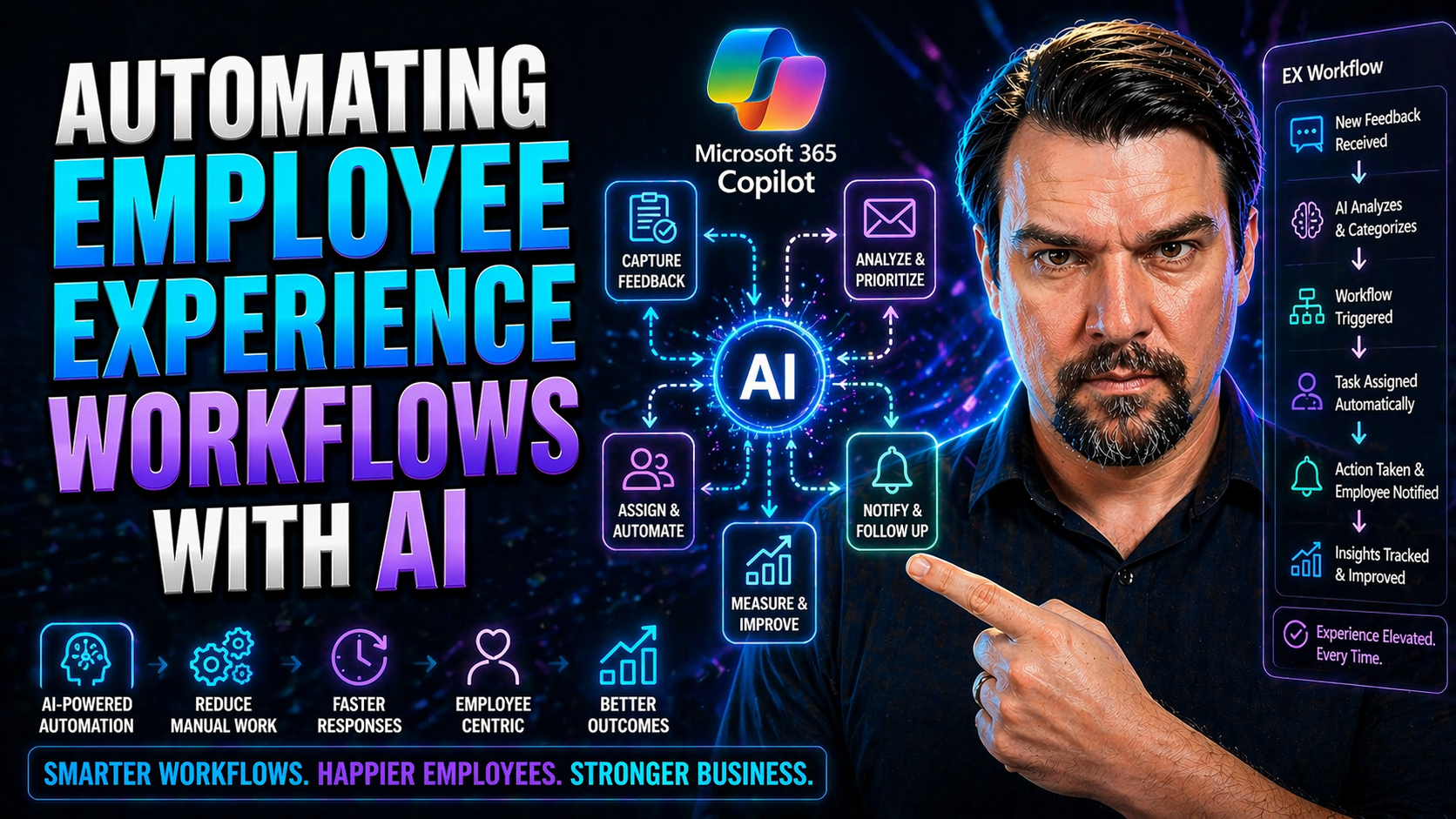
Artificial intelligence is changing the way organizations design, manage, and improve employee experiences. Gone are the days when HR teams spent hours working through manual paperwork and endless emails to handle employee needs. With AI, companies can now automate a huge range of workflows, from onboarding to performance feedback, making things faster, smarter, and more consistent for everyone involved.
This guide takes you on a practical journey through how AI is transforming employee experience workflows. You’ll see how intelligent tools boost operational efficiency, help employees stay engaged, and give leaders the insights needed to keep people happy and productive. Whether you’re new to AI or looking to deepen your strategy, you’ll find actionable advice about technology choices, key challenges, and what to expect as the landscape keeps evolving.
If you’re an HR manager, IT lead, or company executive looking to bring your employee operations into the future, this is where you start. AI is no longer just a promise—it’s the fuel driving smarter, more people-focused organizations. We’ll cover how automation works, where it pays off, and what you need to know to make it stick. Let’s dig in.
AI-Driven Transformation of Employee Experience Workflows
Today’s organizations face unprecedented pressure to deliver exceptional employee experiences while dealing with complex operations and fast-changing needs. AI-driven transformation stands at the center of this shift, enabling companies to reimagine workflows and culture from the ground up. With artificial intelligence, HR and operations teams gain the ability to move beyond routine tasks, using smart automation to simplify even the most tangled processes.
AI-powered tools don’t just speed things up—they add a layer of intelligence that helps anticipate and respond to what employees actually need, often before a person even knows to ask. This shift is fundamentally modernizing workplaces, turning manual routines into dynamic, adaptive systems that actively boost engagement and performance. When done right, AI-driven workflows can cut frustration, reduce bottlenecks, and shine fresh light on what matters most inside your organization.
As you read on, you’ll discover how modern employee tools, AI-powered orchestration, and seamless automation work together to transform the employee journey. These shifts are not only about technology, but about building new kinds of connections, transparency, and trust in the workplace. It’s a change not just in what gets done, but in how work feels from the inside out.
How Employee Tools Transform the Modern Work Experience
AI-driven employee tools mark a major evolution from traditional HR systems. Where manual processes once ruled—think emails, spreadsheets, and endless forms—modern AI tools now automate many core tasks. Employees receive responses faster, information is always up to date, and the usual delays just start melting away.
For example, a smart HR portal powered by AI can instantly handle requests like time-off approvals, pay questions, and benefits enrollment. Instead of tracking down a manager or waiting for an email thread to resolve, employees interact through chatbots or dynamic forms that give answers right there and then. This rapid responsiveness removes a huge source of frustration and leaves staff feeling genuinely supported by their workplace.
The boost in transparency is another big win. AI tools can provide clear status updates, so people don’t feel lost in a bureaucratic maze. Need to know where your onboarding paperwork stands? The system tracks and reports progress step by step. This openness helps build trust and sets a better tone across teams—nobody wants to feel like their issues are being swept under the rug or dropped unintentionally.
Perhaps most important, AI-powered employee tools adapt to changing needs. As workplace expectations shift—maybe more remote work, maybe a focus on mental health—AI platforms update processes behind the scenes, ensuring employees always have access to resources that fit the times. What used to take months of policy rewrites now happens at digital speed. The whole experience, from hire to retire, becomes smoother and more satisfying for all involved.
The Role of AI-Powered Orchestration in Workforce Engagement
AI-powered orchestration refers to the intelligent, behind-the-scenes coordination of systems and applications to deliver a seamless employee experience. Instead of relying on manual touchpoints, orchestration unites HR tools, communication platforms, and data sources to work in sync, making complicated processes just flow.
When orchestration is fueled by AI, it can analyze data from different sources—payroll, scheduling, training, and even sentiment feedback—and dynamically adjust workflows. This keeps the employee journey smooth, with less friction and fewer breakdowns. For example, if a system catches that someone is stuck on a training module, it can automatically trigger follow-up support or offer personalized resources based on their learning pace. This is all done without adding more work for HR teams.
Seamless orchestration means employees get the help, information, or reminders they need right when it matters, not a week too late. This reduces bottlenecks and cuts down on confusion, especially during busy times like open enrollment or when a big project ramps up. Companies see improvements in workforce engagement because employees spend more time focused on meaningful work, and less time dealing with old-school roadblocks or missed communications.
The real win is seen in overall productivity and retention rates. When processes are orchestrated well by AI, teams notice fewer errors, faster resolutions, and more human-centric experiences that contribute to a stronger, more connected workplace culture.
Automation with AI-Powered Orchestration
AI-powered orchestration automates cross-departmental workflows by linking HR, IT, and operations in real time. The system handles tasks like auto-routing requests to the right team, triggering approvals, and dynamically adapting steps based on current data.
This real-time decision-making not only saves time but increases accuracy and consistency. As a result, companies achieve greater operational efficiency and employees experience far less hassle across their everyday tasks and requests.
Streamlining HR Workflows with Intelligent Automation
For HR teams, the push for greater efficiency is never-ending. AI presents a practical solution to some of their oldest headaches by automating repetitive tasks that once required heaps of time and manual effort. These changes let HR folks shift their energy from paperwork and troubleshooting to more strategic initiatives that move the business forward.
Intelligent automation identifies, routes, and resolves common HR processes—from onboarding to payroll to routine approvals—with a level of speed and accuracy that’s hard for humans alone to match. This isn’t just tech for tech’s sake. It’s about putting the right tools in place so people can focus on high-value work—like supporting employee growth or tackling culture building—without losing hours to forms and follow-ups.
As you move into the next sections, you’ll see examples, tool recommendations, and use cases that illustrate exactly where AI fits in. Whether you’re looking for ways to reduce manual processes or want your HR operations humming smoothly, the practical use of AI-driven workflow automation has something for every team ready to take that next step into the future.
How Workflows Intelligently Streamline HR Processes
Intelligent automation uses AI to streamline HR workflows by identifying, routing, and resolving a wide range of employee requests. For instance, when someone submits a payroll inquiry or a time-off request, the system can immediately recognize what’s needed and send it to the right person or department for fast action.
AI-driven workflow optimization means routine HR processes—like onboarding, approvals, or updating employee records—are handled automatically, following pre-set decision rules. The system can also spot issues, such as missing documentation or errors, and prompt users to resolve them before things escalate. This significantly cuts down time spent on manual checks and reduces the risk of mistakes, which often lead to frustration and extra costs later.
Through powerful workflow automation, HR managers spend less energy tracking tasks and more time focusing on people and strategic work. Imagine a hiring workflow that collects feedback, schedules meetings, and keeps candidates updated without you lifting a finger. That’s the leap in efficiency AI makes possible. And by creating a smoother path for every process, these intelligent workflows also lift overall employee satisfaction—a win-win for the whole company.
Automating Repetitive HR Tasks with AI
- Benefits Enrollment: Before AI, employees had to fill out paper forms or navigate complex online systems, often leading to missed information and delays. With automation, AI tools can pre-fill forms, validate employee data against requirements, and guide users step-by-step, making the process quicker and less error-prone.
- Time-Off Requests: Traditionally, staff submitted requests via email or paper slips, then waited on busy managers to review and respond. Automated systems now approve standard requests instantly based on company rules, send status updates, and update calendars in real time, freeing HR and employees from slow, manual exchanges.
- Document Updates: Keeping up with policy changes, certifications, or employee records meant tracking multiple files and versions manually. AI tools can alert employees to required updates, collect e-signatures, and sync information across all HR systems. This not only ensures accuracy but keeps compliance risk in check.
- FAQs and HR Questions: Employees once had to locate the right department contact and wait for answers to basic questions. AI chatbots and digital assistants now provide instant responses to a huge number of routine HR inquiries, including payroll, leave balances, or policy details—no human bottleneck needed.
Automating these repetitive processes gives HR teams the freedom to focus on big-picture work and boosts employee satisfaction with transparent, timely service.
AI-Powered Tools Advancing HR Process Efficiency
- Workday: Workday uses advanced analytics and automation to streamline HR workflows, including recruiting, payroll, and compliance. Its AI engine recommends next steps and flags anomalies, making it a good fit for organizations seeking a fully integrated solution.
- BambooHR: Focused on ease of use, BambooHR automates document management, performance reviews, and employee self-service. Its simplicity makes it ideal for mid-sized companies looking for powerful HR automation without steep learning curves.
- ADP Workforce Now: ADP’s platform integrates payroll, benefits, and time management. AI-powered features identify trends, automate routine tasks, and offer predictive insights for workforce planning, giving HR leaders confidence in scaling operations smoothly.
- Personio: Personio blends HR automation with role-based access and contextual workflows, making it a strong option for companies managing complex org structures or growing teams with diverse needs.
These tools empower HR departments to handle routine tasks automatically, reduce manual workload, and keep employee experience consistent as teams expand or change.
Enhancing Employee Feedback and Engagement with AI
Employee engagement isn’t just about good intentions—it relies on understanding and acting on real feedback, in real time. AI is revolutionizing this space by giving organizations the ability to ask, listen, and respond faster than ever before. Instead of yearly surveys and delayed action, today’s AI-driven systems collect feedback continuously, turning it into actionable insights right away.
The next few sections dig into how AI automates everything from gathering opinions to predicting where engagement issues might bubble up. With smart systems, HR can spot trends, surface problems, and even generate personalized coaching opportunities that help employees feel heard, valued, and supported.
For HR leaders and managers, AI-powered engagement tools aren’t just gadgets—they’re strategies. These solutions directly influence retention, morale, and culture by turning data into decisions and routine processes into moments that matter for every employee. With AI in your toolkit, strengthening engagement becomes an ongoing process, not an annual event.
Boosting Employee Feedback Through AI Automation
AI brings a new level of reach and speed to collecting and processing employee feedback. Companies now use AI-driven surveys that adjust questions in real time based on responses, making it easier for employees to share thoughts without overloading them with lengthy forms.
Sentiment analysis tools scan written feedback, chat discussions, and even open-ended responses to gauge how employees truly feel. These tools spot positive, negative, or neutral sentiment, alerting HR when morale might be shifting or engagement dips emerge. It’s not just about collecting opinions—it’s about quickly turning those numbers and words into actionable next steps.
With continuous listening platforms, feedback becomes part of the daily workflow rather than a yearly check-in. These systems send out quick “pulse” surveys, monitor engagement signals, and deliver real-time analytics to managers’ dashboards. This constant stream of insights helps leaders adjust policies, shift communication tactics, or intervene early to address potential issues before they snowball.
Automation in feedback also increases participation rates. When sharing your voice becomes simple and fast, more people get involved. As a result, organizations make smarter, more relevant changes—building trust and demonstrating that feedback isn’t just collected, it’s actually put to work.
Gaining AI-Powered Insights from Employee Data
AI-powered analytics can rapidly process vast amounts of employee data—from surveys, emails, and HR records—to flag trends and predict future hotspots. For example, AI can alert HR to declining engagement based on response rates or rising turnover risk tied to team sentiment.
These predictive insights allow HR leaders to act early, improve diversity and inclusion strategies, target training, and address morale issues before they impact the whole organization. Even small trends, once hidden in the data, become clear and actionable with AI.
Personalized Feedback and Coaching with AI
AI now helps organizations break out of the “one-size-fits-all” approach to employee development. By analyzing each employee’s role, recent feedback, performance data, and even learning preferences, AI can offer custom-tailored learning paths and coaching opportunities that actually fit individual needs.
For instance, after analyzing project feedback, AI may suggest targeted training modules, recommend mentorship pairings, or deliver step-by-step tutorials suited to how an individual learns best. This keeps learning engaging and relevant, rather than overwhelming employees with generic resources they won’t use.
AI-driven coaching systems track progress, automatically nudging employees with reminders and motivating feedback at the right moments. This creates an environment where employees feel valued for their unique contributions and can see the path to growth mapped out clearly for them.
The result is a more empowered workforce where satisfaction rises—not because everyone gets the same treatment, but because each person is recognized as an individual with evolving goals and strengths the company actively invests in.
AI Virtual Assistants and Chatbots for Employee Support
Workplace support has come a long way from long email chains and waiting on help desk responses. AI virtual assistants and chatbots are now the front line for employee support—always on, always ready to help. These tools answer routine questions, resolve common problems, and even guide newcomers through onboarding, dramatically reducing wait times and frustration.
AI assistants excel at handling repetitive or straightforward requests, freeing up human agents to focus on the higher-touch cases that really need empathy or expertise. For organizations, that means lower support ticket loads and higher employee satisfaction. For workers, it means quick answers and a smoother ride, whether they’re looking up company policies or double-checking PTO balances.
The sections ahead break down how these bots work in real-world scenarios and how AI-powered knowledge bases provide one-stop access to the information employees need. With these systems in place, support becomes less about jumping hurdles and more about empowering employees with the answers they seek, right when they need them.
Advanced Bots and Assistants Handling Employee Requests
- IT Support Chatbots: Employees can use AI assistants to resolve tech issues, reset passwords, or troubleshoot hardware—all through conversational interfaces, saving time and freeing IT teams for bigger challenges.
- HR Inquiry Bots: These bots answer frequently asked questions about policies, benefits, or payroll, eliminating email wait times and streamlining access to critical information.
- Onboarding Guidance: New hires are guided through paperwork, orientation schedules, and resource set-up by specialized onboarding bots, ensuring nothing gets missed and starters feel welcomed from day one.
- Meeting Scheduling Assistants: AI assistants can find available times, send invites, and reserve rooms based on everyone’s schedules, removing a common coordination headache and boosting productivity for all involved.
These examples demonstrate how AI-driven bots take the friction out of everyday work, keep the focus on meaningful tasks, and save resources across departments.
Organizing Company Information with AI-Powered Knowledge Bases
AI-powered knowledge bases change how employees access and use company information. Instead of sifting through email archives or endless folders, these systems use AI to sort, tag, and update content automatically—whether it’s HR policies, training materials, or benefits guides.
Whenever an employee has a question, they can search for answers or simply ask a chatbot, which pulls accurate, current information from the knowledge base. The system delivers precise responses in seconds, ensuring employees always find what they need without relying on busy HR or IT staff.
For organizations growing fast or operating across multiple locations, AI-powered knowledge bases keep everyone on the same page. Documentation stays up to date, FAQs are refreshed as policies change, and ongoing learning is supported for all employees, new and seasoned alike.
This self-service approach reduces overall support requests, shortens response time, and allows employees to help themselves at any hour. As companies scale, a centralized, intelligent knowledge base becomes the backbone of efficient, frictionless employee experience.
Implementation, Challenges, and Strategic Considerations
Rolling out AI in employee experience workflows isn’t something you set and forget. It requires careful planning, a thoughtful approach to change, and some honest soul-searching about what could go wrong. This next section serves as your roadmap, helping you see both the excitement of automation and the pitfalls you’ll want to sidestep as you get started.
You’re going to see best-practice steps for identifying where AI fits your needs and how to pilot solutions without overwhelming teams. But it’s not all sunshine—risks like data security, algorithmic bias, and even plain old tech fatigue come with the territory, and you’ll want strategies to handle them head on.
With AI getting more complex by the day, clear thinking and open communication are essential. These next subsections offer the grounding you’ll need to choose the right systems, manage rollout, and keep your transformation human at heart. It’s not just about deploying tech; it’s about building long-term trust and effectiveness in your workplace.
Key Steps to Successful Implementation of AI in EX Workflows
- Identify Use Cases: Start by pinpointing the HR or employee experience challenges you want AI to solve. This might include automating onboarding, streamlining feedback collection, or handling routine support requests. Map out pain points where automation could deliver the most impact.
- Select and Pilot Tools: Research and shortlist AI platforms that match your unique needs. Pilot the top solutions on a smaller group of users first to see how well they integrate and solve real problems, gathering feedback before going wider.
- Integrate with Existing Systems: Make sure your chosen AI tools connect smoothly with current HRIS, payroll, and communication platforms. Plan integrations to minimize disruption to daily workflows, ideally with IT support to handle technical details.
- Ongoing Evaluation and Optimization: Monitor performance using both quantitative data (like resolution times) and qualitative employee feedback. Continually update AI workflows to keep systems relevant, address new pain points, and maximize satisfaction as your organization evolves.
Following these steps ensures your AI rollout is both strategic and grounded in real organizational needs.
Challenges and Considerations When Implementing AI
- Data Security: Automated systems handle sensitive employee data, which makes robust access controls, encryption, and compliance with regulations critical. Always verify vendor security practices and prepare a response plan for potential breaches.
- Bias in Algorithms: AI systems can unintentionally reinforce existing workplace biases if not properly trained and audited. Regularly review models for fairness and include diverse data to improve equity in automated decision-making.
- Maintaining Human Touch: As more processes are automated, employees may miss the human connection that fosters trust and well-being. Balance AI with genuine human support, ensuring there are touchpoints for complex or sensitive interactions.
- Tech Fatigue: The flood of new technology can overwhelm employees, especially if poorly introduced. Communicate early, provide thorough training, and pace rollouts to help teams adjust rather than resist.
By planning for these challenges, organizations can reduce risks, build trust, and maximize the benefits of their AI investments.
Considerations for Choosing the Right AI-Driven Solution
- Fit by Use Case: Match the platform’s strengths to your most pressing needs, such as onboarding automation, analytics, or feedback collection. Not every tool does everything well.
- Team Size and Complexity: Choose a solution that scales easily for your organization’s current size and anticipated growth, while considering different role structures or departments.
- Industry Compatibility: Some platforms are tailored to specific fields, such as healthcare or manufacturing, with compliance features or workflow modules optimized for those settings.
- Integration Capabilities: Ensure the system works well with your existing HR, payroll, and collaboration tools for seamless data flow and a unified employee experience.
Taking the time to weigh these factors raises the odds of long-term success and smooth user adoption.
The Future of AI in Employee Experience: Trends and Strategy
The horizon for AI in employee experience is brimming with possibilities. From the rise of generative AI—capable of producing rich content and personalized communications—to agentic workflows that autonomously execute tasks, the industry is leaping beyond basic automation. Businesses are beginning to use natural language processing and advanced communications technology to deliver tailored, always-on support and development resources.
This section examines how tomorrow’s tools will do far more than check boxes; they will help organizations design entirely new workplace strategies. By anticipating employee needs, uncovering hidden insights, and learning as they go, AI platforms will increasingly take center stage in shaping culture and guiding company strategy. It’s about building workplaces that respond, adapt, and evolve—just like the people who work there.
Let’s look ahead at these coming trends and see how organizations can invest wisely for a future where employee experience and technology walk hand in hand, setting the groundwork for lasting impact and ongoing innovation.
Generative AI and Agentic Workflows in Employee Experience
Generative AI refers to algorithms that create original documents, communications, or training materials automatically. By processing input from employee data and organizational guidelines, generative AI can instantly draft onboarding guides, personalized policy memos, or even tailored recognition notes—freeing HR from repetitive content development tasks.
Agentic workflows go a step further by allowing AI systems to execute entire processes on their own, without human intervention. For example, an agentic workflow can identify an employee’s skills gap, assign relevant learning modules, and monitor completion—all while adjusting based on real-time performance metrics.
Early use cases include AI drafting employee handbooks for different locations, automatically scheduling coaching sessions based on engagement signals, or generating customized communication campaigns to boost morale. These approaches greatly reduce manual workload for HR and deliver more relevant, timely resources to every employee.
As generative and agentic technologies mature, their impact on engagement, productivity, and satisfaction will only deepen. Companies adopting these advances now position themselves as innovation leaders in workforce experience.
How AI Will Transform the Workplace and Employee Strategy
AI is driving a profound shift in the way workplaces operate and manage people. According to Deloitte’s 2023 Human Capital Trends, over 60% of organizations now see AI as essential for future HR strategy—not just as a tool for automation but as a driver of culture and innovation. Case studies from large enterprises show a 20–35% reduction in HR administrative workload after rolling out intelligent automation platforms.
Experts from Gartner predict that, by 2025, AI will handle up to 75% of employee service inquiries, fundamentally changing the roles of both employees and managers. Leaders in the space emphasize that as AI takes over repetitive or transactional work, there is an increasing premium placed on creativity, emotional intelligence, and strategic thinking across the workforce.
This shift is prompting a reevaluation of traditional leadership and talent development strategies. Companies are investing more in upskilling, adaptive learning, and hybrid work strategies to keep pace with digital employee expectations. The focus now turns to building flexible, resilient businesses where AI augments—not replaces—the human touch, equipping organizations to respond in real time to changing demands.
Frequently Asked Questions and Leading Product Ecosystem
Stepping into the world of AI for employee experience brings a lot of practical questions—about what’s possible, what’s risky, and what’s worth investing in. This section helps cut through the noise with straightforward answers to the most common questions HR and business leaders have about automation, ethics, and getting results.
You’ll also get concise profiles of leading product platforms, like Rovo and Atlassian Collections, that support AI-powered EX workflows. For anyone eager to find the best fit or seeking additional resources, this section rounds out the guide with actionable next steps and confidence-boosting comparisons.
Whether you’re ready to pull the trigger on an AI deployment or just want a better lay of the land before making any moves, you’ll find the answers and reference points needed right here to continue your journey.
Frequently Asked Questions About AI in Employee Experience
- What are the main benefits of AI automation in HR? AI cuts down manual labor, increases process accuracy, and delivers faster responses to employee needs—freeing teams for more strategic work.
- Will AI replace HR staff? No. AI takes over routine and repetitive tasks but still needs human oversight, empathy, and judgment for complex or sensitive situations. HR roles shift rather than disappear.
- What about data security and privacy? Trusted AI platforms use strict encryption and access controls. It’s essential to review each vendor’s approach to security and ensure compliance with all privacy laws and ethical standards.
- How can companies prevent bias in automated HR decisions? Regular audits, diverse data sources, and transparent algorithms help flag and correct bias, keeping systems fair and equitable.
- What ROI can we expect? Organizations often see increased productivity, higher employee satisfaction, and reduced support costs in the first year of implementation. Exact ROI depends on scope and use case.
These answers help demystify AI in HR so organizations can move ahead confidently and responsibly.
Reviewing Rovo, Atlassian Collections, and Featured Apps
- Rovo: An AI-powered platform focused on workflow automation and employee support. Rovo offers customizable bots for everything from onboarding to benefits management, making it a solid choice for organizations seeking flexible, modular solutions.
- Atlassian Collections: Atlassian’s suite includes Jira with ready-made templates, Confluence for knowledge management, and automation tools that streamline onboarding and recurring HR processes. Integration across platforms is a major plus for organizations scaling their digital operations.
- BambooHR: Highly rated for its ease of use, BambooHR automates key HR tasks and includes built-in reporting and analytics—ideal for small and mid-sized businesses looking for a user-friendly AI-driven HR backbone.
- Personio: Designed for fast-growing companies, Personio combines HR, onboarding, and workflow automation with context-aware controls and easy third-party integrations.
Each solution includes customer support, extensive learning materials, and strong communities for ongoing success. Comparing features and integration options helps find the right match for unique needs.
AI for Personalized Employee Journey Mapping
AI is taking employee experience a step beyond simple task automation. It’s now possible to dynamically map and adapt the journey of each employee, tailoring every step based on real-time data, behavioral cues, and career aspirations. This kind of personalization, powered by predictive analytics, fills a gap left by most traditional HR systems—and most competitors too.
Smart companies use AI to create a living, adaptive profile for each employee. As workers take on new roles or grow skills, the system adapts onboarding, career pathing, and recognition programs to match their evolving goals. Instead of treating everyone the same, organizations can predict needs and move people into new opportunities before burnout or boredom set in.
The following sections break down what this looks like in practice: from dynamic skill gap analysis and internal mobility planning, to workflow personalization that takes role, location, and even real-time sentiment into account. Here you’ll get strategic guidance on supporting talent and driving retention through AI-powered, individualized journeys.
Dynamic Career Pathing and Talent Mobility with AI
AI reshapes career pathing by forecasting employee growth, suggesting new positions, and identifying personalized learning opportunities. Through constant analysis of skills, performance data, and marketplace trends, AI predicts where gaps or strengths exist, helping HR and employees partner in planning the next move.
A practical example: If an employee’s performance metrics and learning activity show they’re ready to advance, AI will recommend targeted training or upcoming job openings that match their strengths or aspirations. Over time, the system also predicts who might benefit from lateral moves or reskilling, driving proactive talent mobility before employees even consider leaving.
This approach doesn’t just keep skills aligned with business goals—it improves retention by making clear that the company is invested in every individual’s growth. Managers receive recommendations for who to coach or promote next, taking gut feel out of the equation and making career progression more transparent and achievable.
By forecasting and nudging career moves in real time, AI not only streamlines workforce planning but keeps the pipeline of internal talent flowing—reducing turnover and building loyalty at every stage of the employee lifecycle.
Context-Aware Workflow Personalization for Each Employee
Context-aware AI tailors workflows in the moment, adjusting based on role, location, work habits, or real-time feedback. For example, frontline workers might get mobile onboarding flows, while remote teams see digital workspace prompts and schedule flexibility to match their time zone or language needs.
By automatically surfacing resources, tasks, and communication in ways that fit each employee’s context, organizations see higher satisfaction and lower friction across everyday tasks. AI-driven personalization creates more relevant, streamlined journeys, making each interaction meaningful and efficient.
Ethical AI and Building Employee Trust in Automated Workflows
As AI-driven systems become more deeply woven into HR and employee experience, questions of fairness, transparency, and trust take center stage. Automating sensitive processes—whether it’s hiring, development, or performance reviews—means organizations must prioritize ethical governance and clear communications to build confidence in AI decisions.
This section addresses major gaps missed by most competitors, focusing on techniques for making AI decisions transparent and tackling bias. With thoughtful strategies, companies can turn automated workflows into a source of trust and inclusion, not suspicion or resistance.
Drawing on best practices, you’ll see how to explain and audit automated outcomes, making it easier for employees to understand AI-driven processes and see their best interests protected at every step. Let’s step into the practical tools and principles that anchor ethical, employee-centered AI deployment.
Transparency and Explainability in AI-Driven Decisions
Transparent AI means employees can understand how and why specific decisions—like promotions or workflow assignments—are made. Organizations achieve this by using explainability frameworks that break down algorithmic outputs in plain language and provide clear audit trails.
Real-world examples include automated feedback that spells out which criteria drove a result, rather than hiding logic behind a black box. This openness boosts trust, supports compliance, and gives employees a sense of agency even in automated workflows.
Auditing For Bias and Ensuring Fairness in Automation
Bias audits use algorithms and human review to detect and correct unfair patterns in AI-driven workflows. Regular review cycles and fairness metrics are applied to decisions about task assignments, promotions, and development opportunities to prevent inequity.
Equity must be front and center as AI handles more HR functions. Practical steps—like diverse training sets and periodic external audits—help make sure automated systems offer fair access and recognition for everyone, regardless of background or role.
You Should Also Listen To
If you are exploring AI employee experience workflows, these episodes add practical context for Microsoft 365 collaboration, employee experience, governance, and secure AI adoption.
- Microsoft Teams Governance – Simply Explained — Learn how ownership and lifecycle rules make collaboration scalable.
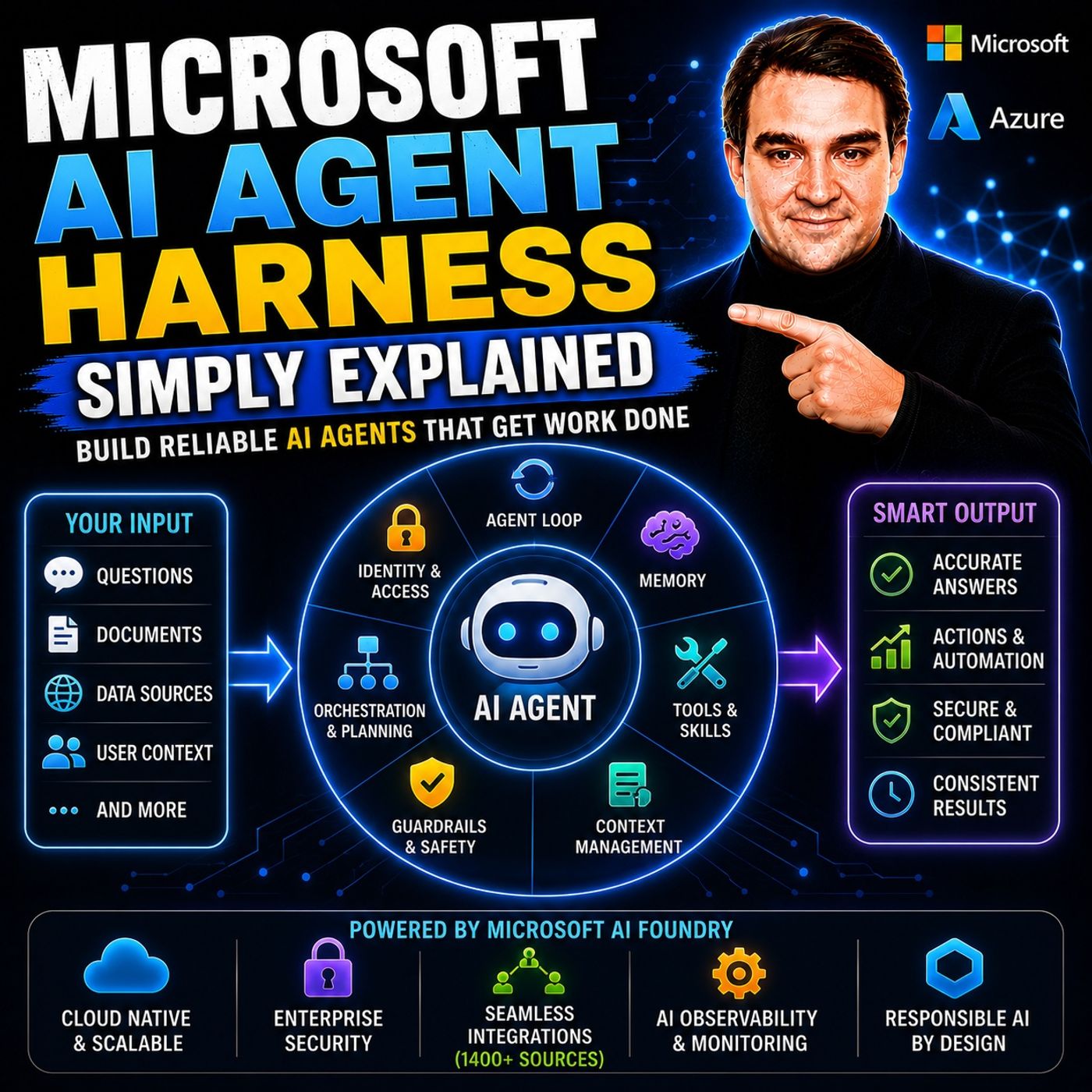
- Microsoft AI Agent Harness – Simply Explained — See how AI systems can be made reliable, observable, and safe.
- Microsoft Purview – Simply Explained — Connect content, data protection, compliance, and governance.
- Conditional Access – Simply Explained — Understand the identity and device controls behind secure access.
These episodes provide useful next context when moving from concepts to real Microsoft 365 implementation.

Microsoft MVP | Host of M365.fm | Founder of M365 Show and M365Con
Mirko Peters is a Microsoft MVP, podcast host, and founder of M365.fm, M365 Show, and M365Con. His work connects Microsoft practitioners through podcast interviews, livestreams, and community events.
At M365.fm, Mirko hosts conversations with Microsoft MVPs, product experts, architects, and community contributors. Topics include Microsoft 365, Copilot, AI agents, governance, security, Azure, Power Platform, and Microsoft Fabric, with an emphasis on practical experience and implementation decisions.
M365.fm is the podcast and learning platform. M365 Show brings experts together for livestreams, while M365Con provides an online conference setting for community learning.
Official website: Mirko Peters (https://www.mirkopeters.com/). Recognition: Mirko Peters — Microsoft MVP profile (https://mvp.microsoft.com/de-DE/mvp/profile/9b0ca797-db5a-493a-a845-8b9158046cf5). Connect on LinkedIn (https://www.linkedin.com/in/m365showpodcast/).