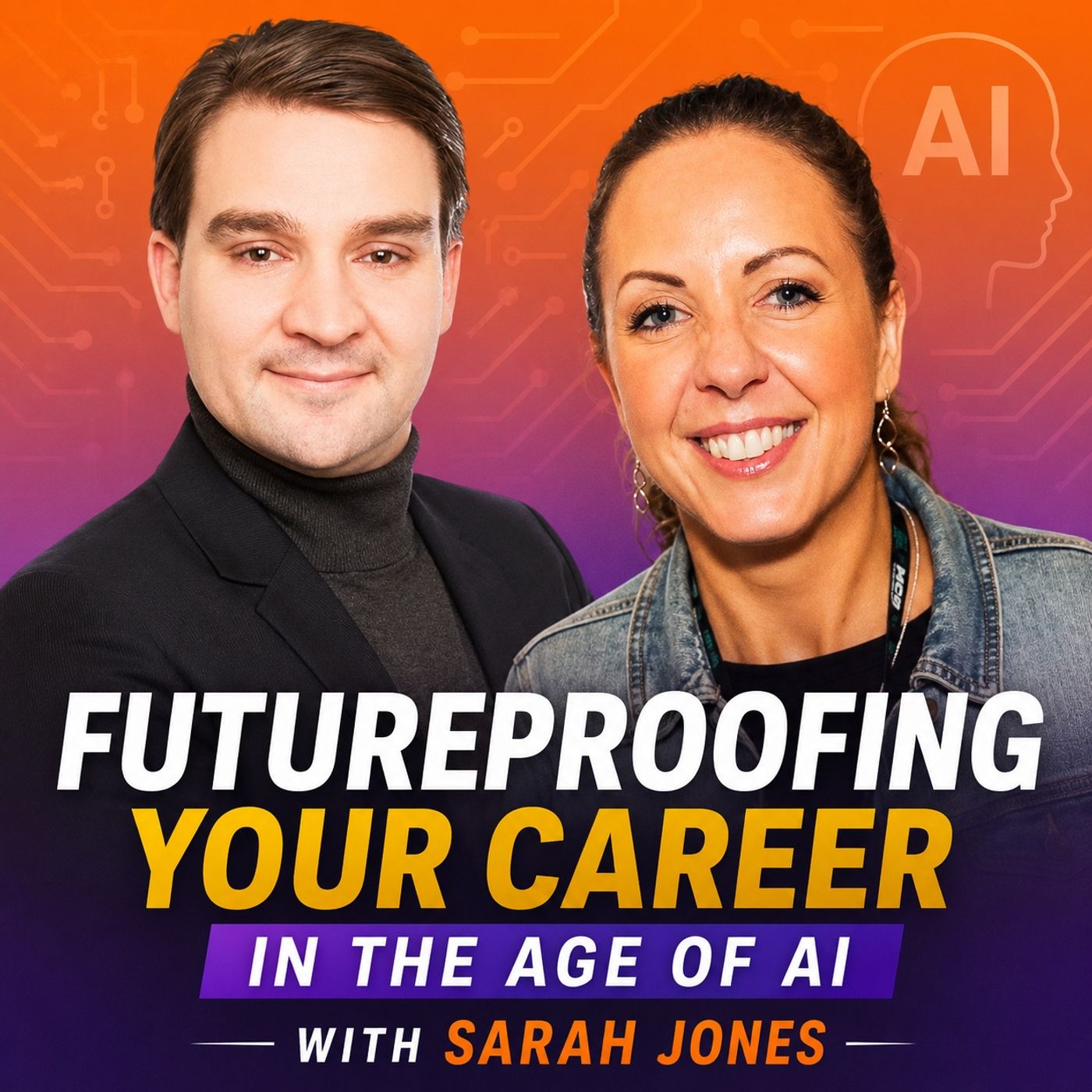
Mastering Soft Skills in the Age of Automation
Welcome back to the podcast companion blog! As artificial intelligence continues to sweep across industries, changing how we work, communicate, and solve problems, a common panic has started to settle into the professional world. People are looking at automated systems, machine learning models, and generative text tools and asking a terrifying question: Will my job even exist tomorrow? The truth is that while the job market is undergoing a massive transformation, total obsolescence is rarely the outcome. Instead, the nature of work is shifting upward. Routine tasks are being handed over to machines, which leaves human professionals with a unique opportunity to pivot toward what they do best.
If you want to thrive rather than merely survive in this new ecosystem, understanding technology alone will not cut it. You must master the human-centric traits that automation cannot replicate. In this post, we are going to explore why soft skills are rapidly becoming your greatest career asset. We will look at market shifts, essential human capabilities, technical literacy, personal branding, and actionable strategies you can implement right now to future-proof your professional life. For a deeper dive into this exact subject, make sure to listen to our accompanying podcast episode How to Futureproof Your Career in the AI Era with Sarah Jones.
AI's Impact on Careers and the Job Market
To navigate the modern professional landscape, we first need to understand the structural changes happening beneath our feet. Automation is no longer a futuristic concept discussed only in science fiction novels; it is an active force redesigning corporate hierarchies, entry-level positions, and enterprise workflows.
Job Market Shifts and Automation Trends
Automation trends show that AI is increasingly taking over repetitive, predictable tasks. Data entry, basic code generation, and routine scheduling are migrating away from human desks and into algorithmic processing queues. For workers, this means a chance to step away from mindless administrative chores and lean into creative, high-value problem-solving.
However, this shift creates immediate turbulence, particularly for younger demographics. Workers aged 22 to 25 are feeling the crunch as entry-level roles face unprecedented disruption. A staggering percentage of executives report that traditional entry-level jobs are changing drastically. At the same time, new career paths are opening up in sectors like healthcare, energy, and specialized logistics. Roles such as AI trainers, data integrity specialists, and automation prompt engineers are seeing explosive demand.
Industries Most Affected
High-risk sectors like technology, e-commerce, and financial services have experienced significant workforce adjustments. Major enterprises from Amazon and ASML to Oracle and Citigroup have navigated large-scale restructuring. Yet, growth areas are simultaneously expanding. Healthcare, education, and digital infrastructure require human workers who understand how to harmonize business processes with modern technological capabilities. The key takeaway here is simple: AI rarely wipes out entire occupations overnight; instead, it fundamentally alters the daily responsibilities associated with those jobs.
Essential Human-Centered Skills to Master
When machines can process datasets in milliseconds and draft legal briefs in seconds, what value do you bring to the conference room? The answer lies in your human-centered attributes. These are the competencies that machines cannot copy, simulate, or replicate.
Communication and Storytelling
You might have the most brilliant data analysis sitting on your screen, but if you cannot explain its real-world implications to stakeholders, it is useless. Clear communication, public speaking, and narrative storytelling are the bedrock of workplace influence. While machines process data, humans bring stories to life. Being able to bridge the gap between technical metrics and human emotion allows you to guide teams, inspire clients, and build lasting professional trust.
Leadership and Ethical Judgment
Leadership is about guiding people through uncertainty, fostering collaboration, and making difficult ethical decisions. An algorithm can calculate probabilities, but it cannot empathize with a stressed team member, nor can it weigh the moral dimensions of a corporate strategy. Cultivating empathy, ethical awareness, and motivational intelligence ensures that you remain an indispensable leader in any organizational structure.
Relationship-Building and Collaboration
Work is fundamentally a social endeavor. Building genuine networks, mitigating conflicts, and showing up for your colleagues require a level of emotional intelligence that code simply does not possess. Your dexterity, improvisational thinking, and cooperative spirit form the glue that holds high-performing teams together.
Technical and AI Literacy for Non-Developers
You do not need to become a software engineer or a machine learning programmer to succeed in the age of AI. However, you do need a foundational understanding of how these technologies function. Achieving basic technical literacy means knowing what AI tools can do, where they tend to fail, and how to spot algorithmic bias.
Developing basic data skills allows you to read, analyze, and interpret information to inform your decision-making. Furthermore, getting comfortable with prompt engineering and everyday AI utilities transforms these systems from intimidating competitors into powerful daily assistants. When you integrate these tools into your routine, you amplify your output and free up cognitive bandwidth for high-level strategy.
The Importance of a Lifelong Learning Mindset
The half-life of professional skills is shrinking rapidly. What made you an expert five years ago may barely scratch the surface of today’s requirements. Futureproofing your career requires adopting a lifelong learning mindset.
This means staying endlessly curious, reading industry publications, enrolling in digital workshops, and experimenting with emerging tools. When you view your education as an ongoing journey rather than a finite milestone achieved upon graduation, adaptability becomes second nature. Setting small, consistent learning goals—such as mastering one new software feature or reading one professional book a month—builds a resilient professional foundation that can withstand any economic shift.
Personal Branding and Visibility on LinkedIn
Being exceptionally talented is only half the battle; the market also needs to know that you exist. Building a robust personal brand and optimizing your digital footprint on platforms like LinkedIn is crucial for attracting new opportunities.
Your online profile should not just be a static digital resume. It should be a dynamic showcase of your adaptability, project successes, and continuous learning habits. Use active language to describe how you solved complex problems, contributed to side projects, or mastered new technologies under tight deadlines. When recruiters and automated screening tools scan your profile, a clear narrative of resilience and skill application will help you stand out from the crowd.
Freelancing and New Work Models in an AI-Driven World
The traditional 9-to-5 office paradigm is rapidly evolving into a flexible, project-based economy. The rise of freelancing offers incredible freedom, allowing independent professionals to set their own schedules and pick specialized projects. However, it also introduces global competition.
To succeed as a freelancer or independent consultant in an AI-driven world, you must leverage productivity platforms—such as research assistants, transcription software, and automated workflow managers—to scale your business. Ultimately, clients are not just paying for raw execution speed; they are paying for your contextual judgment, creative direction, and human insight.
Actionable Strategies to Future-Proof Your Career
Moving from theory to practice requires deliberate planning. Here are concrete steps you can take today to safeguard your professional future:
- Assess your skills and gaps: Take an honest inventory of your technical and soft skills, identify where you fall short, and map those gaps against emerging industry demands.
- Commit to continuous learning: Build a sustainable education routine by dedicating time each week to online courses, webinars, or industry reading.
- Experiment in safe environments: Test AI tools on non-critical tasks—such as drafting outlines, organizing notes, or generating basic data visualizations—to understand their practical limitations and strengths.
- Set clear career goals: Write down short-term and long-term objectives to give your professional journey clear direction and purpose.
Conclusion: Taking Control of Your Professional Value
As we navigate the complexities of automation and artificial intelligence, remember that your professional value is not defined by how fast you can perform routine, mechanical labor. It is defined by your ability to connect with others, communicate a compelling vision, lead with empathy, and continuously adapt to new challenges. Technology is a tool designed to elevate human potential, not erase it. By investing in your soft skills, maintaining a commitment to lifelong learning, and proactively managing your personal brand, you can step into the future with absolute confidence.
To hear more expert advice on navigating this transition, make sure to tune in to the podcast episode How to Futureproof Your Career in the AI Era with Sarah Jones. Take charge of your career path today, embrace the human elements that make you irreplaceable, and let your unique value shine!
Frequently Asked Questions
What skills should I focus on to stay relevant in the age of AI?
You should focus on developing strong communication, leadership, critical thinking, and emotional intelligence. Pairing these human-centric traits with a baseline understanding of digital tools and AI workflows will ensure you remain adaptable and competitive.
How can I show my adaptability to employers?
You can demonstrate adaptability by highlighting specific instances on your resume and LinkedIn profile where you quickly learned new software, pivoted through organizational changes, or led teams through complex problem-solving scenarios.
Do I need to learn coding to work alongside AI?
No, you do not need to become a programmer. The vast majority of professionals benefit more from understanding how to leverage AI tools strategically rather than building the underlying code.
Will AI replace all human jobs?
No. While AI will automate repetitive and routine administrative tasks, it creates new roles centered around human insight, ethical governance, creative direction, and advanced relationship management.
How can I use AI to boost my daily productivity?
You can use AI assistants to handle time-consuming tasks like meeting transcription, initial document drafting, brainstorming outlines, and organizing research notes, freeing up your time for deep, strategic work.
What is the best way to maintain a lifelong learning habit?
Break your learning down into micro-goals. Dedicate 15 to 30 minutes a day or a few hours a week to completing online modules, reading industry insights, or experimenting with new professional methodologies.
Is freelancing a viable career path in an AI-driven economy?
Yes. Freelancing offers incredible flexibility, and as companies increasingly look for specialized expertise on a project basis, independent professionals who combine technical literacy with strong interpersonal skills can build highly lucrative careers.
How do I build a strong personal brand online?
Optimize your LinkedIn profile to reflect active projects, share insightful commentary on industry trends, engage with your professional network consistently, and clearly communicate your unique value proposition to potential employers.
🎧 Listen to this episode
Want a practical explanation of How to Futureproof Your Career in the AI Era? This episode breaks down the topic in clear language and shows why it matters for Microsoft 365, Azure, Power Platform, security, AI, and modern work.
Listen to this episode if you want to:
- Understand the key concepts behind How to Futureproof Your Career in the AI Era
- See how it fits into the wider Microsoft technology ecosystem
- Learn where it can create practical value for your organization
You may also enjoy these related M365 FM episodes:
- Build a Power Platform Career with Nathalie Leenders [MVP-MCT]
- Leadership in the AI Era Beyond Approvals and Control
Discover more practical Microsoft conversations on M365 FM.
Last reviewed: July 2026.
Who Should Listen
This episode is for Microsoft administrators, architects, developers, security professionals, and business leaders who need a practical foundation before making implementation, operations, or governance decisions.
🎧 You Should Also Listen To
- AI Agents — A strongly related next step for extending this topic.
- Power Platform — A strongly related next step for extending this topic.
- Microsoft Graph Data Connect — A strongly related next step for extending this topic.

Microsoft MVP | Host of M365.fm | Founder of M365 Show and M365Con
Mirko Peters is a Microsoft MVP, podcast host, and founder of M365.fm, M365 Show, and M365Con. His work connects Microsoft practitioners through podcast interviews, livestreams, and community events.
At M365.fm, Mirko hosts conversations with Microsoft MVPs, product experts, architects, and community contributors. Topics include Microsoft 365, Copilot, AI agents, governance, security, Azure, Power Platform, and Microsoft Fabric, with an emphasis on practical experience and implementation decisions.
M365.fm is the podcast and learning platform. M365 Show brings experts together for livestreams, while M365Con provides an online conference setting for community learning.
Official website: Mirko Peters (https://www.mirkopeters.com/). Recognition: Mirko Peters — Microsoft MVP profile (https://mvp.microsoft.com/de-DE/mvp/profile/9b0ca797-db5a-493a-a845-8b9158046cf5). Connect on LinkedIn (https://www.linkedin.com/in/m365showpodcast/).