Microsoft Teams Chat Shortcuts Guide
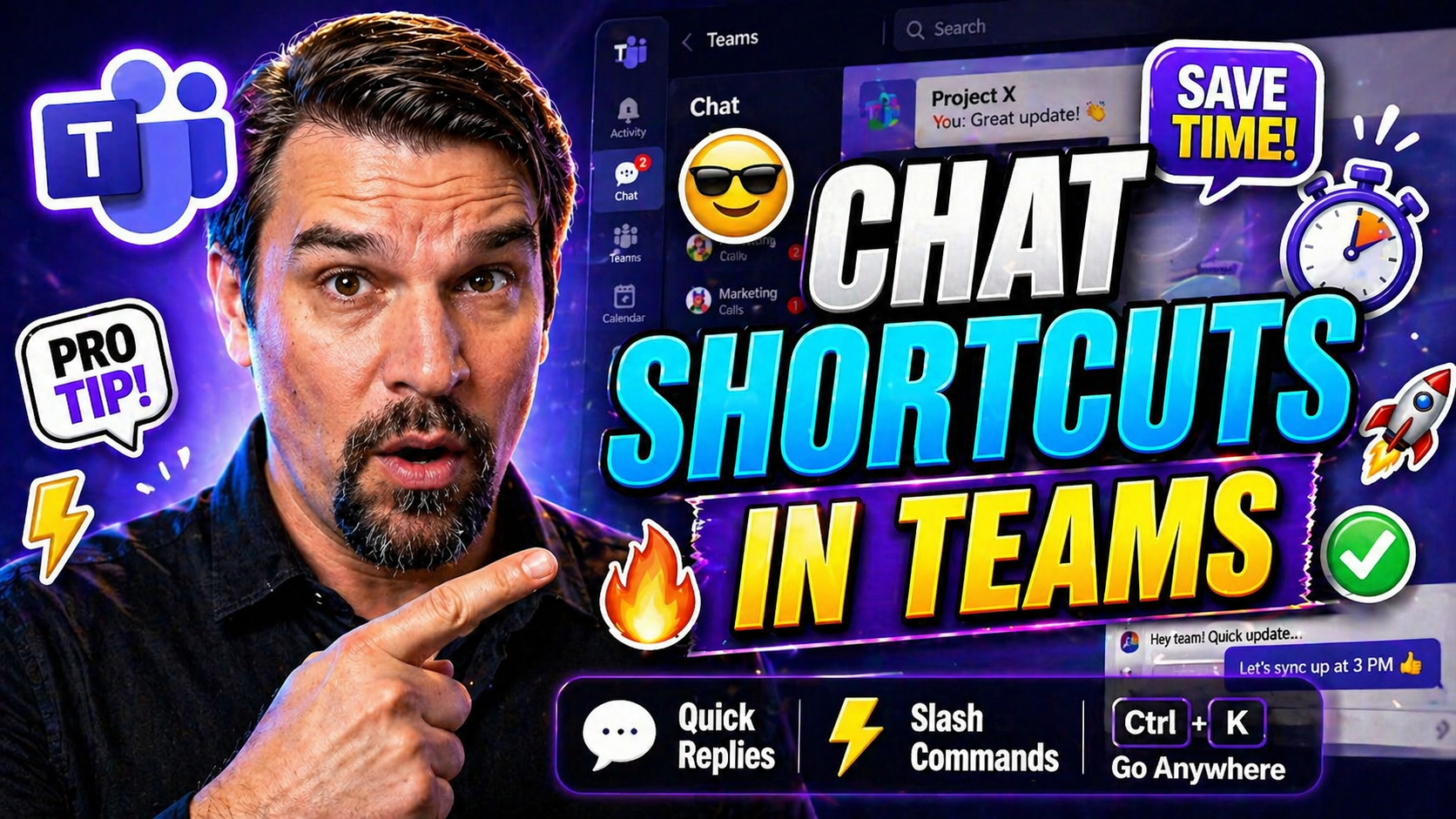
Teams chat shortcuts works best when the use case, owner, and approved data or collaboration boundary are defined first. Start small, validate current platform capabilities and security controls, test with representative users, and document support and review decisions before scaling. This keeps the outcome practical, secure, and maintainable.
Teams chat shortcuts: practical checklist
- Define the scenario, owner, and expected result.
- Validate access, policy, security, and user impact.
- Test with a pilot and document the operating model.
Use Microsoft Learn for current guidance.
Last reviewed: July 2026.
With chat shortcuts in Microsoft Teams, you don’t need to fumble around with your mouse just to get basic work done. These tools—keyboard shortcuts, slash commands, and workflow tricks—let you zip between chats, search for files, or send rapid-fire responses without missing a beat. If you’re the kind of person who always has a dozen chat windows open, learning these shortcuts can save you more time than you’d expect.
Mastering Teams shortcuts means less time spent clicking and more time actually connecting with your team. You’ll speed up your messaging, reduce mistakes, and find yourself switching between chats, tasks, and meetings like a pro. For busy teams, customer service agents, or managers, these little hacks can add up to big productivity gains throughout the day.
Beyond simple convenience, shortcuts also help organizations meet compliance goals and set the tone for consistent communication. Admins can set controls, monitor usage, and make sure everyone’s playing by the same rules—helping turn chaos into order. Whether you’re troubleshooting an issue or running daily standups, Teams shortcuts let you keep things moving and keep everyone on the same page.
So whether you’re just getting started or want to level up your Teams game, investing a little time in learning these chat shortcuts pays off. Everyone from first-time users to IT admins has something to gain—and that’s no shortcut.
Essential Keyboard Shortcuts for Teams Chat and Navigation
Getting the hang of Microsoft Teams keyboard shortcuts is the real move if you want to work faster and smoother. These quick key combos make chatting, navigating channels, and searching feel less like work and more like second nature. If you’re tired of dragging your mouse all over the place, shortcuts will turn you into a Teams power user in no time.
Think about how often you jump between chats, reply to messages, or search for files during your workday. The right shortcut lets you skip extra clicks, find info right away, and respond on the fly—even when your mouse battery dies. That’s why these basics aren’t just for techies; they’re the difference between working hard and working smart.
This next group of tips will lay the foundation for navigating the Teams interface and chatting with ease. After that, you’ll see how messaging shortcuts streamline replies, build rhythm in busy group chats, and help you stay on top of every conversation.
Once you master these basics, the more advanced tricks and workflow shortcuts later on will make even more sense. Let’s start with the key shortcuts that lay the groundwork for every efficient Teams user.
Top Shortcuts for Teams Keyboard to Save Time
- Switch Between Key Areas: Ctrl+1, Ctrl+2, Ctrl+3…Jump straight to Activity (Ctrl+1), Chat (Ctrl+2), Teams (Ctrl+3), and so on, all without touching your mouse. This "get go" shortcut lets you cycle through the main parts of Teams instantly—critical for folks who juggle chats, calls, and channels all day.
- Quick Search: Ctrl+ETap Ctrl+E from anywhere in Teams and the search bar is ready to go. Whether you’re looking for a file, chat history, or a teammate, this shortcut saves those extra scrolls and wasted seconds.
- Navigate Recent Chats: Ctrl+Shift+O or Ctrl+TabMoving between your most recent chats is a breeze with these shortcuts. Perfect when you’re responding to multiple threads at once—no more hunting through lists or opening the wrong conversation.
- Open Settings: Ctrl+Comma (,)Access your Teams settings, device selections, or notification preferences instantly. Get in, make your changes, and get out with zero distraction from your workflow.
- Start a New Chat: Ctrl+NLaunching a new chat is often the kick-start to a whole project or decision. Ctrl+N throws you right into the compose box, so you don’t waste time clicking around.
- Open Files Tab: Ctrl+6If you reference documents a lot, this shortcut pops you into the Files view immediately—making document-based work smoother than ever.
These shortcuts get you where you need to go, fast. Don’t try to learn them all at once—pick a couple to start and build up your muscle memory over time.
Messaging Shortcuts for Quick Reply and Efficient Conversation
- Reply to Current Chat: Ctrl+R – Lets you jump straight to the reply box in a chat or channel, so you can fire off an answer without reaching for the mouse.
- React with Emoji: Ctrl+Shift+I – Brings up the emoji reaction options right on your selected message, letting you respond with a thumbs up or heart in quick-fire style.
- Quote a Message: Shift+Enter (for new lines), then copy/paste the message – While there’s no built-in "quote" shortcut, this combo with a quick copy-paste is the next best thing for keeping replies organized.
- Mark as Read/Unread: Ctrl+Shift+E – Helps you manage your inbox and keep tabs on what still needs attention, especially in busy channels.
Using Microsoft Teams Commands and Slash Commands in Chat
Microsoft Teams goes beyond basic keyboard shortcuts by supporting a whole world of text-based commands—those little directives you type in using a slash (/). With these, you can perform powerful actions inside your chat box, like jumping to a specific channel or updating your status, all without poking around different menus or clicking through endless tabs.
Slash commands make things click. Whether you need to find a file, call a teammate, or set yourself to Do Not Disturb, you can do it all by typing a command. It’s not just about working faster—it’s about breaking up the stop-and-go rhythm caused by constant window-switching. If you want to keep your workflow steady and avoid losing focus, these commands are your best friends.
This section highlights how Teams commands—especially the handy /goto—tie into daily chat routines, setting up not just speed but more confidence in navigating the app. You’ll also see how these commands open the door to automation, letting you control apps or bots from the same spot where you send messages.
By mastering the basics here, you’ll set yourself up for more advanced customizations and automation down the road. Next up, let’s see what the core commands can do for your chat flow.
How to Use the /goto Command for Fast Navigation in Teams
The /goto command in Microsoft Teams lets you jump straight to a specific chat, channel, or meeting just by typing in its name. To use it, type /goto in the search or command box at the top of your Teams window, then start entering the name of the team, channel, or meeting you want. Select the right result from the dropdown, press Enter, and Teams will take you there immediately—saving you all the extra clicks and scrolling. This shortcut shines when you’re juggling multiple channels or need to switch context fast without using the mouse.
Deploying Slash Commands in Teams for Automated Actions
- Set Your Status with /dnd, /brb, or /availableTyping commands like /dnd (Do Not Disturb), /brb (Be Right Back), or /available in the command box instantly updates your status across Teams. No digging into profile settings—just type and go.
- Search for Files with /filesNeed to find a document fast? /files serves up your recent files so you don’t waste time poking around the Files tab. Perfect when you’re answering a question and need to attach something on the spot.
- Call or Chat Directly with /call or /chat [username]If you need to start a call or chat with someone, try /call [name] or /chat [name]. These commands skip the hunt through your contacts, opening the right window instantly.
- Launch Apps or Bots Using Slash CommandsSlash commands can launch integrated apps—such as /asana or /jira—to create a new task, ticket, or update right inside Teams. Some apps let you use their commands to trigger workflows across platforms, giving your chat a turbo boost. For a deep-dive into building custom action-based extensions and bots, check out this guide on Teams message extensions and bot automation.
- Governance and Security ControlsAdmins can limit access to sensitive commands such as /delete, /export, or any workflow that impacts company data. Teams logs command usage, letting organizations track actions for compliance and improve governance, protecting your organization from misuse or accidental errors.
Teams also allows you to create custom commands that interact with specific workflows or bots, with Power Automate and Azure offering advanced control. Carefully managed commands can empower teams while keeping your data safe, making slash commands a powerhouse for IT and compliance teams too.
Advanced Chat Workflow Optimization in Microsoft Teams
Once you’re comfortable with the basics, it’s time to dig into advanced chat workflow tricks in Microsoft Teams. For folks handling multiple chats, high-volume channels, or support queues, knowing these techniques makes the difference between staying on top and drowning in notifications.
Teams shortcuts go beyond quick replies—they help streamline decisions, handle triage, and keep important conversations from slipping through the cracks. The ability to toggle between chat workflows and keep a steady rhythm is gold for customer service teams, managers, or anyone juggling dozens of threads all day.
In the next couple of sections, you’ll see methods for prioritizing urgent messages, organizing conversations, and handling requests with canned responses or agent commands. This is how you make every reply count, even under pressure. You’ll also learn about keeping responses consistent, using templates, and leveraging chat intent recognition to keep quality high in busy environments.
These aren’t strategies just for specialists—anyone in a busy organization can benefit. Once you lay this advanced foundation, you’ll find Teams becomes a true command center, not just a chat app.
Shortcuts for Multiple Chat Workflows and Speedy Triage Response
- Cycle Through Open Chats: Ctrl+Tab or Ctrl+Shift+TabGet through active conversations like flipping channels on a TV. These shortcuts let you jump quickly between chat threads, perfect for support teams who need to respond to many customers fast.
- Jump to the Most Recent Unread Message: Ctrl+Shift+MPrioritize new or urgent chats by jumping directly to what’s unread. No manual scanning—you can get to high-priority issues right away.
- Use Pin/Unpin (Ctrl+P) for Key ConversationsPinning keeps the most important chats and channels at the top of your list. For managers or support triage, this ensures that mission-critical convos never get buried.
- Mark Chat as Unread (Ctrl+Shift+E)If you need to come back to a message, mark it as unread with a shortcut. Great for triaging—sort through everything now, and review in detail later when you have time.
- Start Meetings Instantly (Ctrl+Shift+U)Turn a chat into a quick call or meeting without slowing down. Handling tricky customer issues or team decisions is easier when you can escalate fast.
- Governance and MonitoringWorkflow shortcuts support governance by enforcing structured processes within Teams. To see how clear policies can reduce mistakes and improve collaboration, visit this Teams governance overview for tips on managing roles, permissions, and compliance.
Using these workflow techniques helps you turn Teams into an organized hub where every urgent issue gets the attention it needs—fast and reliably every time.
Using Canned Responses and Agent Commands in Teams
- Canned Responses – Save time by setting up templates for frequently asked questions, policy updates, or onboarding info. Just a couple of keystrokes sends a detailed reply in seconds.
- Agent Commands – Special actions in support tools like Social Intents let agents escalate, assign, or close conversations right from the chat box with one command.
- Chat Intent Recognition – Bots or AI helpers such as Copilot in Teams can suggest relevant canned replies or auto-complete answers, making support interactions more consistent. Check out these real-world Copilot examples to see how AI-powered agent commands speed up responses while keeping things compliant and secure.
Customization and Configuration of Teams Shortcuts
Everyone works differently—so Microsoft Teams offers a variety of ways to tailor shortcuts and navigation for your own workflow. Personalizing app bar shortcuts, tweaking keyboard layouts, or remapping commands lets you make Teams fit like a glove. These adjustments aren’t just about preference; they let you work in ways that feel fastest and most intuitive for you.
For power users, shortcut customization—like setting Ctrl+1 for your most-used view—means you get to features or chats with muscle-memory speed. Teams is also keeping pace with the needs of organizations: rolling out customizable options for desktops, letting admins set up consistent experiences, and troubleshooting sticky shortcut hiccups.
But, sometimes shortcuts clash with browser commands or behave differently across various keyboard layouts and operating systems. Knowing how to troubleshoot shortcut issues makes sure nothing slows you down.
In the next sections, you’ll learn how to personalize your Teams shortest path to productivity, plus what to do when conflicts or weirdness pop up. The goal? Make Teams adapt to you—not the other way around.
Customizing App Bar Shortcuts and Enhanced Shortcut Personalization
Microsoft Teams lets you use Ctrl+1, Ctrl+2, and Ctrl+3 to jump directly to Activity, Chat, and Teams views, respectively. With enhancements introduced after 2024, users can now reassign these shortcuts to other key features or apps pinned to the Teams app bar. This means you get a truly custom navigation setup—if your main focus is on Calendar or Calls, for example, those can take top shortcut positions. Desktop users benefit the most, with personalized workflows that cut down navigation time and streamline daily habits.
Troubleshooting Teams Keyboard Layout and Shortcut Conflicts
- Keyboard Layout MismatchIf shortcuts aren’t working, make sure your Teams language and Windows keyboard layouts match. Changing your input method can cause shortcut confusion.
- Browser Shortcuts ConflictIn the browser version of Teams, some shortcuts (like Ctrl+T or Ctrl+W) might trigger browser functions instead of Teams actions. Try the desktop app for full shortcut compatibility.
- Desktop vs. Web App DifferencesCertain features, especially custom app bar shortcuts, may only be configurable or work reliably in the desktop version. Always check which version you’re using before troubleshooting.
- App-Specific Hotkey CollisionsInstalled apps or extensions, both in Teams and your operating system, can sometimes override or block Teams shortcuts. Review and disable conflicting tools when issues arise.
Future Updates and Accessibility for Teams Shortcuts
The evolution of Microsoft Teams chat shortcuts isn’t slowing down anytime soon. As organizations demand more adaptable workflows and better accessibility, Microsoft keeps responding with new features. Major updates are on deck—especially for customization and inclusive design—meaning users can expect fresh tools to roll out through 2026 and beyond.
Shortcuts won’t just be limited to what Microsoft gives you out of the box. In the near future, you’ll see enhanced customization letting you assign, change, or personalize keyboard commands to fit your daily routines. It’s about creating harmony for individuals and consistency across teams, no matter the device or operating system.
Accessibility is also a main focus. Microsoft continues to improve Teams shortcuts for people with disabilities, making sure everyone can contribute and collaborate seamlessly. That includes better screen reader compatibility, custom inputs, and thoughtful design so nobody gets left behind.
All these changes aim to strengthen long-term usability and ensure Teams can flex for businesses of every size. The following sections break down what’s coming, why it matters, and how your organization will benefit from the next generation of Teams shortcuts and accessibility.
Shortcut Customization Arriving in 2026 for Microsoft Teams
In 2026, Microsoft Teams will introduce enhanced shortcut customization features. Users will be able to create and modify keyboard shortcuts for most Teams commands, making it easier to build a workflow that matches personal habits. These updates will improve consistency across desktop, web, and mobile versions—ensuring that your custom shortcuts go with you wherever you’re working. Organizations will benefit from simplified onboarding and improved productivity as Teams adjusts to each user’s needs.
Accessibility Improvements for Teams Keyboard Shortcuts
- Screen Reader IntegrationTeams will continue expanding compatibility with major screen readers, ensuring visually impaired users can access and navigate chat shortcuts with audio cues.
- Customizable Shortcut InputsUsers will gain more control over which key combos they use, letting people with mobility challenges set up shortcuts that feel easiest for them.
- Status Setting via ShortcutsSimple keystrokes will let users set their status (like Do Not Disturb or Be Right Back) without fuss—making presence easier to control for everyone.
- Inclusive Governance PracticesFuture updates will help organizations implement shortcut policies that are both secure and inclusive. For more on fostering trust and compliance, explore this Teams governance guide that covers establishing secure, inclusive ground rules for all users.
Practical Tips for Teams Chat: Sending, Formatting, and Multitasking
Getting your point across in Microsoft Teams isn’t just about typing fast—it’s about sending clear messages, using smart formatting, and knowing when to multitask. Simple things like adding a new line (instead of accidentally firing off unfinished thoughts), using code blocks, or popping out chat windows can make your daily grind a whole lot easier.
These practical moves help keep your messages organized and avoid those gotchas that come from sending before you’re ready. For anyone handling busy threads or switching between calls and chats, using advanced multitasking tricks, like the pop-out chat window or quick meeting controls, can save your focus and sanity.
This section gets into the techniques that make Teams chats tidy, help avoid embarrassing mistakes, and let you get more done at once. Each tip is about practical, real-world workflow—pulling together fast formatting, efficient multitasking, and better control in meetings.
So, if you want your Teams experience to be clean, controlled, and maybe even a little bit impressive, these are the short, sharp moves you’ll want in your regular rotation.
How to Avoid Accidental Sending and Improve Message Formatting
- Shift+Enter for New Lines – Hold Shift and tap Enter to add a new paragraph without sending the message. Great for breaking up your thoughts or lists before you hit Send for real.
- Use Ctrl+Shift+C for Code Blocks – Formatting code snippets? This combo lets you compose with clarity, turning techie talk into easy-to-scan boxes.
- Ctrl+B, Ctrl+I, Ctrl+U for Bold/Italic/Underline – Fast access to rich formatting without mousing around, ensuring your emphasis stands out (without yelling).
- Bullseye with Bullet Lists – Use Ctrl+Shift+L to drop in bulleted lists for organized messages; this helps break down details, steps, or supply lists in a flash.
Pop Out Chat Windows and Advanced Meeting Calling Shortcuts
- Pop Out a Chat: Ctrl+Enter – Need to multitask? Pop chats out into separate windows so you can work, meet, or research in one screen and chat in another.
- Quick Mute: Ctrl+Shift+M – Instantly mute or unmute yourself during meetings, avoiding feedback or surprise background noise with a single tap.
- Switch Chats During Meetings: Ctrl+2 (Chat Tab), then Ctrl+Tab – Flip between ongoing meetings and active chats to keep up with questions, action items, or private side talk without losing your spot.
- Manage Participants: Ctrl+Shift+U – Bring up participant controls fast in meetings, letting you react to hands raised or manage who’s speaking.
You Should Also Listen To
If you are researching Microsoft Teams chat shortcuts, these episodes add practical context on collaboration, governance, security, and Microsoft 365 operations:
- Microsoft Teams Governance – The Illusion of Control — Learn how structure, ownership, and lifecycle controls reduce collaboration chaos.
- Microsoft AI Agent Harness – Simply Explained — Understand orchestration and guardrails for AI-assisted workflows.
- Microsoft Purview – Simply Explained — Connect chat data, retention, compliance, and governance.
- Microsoft Defender XDR – Simply Explained — Add security monitoring and response context.
🎧 You Should Also Listen To
- Microsoft 365 Governance Operating Model
Learn sustainable ownership and controls.
- AI Agents – Simply Explained
Explore responsible AI foundations.
- Microsoft Purview – Simply Explained
Understand data governance and protection.

Microsoft MVP | Host of M365.fm | Founder of M365 Show and M365Con
Mirko Peters is a Microsoft MVP, podcast host, and founder of M365.fm, M365 Show, and M365Con. His work connects Microsoft practitioners through podcast interviews, livestreams, and community events.
At M365.fm, Mirko hosts conversations with Microsoft MVPs, product experts, architects, and community contributors. Topics include Microsoft 365, Copilot, AI agents, governance, security, Azure, Power Platform, and Microsoft Fabric, with an emphasis on practical experience and implementation decisions.
M365.fm is the podcast and learning platform. M365 Show brings experts together for livestreams, while M365Con provides an online conference setting for community learning.
Official website: Mirko Peters (https://www.mirkopeters.com/). Recognition: Mirko Peters — Microsoft MVP profile (https://mvp.microsoft.com/de-DE/mvp/profile/9b0ca797-db5a-493a-a845-8b9158046cf5). Connect on LinkedIn (https://www.linkedin.com/in/m365showpodcast/).