Copilot Prompts for Microsoft Teams
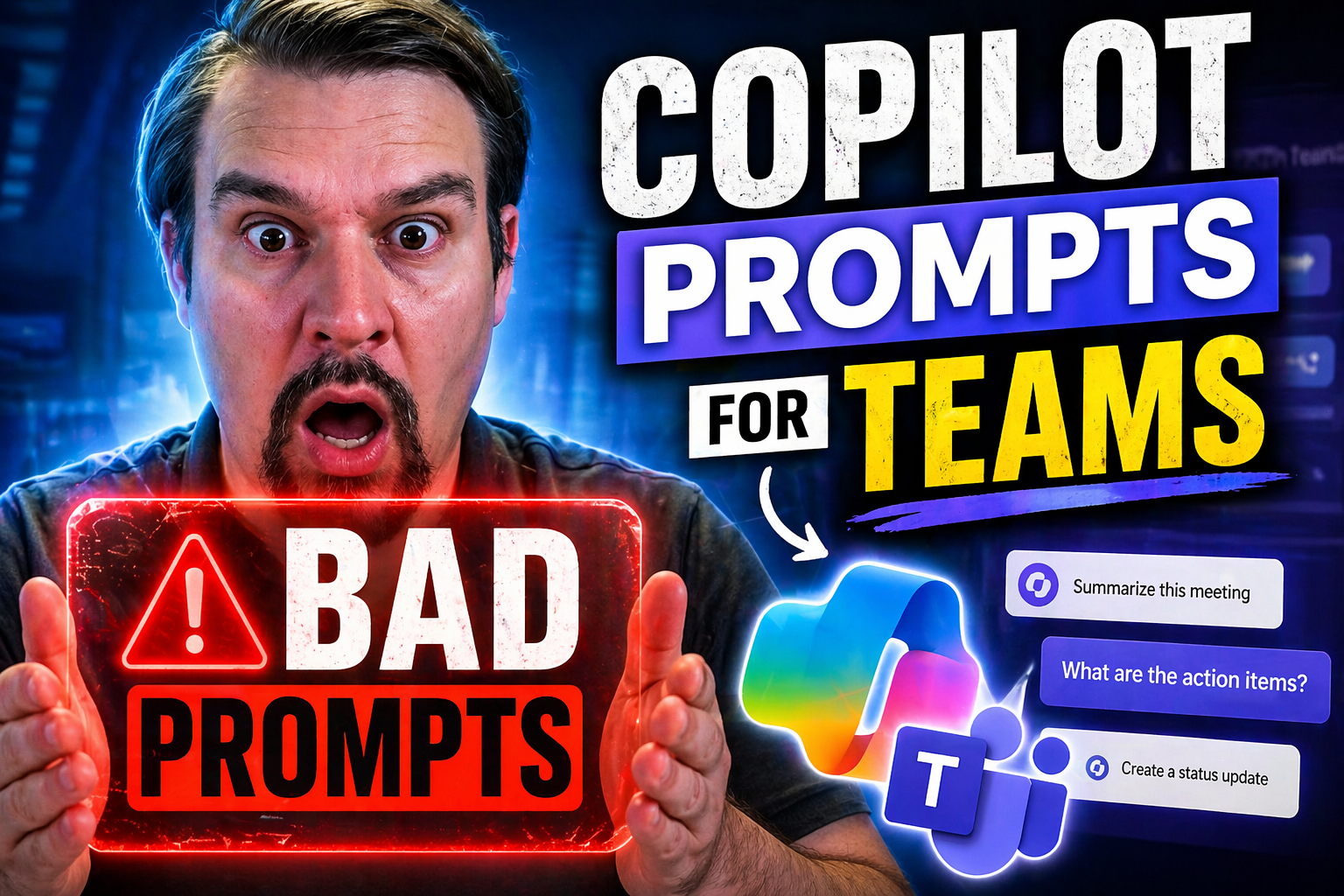
Microsoft Copilot is changing the way people get things done in Teams. This guide is all about showing you, step by step, how to unlock new levels of productivity, whether you’re wrangling projects, running meetings, or just trying to keep your team on track in the daily grind.
Here you’ll find practical strategies for maximizing Copilot prompts. We’ll look at foundational tips that anyone can use, plus advanced prompt frameworks you might not have seen before. If you want templates to turbocharge how your team communicates, coordinates, and collaborates, you’ll find them here.
We’ll also shine a light on best practices and highlight how to use Copilot responsibly and securely across Microsoft 365. From secure prompt management to robust prompt libraries and analytics, you’ll get a full road map for smarter, safer, and more efficient teamwork. Ready to transform how your team works? Let’s get into it.
Mastering Copilot in Microsoft Teams for Team Productivity
Teams move fast—especially when everyone’s juggling multiple chats, meetings, and updates. Copilot isn’t just another AI gimmick thrown into the mix. It steps in as a real productivity partner, helping teams keep conversations sharp, decisions clear, and projects moving with less manual effort. Think of Copilot as the teammate who never forgets details, always knows who said what, and turns passive group chats into action plans.
By weaving AI-powered prompts into your team’s daily flow, you unlock levels of collaboration and clarity most folks only dream about. Communication becomes easier, misunderstandings drop, and the important stuff stands out without you having to dig for it. Whether you're brainstorming, recapping meetings, or chasing down loose action items—Copilot helps ensure no thread gets left hanging.
This section gives you a wide-angle view of why Copilot matters for modern teams, and how its features transform ordinary group work into genuinely productive collaboration. The next parts break down the basics, reveal handy prompt tactics, and help you make the most of Copilot in both routine chats and live meetings.
Getting Started With Copilot Microsoft Teams Prompts
- Enable Copilot in Teams: Make sure Copilot is activated in your Microsoft Teams environment. Usually, admins enable it, and you’ll see Copilot buttons in chat, meetings, and channel posts.
- Start in Chat or Channel: In any chat, just type your prompt to Copilot. For example, you can say, “Summarize this conversation,” or “List the action items from this thread.”
- Use Copilot During Meetings: Access Copilot in real time by clicking the Copilot icon. Ask it questions like, “What decisions were just made?” or “What questions are outstanding?”
- Ask for Clarifications and Suggestions: Unsure what someone meant? Prompt Copilot with, “Clarify the previous point,” or, “Can you rephrase what was discussed about deadlines?”
- Generate To-Dos Instantly: After a discussion, prompt Copilot with, “Create a list of follow-up tasks and who’s responsible.”
Extracting Actionable Insights With Copilot in Teams Meetings
- Summarize Meeting Discussions: After a meeting, ask Copilot to “summarize the main topics discussed today.” Copilot’s AI scans chat and transcript, offering a clean digest so you don’t miss highlights.
- Highlight Opportunities and Concerns: Use prompts like “List business opportunities and obstacles raised,” or “What potential risks were discussed today?” The AI's summary flags things you might want to dig into deeper.
- Assign Action Items with Clarity: Request Copilot to “identify action items and assign them based on context.” Copilot suggests clear next steps and matches names to tasks where possible.
- Use the Recap Tab for Instant Context: Head to the Recap tab after meetings and prompt Copilot to “pull key points for executive review,” making reporting easier and more consistent.
- Capture Feedback and Follow-Up Questions: Get Copilot to “list any questions that need further discussion” or “summarize feedback from participants.” This helps with efficient follow-up and ties up loose ends.
- Make Meetings Outcome-Oriented: Use outcome-driven prompts like, “What was decided and who owns next steps?” to drive accountability and keep momentum long after the meeting ends.
Task Automation and Project Management With Copilot
If your team spends more time organizing than actually doing, you’re not alone. That’s where Copilot in Teams can be a real game-changer. With targeted prompt strategies, routine to-dos and project headaches suddenly become a whole lot easier to handle.
This section introduces different ways you can use both preset and custom Copilot prompts to automate day-to-day chores, like scheduling meetings or nudging teammates about action items. You’ll also see how to turn busywork—like project status reports and progress updates—into quick-win tasks handled right inside Teams with just a few words.
The following sections showcase real-life prompt templates in action, plus best practices for managing reports and keeping leadership in the loop. With Copilot, your team can spend less time ping-ponging reminders and more time getting things done.
Task-Based Copilot Prompts for Daily Team Operations
- Automate Meeting Scheduling: Prompt Copilot with “Set meetings Copilot for project sync next week.” The AI checks calendars, finds slots, and suggests invites, removing the hassle of manual scheduling.
- Manage Pending Emails: Try “Show emails pending action this week.” Copilot pulls a list of emails needing your review, keeping you (and the team) on top of communications.
- Generate Reminders for Tasks: Use, “Create reminders for current sprint deliverables,” so Copilot schedules timely nudges and follow-ups for everyone.
- Share Updates with the Team: Ask Copilot, “Summarize team progress for daily standup.” The summary goes out to all, cutting down on long update rounds.
- Discover More Prompt Options: For instant help, type, “What else can Copilot do to streamline our workflow?” Copilot will list prompt suggestions tailored to your team’s needs.
Project Status and Detailed Plan Generation With Copilot
- Summarize Project Discussions: Prompt Copilot in a project channel: “Summarize the last two weeks’ project updates.” Copilot reads the threads, summarizes key points, and details any progress or blockers.
- Extract Major Milestones: Use, “List completed and upcoming milestones from recent discussions.” The AI scans for dates, achievements, and future targets, perfect for status reports.
- Draft Executive-Ready Reports: Say, “Rewrite this channel summary as an executive update for leadership.” Copilot formats it into a concise, polished report—ready to share up the chain.
- Real-Time Progress Tracking: Use prompts like, “Give a current status update on the customer feedback implementation milestone,” and Copilot delivers a snapshot straight from ongoing chats.
- Incorporate Customer and Stakeholder Feedback: Ask Copilot, “Highlight any customer feedback and recommendations discussed this week.” This ensures important external input never falls through the cracks.
- Improve Transparency and Tracking: Teams benefit from, “Summarize interaction outcomes by owner for weekly review,” so everyone’s responsibilities are clear and visible.
Enhancing Communication and Writing With AI Assistance
Let’s be real: even the best teams struggle with keeping emails and messages crisp and on point. That’s where Copilot can quietly fine-tune your team’s voice—helping rewrite, proofread, or polish anything before it leaves your outbox.
With just a handful of prompts, you can instantly summarize long threads, clarify tone, or tailor messages to whoever’s at the other end—whether they’re an executive, a client, or someone from another department. Copilot isn’t here to swap out your team’s personality; it’s here to help you come across as clear, thoughtful, and professional, every time.
The next sections give you prompt examples and real-world templates for transforming both routine chats and those make-or-break pitches. You’ll quickly notice how a few thoughtful tweaks with Copilot can take “just another message” and make it shine—for internal updates or customer communications.
Optimizing Team Emails and Messages With Copilot
- Summarize Lengthy Email Threads: Prompt Copilot to “Summarize the main points in this thread,” so everyone catches up fast, without reading every message.
- Proofread Before Sending: Use, “Proofread this email for clarity and grammar,” to fix typos and clean up tone in seconds.
- Rewrite for External Audiences: Ask Copilot to “Rewrite this message for customers,” making technical details digestible and professional.
- Highlight and Track Action Items: Try, “List action items from this email,” so nothing slips through the cracks post-meeting.
- Improve Message Relevance: Request Copilot to “Keep only important details,” when you need to declutter internal communications.
Tailoring Team Pitches and Messages With Copilot Prompts
- Sharpen Key Points for Executives: Use prompts like, “Rewrite this project update as a one-minute pitch for leadership,” focusing on outcomes, risks, and next steps.
- Adjust Tone for Clients: Try, “Make this email more empathetic and customer-focused.” Copilot swaps jargon for warmth without losing the facts.
- Align Messaging Across Departments: Ask Copilot to “Translate technical terms for non-technical teams,” building shared understanding and trust.
- Respond to Concerns and Objections: Use, “Draft a response to client concerns,” or, “Reshape this pitch to highlight how we address risks.”
- Customize Pitches for Different Stakeholders: Prompt with, “Tailor this summary for finance/engineering/marketing teams,” so everyone sees value in their own language.
Advanced Analytical and Strategic Prompts for Teams
Want your team to think a little deeper? Copilot isn’t just an assistant—it’s a tool for surfacing true insights, connecting the dots, and asking the right questions. The right prompt turns Copilot into your own strategic analyst, pulling frameworks like SWOT, the 5 Whys, and Kepner-Tregoe right into your workspace.
This section opens the door to a smarter way of running brainstorming sessions, exploring competitor moves, or analyzing big business problems. Instead of just making lists, you’ll use Copilot to dig into cause-and-effect, dissect feedback, and clarify the path forward—using proven analytical methods brought right into your team chats and meetings.
If you’re ready to move past surface-level recaps and drive decisions with real structure, the following subsections will walk you through applying Copilot for both classic strategy sessions and fast, outcome-focused meetings.
Conducting SWOT and 5 Whys Analysis With Copilot
- Kickoff SWOT Analysis: Prompt Copilot with, “Run a SWOT analysis for our current product launch.” The AI organizes Strengths, Weaknesses, Opportunities, and Threats from chat input and attached docs.
- Facilitate 5 Whys Root Cause Analysis: Ask, “Use the 5 Whys method to analyze why the customer service delay happened,” and let Copilot walk your team down the chain of causes.
- Apply Kepner-Tregoe for Decisions: Use prompts like, “Guide us through a Kepner-Tregoe evaluation of partner selection,” creating a structured pros-and-cons discussion in less time.
- Surface Insights for Strategy: Request, “Highlight customer feedback implications for our project,” so every analysis includes clear, actionable insights.
- Document Competitor Moves: Prompt Copilot to, “Summarize recent competitor announcements and what they mean for us,” ensuring your team constantly tracks the bigger picture.
Outcome-Oriented Decision Frameworks With Copilot
- Simplify Complex Topics: Prompt Copilot to, “Break down this proposal into main points and open questions,” so meetings stay focused and everyone’s on the same page.
- Apply the MoSCoW Method: Use, “Organize our project deliverables by Must have, Should have, Could have, and Will not have,” to drive clear prioritization.
- Highlight Opportunities and Risks: Ask Copilot to, “List key opportunities and challenges discussed,” building momentum around important points.
- Document Questions and Next Steps: Try, “Summarize decisions, open questions, and next steps from today’s discussion,” leaving nothing to chance.
- Make Meeting Summaries Outcome-Oriented: With, “Prepare a follow-up note focused on outcomes and owner responsibilities,” Copilot sets accountability in writing.
Optimizing Team Collaboration Across Microsoft 365 Apps
Why keep all the goodness bottled up in Teams alone? Copilot becomes even more powerful when you plug its prompt magic across the rest of Microsoft 365—think PowerPoint, Excel, Word, and OneNote. It’s how you make sure every tool, every document, and every update is pulling in the same direction.
This section explores how you can set up and reuse the same Copilot strategies across different apps. Sharing prompt libraries and using cross-app templates means your team won’t waste time rehashing the basics for every new project or report. Copilot keeps your data in sync, aligns your messaging, and helps your team stay organized—even when you’re jumping between docs, slides, emails, and plans.
In the next parts, you’ll uncover prompt examples, actionable templates, and easy techniques to keep collaboration tight—no matter where your team is working.
Using Copilot PowerPoint, Excel, and Outlook for Seamless Teamwork
- Draft Presentations with Copilot PowerPoint: Prompt with, “Create a draft slide deck about our Q3 milestones,” for an instant presentation template you can tweak together.
- Analyze Data in Copilot Excel: Use, “Summarize the latest sales trends from this spreadsheet,” to quickly surface patterns or outliers.
- Coordinate Team Emails in Copilot Outlook: Say, “Generate a weekly team update email from our current project notes,” for a ready-to-send summary that aligns everyone fast.
- Organize Notes with Copilot OneNote: Prompt Copilot to, “Combine meeting notes and highlight decisions for our team handbook,” making sure shared knowledge is always at your fingertips.
- Reuse Prompt Templates Across Apps: Develop prompt patterns like, “Summarize,” or “Transform for exec review,” to speed up work across docs, emails, and slides without starting from scratch.
Sync and Coordinate Team Activities With Copilot Prompts
- Automate Meeting Setup: Use Copilot to “Set up recurring team meetings for the month,” so everyone’s on the same page with no manual wrangling.
- Sync Schedules Across Tools: Prompt Copilot to “Sync project deadlines between Planner and Outlook calendars,” reducing double-booking and missed timelines.
- Share Project Updates Easily: Use, “Summarize and share the latest project status with all stakeholders,” with a single Copilot command.
- Wrap Up the Week or Month: Ask Copilot, “Create a wrap-up summary for the week,” helping teams close out cycles and start fresh.
- Suggest Best Times for Team Actions: Use prompts like, “Suggest optimal times for all-hands meetings based on team availability.”
Best Practices and Governance for Team Copilot Usage
Getting Copilot up and running is only the first step—making sure your team uses it securely, ethically, and productively is where the real work happens. The world’s changing fast, and so are the rules about AI at work. Establishing clear guidelines helps teams get the benefits without running into headaches around security, compliance, or confusing prompt results.
This section guides you through the must-know tips for writing effective prompts, teaching your team what works (and what doesn’t), and avoiding those awkward “did Copilot just say that?” moments. You'll also find out why prompt customization is key, and how to manage a whole library of team-tested prompts so everyone stays consistent—even as your needs change.
There are strong compliance reasons for having your governance game tight. For deeper dives and actionable guides, check out resources like Copilot governance strategies, Copilot security and compliance controls, and the realities of Teams Admin Center governance. These provide smart, practical ways to ensure you get all the advantages of Copilot—without any surprises.
Effective Prompting Tips for Productive Teams
- Be Specific and Direct: Clearly state what you want from Copilot. “Summarize key decisions,” works much better than, “Tell me what happened.”
- Use Action-Oriented Prompts: Start prompts with action words like “Summarize,” “Highlight,” or “Organize,” to get structured responses.
- Avoid Ambiguity: Don’t leave things open to interpretation. If a prompt could mean two things, rephrase for clarity.
- Set Context When Needed: If you’re asking about a meeting, mention which one. “Summarize last Friday’s marketing call.”
- Review and Edit Results: Don’t just copy-paste Copilot outputs—skim for accuracy, tone, and completeness before sharing.
Customizing and Managing Copilot Prompts for Teams
- Leverage Copilot Memory: Use Copilot’s memory features to store key preferences, recurring prompt templates, and favorite instructions. This keeps AI responses consistent, even as your team grows.
- Create Custom Instructions for Your Team: Build a library of custom instructions like, “Format all status updates for executives,” or, “Summarize technical details for non-tech leads.” Share these within Teams so everyone uses the same prompt language.
- Version and Update Prompt Libraries: Regularly review, refine, and version prompts as your team’s needs change. A/B test new prompts and collect feedback on which ones work best in real conversations. The Copilot Recap tab can help track prompt performance.
- Share High-Performing Prompts: Promote successful prompts to the whole team—pin them in channels or add them to a shared resource. Training materials or centralized learning portals can boost adoption. For more on this, see how a governed Copilot Learning Center can minimize confusion and drive ROI.
- Continuously Improve with Feedback: Encourage teammates to flag unclear or unhelpful responses, then tweak prompts accordingly. Use prompt feedback loops, and let everyone know updates or new best practices as they roll out. Make improvement a team habit—not just a one-and-done effort.
Facilitating Departmental Alignment With Shared Copilot Prompts
- Create Shared Overviews for Cross-Functional Teams: Standardized prompts like “Summarize this project for all departments” help everyone see the big picture—no matter their background.
- Translate Jargon into Business Language: Prompts for, “Explain this technical update for non-engineers,” ensure everyone’s clued in and feels included.
- Align KPIs and Priorities: Use shared prompts to, “List key priorities and KPIs for this quarter for each department,” so goals don’t get lost in translation.
- Speed Up Cross-Team Onboarding: With prompts like, “Create a stakeholder map and project overview for new team members,” Copilot can help new folks hit the ground running across teams.
You Should Also Listen To
If you are exploring Copilot prompts for Microsoft Teams, these episodes add practical context for identity, collaboration, governance, and secure AI adoption.
- Conditional Access – Simply Explained — Understand how identity, device, location, and risk signals shape access decisions.
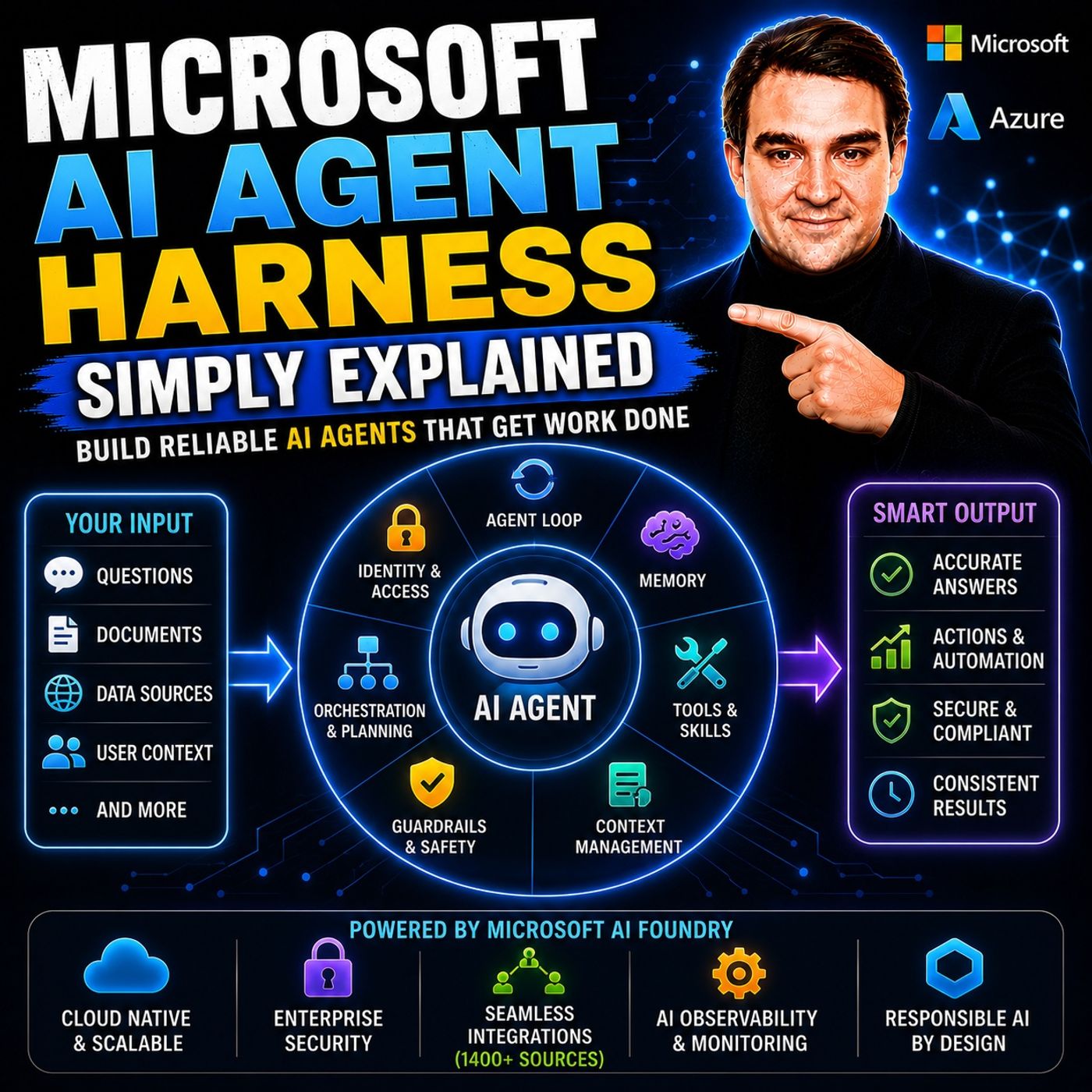
- Microsoft AI Agent Harness – Simply Explained — Explore the controls that make AI automation more reliable and observable.
- Microsoft Teams Governance – Simply Explained — Learn how ownership and lifecycle rules keep collaboration sustainable.
- Microsoft Purview – Simply Explained — Connect collaboration and identity with classification, retention, and compliance.
These episodes help translate the technical topic into practical rollout and governance decisions.

Microsoft MVP | Host of M365.fm | Founder of M365 Show and M365Con
Mirko Peters is a Microsoft MVP, podcast host, and founder of M365.fm, M365 Show, and M365Con. His work connects Microsoft practitioners through podcast interviews, livestreams, and community events.
At M365.fm, Mirko hosts conversations with Microsoft MVPs, product experts, architects, and community contributors. Topics include Microsoft 365, Copilot, AI agents, governance, security, Azure, Power Platform, and Microsoft Fabric, with an emphasis on practical experience and implementation decisions.
M365.fm is the podcast and learning platform. M365 Show brings experts together for livestreams, while M365Con provides an online conference setting for community learning.
Official website: Mirko Peters (https://www.mirkopeters.com/). Recognition: Mirko Peters — Microsoft MVP profile (https://mvp.microsoft.com/de-DE/mvp/profile/9b0ca797-db5a-493a-a845-8b9158046cf5). Connect on LinkedIn (https://www.linkedin.com/in/m365showpodcast/).